11 Cooking Shortcuts That May Affect Flavor and Texture

Cooking shortcuts are often seen as a way to make meals quicker and more convenient, especially during busy days. From pre-prepped ingredients to faster cooking methods, these techniques can help save time in the kitchen. However, not all shortcuts come without tradeoffs. Many of them skip essential steps that contribute to flavor, texture, and overall balance in a dish. While the results may still be edible, they can lack the depth and quality that traditional methods provide. Understanding these shortcuts can help you decide when they are worth using and when they are best avoided.
1. Using Pre-Minced Garlic Instead of Fresh
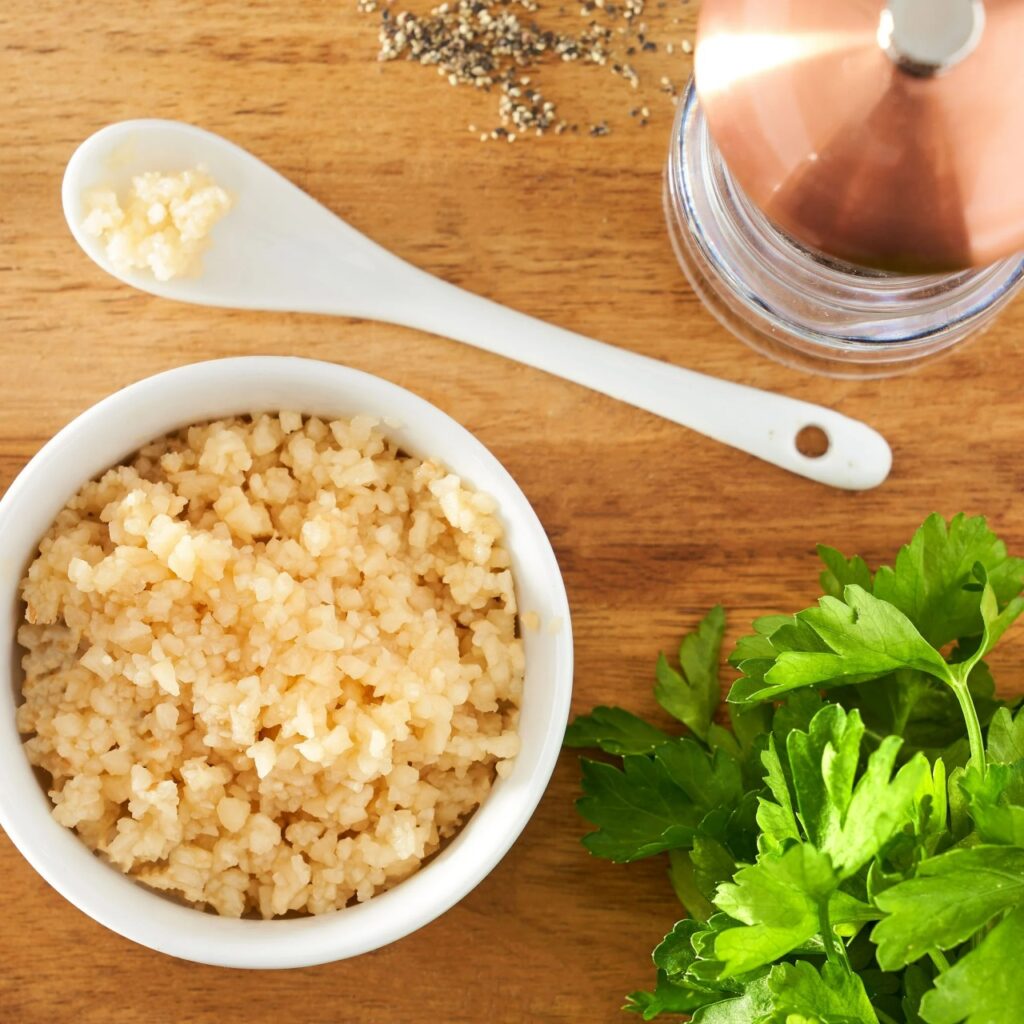
Few ingredients change a dish as quickly as garlic. Fresh garlic, when chopped or crushed, releases strong aromatic compounds that build depth in sauces, sautés, and marinades. It is often one of the first layers of flavor added to a pan.
Pre-minced garlic offers convenience, but it behaves differently in cooking. It tends to have a milder aroma and a slightly preserved taste that can feel flat compared to freshly cut cloves.
This difference comes from how garlic changes once it is processed and stored. The natural oils begin to break down, and preservatives are often added to extend shelf life. As a result, the sharp, fresh flavor becomes muted, which can make the final dish taste less vibrant.
2. Skipping Proper Browning or Searing
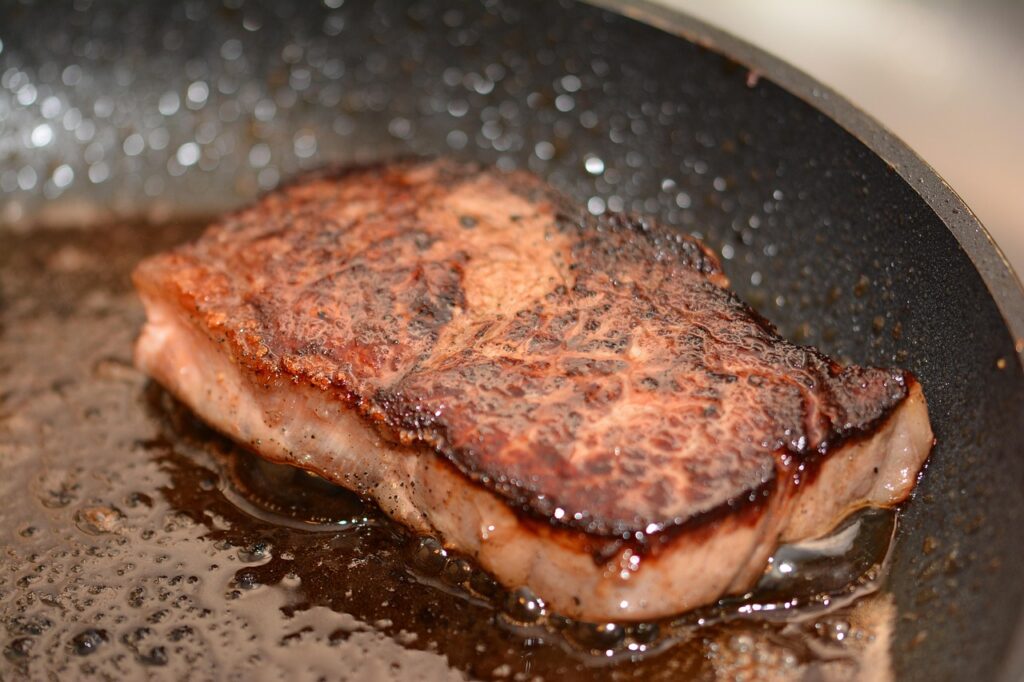
Browning food is one of the most important steps in cooking. When meat or vegetables are exposed to high heat, they develop a deep color and a rich, savory flavor that forms the base of many dishes.
Skipping this step to save time often results in food that looks pale and tastes less complex. Without proper searing, meat can feel boiled rather than roasted, and vegetables may lack the slight crispness that makes them more appealing.
The reason lies in the chemical reaction that occurs during browning. This process creates new flavor compounds that cannot form at lower temperatures. Without it, the dish misses a key layer of taste that contributes to its overall depth.
3. Using Pre-Chopped or Pre-Cut Vegetables
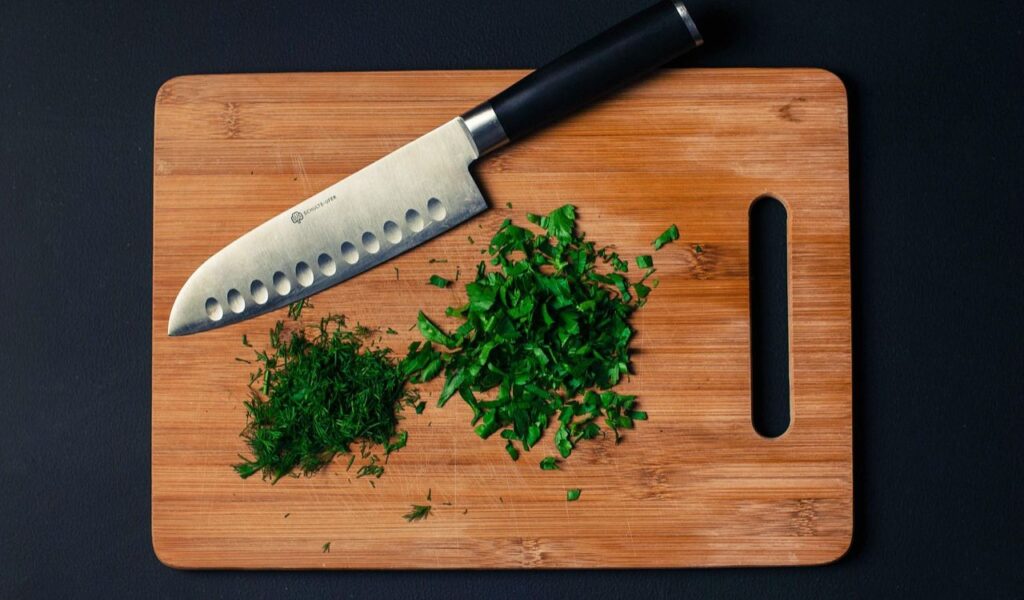
Pre-cut vegetables can make cooking faster and more convenient, especially on busy days. They reduce preparation time and allow ingredients to go straight from the package into the pan.
However, these vegetables often lose some of their freshness before they are cooked. Once cut, they begin to release moisture and can become slightly softer or less crisp compared to freshly chopped produce.
This happens because exposure to air starts breaking down the structure of the vegetable. Nutrients and natural sugars can also degrade over time. While still usable, the final dish may lack the same brightness and texture that fresh cutting provides.
4. Replacing Fresh Herbs with Dried Without Adjusting
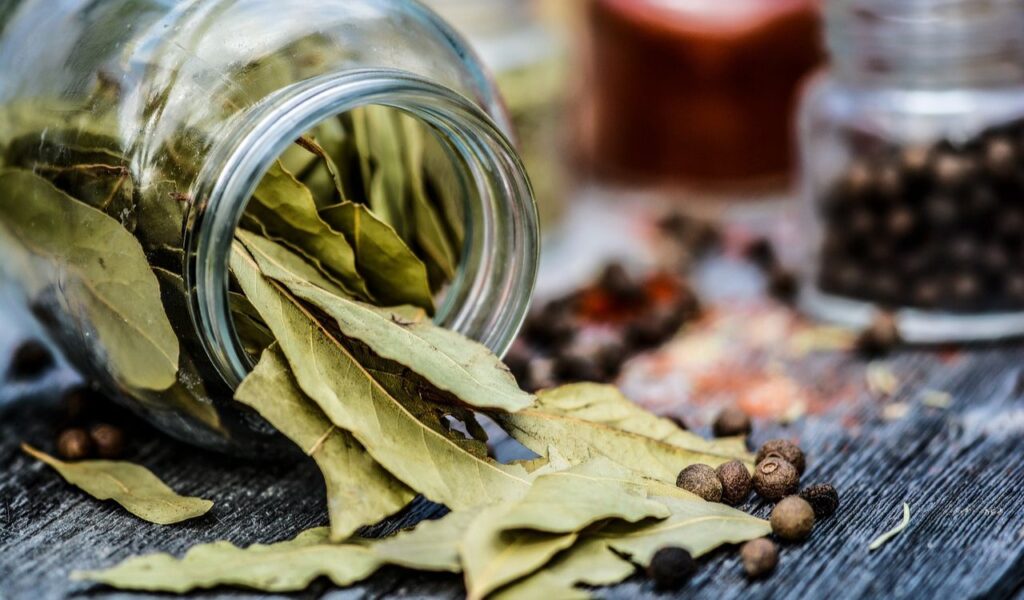
Herbs bring freshness and aroma to many dishes, whether they are sprinkled at the end or cooked into sauces. Fresh herbs tend to have a light, vibrant flavor that stands out without overpowering the dish.
Using dried herbs as a direct substitute can change that balance. Dried herbs are more concentrated and often have a deeper, slightly muted flavor compared to their fresh counterparts. Adding them in the same quantity can lead to an uneven taste.
The difference comes from how herbs lose moisture during drying. This process intensifies certain compounds while reducing others. To maintain balance, the quantity and timing of adding dried herbs need to be adjusted; the dish may taste heavier or less fresh.
5. Using Bottled Lemon or Citrus Juice Instead of Fresh
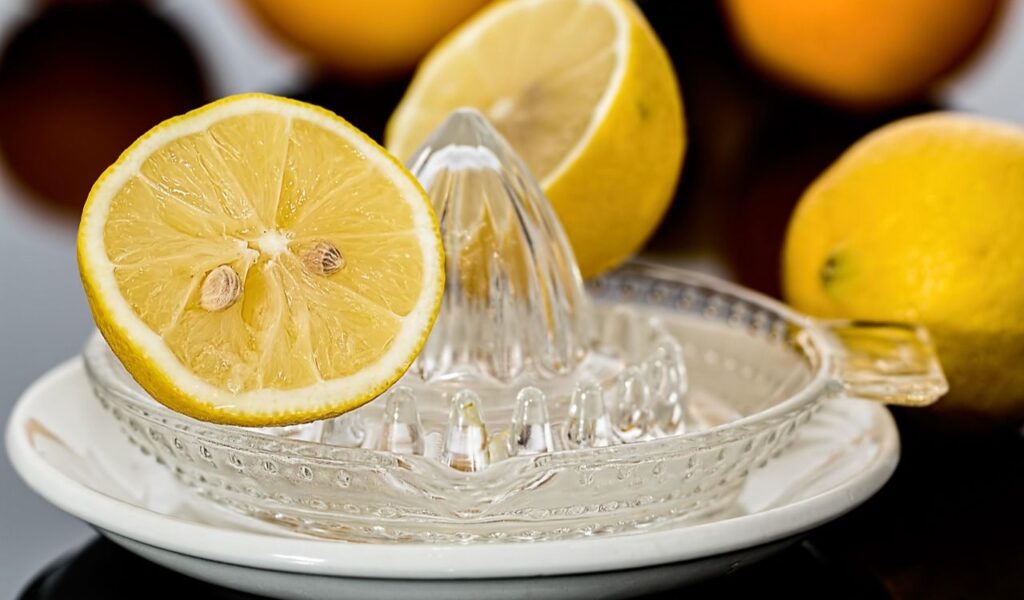
A squeeze of fresh citrus can brighten a dish instantly. Lemon or lime juice adds acidity that enhances other flavors and brings balance to sauces, marinades, and salads.
Bottled citrus juice is convenient, but it often lacks the same sharpness and aroma. The flavor can feel slightly dull or artificial, especially when used in dishes where citrus plays a key role.
This difference is due to how fresh juice contains volatile compounds that give it a lively taste. These compounds fade during processing and storage. Without them, the acidity remains, but the freshness that makes citrus stand out is reduced.
6. Cooking Everything on High Heat to Save Time
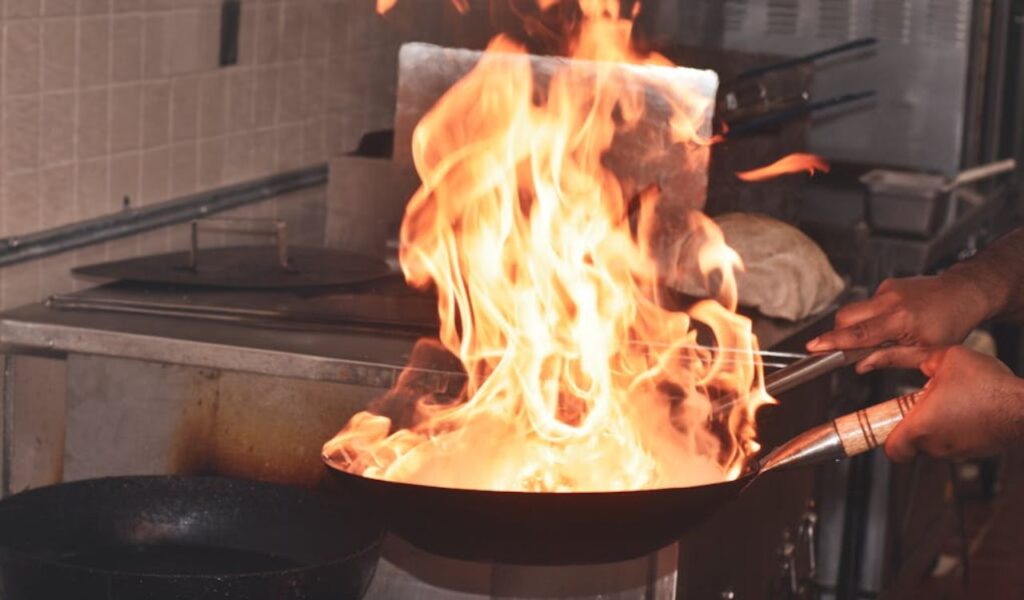
High heat can speed up cooking, which makes it a tempting shortcut in the kitchen. It is useful for certain techniques like searing or stir-frying when used correctly.
When applied to all types of cooking, high heat can lead to uneven results. Food may burn on the outside while remaining undercooked inside. Delicate ingredients can lose their texture and become tough or dry.
Cooking is often about controlling heat to match the ingredient. Lower or moderate heat allows flavors to develop gradually and ensures even cooking. Rushing the process can disrupt this balance and affect both taste and texture.
7. Skipping Resting Time for Meat
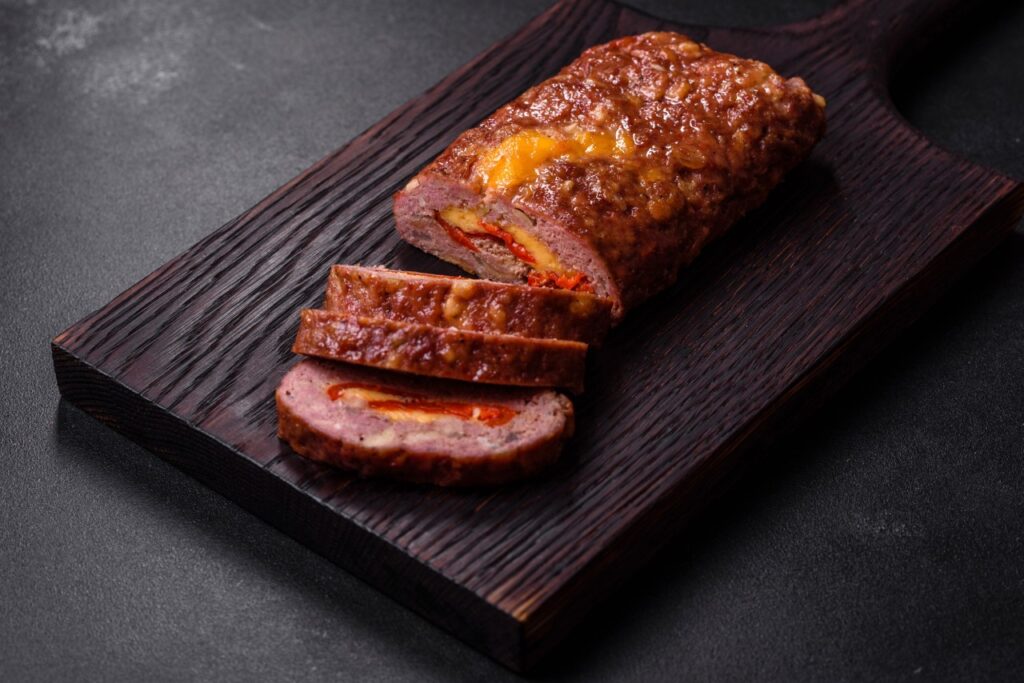
After cooking, meat continues to hold heat and redistribute its juices. Letting it rest for a few minutes allows these juices to settle, which helps keep the meat moist when sliced.
Cutting into meat immediately after cooking releases those juices onto the plate. This can leave the inside drier than expected, even if it was cooked properly. Allowing the meat to rest helps the juices redistribute more evenly.
The resting period allows the fibers in the meat to relax and reabsorb moisture. Without this step, the texture can feel less tender, and the overall eating experience becomes less satisfying.
8. Using Pre-Made Sauces Instead of Building Flavor
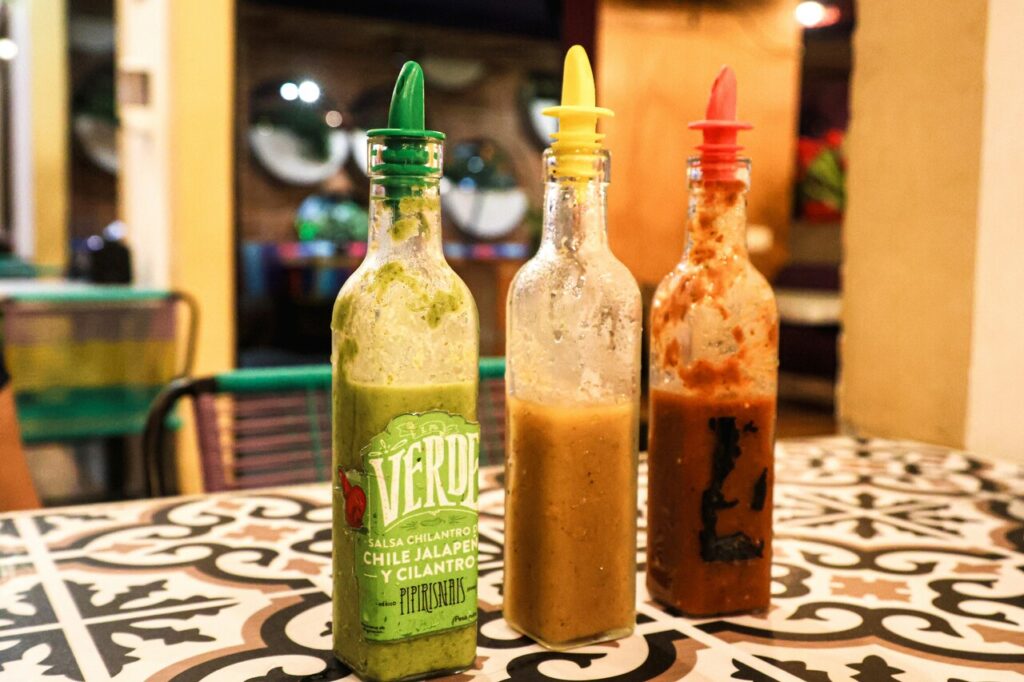
Pre-made sauces offer a quick way to complete a dish without preparing ingredients from scratch. They are designed to provide consistent flavor with minimal effort.
The drawback is that these sauces often taste one-dimensional compared to homemade versions. They may rely on salt, sugar, or additives to create a strong initial flavor but lack depth.
Building a sauce step by step allows flavors to develop and blend naturally. Ingredients like onions, garlic, and spices create layers that evolve during cooking. When this process is skipped, the final dish can feel less balanced and less complex.
9. Not Letting Ingredients Come to Room Temperature
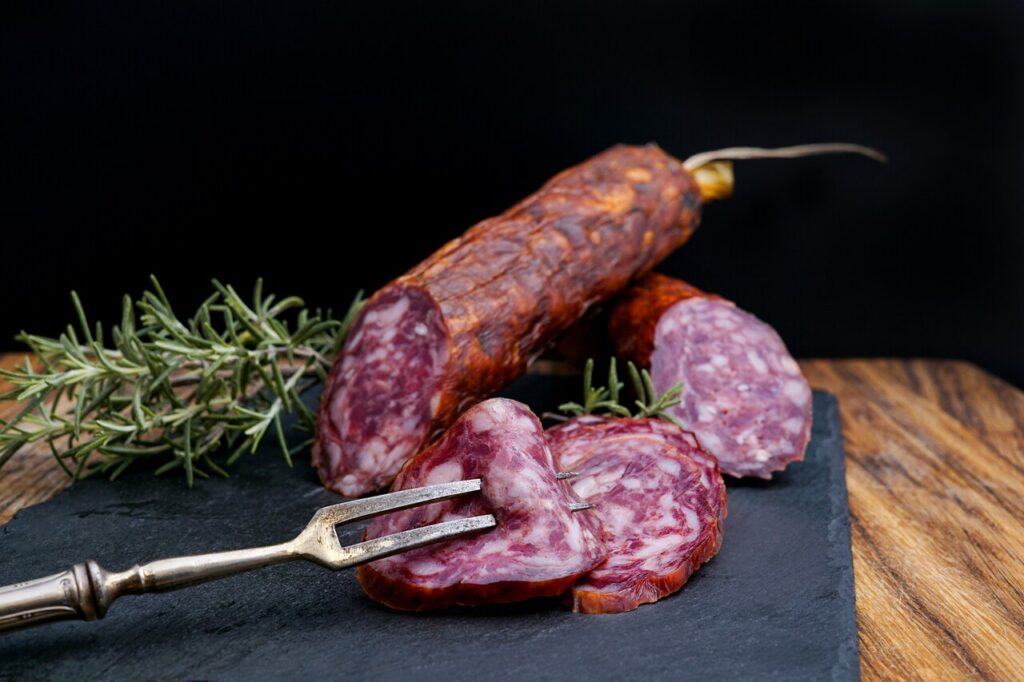
Cooking ingredients straight from the refrigerator can save time, but it affects how they behave in the pan. Cold ingredients can lower the temperature of the cooking surface, which changes how evenly they cook.
For example, meat taken directly from the fridge may cook unevenly, with the outside done before the inside has properly heated through. Baking can also be affected when ingredients like butter or eggs are too cold.
Allowing ingredients to reach room temperature helps them cook more consistently. It ensures better texture and more predictable results, especially in dishes that rely on even heat distribution.
10. Overcrowding the Pan While Cooking
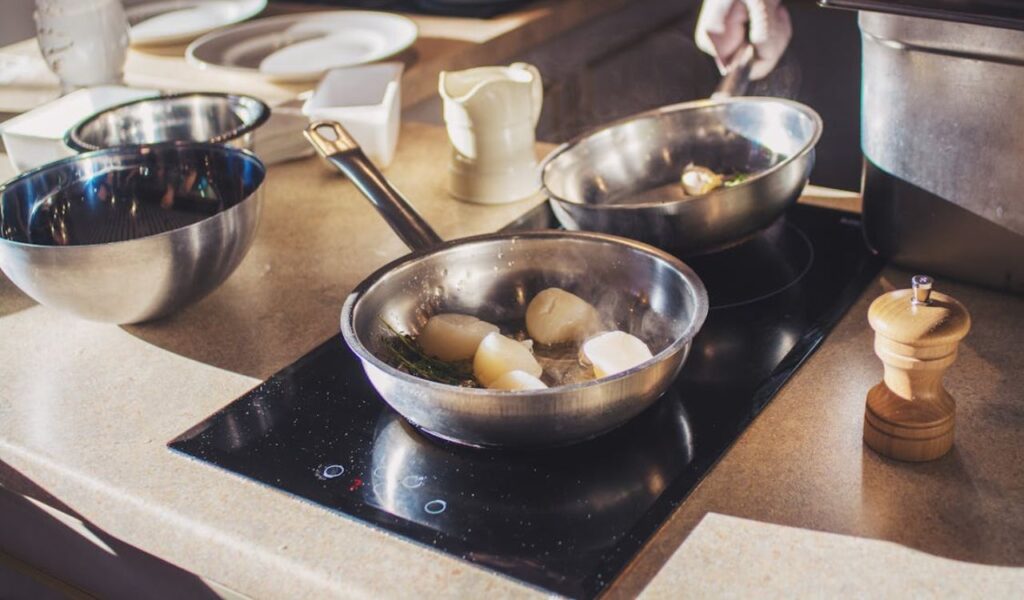
Filling a pan with too many ingredients at once may seem efficient, especially when trying to cook quickly. It allows more food to be prepared in a single batch.
In reality, overcrowding reduces the heat around each piece of food. Instead of browning, the ingredients release moisture and begin to steam, which affects both texture and flavor. Proper spacing allows heat to circulate evenly and promotes better caramelization.
Proper spacing allows heat to circulate and encourages even cooking. When ingredients are given enough room, they develop better color and a more appealing texture, which contributes to a richer final dish.
11. Skipping Proper Seasoning in Stages
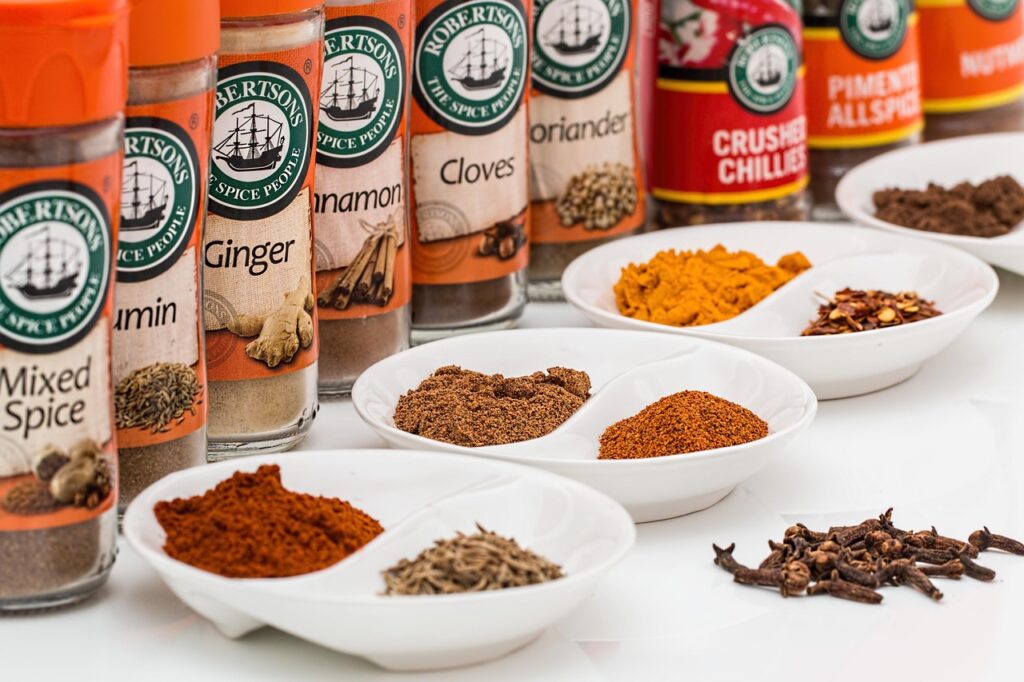
Seasoning is not just about adding salt at the end of cooking. It is a process that happens throughout each stage, helping flavors develop and blend as the dish comes together.
When seasoning is skipped until the final step, the result can feel uneven. Some parts of the dish may taste underseasoned, while others may feel too salty if adjustments are rushed. Gradual seasoning during cooking helps build a more balanced flavor throughout the dish.
Adding seasoning gradually allows it to integrate with the ingredients. This builds a more balanced flavor profile, ensuring that each component contributes to the overall taste rather than standing apart.