12 Southern Classics That Carry a Lot of History on the Plate

Southern food is more than a collection of recipes. It is a living record of resilience, migration, and shared survival written in cast iron and passed down through kitchens rather than books. Each dish reflects who lived on the land, what ingredients were available, and how people learned to make something nourishing from very little. These classics were shaped by necessity long before they became celebrated, carrying stories of community, patience, and cultural exchange in every bite. To eat them is to taste history that has been preserved, not archived, and still thrives at the table today.
1. Fried Chicken
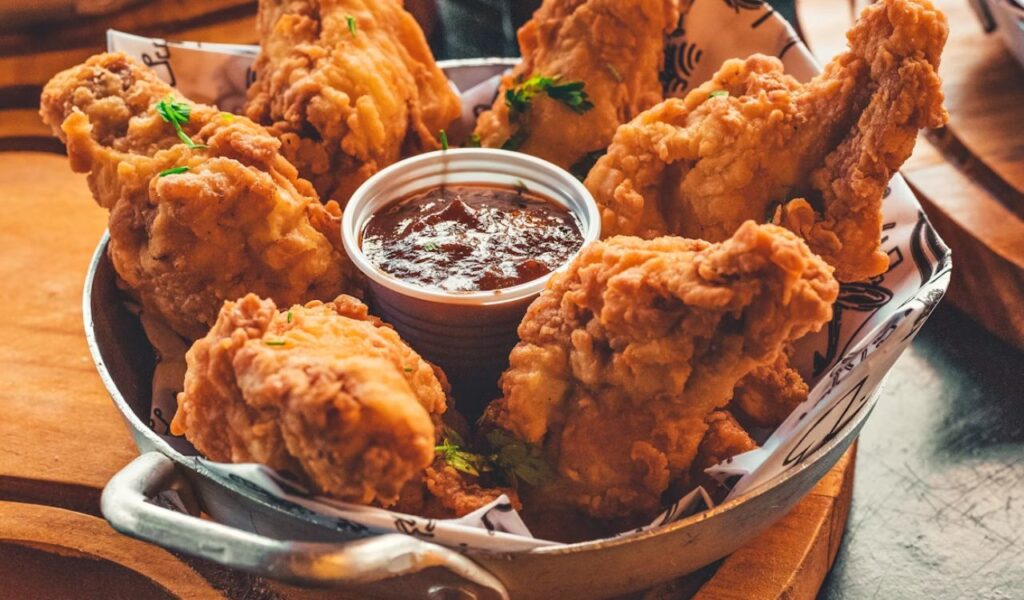
Fried chicken is often treated as simple comfort food, yet it carries layers of Southern history rooted in survival, adaptation, and skill. Enslaved Africans brought frying techniques that relied on deep seasoning and careful control of heat, while Scottish settlers contributed the method of frying chicken in fat. Over time, these influences merged in the American South, where chicken was affordable, accessible, and could be cooked for large groups. Seasoning mattered because it transformed a modest ingredient into something memorable. Frying also allowed chicken to travel well, making it practical for long days of work or church gatherings.
2. Shrimp and Grits
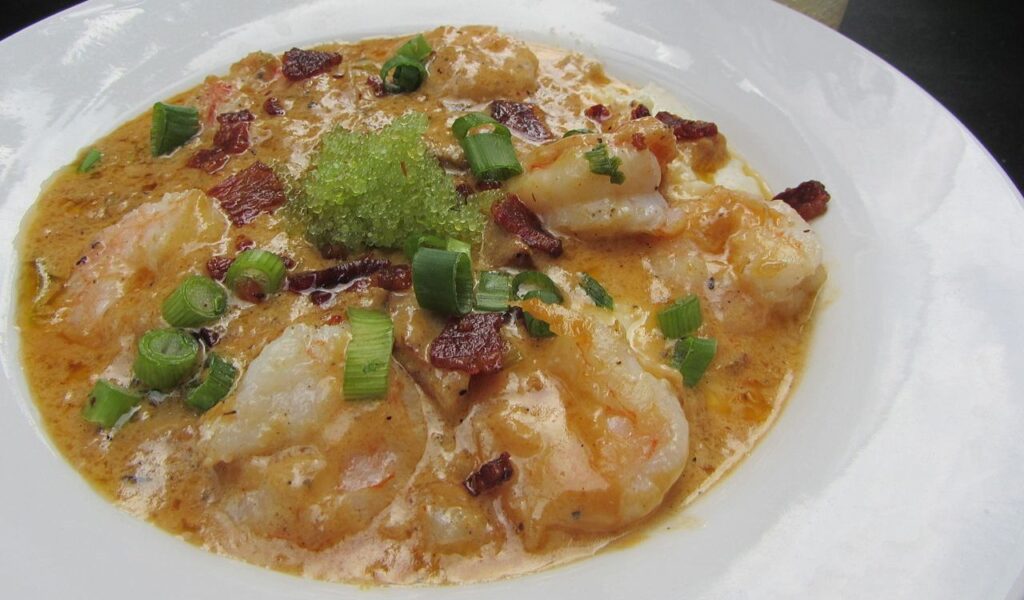
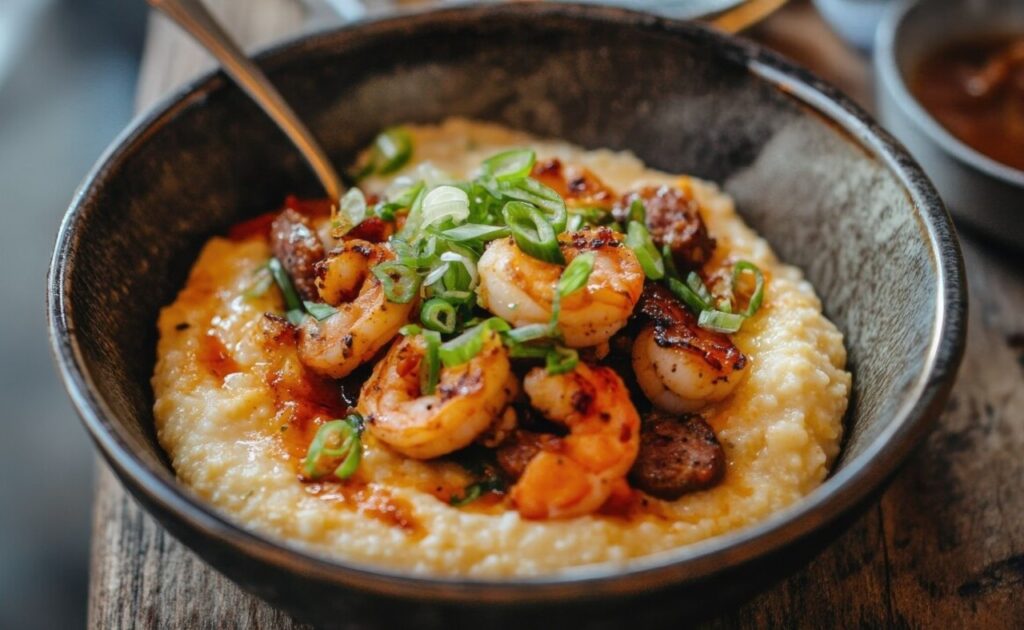
Shrimp and grits began as a practical coastal breakfast rather than a restaurant showpiece. Grits came from Indigenous corn preparation methods, while shrimp reflected the daily catch of coastal communities. The dish was originally plain, designed to fuel fishermen before long days of labor. Over time, butter, cream, and seasoning were added as ingredients became more accessible. The contrast between creamy grits and tender shrimp made the dish comforting and filling without waste. Shrimp and grits tells the story of regional adaptation, showing how local ingredients shaped daily meals. Its evolution mirrors how working-class food gradually became a symbol of regional pride.
3. Biscuits and Gravy

Biscuits and gravy emerged from necessity in Appalachian and rural Southern kitchens. Biscuits relied on flour, fat, and leavening, ingredients that were affordable and shelf-stable. Gravy was built from pan drippings and milk, stretching small amounts of meat to feed families. This dish was designed to be filling and warming, especially during early mornings of physical labor. Technique mattered more than luxury, as the texture of biscuits and smoothness of gravy determined success. Over generations, biscuits and gravy became a symbol of Southern breakfast culture. It reflects resourcefulness and the importance of using every part of what was available.
4. Gumbo
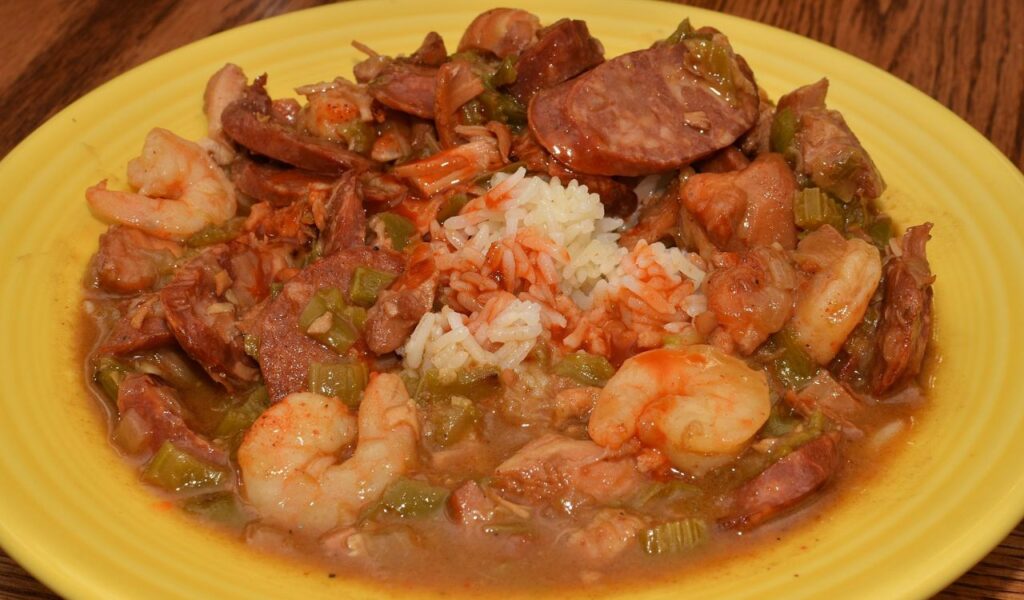
Gumbo represents one of the clearest examples of cultural blending in Southern cooking. West African, French, Spanish, and Native American influences all contribute to its structure and flavor. The use of okra, filé powder, and roux shows how different traditions merged to create something entirely new. Gumbo was designed to stretch ingredients, allowing small amounts of meat or seafood to feed many people. Long simmering encouraged flavors to deepen and unify. Every region and household developed its own version, reflecting local resources and personal taste. Gumbo is not defined by a single recipe but by its method and purpose. It stands as a record of shared history built in one pot.
5. Jambalaya
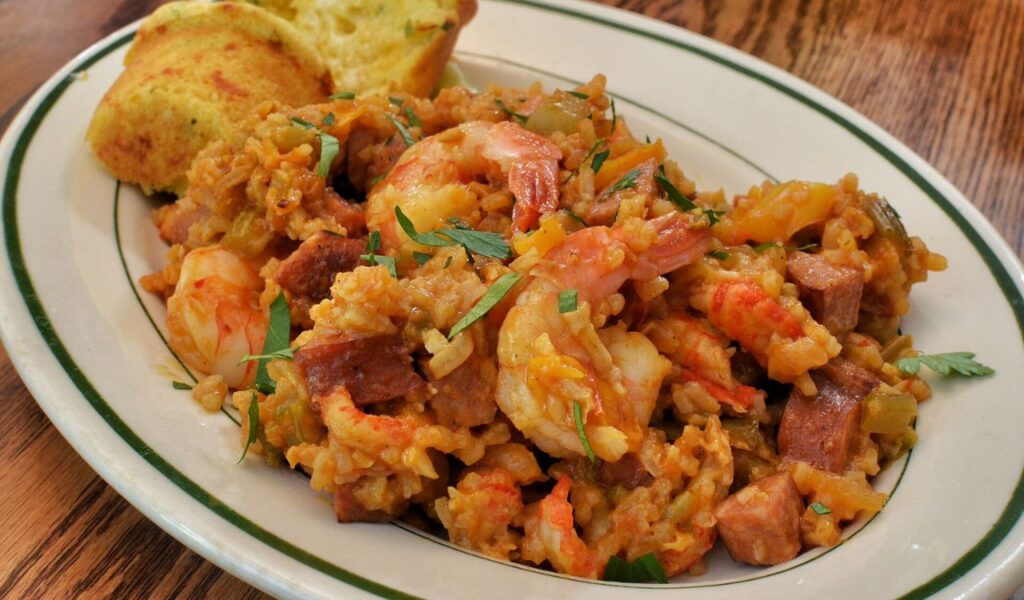
Jambalaya grew from the need to cook filling meals in a single vessel, often over open flames. Influenced by Spanish paella and French techniques, it adapted to local ingredients like rice, sausage, and seafood. Rice played a central role because it was affordable and filling. Spices and aromatics added depth without requiring expensive cuts of meat. Jambalaya was often cooked for gatherings, reinforcing its role as communal food. The dish reflects the blending of cultures in Louisiana, shaped by geography and trade. Each spoonful tells a story of migration, adaptation, and shared tables rather than formal dining.
6. Hoppin’ John
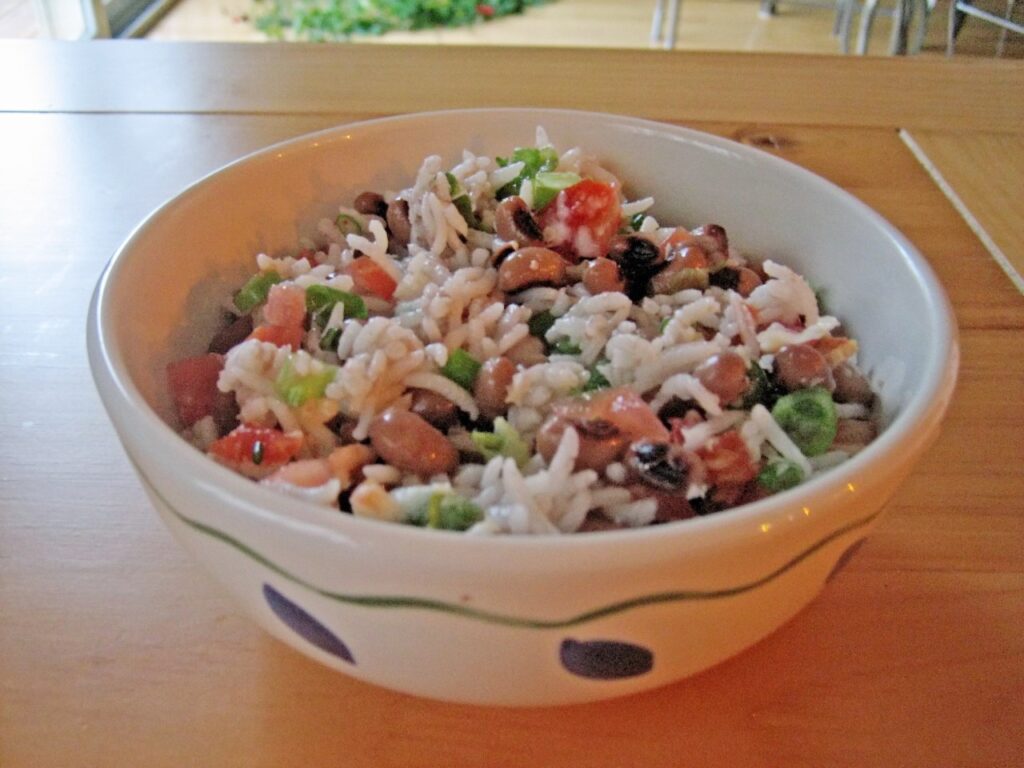
Hoppin’ John is closely tied to African American food traditions and the agricultural South. Made with rice, field peas, and pork, it relied on ingredients that were readily available year-round. The dish was economical and nourishing, offering protein and sustenance without excess. Over time, Hoppin’ John became associated with New Year traditions symbolizing prosperity. Its simplicity highlights the importance of balance and seasoning rather than technique alone. The dish reflects resilience, using modest ingredients to create something meaningful. It remains a reminder of how food carries cultural symbolism beyond taste.
7. Collard Greens
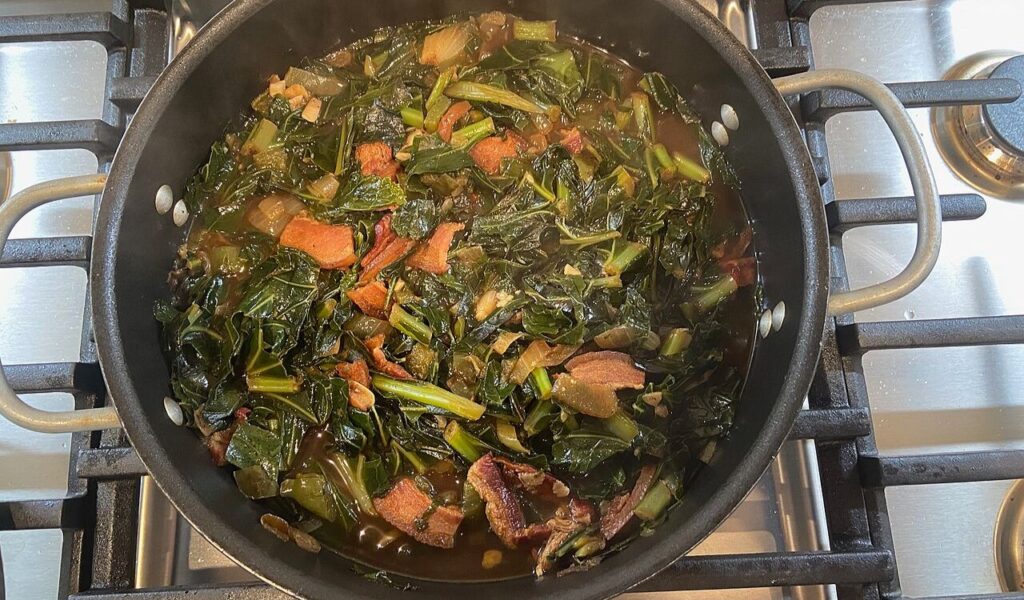
Collard greens reflect the long history of leafy greens in Southern cooking, influenced heavily by African foodways. Greens were slow-cooked to soften tough leaves and extract flavor, often with smoked meats for depth. This method maximized nutrition while improving texture. Collards were affordable and widely grown, making them a staple in rural communities. Cooking liquid was valued, often soaked up with cornbread rather than discarded. The dish emphasizes patience and respect for ingredients. Collard greens remain a symbol of nourishment, tradition, and the careful use of available resources.
8. Cornbread
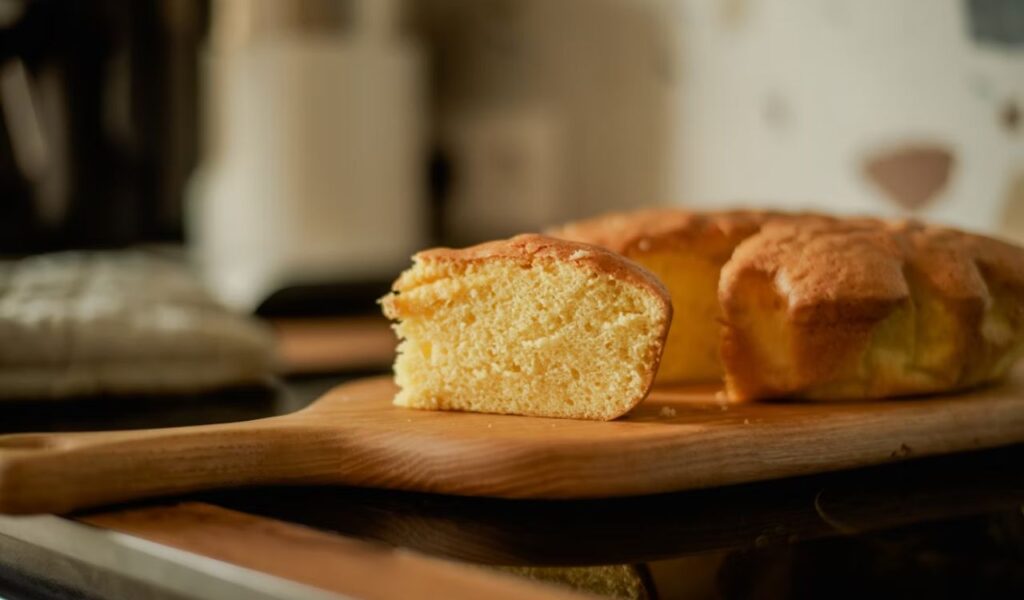
Cornbread predates wheat-based baking in much of the South, rooted in Indigenous corn cultivation. Cornmeal was easier to grow and store, making it essential to daily meals. Cornbread recipes varied by region, depending on access to milk, eggs, or sugar. The bread was often cooked in cast iron, creating a crisp exterior and tender interior. Cornbread served as a companion to soups, stews, and greens, helping stretch meals. Its simplicity reflects how staple foods anchor entire cuisines. Cornbread carries the legacy of survival and adaptation rather than indulgence. Its presence at the table often signals comfort and familiarity rather than formality.
9. Chicken and Dumplings
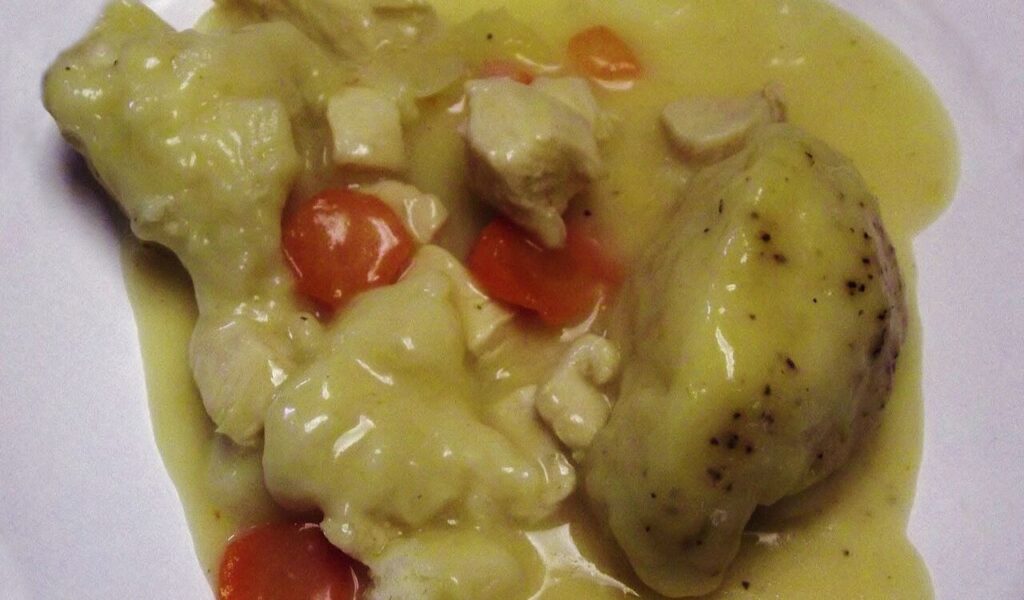
Chicken and dumplings developed as a way to make small amounts of meat feed many people. Dumplings provided bulk and comfort, while chicken flavored the broth. The dish required slow simmering rather than expensive ingredients. Variations emerged based on regional preferences for flat or drop dumplings. Chicken and dumplings became associated with care and recovery, often served during illness or hardship. Its soft texture and mild flavor made it accessible to all ages. The dish represents nurturing through food, grounded in patience and economy. It remains closely tied to the idea of cooking as an act of care rather than display.
10. Red Beans and Rice
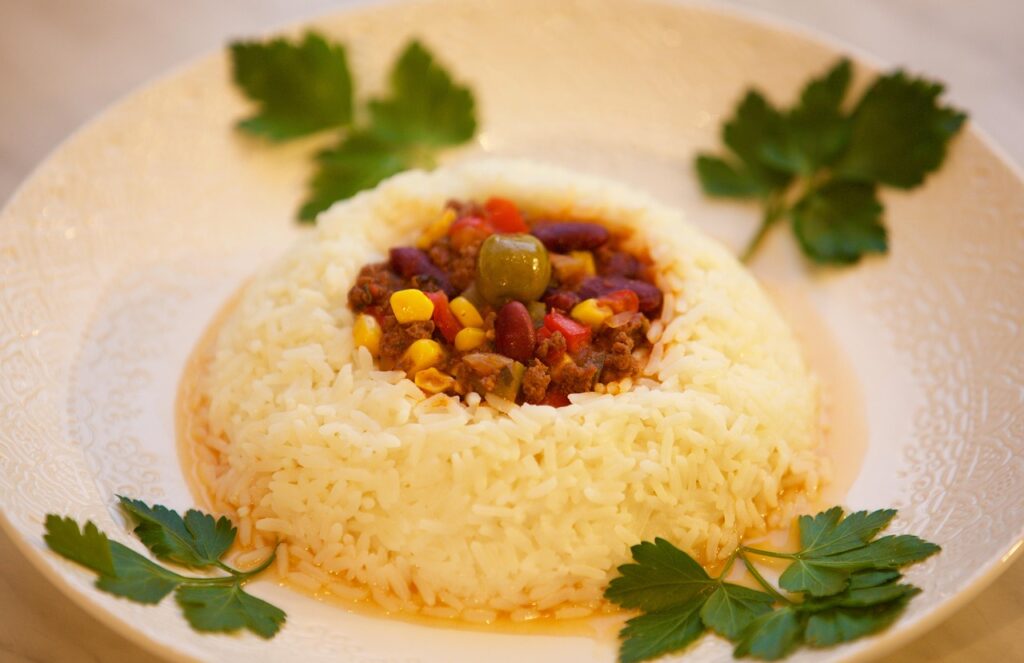
Red beans and rice reflect both routine and ritual in Southern kitchens, especially in Louisiana. Traditionally cooked on laundry day, the dish simmered unattended while chores were done. Beans provided protein, rice added substance, and seasoning the meat added flavor. Long cooking times allowed tough beans to soften and flavors to deepen. This dish shows how food fits into daily life rather than interrupting it. Red beans and rice remain a symbol of rhythm, planning, and consistency. It demonstrates how tradition grows from repetition rather than celebration alone. Its endurance comes from reliability as much as from taste.
11. Country Ham
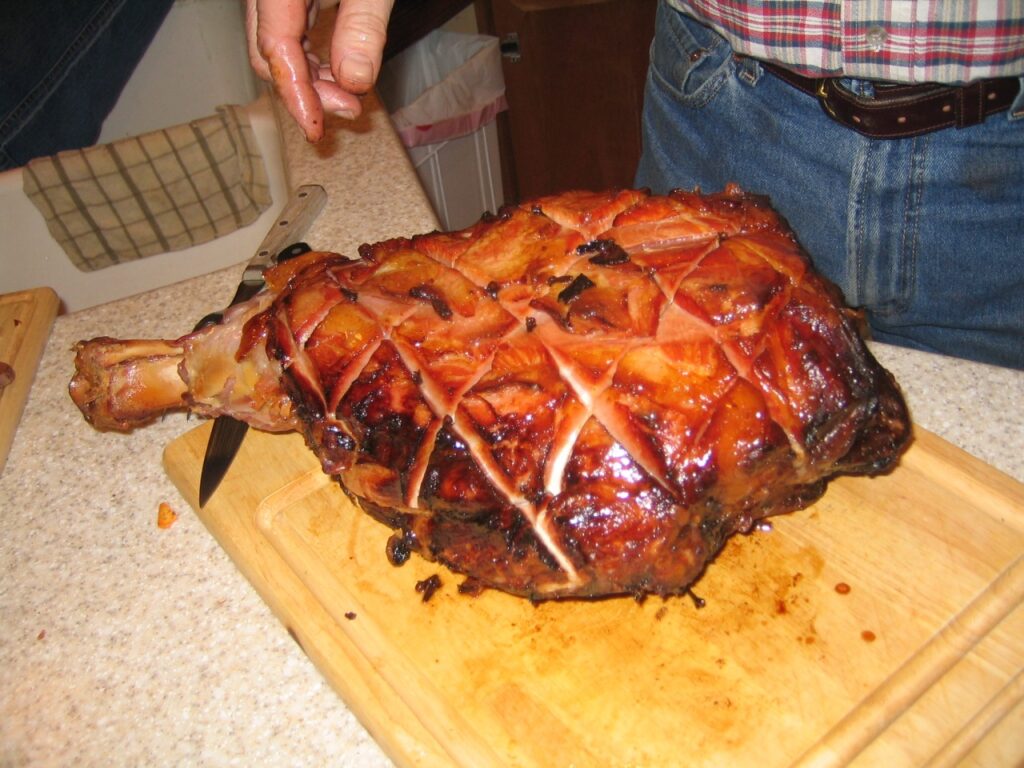
Country ham represents preservation practices developed before refrigeration. Salt curing allowed pork to last through seasons when fresh meat was unavailable. The intense salinity required careful preparation before cooking. Country ham was often reserved for special occasions due to the labor involved. Thin slicing made it last longer, reinforcing its role as a flavoring as much as a main dish. The curing process reflects patience and knowledge passed through generations. Country ham tells the story of food as preparation for the future rather than immediate indulgence. Its strong flavor reminds diners of the value once placed on preservation and foresight.
12. Pecan Pie

Pecan pie reflects the South’s agricultural abundance and evolving access to sugar. Pecans are native to the region, making them a natural choice for desserts. Early versions relied on simple syrups rather than refined sugar. The filling balanced sweetness with the earthy richness of nuts. Pecan pie became associated with celebrations because it required ingredients not used daily. Its dense texture and long shelf life made it practical for gatherings. The pie represents how regional crops shaped dessert traditions, turning local harvests into symbols of hospitality and celebration. Each slice reflects how local ingredients became central to festive identity.