Why Raw Milk Laws Are Expanding State by State

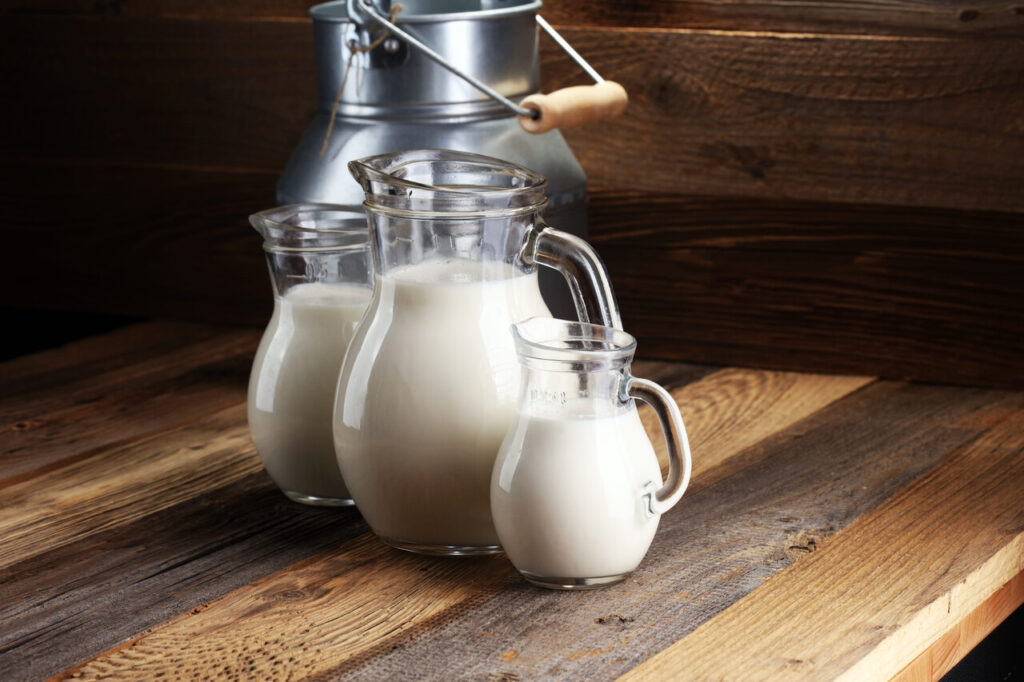
Raw milk is no longer a fringe topic debated only in farming communities. Across the United States, lawmakers are revisiting long-standing restrictions on the sale of unpasteurized milk, and in many cases, expanding access. Supporters frame it as a matter of personal choice and local agriculture, while health officials continue to warn about bacterial risks. As new bills move through state legislatures and legal maps shift year by year, the conversation around raw milk is becoming a broader debate about food freedom, farm economics, and how much regulation is appropriate in the name of public safety.
What’s Behind the Raw Milk Movement
There’s a quiet shift happening behind grocery aisles and farmers market tables in the United States. Raw milk, milk that hasn’t been pasteurized to kill bacteria, is drawing growing interest from consumers who are questioning industrial food systems and searching for what they see as more natural alternatives. For some, it’s about reconnecting to traditional foodways: a time when milk came straight from the farm and carried the taste of the pasture rather than the uniformity of processing plants. That appeal isn’t limited to nostalgia; it’s rooted in broader curiosity about minimally processed diets, probiotics, and foods perceived to retain more nutrients when left closer to their original form.
A network of grassroots advocates and local farmers has helped amplify this interest. Social media groups, regional food coalitions, and small-scale dairies share stories and testimonials about raw milk’s taste, potential health properties, and role in sustainable agriculture. These narratives resonate with people who are skeptical of industrial agribusiness and who want more transparency in how their food is produced. In communities where agriculture still plays a central economic and cultural role, raw milk is increasingly framed not as a fringe product, but as part of a broader movement toward food sovereignty, the idea that people should have control over where their food comes from and how it’s made.
How Laws Are Changing Across States
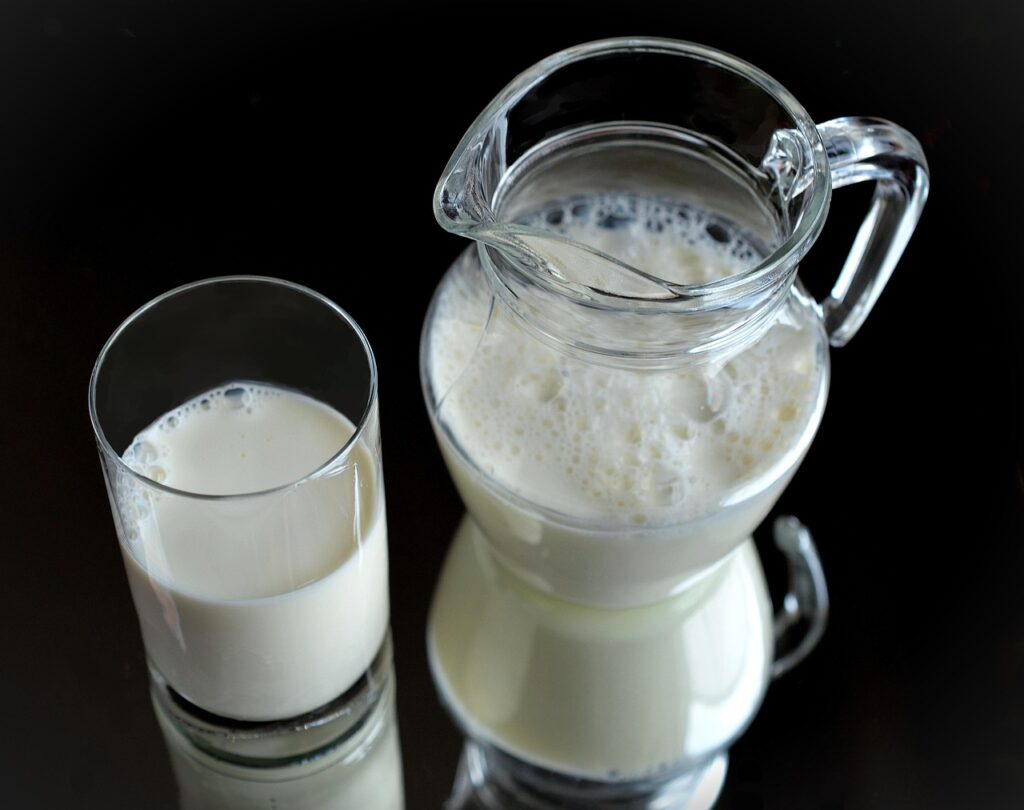
For decades, the legal status of raw milk sales in the U.S. was uneven at best. Some states allowed unrestricted sales, others permitted only cow-share or herd-share arrangements, and many banned retail raw milk outright. That patchwork meant that access depended largely on geography rather than choice. But in recent years, state legislatures have been actively revisiting their rules. Bills to legalize or expand raw milk sales have been introduced and passed in places that previously restricted or prohibited such transactions, reflecting a shift in public attitude and political will.
The landscape of raw milk regulation today is remarkably varied. Some states now allow direct farm sales with licensing and testing requirements to ensure basic safety. Others permit sales through retail stores, on-farm pickup, or at farmers’ markets, subject to labeling and reporting rules. A few have moved to loosen or eliminate long-standing restrictions entirely, often in response to constituent advocacy. Each state’s approach reflects its agricultural heritage, risk tolerance, and political dynamics. The result is a mosaic of regulatory models that range from tightly controlled and monitored to comparatively permissive.
Arguments Driving the Expansion
Supporters of expanding raw milk laws often emphasize two primary arguments: personal choice and economic opportunity. For many consumers, the debate begins with autonomy over what they put into their bodies. Advocates argue that adults should have the right to choose raw milk if they understand and accept the risks. They see restrictive laws as paternalistic and out of step with trends in other parts of the food system, where consumers can opt for artisanal cheeses, unpasteurized juices, and fermented products. In this frame, raw milk sits alongside other minimally processed foods that are embraced in health-conscious communities.
Economic arguments also play a significant role. Small and mid-sized dairies face intense competition from large-scale industrial farms. Allowing raw milk sales, particularly at farmers’ markets or directly from the farm, can create a niche revenue stream that helps sustain family farms. For rural communities with limited economic opportunities, this can be meaningful. Direct-to-consumer sales keep revenue local, bolster farm viability, and strengthen connections between producers and neighbors. Lawmakers sympathetic to rural economic development have supported raw milk legislation as one piece of broader efforts to support local agriculture.
Public Health Concerns and Safety Debates
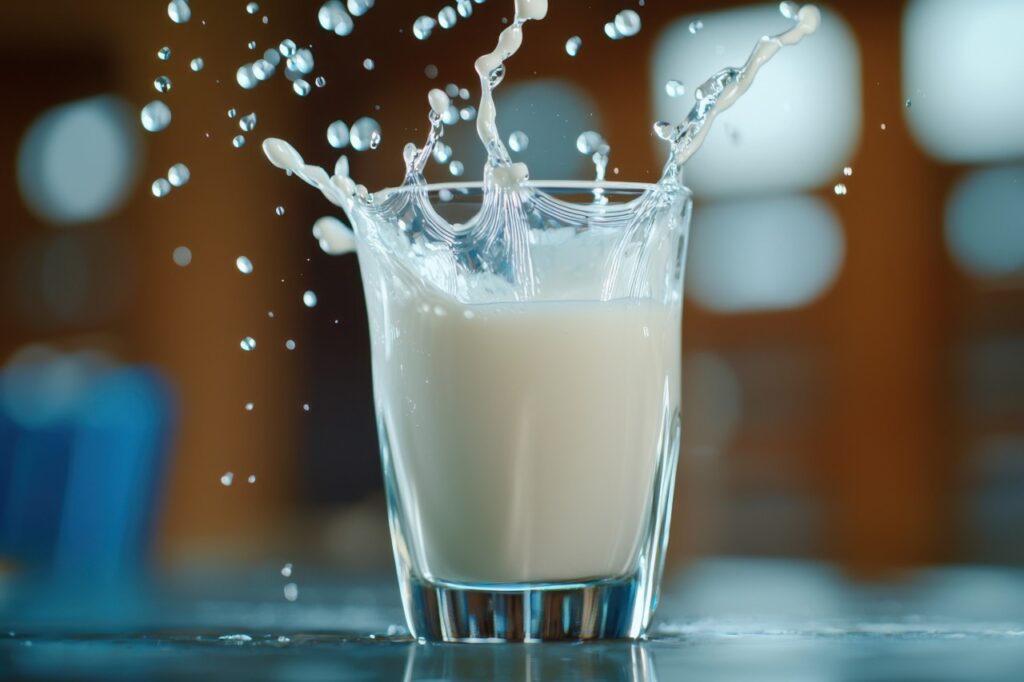
Despite the momentum behind raw milk legalization, public health experts caution that raw milk carries real risks. Pasteurization was developed more than a century ago to reduce the incidence of bacterial illnesses caused by pathogens like Salmonella, E. coli, and Listeria. These bacteria can be present in unpasteurized milk and cause severe, sometimes life-threatening illness, particularly in young children, pregnant people, older adults, and anyone with weakened immune systems. Public health agencies, including the Centers for Disease Control and Prevention, continue to advise that pasteurization significantly reduces these risks.
The challenge for regulators is to balance consumer freedom with risk management. Some states that have legalized raw milk sales include strict testing, sanitation, and labeling requirements to alert buyers to potential dangers. Others require licensing and periodic inspections of dairy facilities. Proponents argue that these safeguards, combined with consumer education, can mitigate risk without depriving adults of choice. Opponents counter that even with testing and oversight, it’s impossible to eliminate all pathogens present in raw milk, and that broad public access increases the likelihood of outbreaks. The debate boils down to how much risk is acceptable in exchange for greater availability of a product that some view as wholesome and traditional.
What Consumers and Farmers Are Saying
Voices on the ground reflect the complexity of the issue. Raw milk supporters often share personal stories about improved digestion, stronger immune responses, or simply a preference for the taste of fresh, unprocessed milk. For many, it is also about supporting small farms and resisting the industrialization of food. These consumers point out that raw milk has long been consumed safely in some parts of the world and that education, careful handling, and responsible farming practices can go a long way toward reducing risk.
Farmers who sell raw milk describe a mixture of opportunity and challenge. For some, raw milk sales have become an essential part of a diversified business model that includes cheese, yogurt, and other dairy products. They invest in herd health, clean milking facilities, and frequent testing to maintain trust with customers. Others express frustration over regulatory hurdles, noticing that even in states where raw milk is legal, overly burdensome licensing requirements can limit who can participate. For producers and consumers alike, the expansion of raw milk laws is about more than legality; it’s about community, connection to the land, and finding sustainable ways to preserve local agriculture in a changing food landscape.