Why QR Code Menus Still Divide Restaurant Goers

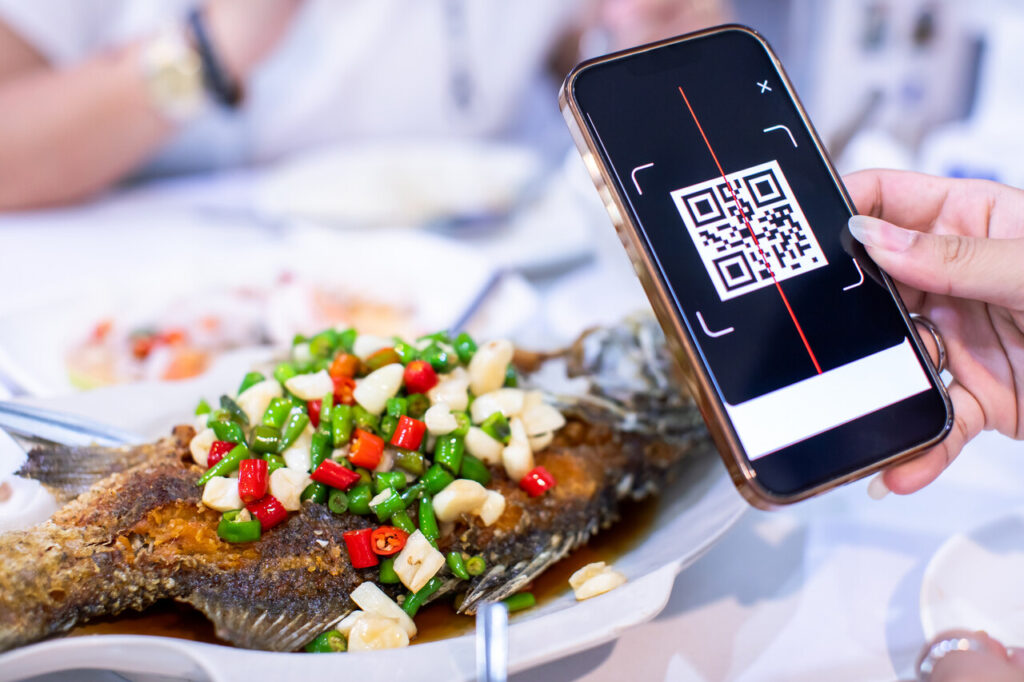
Scan the code, open your phone, scroll, order, pay. For some diners, QR code menus feel quick and effortless. For others, they signal everything that’s gone wrong with modern dining. What began as a pandemic-era safety measure has become a lasting fixture in restaurants across the country. While operators praise digital menus for cutting costs and speeding up service, many guests still miss the simplicity and hospitality of a printed menu. Years after their rapid rise, QR codes continue to split opinion at the table.
How QR Code Menus Took Over Dining
What began as a temporary health precaution quickly turned into a lasting shift in how restaurants present their menus. During the height of the pandemic, QR code menus offered a contactless way for guests to browse options without handling shared paper copies. Restaurants embraced them almost overnight. All it took was a printed square on the table that directed diners to a digital menu on their phones. For operators dealing with constantly changing restrictions, supply shortages, and staffing gaps, digital menus were practical. Prices could be updated instantly, unavailable items removed with a click, and seasonal specials added without reprinting anything.
But convenience for restaurants was only part of the appeal. QR code systems are often linked directly to online ordering and payment platforms. That meant guests could order and pay without waiting for a server, potentially speeding up table turnover. For owners facing tight margins, this efficiency mattered. Over time, what started as a health-driven solution became a cost and operations strategy. Many establishments found that digital menus reduced printing expenses and simplified updates. Even as health concerns faded, the infrastructure remained, embedding QR codes into everyday dining culture.
What Diners Like About QR Code Menus
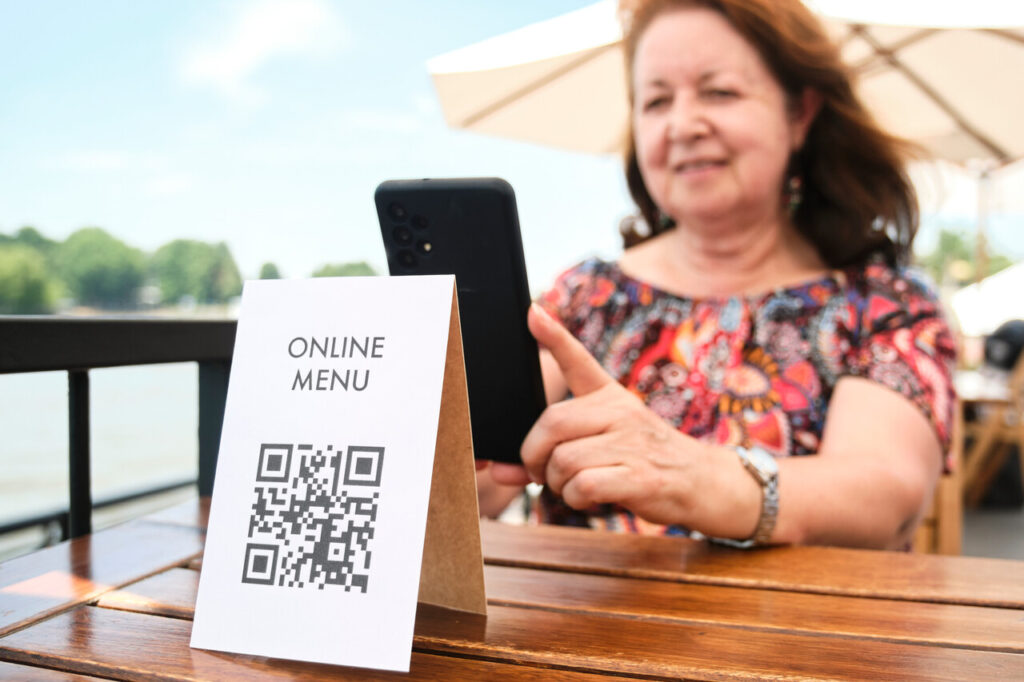
For some guests, QR code menus feel efficient and intuitive. Younger diners, in particular, are accustomed to scanning, tapping, and scrolling. Digital menus can display high-quality photos, detailed ingredient descriptions, and even allergen filters. They often allow easy customization, letting guests modify dishes or see add-ons instantly. In busy restaurants, ordering through a phone can reduce wait times. Instead of flagging down a server, diners can place requests immediately, which appeals to those who prioritize speed and autonomy.
Another benefit is accuracy and transparency. Digital menus can reflect real-time changes, preventing disappointment when an item is sold out. Prices are clear, and updates happen instantly across all tables. For guests who prefer minimal interaction, QR systems offer a sense of control. Some diners report feeling more comfortable browsing at their own pace rather than under perceived pressure from staff. In this sense, QR menus align with broader digital habits, where self-service and personalization are the norm rather than the exception.
What Diners Dislike and Resist
Still, not everyone welcomes a screen at the table. For many diners, a physical menu is part of the ritual of eating out. It feels tangible and shared. Passing a menu around the table sparks conversation in a way that silent scrolling does not. Some guests simply dislike being required to use their personal device to access basic information. Dead phone batteries, limited data plans, or poor signal inside a restaurant can quickly turn a small inconvenience into frustration.
There is also the matter of accessibility. Not all diners are comfortable navigating digital interfaces. Older guests may struggle with scanning codes or zooming in on small text. Others find the experience impersonal. A restaurant visit often carries an expectation of hospitality, and interacting with a device can feel isolating. When the first step of the meal involves staring at a screen rather than making eye contact with a server, some customers feel that something essential has been lost. These concerns contribute to the divide, highlighting that convenience does not always translate to satisfaction.
How Restaurants Balance QR Codes With Traditional Menus
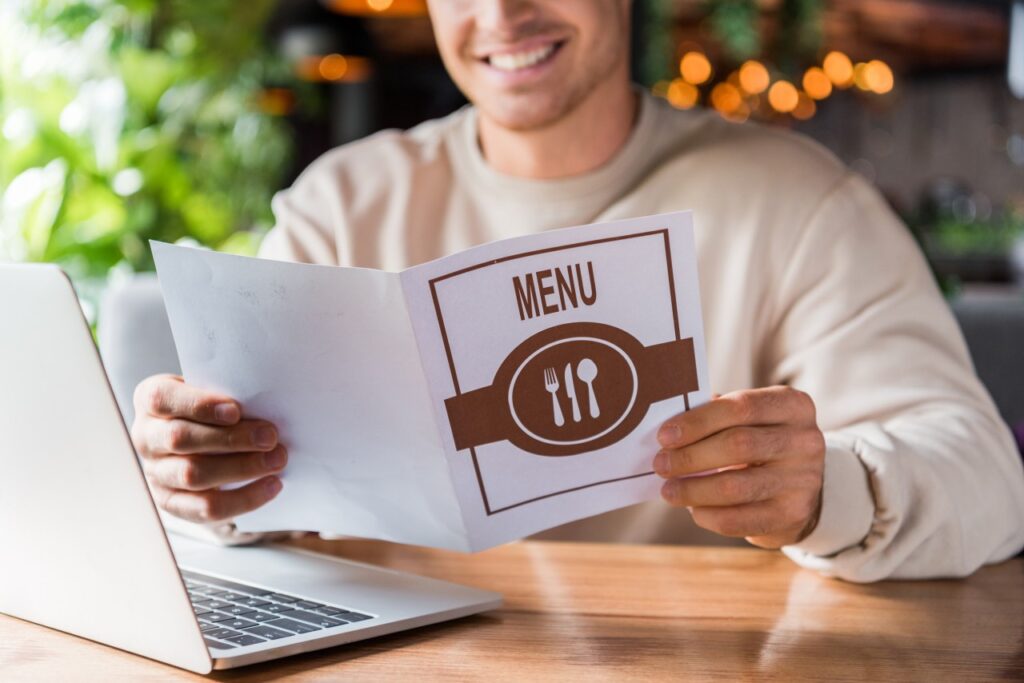
Recognizing this split in preferences, many restaurants are adopting hybrid approaches. QR codes remain available for those who prefer digital browsing, but printed menus are offered upon request. This compromise acknowledges that guest comfort varies. For operators, it also reduces the risk of alienating certain customer segments. Some establishments have refined their systems so that QR codes supplement rather than replace human service, allowing guests to order digitally while still interacting with staff when needed.
Training plays a crucial role in making this balance work. Staff must be prepared to assist guests who struggle with the technology, while also managing digital orders efficiently. Restaurants that integrate QR systems smoothly often communicate clearly about options. They may explain that physical menus are available or provide simple instructions for scanning. The goal is flexibility rather than rigidity. By offering choice, restaurants can preserve operational efficiency without sacrificing hospitality.
What the Divide Says About Dining Culture
At its core, the debate over QR code menus reflects broader questions about how technology fits into everyday life. Dining out has traditionally been a social experience rooted in conversation and shared attention. Introducing personal devices into that space changes the dynamic. For some, it feels modern and streamlined. For others, it feels intrusive. The divide often aligns with generational differences, but it also depends on context. A fast casual restaurant may feel like a natural fit for digital ordering, while a fine dining setting may not.
Looking ahead, QR code menus are unlikely to disappear entirely. The cost savings and operational advantages are significant, and many diners appreciate the convenience. Yet the persistence of debate suggests that technology alone does not define a positive dining experience. Hospitality still relies on human connection and ease. Restaurants that recognize both the benefits and the limitations of QR menus are better positioned to satisfy a wide range of guests. The future of dining may be digital in many ways, but it will remain personal at its core.