13 Bottled Drinks Shrinking While Prices Rise

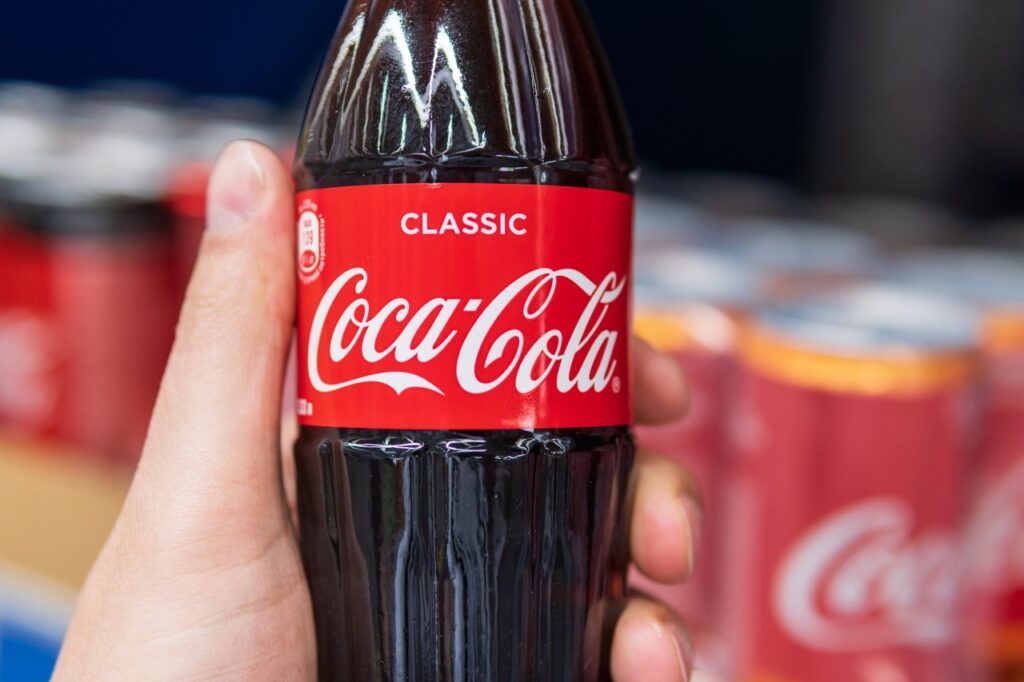
At first glance, your favorite bottled drink looks the same. The label is familiar, the price tag feels routine, and the packaging hasn’t changed much. But take a closer look at the ounces listed on the back, and a different story often emerges.
Across the beverage aisle, companies are quietly reducing bottle sizes while keeping prices steady or even raising them. This strategy, often called shrinkflation, allows brands to manage rising costs without shocking shoppers with obvious price hikes.
From sports drinks to juices and sparkling water, subtle downsizing is becoming more common. Here’s a closer look at the bottled drinks that may be shrinking faster than you realize.
1. Gatorade
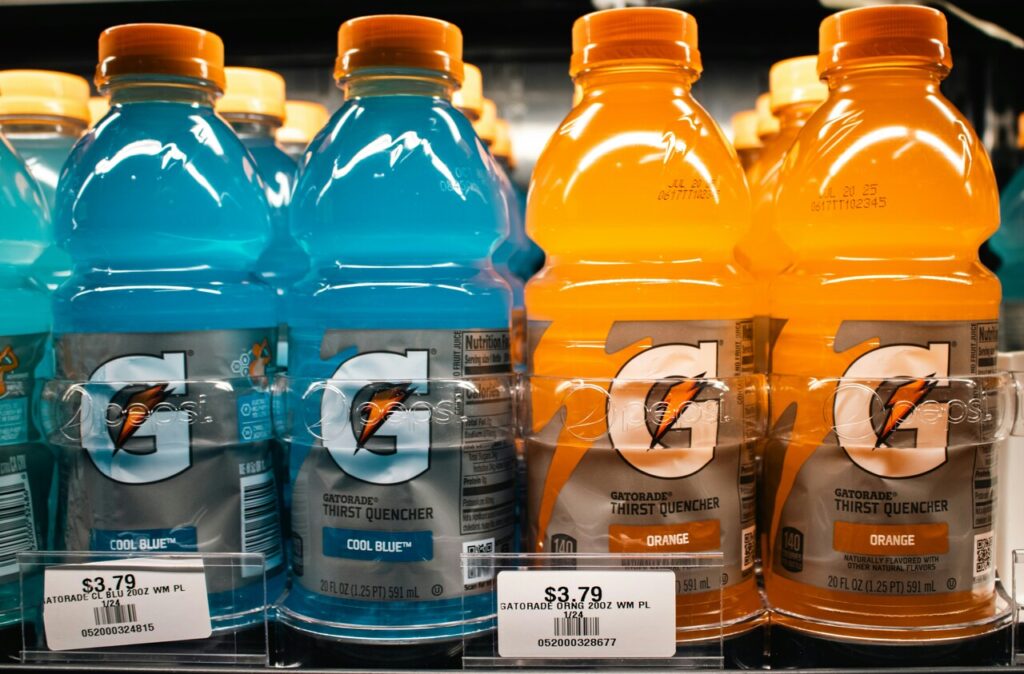
Few shrinkflation examples are as noticeable as Gatorade’s bottle change. The brand reduced its standard bottle from 32 ounces to 28 ounces in many markets while keeping prices largely unchanged. That four-ounce difference may look small, but it raises the price per ounce for consumers.
PepsiCo, Gatorade’s parent company, has cited rising packaging, transportation, and ingredient costs as ongoing pressures. Smaller bottles also allow more flexibility in pricing tiers without officially raising the shelf tag.
For shoppers, the shift means paying more for less liquid. The packaging still appears similar, making the change easy to overlook unless customers check the fine print.
2. Coca‑Cola
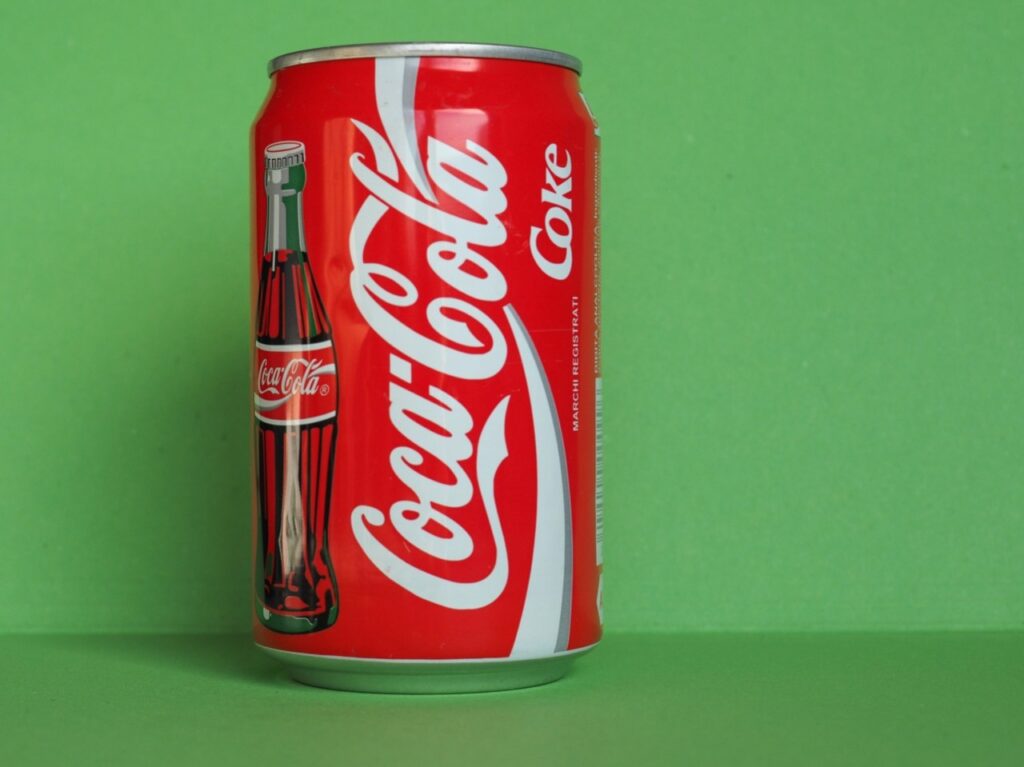
Coca-Cola has leaned into smaller single-serve formats, including 7.5-ounce mini cans and reduced bottle sizes. While marketed as portion control options, these formats often carry a higher cost per ounce than traditional larger bottles.
The company has openly discussed premiumization strategies, focusing on smaller packages that feel affordable at checkout, even if the unit price rises. This approach helps offset higher input and distribution costs.
Consumers may appreciate the convenience, but smaller packaging means more frequent purchases. Over time, the total cost can exceed what shoppers once paid for larger formats.
3. Tropicana
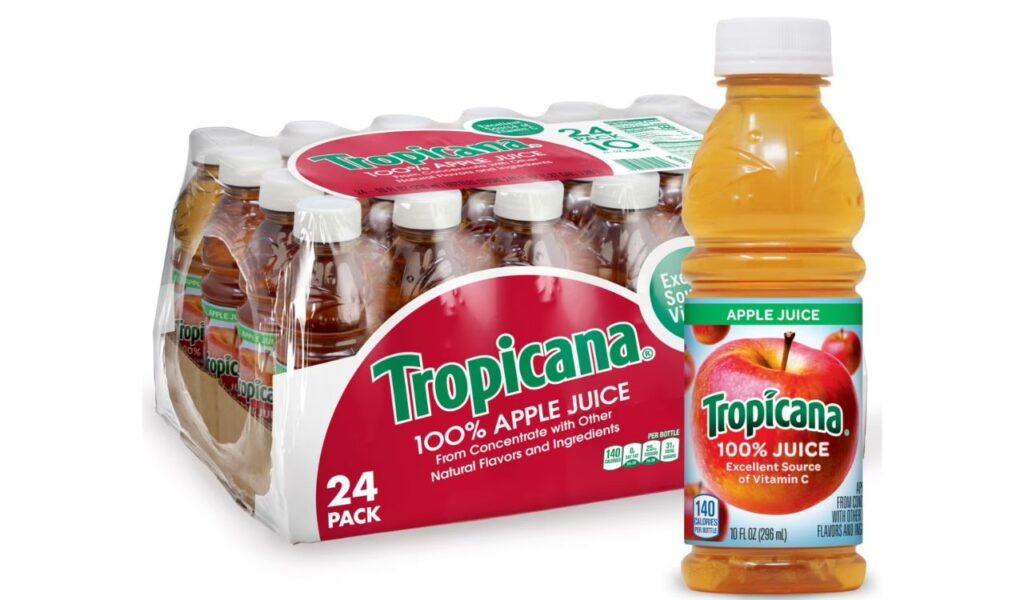
Tropicana orange juice has gradually reduced bottle sizes over time, shifting from larger 52-ounce containers to smaller formats such as 46 ounces in many markets. While the packaging remains familiar, the price has not dropped in proportion to the reduced volume. That change quietly increases the cost per serving.
Orange juice production is highly sensitive to crop disease, hurricanes, and fluctuating transportation costs. Rather than imposing sharp price hikes, brands often adjust package size to manage those pressures.
Because the bottle design looks nearly identical, shoppers may not notice the difference at first glance. A closer look at the ounce count reveals the true shift in value.
4. Simply Orange
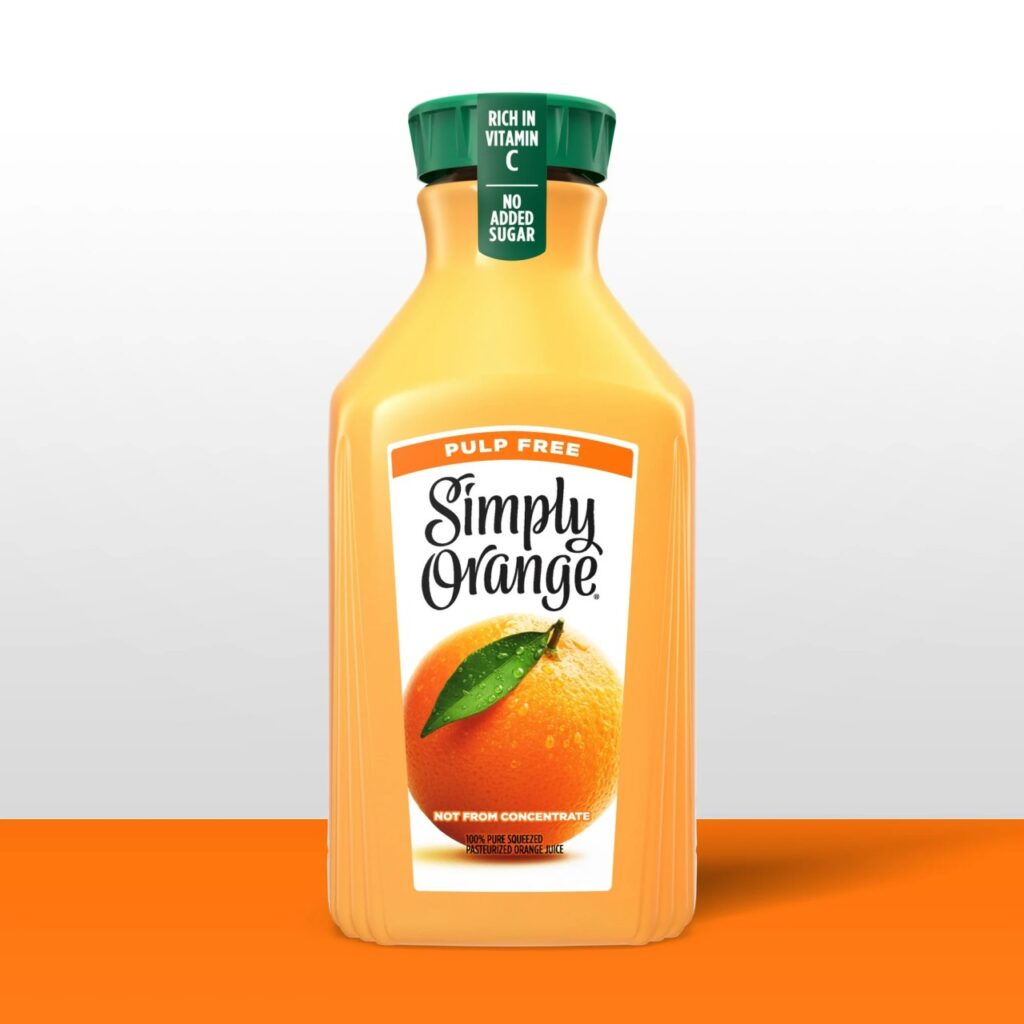
Simply Orange and related Simply beverages have also trimmed bottle sizes, including past reductions from 59 ounces to 52 ounces. Shelf prices often stayed similar, effectively raising the price per ounce without a dramatic change in the sticker price.
Juice brands face ongoing volatility from fruit supply shortages, processing costs, and packaging expenses. Downsizing allows companies to hold a psychologically familiar price point while protecting margins.
The bottle shape and branding remain consistent, which can make the reduction easy to overlook. Over time, repeated size changes contribute to higher overall grocery spending.
5. Bottled Iced Tea
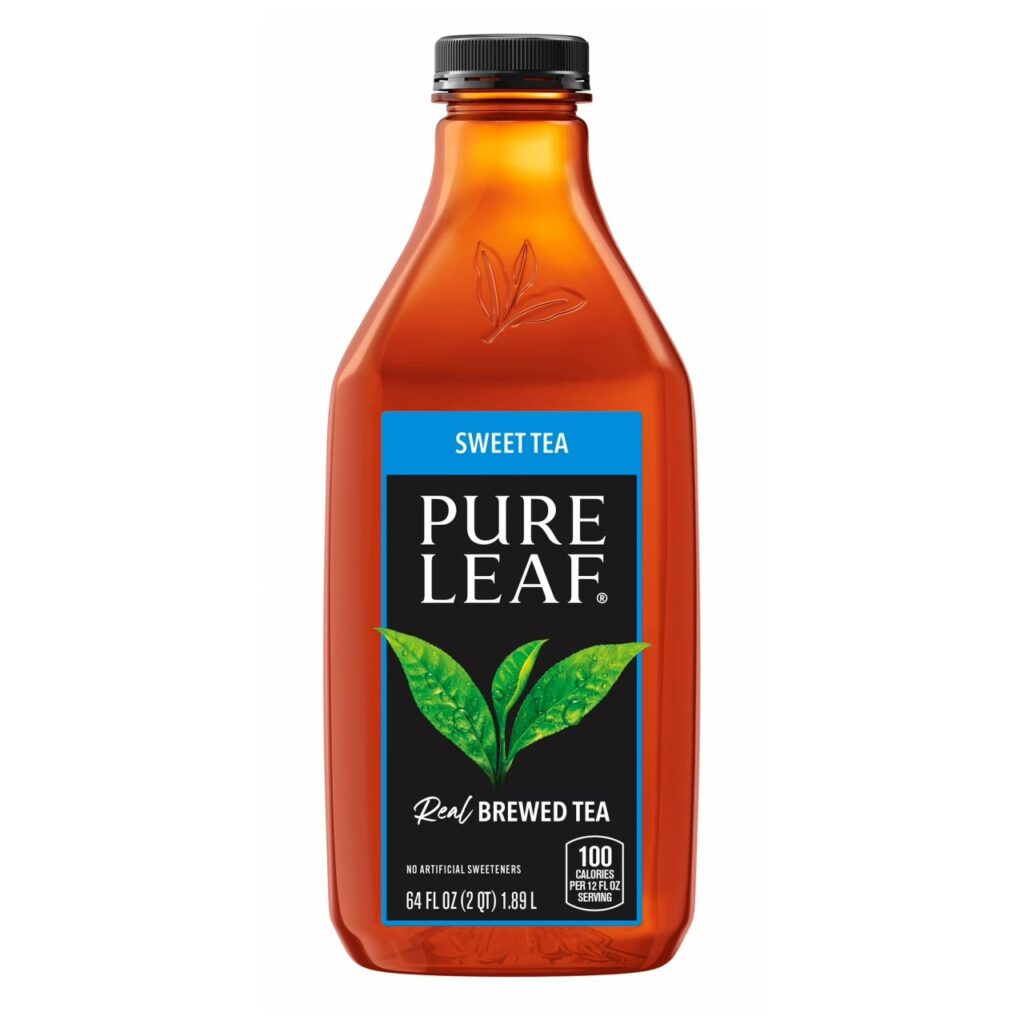
That tall bottle of iced tea in the cooler may look the same, but the ounces inside have often declined. Several ready-to-drink tea brands have trimmed bottle sizes or reduced multipack counts while keeping shelf prices close to earlier levels. The result is a higher price per ounce that many shoppers miss.
Rising costs drive much of this shift. Tea leaves, sweeteners, plastic bottles, and transportation expenses have all increased. Instead of sharply raising prices, manufacturers often reduce volume to protect margins.
Because the packaging and graphics remain familiar, the change is subtle. Many consumers only notice when they check the fluid ounces or find themselves buying replacements more often.
6. Energy Drinks
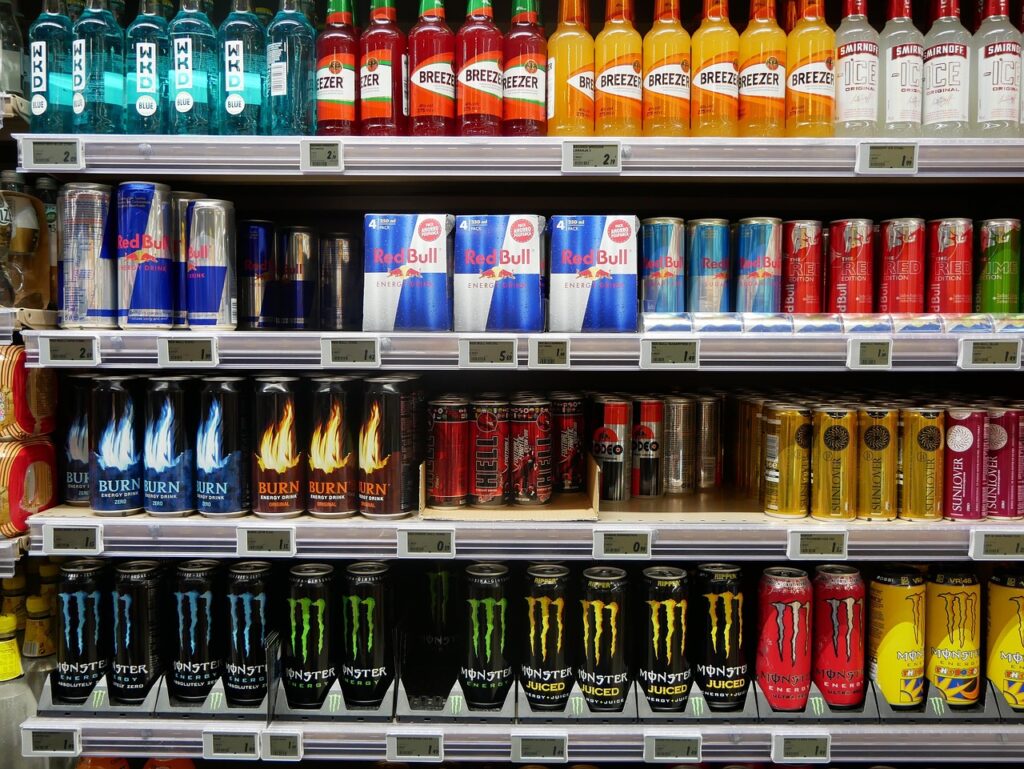
Energy drink brands have shifted toward slimmer cans and slightly smaller bottles while keeping premium pricing. Because these drinks already sell at higher price points, even a modest reduction in volume can raise revenue per ounce without drawing much attention on the shelf.
Higher costs help explain the move. Caffeine sourcing, ingredients like taurine and B vitamins, aluminum cans, and freight expenses have all increased. Instead of sharply raising sticker prices, companies often trim size to protect margins.
To shoppers, the packaging may look sleek and modern, promoted as convenient or performance-focused. With fewer ounces inside, regular buyers may find they need to restock sooner than before.
7. Bottled Flavored Water
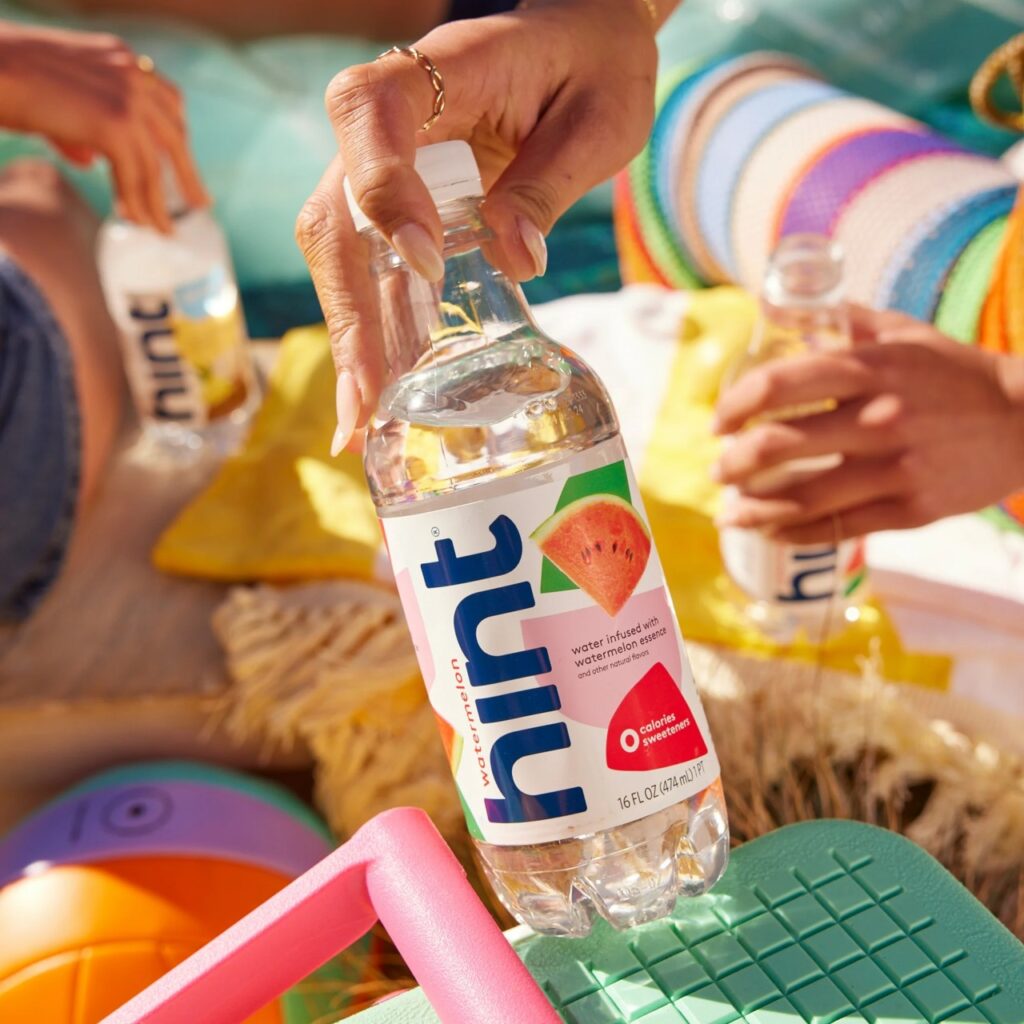
Premium flavored waters marketed for hydration and wellness have also seen subtle downsizing. In some cases, bottle volume has decreased slightly while packaging design and price points remain familiar. The change raises the effective cost per ounce without an obvious price shock.
Although water seems simple, production involves sourcing, filtration, adding flavors, bottling, and transportation. Rising resin costs for plastic bottles and higher freight rates have pressured manufacturers.
By trimming size instead of raising prices outright, brands maintain competitive shelf appeal. Consumers who compare fluid ounces carefully often discover that the real value has shifted over time.
8. Cold Brew Coffee
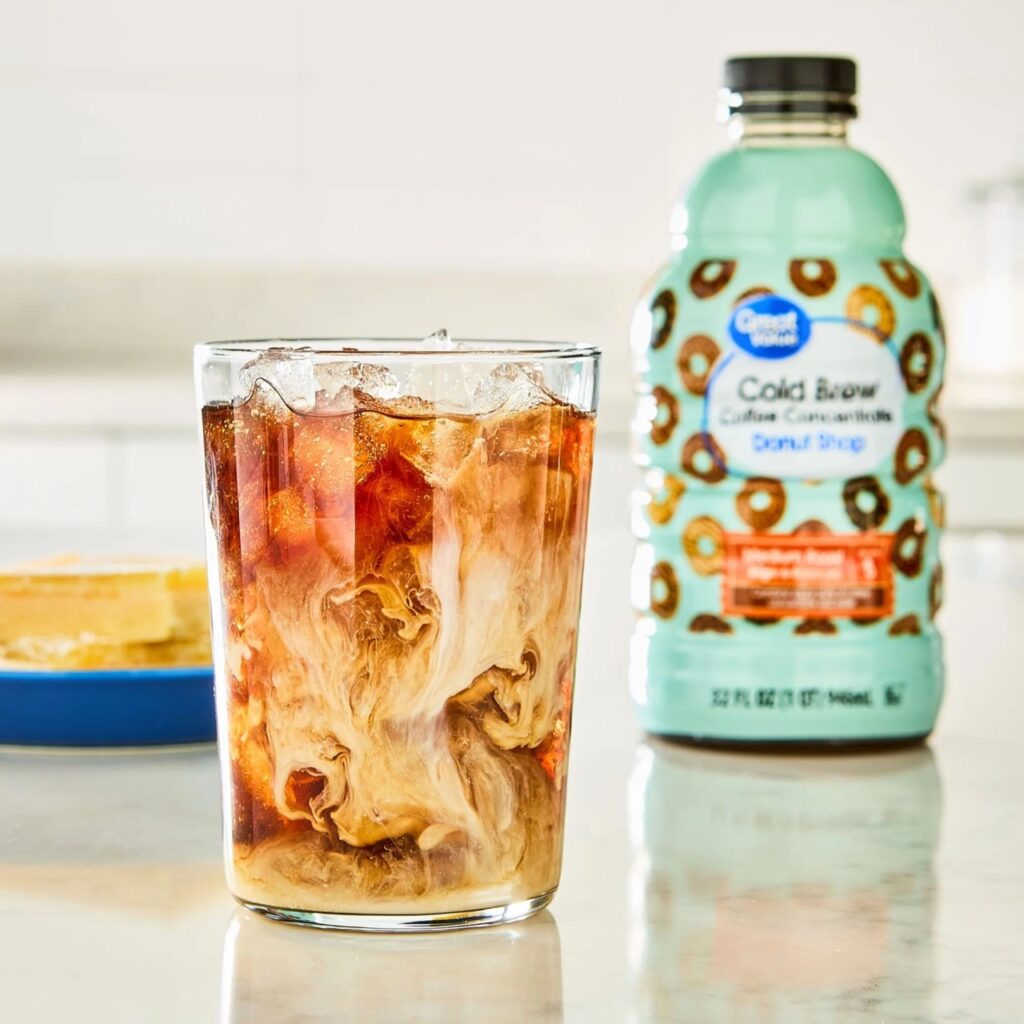
Ready-to-drink cold brew coffees have introduced modestly smaller bottles in certain markets while holding on to premium pricing. Because these beverages rely on specialty coffee beans and extended brewing times, production costs can fluctuate with global coffee markets.
Packaging, refrigeration, and distribution add further expense, especially for products sold in chilled sections. Downsizing becomes a way to offset volatility without imposing a visible price jump.
On the shelf, the bottle shape and branding may look nearly identical to earlier versions. However, with slightly fewer ounces inside, frequent buyers may find they need to purchase more often to maintain the same daily routine.
9. Sports and Enhanced Waters

Enhanced waters with added electrolytes, vitamins, or minerals are marketed as everyday wellness drinks. In recent years, some brands have quietly reduced bottle sizes while keeping shelf prices steady. The packaging looks the same, but the total ounces inside may be lower.
These drinks involve costs beyond plain water, including added ingredients, bottling, and marketing. As freight and packaging expenses rise, trimming bottle size becomes a way to protect margins without obvious price hikes.
Because the bottles appear nearly identical, many shoppers miss the change. Over time, the smaller volume raises the effective price per ounce for regular buyers.
10. Soda Multipacks
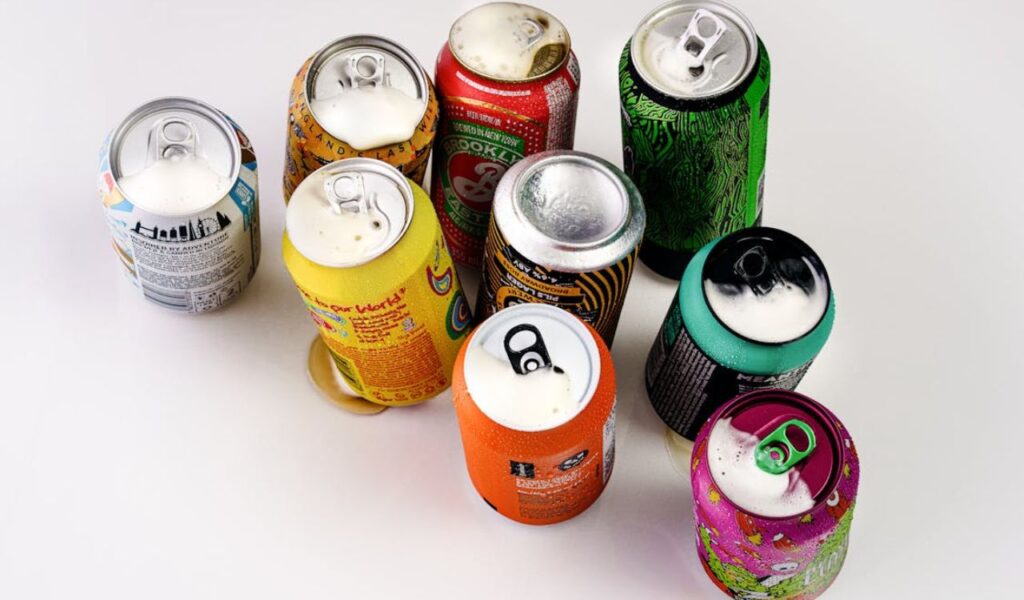
Multipacks of bottled or canned soda have also shifted in size. Some brands now offer fewer cans or bottles per pack while pricing remains similar to older, larger versions. The total liquid volume decreases even though the shelf price appears familiar.
This approach helps manufacturers maintain recognizable price points during periods of rising ingredient, aluminum, and transportation costs. Packaging redesigns and updated graphics can make the change less obvious at first glance.
For families who purchase soda in bulk, the difference becomes clear over time. Fewer servings per package mean a higher effective cost per drink, even if the sticker price has not dramatically increased.
11. Fruit Flavored Drinks
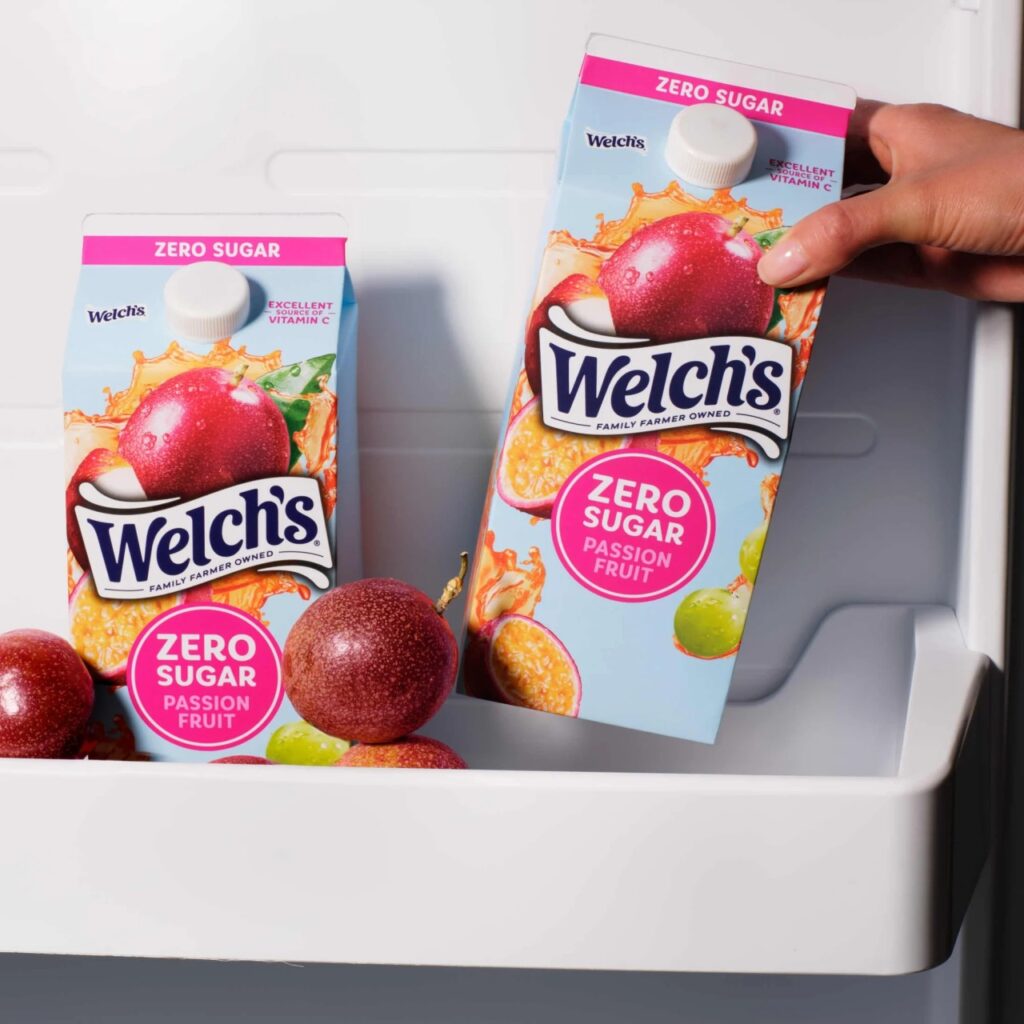
Fruit-flavored bottled drinks aimed at children and teens have followed the same shrinkflation pattern. Bottle sizes have been trimmed slightly while retail pricing remains steady, raising the cost per ounce.
These beverages depend on sweeteners, fruit concentrates, flavorings, and plastic packaging, all of which have experienced cost increases. Reducing volume allows manufacturers to offset inflation without visibly raising shelf prices.
Bright packaging and familiar branding make the adjustment easy to overlook. Only by checking the fluid ounce label can shoppers see that they are getting less liquid than before.
12. Premium Sparkling Water

Premium sparkling water has built its appeal on sleek cans, minimalist labels, and a health-focused image. In some markets, brands have reduced bottle or can sizes while keeping shelf prices about the same. The packaging looks nearly identical, but the fluid ounces on the label reveal the difference.
Rising costs help explain the shift. Aluminum cans, flavored essences, carbonation systems, and freight expenses have increased. Instead of raising prices outright, companies may trim container size to protect margins.
Because the change is subtle, many shoppers do not notice it at first. Comparing ounce counts is often the only way to see that the cost per sip has increased.
13. Ready-to-Drink Protein Shakes
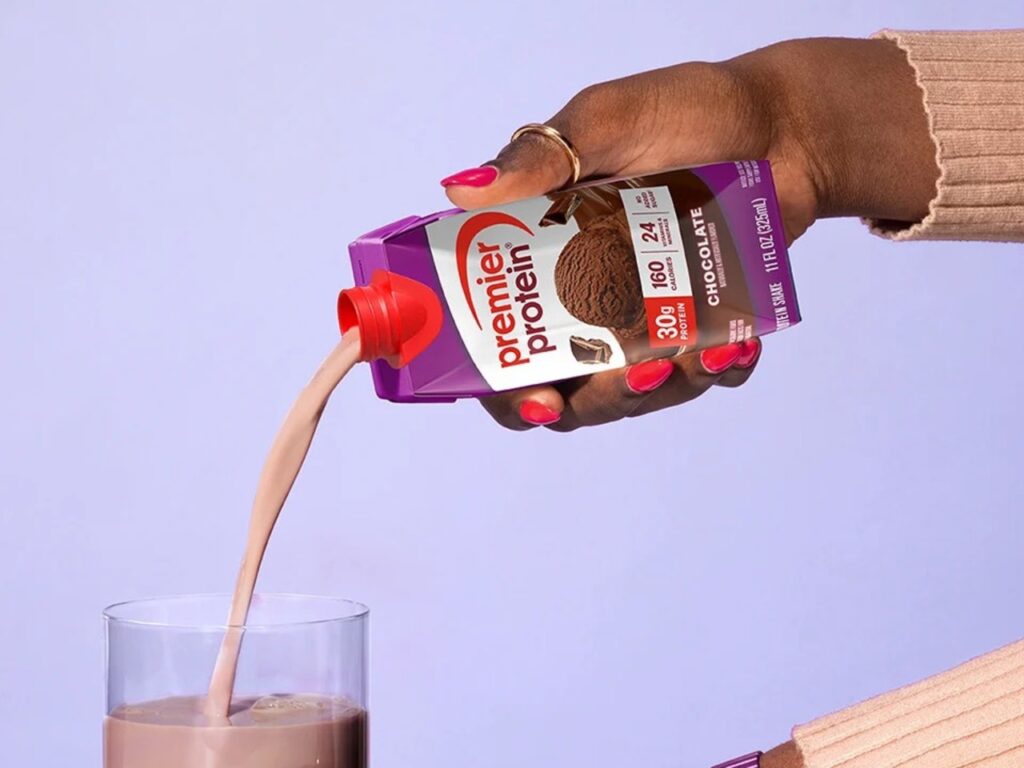
Ready-to-drink protein shakes are positioned as convenient nutrition, often sold at premium prices. In some cases, bottle volume has been slightly reduced while the retail price remains steady. The change may seem minor, but it increases the effective price per ounce.
These beverages depend on dairy or plant proteins, stabilizers, sweeteners, and added vitamins, all of which fluctuate in cost. Packaging, refrigeration, and transportation add further pressure to margins. Shrinking bottle size becomes one way to offset those expenses.
The reduction is usually small enough to escape notice during routine shopping. Over time, however, regular buyers may find they are paying more for the same brand, just with less product inside.