Why the Most Complained About Restaurant Experiences in America Keep Happening at the Same Chains

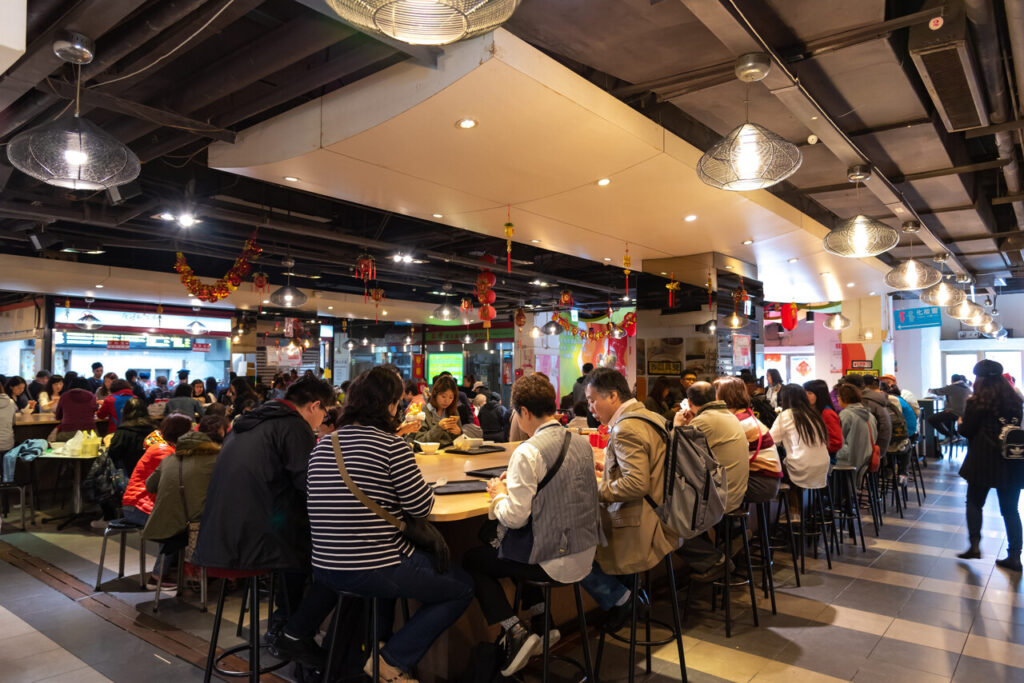
If you read enough restaurant reviews, a pattern starts to emerge. The same complaints about slow service, inconsistent food, or disappointing experiences often show up again and again, and they tend to point to the same chain restaurants.
This is not just a coincidence. The way these businesses are structured, from standardized menus to franchise ownership and high staff turnover, creates conditions where small issues can repeat across multiple locations.
At the same time, customers continue to return, drawn by familiarity, convenience, and a sense of predictability.
Understanding why these complaints persist reveals how chain restaurants operate and why certain problems are harder to fix than they seem.
The Consistency Problem Built Into Chains
What chain restaurants promise most is consistency, yet that is also where problems begin. Every location is expected to deliver the same food and service, but real-world conditions make that difficult. Small differences in staff, timing, and execution can quickly lead to noticeable variations.
Standardized recipes are designed to reduce variation, but they rely heavily on precise execution. When even one step is rushed or skipped, the result can feel off. These small gaps are often what customers notice when they complain about familiar dishes tasting different.
Equipment and ingredient handling can also vary from one location to another. Even when the same suppliers are used, storage conditions and preparation methods may differ. These inconsistencies can affect texture, temperature, and overall quality.
Customer expectations for chains are often higher because of their reputation for uniformity. When a meal does not match what someone has experienced before, the disappointment feels sharper. This makes even minor inconsistencies more noticeable.
Over time, these small variations create patterns. Customers begin to associate certain issues with specific chains. The problem is not always large failures, but repeated minor differences that add up across locations.
The Franchise Model That Shapes Every Experience
One of the biggest factors behind repeated complaints is the franchise system itself. Many chain restaurants are not operated by a single company but by independent owners. Each franchisee runs their location within corporate guidelines, but day-to-day decisions can vary.
This structure creates differences in how restaurants are managed. Hiring practices, staff training, and operational standards can differ depending on the owner. These variations directly affect the customer experience, even within the same brand.
Corporate rules are meant to maintain consistency, but they also limit flexibility. Franchise owners must follow strict menus, pricing structures, and preparation methods. This can make it harder to adapt to local preferences or fix recurring issues quickly.
Financial pressures also play a role in how franchises operate. Owners must balance costs while meeting corporate expectations. This can lead to decisions that affect staffing levels, ingredient quality, or service speed.
As a result, the franchise model creates a mix of uniformity and variation. While the brand appears consistent from the outside, the experience can differ depending on who is running the location.
The Pressure to Deliver the Same Experience Everywhere
Chain restaurants are built around the idea that customers know what they will get. This focus on predictability shapes every part of the business, from menu design to service style. While this approach creates comfort, it can also lead to repeated problems.
Uniform menus are designed to work across many locations. However, what works in one region may not translate perfectly to another. Differences in local tastes, ingredient availability, and expectations can create mismatches.
Because chains prioritize consistency, there is less room for adjustment. Staff are trained to follow specific procedures rather than adapt on the spot. This can make it harder to respond to customer feedback or fix issues quickly.
Repetition also means that the same mistakes can occur across multiple locations. If a process is flawed, it is likely to be repeated rather than corrected locally. This is why complaints often sound similar from one place to another.
The pressure to maintain a uniform identity can limit improvement. Chains focus on delivering the expected experience, even when that experience includes known weaknesses. This keeps certain issues recurring over time.
Staffing Challenges That Never Fully Go Away
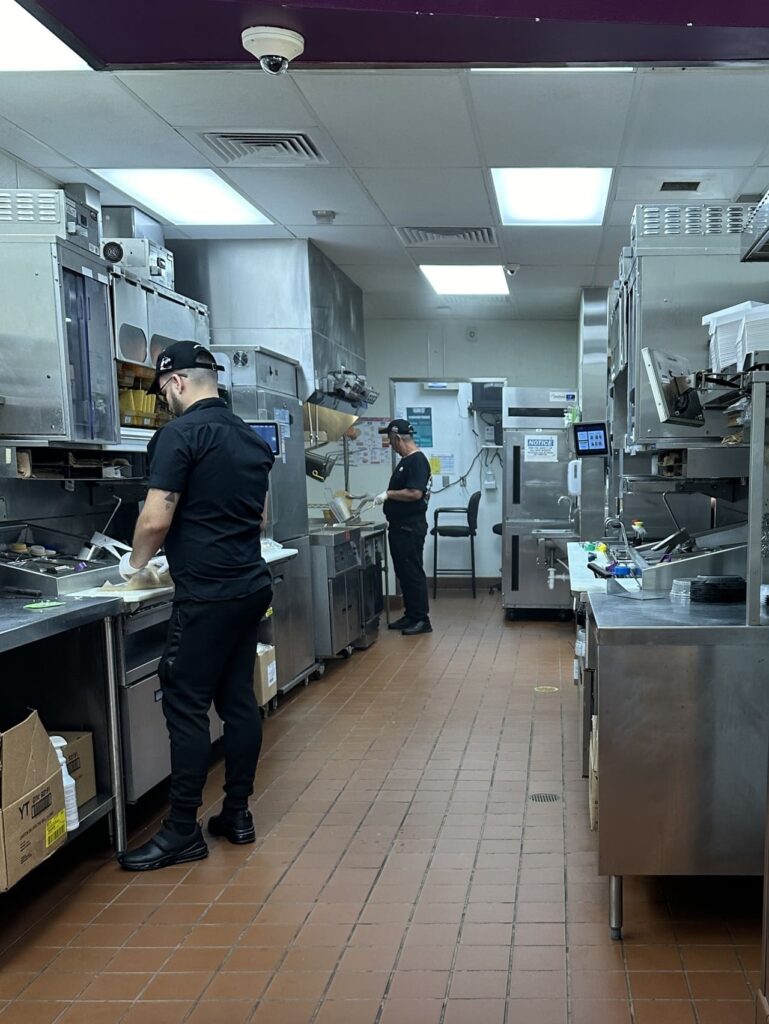
Staffing is one of the most consistent challenges for chain restaurants. High employee turnover is common in the industry, which makes it difficult to maintain consistent service. New staff often need time to learn processes, leading to uneven experiences.
Training programs are designed to standardize performance, but they cannot replace experience. Employees who are still learning may struggle with timing, accuracy, or customer interaction. This can affect both food quality and service speed.
Labor shortages add another layer of difficulty. When restaurants are understaffed, employees may be rushed or overworked. This increases the likelihood of mistakes, from incorrect orders to poorly prepared dishes.
Working conditions also influence performance. Fast-paced environments and strict procedures can lead to fatigue or burnout. This can impact how staff interact with customers and how carefully they prepare food.
Because these challenges are ongoing, they contribute to repeated complaints. The issue is not isolated incidents but a pattern driven by the nature of the workforce in chain restaurants.
Why Customers Keep Coming Back Anyway
Despite repeated complaints, many customers continue to visit the same chain restaurants. Familiarity plays a major role in this behavior. People know what to expect, and that sense of predictability can be comforting.
Nostalgia also influences customer loyalty. Many chains are tied to memories of past experiences, such as family meals or road trips. These emotional connections can outweigh occasional disappointments.
Convenience is another important factor. Chain restaurants are often easy to find, quick to access, and consistent in layout. This makes them a reliable option when people want a straightforward dining experience.
Pricing and promotions also attract repeat visits. Chains often offer deals that make them appealing compared to independent restaurants. This adds practical value that keeps customers returning.
In the end, the balance between expectation and experience keeps these chains relevant. Even when issues occur, the combination of familiarity, convenience, and value continues to draw customers back.