The Reason Your Takeout Order Always Tastes Different by the Time You Get It Home

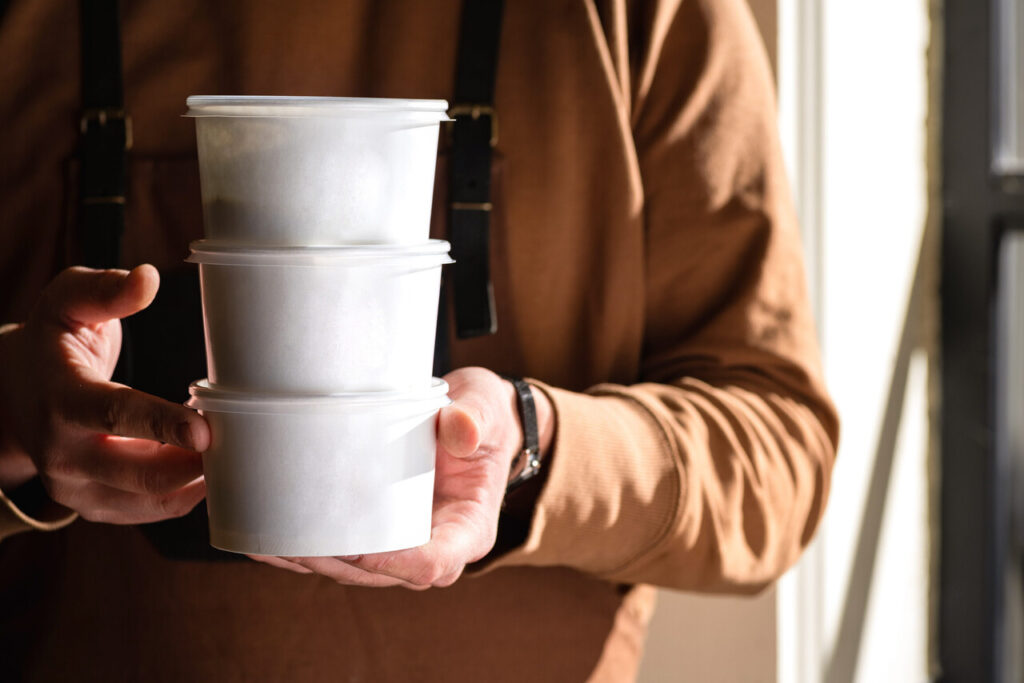
Takeout often looks just as good when you open the container at home, but the first bite rarely matches what you would have experienced in the restaurant.
That difference is not just about timing or expectations. It comes down to a series of small but important changes that begin the moment food leaves the kitchen.
Temperature starts to drop, steam builds inside packaging, textures shift, and flavors gradually lose intensity. By the time the meal reaches your table, it has already gone through a transformation.
Understanding what happens during that short journey explains why even your favorite dishes can taste slightly different by the time you eat them.
The Moment Food Leaves the Kitchen
The biggest change begins the second your food leaves the kitchen. Freshly cooked food is at its peak in aroma, heat, and texture. From that moment on, those qualities begin to decline as time passes and conditions shift. Even a short delay between cooking and eating can noticeably change how food tastes.
Flavor is strongest when food is hot and freshly prepared. As it sits, volatile compounds responsible for aroma begin to fade or disperse. These compounds are what give food its depth and intensity, and losing them makes dishes taste less vibrant.
Time also allows chemical reactions to continue. Ingredients interact with air, moisture, and each other in ways that slowly alter flavor. This process is subtle but constant, meaning the longer food sits, the more it changes from its original state.
Distance adds another layer to this change. Takeout often travels from the restaurant to your home, extending the time before it is eaten. During that journey, temperature drops and textures begin to shift, reducing overall quality.
By the time the food reaches your table, it is no longer in its ideal condition. The gap between cooking and eating, even if small, is enough to make a noticeable difference in taste and experience.
The Role of Temperature in Flavor Loss
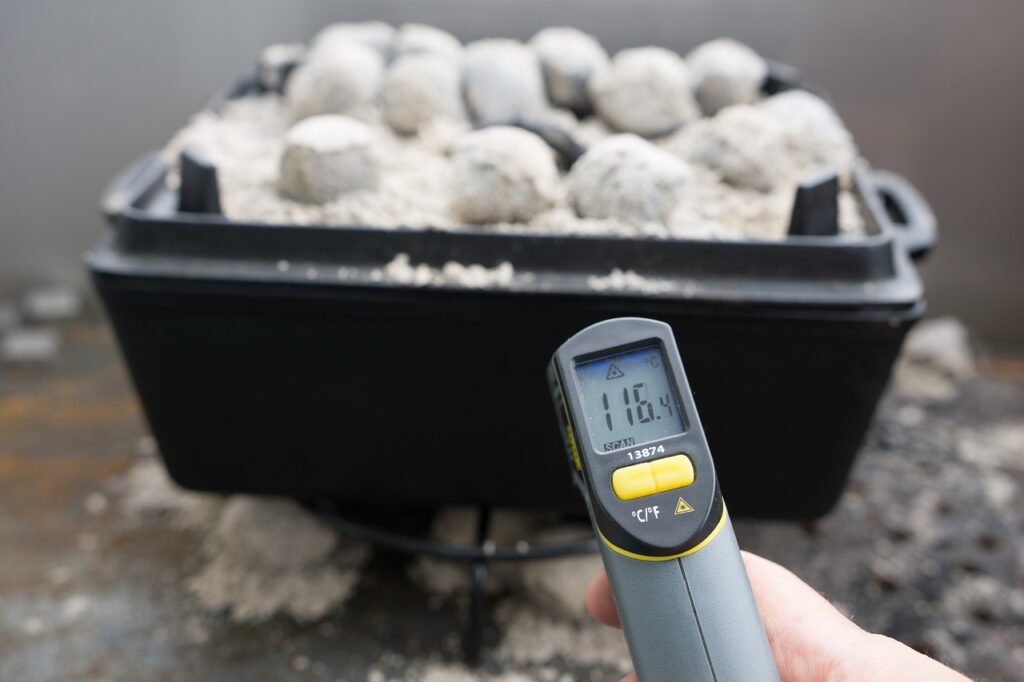
Temperature plays a major role in how we experience flavor. Hot food releases more aroma compounds, which enhances taste and makes flavors feel stronger. As food cools, this release slows down, making dishes seem less flavorful.
Warm food does not activate taste receptors as effectively as hot food. This reduces the intensity of flavors, even if the ingredients themselves have not changed. The same dish can feel completely different depending on its temperature.
Cooling also affects fats and oils in food. As they cool, they begin to solidify, which can dull richness and alter mouthfeel. This is especially noticeable in dishes like fried foods or sauces.
Temperature changes can also lead to oxidation, especially in cooked meats. This process can create subtle off-flavors over time, often described as stale or slightly metallic.
Together, these changes explain why food that was once vibrant and satisfying can feel flat by the time it is eaten at home. Temperature is not just about warmth; it directly affects how flavor is perceived.
The Hidden Impact of Packaging
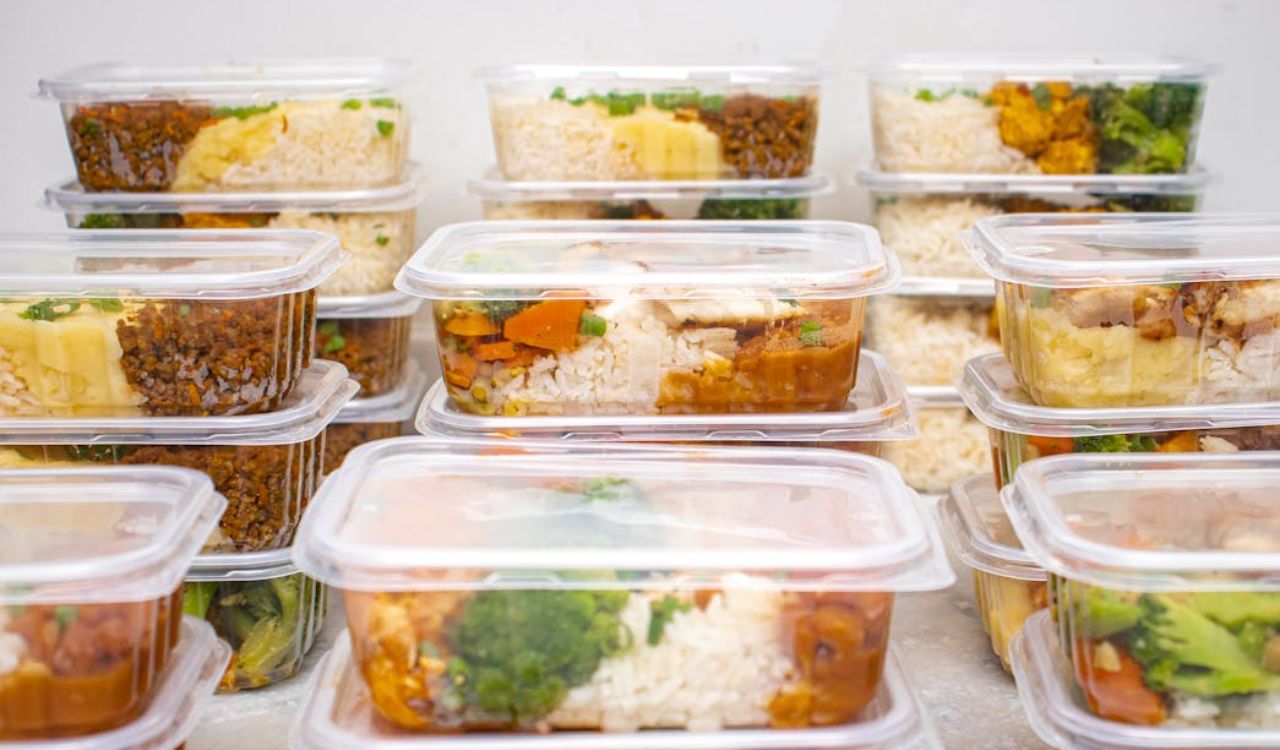
Packaging is designed to protect food, but it also changes it. Containers trap heat to keep food warm, yet they also trap moisture. This creates a closed environment where steam builds up quickly.
As steam accumulates, it condenses back into water. This moisture settles on the food, softening textures that were once crisp. Fried items are especially affected, losing their crunch within minutes.
Packaging materials can also interact with flavor compounds. Some plastics absorb aroma molecules, a process known as flavor scalping. This reduces the intensity of taste and can make food seem less fresh.
At the same time, packaging can allow small amounts of air and moisture to move in and out. These changes affect both freshness and flavor, especially during longer delivery times.
While packaging helps preserve food, it cannot perfectly maintain its original state. The same system that keeps food contained also contributes to the changes that affect taste and texture.
Texture Changes That Alter the Experience
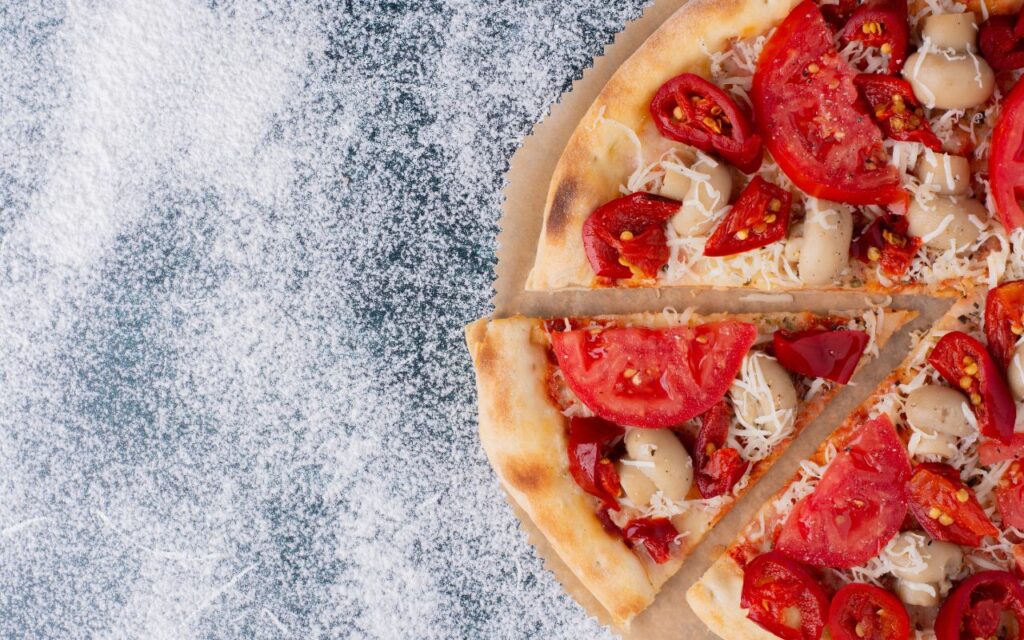
Texture is just as important as flavor, and it changes quickly after cooking. Crispy foods begin to soften, while soft foods can dry out depending on how they are stored. These shifts alter how satisfying a dish feels.
Moisture plays a key role in this process. Steam trapped inside containers rehydrates surfaces, making them soggy. At the same time, some foods lose moisture and become tougher or less appealing.
Air exposure also affects texture over time. Oxygen interacts with food, causing subtle structural changes. These changes may not be visible immediately, but can impact how food feels when eaten.
Reheating can further alter texture. Once balanced foods may become uneven, with some parts overcooked and others still cool. This inconsistency affects both taste and overall enjoyment.
By the time takeout is eaten, the texture is often very different from how it was served. These physical changes play a major role in why the experience feels less satisfying than dining in.
Why Takeout Can Never Fully Match Fresh Dining
The difference between restaurant dining and takeout comes down to timing and control. In a restaurant, food is served immediately after preparation. This ensures optimal temperature, texture, and flavor.
At home, that timing is lost. Even a short delay introduces changes that affect the final experience. The longer the delay, the greater the difference becomes.
Restaurants also control the entire environment. Lighting, plating, and presentation all enhance the perception of taste. These elements are missing when food is transferred to a takeaway container.
Small changes add up quickly. Cooling, moisture, packaging, and transport each play a role in altering the food. Individually, they may seem minor, but together they create a noticeable difference.
This is why takeout rarely matches the experience of eating fresh in a restaurant. It is not just about the recipe, but about the conditions under which the food is enjoyed.