How Nostalgia Became the Most Powerful Ingredient the Food Industry Has and Why Brands Keep Using It

Some of the most powerful flavors in food are not just about ingredients, but about memory. A familiar snack, a classic recipe, or even a certain packaging design can instantly take people back to a specific time in their lives.
Food brands have learned to tap into this emotional connection, turning nostalgia into one of their most effective tools. In a market filled with constant innovation, looking backward has become just as valuable as moving forward.
By blending familiar experiences with modern updates, companies are creating products that feel both comforting and relevant, keeping customers engaged across generations.
The Emotional Pull That Drives Food Choices
What people crave is often tied to memory as much as taste. Certain foods are linked to childhood, family gatherings, or specific moments that carry emotional weight. When someone encounters those flavors again, the experience goes beyond eating and becomes a way to reconnect with the past. This emotional layer makes food choices feel more personal and meaningful.
The brain plays a key role in this connection. Taste and smell are closely linked to memory, which is why a single bite can bring back vivid experiences. These sensory triggers are powerful because they bypass logic and connect directly with emotion. This is what makes nostalgic foods feel comforting even before they are fully tasted.
Emotional decision-making often outweighs rational thinking when it comes to food. People may choose a familiar snack over a healthier or newer option simply because it feels safe and reassuring. This preference is not just about habit but about the emotional satisfaction that comes with recognition.
Food brands understand this dynamic and design products that tap into shared experiences. By referencing common memories or cultural moments, they create a connection that feels immediate and relatable. This approach allows products to stand out in a crowded market.
Over time, nostalgia becomes a powerful influence on consumer behavior. It shapes not only what people buy but also how they feel about those choices. This emotional pull helps explain why certain foods remain popular across generations.
Why Nostalgia Increases Purchase Behavior
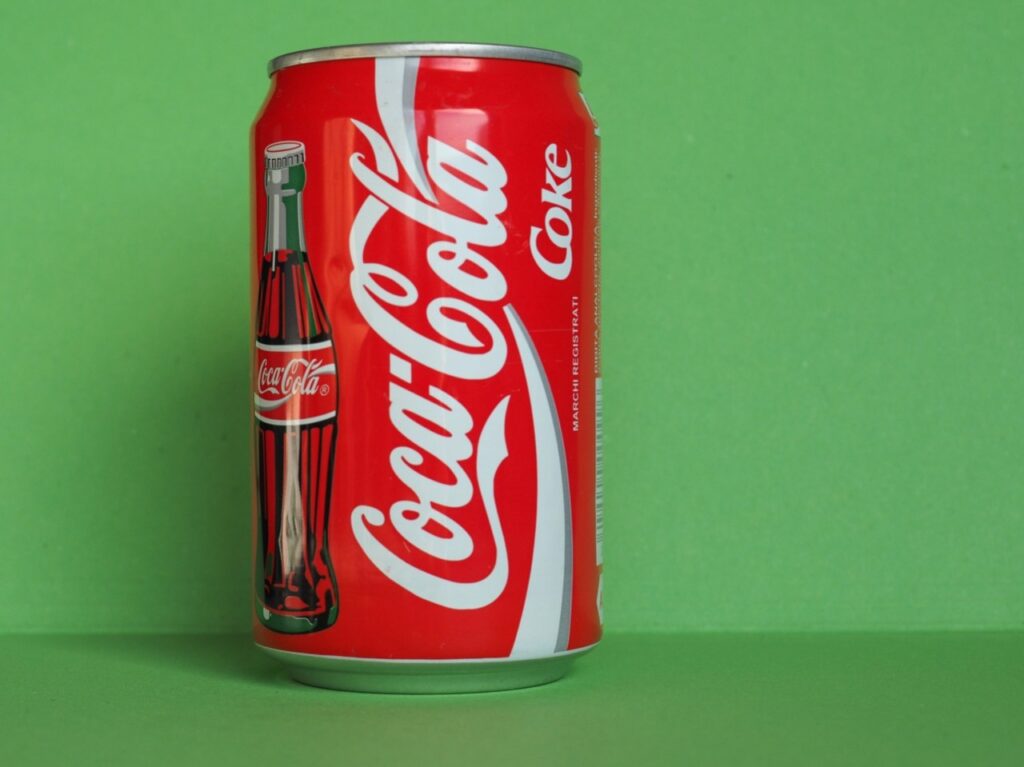
Familiarity is one of the strongest drivers of purchasing decisions. When people recognize a product, they are more likely to trust it and choose it over something unfamiliar. Nostalgic foods benefit from this effect because they already carry a sense of reliability. This reduces hesitation and speeds up decision-making.
Comfort also plays a major role in repeat purchases. Foods that are tied to positive memories create a sense of satisfaction that goes beyond taste. This emotional reward encourages customers to return to the same products again and again. Over time, this builds strong brand loyalty.
Nostalgic branding simplifies the shopping experience. Recognizable packaging and familiar names stand out quickly on store shelves. Consumers do not need to evaluate the product as carefully because they already feel connected to it. This makes the buying process easier and more intuitive.
Marketing strategies often reinforce this connection by highlighting past experiences. References to earlier decades, childhood moments, or cultural traditions make products feel timeless. These cues strengthen the emotional appeal and make the product more memorable.
As a result, nostalgia consistently boosts sales. It turns everyday items into something meaningful, which gives brands a lasting advantage. This ability to combine emotion with familiarity is what makes nostalgic products so effective in the market.
The Return of Old Favorites With a Modern Twist
Many food brands are revisiting past products and bringing them back to market. These items often come with a built-in audience of consumers who remember them fondly. This immediate recognition creates interest and makes it easier to reintroduce older products successfully.
However, these products are rarely brought back unchanged. Brands often update recipes to match current preferences, such as reducing sugar or using different ingredients. These changes allow the product to meet modern expectations while still retaining its nostalgic appeal.
Packaging is also updated to balance old and new. Retro design elements are often combined with contemporary styles to create something that feels familiar but not outdated. This approach helps attract both long-time fans and new customers.
This strategy allows brands to innovate without taking unnecessary risks. By building on something that already has emotional value, they increase the likelihood of success. It also helps them stand out in a competitive market where entirely new products may struggle to gain attention.
The combination of nostalgia and innovation works because it satisfies both emotional and practical needs. Consumers get the comfort of familiarity along with improvements that fit their current lifestyle. This balance helps extend the relevance of these products over time.
How Food Brands Build Nostalgic Experiences
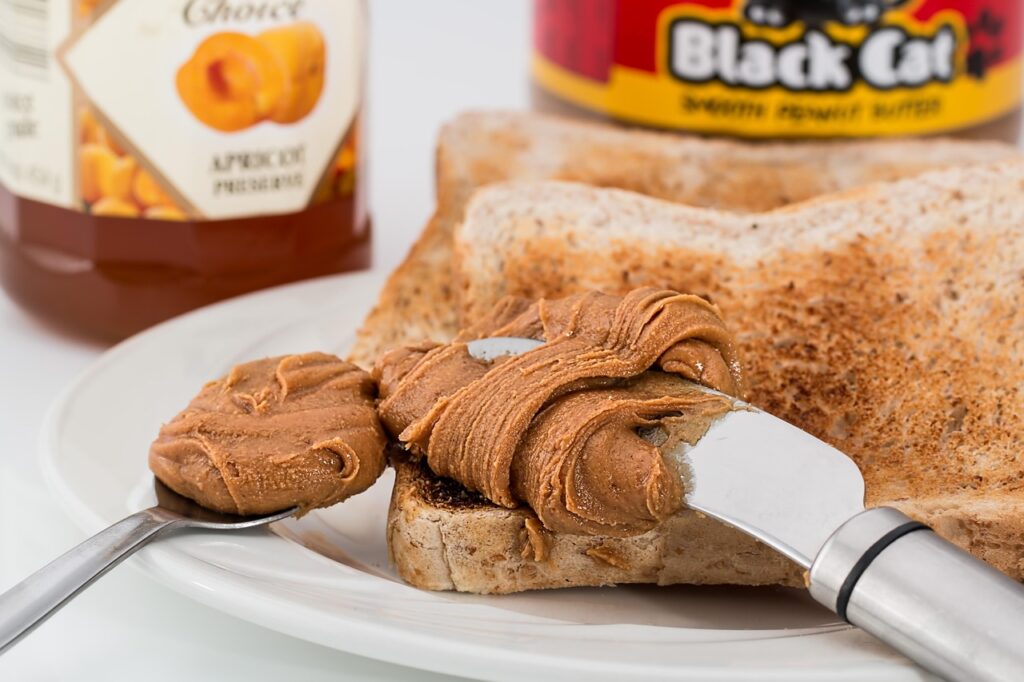
Creating a nostalgic product involves more than just the food itself. Packaging plays a crucial role in triggering recognition and memory. Colors, fonts, and design elements are carefully chosen to reflect a specific time period or cultural moment. These visual cues help establish an emotional connection before the product is even opened.
Storytelling is another important tool used by brands. By sharing the history of a product or its connection to a particular era, companies add depth to the experience. This narrative makes the product feel more authentic and meaningful, which strengthens its appeal.
Sensory elements are equally important in building nostalgia. Taste and smell are powerful triggers that can bring back memories instantly. Even small details, such as a familiar flavor profile, can create a strong emotional response. This makes the product feel true to its origins.
Authenticity is critical in this process. If a product does not match the memory it is meant to evoke, the experience can feel disappointing. Brands must carefully balance updates with consistency to ensure that the nostalgic connection remains intact.
When all these elements come together, they create a cohesive experience that resonates with consumers. The product feels familiar, comforting, and meaningful, which helps build long-term loyalty and strengthens the brand’s identity.
Why Nostalgia Keeps Working in a Changing World
Nostalgia becomes especially powerful during times of uncertainty. When people face rapid changes in their environment or lifestyle, they often look for familiar experiences that provide a sense of stability. Nostalgic foods offer that reassurance by connecting consumers to simpler or more predictable moments.
Modern life is constantly evolving, with new trends and technologies shaping how people live and eat. This constant change can feel overwhelming, making products that feel consistent and reliable more appealing. Familiar foods act as a form of comfort in an otherwise fast-moving world.
Nostalgia can also bridge generations. Older consumers revisit products they grew up with, while younger audiences discover them for the first time. This creates a shared experience that expands the reach of nostalgic brands.
Food companies continue to invest in nostalgia because it delivers consistent results. Emotional connections are often stronger than purely rational ones, making nostalgic marketing highly effective. It helps brands maintain relevance even as consumer preferences shift.
As long as memories remain tied to food, nostalgia will continue to shape consumer behavior. It connects the past with present choices in a way that feels natural and meaningful. This enduring influence is why it remains one of the most powerful tools in the food industry.