12 Expensive Foods That Aren’t Worth the Price

Luxury food has a powerful pull. Words like rare, imported, traditional, or exclusive can make a dish feel special before it even reaches the table. Many high-priced foods come wrapped in stories of scarcity, labor-intensive harvesting, cultural prestige, or dramatic presentation, all of which help justify their cost. But once the hype fades, the eating experience often tells a different story. In many cases, diners are paying for rarity, reputation, or the idea of indulgence rather than a truly superior taste. This list takes a clear, grounded look at celebrated luxury foods that sound impressive but often fall short on the plate.
1. White Truffle
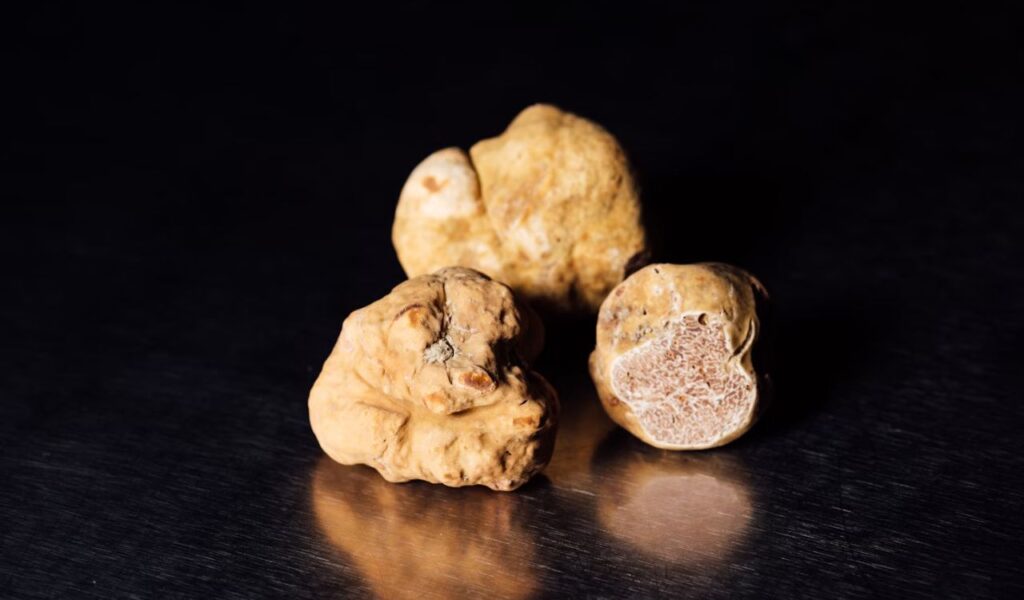
White truffles have become shorthand for luxury, but the experience rarely matches the price. They grow wild and cannot be farmed, which drives scarcity and cost, yet their flavor is far more delicate than many expect. Most of the impact comes from aroma rather than taste, and that aroma fades quickly once shaved. If the dish is even slightly warm, much of it disappears in seconds. Chefs often rely on the prestige factor, adding thin shavings tableside to justify triple-digit upcharges. For diners, the payoff can feel underwhelming, especially when compared to robust ingredients that clearly transform a dish.
2. Bluefin Tuna
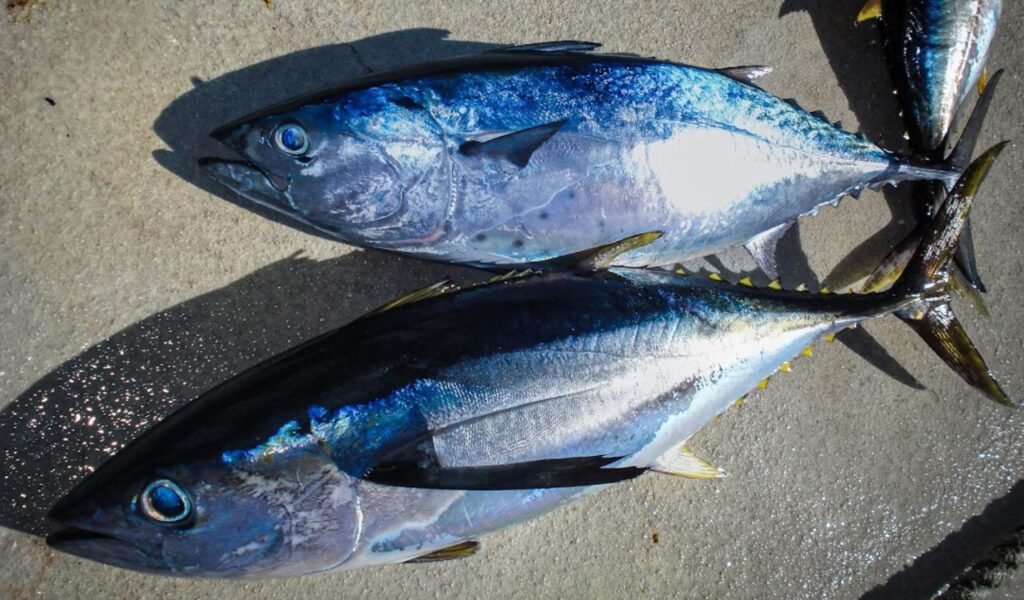
Bluefin tuna is famous for breaking auction records, but its eating quality does not always justify the hype. The meat is rich and fatty, especially in prized cuts, yet the difference between bluefin and other high quality tuna is often subtle to the average diner. Much of its value comes from scarcity, international demand, and sushi culture that prizes tradition and exclusivity. When prepared simply, many yellowfin or bigeye cuts deliver a clean, balanced flavor that most people enjoy just as much, making bluefin a luxury driven more by prestige than culinary necessity. For most diners, freshness and proper handling have a far greater impact on enjoyment than the name of the fish itself.
3. Kobe Beef Outside Japan
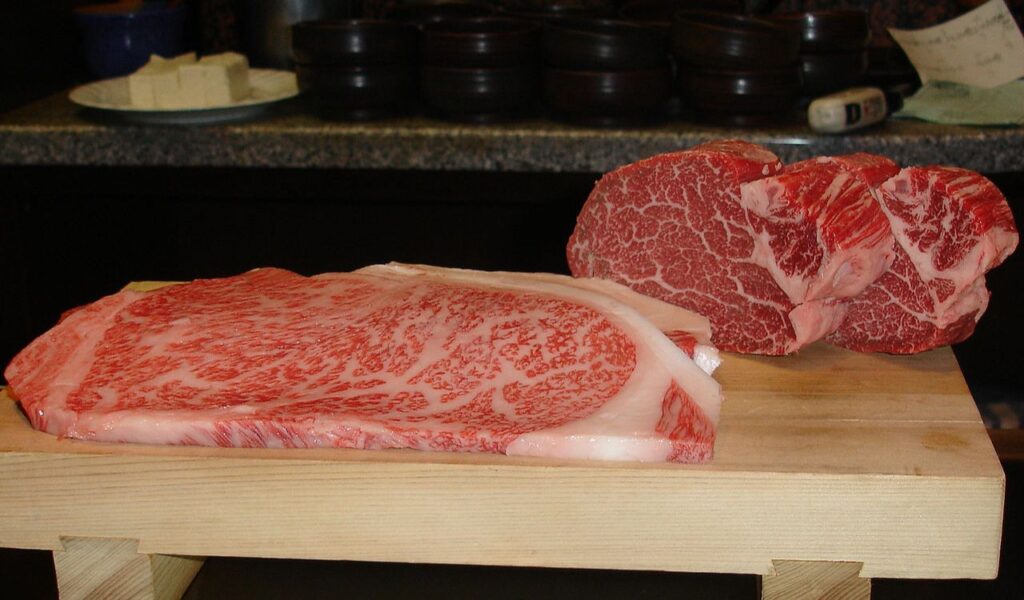
The name Kobe carries enormous weight, but authentic Kobe beef is tightly regulated and extremely limited. Outside Japan, most menus use the term loosely to describe Wagyu-style beef rather than the real thing. This creates a huge price gap between expectation and reality. Even when the beef is well marbled and tender, the eating experience often does not stand apart from other premium steaks enough to justify the markup. The premium price is usually attached to branding rather than a clear, measurable improvement in flavor. For most diners, the enjoyment curve flattens quickly once you reach a certain level of quality, making the extra cost hard to defend.
4. Saffron
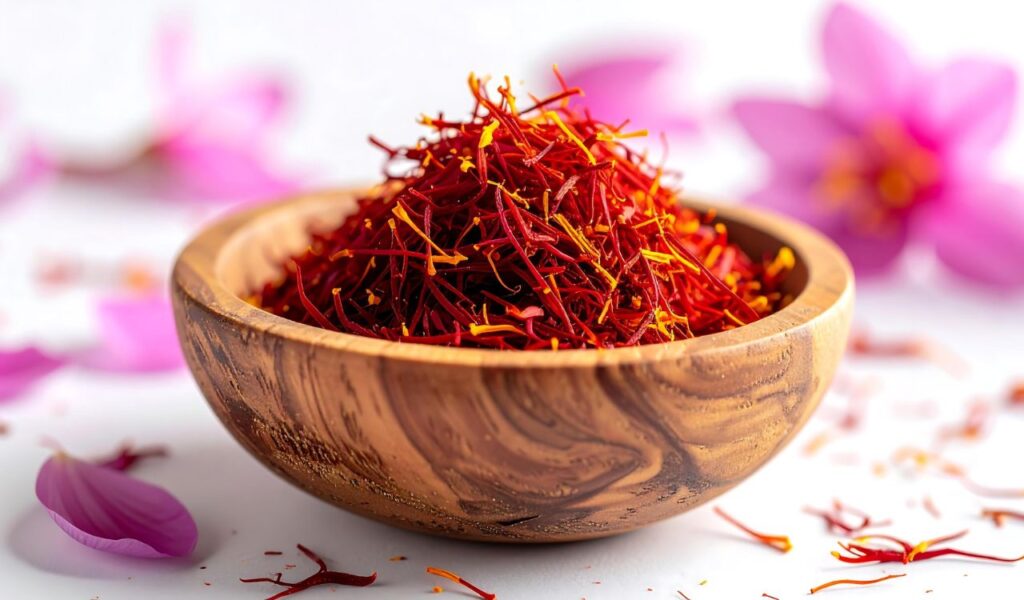
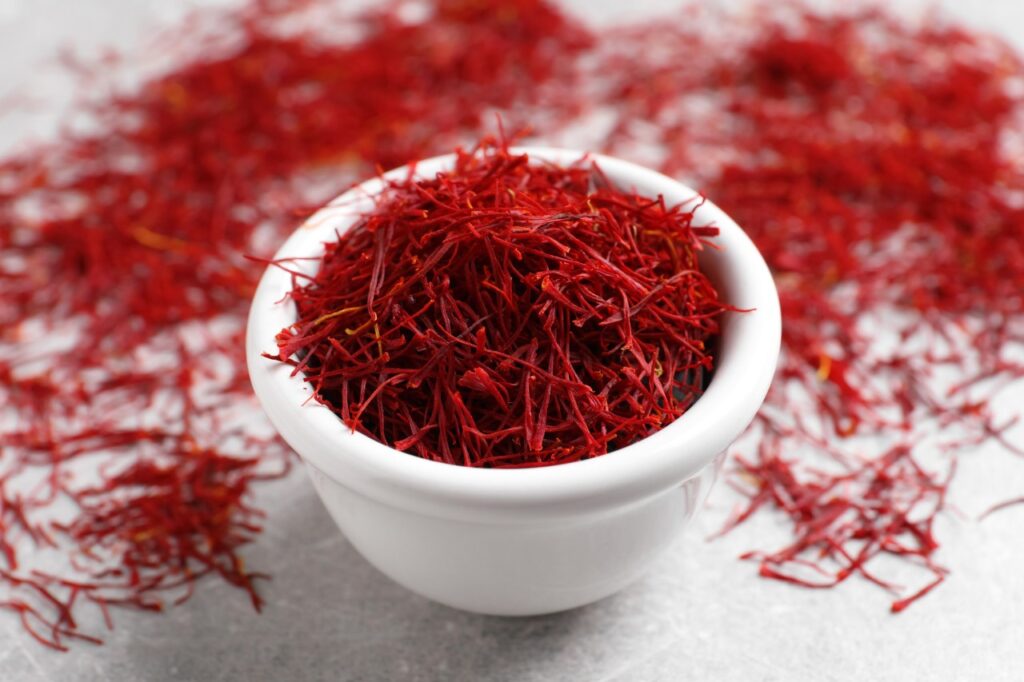
Saffron is one of the most labor intensive spices in the world, harvested by hand from tiny crocus flowers, which explains its high price. The problem is how little impact it has if not used correctly or generously. In many dishes, especially those with bold flavors, saffron can get lost entirely. Its role is subtle, adding color and a gentle floral note rather than a strong taste. Home cooks often use too little because of the cost, which further reduces its effect. In restaurants, it is sometimes included more for menu appeal than necessity. Other spices can provide clearer flavor and aroma at a fraction of the price, making saffron a luxury that requires precision to justify its expense.
5. Almas Caviar
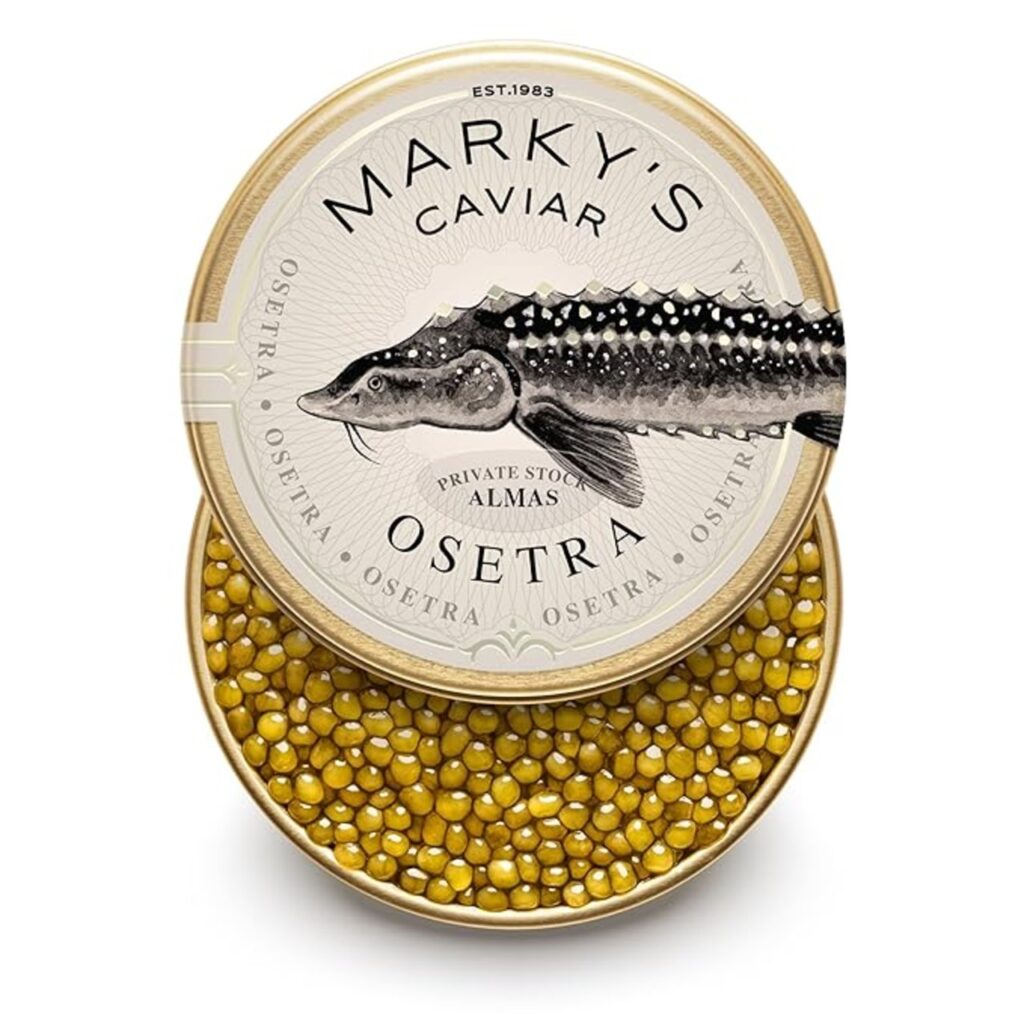
Almas caviar is marketed as the pinnacle of indulgence, with prices that can reach thousands for a single tin. The fish eggs are smooth and salty, but the flavor profile is not dramatically different from other high-end caviars. Much of the cost is driven by rarity, aging, and presentation rather than a unique taste sensation. For many diners, the experience is pleasant but brief, with the same briny notes found in far less expensive options. Texture and freshness matter more than pedigree, and those qualities are available without the extreme markup. Almas caviar is a classic example of paying for exclusivity and story rather than a flavor that fundamentally redefines the experience.
6. Fugu
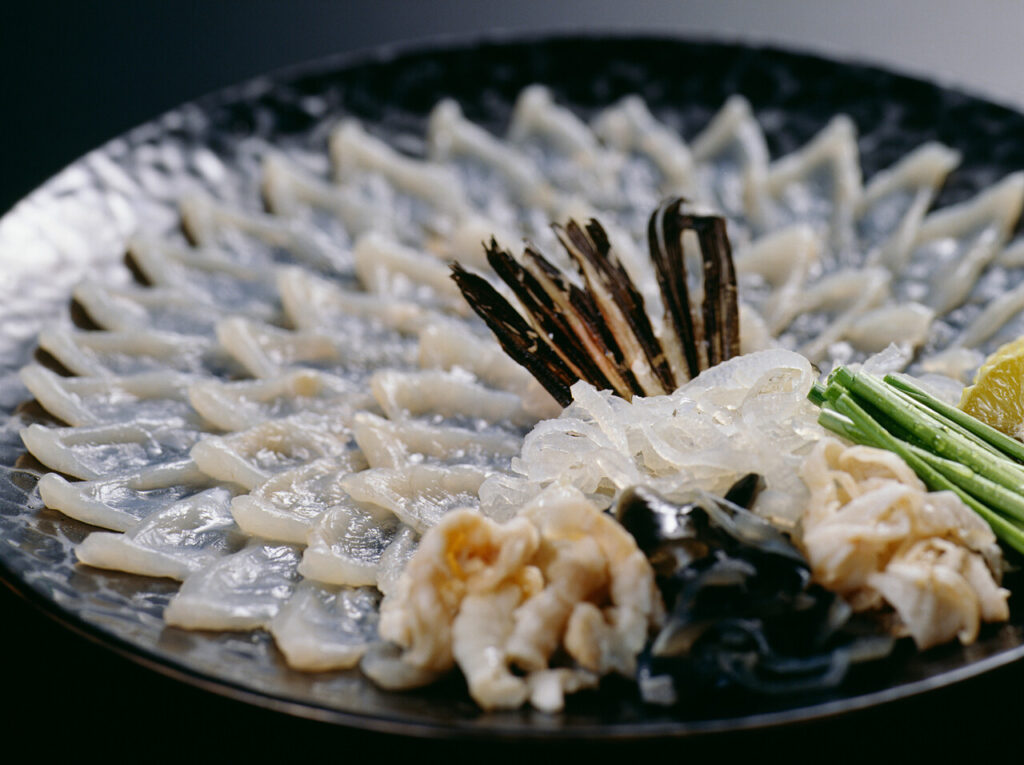
Fugu is famous because it can be deadly if prepared incorrectly, not because it tastes exceptional. Licensed chefs undergo years of training, and that expertise contributes heavily to the price. On the plate, the fish itself is mild and almost neutral, with a texture that many describe as chewy rather than luxurious. The thrill of danger and the cultural ritual are what diners are really buying. Once the novelty fades, the flavor alone rarely stands out compared to other well-prepared seafood. For those seeking pure culinary pleasure, fugu often feels like an expensive exercise in curiosity rather than a dish that delivers lasting satisfaction.
7. Edible Gold Leaf
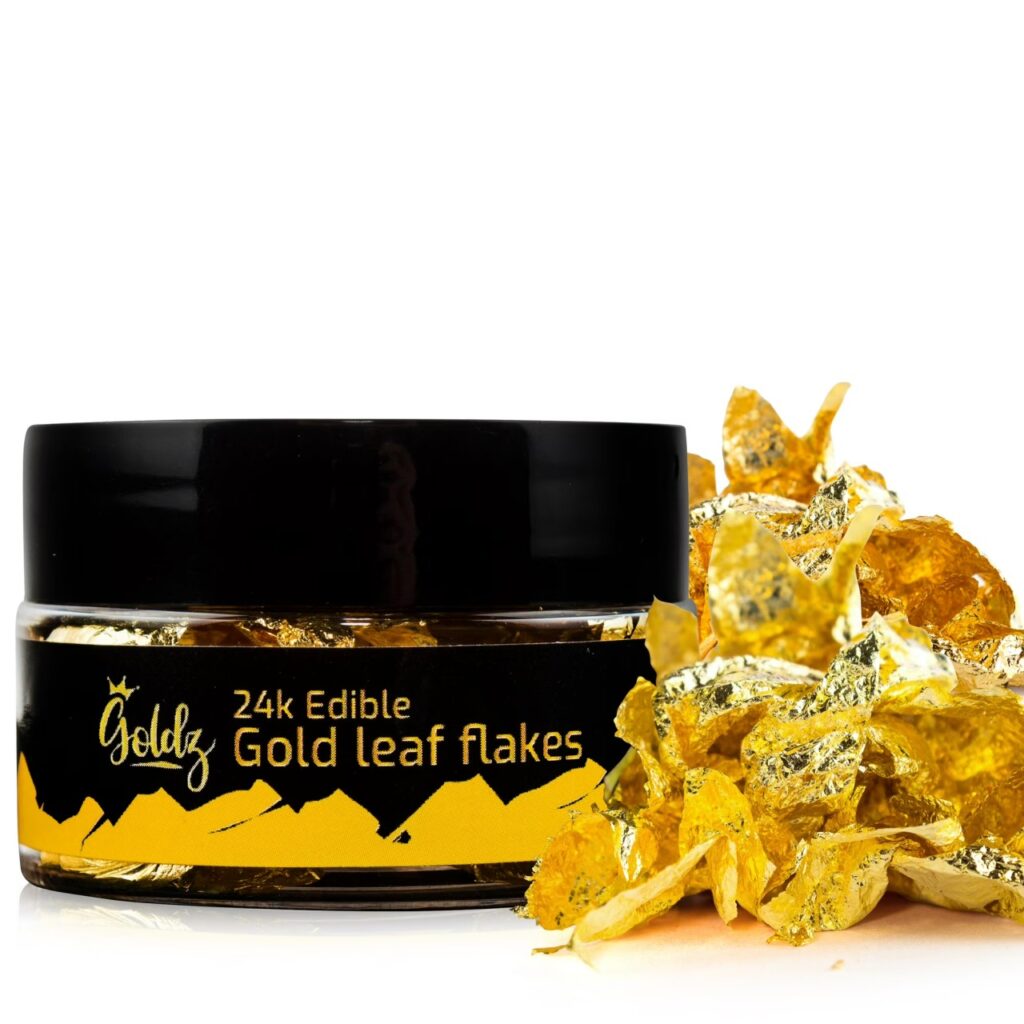
Gold leaf is one of the clearest examples of cost without culinary value. It has no flavor, no aroma, and no nutritional benefit. Its purpose is visual, adding sparkle and a sense of extravagance to desserts and drinks. The price reflects the novelty and the association with wealth, not any improvement in taste. Once consumed, it offers nothing beyond appearance, which disappears instantly. Many diners enjoy the spectacle, but from a food perspective, it contributes nothing to the experience. Paying extra for gold leaf is essentially paying for decoration that does not enhance what matters most in a dish.
8. Black Winter Truffle
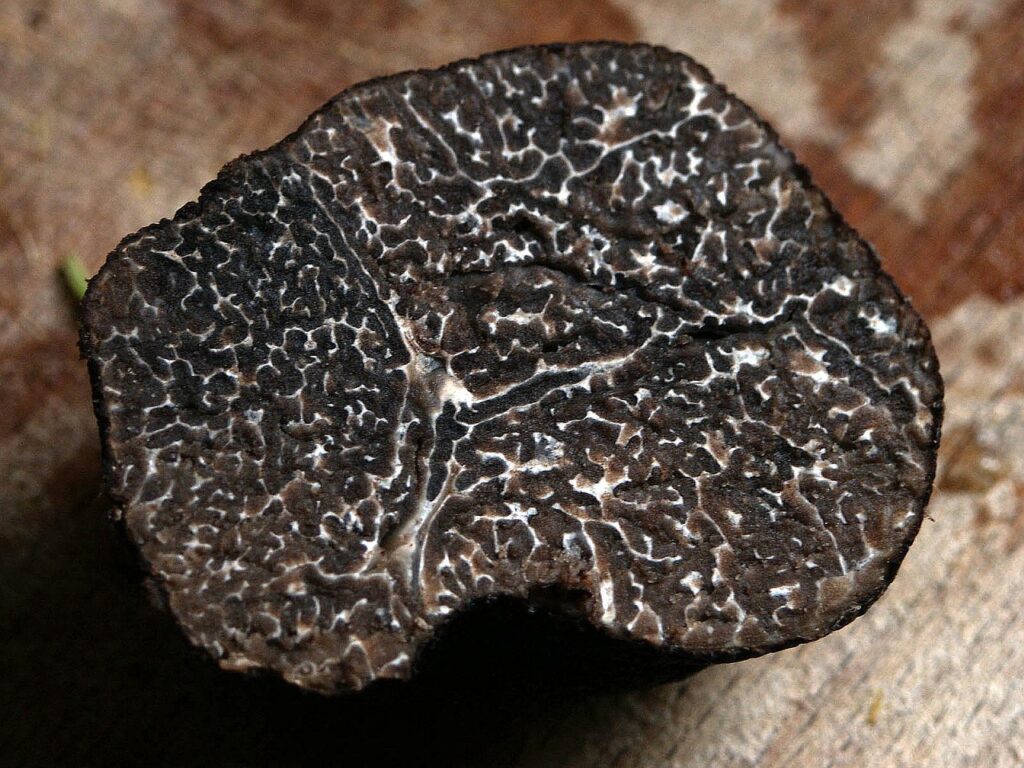
Black truffles are more common than white truffles, yet they still command high prices due to seasonal availability and demand. Their flavor is earthy and pleasant but often subtle, especially when used sparingly. In many preparations, mushrooms with stronger character can provide similar depth at a much lower cost. Restaurants frequently rely on truffle oil to amplify the aroma, which further blurs the line between real impact and perceived luxury. While black truffles can enhance a dish when used generously and thoughtfully, the marginal gain often does not match the price increase, making them a luxury that feels more symbolic than essential.
9. Iberico Ham Top Grades
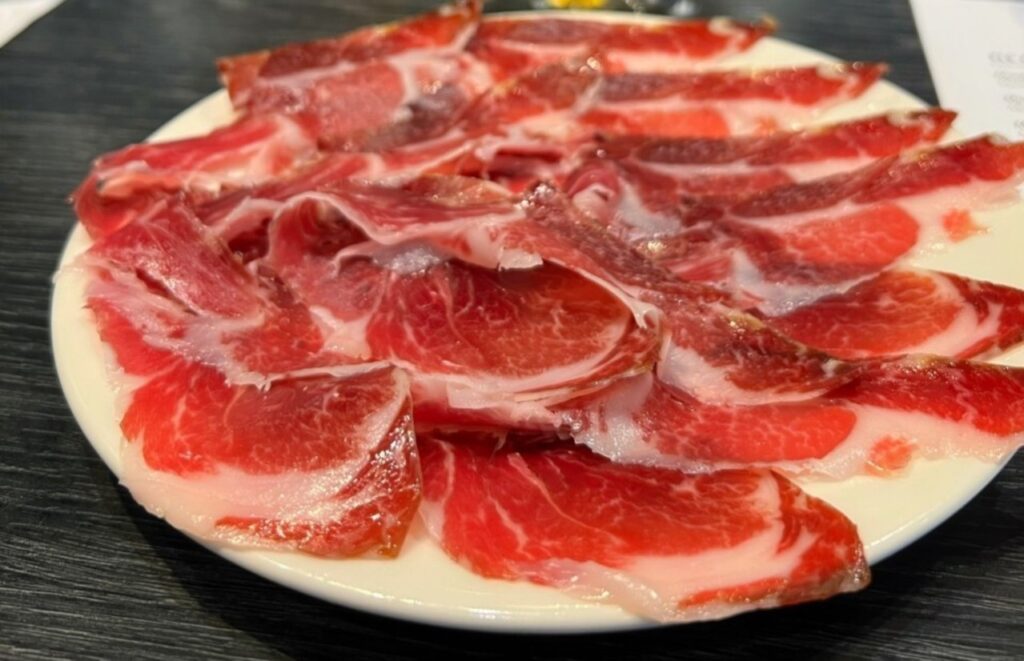
Top-grade Iberico ham comes from acorn-fed pigs raised under specific conditions, which explains its premium status. The meat is rich, nutty, and silky, but the difference between excellent Iberico and the highest-priced versions can be subtle. For seasoned tasters, the nuance may matter, but many casual eaters struggle to justify the jump in cost. The curing process and heritage drive the price as much as the flavor itself. Once sliced and served, the enjoyment often plateaus quickly, making lower-tier Iberico or other cured hams a more sensible choice for most people. For everyday enjoyment, the balance of flavor and value is better found in less expensive but well-crafted alternatives.
10. Wild Alaskan King Crab
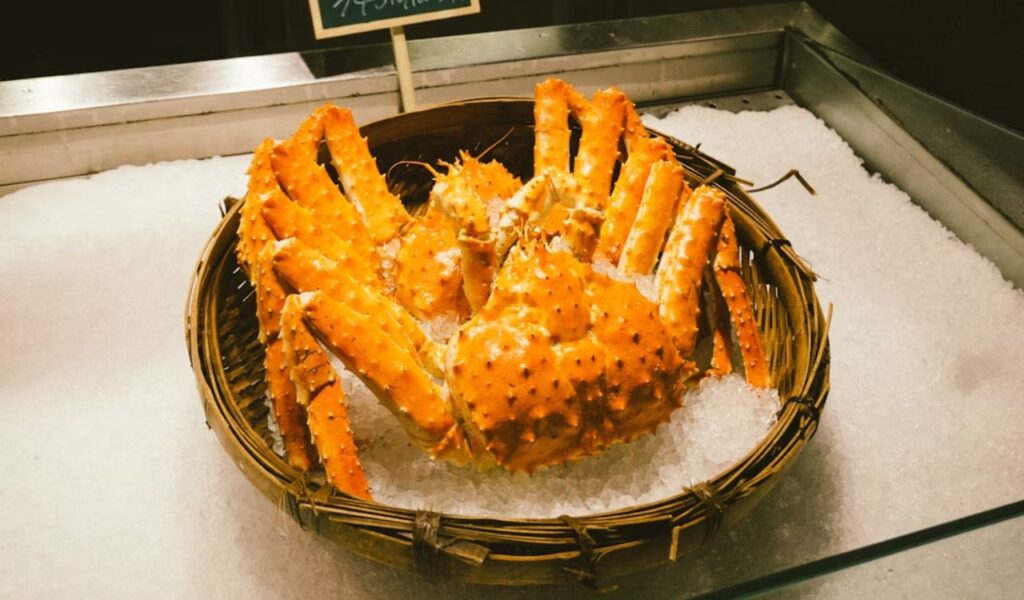
King crab is prized for its size and sweetness, yet its price is heavily influenced by fishing regulations, short seasons, and dangerous harvesting conditions. While the meat is undeniably good, the flavor is not dramatically different from other crab varieties when prepared well. Butter, seasoning, and cooking method often play a bigger role than the species itself. Many diners find that snow crab or Dungeness crab offers comparable satisfaction at a much lower cost. The premium for king crab reflects logistics and scarcity more than a uniquely superior taste. For most meals, the enjoyment difference is too small to justify the dramatic jump in price.
11. Matsutake Mushrooms
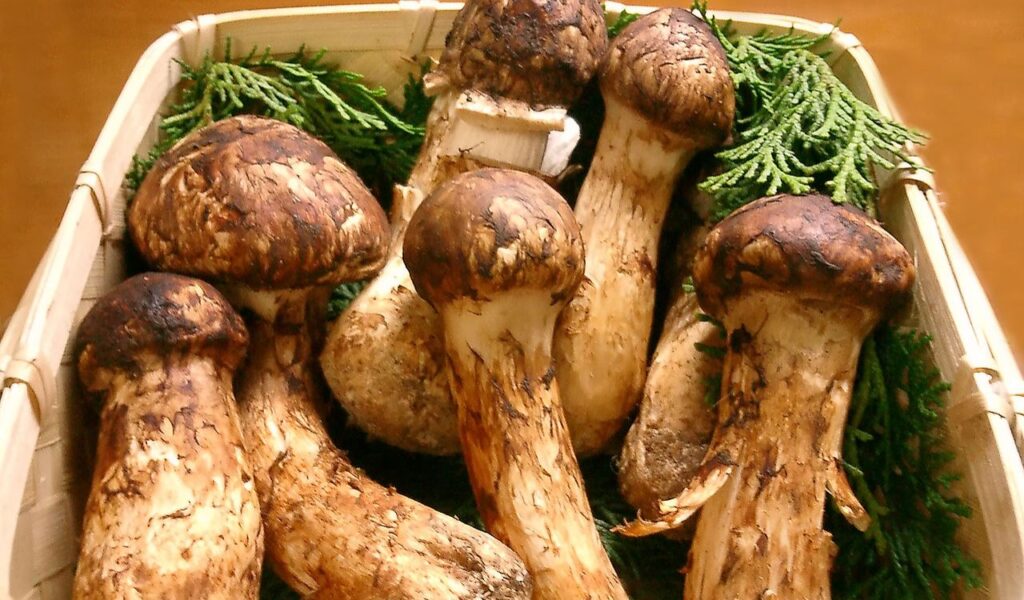
Matsutake mushrooms are rare and difficult to cultivate, which drives their high price. Their aroma is distinctive, with pine and spice notes that appeal to some but not all palates. The flavor itself is mild, and in many dishes it can be overshadowed by other ingredients. Because they are seasonal and delicate, they require careful handling, adding to the cost without guaranteeing broad appeal. For many diners, the experience feels niche rather than universally enjoyable. Cheaper mushrooms often deliver more consistent flavor and versatility, making matsutake a luxury best appreciated by devoted fans.
12. Blue Lobster
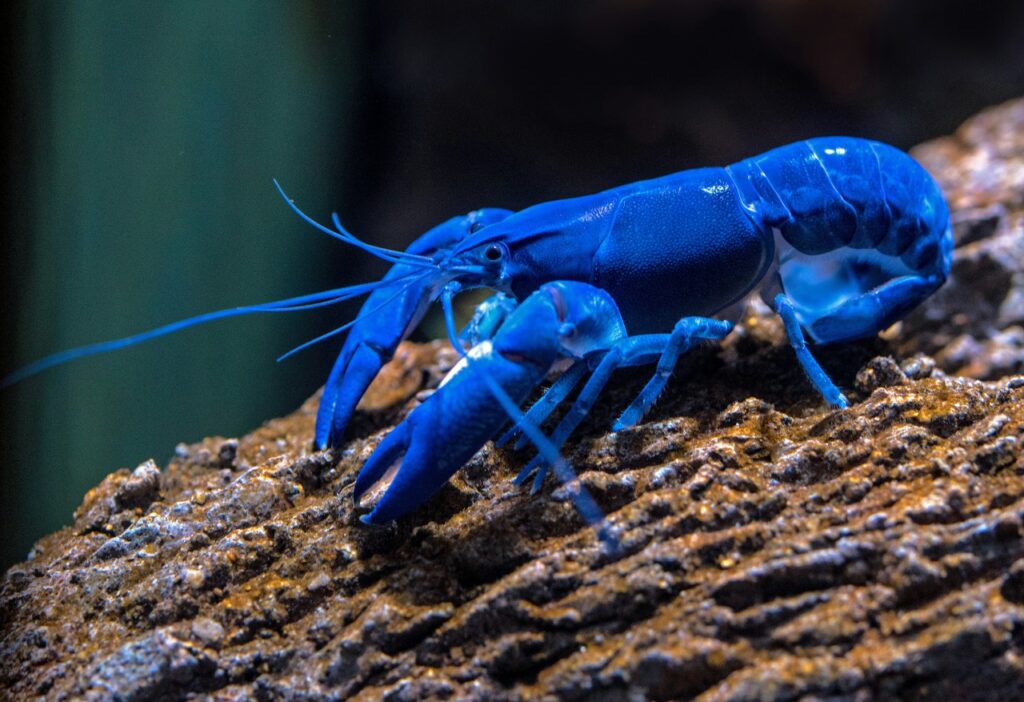
Blue lobsters are rare due to a genetic mutation, not because they taste different. Once cooked, their meat is essentially identical to that of a standard lobster. The premium price is tied entirely to novelty and visual appeal before cooking. For diners, the eating experience does not change in any meaningful way. Sweetness, texture, and richness remain the same, making the markup difficult to justify. Blue lobster is a reminder that rarity alone does not guarantee better flavor, and that sometimes the price reflects spectacle rather than substance. In most cases, choosing a fresh, well-prepared regular lobster delivers the same satisfaction without the inflated cost.