10 Foods Once Illegal worldwide You Can Finally Eat Again

Food laws can be surprisingly dramatic. Across different countries and eras, beloved dishes and ingredients have been outlawed for reasons ranging from safety fears to politics, scarcity, and environmental concerns. This gallery revisits 10 foods that were once off-limits in parts of the world and explains how they eventually became legal to enjoy again.
Absinthe

For decades, absinthe carried the kind of reputation most foods and drinks never shake. The emerald spirit was blamed for everything from hallucinations to moral decay, and many countries moved to ban it in the early 20th century after a wave of panic over its strength and wormwood content.
Modern science helped untangle myth from reality. Regulators eventually found that properly made absinthe was not the mind-melting menace legend suggested, and many places allowed it back under controlled production rules.
Today, it is poured more as a ritual than a rebellion, with bartenders and collectors treating it like a revived classic rather than forbidden vice.
Horse Meat
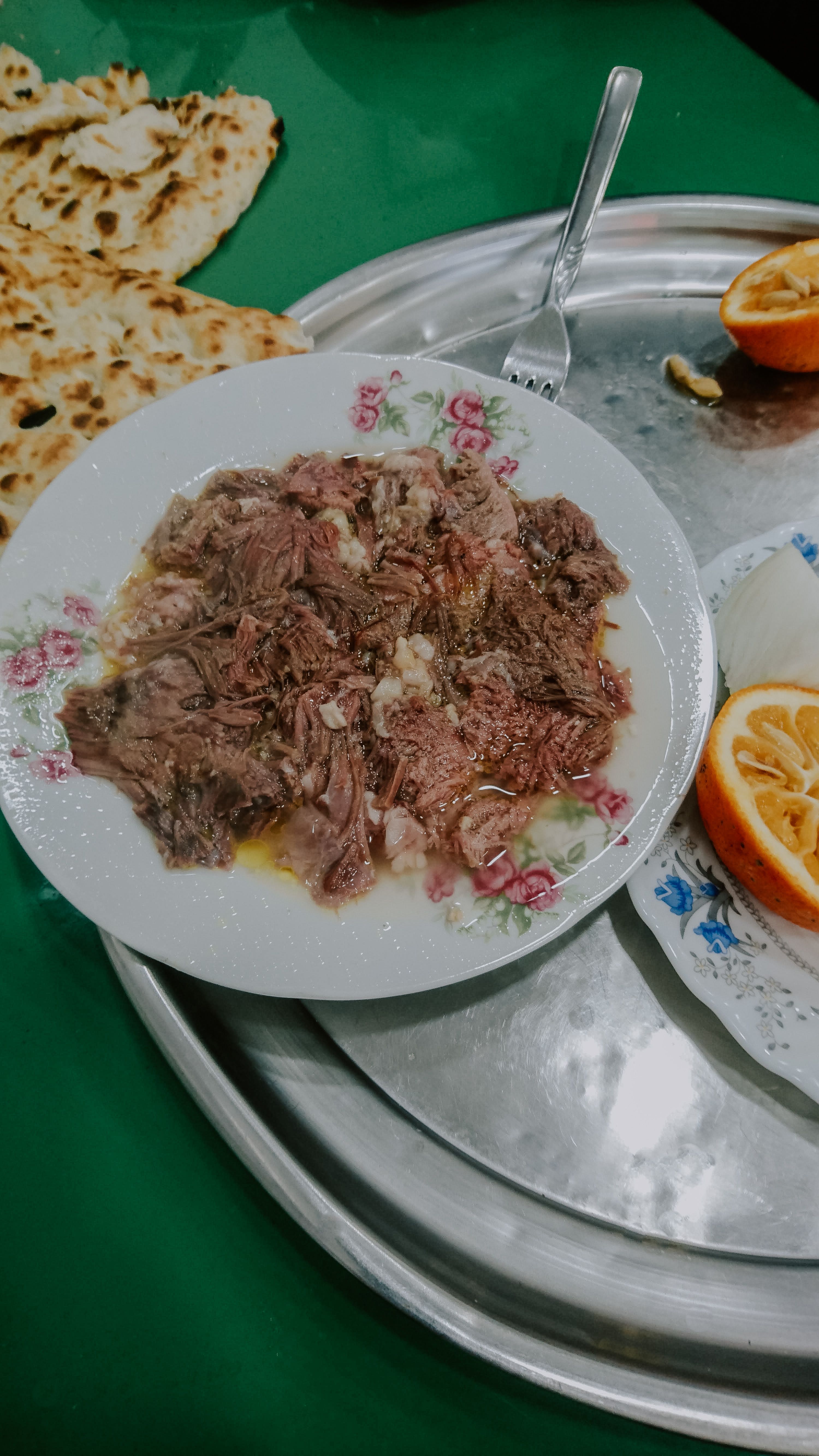
Horse meat has long occupied a complicated place in food culture. In some countries it remained common, while in others it was banned or heavily restricted because of cultural discomfort, religious influence, or concerns about how horses were raised and medicated before slaughter.
Over time, legal frameworks changed in several regions, especially where authorities created stricter inspection systems and traceability rules. That allowed the meat to return to legal markets in places where it had effectively disappeared from ordinary sale.
Even now, it remains controversial. Supporters describe it as lean and traditional, while critics see the issue as emotional rather than culinary, which keeps the debate very much alive.
Raw Milk Cheese
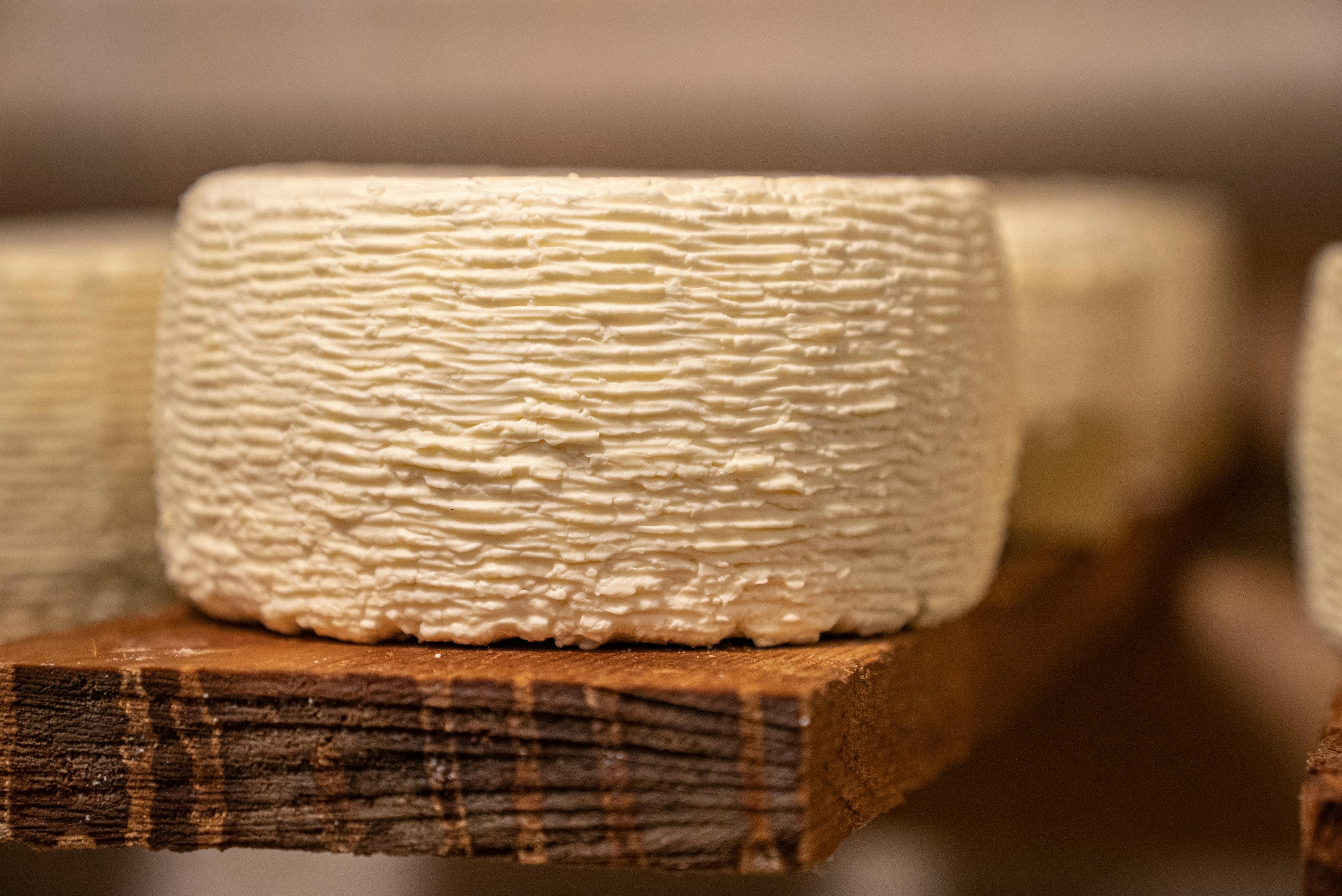
Raw milk cheeses were once treated with deep suspicion in several markets, especially where food safety rules favored pasteurization above all else. Officials worried that unpasteurized milk could carry dangerous bacteria, leading to import limits, sales bans, or tough aging requirements that pushed many varieties off shelves.
Cheesemakers and food advocates argued that traditional methods, careful herd management, and proper aging could make these cheeses safe while preserving flavor impossible to replicate with pasteurized milk.
As regulations evolved, many raw milk cheeses returned legally under strict standards. Their comeback helped restore everything from farmhouse classics to prized imports, giving cheese lovers a richer and far funkier world to explore.
Sassafras

Sassafras once flavored old-fashioned root beer with a distinct woodsy sweetness, but it fell out of legal favor when safrole, a compound in sassafras oil, raised health concerns. Regulators in places like the United States moved to prohibit its use in commercially produced foods and drinks, pushing the original ingredient out of mainstream recipes.
That did not mean sassafras vanished forever. Producers later developed safrole-free extracts, which made it possible for the iconic flavor to return in legal form.
The result is a quiet comeback story. What disappeared as a risky ingredient reemerged through food science, letting nostalgic drinkers taste a version of history without breaking the rules.
Haggis
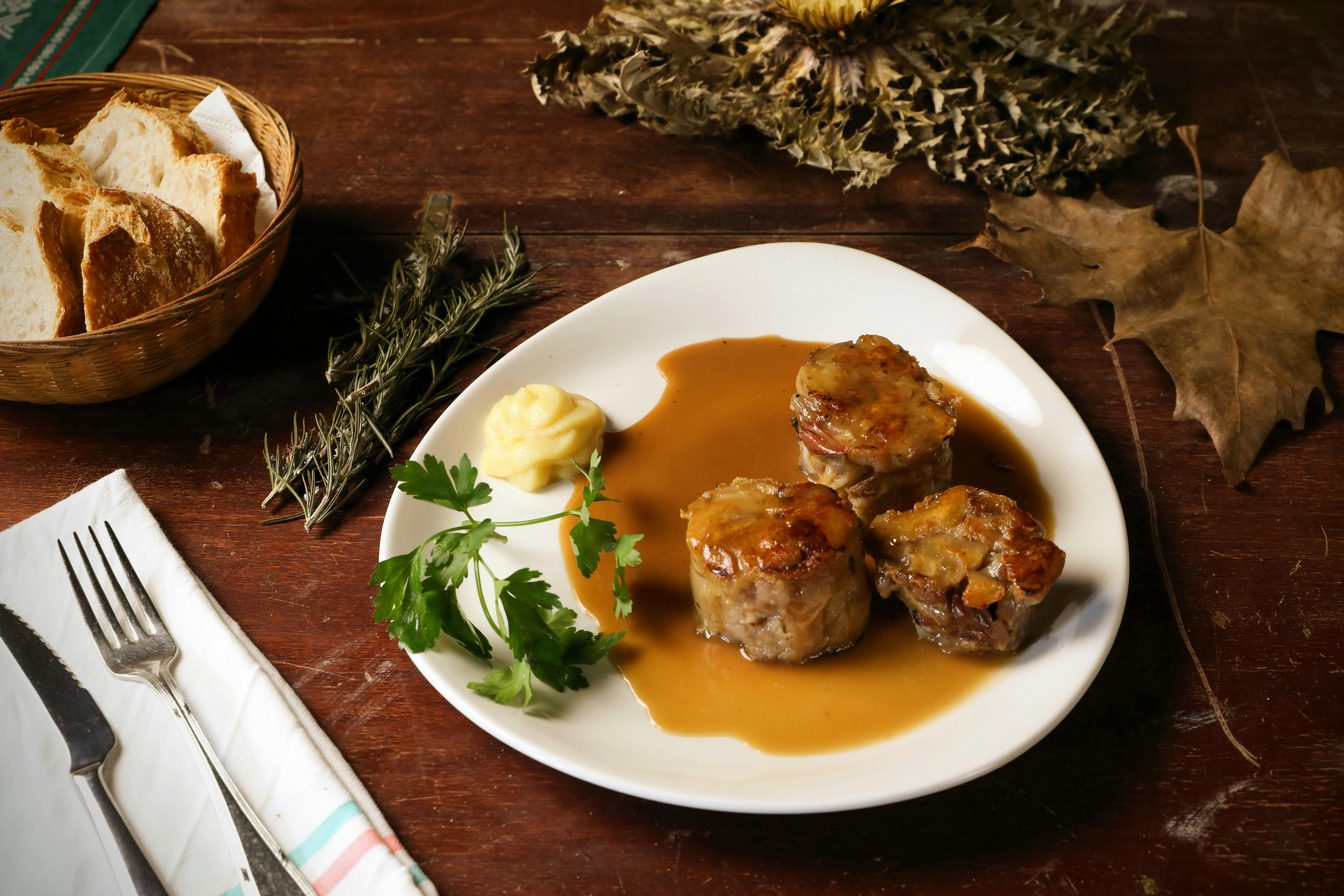
Haggis, Scotland’s famously hearty pudding of offal, oats, and spices, became a legal headache abroad because of rules surrounding sheep lung. In the United States, products containing lung were banned for food use, which meant traditional haggis could not be imported in its classic form for decades.
That turned a national dish into an international curiosity. Burns Night celebrations outside Scotland often had to rely on modified recipes that captured the spirit but not the full authenticity.
While traditional versions remain restricted in some places, legal adaptations have brought haggis back to many tables. It is a reminder that food laws can hinge on a single ingredient, even when the dish itself is beloved.
Casu Marzu
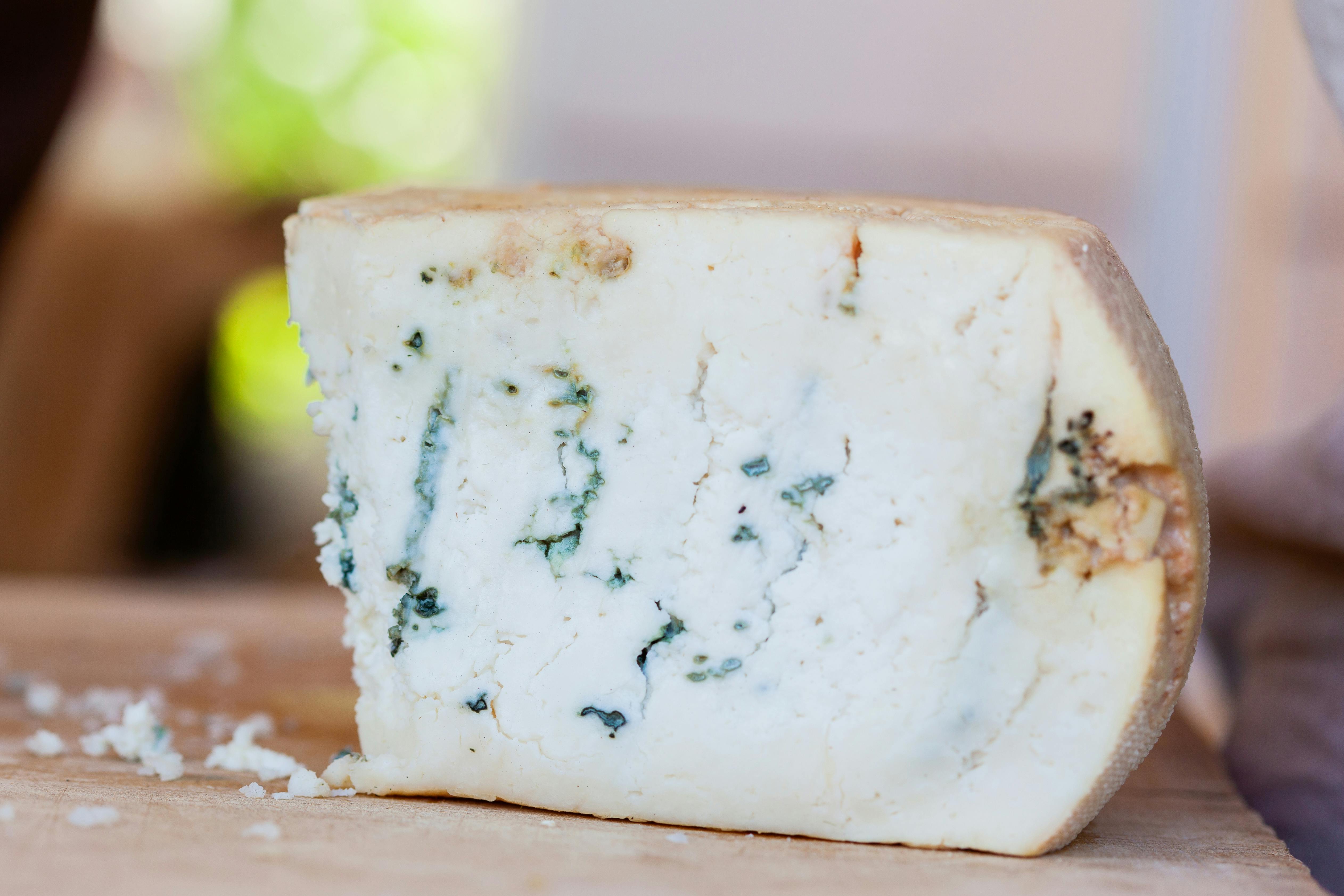
Few foods have a reputation as wild as casu marzu, the Sardinian sheep’s milk cheese famous for its live insect larvae. Health authorities regarded it as unsafe, and European food rules effectively drove it into the shadows, where it survived more as folklore and underground tradition than legal commerce.
Yet the story did not end with prohibition. Advocates in Sardinia argued that the cheese was part of the island’s culinary heritage, and efforts to preserve it as a traditional food kept the discussion alive.
Today, its legal status can still be murky depending on how and where it is produced, but it has undeniably reentered public conversation as a cultural food rather than a taboo punchline.
Foie Gras

Foie gras has been banned and unbanned in different places for years, making it one of the most politically charged luxury foods in the world. Critics focus on animal welfare concerns tied to force-feeding, while supporters frame it as a cornerstone of French culinary tradition and high-end gastronomy.
Because laws vary by city, state, and country, foie gras has repeatedly disappeared from menus only to return after court challenges, regulatory reversals, or shifting political leadership. Few foods illustrate the tug-of-war between ethics and tradition so clearly.
Its reappearance in legal markets is rarely quiet. Each comeback tends to reignite the same fierce argument, proving that legality does not always settle a cultural debate.
Fugu
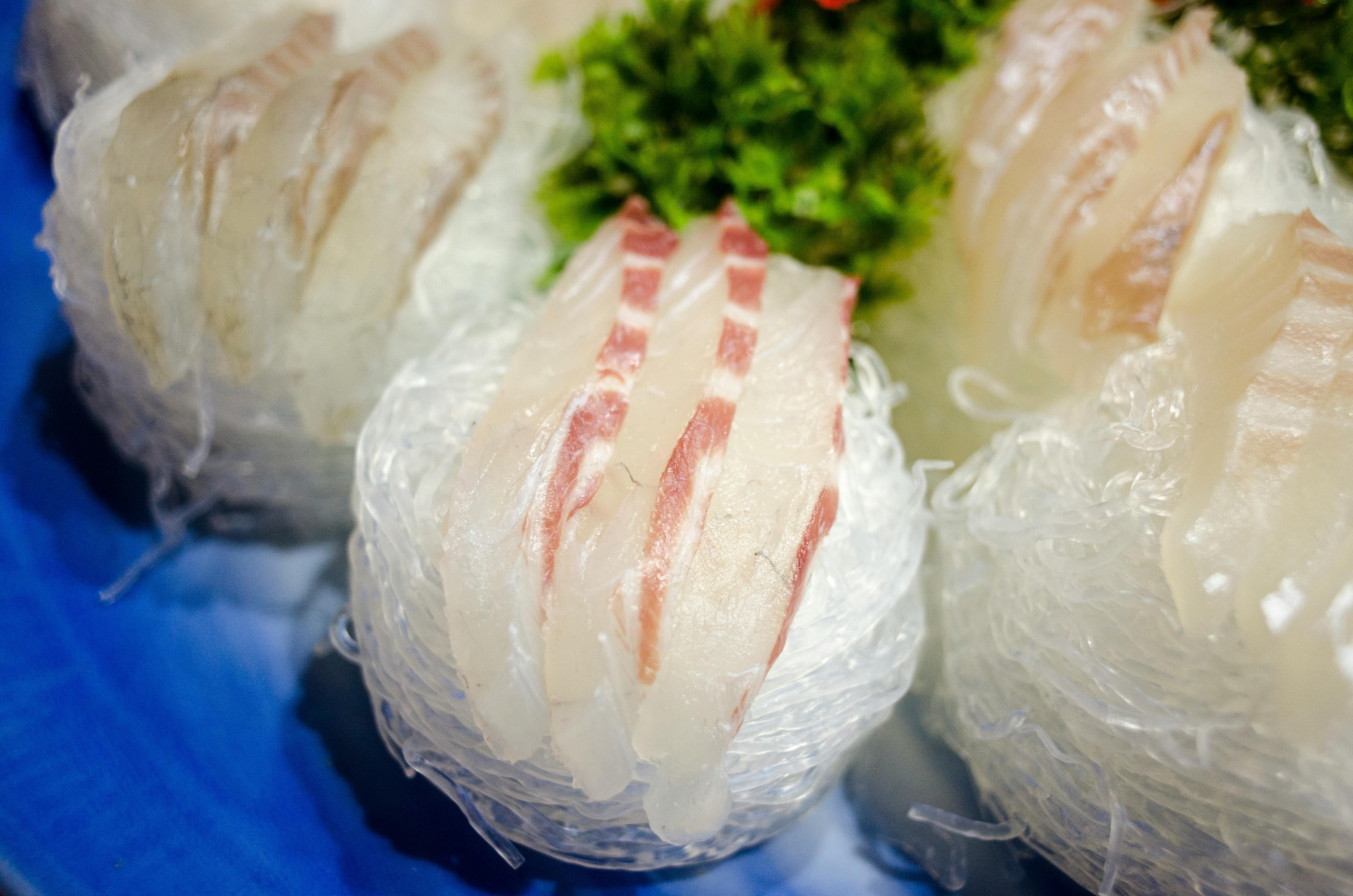
Fugu, the prized Japanese pufferfish, is famous for balancing danger and delicacy on the same plate. Because some parts contain tetrodotoxin, a potent poison, governments have restricted or banned its preparation unless handled by specially trained and licensed chefs.
That system changed the story from outright fear to regulated confidence. In places where licensing, sourcing, and preparation standards improved, fugu could be served legally again under very strict oversight.
Its return did not make it casual food. Part of the mystique remains the precision behind every slice, and diners still order it with the awareness that skill, not luck, is what makes the meal possible.
Unpasteurized Cider

Fresh, unpasteurized apple cider has a long farmstand tradition, but health scares linked to harmful bacteria led some governments to restrict its sale or impose stringent warning and processing rules. What had once felt like a simple autumn staple suddenly became a legal and regulatory issue.
Producers responded with cleaner pressing systems, better orchard sanitation, and alternatives such as UV treatment that preserved fresh taste without full pasteurization. Those changes helped some markets welcome it back in legal form.
Today, the drink sits at the intersection of nostalgia and food safety. It still evokes hayrides and harvest festivals, but its comeback owes a lot to modern oversight behind that old-fashioned charm.
Shark Fin Soup
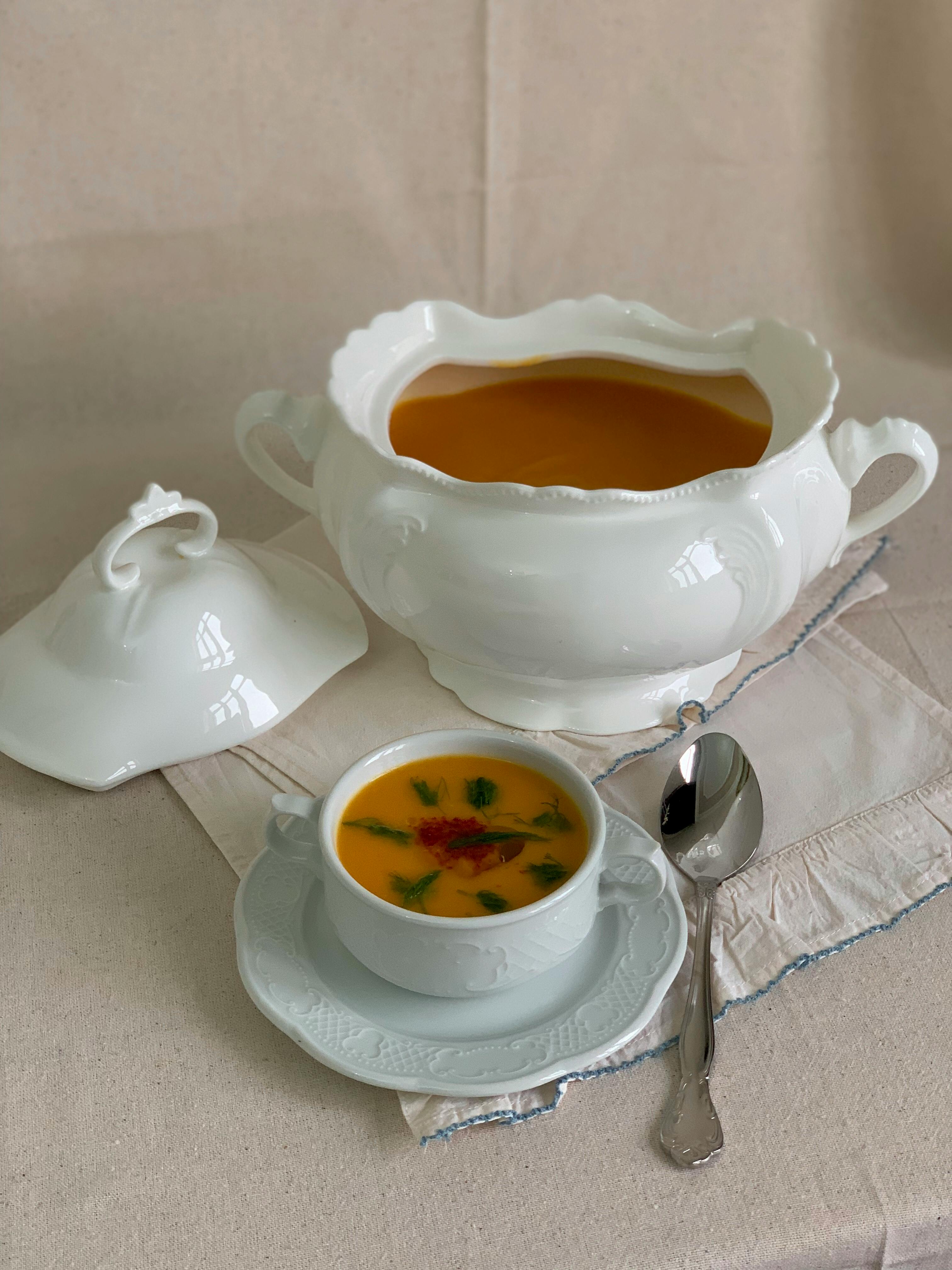
Shark fin soup was once widely served as a status dish across parts of Asia, but bans and trade restrictions spread as concern grew over shark population decline and the wasteful practice of finning. In many places, serving or selling it became illegal, especially when conservation laws tightened around specific species and products.
Its modern return, where it happens, usually looks very different. Legal versions may rely on regulated sourcing, aquaculture, or imitation ingredients designed to mimic the prized texture without driving further ecological harm.
That shift makes the dish a revealing example of how a controversial food can reappear in altered form. The bowl may look familiar, but the ethics and supply chain behind it have changed dramatically.