7 Illegal Food Practices in History That Shaped Modern Cuisine


Some of the foods and techniques we now take for granted were once hidden, outlawed, or fiercely policed. From banned ingredients to underground production methods, these illegal practices left a lasting mark on recipes, trade, and food safety. This gallery explores how rule-breaking in the kitchen helped shape modern cuisine in surprising ways.
Smuggling Spices Across Empires
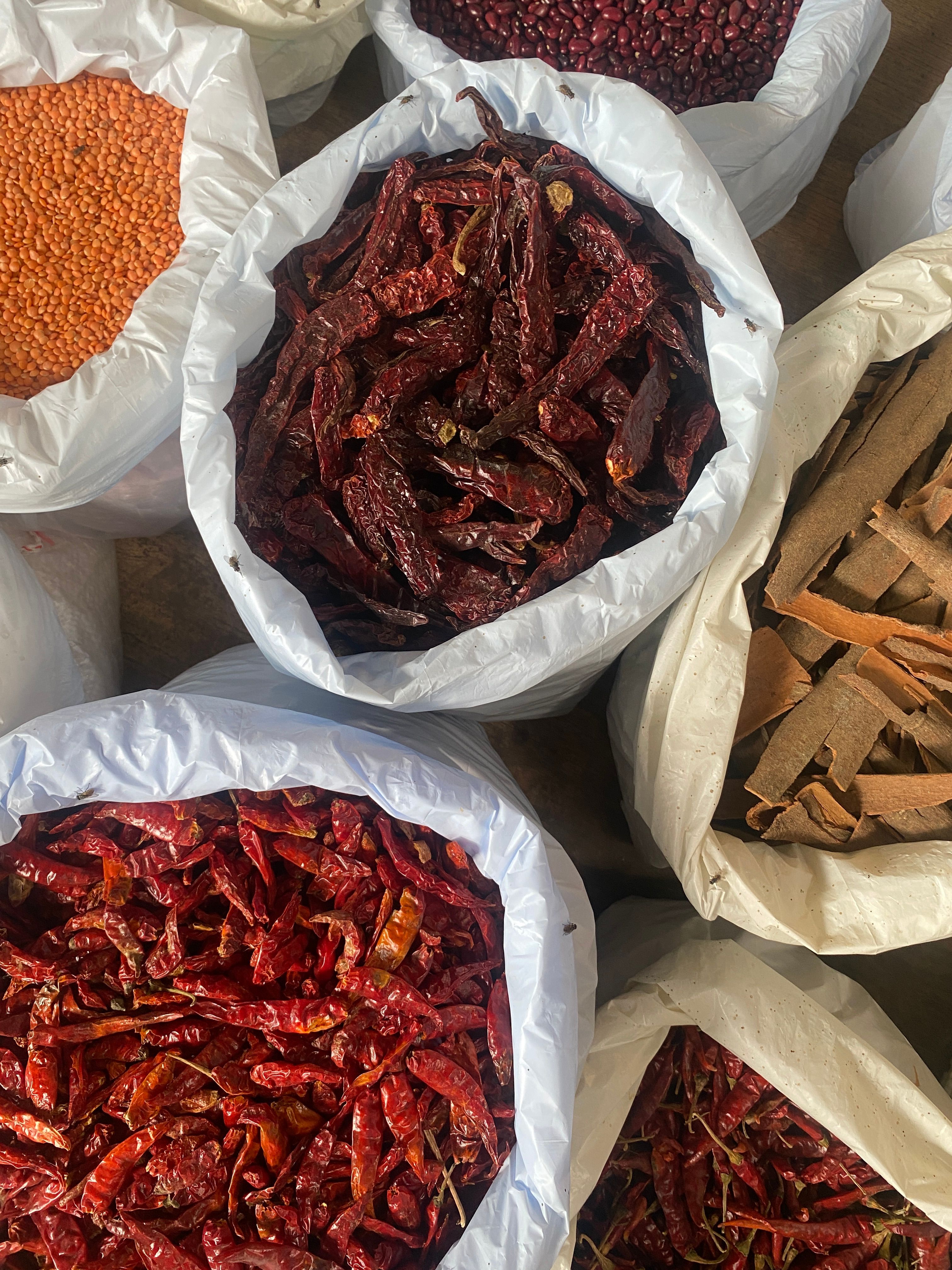
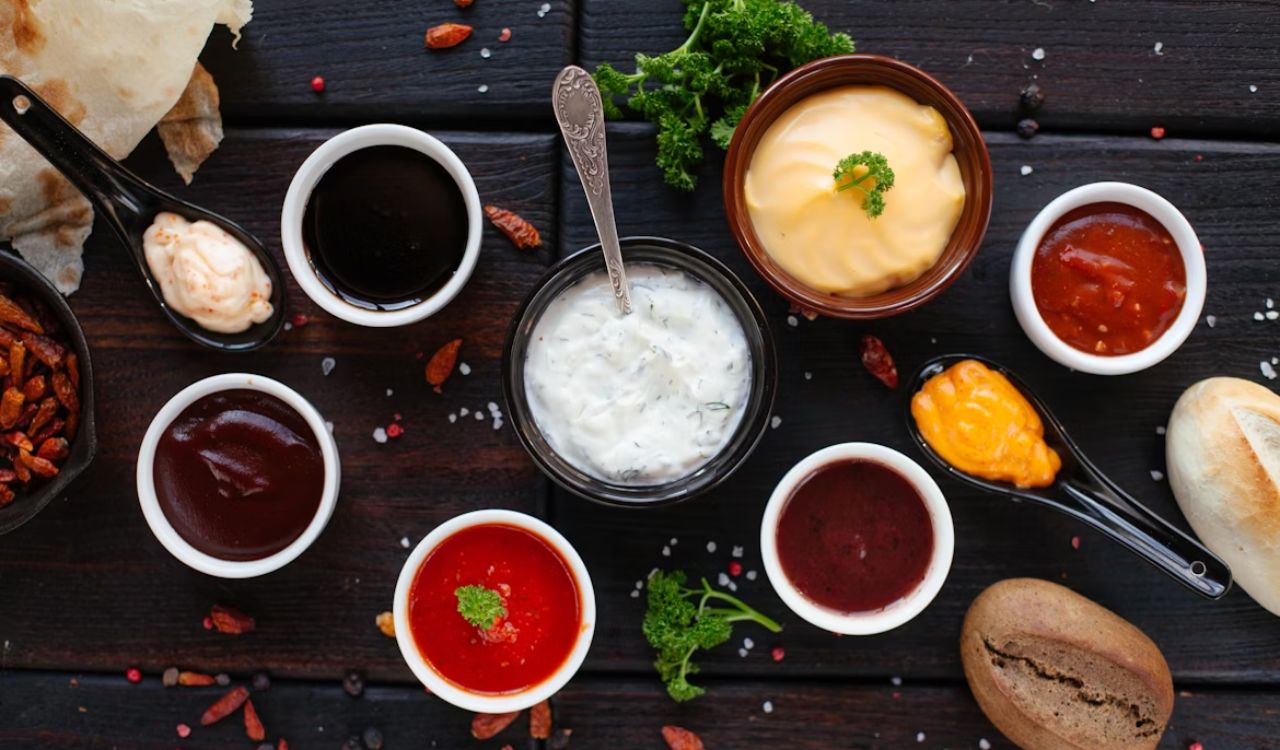
For centuries, spices were so valuable that moving them outside official trade channels could be treated as a serious crime. Pepper, cinnamon, nutmeg, and cloves fueled monopolies, and merchants who dodged taxes or exclusive charters helped create a thriving black market in flavor.
That illicit trade changed cooking far beyond royal courts. As spices spread more widely, they moved from symbols of wealth into everyday kitchens, influencing sauces, stews, breads, and sweets across Europe and beyond. Modern global cuisine owes a surprising debt to smugglers who made rare seasonings easier to taste, copy, and crave.
Hidden Salt Production and Tax Evasion

Salt was once so politically important that governments tightly controlled who could make it, sell it, and buy it. In places with heavy salt taxes, illegal boiling, smuggling, and secret trade routes flourished because preserving food depended on a steady, affordable supply.
Those underground salt economies helped sustain everyday cooking, from pickled vegetables to cured fish and preserved meats. They also reinforced salt’s central place in culinary technique, not just as seasoning but as a tool for survival. Today’s confidence in brining, fermenting, and curing reflects a long history in which breaking salt laws kept regional food traditions alive.
Bootleg Distilling and the Rise of Cocktail Culture

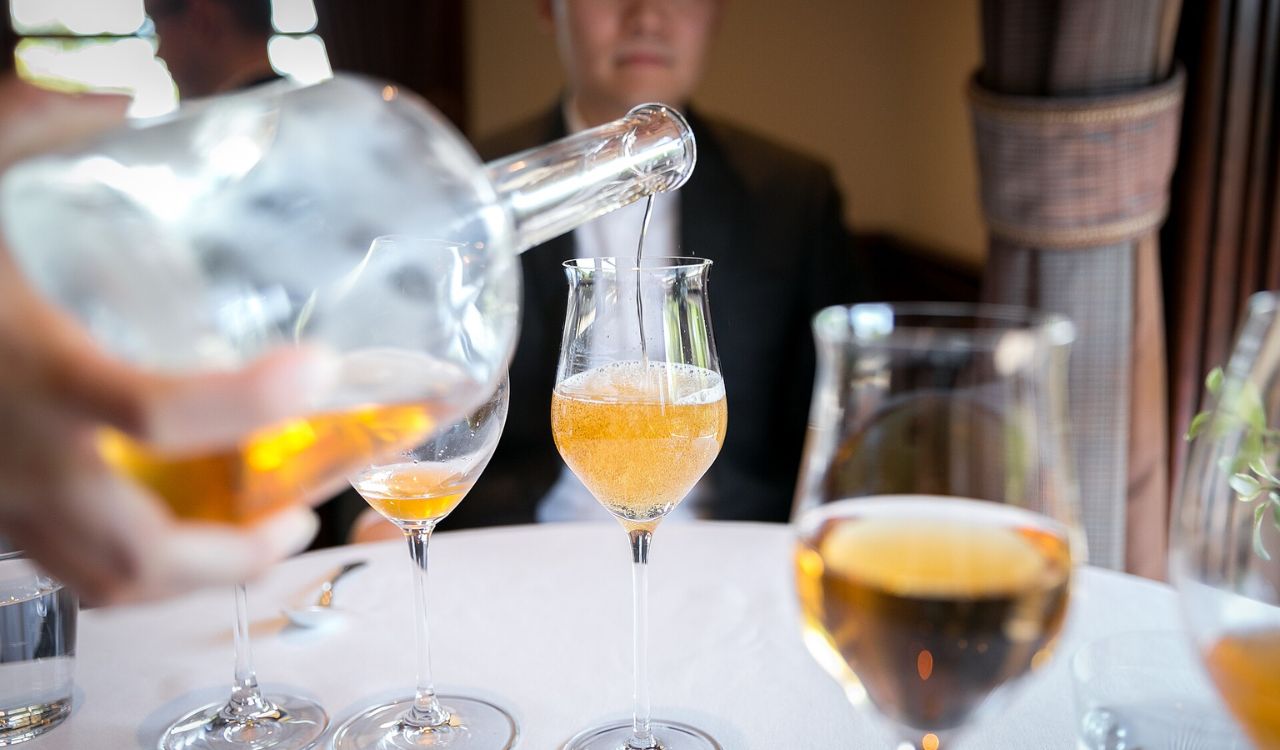
When alcohol bans and licensing laws tightened, illegal distilling surged. From hidden stills in rural areas to urban speakeasies, producers and drinkers built a shadow food-and-drink world that rewarded secrecy, improvisation, and bold flavor masking.
That pressure transformed the way people mixed drinks. Rough spirits were softened with fruit juice, sugar, herbs, bitters, and citrus, helping cocktails become more sophisticated and more popular. Modern mixology, with its balance of sweetness, acidity, aromatics, and presentation, owes plenty to a time when bartenders had to make questionable liquor taste elegant enough to order twice.
Underground Cheese Made From Raw Milk
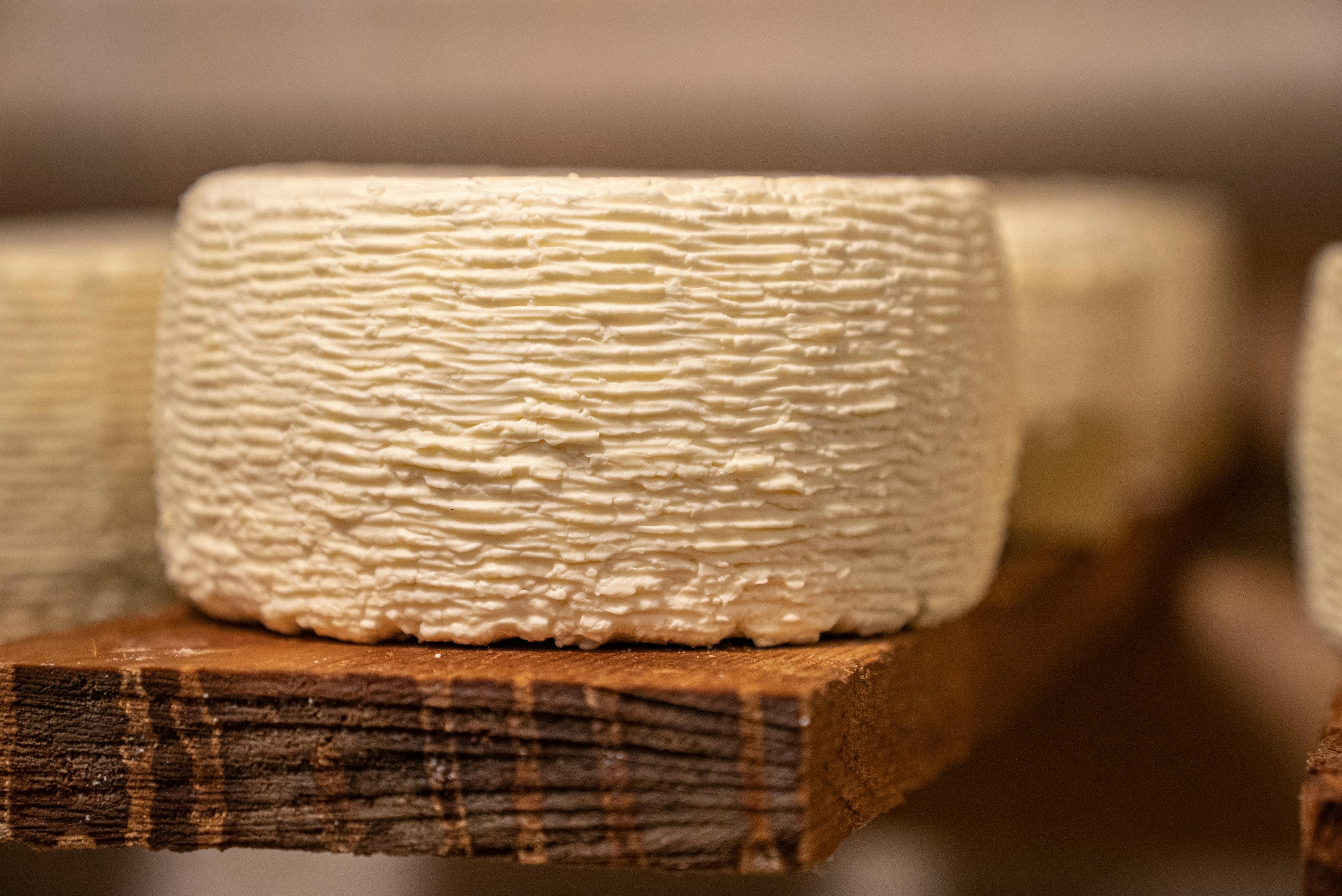
Raw-milk cheese has often sat in a legal gray area, especially when health officials worried about contamination and aging standards. In many places, small producers continued making traditional cheeses outside strict rules, defending flavor, heritage, and local identity even when regulations pushed toward pasteurization.
Those debates shaped modern artisan food culture. Consumers began paying closer attention to terroir, microbial complexity, and handcraft, while regulators refined how they balance risk and tradition. The result is a richer cheese landscape, where conversations about safety now exist alongside a deeper appreciation for regional methods that nearly disappeared under legal pressure.
Banned Street Food and Informal Markets

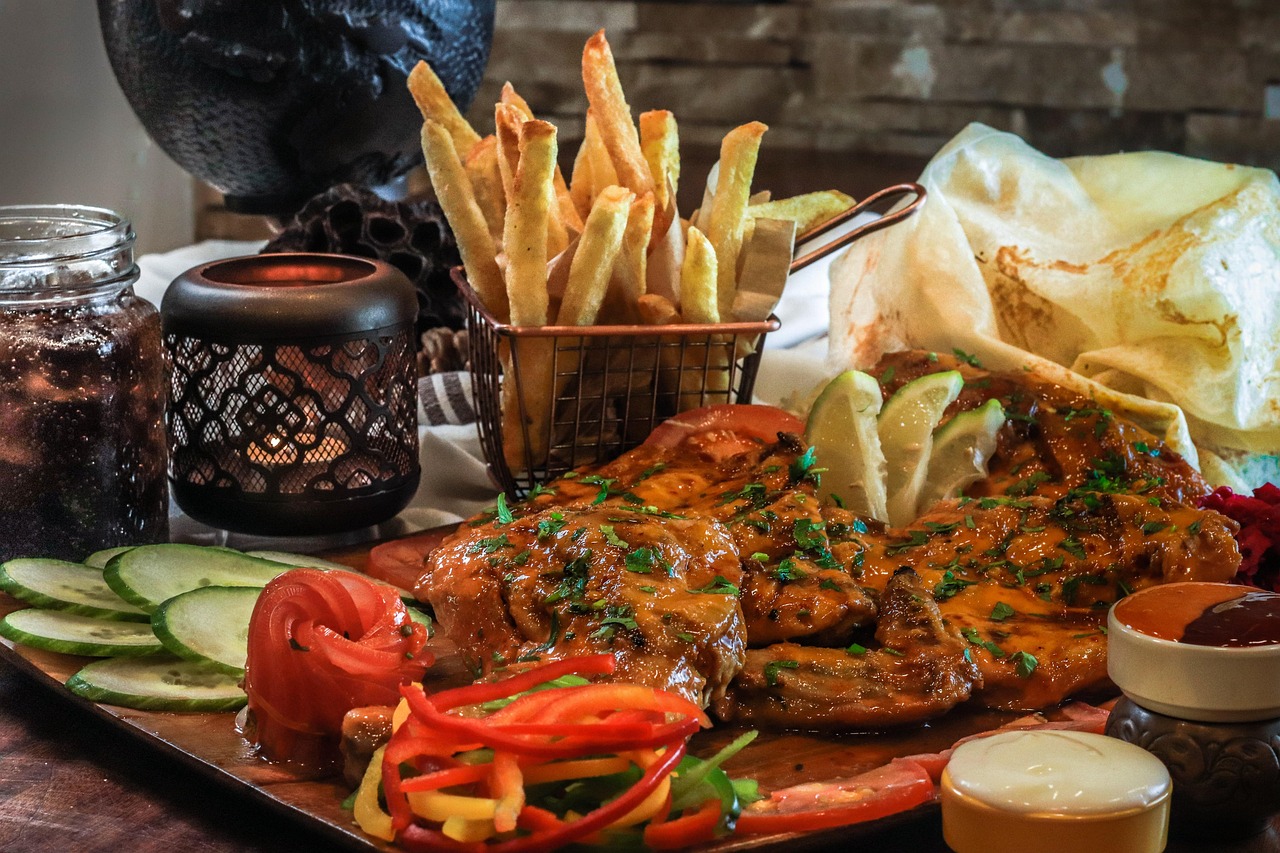
Street food has often been targeted by authorities concerned with congestion, sanitation, class divisions, or public order. Yet when vendors were forced to operate without permits or under threat of raids, they still fed cities quickly, cheaply, and memorably, often serving migrants, workers, and late-night crowds.
That informal food economy became a testing ground for some of the world’s most beloved dishes. Portable recipes evolved to be faster, more flavorful, and easier to cook in tight spaces, which is exactly why so many modern comfort foods feel vivid and direct. Food halls, pop-ups, and trendy fast-casual concepts still borrow heavily from that outlaw energy.
Forbidden Fermentation in Times of Control
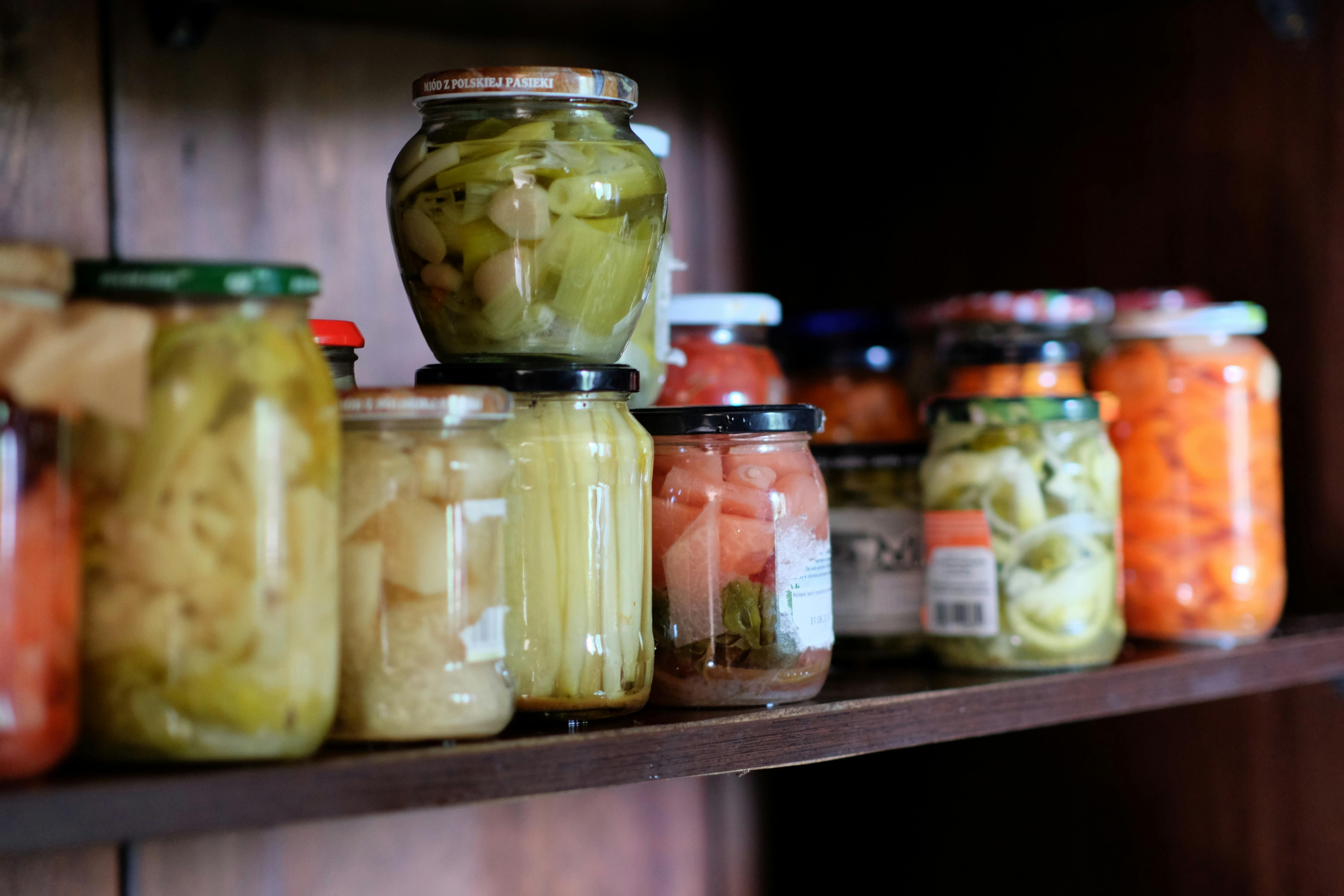
Fermentation has repeatedly clashed with the law, whether because authorities wanted to control alcohol, limit food scarcity, or regulate household production. Homemade beer, kimchi, sausages, breads, and preserved vegetables could all become political when governments saw private food-making as something to monitor.
Even so, people kept fermenting because it stretched ingredients, built flavor, and preserved seasonal abundance. That persistence helped carry microbial knowledge through generations, long before fermentation became a modern culinary buzzword. Today’s obsession with sourdough, kombucha, pickles, and cultured foods reflects a tradition that survived not because it was fashionable, but because it was practical and quietly defiant.
Poached Seafood and the Luxury Appetite
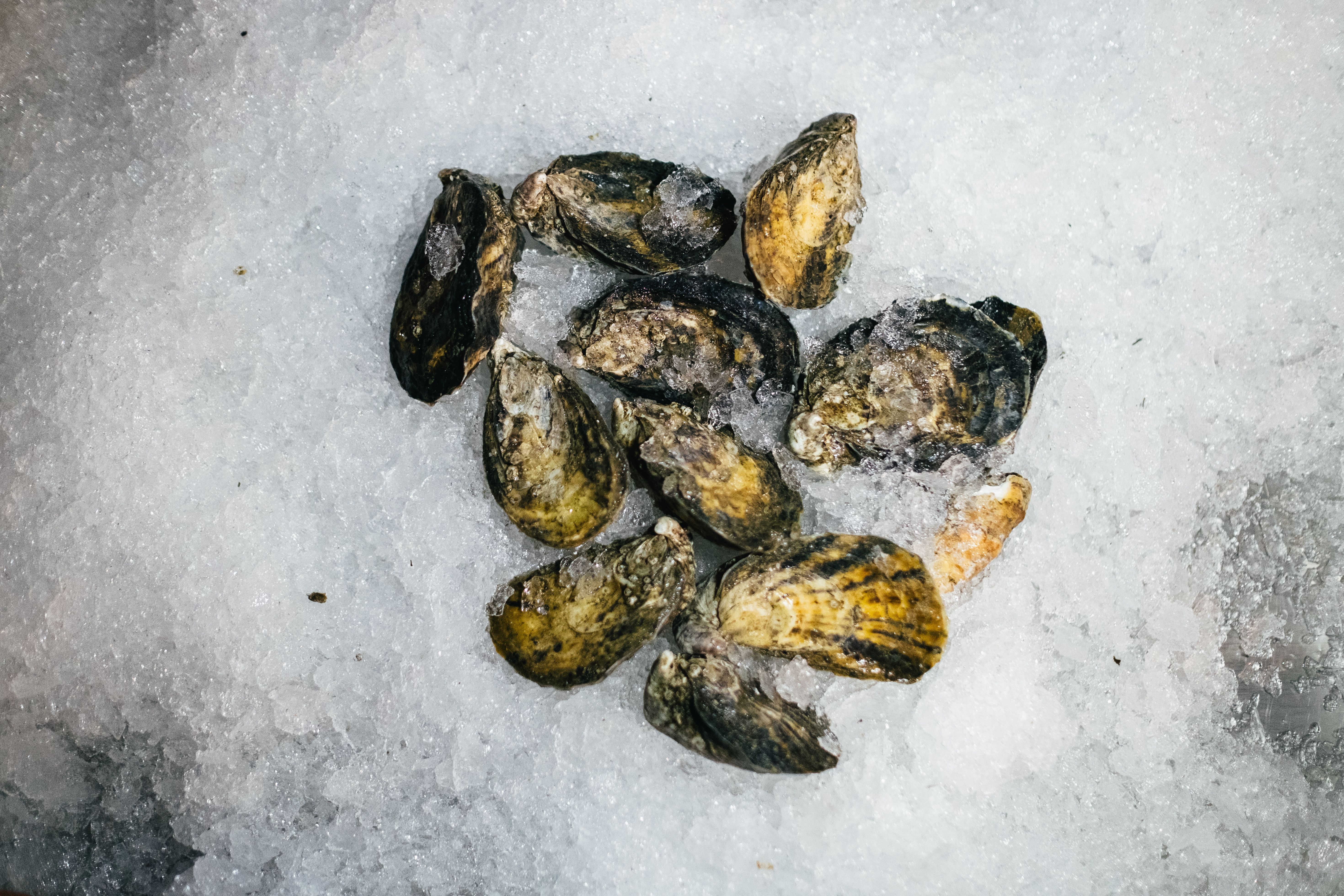
Illegal harvesting of oysters, sturgeon, lobster, and other prized seafood has a long history, especially when demand outpaced supply or seasons restricted access. Poaching fed black markets built around prestige dining, where exclusivity made certain ingredients even more desirable.
That pattern forced modern cuisine to confront its own appetite. Restaurants, diners, and suppliers became more aware of seasonality, sustainability, and traceability because the damage from overharvesting was impossible to ignore. Many contemporary seafood norms, from menu labeling to stricter sourcing standards, grew out of lessons learned when luxury tastes pushed ecosystems and laws to their limits.