10 popular American snacks that would be banned instantly if food laws were stricter

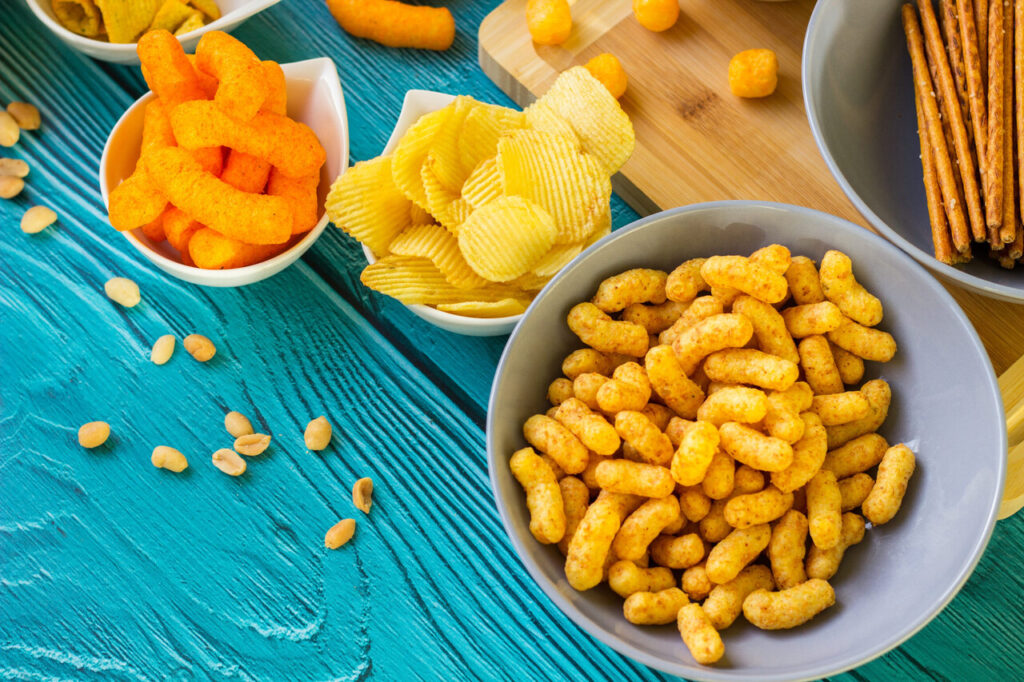
America’s snack aisle is packed with bright colors, bold flavors, and ingredients that often spark debate far beyond the checkout line. If food laws suddenly became much tougher on artificial dyes, controversial additives, sodium, and heavily processed formulas, some household favorites could face serious trouble. This gallery takes a closer look at 10 wildly popular snacks that might be first on the chopping block.
Flamin’ Hot Cheetos
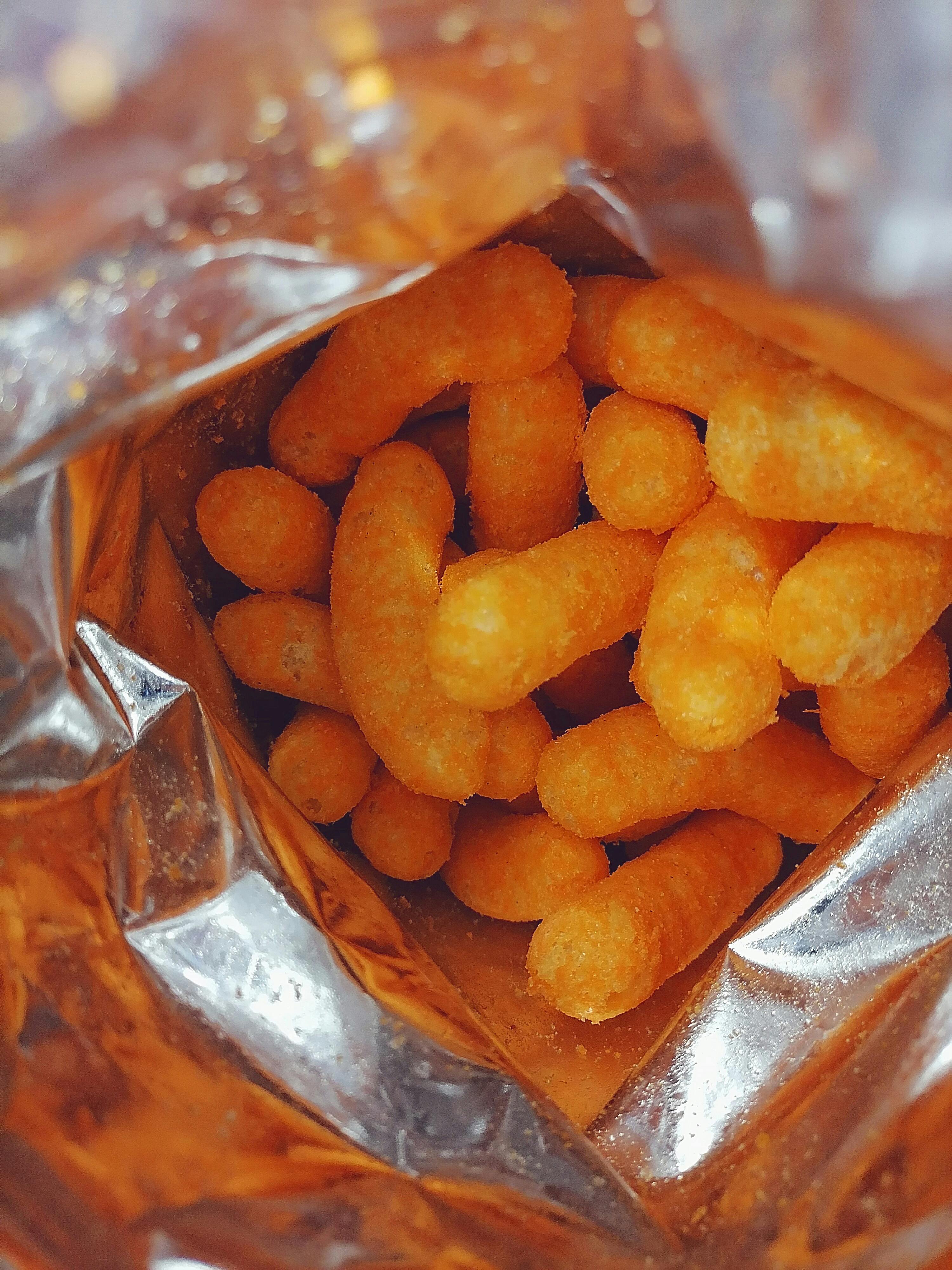
Few snacks scream modern American junk food quite like Flamin’ Hot Cheetos. They’re fiery, neon-red, wildly craveable, and practically engineered to leave evidence on your fingertips. That same over-the-top appeal is exactly why stricter food standards might come down hard on them.
The biggest issues would likely be artificial coloring, aggressive flavor additives, and the kind of ultra-processed ingredient list that regulators increasingly scrutinize. In a tighter legal climate, a snack this intensely dyed and formulated could be seen as less like a simple chip and more like a chemistry set in a bag.
Fans would still defend the crunch and heat, but tougher rules rarely care about nostalgia. They care about what’s doing the coloring, preserving the shelf life, and keeping people reaching back into the bag.
Skittles
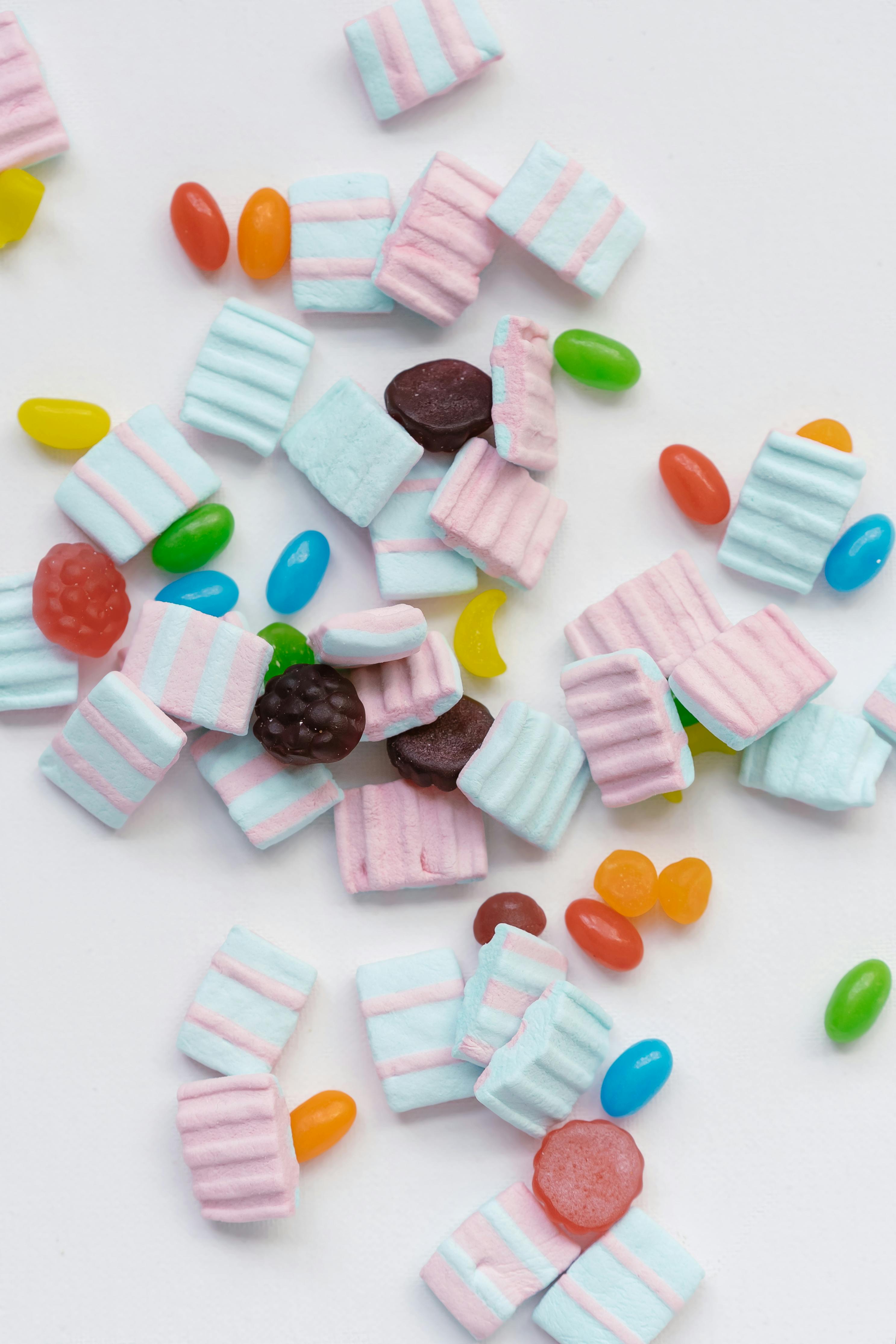
Skittles built an empire on color. The candy’s whole identity is tied to a rainbow look that feels playful, loud, and instantly recognizable. If food laws tightened around synthetic dyes and controversial additives, that rainbow might become a regulatory nightmare.
Much of the concern would center on artificial coloring and ingredients that critics argue have no real nutritional purpose beyond making candy more visually irresistible. Under a stricter standard, regulators could ask a simple question: if the same product can exist with cleaner ingredients, why allow the more controversial version?
That would put a candy like Skittles in an awkward spot. Its signature charm is deeply tied to the exact kind of ingredient choices tougher laws might target first.
Oreo Cookies
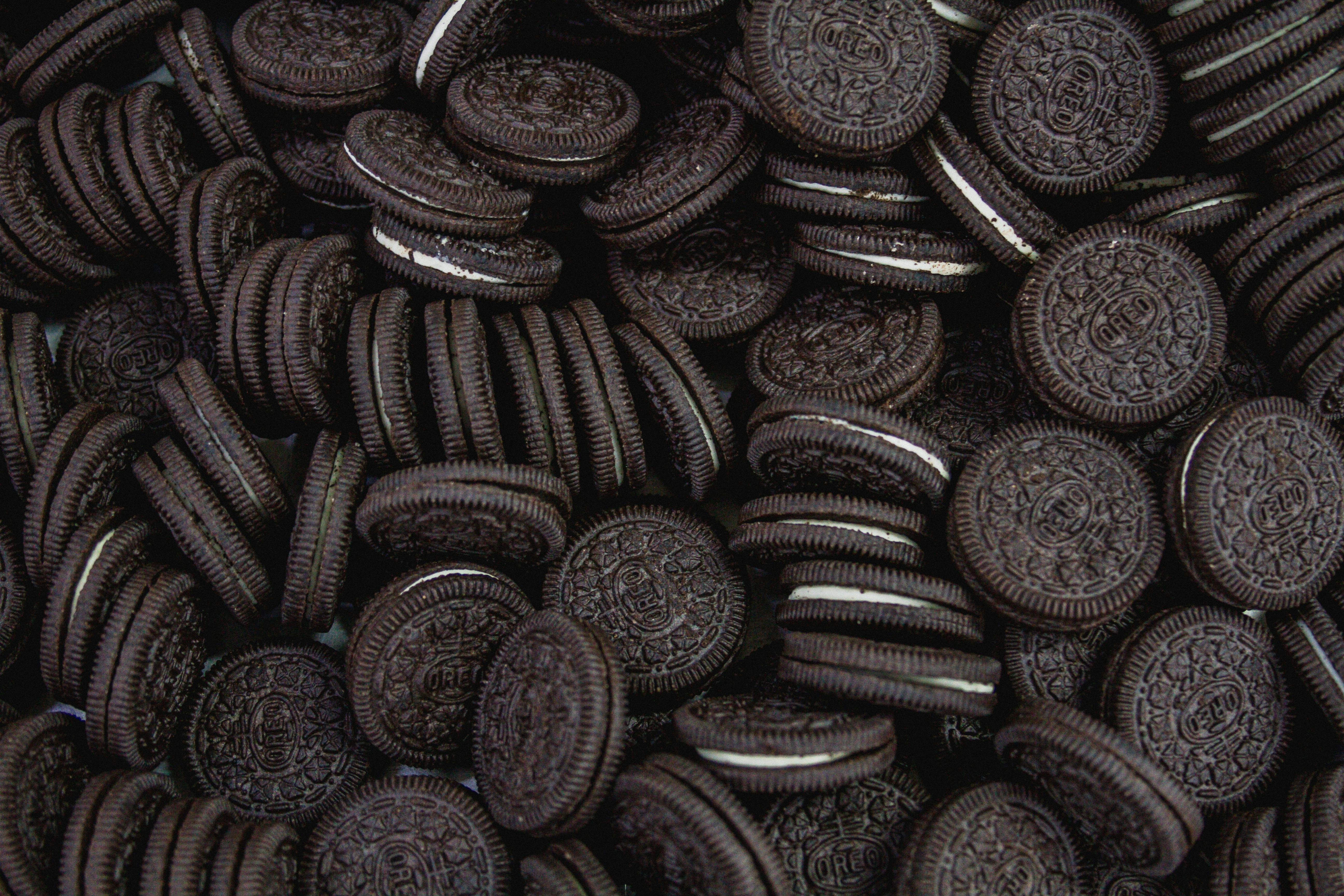
Oreos may look classic, but they’re also a masterclass in ultra-processed food design. The cookie itself is shelf-stable, highly uniform, and built for consistency on a massive scale. If stricter laws focused heavily on processing methods and additive-heavy formulations, this lunchbox staple could face serious questions.
The concerns wouldn’t be about one shocking ingredient so much as the full package: refined flour, added sugars, processed fats, emulsifiers, and flavor engineering. In a tougher food system, regulators might pay closer attention to products that are less homemade treat and more industrial formula.
That doesn’t make Oreos unusual in America, of course. It makes them emblematic of a whole category that might suddenly look much less untouchable under modernized rules.
Twinkies
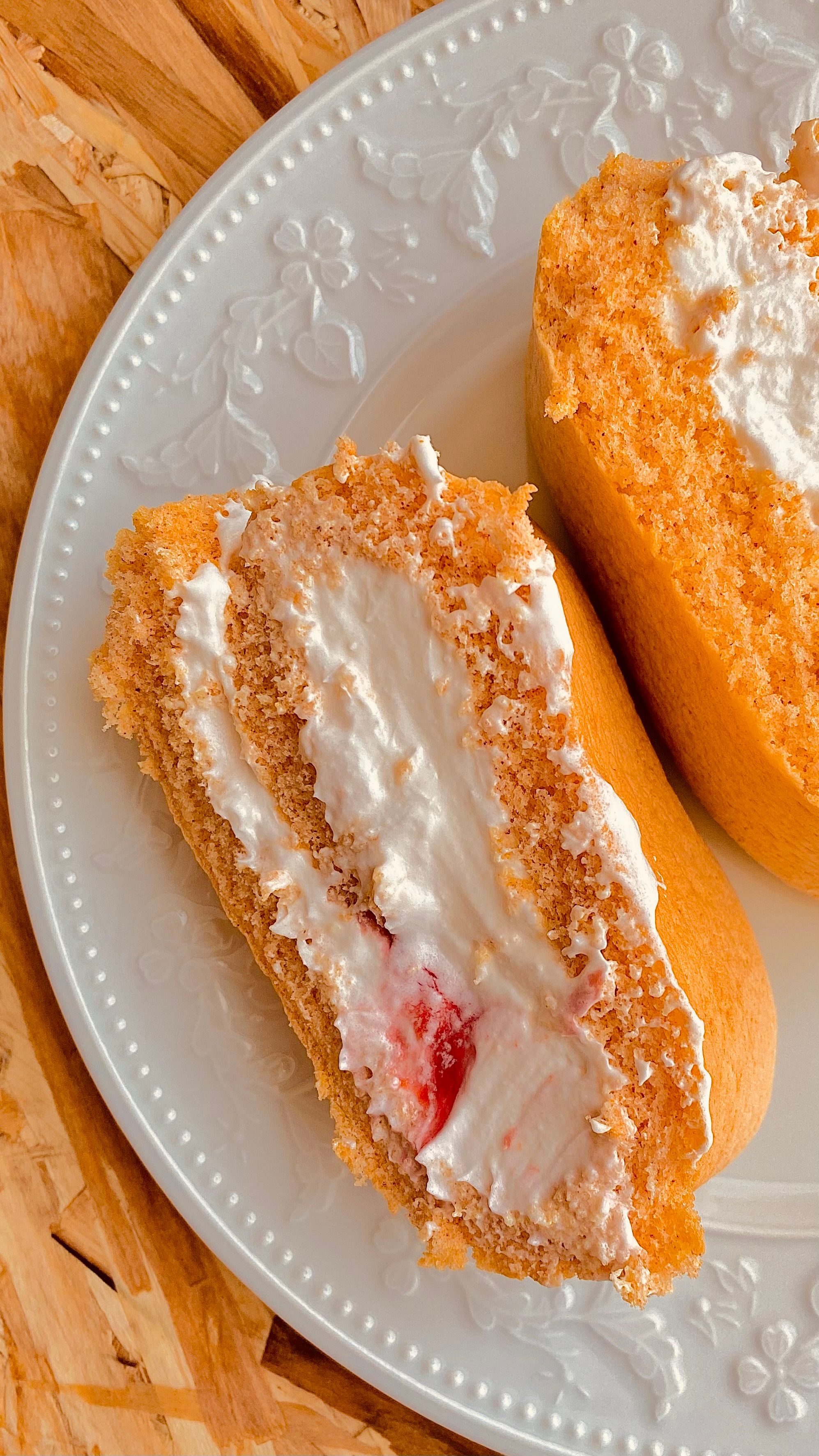
Twinkies have long symbolized the almost mythical shelf life of American snack cakes. Their golden sponge, sweet cream filling, and famously processed reputation make them a cultural icon, but also an obvious target in any crackdown on artificial preservatives and highly engineered desserts.
A stricter legal framework would likely zero in on the additives that help maintain texture, stability, and long shelf appeal. Snack cakes like this often sit at the intersection of sugar overload, refined ingredients, and preservation technology, which is exactly where stricter rules tend to get interested.
Twinkies would still have defenders who see them as harmless fun. But if food policy shifted toward shorter ingredient lists and fewer industrial shortcuts, this classic could suddenly look very old-fashioned in the worst way.
Doritos Nacho Cheese

Doritos are designed to be bigger, louder, and more intense than a plain tortilla chip ever intended to be. Nacho Cheese, especially, leans on a highly stylized combination of flavor dust, color, salt, and crunch that makes it one of the most recognizable snacks in America.
Under stricter food laws, the biggest concerns would likely be sodium levels, artificial coloring, and the layered additives used to create that unmistakable flavor blast. Regulators often look skeptically at foods where the sensory experience is amplified far beyond what simple ingredients would naturally deliver.
That’s the paradox with Doritos: the very thing fans love is what might put them at risk. If future laws demanded cleaner labels and less aggressive formulation, this chip could be one of the first bold flavors to lose its edge.
Sour Patch Kids

Sour Patch Kids start with a tart jolt and end on a sugary note, which is exactly why they remain a movie-theater and convenience-store favorite. But from a stricter regulatory point of view, that sweet-sour magic can look like a red flag parade of dyes, sugar, acids, and processing aids.
A tougher legal standard might question the use of artificial colors designed mainly for visual impact, along with a formula built almost entirely around intensity rather than nourishment. Candies like this often become shorthand in debates about whether modern snacks are engineered for compulsion more than enjoyment.
That doesn’t mean people would stop loving them. It just means a future with tighter ingredient laws could make this gummy staple much harder to justify in its current form.
Pringles
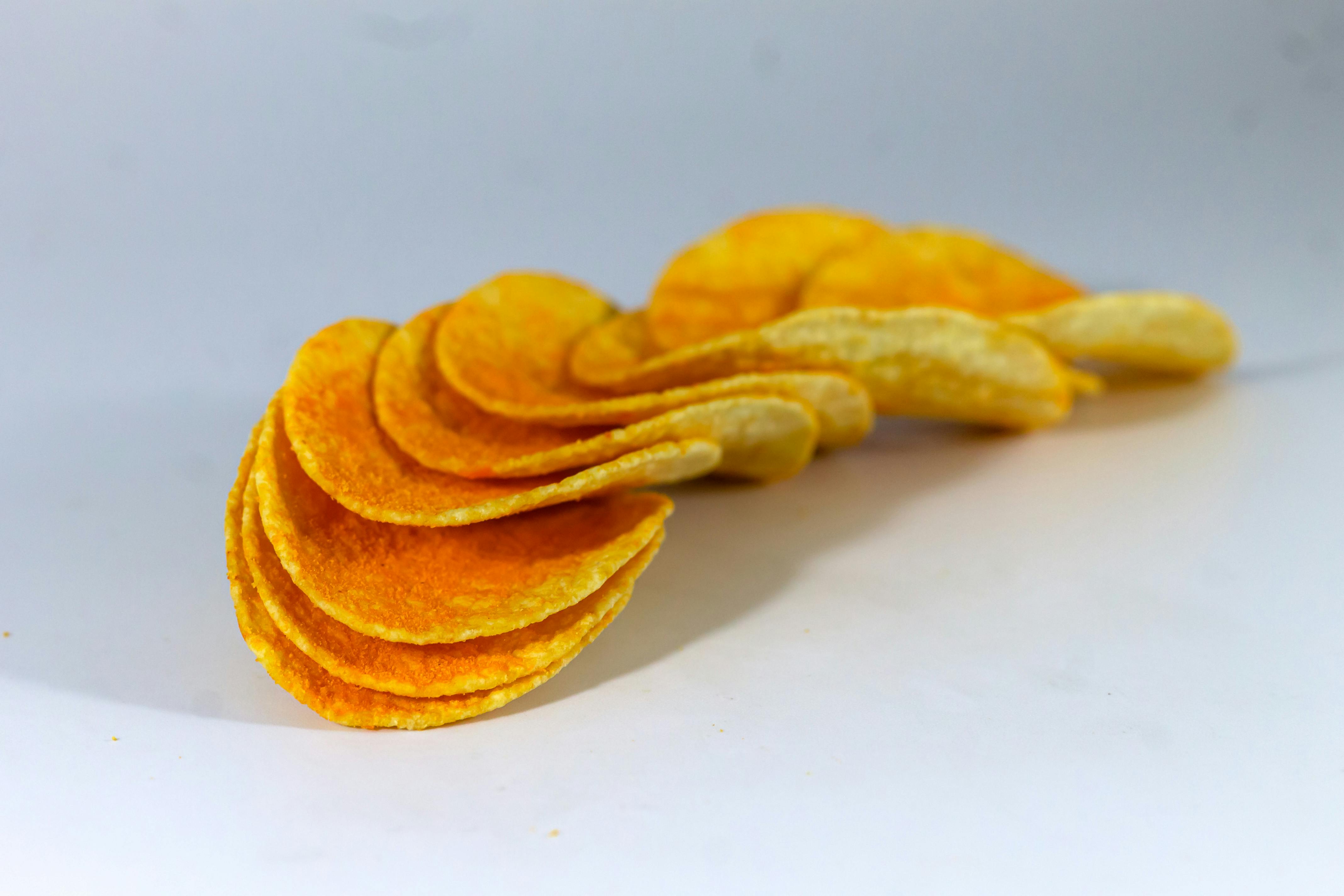
Pringles don’t even try to pass themselves off as a rustic potato chip. They’re stacked, uniform, and eerily perfect, a reconstituted snack engineered for shape as much as taste. That industrial precision is part of the appeal, but it could also attract immediate attention under stricter food laws.
A regulator looking closely might focus on processed potato ingredients, flavor additives, sodium, and the broader issue of foods that are manufactured into a highly standardized edible product rather than minimally altered ingredients. In other words, Pringles could become a symbol of what tougher rules are trying to discourage.
For loyal fans, that smooth crunch is the whole point. But if lawmakers decided snack foods should look more like food and less like design prototypes, the famous can might suddenly seem less charming.
Pop-Tarts

Pop-Tarts occupy that strange American zone between breakfast and dessert, where frosting, filling, and convenience all win over common sense. They’re beloved because they’re easy, sweet, and nostalgic, but those same qualities make them a likely casualty in a world with much stricter food standards.
The problems are easy to imagine: high added sugar, refined flour, artificial flavors, preservatives, and brightly colored frostings in some varieties. If regulators demanded cleaner ingredient decks and more meaningful nutritional value from products marketed for morning consumption, this toaster favorite could be in trouble.
Pop-Tarts are a perfect example of how American snack culture often blurs categories. Under tougher laws, that blur might disappear, and the frosted rectangle could be treated less like breakfast and more like what it really is.
Gushers
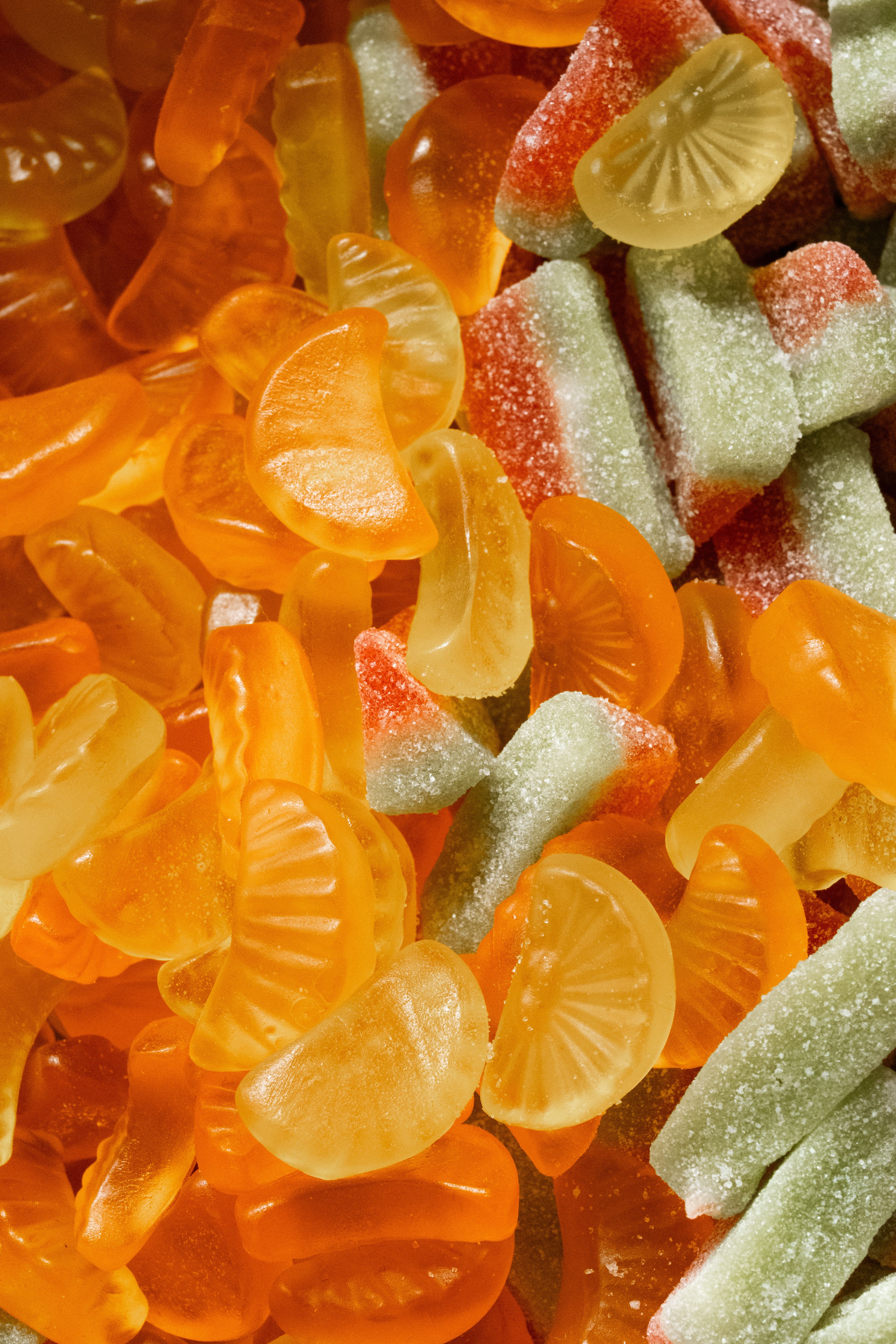
Gushers were made to surprise you. Bite into one, and that soft candy shell gives way to a burst of syrupy filling that feels more like a lab-designed experience than an old-school fruit snack. If stricter food laws arrived tomorrow, that engineered novelty could become a liability.
The likely objections would include artificial coloring, added sugars, flavoring systems, and the broader concern that products like this are marketed with fruit language while functioning as candy. Tougher rules often target not just ingredients themselves, but the gap between how a product feels and what it actually is.
That tension makes Gushers especially vulnerable. They’re fun, memorable, and deeply processed, which is a combination regulators might find far less charming than kids do.
Little Debbie Cosmic Brownies

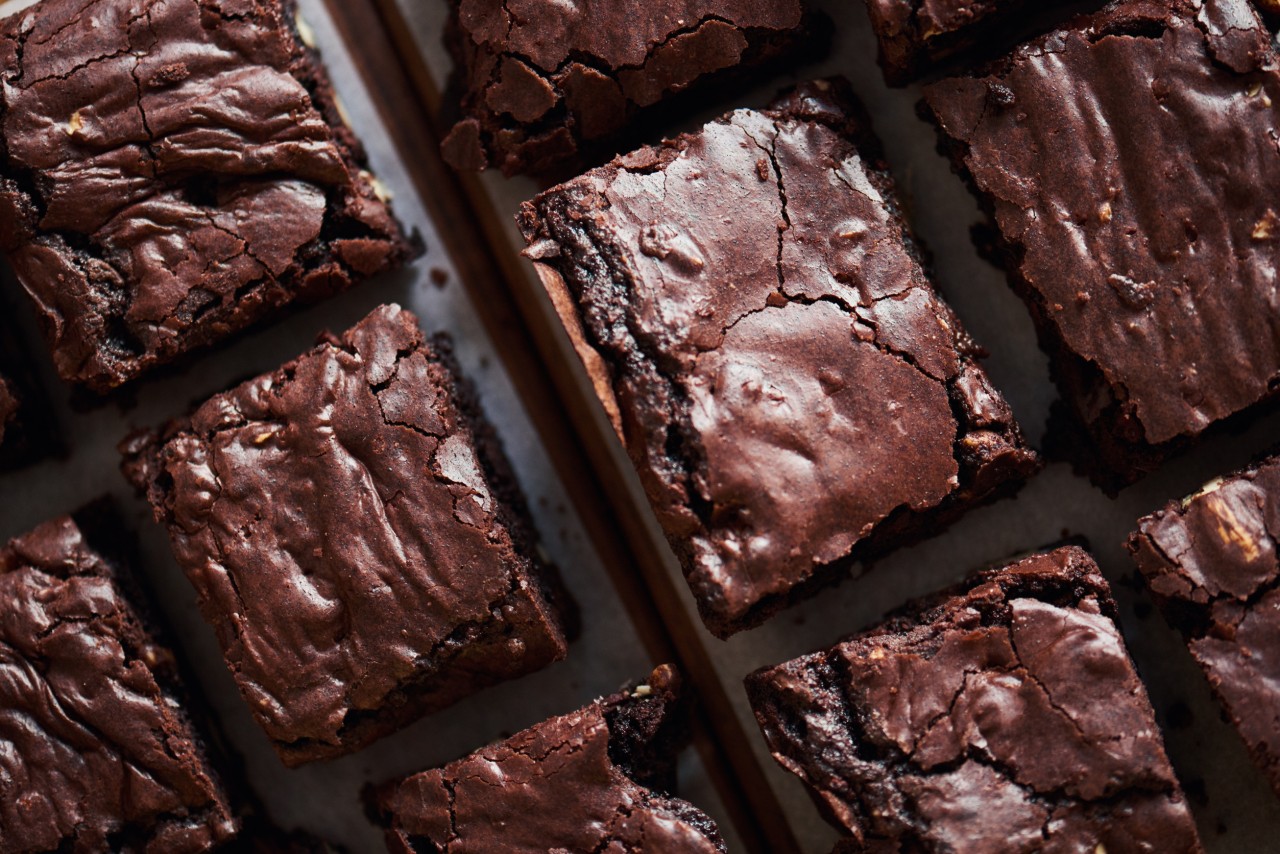
Cosmic Brownies are less about homemade dessert comfort and more about packaged indulgence with a wink. Dense chocolate, fudgy icing, and candy-coated sprinkles make them irresistible to plenty of shoppers, but they also embody nearly every criticism aimed at ultra-processed snack sweets.
A stricter food code would likely zero in on the combination of preservatives, emulsifiers, artificial colors, processed fats, and heavy sugar load packed into a single square. Products like this are often cited in broader conversations about whether convenience snacks should face tougher formulation standards, especially when marketed so widely.
There’s no denying the nostalgic pull. But under a system that demanded simpler ingredients and fewer cosmetic extras, those signature rainbow chips might be the first thing to disappear, followed quickly by the brownie itself.