Black Women in the Kitchen: 7 Pioneering Chefs You Should Know

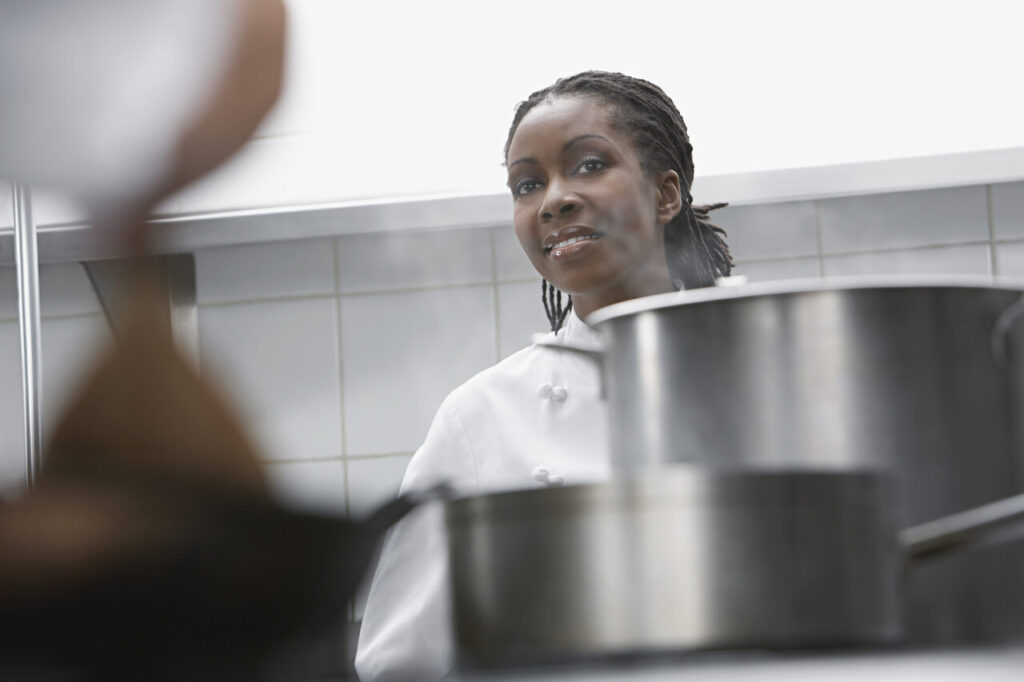
Behind some of the most exciting kitchens in America are Black women whose vision has changed the way the country eats. This gallery highlights seven pioneering chefs who have built celebrated careers, expanded culinary conversations, and opened doors for the next generation. From fine dining to television to food activism, their impact goes far beyond the plate.
Edna Lewis

Edna Lewis is often described as one of the great preservers of Southern cooking, but that phrase only tells part of the story. She brought seasonal, regional foodways into national focus long before farm-to-table became a familiar idea, writing with clarity and elegance about the cooking traditions of Freetown, Virginia.
Her food celebrated simplicity without ever feeling plain. In her hands, fresh corn, country ham, berries, and biscuits became a lesson in memory, place, and technique.
Lewis helped America understand that Southern cuisine deserved the same respect often reserved for European traditions. Her influence still runs through restaurant menus, cookbooks, and the work of chefs who see storytelling as essential to cooking.
Leah Chase
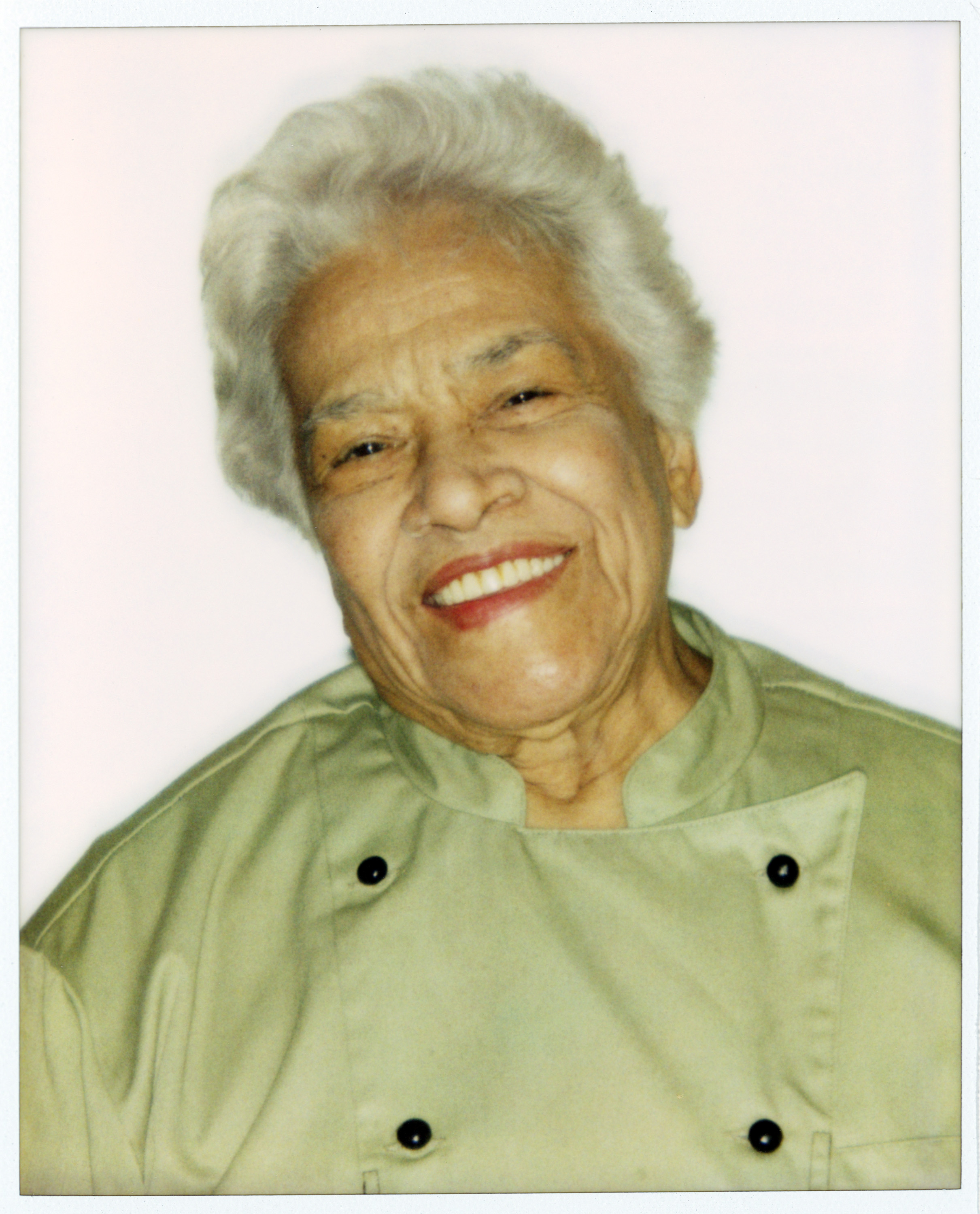
Leah Chase turned Dooky Chase’s Restaurant in New Orleans into far more than a dining room. It became a cultural institution, a gathering place for civil rights leaders, artists, and locals, all drawn in by her Creole cooking and unmistakable sense of purpose.
Her gumbo, fried chicken, and shrimp Clemenceau earned national praise, but Chase’s real legacy sits at the crossroads of food, history, and community. She showed what hospitality could mean when it was rooted in dignity and conviction.
Known to many as the Queen of Creole Cuisine, she spent decades mentoring younger cooks and protecting the culinary identity of New Orleans. Her presence still looms large in the city’s food story.
Mashama Bailey

Mashama Bailey has become one of the defining voices in contemporary Southern food, especially through her acclaimed work at The Grey in Savannah. Cooking in a restored Greyhound bus terminal, she created a restaurant that feels deeply tied to place while still pushing Southern cuisine into exciting new territory.
Her dishes often revisit regional ingredients and traditions with precision, restraint, and imagination. There is history on the plate, but there is also movement, curiosity, and a refusal to let Southern food be boxed into nostalgia.
Bailey’s leadership has also sparked broader conversations about race, labor, and authorship in restaurant culture. She represents a modern kind of culinary authority: thoughtful, exacting, and impossible to ignore.
Carla Hall

Carla Hall brought warmth, wit, and serious culinary chops to a broad audience through television, but her career has always been grounded in technique and intention. Trained as a chef and known for her soulful approach to food, she has made comfort cooking feel both personal and polished.
What makes Hall especially compelling is how naturally she connects with people. Whether she is discussing biscuits, heritage cooking, or joy in the kitchen, she invites viewers and diners into a bigger conversation about culture and belonging.
Her visibility matters. Hall helped expand who audiences picture when they think of culinary expertise, and she continues to champion food traditions with curiosity, generosity, and style.
Tiffany Derry
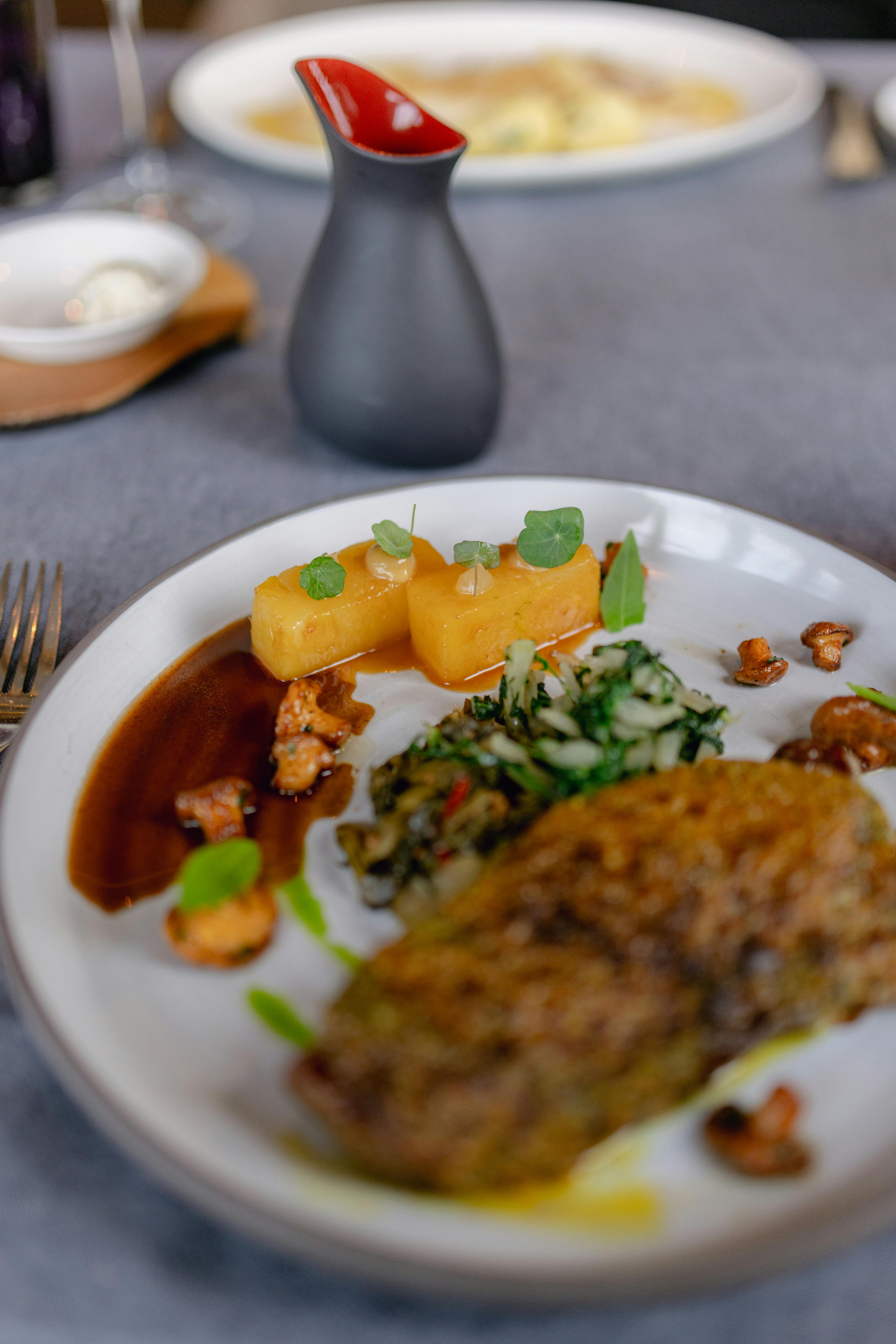
Tiffany Derry has built a career that blends sharp culinary skill with an approachable, modern perspective on Southern food. Many first encountered her on television, but her restaurant work and business leadership reveal the full range of her talent.
Derry cooks with bold flavors and a clear point of view, often drawing on Southern traditions while keeping the presentation fresh and contemporary. Her food feels grounded in comfort, yet confident enough to surprise you.
She has also been outspoken about equity in the hospitality industry, using her platform to talk about mentorship, opportunity, and sustainability in real terms. That mix of craft and candor has made her one of the most respected voices in the field.
Nina Compton

Born in Saint Lucia and celebrated in New Orleans, Nina Compton brings a distinctive Caribbean perspective to American dining. Her cooking reflects migration, memory, and layered identity, weaving island flavors into dishes that feel refined without losing their warmth.
At her restaurants, guests encounter food that is precise yet full of personality. Spice, texture, and acidity are handled with care, creating plates that feel vibrant and deeply lived-in rather than merely decorative.
Compton’s success has also widened the conversation around what Black women chefs can represent in fine dining. She stands at an exciting intersection of Caribbean heritage, Southern hospitality, and modern restaurant ambition, making her work feel both intimate and expansive.
Kwame Onwuachi’s Mentor and Peer Inspiration: Adrienne Cheatham
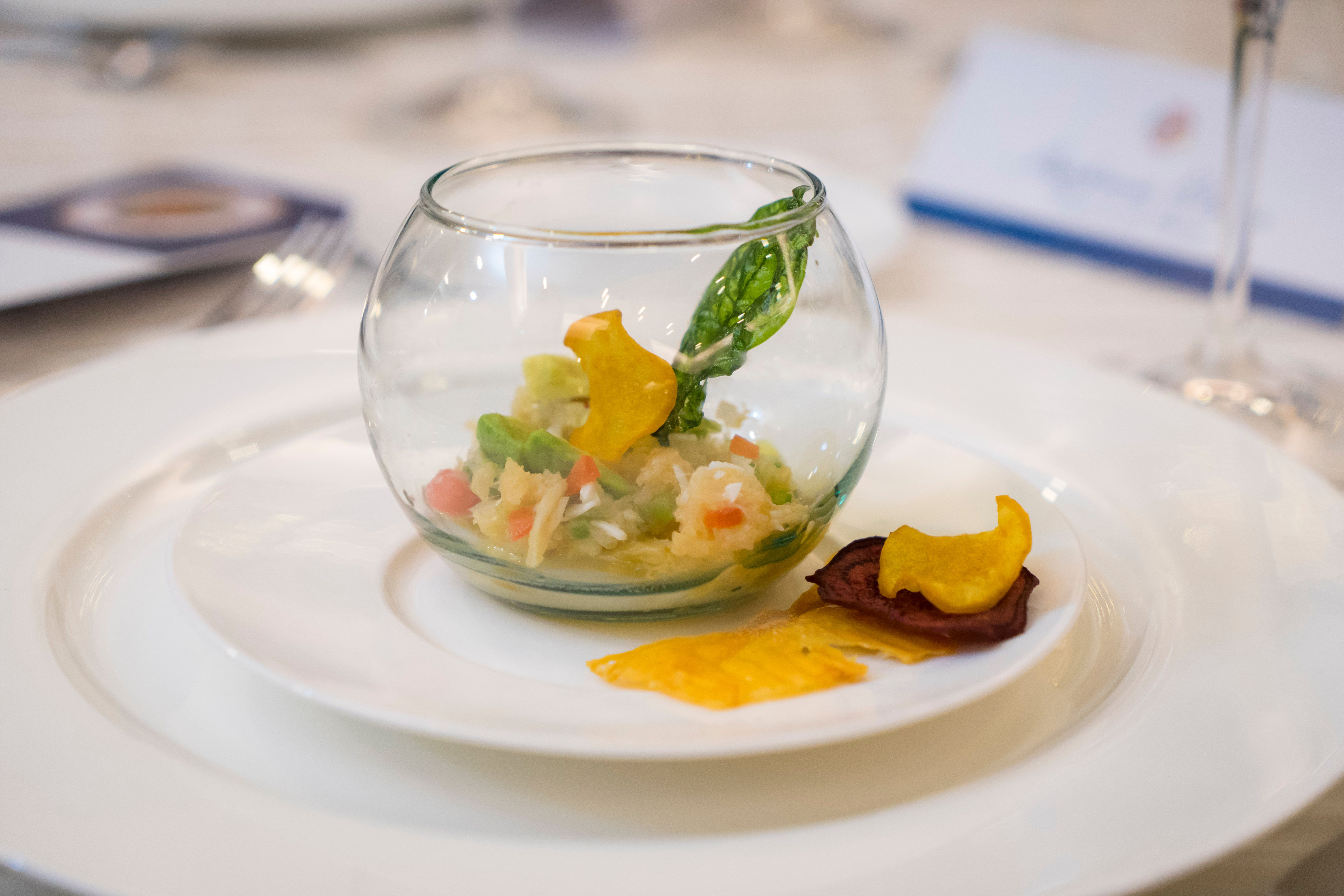
Adrienne Cheatham has earned attention for cooking that is technically polished and deeply informed by African American and diasporic food traditions. A veteran of high-level kitchens and culinary television, she brings an assured, thoughtful presence to every project she touches.
Her approach often explores where fine dining and heritage cooking meet. That makes her especially interesting in a food world that still too often separates refinement from cultural memory, as though the two cannot exist on the same plate.
Cheatham’s work pushes against that false divide. By honoring Black culinary traditions while embracing rigor and creativity, she helps expand the language of modern American cooking and inspires younger chefs to do the same.