8 Popular American Snacks That Taste Different Outside the US

Traveling abroad often brings the comfort of familiar brands. Spotting a favorite American snack on a store shelf in another country can feel like a small taste of home.
But many travelers quickly notice something unexpected. The packaging may look identical, yet the flavor inside can be noticeably different. A cookie might taste less sweet, a soda might feel smoother, or a chip may carry a seasoning you have never tried before.
These changes are intentional. Global food companies frequently adjust recipes to match local taste preferences, ingredient regulations, and regional production methods. The result is a familiar snack that offers a slightly new experience depending on where you open the package.
1. Oreo Cookies
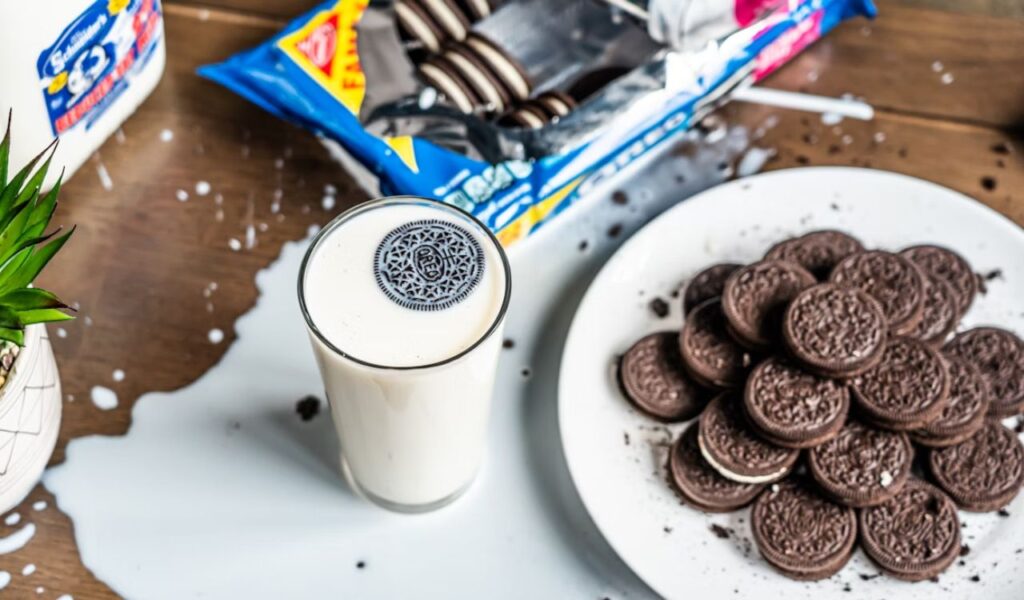
Few American snacks are as recognizable worldwide as Oreo cookies. The familiar combination of chocolate wafers and sweet cream filling has remained popular for generations, yet the flavor can vary depending on where the cookies are produced.
One common difference involves sweetness levels. In several international markets, the cream filling is adjusted to taste less sugary than the version typically sold in the United States. This reflects regional preferences where desserts are often milder.
Ingredient sourcing can also influence flavor and texture. Factories in different countries may use different sugars, oils, or flour blends. While the cookie remains recognizable, many travelers notice Oreos abroad can taste smoother or slightly less sweet.
2. Lay’s Potato Chips
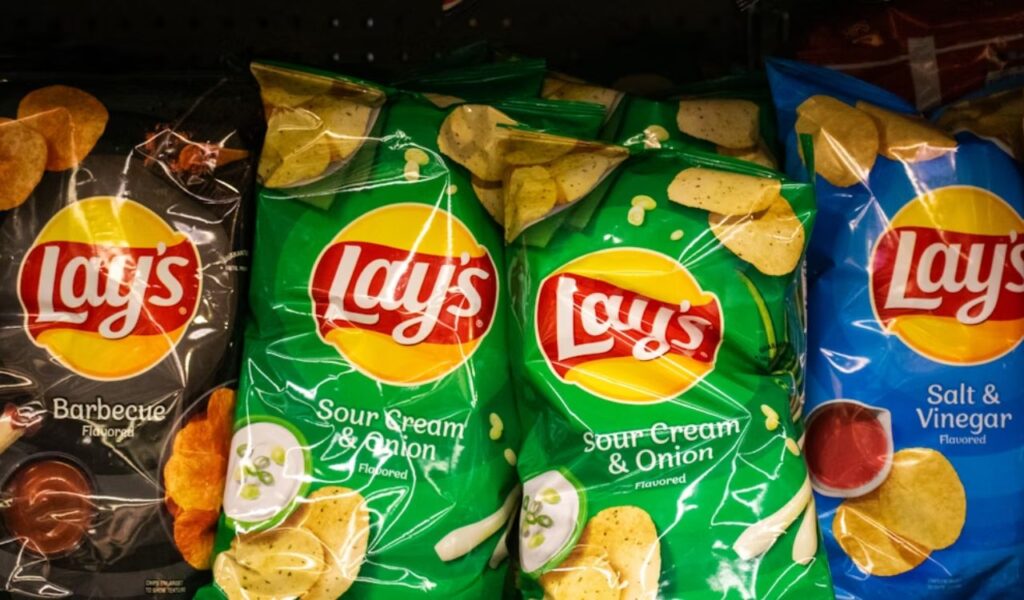
Lay’s potato chips appear on store shelves around the world, yet the flavors available outside the United States can be surprisingly different. The classic salted version remains common, but many countries feature seasonings created for local tastes.
In markets across Asia and Europe, Lay’s produces varieties such as seaweed, cucumber, or regional spice blends rarely found in American stores. These flavors reflect local snack traditions and regional food preferences.
Even the base chip can vary slightly. Differences in potato varieties, cooking oils, and seasoning formulas can affect the final taste. For travelers familiar with the American version, trying Lay’s abroad can feel like discovering a completely different snack lineup.
3. Coca-Cola
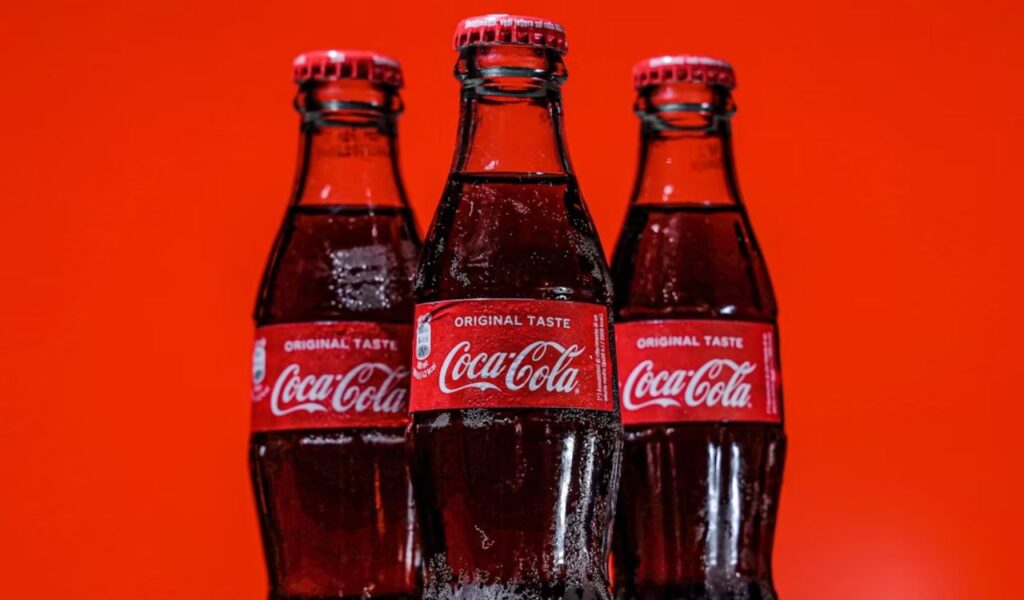
Coca-Cola may be one of the most globally recognized beverages, yet its flavor can differ depending on where it is bottled. The differences largely come down to sweeteners and ingredient sourcing.
In the United States, Coca-Cola is typically sweetened with high fructose corn syrup. In many other countries, the drink is still produced using cane sugar. This change in sweetener creates a slightly different taste and mouthfeel.
Water mineral content and regional production methods can also affect flavor. While the overall formula remains consistent, many people who compare versions notice that Coca-Cola abroad often tastes a bit cleaner or less syrupy than the American version.
4. KitKat
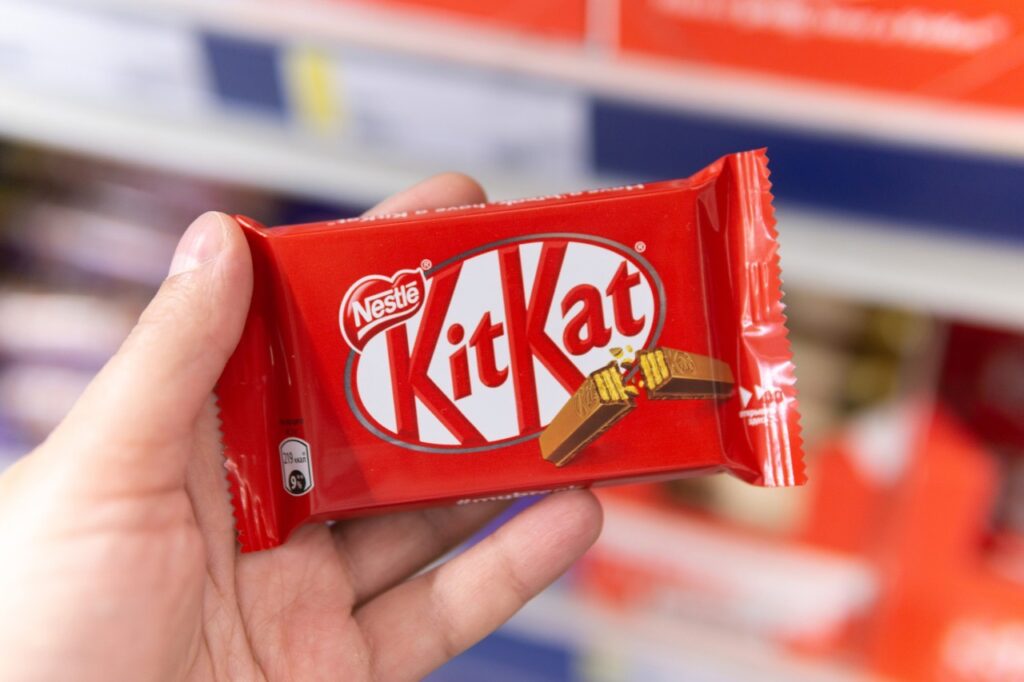
KitKat bars are known for their crisp wafer layers coated in chocolate. While the basic concept remains the same worldwide, the taste can change depending on where the bar is produced.
In the United States, KitKat is manufactured by a different company than in most other countries. Because of this, the chocolate recipe and ingredient sourcing differ from the versions sold internationally.
Many travelers notice that KitKat bars produced in Europe or Asia often contain smoother chocolate and slightly different wafer textures. The result is a snack that looks familiar but can taste noticeably different from the American version.
5. Pringles
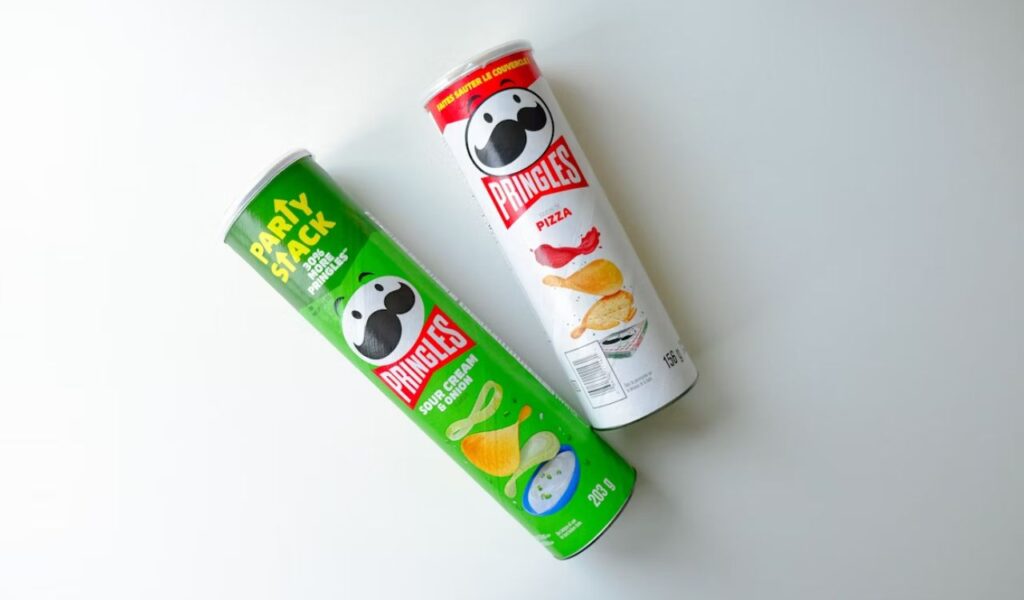
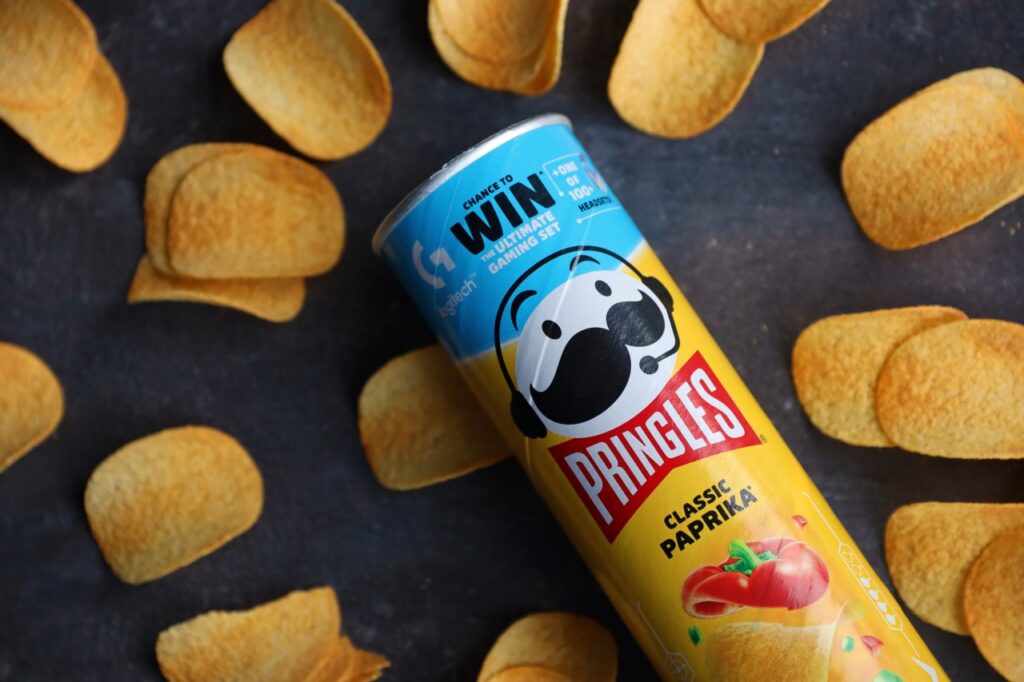
Pringles are instantly recognizable thanks to their uniform shape and signature can packaging. Despite that consistency, the flavor of the crisps can vary between regions.
The base crisp is made from dehydrated potatoes blended with starches and seasonings. When produced in different countries, small adjustments to oil blends, salt levels, or flavor powders can change the overall taste.
In addition, many international markets feature seasoning varieties that are rarely found in American stores. Regional flavors often reflect local cuisine, which means a familiar snack may carry unexpected seasoning profiles when purchased abroad.
6. Doritos
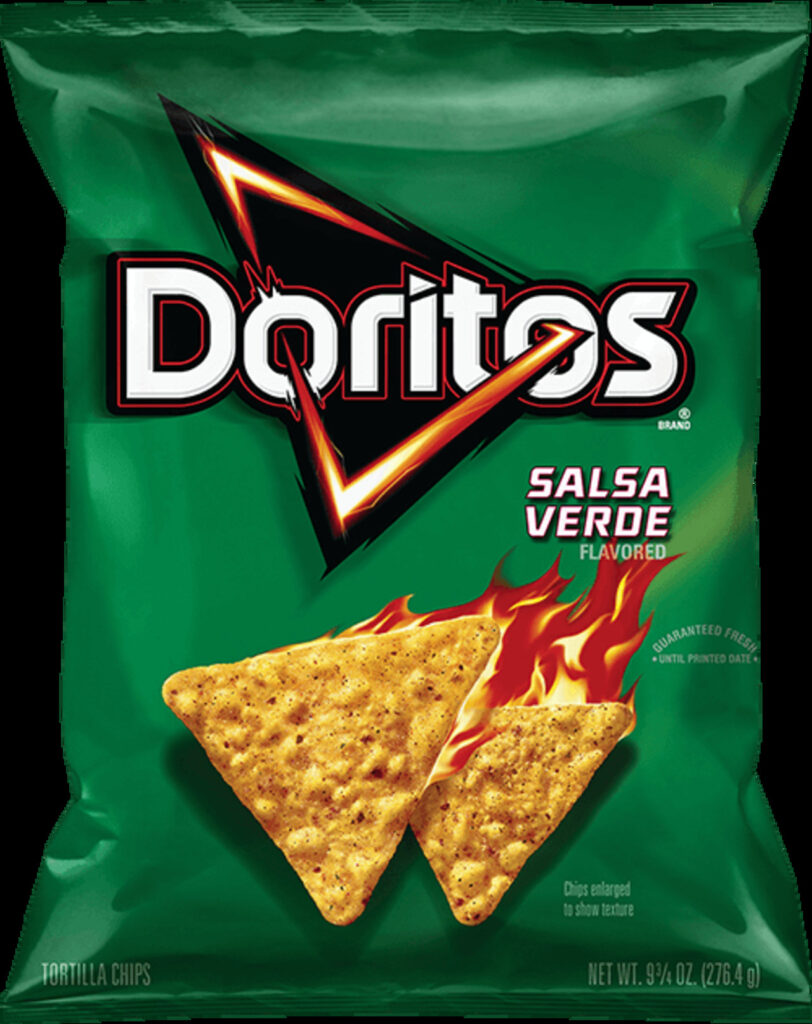
Doritos built its reputation on bold seasoning, but that flavor intensity does not always remain identical across countries. Regional versions of the chips are often reformulated to match local snack preferences.
For example, some international Doritos varieties contain less intense cheese flavor or lower salt levels compared with the American version. These adjustments help match the expectations of consumers in different markets.
Manufacturing ingredients may also differ. Variations in spices, oils, and corn varieties can subtly influence taste. As a result, travelers often find that Doritos abroad look the same but deliver a noticeably different flavor experience.
7. Snickers
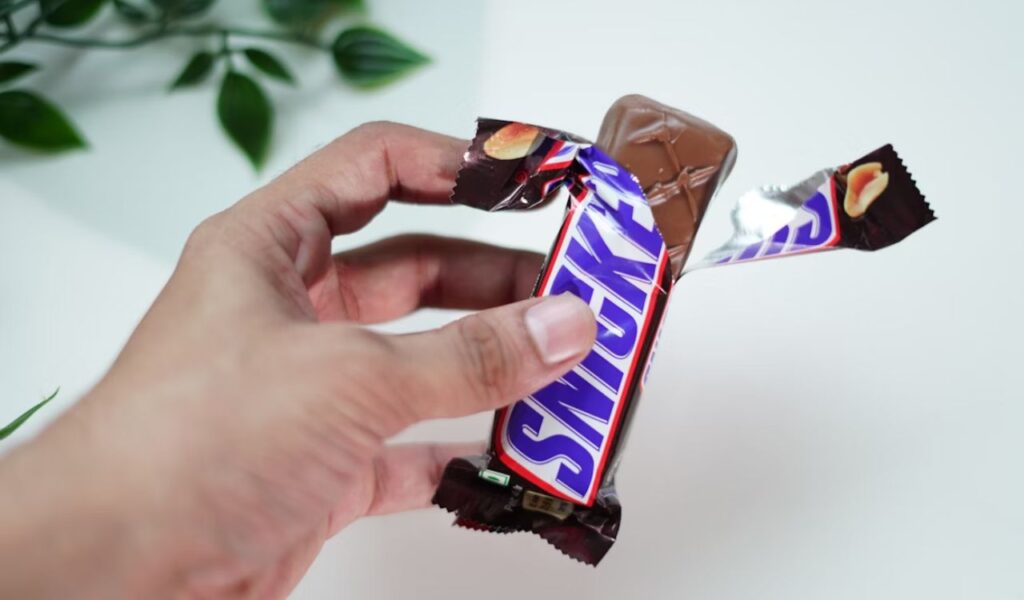
Snickers bars combine chocolate, caramel, peanuts, and nougat into one of the world’s best-known candy bars. Yet the bar can taste slightly different depending on where it is made.
Chocolate composition plays a major role. In many regions outside the United States, chocolate recipes contain higher cocoa content or different milk blends. This can create a smoother or richer flavor.
Ingredient sourcing can also vary between manufacturing facilities. While the basic structure of the bar remains identical, subtle changes in chocolate coating or caramel sweetness can lead to a noticeably different taste in international versions.
8. Fanta
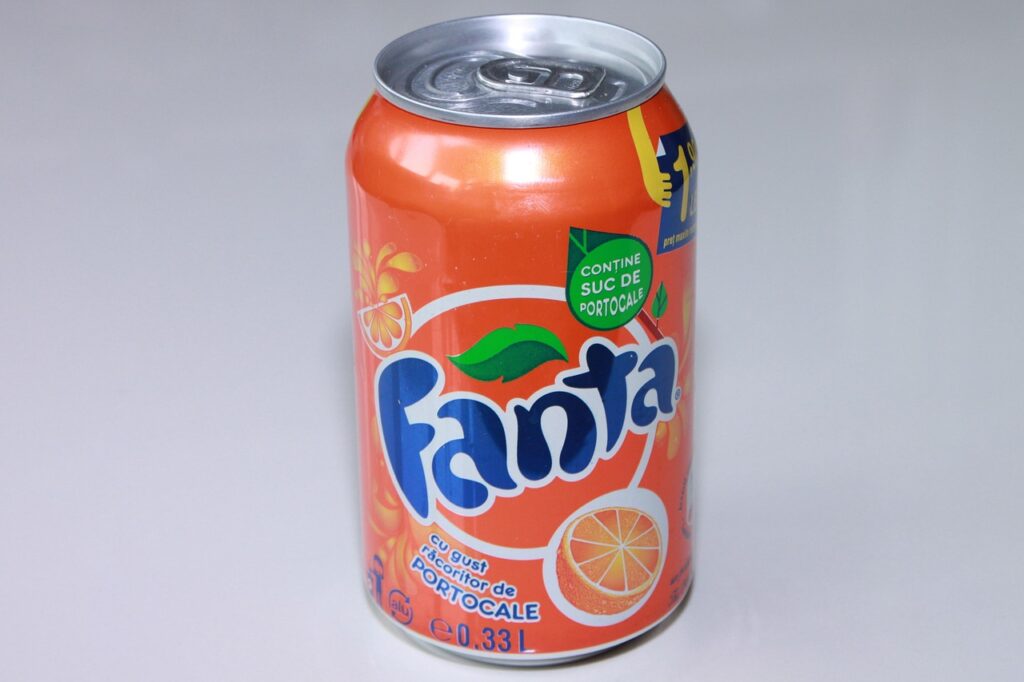
Fanta is known for its bright fruit flavors and colorful branding. However, the drink’s taste can vary widely from one country to another.
Different regions produce Fanta with unique flavor formulas. Some countries emphasize natural fruit juice while others rely more heavily on artificial flavorings. Sugar levels can also vary significantly between markets.
These variations create a surprising range of taste experiences. A bottle of Fanta purchased in Europe, Asia, or Latin America may contain different sweetness levels or fruit intensity compared with the version commonly sold in the United States.