Internet Food Trends That Explode Online Often Fade Within Months

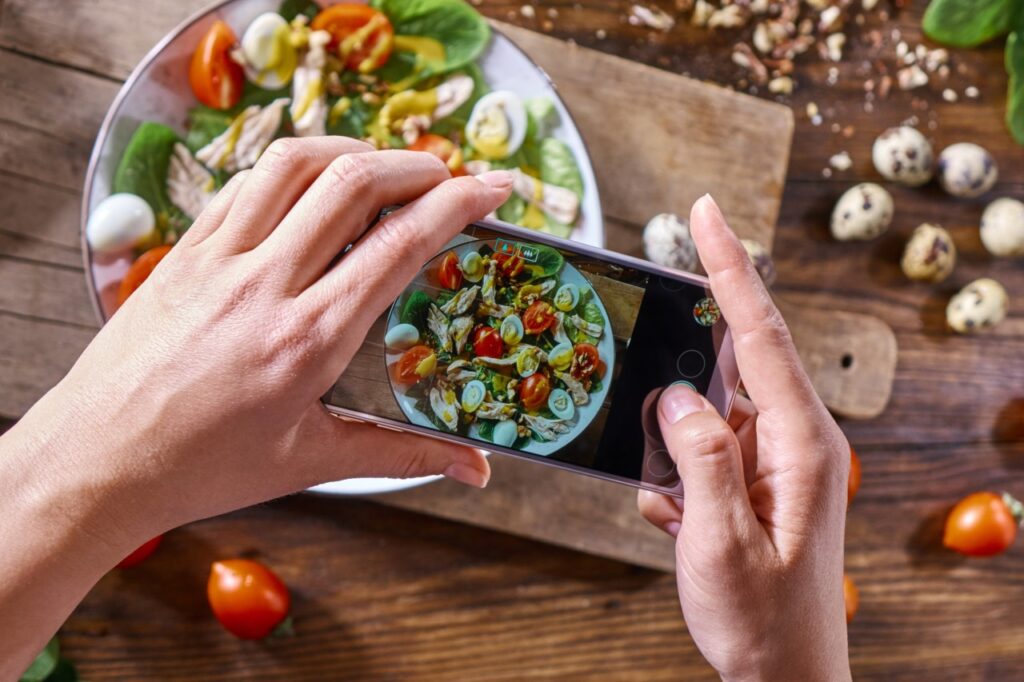
A single food video can turn an ordinary recipe into a global sensation almost overnight. Scroll through social media, and it is common to see the same dish appearing again and again, recreated by home cooks, influencers, and restaurants eager to join the excitement. From colorful desserts to unusual cooking hacks, viral food trends spread with remarkable speed, turning simple ingredients into online stars. What begins as one creative post can quickly gather millions of views and inspire thousands of people to test the recipe in their own kitchens. In a matter of days, a once unknown dish can dominate feeds across multiple platforms.
Yet the spotlight on these trendy dishes rarely lasts very long. The same social platforms that push a recipe into the spotlight also move quickly to the next idea, capturing attention. As audiences chase novelty and creators compete for views, many once popular food trends fade almost as quickly as they appear. A dish that dominates feeds one month can disappear from conversation the next. While a small number of trends influence lasting cooking habits, most viral food crazes enjoy only a brief moment of fame before quietly slipping away from both social media and everyday kitchens, as users shift their focus to the next viral recipe.
The Sudden Rise of Viral Food Trends
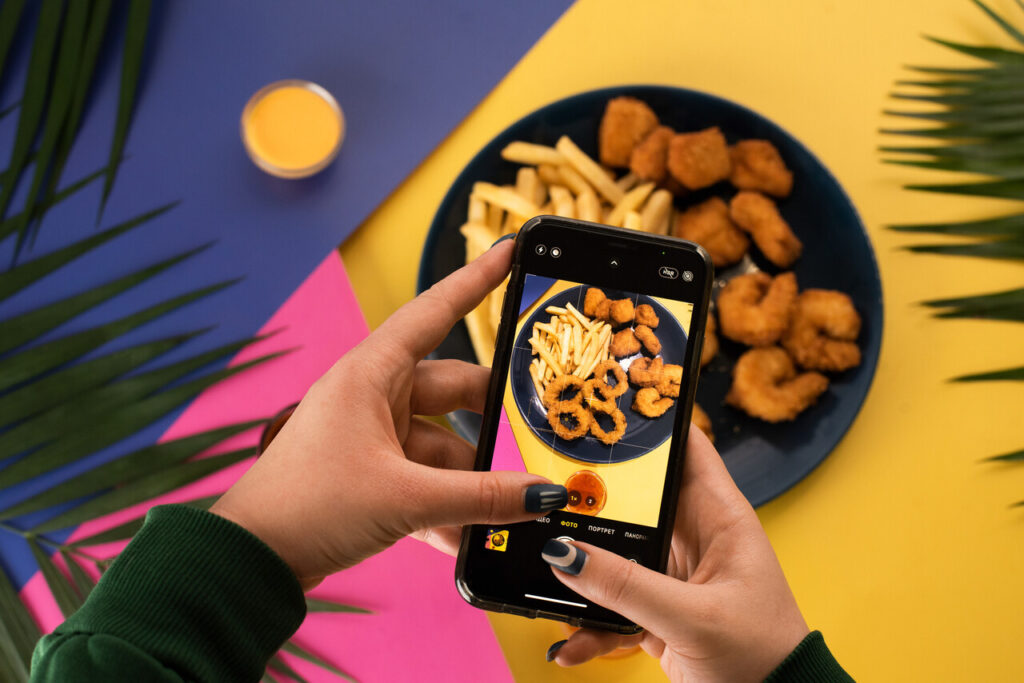
Scroll through almost any social media feed, and it becomes clear how quickly a single food idea can capture global attention. A recipe posted by a popular creator can reach millions of viewers within hours, inspiring people across different countries to try the same dish in their own kitchens. These viral foods usually combine strong visual appeal, simple preparation, and a touch of novelty that makes them easy to share online. When viewers notice thousands of others recreating the same dish, curiosity spreads quickly, and participation grows. Within a short time, what started as one post can evolve into a widely recognized cooking trend.
Many viral foods begin with presentations that stand out immediately on camera. Bright colors, dramatic cheese pulls, unusual ingredients, or satisfying cooking transformations often catch viewers before they scroll past. Short video platforms reward content that holds attention and encourages interaction, which helps these recipes reach even larger audiences. As more creators attempt the same dish and share their own versions, the trend continues spreading across feeds. Algorithms reinforce the pattern by recommending the videos to new viewers, allowing a single creative idea to grow into a global cooking craze in only a few days.
Social Media’s Role in Shaping What We Eat
Social media platforms now play a major role in shaping modern food culture and everyday cooking habits. In earlier decades, food trends often spread slowly through restaurants, cookbooks, or television cooking shows. Today, the process is much faster. A single viral video can introduce a recipe to millions of viewers within hours. Platforms that focus on short videos and visual storytelling make food especially shareable because cooking steps are satisfying to watch and easy for viewers to copy at home. When a recipe looks simple and appealing, audiences are more likely to try it themselves and share their own versions online widely today.
Algorithms are another reason these trends grow so quickly. When a video receives strong engagement through likes, comments, and shares, the platform often promotes it to larger audiences. This creates a cycle where popular recipes become even more visible as more users interact with them. Viewers may begin seeing the same dish repeatedly across their feeds, which strengthens the sense that the trend is everywhere. That repeated exposure encourages people to join in, film their attempts, and post results, helping the trend spread across regions and cultures in a remarkably short time online today.
Why Online Food Fads Spread So Quickly

The speed at which internet food trends spread is closely connected to how easy they are for people to recreate at home. Many viral recipes rely on simple ingredients that are already found in most kitchens, which lowers the barrier to participation. Quick preparation times and visually satisfying results make these dishes especially appealing to viewers who want to join the trend without spending hours cooking. When people see a recipe that looks both impressive and achievable, curiosity grows quickly. This mix of accessibility and visual appeal encourages thousands of viewers to try the dish themselves and share their results online.
Another important factor is the social nature of sharing results online. Once a recipe begins gaining attention, users often film their own attempts and upload them using the same hashtags connected to the trend. This creates thousands of versions circulating across social media feeds. Each new video keeps the idea visible and introduces it to audiences who may not have seen the original post. As more creators participate, the trend builds momentum and spreads across platforms, allowing a single food concept to grow into a widely recognized online craze within a short time, reaching new viewers every single day online.
When the Hype Begins to Fade
Despite their explosive beginnings, many internet food trends begin to lose momentum surprisingly quickly. Once a recipe has been widely shared and recreated, the sense of novelty that fueled its popularity often starts to fade. Social media users are constantly exposed to new content every day, and attention naturally shifts toward the next emerging idea. As a result, dishes that once filled countless plates can disappear almost as quickly as they arrived. The fast pace of online culture means trends rarely stay in the spotlight for long, even if they initially capture massive interest from viewers and home cooks around the world.
Another reason these trends fade is that not every viral recipe delivers a truly satisfying eating experience. Some dishes are created mainly for visual impact rather than everyday flavor or practicality. Once people try the recipe themselves, they may realize it is not something they want to cook regularly. After the excitement fades, many households return to familiar meals that are easier to prepare and more reliable for daily cooking. This pattern helps explain why many internet food crazes rise rapidly, gain huge attention, and then quietly fade within just a few months, as new food trends quickly take their place online.
The Short Life of Internet Food Crazes

The typical life cycle of an internet food trend is surprisingly short. A new recipe appears online, spreads quickly through social media, reaches peak popularity, and then slowly fades as audiences move on to the next idea. This process can unfold within weeks or a few months rather than years. The constant demand for fresh content on digital platforms encourages creators to introduce new dishes regularly. As viewers search for something different and entertaining, attention shifts quickly. This steady cycle keeps viral food trends moving rapidly through feeds and explains why many once popular recipes disappear soon after reaching peak visibility.
Even though many viral foods fade, they still leave a noticeable mark on modern food culture. Some trends inspire restaurant menus or influence how people cook at home, while others encourage experimentation with unfamiliar ingredients. Viral recipes also motivate viewers to spend more time in the kitchen trying creative ideas they see online. Even when a specific dish fades from attention, the curiosity it sparked often remains. In this way, internet food crazes reveal how quickly ideas can travel online and how social platforms continue shaping what people cook, share, and talk about every single day online.