10 Restaurants Locals Skip While Tourists Line Up

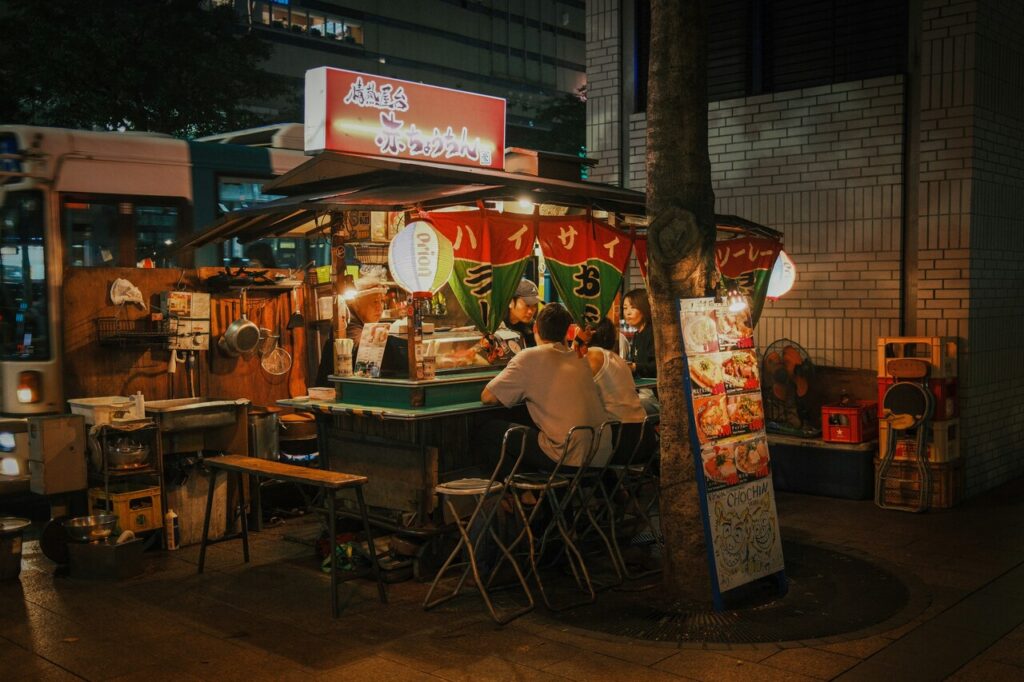
In many cities, the longest restaurant lines belong to places locals quietly avoid. Tourists are drawn by landmarks, viral posts, and recognizable names, while residents rely on habit and experience. Over time, locals learn which spots prioritize volume over quality and spectacle over substance. These restaurants are not always bad, but they often stop serving the needs of people who live nearby. Understanding this gap reveals how dining choices change when a place becomes more about visitors than community.
1. Ichiran Ramen
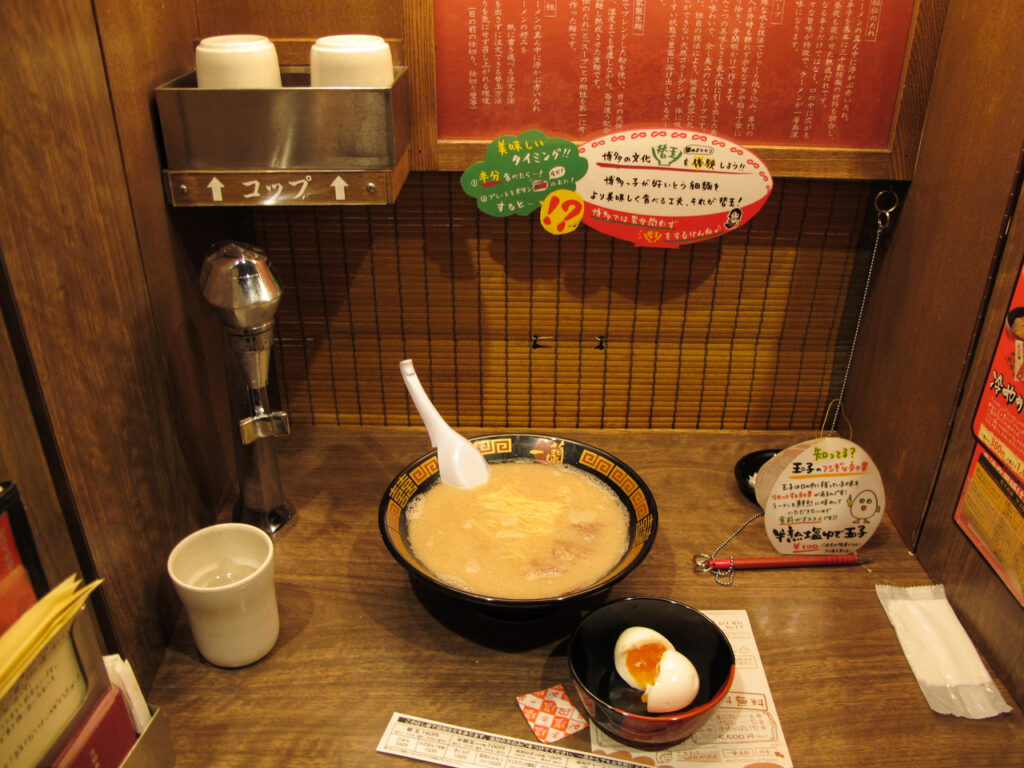
Ichiran Ramen is often one of the first names tourists recognize when searching for ramen, which explains the long lines outside many of its locations. The restaurant offers a highly controlled experience with individual booths and customizable bowls, which appeals to visitors looking for something distinct and efficient. Locals, however, tend to see Ichiran as reliable rather than exceptional. The broth is consistent but intentionally narrow in style, designed to please a broad audience. Many residents prefer smaller neighborhood ramen shops where the broth reflects a specific regional style or a chef’s personal approach.
2. Grom
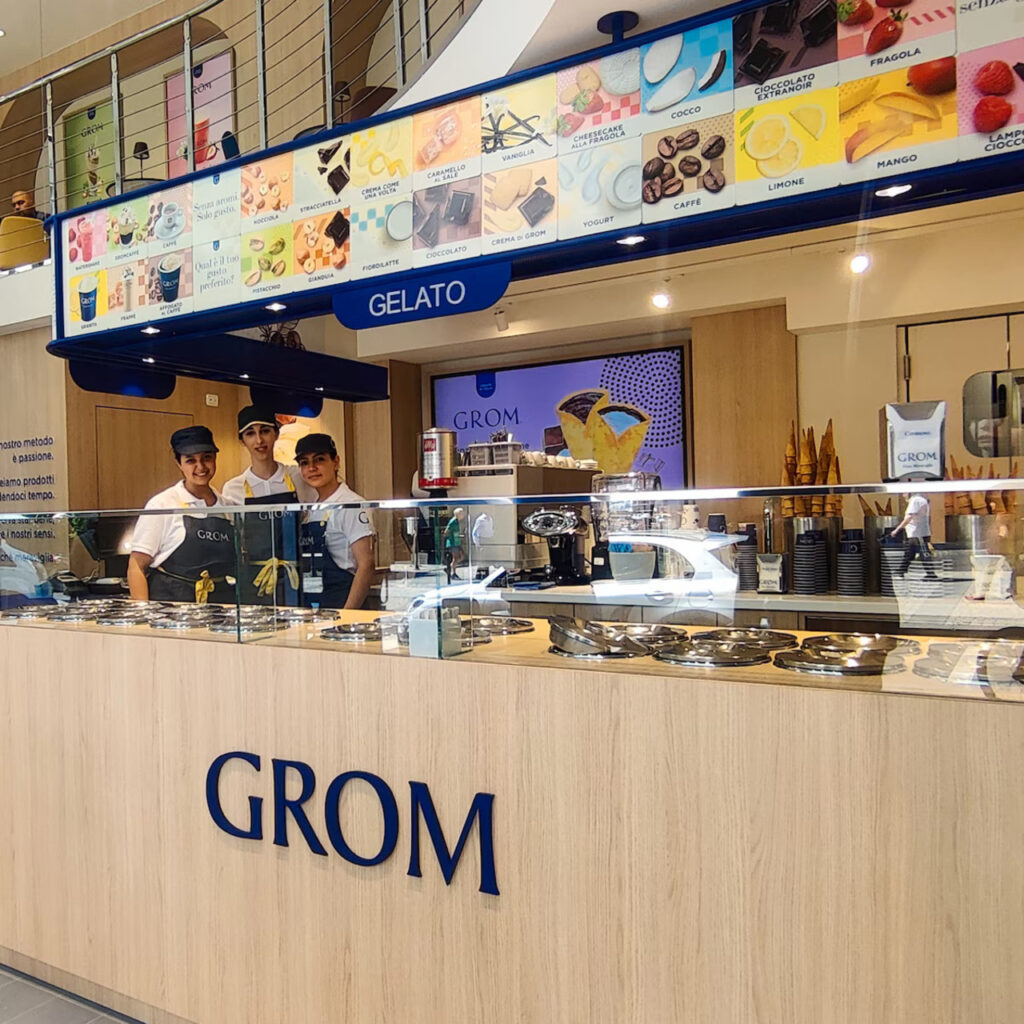
Grom attracts tourists with its reputation for classic Italian gelato and its prominent locations in busy city centers. The flavors are clean and familiar, which makes them approachable for first-time visitors. Locals often appreciate the quality but skip the lines because the experience feels standardized. Many cities with a Grom location also have independent gelaterias offering seasonal flavors and shorter waits. Residents tend to value variety and experimentation over consistency. When gelato is part of everyday life rather than a travel moment, convenience and freshness matter more than brand recognition.
3. Creperies Near the Eiffel Tower
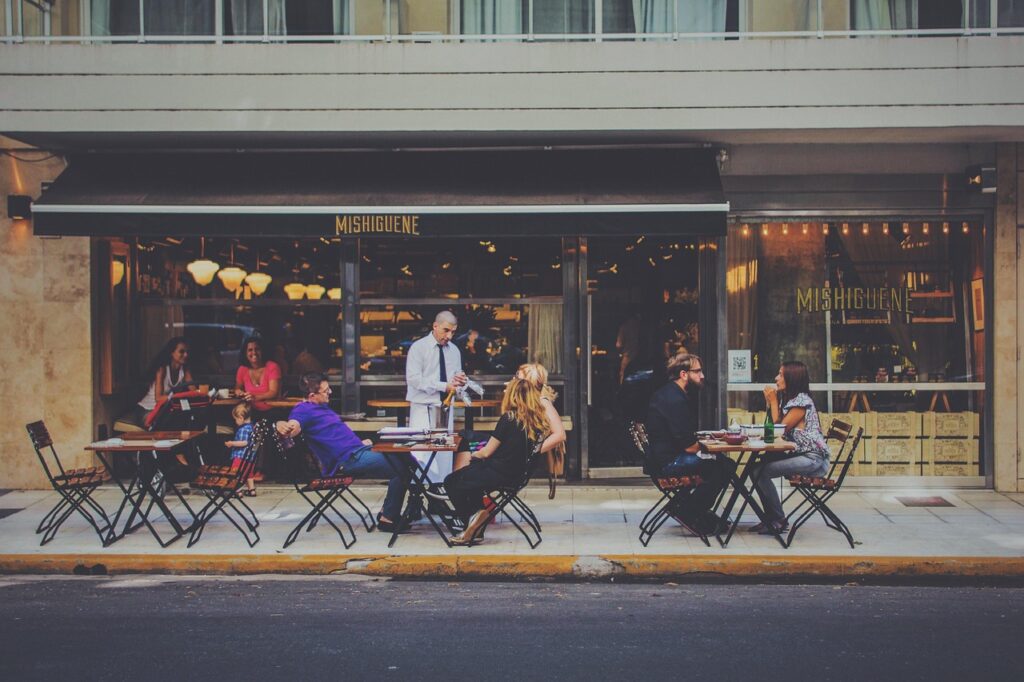
Creperies clustered around the Eiffel Tower thrive on location rather than loyalty. Tourists are drawn in by proximity and the promise of a quick Parisian classic. Locals usually avoid these spots because quality often takes a back seat to speed and volume. Fillings are basic, prices are inflated, and the experience feels transactional. Parisians know that better crepes are found in residential neighborhoods where regular customers return daily. For locals, eating well means stepping away from landmarks. The long lines near the tower signal convenience for visitors, not excellence for residents.
4. Hot Chicken Spots on Broadway in Nashville
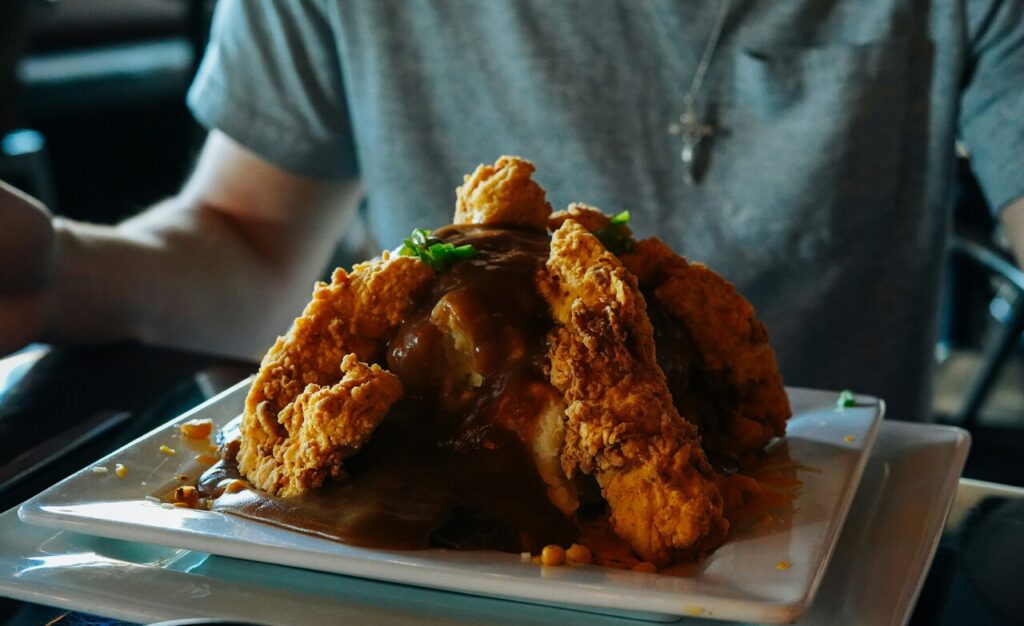
Broadway hot chicken restaurants benefit from foot traffic and viral fame, especially among tourists seeking a signature Nashville experience. The heat levels and presentation are designed to impress first-timers. Locals often find these versions inconsistent and crowded. Many prefer smaller neighborhood spots where recipes have not been adjusted for mass appeal. Long waits and loud environments make these Broadway locations impractical for regular dining. Residents know they can get a better balance and flavor without standing in line. For them, hot chicken is the best comfort food, not a spectacle.
5. Taco Stands Near the Zócalo in Mexico City
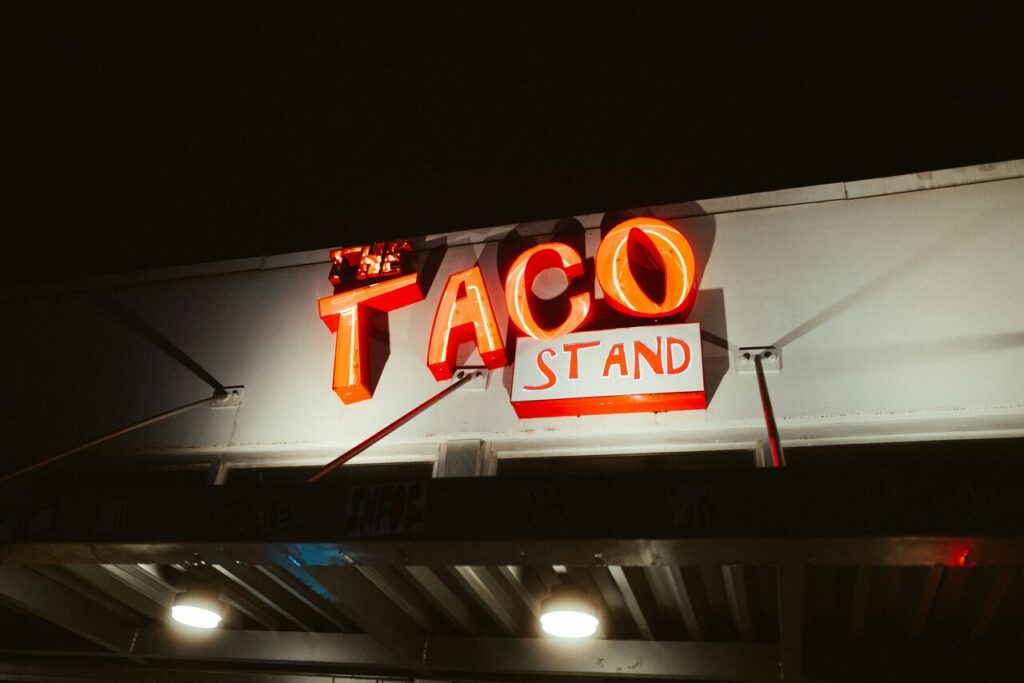
Taco stands near major landmarks attract visitors eager for an authentic street food moment. The food is usually acceptable, but locals recognize the difference between convenience and quality. High turnover often leads to simplified menus and rushed preparation. Residents tend to eat tacos in their own neighborhoods, where vendors focus on regulars rather than tourists. Those stands often offer better seasoning, fresher tortillas, and more variety. Locals see landmark stands as introductory rather than representative. The long lines reflect visibility, not superiority.
6. Pike Place Market Chowder Stalls in Seattle
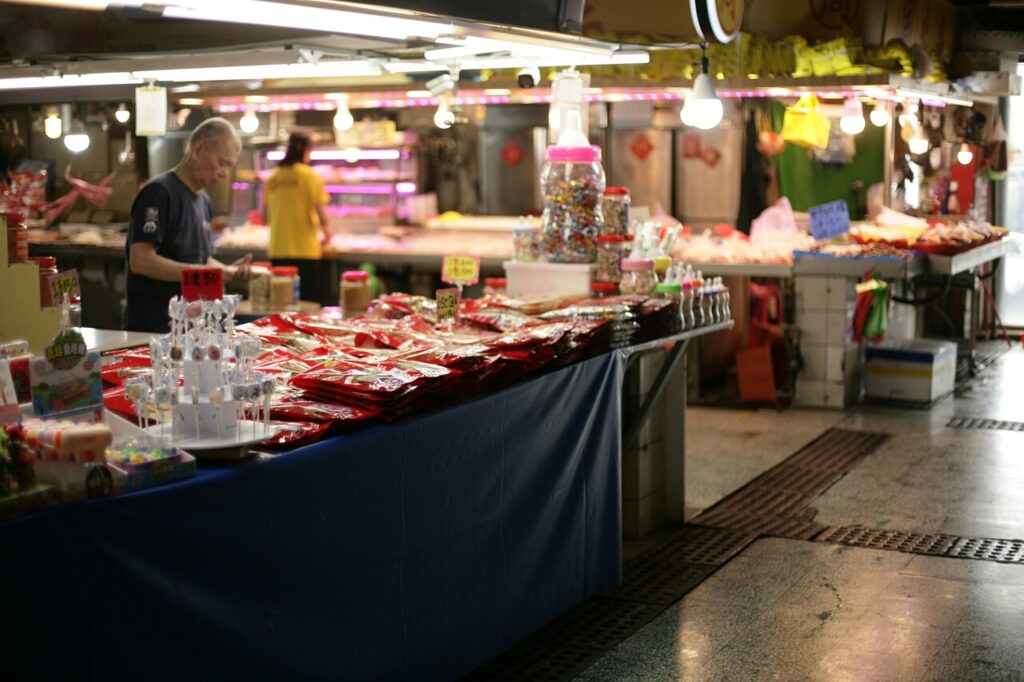
Chowder stalls inside Pike Place Market are a magnet for tourists, especially those visiting on a tight schedule. The chowder is hearty and familiar, which appeals to a broad crowd. Locals, however, rarely wait in those lines. Many prefer seafood spots outside the market where ingredients are just as fresh, and the atmosphere is calmer. Pike Place is seen as a showcase rather than a daily eating destination. For residents, standing shoulder to shoulder with visitors is not worth the trade-off when better options exist nearby. Locals value being able to sit, eat, and leave without navigating crowds.
7. Brick Lane Beigel Bakery
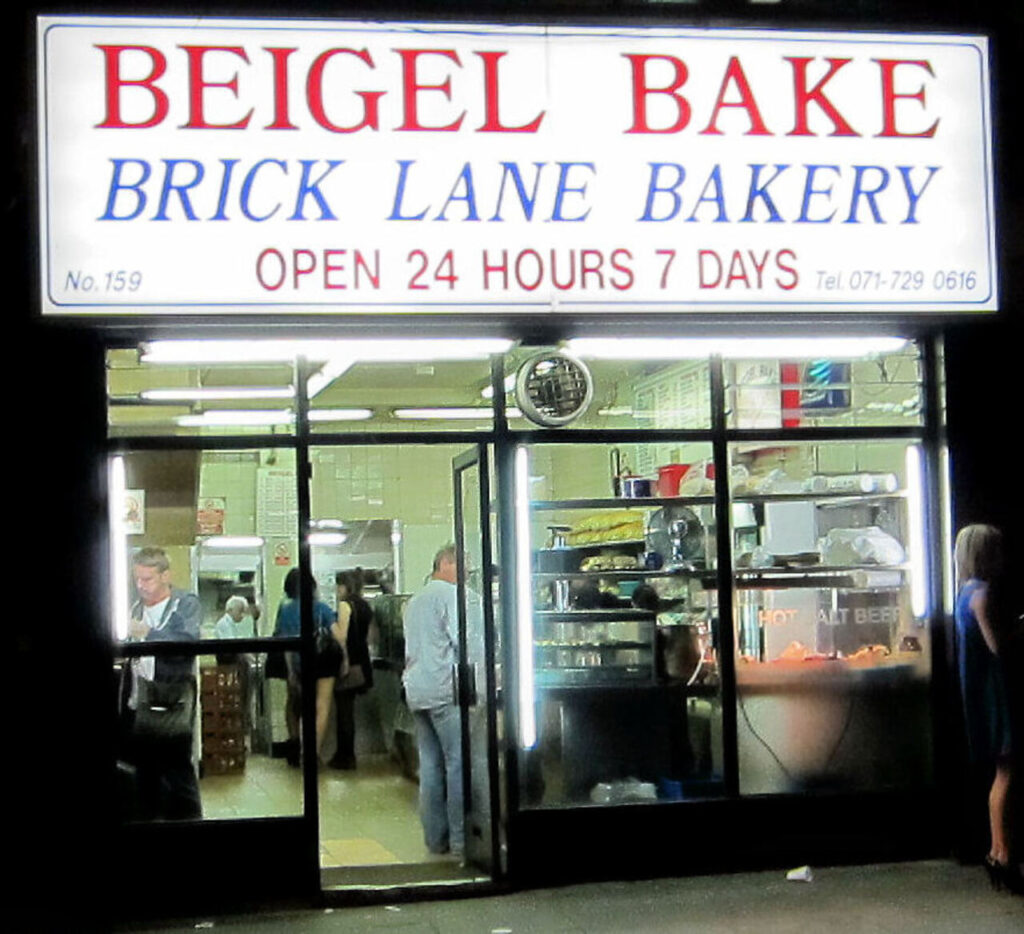
Brick Lane Beigel Bakery has become famous through social media and travel guides, resulting in constant queues. Tourists are drawn to the idea of a historic, no-frills institution. Locals often acknowledge its history but skip it due to inconsistent quality and inflated prices. Londoners know other bakeries and delis that offer better bread and fillings without the wait. For them, nostalgia alone does not justify standing in line. The bakery remains a symbol for visitors, while residents move on. Familiarity changes expectations over time. Many locals also point out that the product has changed little while the crowds have grown.
8. Viral Beef Noodle Shops in Taipei
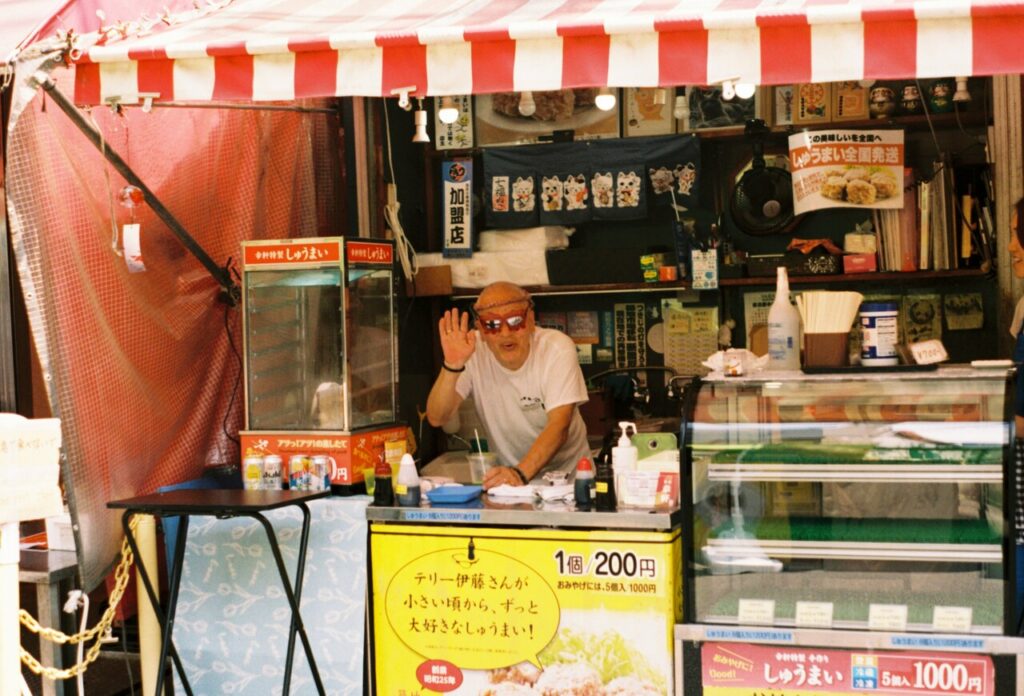
Certain beef noodle shops in Taipei gain sudden fame online, leading to long tourist lines. Locals usually recognize that these spots offer solid but unremarkable bowls. Beef noodle soup is widely available across the city, and residents have strong opinions about their neighborhood favorites. Long waits disrupt the casual nature of the dish. Locals prefer places where they can sit down quickly and eat without ceremony. Viral popularity signals novelty rather than everyday excellence. Regulars value rhythm and reliability. Consistency matters more than recognition. Familiar shops often win loyalty through repetition rather than hype.
9. Gelato Messina
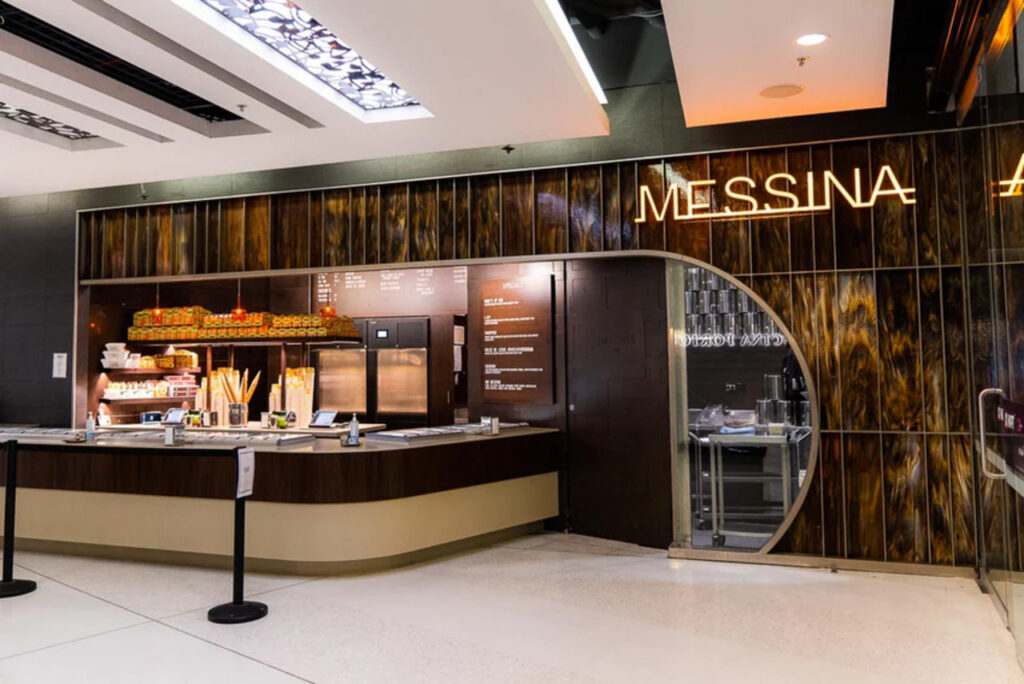
Gelato Messina attracts tourists with creative flavors and strong branding. The quality is dependable, but the popularity leads to crowded shops and long waits. Locals often enjoy Messina occasionally, but do not see it as worth lining up for. Many cities offer smaller gelato shops with rotating flavors and more personal service. Residents value spontaneity and ease. When dessert becomes a routine pleasure, waiting in line feels unnecessary. Familiarity shifts priorities toward convenience. For locals, good gelato is something to enjoy casually, not plan around. The experience matters less than the product itself.
10. Seafood Stands Along Amsterdam’s Canals
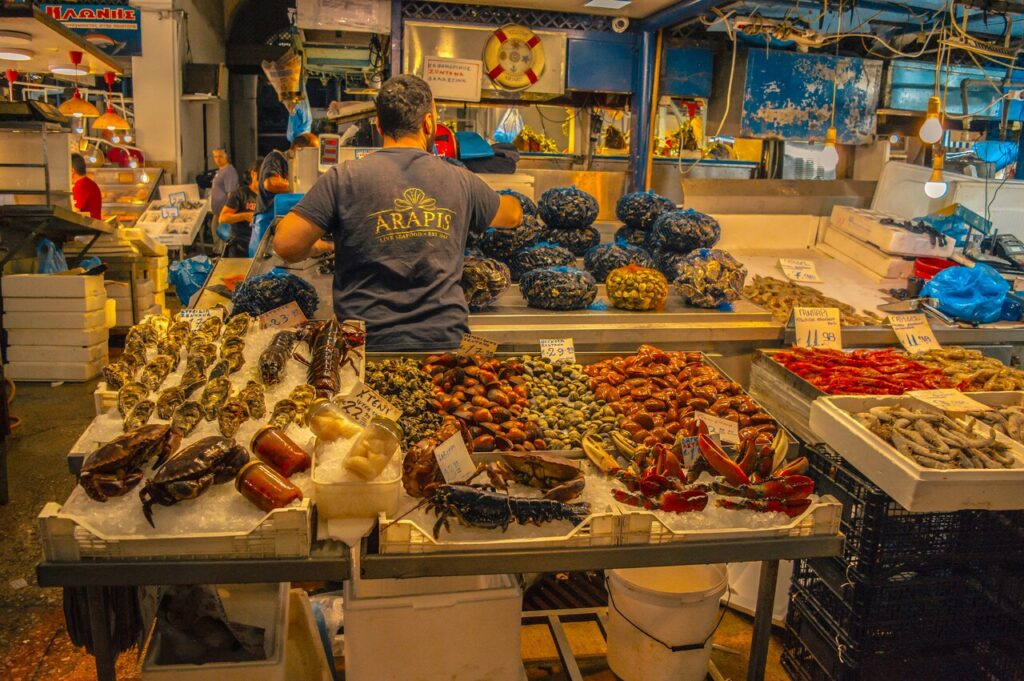
Canal-side seafood stands in Amsterdam draw tourists looking for a quick local bite. The fish is usually serviceable, but locals often find it overpriced and inconsistent. Residents tend to buy seafood from neighborhood fishmongers or markets where quality and freshness are more reliable. Eating by the canal is appealing for visitors but impractical for locals. The lines reflect scenery and convenience rather than culinary reputation. For residents, good food rarely requires a queue. Daily habits guide better choices than visibility. Familiar vendors earn trust through consistency rather than foot traffic.