13 Remote Restaurants Worth the Trip for Incredible Meat Dishes

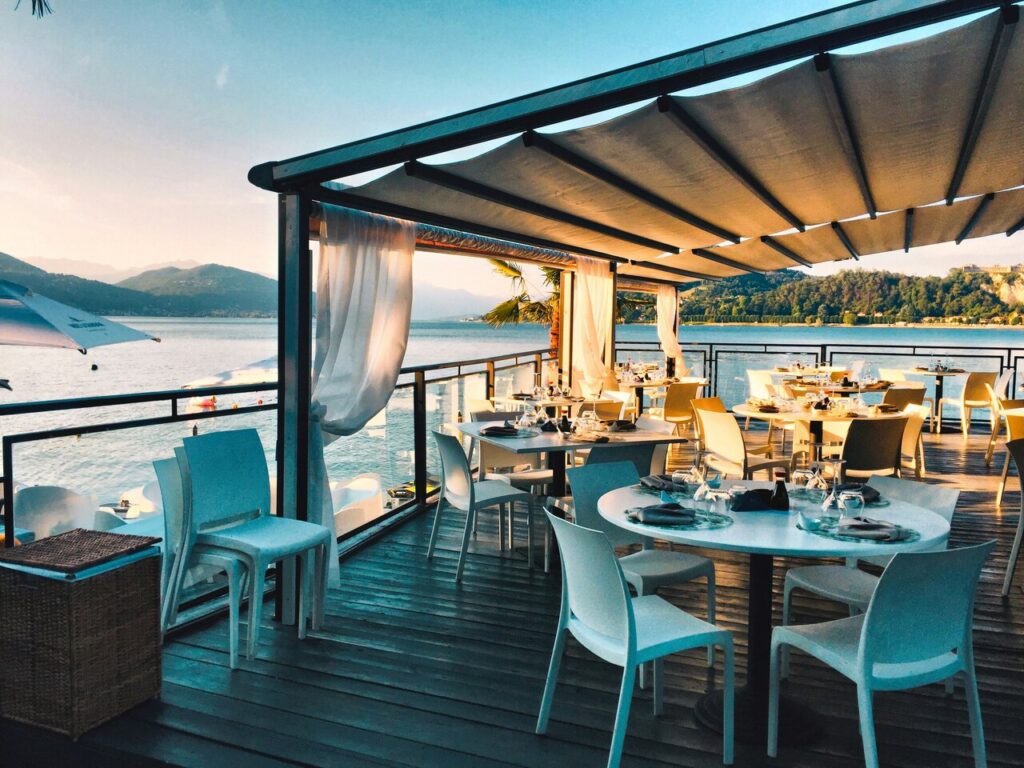
Some of the most unforgettable meat dishes are not found in busy cities, but in places that take real effort to reach. Remote restaurants rely on local animals, traditional techniques, and deep respect for their surroundings. Isolation limits excess and forces focus, allowing flavor, texture, and technique to lead. The journey changes how food is experienced, making each meal feel earned rather than convenient. These destinations show how distance, landscape, and patience can elevate meat dishes into experiences that stay with diners long after the trip ends.
1. Restaurant Klein JAN

Reaching Restaurant Klein JAN requires commitment, and that effort shapes how the food is experienced. Located deep in the Kalahari, the restaurant builds its identity around meats sourced from the surrounding region, particularly lamb and game adapted to arid conditions. These animals develop dense muscle and pronounced flavor due to the landscape they inhabit. Cooking methods favor slow heat, smoking, and careful seasoning to respect those qualities. Diners often describe the meat as deeply savory without heaviness. The isolation removes distractions, allowing attention to stay on texture, aroma, and temperature.
2. KOKS
KOKS exists at the edge of human settlement, and its meat dishes reflect that reality. Proteins such as reindeer and muskox are lean, firm, and strongly flavored, requiring precise technique to avoid toughness. The kitchen relies on curing, drying, and slow cooking, methods rooted in survival rather than luxury. These techniques deepen flavor while preserving texture. Dining here feels immersive because the food mirrors the surrounding Arctic environment. Nothing is accidental, and portions are measured with purpose. The meat tastes grounded and serious, shaped by climate, scarcity, and respect for tradition.
3. The Three Chimneys

The Three Chimneys draws strength from its rugged surroundings, where livestock and wild game shape local cuisine. Venison and lamb raised in challenging conditions develop robust flavor and firm texture. The kitchen emphasizes simplicity, allowing the meat itself to lead. Cooking focuses on precision rather than embellishment, ensuring seasoning enhances rather than hides. The restaurant’s isolation limits supply, encouraging thoughtful use of ingredients. Diners often remark that the meat tastes cleaner and more distinct than urban equivalents. The setting slows the meal, inviting attention to detail and balance.
4. Furneaux Lodge

Furneaux Lodge is accessible only by boat or air, and that separation shapes its menu. Meat dishes focus on wild game and locally raised livestock prepared through grilling and roasting. These methods suit the setting and highlight natural flavor. The remoteness strips away unnecessary complexity, allowing the meat to remain central. Diners often feel the flavors are more vivid after the journey required to arrive. The quiet surroundings also slow the pace of dining, encouraging people to linger with each other. This unhurried atmosphere allows the richness of the meat to be appreciated without distraction.
5. Tampu
Tampu reflects Andean traditions where meat supports life at high altitude. Alpaca and other local proteins are prepared using methods developed over centuries. Cooking focuses on balance, nourishment, and preservation of texture. The remoteness reinforces reliance on local animals and seasonal practices. Diners often note the meat feels clean and purposeful. There is little excess. Each dish reflects geography, history, and necessity. Eating here feels like engaging with a living tradition rather than sampling novelty. The simplicity of preparation highlights how deeply rooted these methods are in daily life.
6. Wolfgat
Wolfgat’s coastal isolation encourages precision and restraint. Meat is sourced locally and treated with care, often appearing in small but deliberate portions. Preparation highlights natural flavor rather than dominance. The limited supply reinforces thoughtful menu design. Diners often describe the experience as calm and focused. The setting encourages reflection, making each bite feel intentional. Flavor comes from quality and technique rather than volume. The absence of excess makes the meal feel balanced and considered from start to finish. This approach aligns the food closely with its environment.
7. The Restaurant at Fogo Island Inn
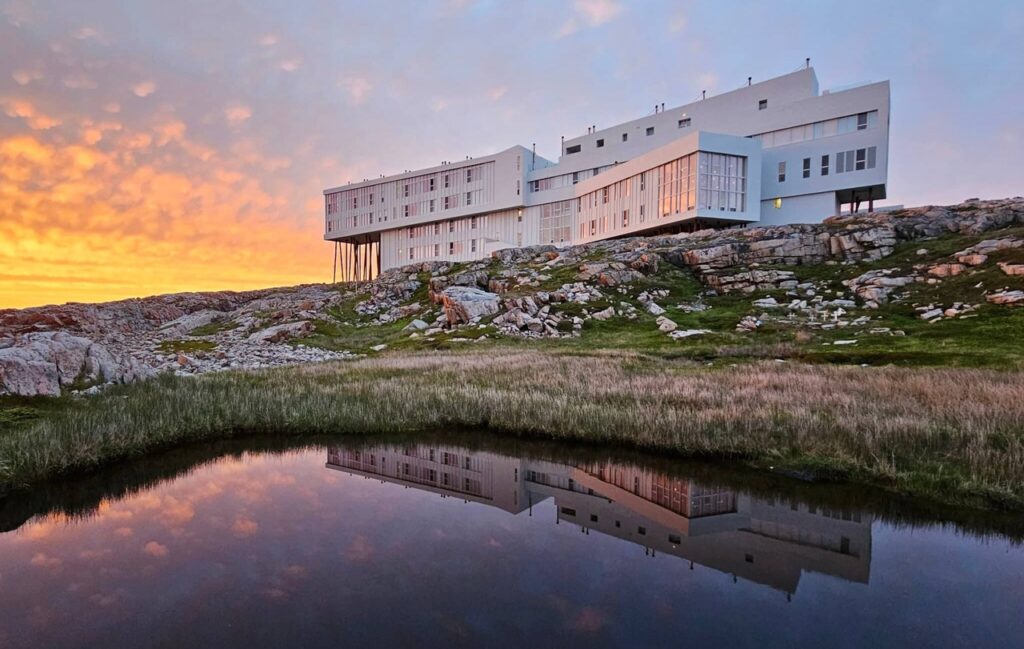
The Restaurant at Fogo Island Inn sits on one of the most remote inhabited islands off the coast of Newfoundland, and its meat dishes are shaped by that isolation. The kitchen works closely with local farmers and hunters, relying on lamb, beef, and wild game raised in harsh coastal conditions. These animals develop strong flavor and firm texture, which the chefs respect through careful roasting and slow cooking. Seasoning is restrained, allowing the meat to express its character rather than being masked. Diners often note that the food feels deeply tied to place, reflecting both climate and tradition.
8. Oaxen Krog
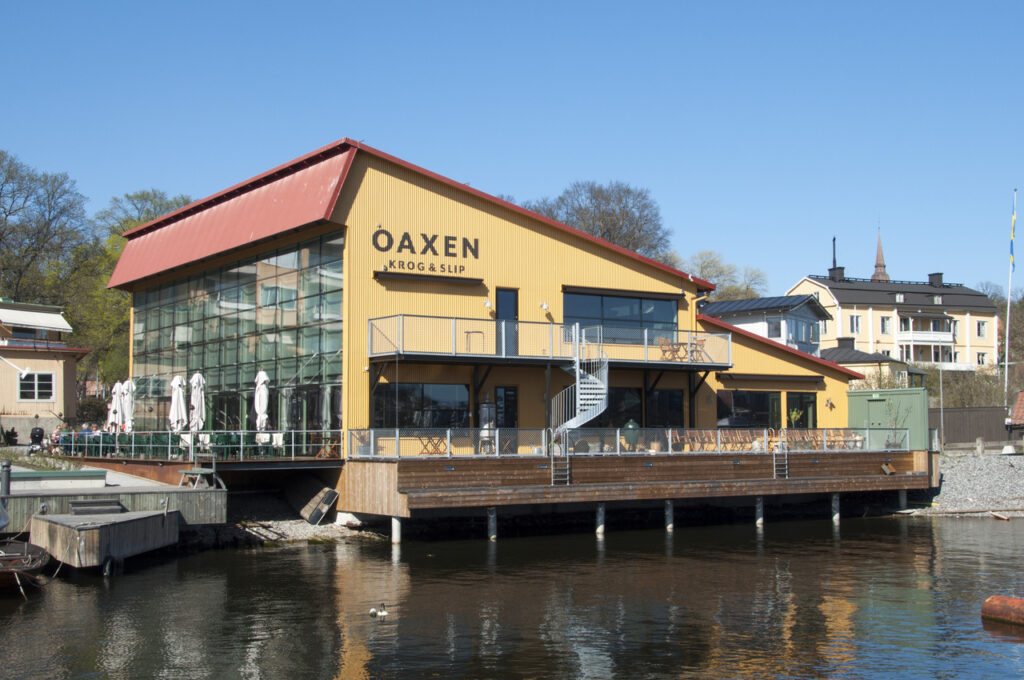
Oaxen Krog operates in a secluded waterfront location that emphasizes Nordic meat traditions. The menu highlights pasture-raised beef, lamb, and game sourced from small farms. Smoking, curing, and aging play major roles in developing the depth of flavor. The remoteness allows the kitchen to work closely with producers rather than distributors. Diners often comment on how the meat tastes richer yet lighter than conventional cuts. The calm surroundings slow the meal and sharpen attention. Oaxen’s distance from urban excess reinforces its focus on technique and ingredient integrity. That separation also encourages patience in both cooking and dining.
9. Restaurant Iris
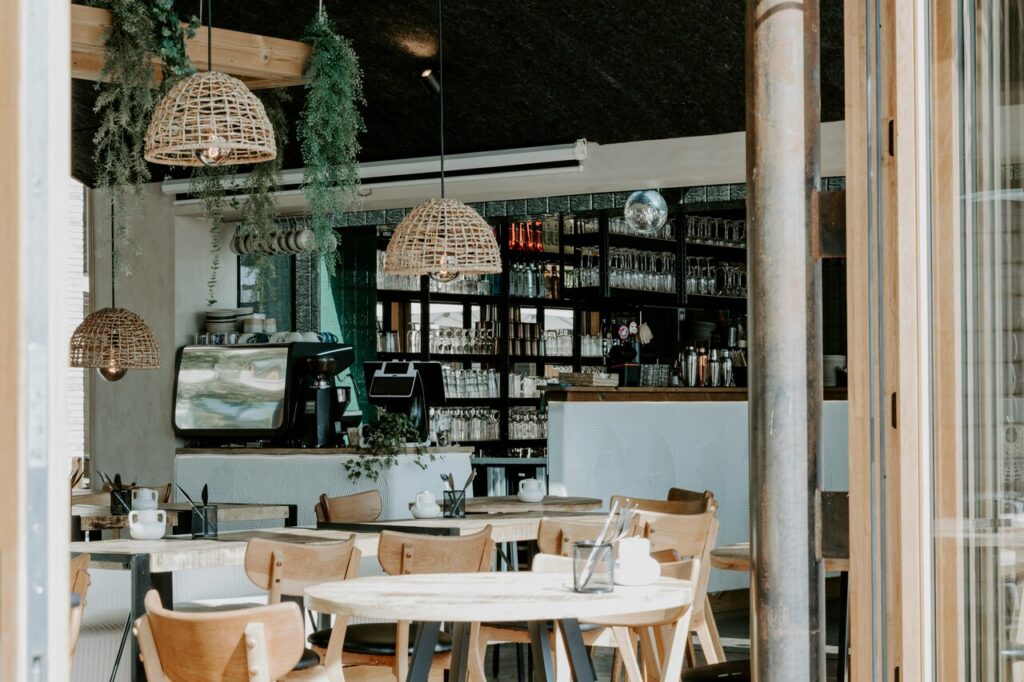
Restaurant Iris is accessible only by boat, floating in the middle of a fjord, making it one of the most physically remote dining experiences in Europe. Meat dishes feature lamb and other livestock raised in rugged Norwegian terrain. These animals develop dense muscle and a deep flavor due to climate and grazing conditions. Cooking techniques favor gentle heat and precise seasoning. Diners often remark that the isolation heightens awareness of texture and aroma. The environment reinforces patience and focus, allowing meat to take center stage. The meal feels immersive rather than indulgent. Travel time becomes part of the anticipation.
10. Asador Etxebarri

Asador Etxebarri is located in a small mountain village far from major cities, yet it is considered one of the world’s greatest meat restaurants. Every dish is cooked over an open flame using carefully selected wood. Beef, veal, and lamb are treated with extreme restraint, relying on fire control rather than seasoning. The remoteness supports a singular focus on technique. Diners often describe the meat as intensely flavorful without heaviness. The journey reinforces respect for simplicity, proving that isolation can refine rather than limit culinary ambition. The setting removes distraction and sharpens concentration.
11. Boragó
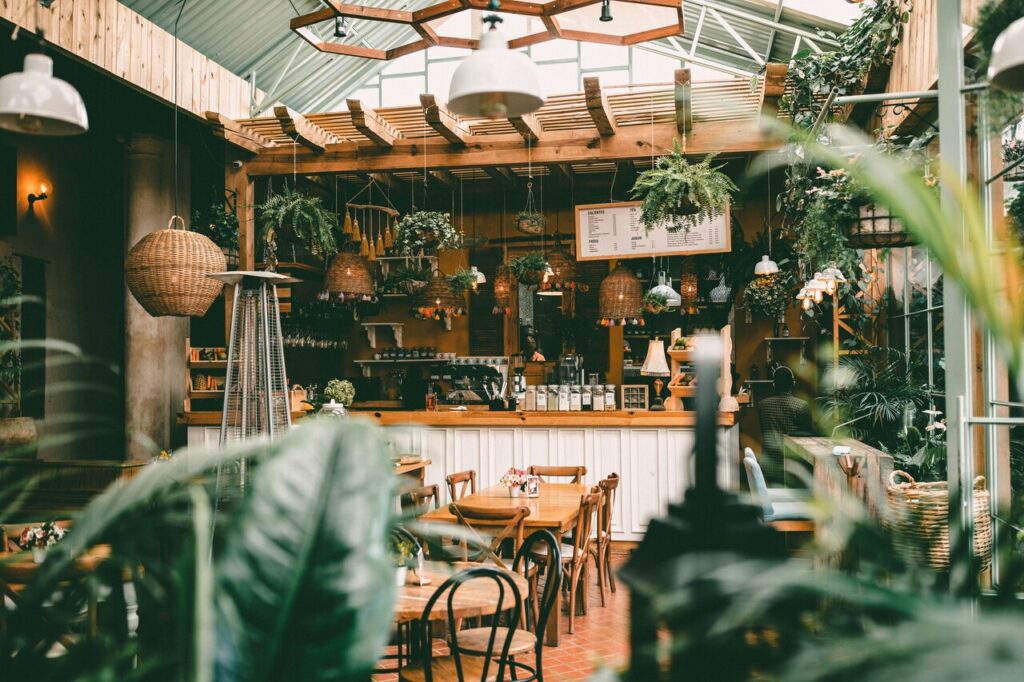
Boragó sits on the edge of Santiago with direct access to remote Patagonian supply chains, making it feel far removed from typical city dining. Its meat dishes draw heavily from wild and pasture-raised animals such as lamb, venison, and regional beef, often sourced from extreme southern landscapes. Cooking emphasizes purity and restraint, allowing the natural flavor of the meat to remain intact. Diners frequently note how the meat tastes cleaner and more mineral-driven due to the animals’ environment. The restaurant’s isolation from mass supply networks shapes a menu that feels deliberate and grounded.
12. El Baqueano

El Baqueano is dedicated entirely to native Argentine meats rarely found outside rural regions. Located away from central Buenos Aires, the restaurant focuses on animals such as llama, wild boar, goat, and yacaré. These proteins require careful technique due to their lean structure and distinct flavor. Preparation relies on slow cooking and controlled heat rather than heavy sauces. Diners often describe the meat as unfamiliar yet deeply satisfying. The restaurant’s mission is the preservation of regional meat traditions, making it a destination for those seeking authenticity rather than familiarity.
13. The Restaurant at Sheldon Chalet
The Restaurant at Sheldon Chalet sits deep inside Denali National Park, accessible only by helicopter, making it one of the most isolated dining experiences in North America. The menu centers on meat sourced from Alaska and the surrounding region, including beef, lamb, and wild game suited to cold climates. These animals develop dense muscle and pronounced flavor due to the terrain and temperature. Cooking methods favor roasting and slow preparation that preserve moisture and depth. Diners often describe the meat as clean and powerful, shaped more by environment than seasoning. The isolation removes any sense of excess and shifts focus to nourishment and craft.