The Southern Family Kitchen That Inspired McDonald’s Original Fried Apple Pie

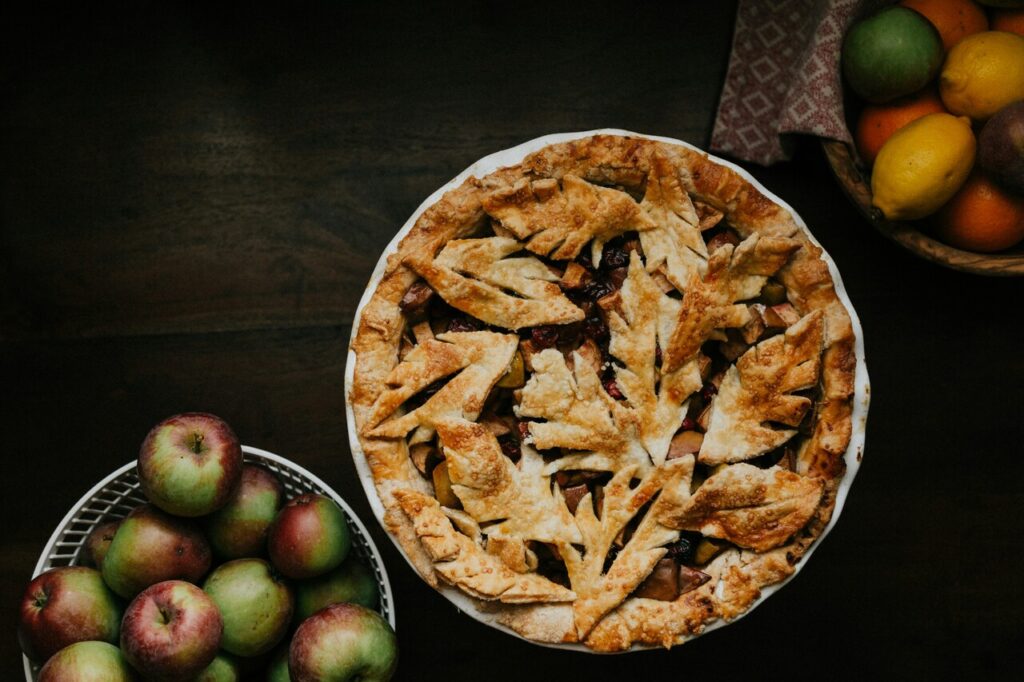
Long before McDonald’s apple pie became a drive-through staple, it began as a homemade dessert rooted in Southern tradition. Inspired by a family recipe perfected in a Knoxville kitchen, the original fried apple pie brought warmth, nostalgia, and comfort to fast food for the first time. Its crisp shell and spiced filling didn’t just satisfy a sweet craving. They helped redefine what a fast-food menu could be, turning a simple dessert into a lasting piece of American food culture. That sense of familiarity made it instantly memorable. The pie carried the feeling of home into an unexpected setting.
The Birth of a Fast-Food Classic
The McDonald’s apple pie might feel quintessentially American, but its story begins with a simple idea to expand a fast-food menu with dessert. In 1968, McDonald’s introduced its very first dessert item when the iconic Big Mac also debuted. Franchisees in Knoxville, Tennessee, suggested including a handheld dessert to complement the simple, speedy service model the chain had perfected. The choice was rooted in a beloved Southern treat long enjoyed at home and community gatherings, and it filled a gap in the menu that customers didn’t even know they wanted. Dessert was not originally part of fast-food thinking.
This addition marked a turning point in McDonald’s evolution. Before the apple pie, fast-food menus focused largely on burgers, fries, and shakes, but the success of the apple pie demonstrated that customers were eager for both savory and sweet options. The bite-sized turnover became a perfect answer: portable, flavorful, and familiar. By rolling it out nationally, McDonald’s transformed a regional favorite into a dessert staple known in communities across the country. It expanded expectations of what fast food could include. The menu felt more complete as a result. Dessert became part of the routine order. That shift reshaped customer habits.
Roots in Southern Home Cooking
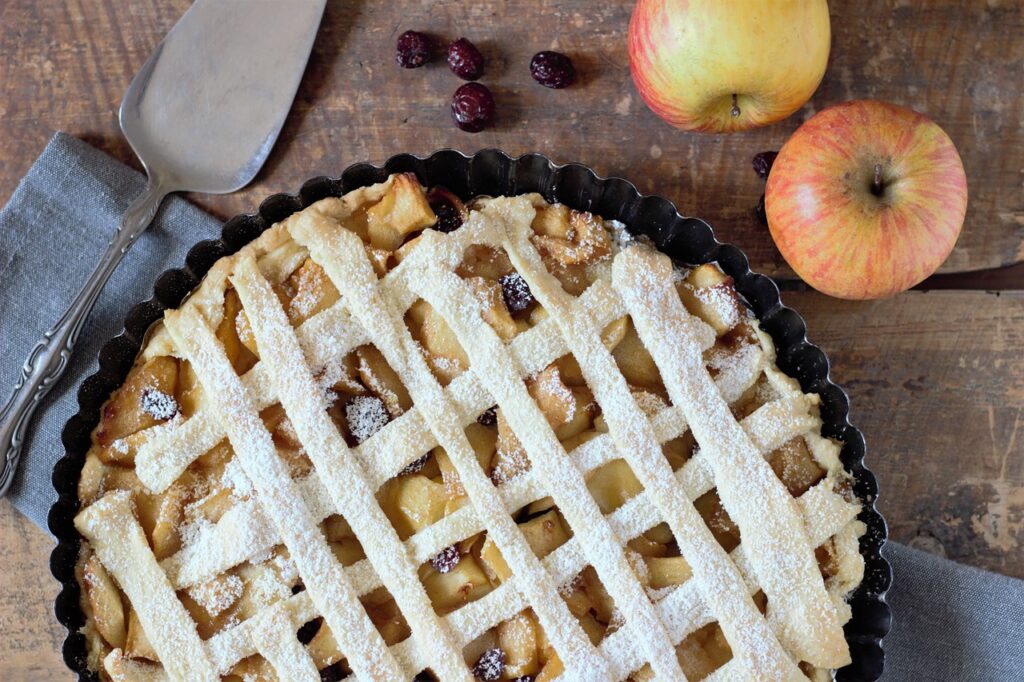
The apple pie’s roots lie firmly in Southern home cooking traditions that prized fried pastries and fruit fillings as comforting, crowd-pleasing desserts. Guests visiting homes in the Appalachians and surrounding regions might find fried pies filled with apples, peaches, or berries offered after meals or at church gatherings. This culinary backdrop made the concept of a fried apple pie feel deeply familiar to many customers, long before it hit the McDonald’s menu. These desserts were tied to hospitality. They represented generosity and care. They were often shared, not served individually. That communal spirit carried over.
For Litton Cochran, who owned the first McDonald’s in Knoxville, the inspiration came directly from the pies his mother baked at home. Daily life in the Cochran family included savoring fried apple pies as special treats, and Litton believed that customers would respond to the homestyle flavor just as warmly. Together with his wife Jo, he experimented with crusts, fillings, and spices night after night, refining a version that was both true to Southern tradition and practical for fast-food kitchens. The process was hands-on and personal. Family taste mattered in every adjustment. Trial and error guided progress. Familiar flavor remained the priority.
The Key Figures Behind the Recipe
Litton and Jo Cochran were more than franchise owners; they were the creative force behind what would become one of McDonald’s most nostalgic menu items. The Cochrans owned and operated dozens of McDonald’s locations in eastern Tennessee and drew on their family’s baking heritage to craft a recipe that could be produced consistently for customers. Their efforts went beyond casual suggestion, turning into months of experimentation to capture the right balance of crisp crust and sweet, spiced apple filling. Consistency was as important as flavor. The recipe had to work at scale. Every batch needed to taste the same.
Their children even participated in the testing process, sampling pies and offering feedback that helped refine the recipe. When the final version debuted, McDonald’s embraced it with enthusiasm, quickly spreading the dessert beyond Knoxville. Corporate later recognized Jo Cochran affectionately as “the apple pie grandmom,” a tribute to her role in shaping the recipe and its place in McDonald’s history. Her influence became part of company lore. The family story added emotional weight to the pie. That narrative deepened its appeal. Customers connected to the human origin. The dessert felt personal rather than corporate.
From Family Recipe to National Menu Item
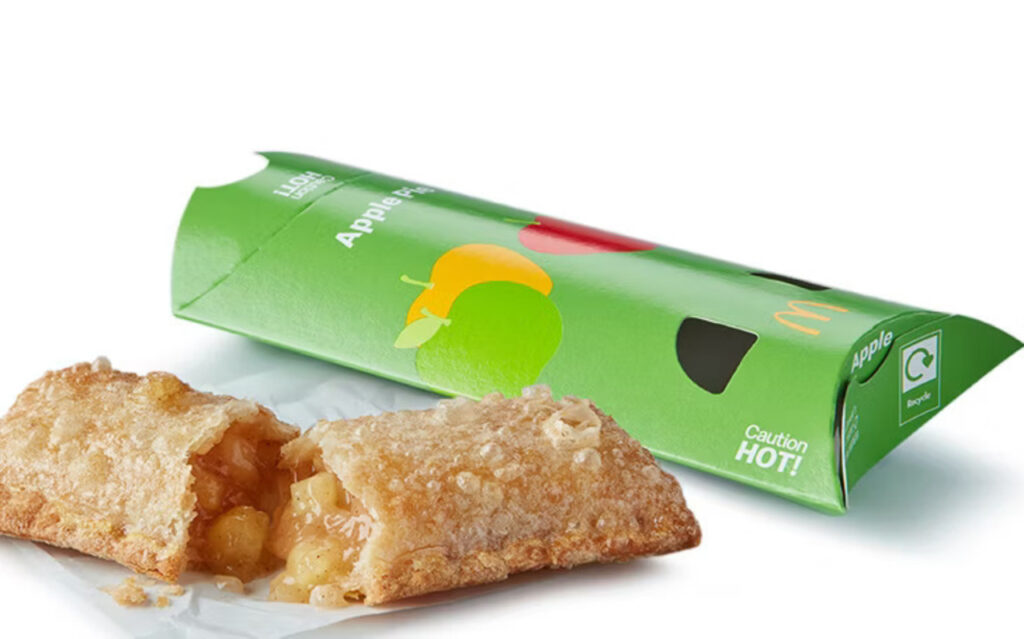
Once perfected, the Cochran apple pie quickly transitioned from a local favorite to a national staple. McDonald’s corporate seized on the positive reception in Tennessee and recognized that the dessert could appeal to customers across the country. By late 1968, the apple pie was rolled out on menus nationwide, becoming the chain’s first dessert offering and a template for future sweet treats. The rollout happened faster than many expected. Demand drove rapid expansion. Early success validated the idea. Momentum built almost immediately. The pie proved that desserts could thrive in a fast-food setting.
The turnover-style pie was designed to be portable and consistent, fitting seamlessly with McDonald’s fast-service philosophy. Customers appreciated the contrast of the hot, tender apple filling with its crisp, golden crust, and many began ordering it as a complement to burgers and fries. This fusion of homey taste and quick, convenient service gave the dessert a unique place in American fast food. It felt indulgent yet accessible. That balance fueled its popularity. It satisfied cravings without slowing service. Efficiency remained intact. The pie became part of the complete meal experience. Its success reinforced the value of comfort foods adapted for speed.
What Made the Original Fried Apple Pie Special
The original McDonald’s apple pie stood apart because of its crispy fried exterior and warm, cinnamon-spiced apple filling. The deep-fried crust created tiny bubbles that gave each bite an unmistakably satisfying crunch, a texture that many fans still cherish decades later. Unlike baked pastries, the fried pie offered a sensory experience rooted in indulgence and nostalgia. Texture played a major role in its appeal. The crunch signaled comfort and familiarity. The crackle became part of the experience. That audible cue heightened anticipation before the first bite. It reinforced the feeling of something freshly made and indulgent.
Inside, the filling combined apples, sugar, and warming spices in a way that resonated with generations of eaters. For many, the dessert evoked memories of childhood kitchens, family dinners, and holidays. This emotional connection helped the pie endure even as the chain evolved, making it not just another menu item but a cultural touchstone for customers who grew up with it. Flavor carried memory. The pie became tied to personal moments. It was more than dessert. It became tradition. Shared experiences strengthened its staying power. Nostalgia gave it meaning beyond taste alone. These associations deepened loyalty over time.
Cultural and Culinary Impact
The McDonald’s fried apple pie did more than satisfy sweet cravings; it became a symbol of comfort and Americana. For millions of Americans, the pie conjured memories of drive-through visits, special treats after school, and shared moments with family. It became part of the broader tapestry of mid-20th century food culture, where regional tastes began influencing mainstream menus. Fast food felt more local because of it. Familiar flavors built trust. Customers felt seen. Their tastes mattered. The pie blurred the line between home cooking and convenience. It helped humanize a rapidly expanding brand.
The dessert’s popularity inspired other flavor variations and paved the way for fast-food chains to experiment with fried sweet treats. International markets adapted the concept further, introducing local twists with different fruit fillings. Though the U.S. version eventually moved away from frying, its legacy lives on in cultural memory and in modern recreations. The idea proved adaptable. Its influence crossed borders. Innovation followed familiarity. Tradition opened doors to change. What began as a single recipe evolved into a global template. Its impact extended far beyond the original menu.
Evolution of the Pie Over Time
In the early 1990s, growing concerns about health and nutrition prompted McDonald’s to shift from frying its pies to baking them. In 1992, the classic fried pie was replaced in most U.S. locations with a baked version that featured a different crust style. While the change was positioned as a healthier alternative, many long-time fans lamented the loss of the crisp, fried texture they had grown up with. The change marked the end of an era. Nostalgia grew stronger after the switch. Debate followed quickly. Fans compared old and new.
Over the years, McDonald’s continued to innovate the pie, introducing variations with sliced apples and expanding the lineup with limited flavors. These adaptations reflect changing tastes and expectations while attempting to preserve familiarity. Despite updates, affection for the original fried version remains strong, fueling fan discussions and home recreations. The original still sets the benchmark. Comparisons always return to it. Memory shapes judgment. Taste is measured against the past.
Behind the Scenes on Recipe Sharing
The Cochran family’s contribution highlights how local knowledge and home cooking can influence global brands. In an industry often dominated by corporate research, the success of the apple pie reflects the value of grassroots ideas. McDonald’s willingness to embrace a family recipe underscores a moment where regional food culture shaped a mass-market product. That openness was rare. It helped humanize the brand. Trust played a role. Corporate listened to experience.
This approach made the menu feel less standardized and more connected to everyday kitchens. It also encouraged franchisee creativity, showing that innovation could come from within the system. The exchange between local insight and corporate execution created lasting impact. Collaboration drove success. The model proved effective. It set a precedent. Future ideas followed this path.
Legacy and Modern Appreciation
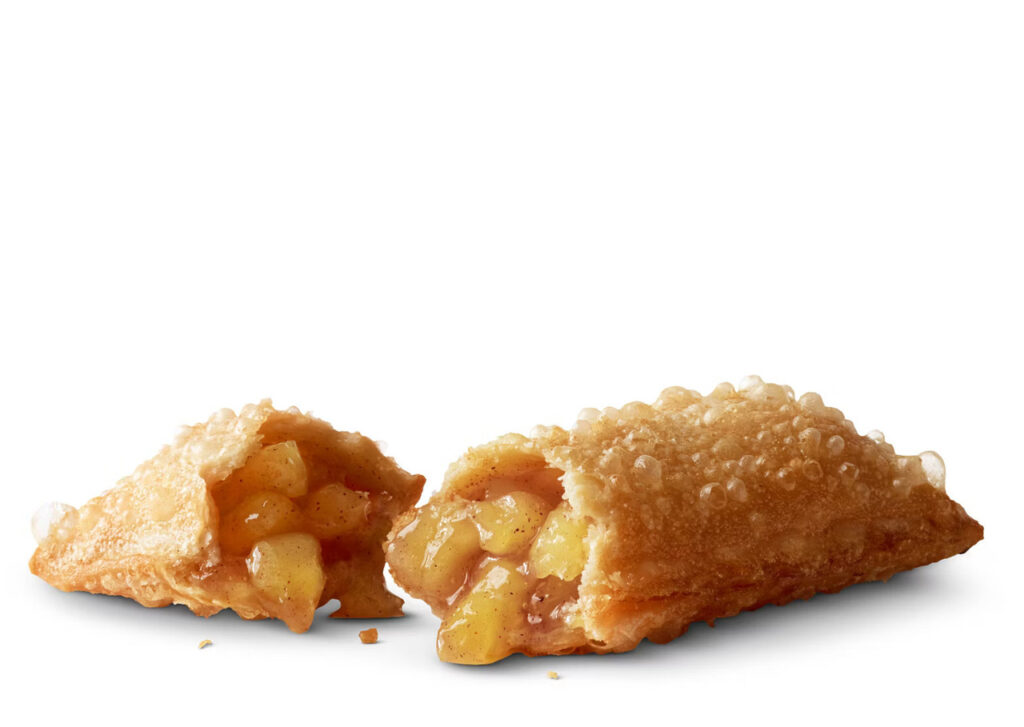
Decades after its introduction, the McDonald’s apple pie endures as a beloved piece of fast-food history. Even though the original fried version is no longer common, its memory lives on among fans who remember its crunch and warmth. Some locations and international markets still offer fried versions, keeping the tradition alive. Demand has never fully disappeared. Nostalgia sustains interest. Fans continue to ask for its return. The longing remains visible.
New generations encounter the pie in its baked form, often unaware of its Southern roots. Meanwhile, longtime fans continue to celebrate the original through stories, recreations, and limited returns. The apple pie’s journey from a family kitchen to a global icon underscores the lasting power of simple comfort food. Its story outlived its original form. The legacy remains intact. Few menu items achieve this. The pie earned its place.
References
- Recipe for: Fried Apple Pies- Wisdom Library.org
- Small Fried App- Kellies Kitchen.org
- Poetry and Fried Apple Pies- University of Pittsburgh Press.org