7 Sneaky Quality Control Tricks That Keep Your Packaged Food From Going Bad

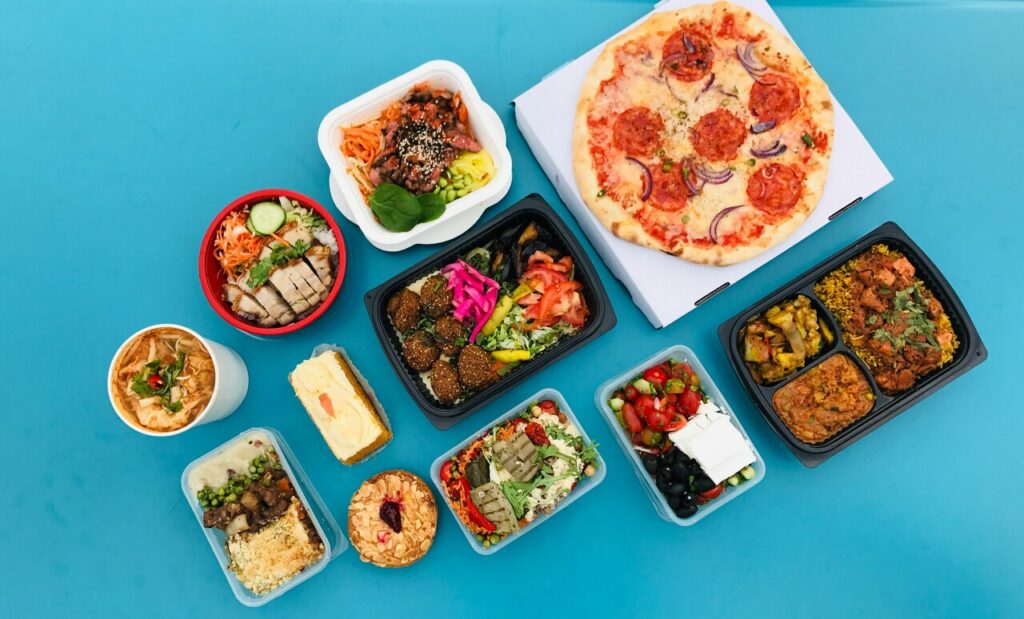
Packaged foods last longer for reasons that rarely show on the label. Behind the scenes, freshness is protected by quiet quality control moves that manage oxygen, moisture, temperature, and time. Some tactics start before buying, like planning portions to avoid half-used packs lingering in the fridge. Others are built into the package itself, such as tight seals, barrier films, vacuuming out air, or swapping oxygen for nitrogen and carbon dioxide. Add smart refrigeration, dry produce storage, ethylene separation, and early freezing, and spoilage slows dramatically without relying on heavy additives.
1. Meal Planning To Prevent Overbuying
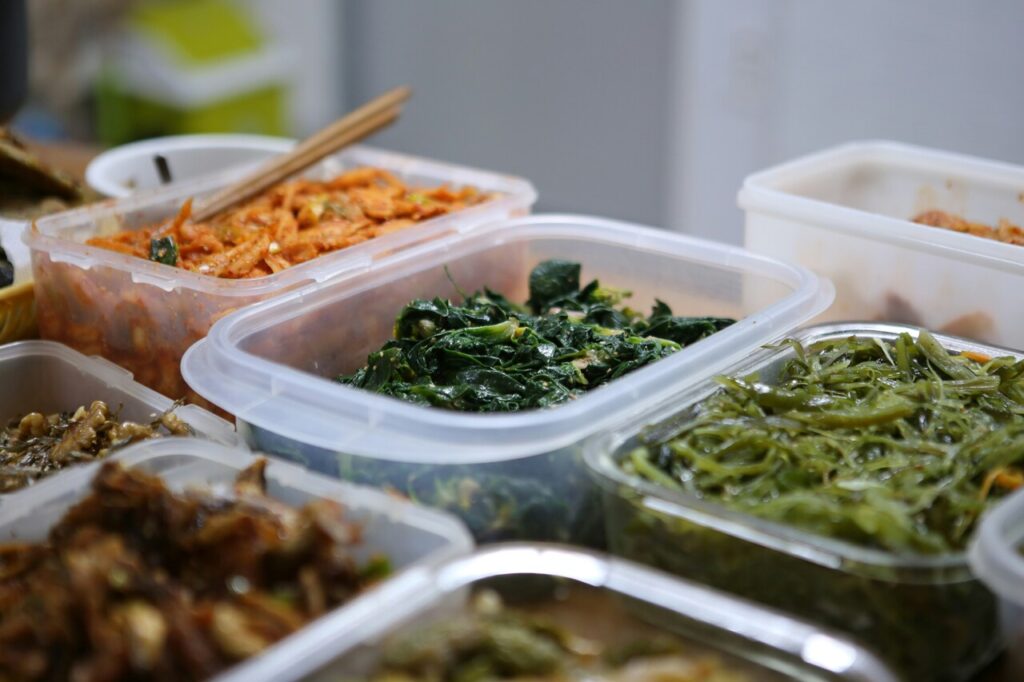
A shorter shopping list is one of the most effective “quality control” moves, because spoilage often starts with excess. Planning meals for the week reduces the odds of buying duplicates, impulse add-ons, or ingredients that sound useful but never get cooked. This matters because many packaged foods are opened and then forgotten, and once a seal is broken, exposure to oxygen and moisture increases the speed of quality loss. Planning also improves timing. Items with the shortest usable life get scheduled earlier, while longer-life staples are saved for later meals. Another advantage is portion accuracy.
2. Smart Fridge Temperature Control
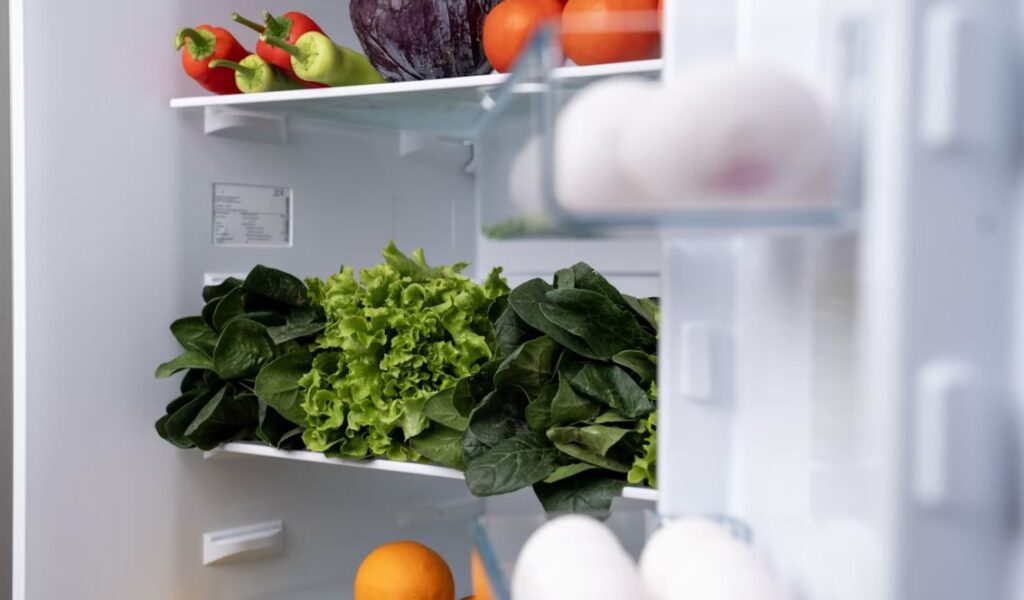
The refrigerator is a slow-motion preservative, but only when the temperature is stable and cold enough. Microbes that spoil food multiply much faster as the temperature rises, and even brief warm-ups during frequent door openings can accelerate that growth. Proper quality control means keeping the fridge consistently cold, avoiding overloaded shelves that block airflow, and cooling cooked foods properly before long storage. Placement matters too. Door shelves experience the biggest swings, so milk, eggs, and other sensitive items last longer on inner shelves where temperatures stay much steadier.
3. Delaying Produce Washing Until Use
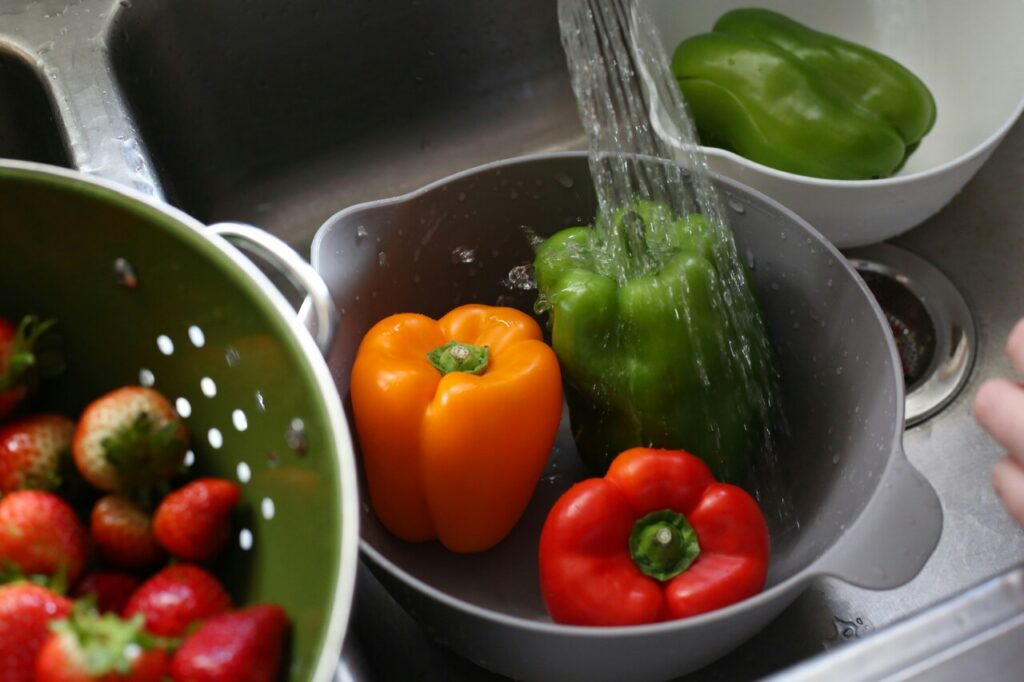
Moisture is a major spoiler, and washing produce too early can accidentally create ideal conditions for mold. When fruits and vegetables are rinsed and then stored, tiny water droplets cling to surfaces and collect in crevices. That extra dampness speeds microbial growth, especially in packaged greens, berries, and herbs. Even when the produce looks dry, residual moisture can raise humidity inside a container or bag, turning it into a mini greenhouse for spoilage. Dry handling also protects texture. Many items soften faster when wet, and bruised spots break down sooner because microbes enter more easily.
4. Separating Ethylene Producers From Sensitive Produce
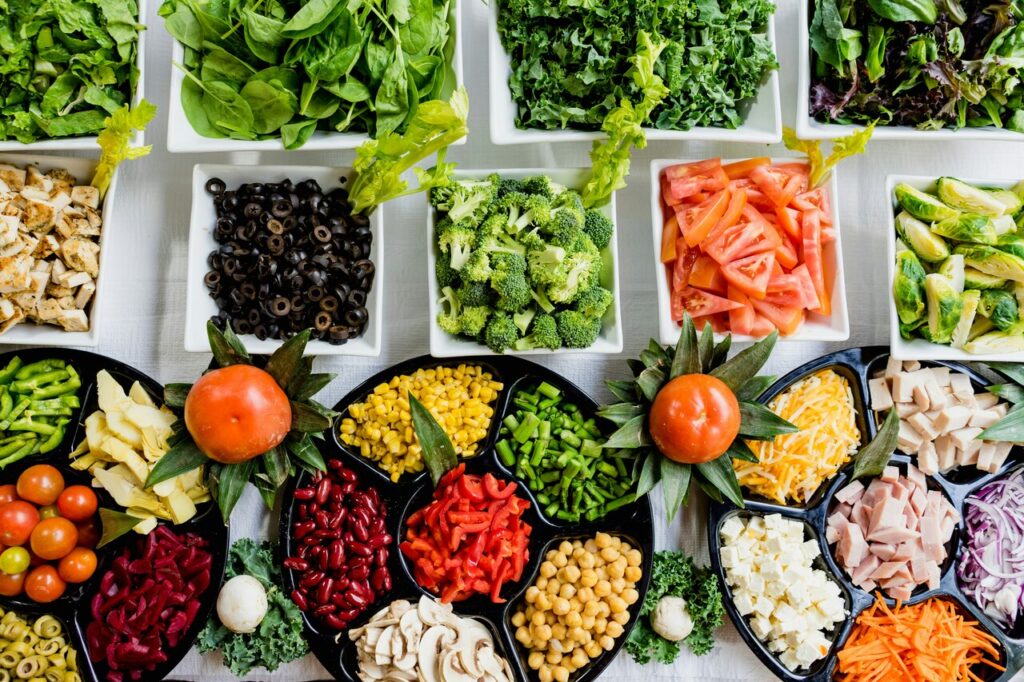
Some fruits release ethylene gas, a natural plant hormone that speeds ripening. That is helpful when ripening bananas or avocados, but it can be rough on nearby produce that is sensitive to ethylene. When ethylene builds up in a bowl, drawer, or bag, it can push certain vegetables and fruits to soften, yellow, or spoil faster than expected. Effective quality control means storing ethylene producers away from items that should stay crisp, and using ripening as a controlled step instead of an accidental one. This strategy keeps texture and flavor in a better zone for longer. Ethylene cannot be seen, but its effects show up as sudden softness and faster decay.
5. Keeping Food In The Original Packaging
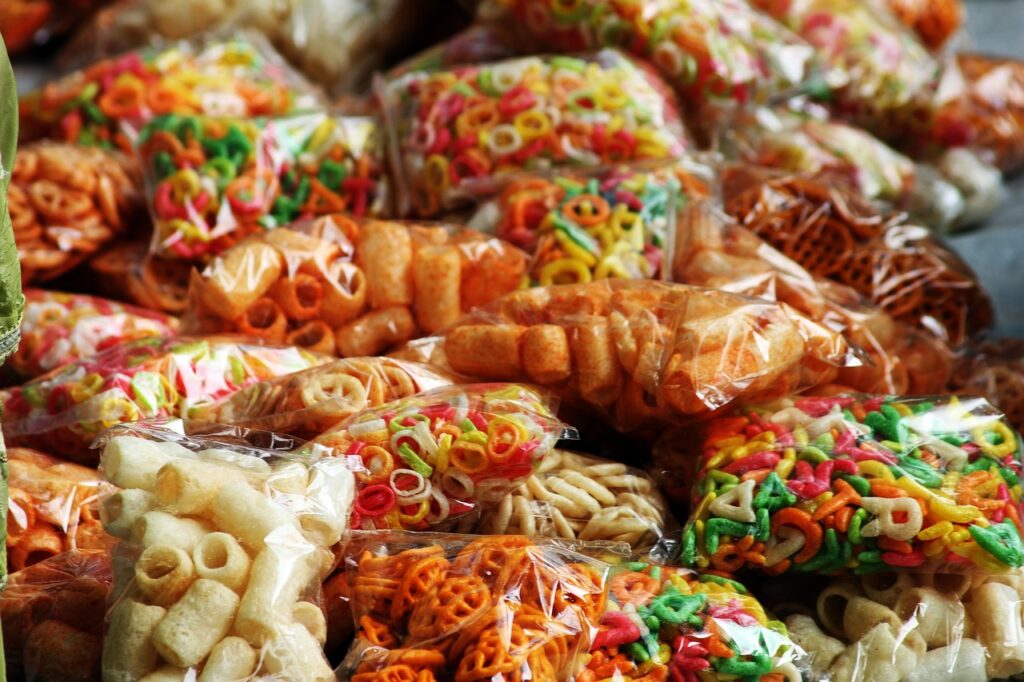
A lot of original packaging is designed to manage airflow, humidity, and protection during transport and display. For packaged foods, the original wrap is usually chosen for barrier performance, meaning how well it blocks oxygen, moisture, and light. Moving food into a random container or loosely rewrapping can undo that engineering and shorten freshness. Some packaging is also designed for food safety and traceability, with dates and handling guidance that get lost when items are repacked. This does not mean every original package is perfect, but it often matches the product’s needs better than a one-size-fits-all swap.
6. Freezing Early With Airtight Protection
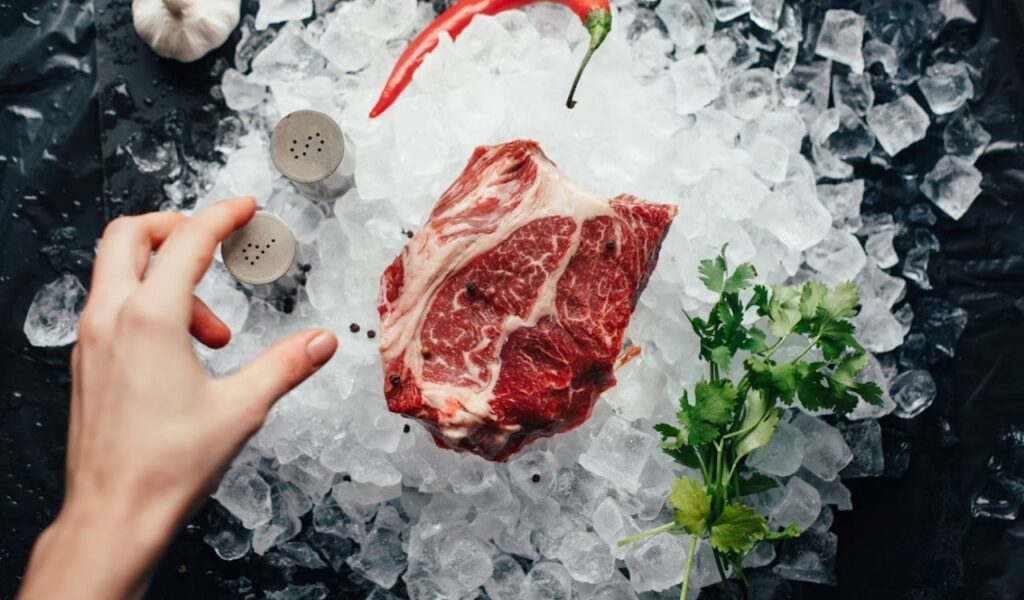
Freezing works because cold dramatically slows microbial growth and chemical reactions that degrade food, but timing decides the outcome. Freezing an item when it is still fresh locks in better texture and flavor than freezing it after it has already begun to dull. Airtight packaging is equally critical. Labeling also matters because forgotten items age in the freezer, and long storage can still lead to flavor loss. Freezing is not a magic pause button. It is a preservation method that works best with quick action, strong seals, and sensible portioning that prevents waste when it is time to use the food.
7. Oxygen Control Packaging Methods
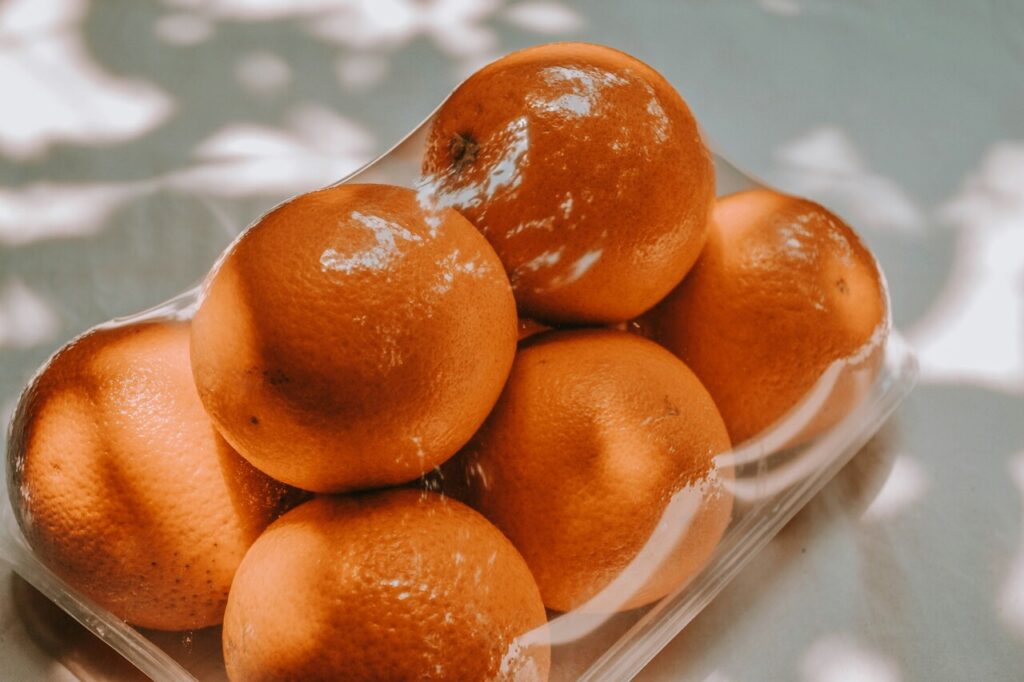
Oxygen is a major driver of spoilage because it fuels oxidation and supports many molds and aerobic microbes. Packaging tricks that manage oxygen can extend freshness without relying on chemical preservatives. Vacuum packaging removes much of the air from the package, limiting oxygen-driven reactions and slowing microbial growth for many foods. Modified Atmosphere Packaging goes a step further by replacing oxygen with a controlled mix of gases, commonly nitrogen and carbon dioxide, chosen to slow spoilage and protect texture. Strong seals matter because even a great gas mix fails if oxygen leaks in.