10 Bakery Items That Turn Sad and Stale the Moment They Hit the Shelf

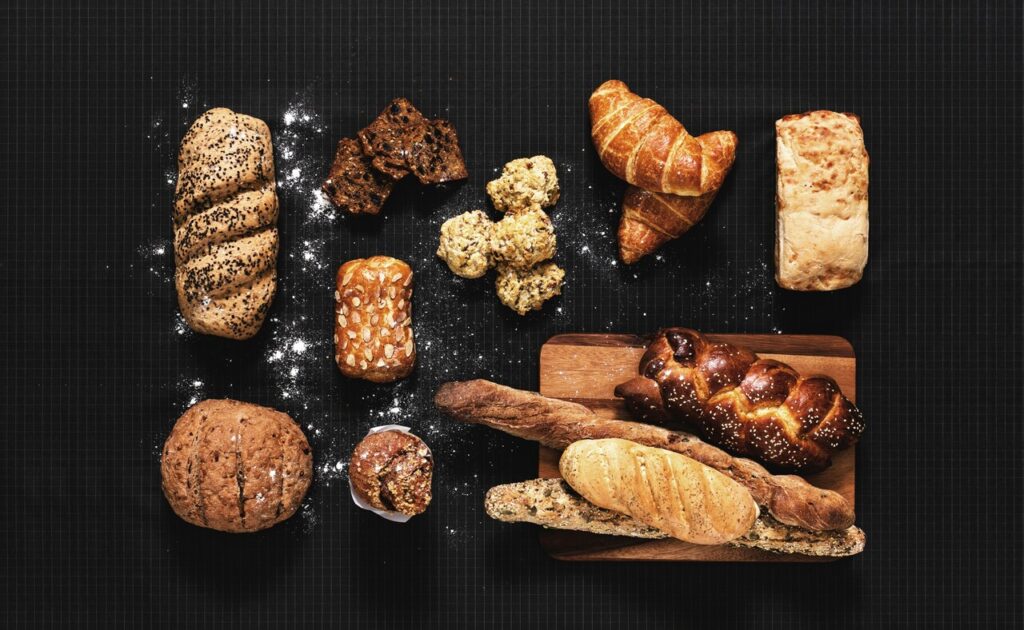
Fresh baked comfort has a short fuse on grocery shelves. Many bakery staples start losing their best texture the moment they cool: starches firm, moisture shifts, and airy crumbs tighten into something dull and stubborn. This guide breaks down the worst offenders, from bagels and donuts to croissants, buns, tortillas, muffins, and scones. It also explains why display heat, airflow, repeated handling, and packaging gaps speed up staling, so “just baked” turns tired faster than expected. Expect clear reasons, practical context, and the real mechanics behind it.
1. Bagels
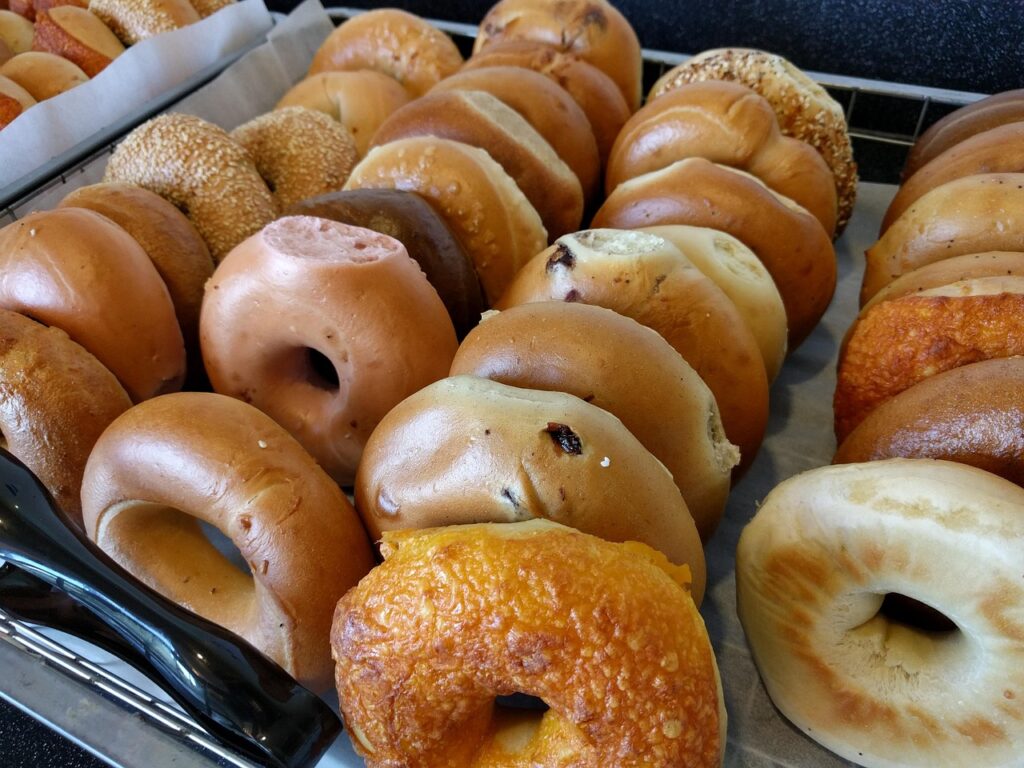
Bagels are at their best when the crust has a slight snap, and the center stays dense and elastic. That texture can disappear quickly in grocery-store versions because staling starts right after baking. The crumb firms as starches naturally reorganize, which makes the interior feel tough even when the bagel has not fully dried out. Production shortcuts can worsen the drop-off. Lower-moisture formulas and faster processes often mean a bagel is already trending toward firm by the time it reaches the shelf. Once the bag is opened or the bagel is sliced, moisture escapes faster, and the cut surfaces stale first.
2. Donuts
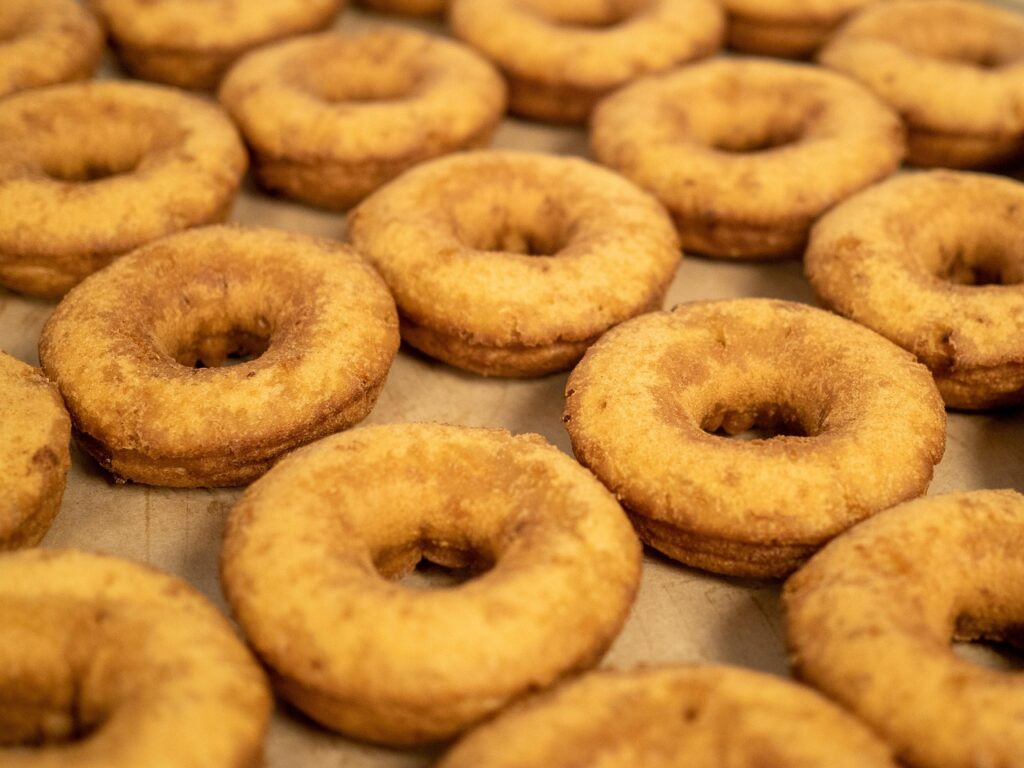
Donuts have a narrow window where the crumb stays tender, and the surface feels fresh. After cooling, the structure begins to firm as starch changes set in, and the exterior starts losing moisture. Fried donuts are especially sensitive because the crust can turn from lightly crisp to leathery, while glazed donuts can become sticky, dull, and uneven as the glaze absorbs moisture and then dries. Grocery-store handling speeds this up. Time in packaging and time under display conditions, including mild heat and airflow, can pull moisture from the surface and flatten aroma. Fillings can hide staleness for a short while, but the dough itself still tightens and grows dense.
3. Packaged Sliced Sandwich Bread
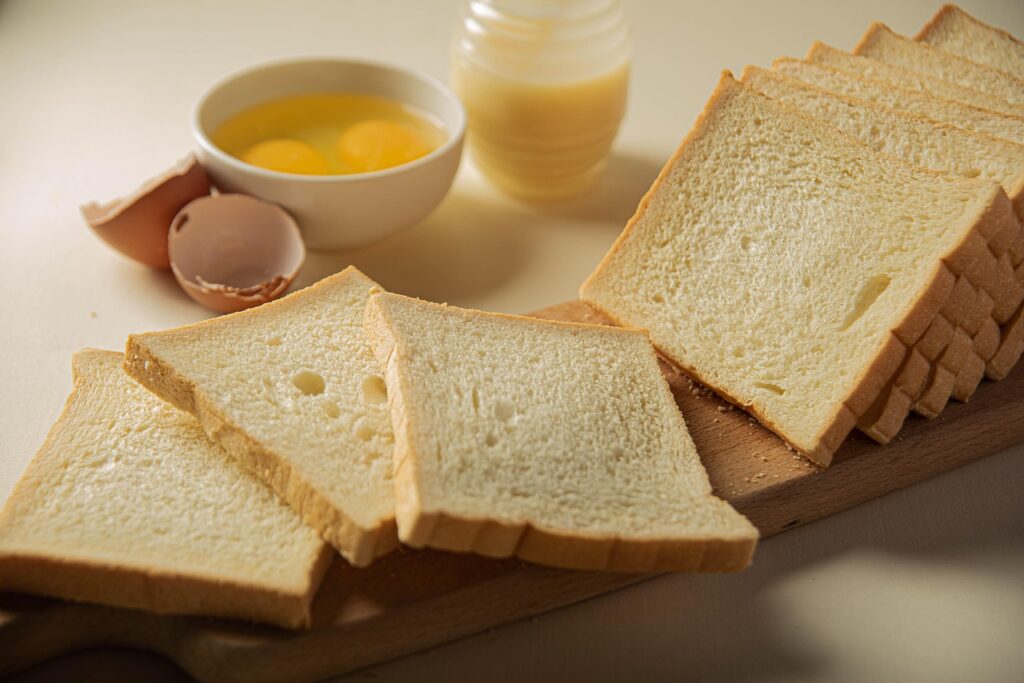
Sliced sandwich bread can look stable while staling quietly. The crumb softens when fresh because moisture is evenly held, but staling changes the internal starch structure and makes slices feel firm even before they seem dry. Once the bag is opened, moisture loss begins at the edges and on the exposed cut faces, so the first and last slices often turn stale fastest. Formulation matters too. When bread is made with fewer shelf-life supports, softness can drop sooner, and the crumb can shift from flexible to oddly rigid. Slices bend less, corners can crack, and the flavor becomes muted and flat compared to day one.
4. Sliced Artisanal Bread
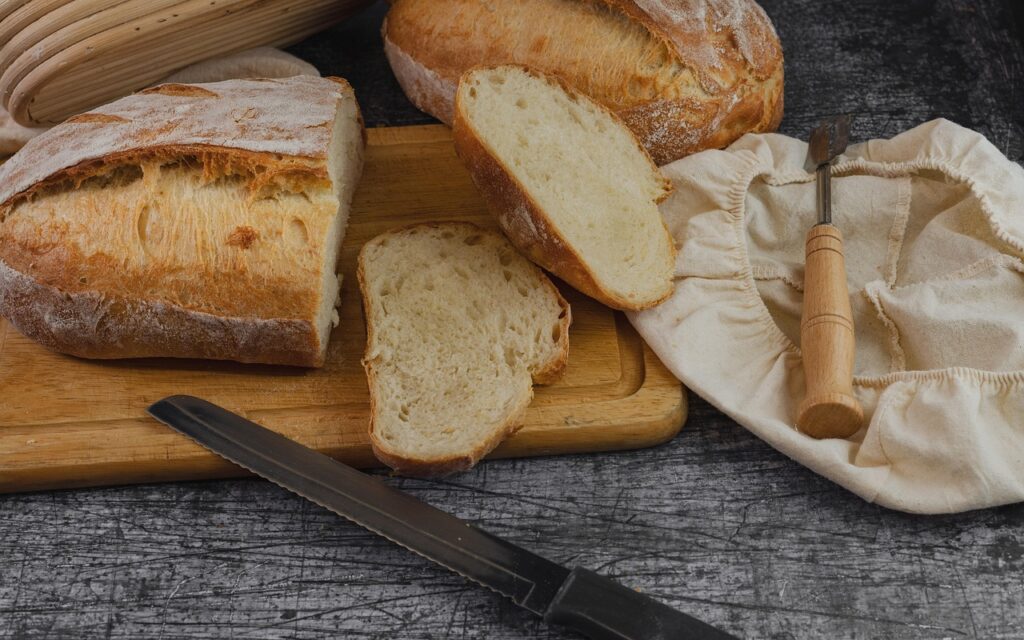
Sliced artisanal loaves have great day-one character, but short shelf life is part of the tradeoff. With fewer preservatives, quality depends heavily on natural moisture, crust structure, and acidity, and those defenses weaken quickly after slicing. The exposed crumb loses moisture fast, and the crust can become aggressively hard when left in dry air. At the same time, the interior firms are like bread rests, so yesterday’s airy chew can turn rubbery or tight. Store conditions often make it worse. Open bins, frequent door traffic, and airflow dry bread out more quickly than controlled storage.
5. Croissants
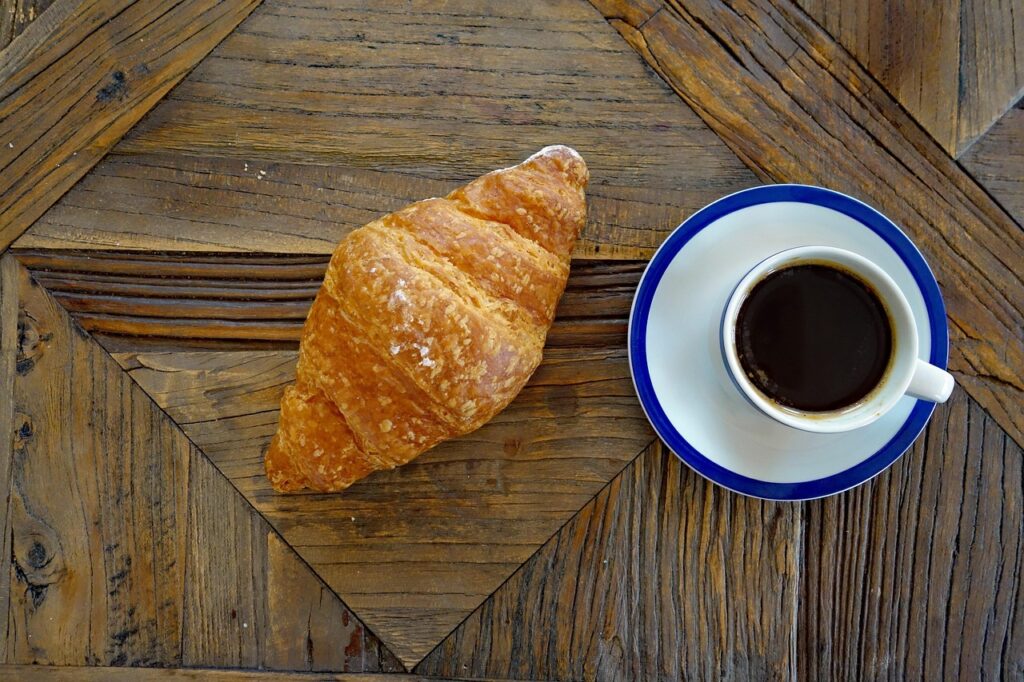
Croissants are built on delicate laminated layers, and that delicacy fades quickly. Fresh croissants work because the shell stays crisp while the interior remains light and honeycombed. After cooling, moisture migrates from the center to the crust, softening the shell and erasing the crisp snap. Then the interior tightens as starches settle, and the pastry loses the airy lift that makes it feel special. The buttery aroma drops off as the pastry sits, and the layers lose definition as fats re-solidify and the crumb structure firms. Grocery croissants are often baked earlier and displayed, so peak texture may already be gone at purchase.
6. Hot Dog Buns and Hamburger Buns
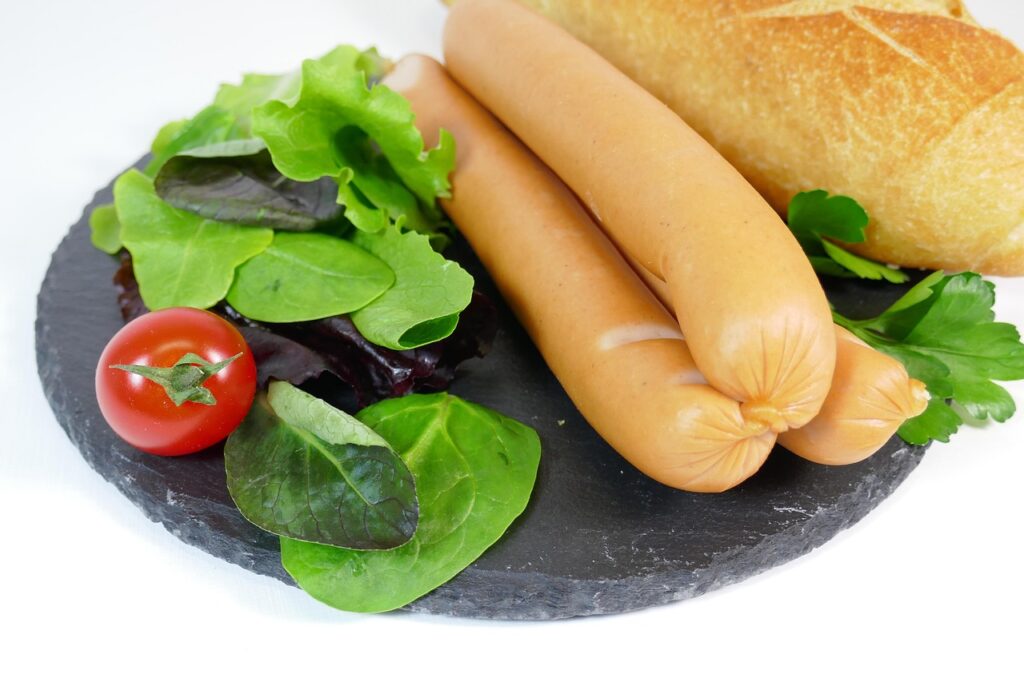
Buns are meant to be soft, springy, and neutral, which makes staling easy to notice. Once the bag is opened, moisture escapes and the crumb firms, especially around the cut surfaces and edges. Many buns also have a high proportion of exposed interior area because they are split or easy to tear, which accelerates dryness. Formulation can speed the decline. When buns are made lighter or less rich, there is less fat and moisture to buffer the crumb against firming. Storage temperature also influences texture. Cooler conditions can increase the sense of staleness even when the bun is not fully dry, while warm, airy kitchens encourage moisture loss.
7. Flour Tortillas
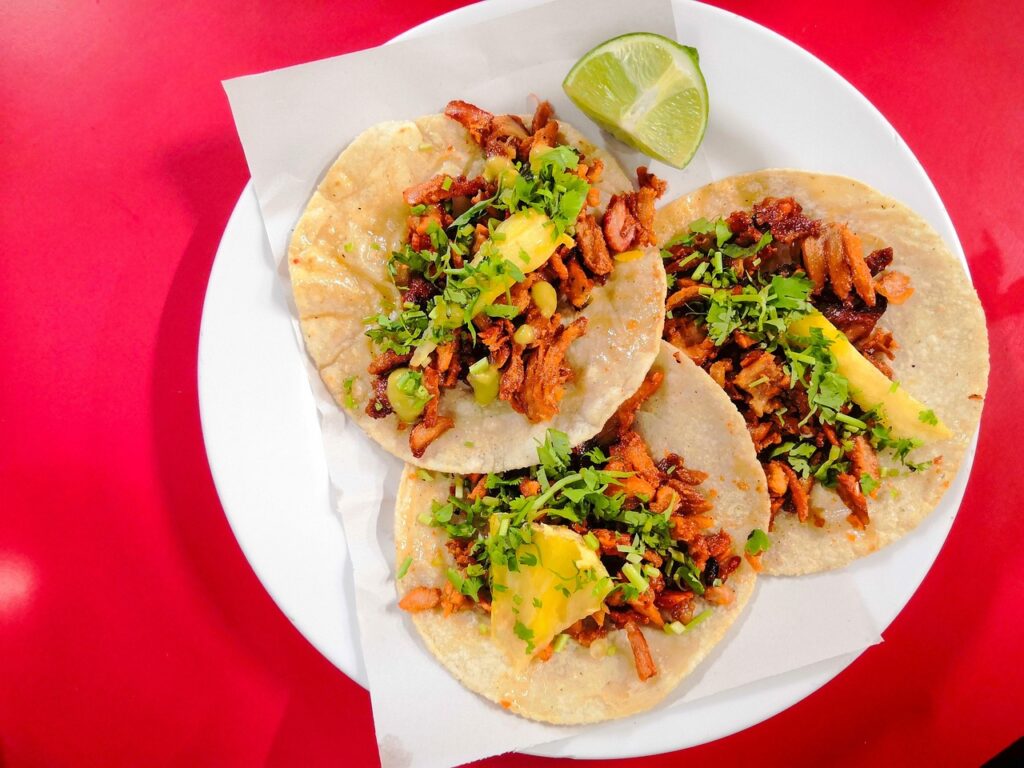
Flour tortillas depend on moisture and fat to stay flexible, so shelf staling shows up as stiffness and cracking. Once opened, the stack begins losing moisture at the edges first, then across the surface. As moisture drops, the tortilla structure firms and stops bending smoothly, which leads to splitting during rolling or folding. A loosely sealed bag or repeated opening and closing accelerates moisture loss and makes the tortillas feel rigid sooner. Over time, flavor also flattens, and the texture becomes chalkier, making even gentle warming feel like a temporary fix rather than a true return to fresh.
8. English Muffins
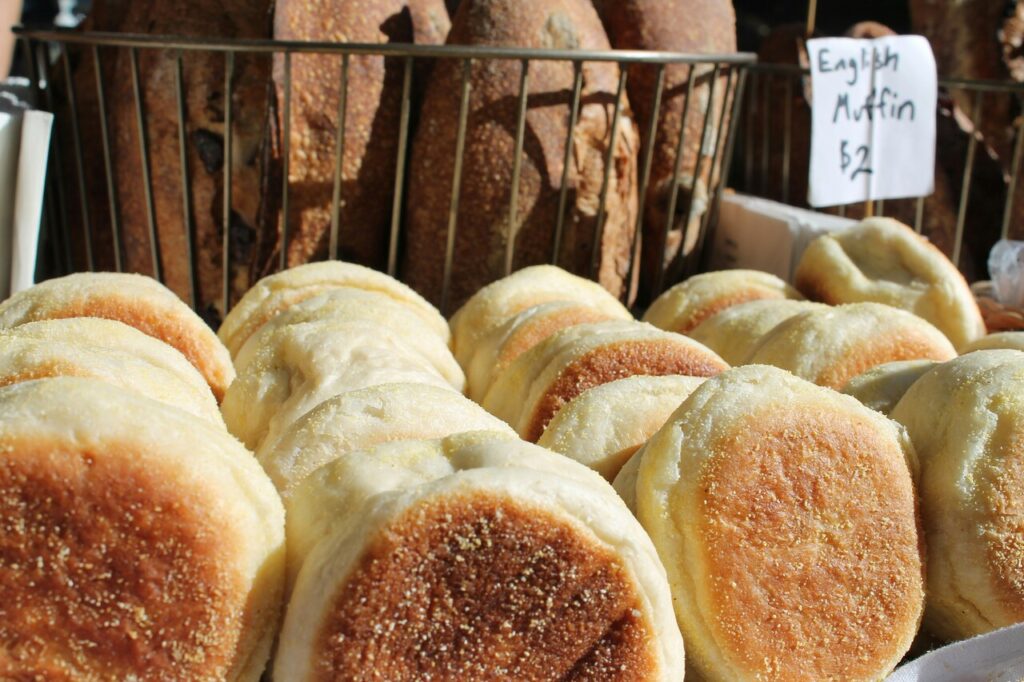
English muffins stale quickly because their signature interior has a high surface area. The “nooks and crannies” lose moisture fast once the package is opened, and the crumb firms as starch changes continue after baking. Fresh muffins split cleanly and feel slightly elastic inside. As they stale, the split surfaces look dull and powdery, and the crumb feels dry and less resilient. Many English muffins are toasted by default, which can mask staleness by adding crispness and warmth, but it cannot restore the original soft, wheaty aroma. The most common sign is a muffin that seems fine until it cools after toasting, when the interior quickly feels firm and hollow rather than tender.
9. Muffins
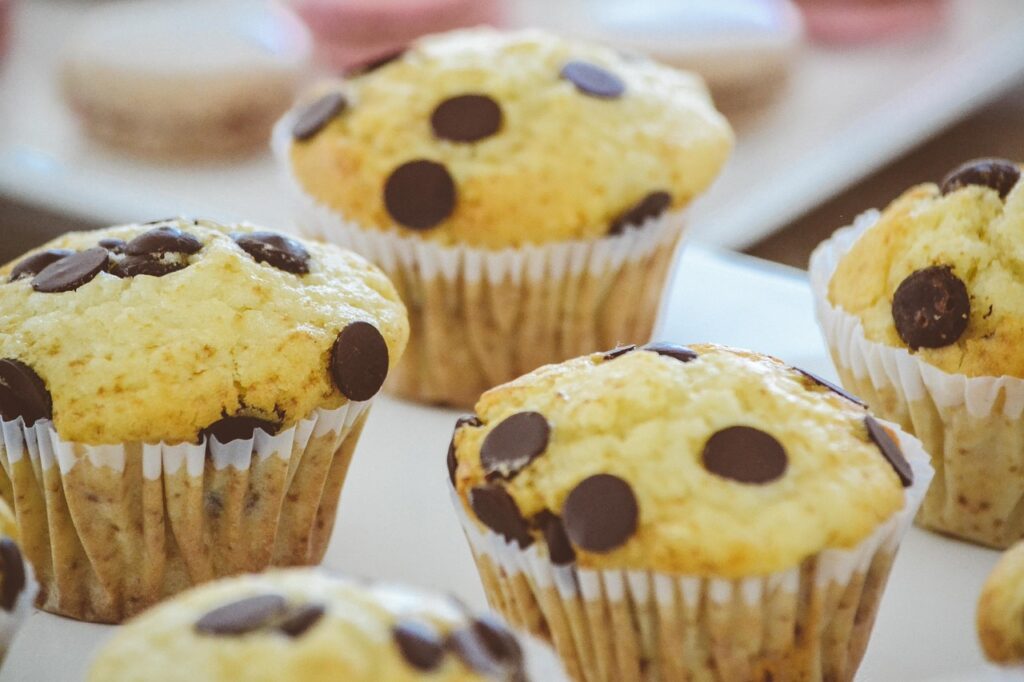
Muffins can go from bakery-soft to crumbly faster than expected, especially in grocery packs. Staling tightens the crumb, and moisture loss dries the outer edge, creating a contrast between a dull surface and a dense interior. Large muffins are prone to this because the thick crumb can become heavy as it sits, losing the lightness associated with fresh baking. Production choices matter as well. Formulas designed for uniform domes and volume can sacrifice long-lasting tenderness, so the day-one texture fades quickly. Display and storage conditions contribute too, since mild warmth and airflow can dry the top and sides.
11. Scones and Biscuits
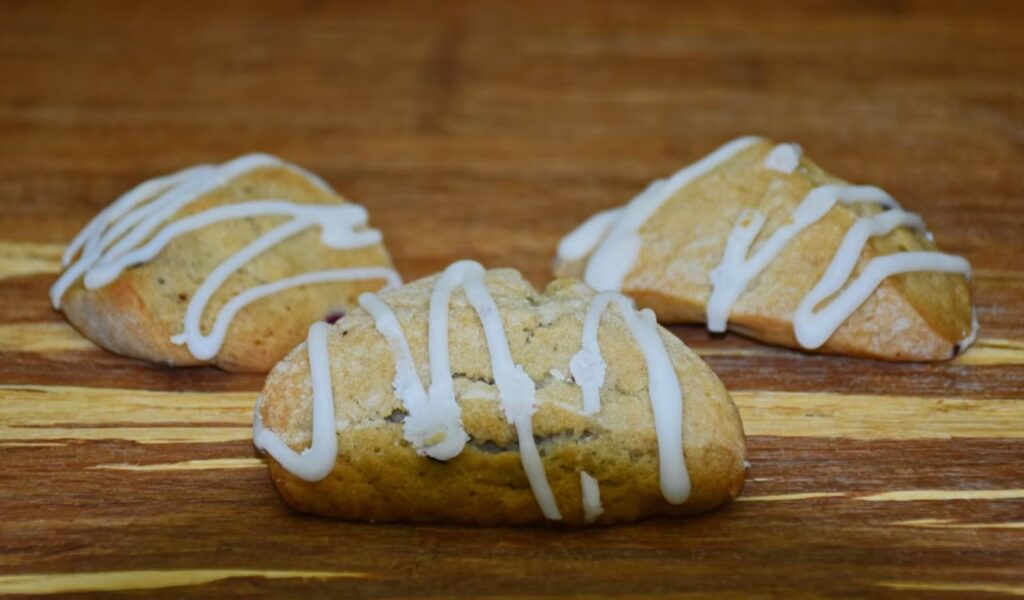
Scones and biscuits peak quickly because their ideal texture is brief by design. Fresh versions balance crisp edges with tender centers, but as they sit, moisture redistributes and the crumb firms. These items also lack the syrupy moisture of many cakes, so there is less buffer against drying and structural tightening. The fat structure continues to set after baking, which can make the interior feel drier and more rigid by the next day. Grocery versions face an extra uncertainty: time on display is not always obvious, and even a small delay can push them past their narrow best window. Warming can soften the bite, but it mainly reduces hardness rather than restoring the original delicate crumb.