10 Hot Dog Places That Absolutely Destroy the Competition

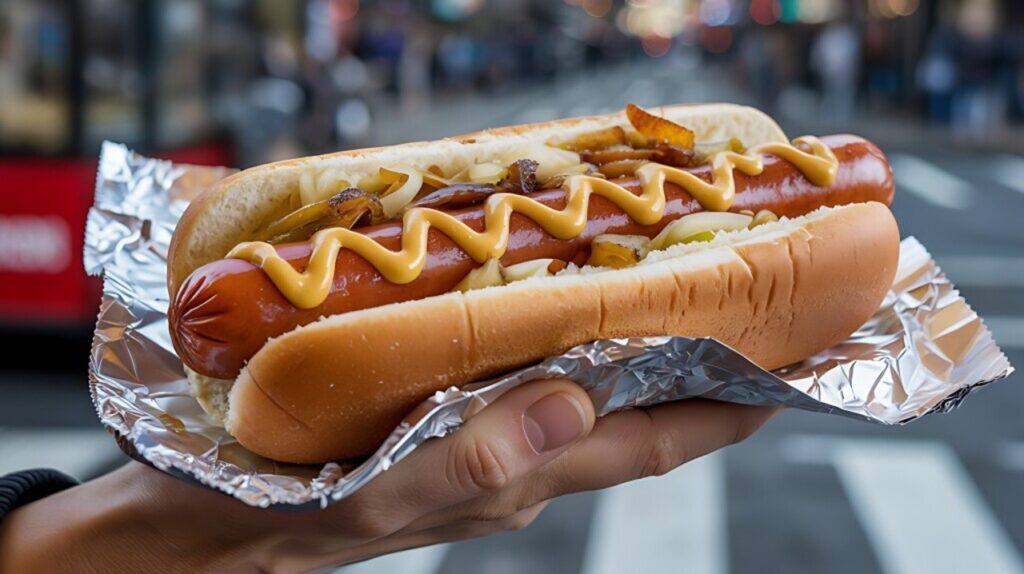
A truly great hot dog does not happen by accident. It is the result of careful choices that most people never notice, from how the sausage is seasoned and cased to how it is cooked and served. Across the country, a handful of hot dog spots have mastered these details so completely that the difference is obvious from the first bite. These places do not rely on gimmicks or nostalgia alone. They win because they understand balance, texture, timing, and restraint. What they serve feels simple, yet nothing about it is casual. This is where the hot dog stops being ordinary and starts standing above the rest.
1. Nathan’s Famous
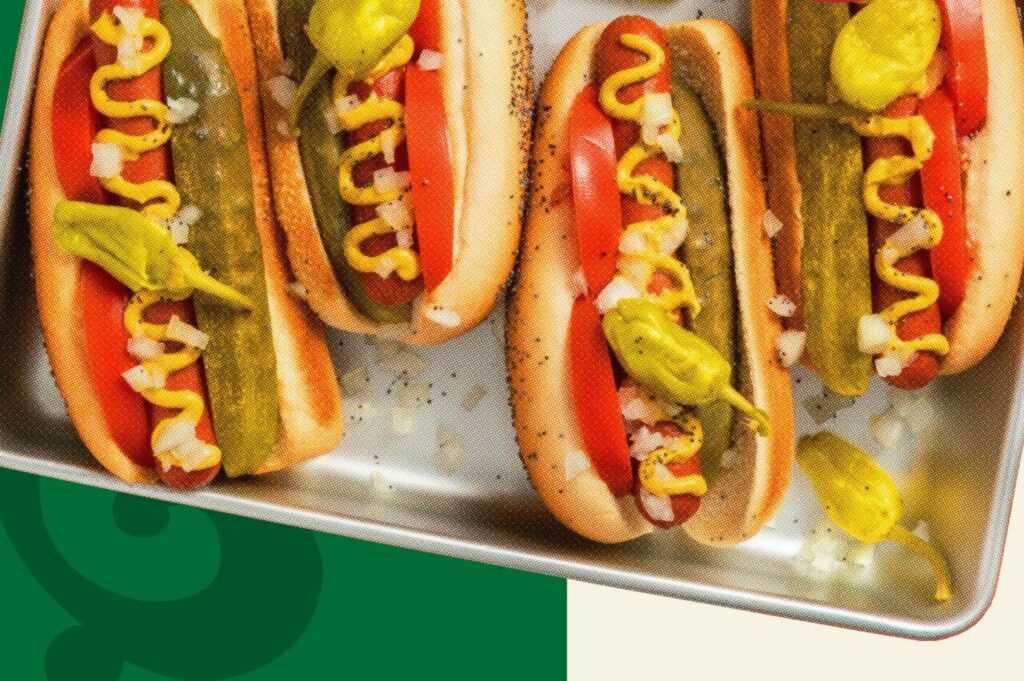
Some places win by changing everything, but Nathan’s Famous dominates by never losing focus on fundamentals. The hot dogs are made with a clear beef-forward profile, balanced seasoning, and a natural casing that delivers a reliable snap. Cooking methods are consistent, whether grilled or steamed, which keeps the interior juicy without softening the bite. The bun is intentionally plain and soft, designed to support rather than distract. Toppings follow a restrained formula that enhances salt, acidity, and texture instead of burying the sausage. What separates Nathan’s is repeatability. The experience tastes the same visit after visit, decade after decade. That consistency builds trust.
2. Portillo’s
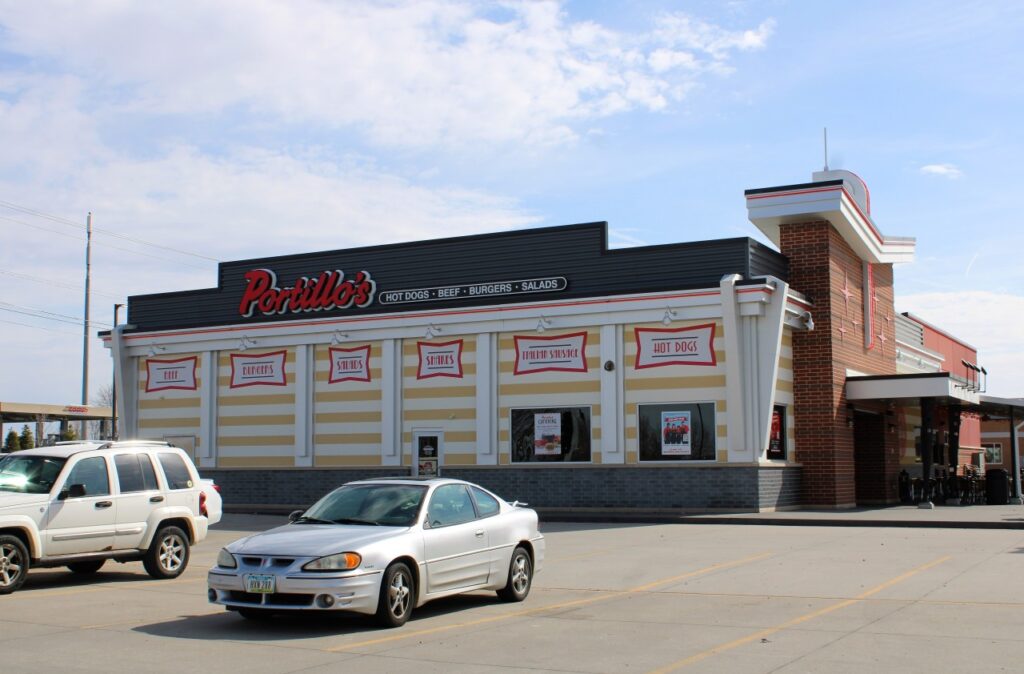
Portillo’s succeeds because it treats the Chicago-style hot dog as a system, not a novelty. Each component has a defined role. The beef dog is seasoned firmly but not aggressively. The natural casing holds up under heat and pressure from toppings. The bun is steamed just enough to soften without collapsing. Toppings are layered in a precise order to manage moisture, crunch, and acidity. Even at high volume, execution remains controlled. That discipline prevents sogginess and flavor overload. Portillo’s also maintains strict quality control across locations, which is difficult at scale. The result is a hot dog that tastes intentional rather than assembled.
3. Gray’s Papaya
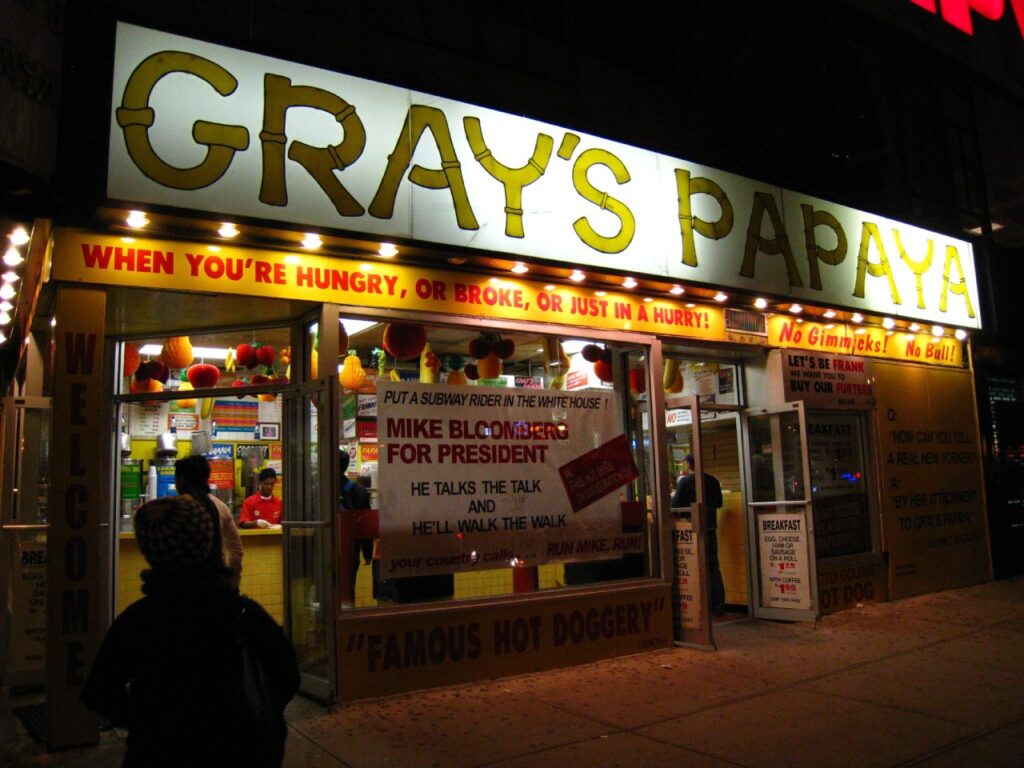
Gray’s Papaya thrives on clarity. There are no elaborate builds or trendy additions. The hot dog itself carries the experience. The sausage is aggressively savory, moderately salty, and cooked to emphasize snap. The bun is neutral and lightly warmed, serving as a delivery system rather than a feature. Speed plays a role here. Fast service means dogs are served hot and fresh, preserving texture. The pairing with sweet tropical drinks is intentional, offering contrast that cuts salt and fat. Gray’s Papaya dominates by understanding that simplicity works when ingredients are dialed in. Many places complicate hot dogs to hide weaknesses. Gray’s removes distractions and lets execution speak.
4. Pink’s Hot Dogs
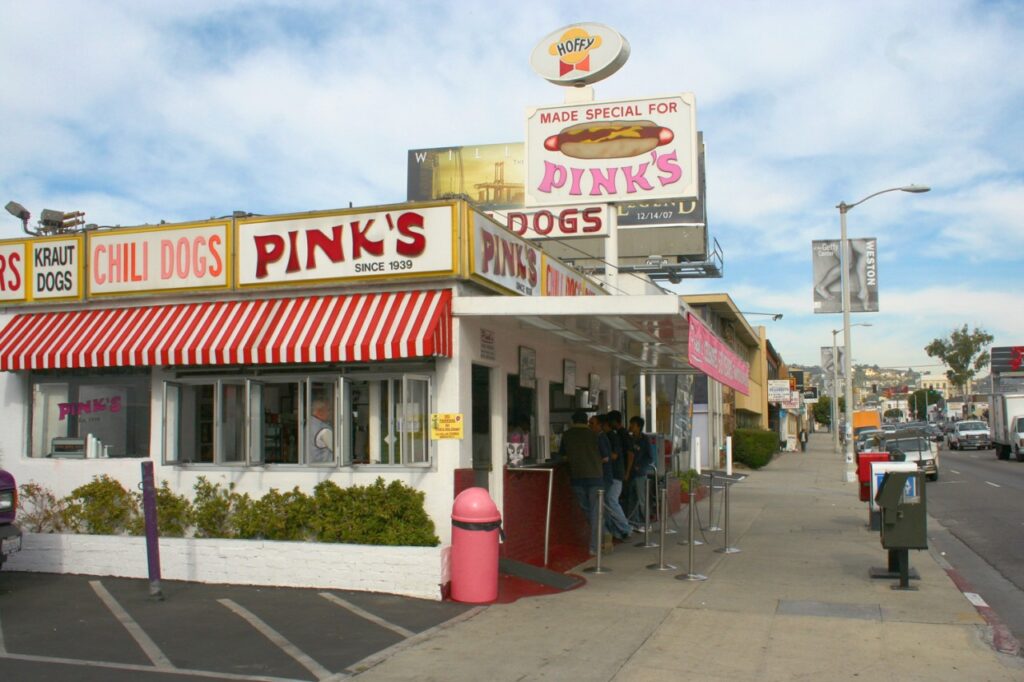
Pink’s earns its reputation by building indulgence on a stable foundation. The base hot dog is strong enough to support heavy toppings without losing its identity. The casing resists splitting, and the beef flavor remains present even under layers of chili, cheese, or onions. That structural integrity is not accidental. Cooking temperature, bun choice, and sausage density are calibrated for load-bearing performance. While the menu leans toward excess, the core product never disappears. Many competitors offer spectacle but sacrifice bite quality. Pink’s avoids that trap. It proves that over-the-top can still be controlled when the fundamentals are respected.
5. Shake Shack
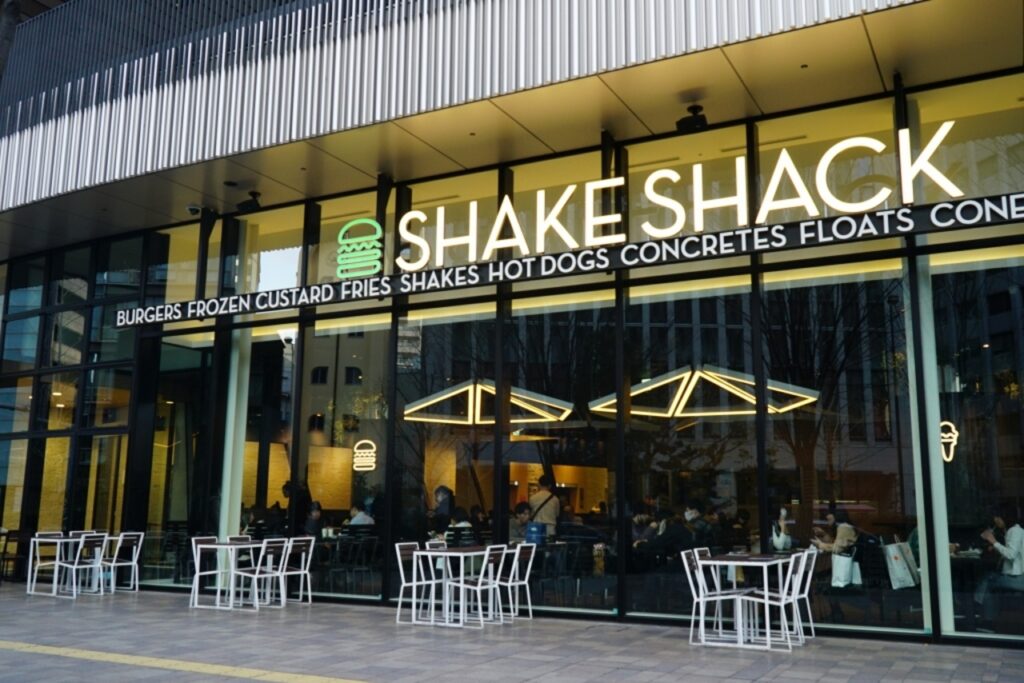
Shake Shack approaches hot dogs with the same restraint it applies to burgers. The sausage is clean-tasting, finely ground, and evenly seasoned. There is no greasy aftertaste or filler-heavy texture. Cooking is precise, which keeps moisture inside while preserving firmness. The bun is lightly toasted, adding structure without hardness. Toppings are minimal and purposeful. Nothing competes for attention. Shake Shack’s strength lies in consistency and ingredient sourcing. It modernizes the hot dog without altering its identity. The result feels polished rather than experimental, which allows it to outperform flashier competitors quietly.
6. Ted’s Hot Dogs
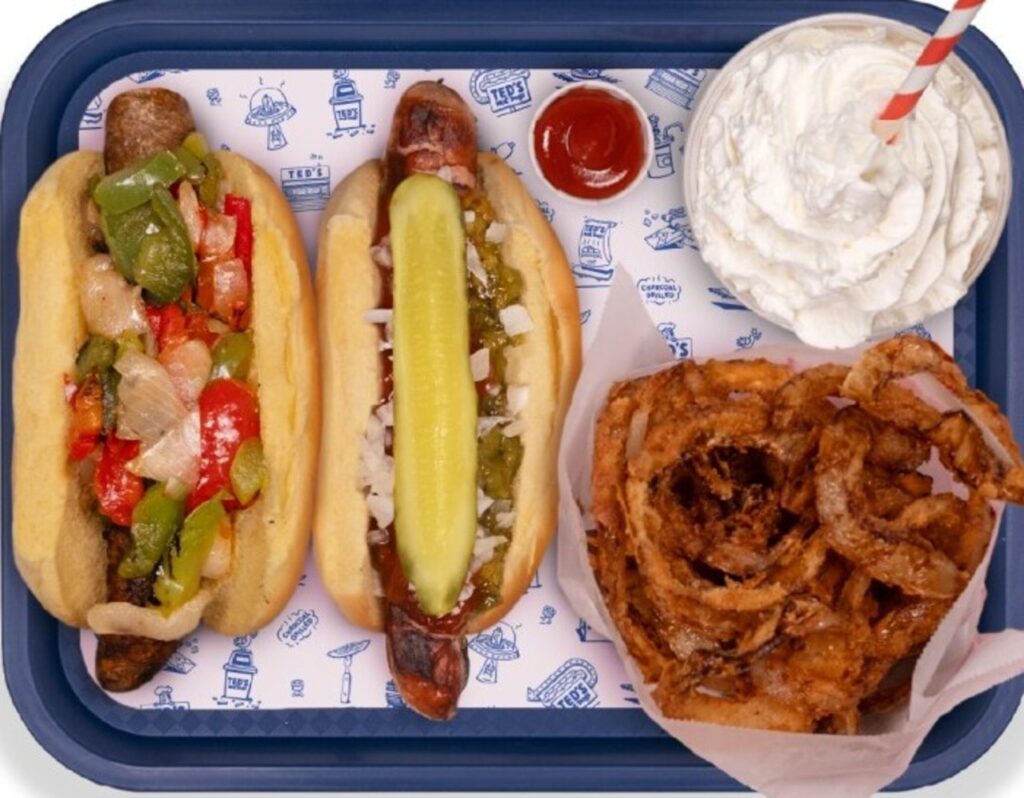
Ted’s Hot Dogs stands apart because of its charcoal grilling. That cooking method adds smoke and surface char without drying the interior. The casing tightens under direct heat, improving snap, while rendered fat carries flavor. Ted’s keeps toppings traditional, which allows the grilled character to remain dominant. The dogs feel fuller and more robust than flat-top or steamed versions. Cooking skill matters here. Timing and distance from flame determine success. Ted’s has refined this over decades. Many places claim grilling, but few manage heat this carefully. That attention elevates a simple product into something distinctive.
7. Hot Doug’s
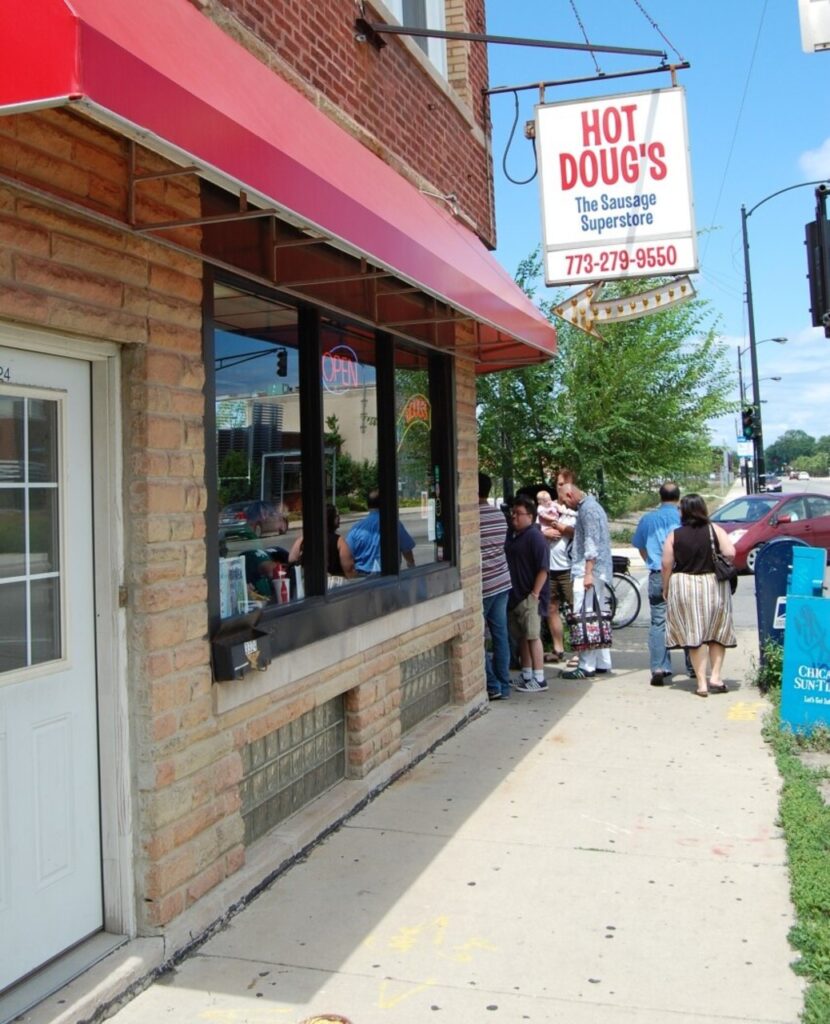
Hot Doug’s reshaped expectations by treating hot dogs as a serious craft. Sausages were often house-made, with precise ratios of fat, spice, and texture. Unusual ingredients were used with balance rather than shock value. Cooking was exact, ensuring proper snap and juiciness. Even complex builds remained cohesive. The menu changed, but standards did not. Hot Doug’s dominated because it respected technique. It showed that creativity only works when execution is flawless. Its influence remains visible across modern hot dog shops that value restraint as much as invention. It proved that a hot dog could be playful without ever feeling careless.
8. Papaya King
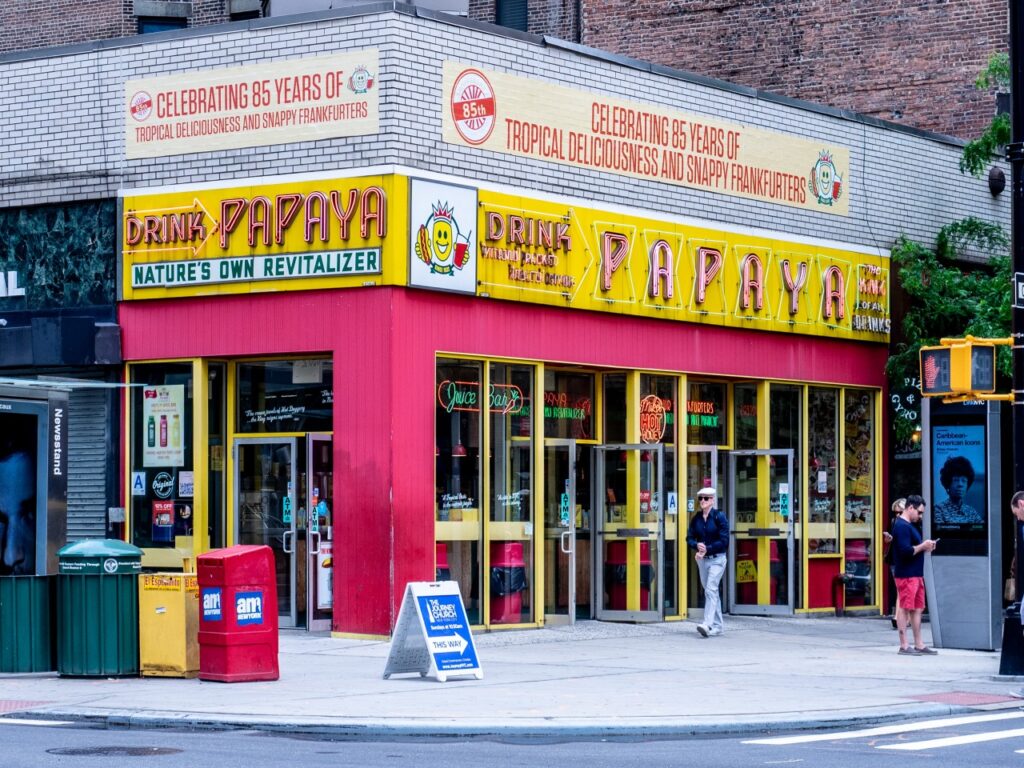
Papaya King focuses on speed and intensity. The hot dogs are salty, snappy, and served immediately after cooking. There is no customization maze or elaborate presentation. The experience relies on heat, bite, and contrast. The bun absorbs just enough moisture to stay soft without tearing. Service volume keeps turnover high, which protects freshness. Papaya King dominates by eliminating delays. Many hot dogs fail because they sit too long. Here, timing is part of the recipe, and it shows in every bite. Freshness is not a feature here; it is the entire point. That immediacy is what keeps the flavor sharp and the texture intact.
9. Dog Haus
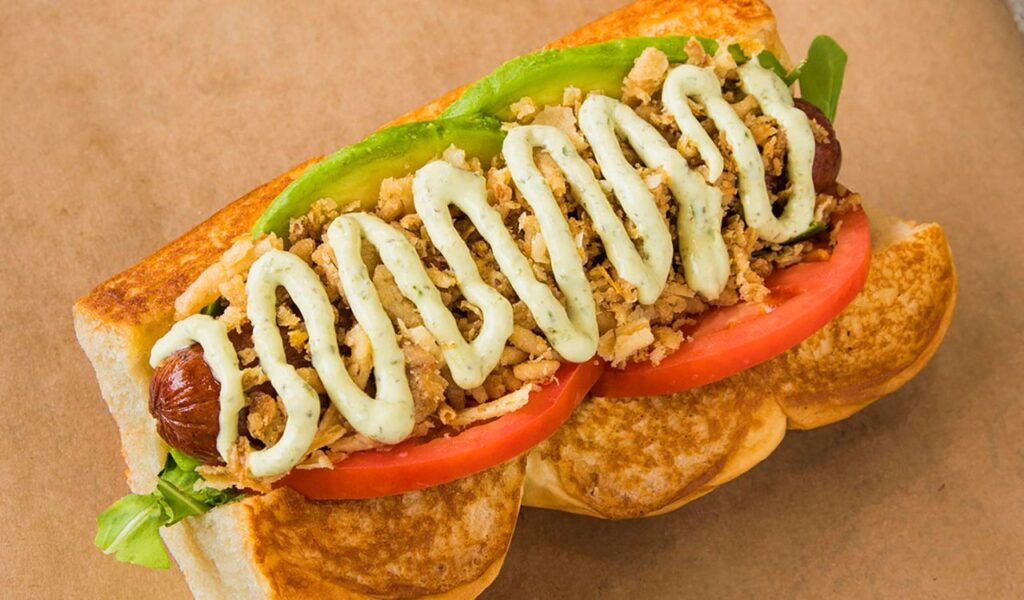
Dog Haus succeeds by designing modern builds within physical limits. The sausages are high-quality and firm enough to hold shape. King’s Hawaiian rolls add sweetness, but portioning prevents imbalance. Toppings are layered thoughtfully to avoid sogginess. Even loaded dogs remain edible without collapsing. This level of control separates Dog Haus from trend-driven competitors. Innovation exists, but structure is never sacrificed. That discipline allows creativity to feel intentional instead of chaotic. Every element is measured to keep the final bite coherent. The result is a hot dog that feels indulgent without ever feeling unstable.
10. Casper’s Hot Dogs
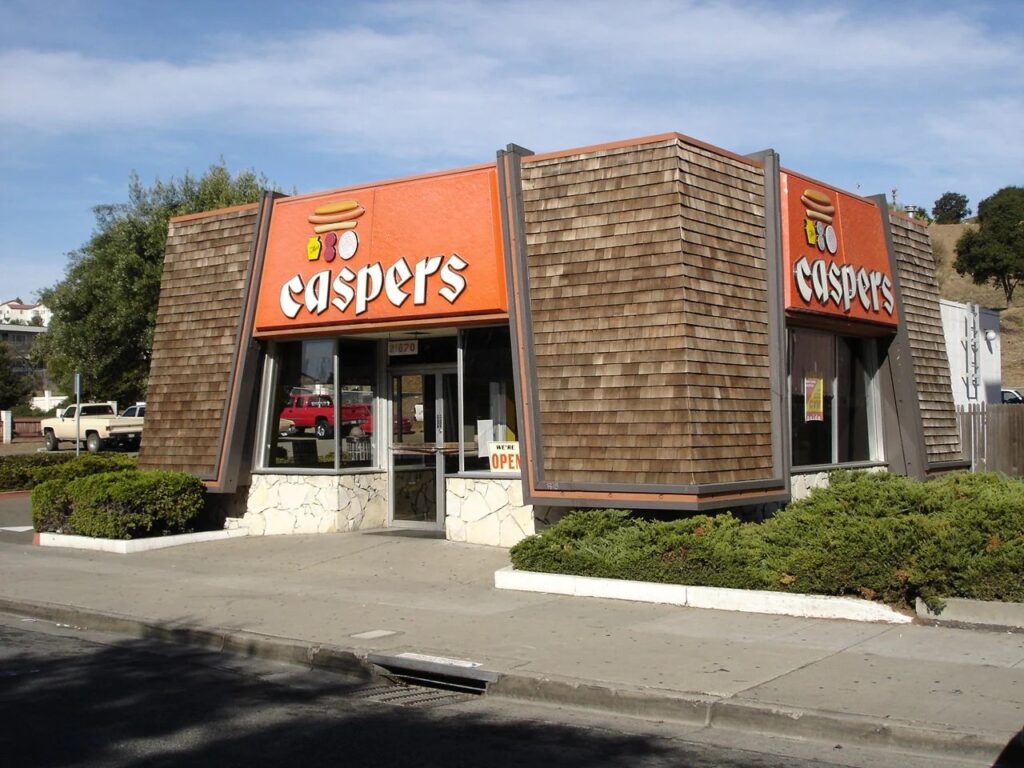
Casper’s Hot Dogs dominates through boldness executed cleanly. The dogs are cooked until blistered, creating exterior texture while keeping the inside juicy. Seasoning is assertive, favoring salt and smoke-forward notes. The casing delivers a pronounced snap that defines the experience. Toppings stay minimal, reinforcing focus on the sausage itself. Casper’s does not aim for subtlety. It aims for clarity. That commitment to intensity, paired with consistent execution, gives it an edge over competitors that hesitate to commit fully. The result is a hot dog that announces itself immediately and unapologetically.