Why QR Code Menus Are Slowly Killing the Joy of Dining Out

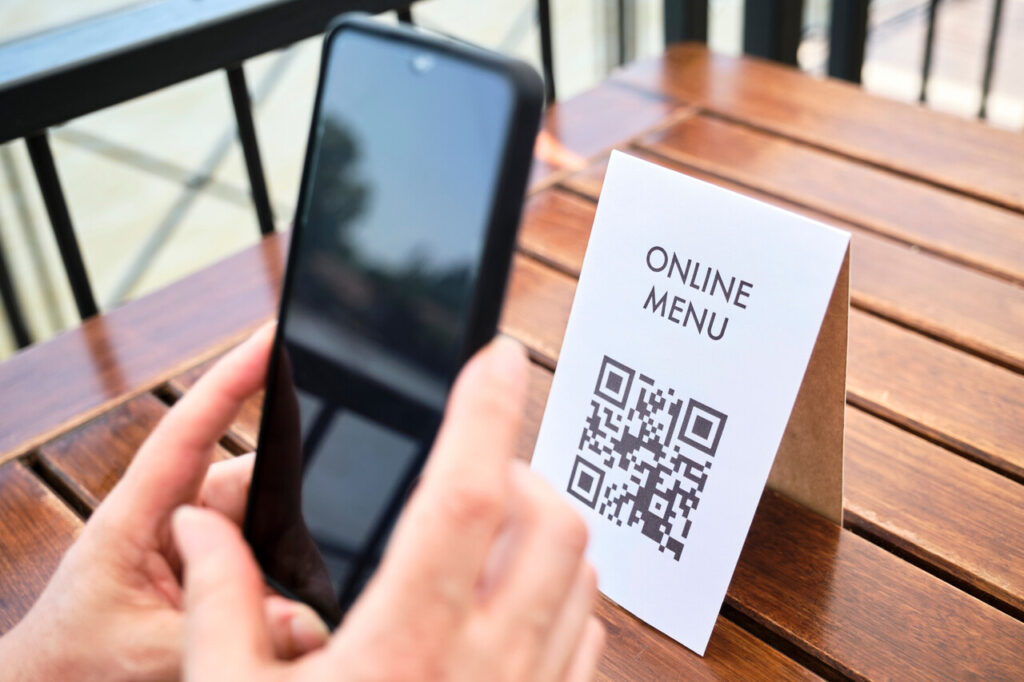
Not long ago, dining out meant settling into a chair, picking up a menu, and easing into the experience. Today, that ritual often begins with a phone camera and a square of black pixels on the table. QR code menus, introduced widely during the pandemic as a health precaution, have lingered long after restrictions faded. While they offer convenience and cost savings for restaurants, many diners say something important has been lost. The shift from paper to screen has subtly changed how we interact, how we choose, and how present we feel at the table.
When QR Codes Replaced Paper Menus
If you stepped into a restaurant in early 2020, you might not have noticed anything unusual about the menu. Flip-through printed pages were standard. A waiter might bring one on request, or you’d grab one at the table. Then the pandemic hit. Restaurants closed, reopened with limited contact, and led with any tools that minimized shared surfaces. QR code menus, scannable squares tethered to digital lists, suddenly appeared on tables everywhere. What started as a temporary workaround quickly became a fixture of post-pandemic dining. Owners embraced the technology as a cost-saver and a touchless solution that made customers comfortable.
At first, diners accepted it as part of the new normal. Scanning a code seemed no different than pulling up a website on a smartphone, and the logic was straightforward: fewer shared objects meant lower perceived risk of illness transmission. But as more restaurants adopted QR code menus, something unexpected happened. The technology persisted even as the health threat receded. Within a few years, a new dining reality emerged where paper menus were the exception rather than the rule. This shift was swift, and in many cases unexamined. For regular customers, people who liked to browse a menu together with companions, to mark favorites with a finger, or to savor the tactile experience of typography and layout, the change has felt subtle at first, then increasingly conspicuous. Without us realizing it, QR codes moved from a pandemic safety tool to a permanent interface between diners and restaurants.
The Subtle Shift in Dining Experience
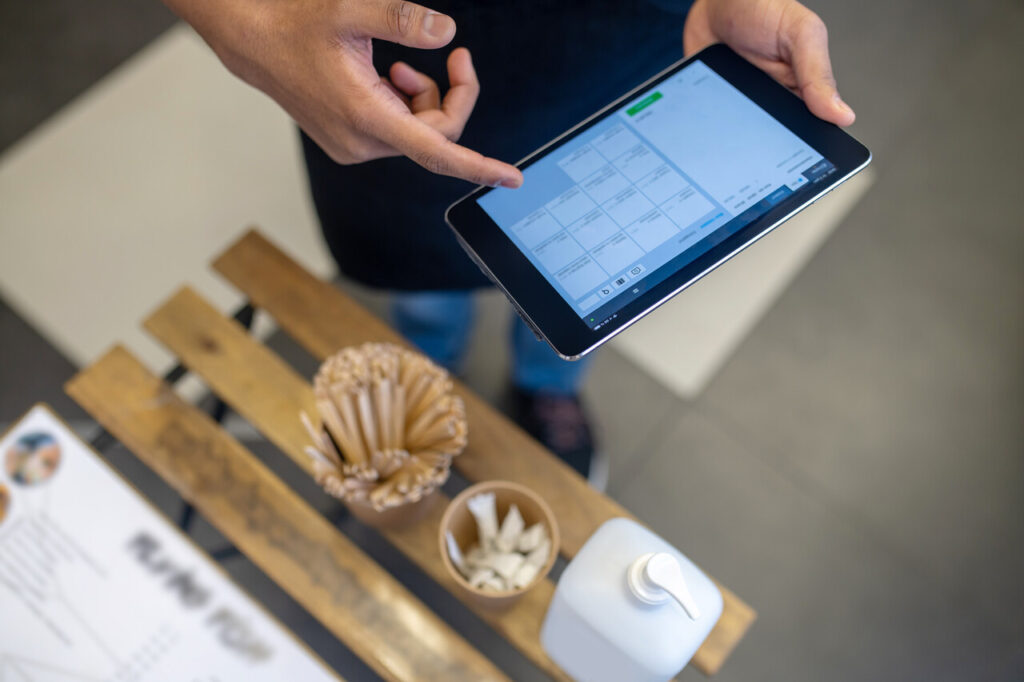
There’s a quiet art to dining out that goes beyond food on a plate. It’s the ritual of opening a menu, comparing dishes with friends, deliberating over specials, and maybe lingering a bit longer over choices before engaging with a server. QR code menus interrupt that ritual almost instantly. Instead of engaging with a physical object shared among the table, each diner is invited to connect individually via a personal device. A moment meant to be social, deciding what to eat together, becomes a private screen interaction, and the focus shifts from the table to a glowing phone.
This shift has consequences for how people communicate during a meal. Conversations about what looks good or who wants to split an appetizer are harder to hold when everyone is looking down at their own screen. Instead of sharing a tactile experience, flipping pages, pointing to photos, comparing dishes, diners make decisions in isolation, even when seated together. What once prompted conversation now feels transactional: scan, scroll, order. Over time, this diminishes the sense of shared experience that restaurants are uniquely designed to offer. For many regular diners, that loss, subtle at first, became increasingly noticeable as QR menus grew ever more common.
Practical Problems at the Table
Beyond social dynamics, digital menus come with practical downsides that compound the loss of joy. First, accessibility can be a real issue, especially for older diners or those who aren’t comfortable with smartphones. Not everyone has a device in hand, an up-to-date phone, or the data plan to load menus quickly. A printed menu is universally accessible, inviting all customers to participate equally in the dining experience. By contrast, a QR code assumes everyone has the same level of comfort and access to technology, which isn’t the case. For some patrons, this can be more than inconvenient, it can be exclusionary.
Technical frustrations further sour the experience. Slow internet connections, tiny fonts, cluttered web pages, and menus that don’t format well on phones force diners to squint, zoom, wait, and sometimes give up. A moment that should be pleasurable, choosing what to eat, becomes a series of small irritations that distract from the meal itself. Restaurants rarely account for these hiccups because digital menus feel more efficient on paper: they’re cheap, updateable, and sanitary. But efficiency doesn’t always equal enjoyment. For those who remember full menus and quick, easy browsing, the tradeoff isn’t worth it.
How Diners and Restaurants Are Responding
It’s telling that even as QR code menus remain widespread, many restaurants are responding to customer feedback by bringing back printed menus. Patrons have made their preferences known: they want choice. Surveys conducted since the height of QR menu adoption show a significant majority of diners prefer printed menus when given the option. Some establishments, hearing this feedback, now offer both. A diner can scan a code if they like but can also request or be handed a traditional menu. This hybrid approach acknowledges that technology should serve people, not push them aside.
Restaurants reintroducing paper menus report positive responses. Customers feel more engaged, more in control, and more present in the moment. Servers notice that conversations about the menu are more engaging, and some chefs appreciate that diners are looking more closely at descriptions, specials, and pairings that might otherwise be missed on a smartphone screen. The return of printed menus isn’t a wholesale rejection of technology, but rather a recalibration, an attempt to balance digital convenience with the warmth and joy of shared dining.
What This Says About Tech and Hospitality
The rise and partial retreat of QR code menus reveals something deeper about the relationship between technology and human interaction. Technology often promises convenience, efficiency, and cost savings. Those are real benefits. But when convenience comes at the expense of connection, something valuable gets lost. Dining out isn’t just about food; it’s about shared experience, conversation, and slowing down. When too much of that experience is mediated through personal devices, the warmth that makes a meal out feel special can fade.
The challenge for restaurants, and for diners, is to strike the right balance. Digital tools have a place in hospitality, particularly when they make operations smoother or offer accessibility features. But they shouldn’t replace the elements of dining that bring people together. QR codes, once a practical solution to a health crisis, became ubiquitous too fast and too deep, neglecting the qualitative side of hospitality. Reintroducing paper menus isn’t nostalgia for nostalgia’s sake; it’s an acknowledgment that the joy of dining out depends as much on the shared human experience as it does on the food itself.