9 Restaurant Menu Phrases That Trick Customers Into Paying More Than They Expect

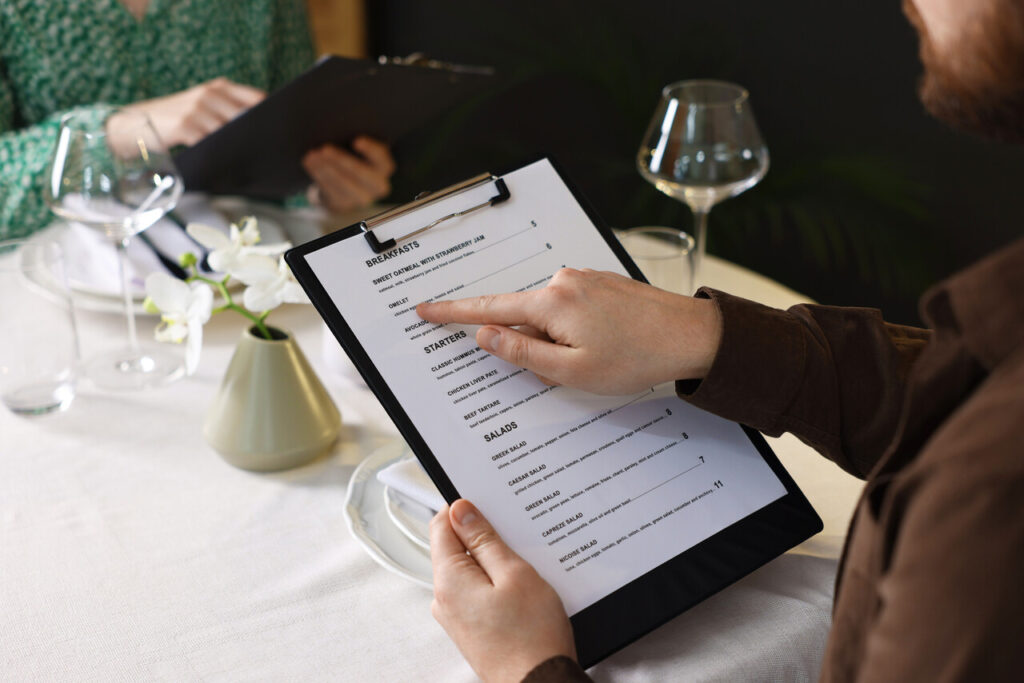
Menus are doing a lot more work than most diners realize. The words on the page are carefully chosen to shape expectations, soften price shock, and quietly steer people toward higher spending. From phrases that signal quality and craftsmanship to wording that leans on emotion, ethics, or social proof, menus are built to guide behavior before a server ever shows up. What feels like a casual choice is often the result of subtle psychological nudges that make prices seem reasonable, portions feel generous, and upgrades feel justified. Once you know what to look for, it becomes clear that many menu descriptions are less about informing you and more about influencing you.
1. “Chef’s Signature”
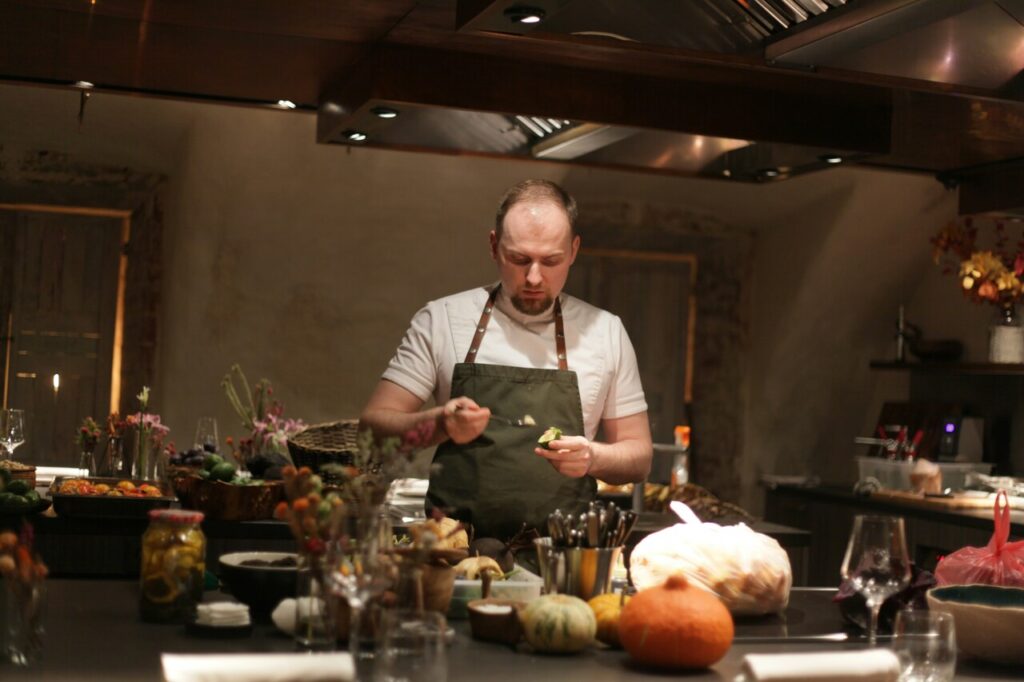
Here’s the thing about a menu item labeled as a chef’s signature: it reframes the decision before you even think about price. This phrase implies authority, pride, and personal endorsement from the kitchen, which makes diners less likely to question cost. Psychologically, people assume a signature dish represents the restaurant at its best, meaning it must be worth more. Restaurants often attach this label to items with higher profit margins, not necessarily higher ingredient costs. Because diners want to feel like they’re ordering correctly, they tend to bypass cheaper options and gravitate toward what sounds like the safest bet. The result is that price becomes secondary to trust. You are no longer choosing food, you are choosing reassurance. That subtle shift makes customers far more willing to spend beyond what they initially planned without feeling manipulated.
2. “Locally Sourced”
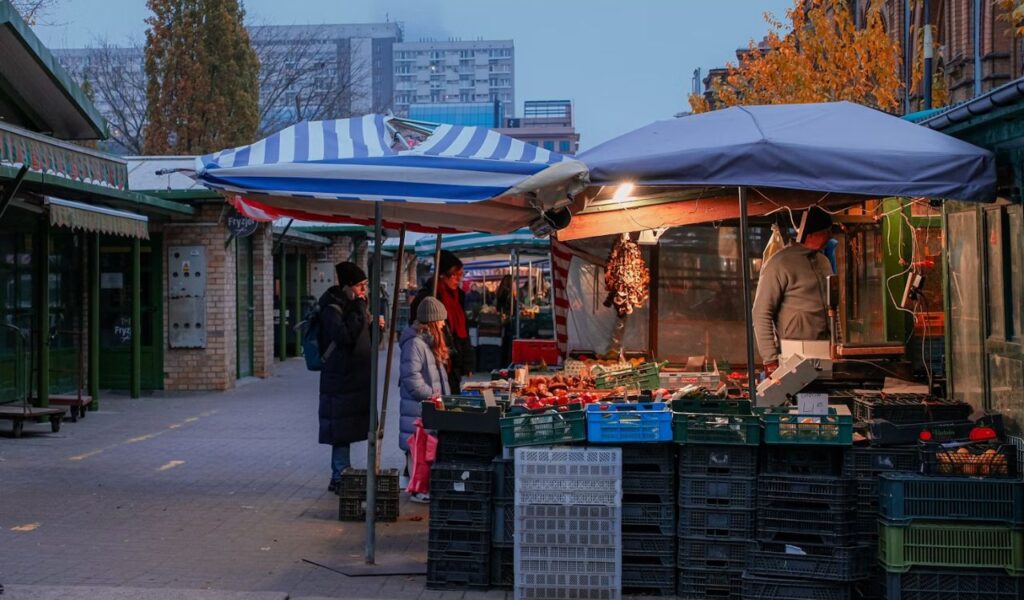
When a menu leans on the phrase locally sourced, it taps into values rather than appetite. Diners associate local sourcing with freshness, ethics, sustainability, and community support, even when those claims are loosely defined. That emotional association lowers price resistance because the purchase feels responsible rather than indulgent. Restaurants know this and often use the phrase broadly, sometimes referring to just one ingredient in the dish. The wording also implies smaller supply chains, which people intuitively connect to higher costs, making premium pricing feel logical instead of inflated. By shifting the focus from portion size or preparation to origin, the menu guides customers away from cost comparison. You are paying for a story as much as a meal, and stories are harder to put a dollar value on.
3. “Handcrafted” or “Artisan”
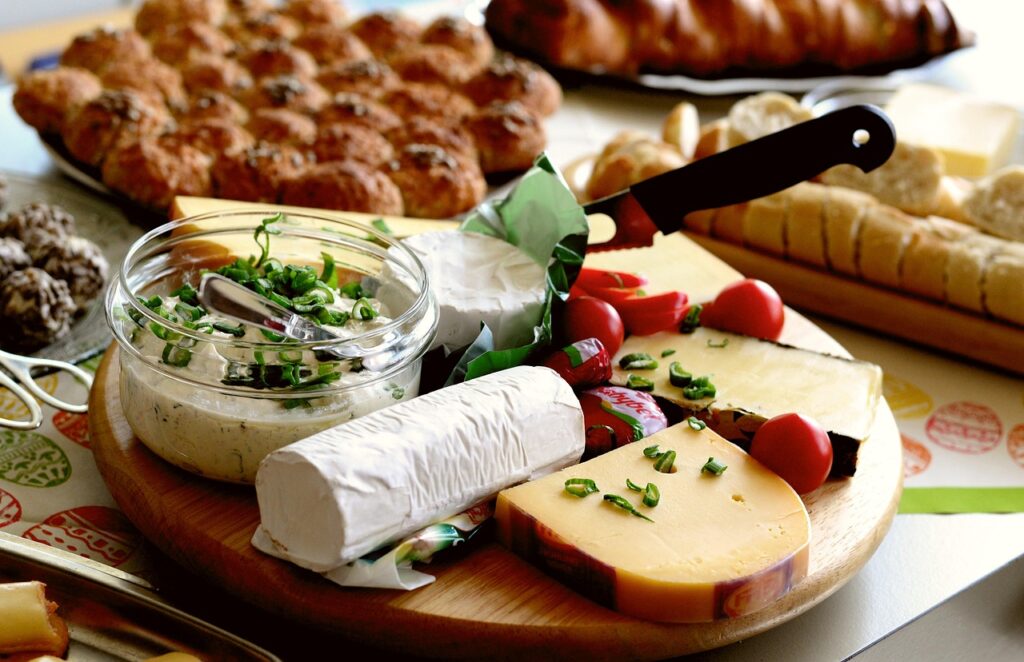
Calling a dish handcrafted or artisan creates the impression of time, care, and individuality, even when the process is largely standardized. These words suggest human effort rather than efficiency, which makes higher prices feel earned. Diners tend to imagine someone carefully assembling the dish instead of a streamlined kitchen operation. That mental image adds perceived labor, and perceived labor increases willingness to pay. The phrase also distances the item from mass production, even in chain restaurants, which makes customers feel they are getting something special. Once a dish feels unique, comparison shopping stops. People no longer ask whether it is expensive, only whether it is worth experiencing. That distinction is exactly where menus quietly win.
4. “For Two” or “Sharing Platter”
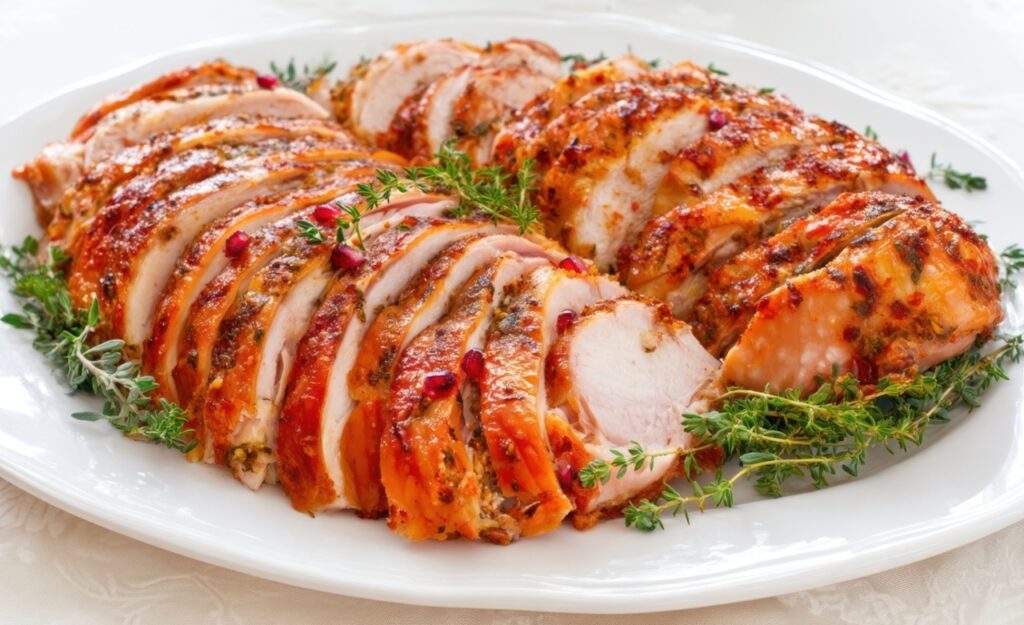
Labeling a dish as meant for sharing changes how the brain processes its price. A higher number looks less intimidating when mentally divided between people. Even if the portion size is only marginally larger, diners feel justified in ordering it because the cost seems reasonable per person. Restaurants often design these dishes to look abundant without actually doubling ingredients. The wording also encourages social behavior, which reduces price scrutiny because no one wants to appear stingy in a group setting. Once the dish is framed as an experience rather than an entrée, the focus shifts from value to atmosphere. That makes it easier for restaurants to upsell without resistance.
5. “Exotic Ingredients”

Mentioning ingredients from distant places instantly elevates perceived value, regardless of actual cost. Words like imported, rare, or regional trigger assumptions about complexity and expense. Diners often lack reference points for these ingredients, which removes their ability to judge fair pricing. When people cannot easily compare, they default to trust. Restaurants use this uncertainty strategically by highlighting origin rather than quantity or preparation. The dish feels adventurous, and adventure justifies spending. Even small amounts of an unfamiliar ingredient can dramatically raise menu prices when framed correctly. The customer pays for novelty as much as flavor, and novelty carries its own premium.
6. “House Favorite”
A house favorite sounds like insider knowledge, as if you are being quietly guided toward the best choice. This phrase implies popularity and approval, which reduces decision fatigue. Diners assume that if many others love it, the dish must deliver, and they stop evaluating alternatives. Restaurants frequently attach this label to items they want to move quickly or that offer strong margins. Because the dish feels socially validated, customers are less sensitive to price. No one wants to feel like the only person who skipped the obvious choice. That subtle social pressure makes spending feel like participation rather than indulgence.
7. “Artfully Presented”
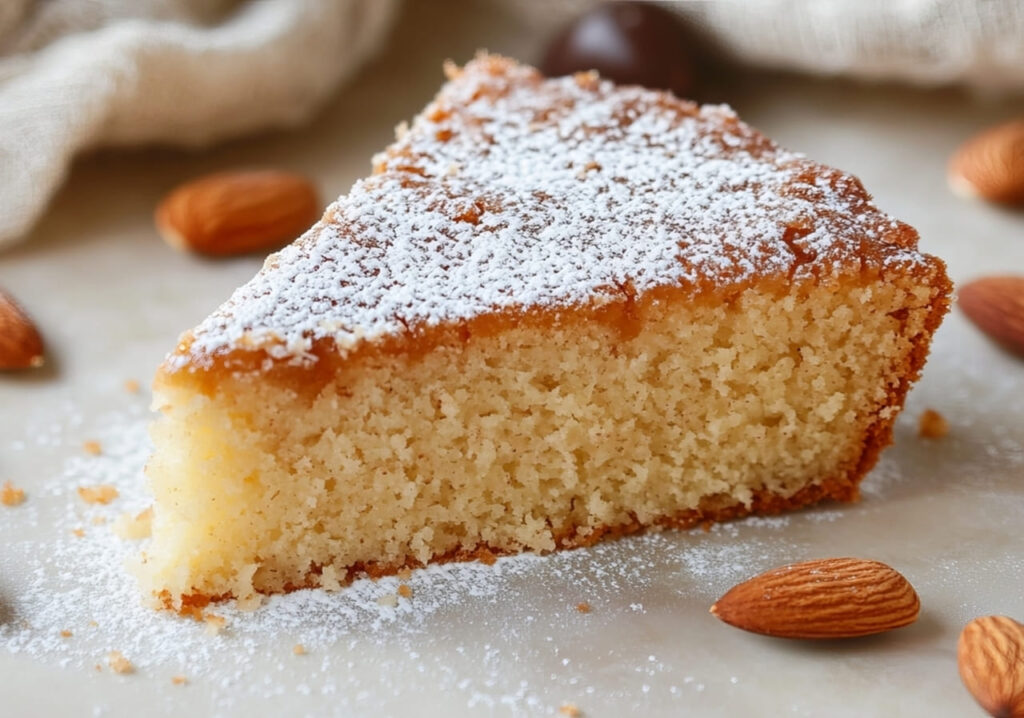
When presentation becomes part of the description, diners start valuing appearance alongside taste. This shifts expectations away from portion size and toward aesthetics. Restaurants know that visual appeal is harder to quantify, which makes pricing more flexible. The phrase suggests a dining experience rather than a meal, and experiences are easier to price high. Customers also tend to share visually striking dishes on social media, adding perceived value through visibility. Once a plate is framed as art, criticism feels inappropriate. You are no longer paying for food alone; you are paying for the moment it creates.
8. “Farm to Table”
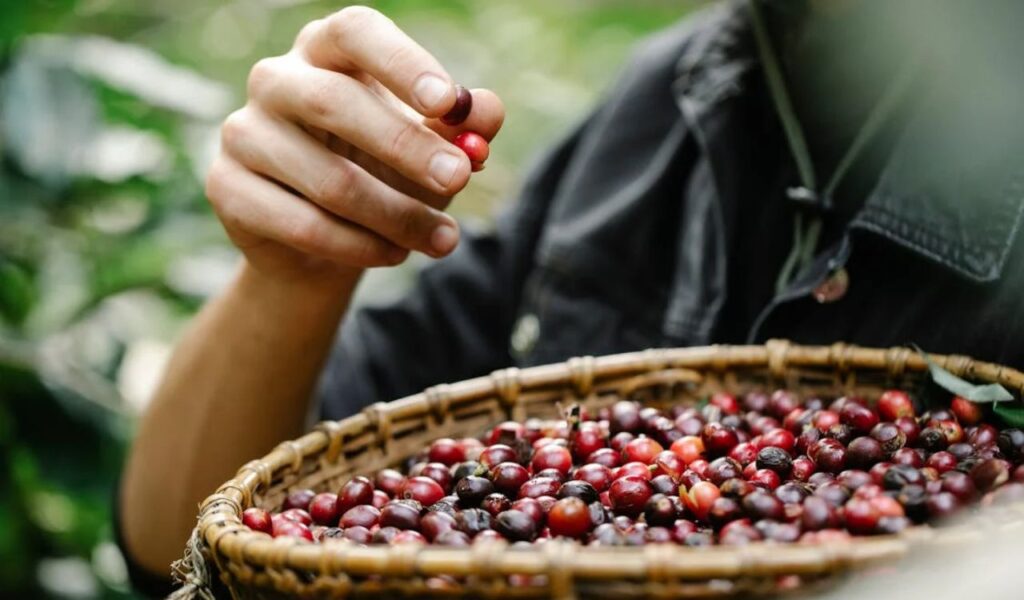
Farm-to-table works because it blends ethics, health, and craftsmanship into one compact phrase. Diners associate it with transparency and quality, even though definitions vary widely. The wording implies fewer shortcuts, which makes higher prices feel fair. Restaurants often use the phrase selectively, but customers rarely question how literal it is. By emphasizing philosophy rather than specifics, menus guide attention away from cost breakdowns. People are willing to spend more when they believe their money aligns with their values. That emotional alignment is far more powerful than ingredient lists.
9. The Silent Price Anchor
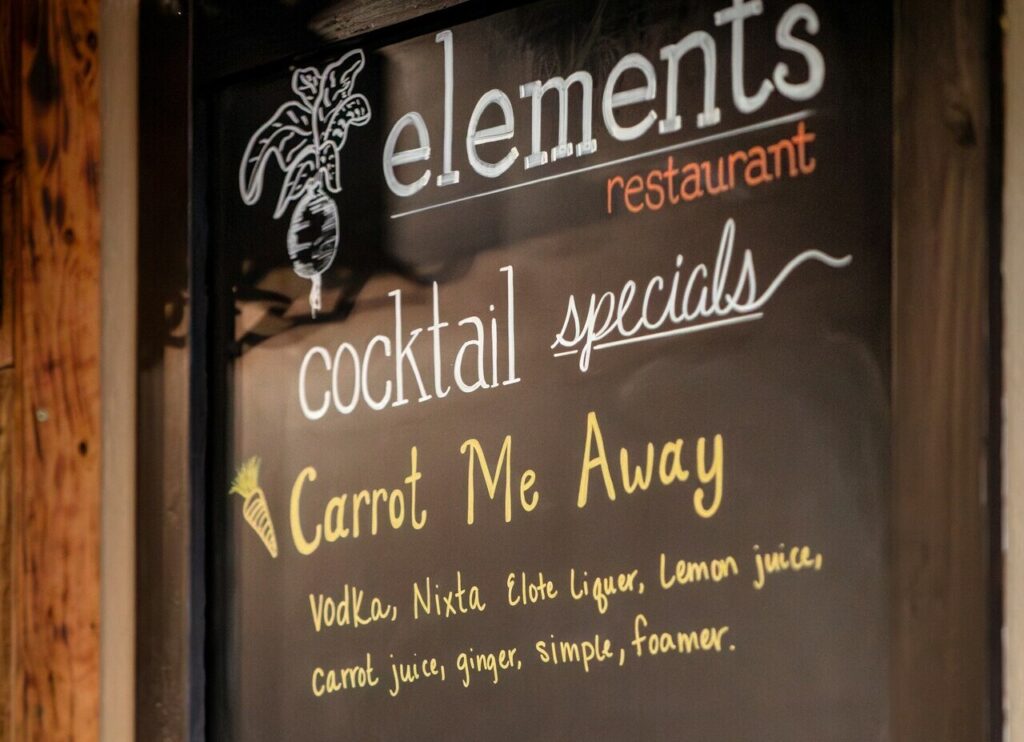
Some menu tricks are not written at all, yet they influence every choice. By placing an extremely expensive item at the top of a section, restaurants reset expectations for what is normal. Suddenly, midrange items feel affordable by comparison. This psychological anchor makes customers spend more overall while feeling savvy for avoiding the most expensive option. The trick works because people judge value relatively, not absolutely. Once the anchor is set, everything below it feels reasonable. Diners walk away thinking they made a smart decision, even if they spent more than intended. That quiet reframing is one of the most effective menu strategies in use today.