9 Ways Restaurant Portions Have Shrunk Since 2019 and Why Diners Notice It More Now

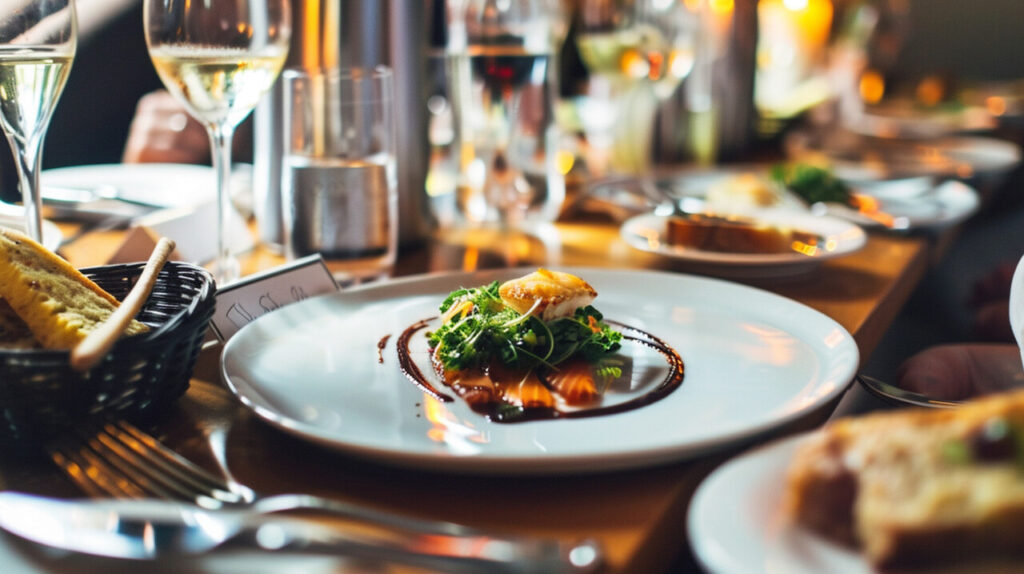
Restaurant portions didn’t shrink overnight. They quietly changed after 2019, shaped by rising costs, health trends, sustainability goals, and new dining habits. What diners are reacting to now isn’t just less food on the plate, but a clear break from what used to feel normal. Plates look neater, servings feel tighter, and value is being judged differently. These shifts explain why portion size has become such a common complaint, even when prices keep climbing.
1. Intentional Downsizing to Save Costs

Restaurants today are under relentless pressure from rising food costs, labor shortages, and unpredictable supply chains. Since 2019, many have quietly responded by trimming portion sizes rather than bumping menu prices even higher. The change is subtle enough that most diners don’t see it until they compare old memories to current plates. Shrinking a steak by a couple of ounces or reducing the layers of pasta in a dish can shave costs without alienating customers outright, at least in the kitchen’s thinking. But diners are noticing because their expectations are based on the past. What once felt generous now looks skimpy. Because the restaurant experience also features world-class photography on social media and sophisticated plating, less food can actually feel like less value. Restaurants are trying to balance economic survival with customer satisfaction, yet the tension shows every time someone pushes their plate aside, feeling still hungry.
2. Reduction to Reduce Waste

Food waste is expensive, but it is also increasingly visible. Restaurants pay for every ingredient that doesn’t get consumed, so one way to manage budget and sustainability goals is to serve smaller portions that align more closely with what diners actually eat. This damage control makes sense financially and ethically, but it alters the customer experience. In the past, leftover food on the plate was almost expected; now a leaner plate signals a tighter economy and a more mindful approach. Diners notice because society’s idea of a “normal” meal grew up with oversized plates and generous servings. As restaurants educate through sustainability messaging, guests see smaller dishes and consciously compare them to what came before. Reducing food waste is a noble priority, but it also changes the feel of a meal in a way that can leave diners wanting more.
3. Customization Demand Leading to Options
Another shift since 2019 is restaurants offering more controlled portion options. Instead of a monolithic entrée size, many menus now let you choose half portions, lighter plates, or add-ons. This seems customer-friendly until you realize it changes the baseline experience. When smaller options are highlighted, guests become aware of portion size as a variable rather than a standard. Suddenly, the question isn’t just “How big is this?” but also “Why is this the default size?” Diners, especially those who grew up with supersized meals, notice that even a full-size dish looks smaller compared to the once generous defaults. Customization also plays into tighter appetites driven by health trends and intermittent fasting, meaning smaller sizes seem intentional and thoughtful, but they still reflect a departure from larger historical servings.
4. Consumer Health Trends
Over the last few years, public focus on fitness, weight management, and mindful eating has grown significantly. Headlines about portion control, calorie awareness, and mindful snacking aren’t fringe topics anymore; they are mainstream. Some restaurants responded by offering lighter or smaller plates to appeal to these health-oriented diners, creating a perception that portion shrinkage is intentional and beneficial. But the net effect is that the baseline portion size is getting recalibrated. Diners who used to judge a meal by how full they felt are now comparing that to a leaner profile and noticing the difference. Even when a smaller portion is balanced nutritionally, it can leave a diner feeling underwhelmed if appetite expectations were set by pre-2019 servings.
5. Perception of Portion Distortion
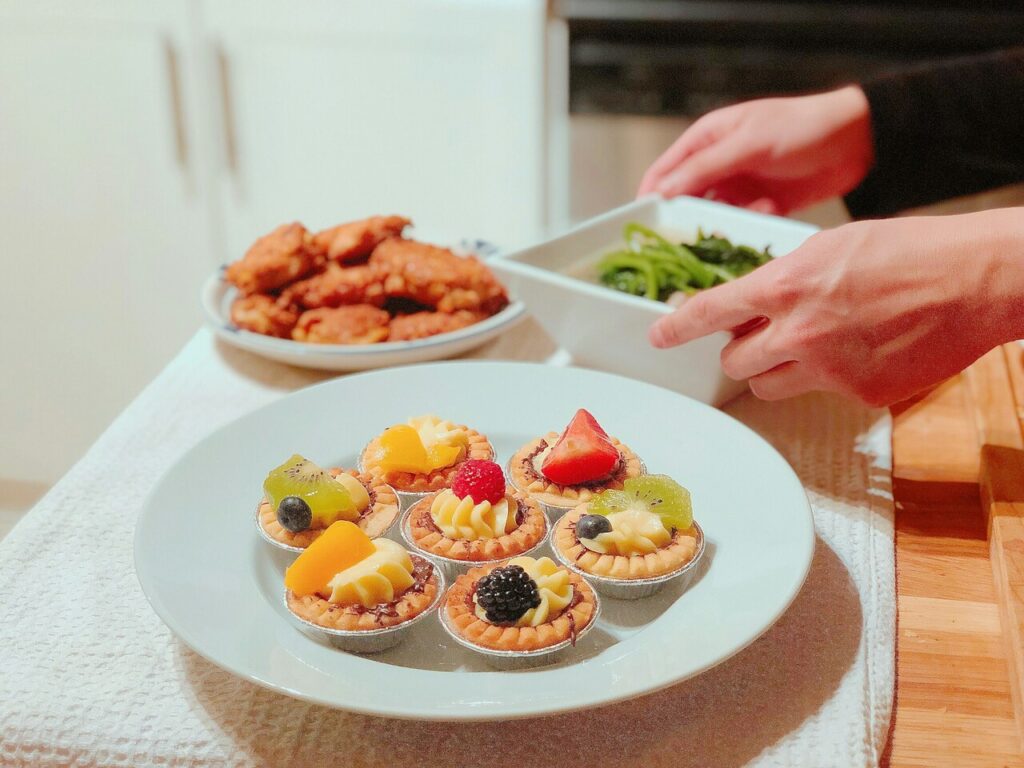
People often misjudge portion size because their idea of what constitutes “normal” comes from years of oversized servings, especially in North America. When a pasta plate once would have dwarfed the bowl and now fits neatly inside a modest rim, your brain notices. Part of this is psychological, part cultural. When oversized entrées were more common, diners interpreted length, width, and mound size as value. As restaurants angled toward right-sized portions, that visual impact diminished. Now diners are more aware of what they used to see, and they notice the contrast. The shift didn’t happen overnight, but memories of bigger plates make the current servings feel smaller, sometimes regardless of the actual calorie count or nutritional balance.
6. Industry Shift Toward “Right-Sized” Meals
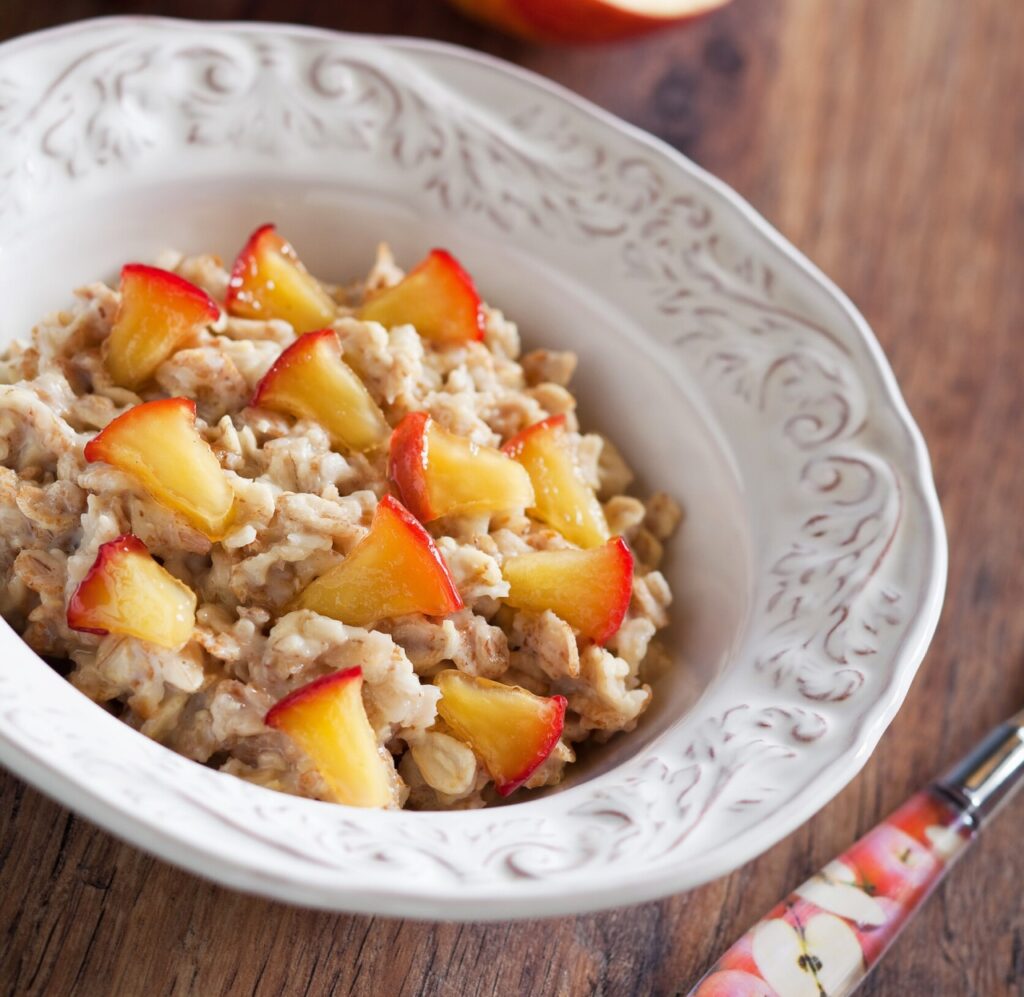
Post-pandemic, the restaurant world began talking openly about right-sizing portions as part of sustainable and modern dining. Chefs and operators started leaping away from the “bigger is better” mentality toward something more balanced. Right-sized meals aim to deliver enough food for satisfaction without excess, a concept that aligns with current nutritional science. Yet, for many diners, this feels like a downgrade because it breaks the old association between quantity and value. Right-sized portions are precisely calibrated, but customers raised on heaping plates interpret the shift as shrinkage. As restaurants reengineer recipes to reflect this philosophy, the perception spreads: smaller plates are intentional, but still feel like less.
7. Environmental and Sustainability Messaging
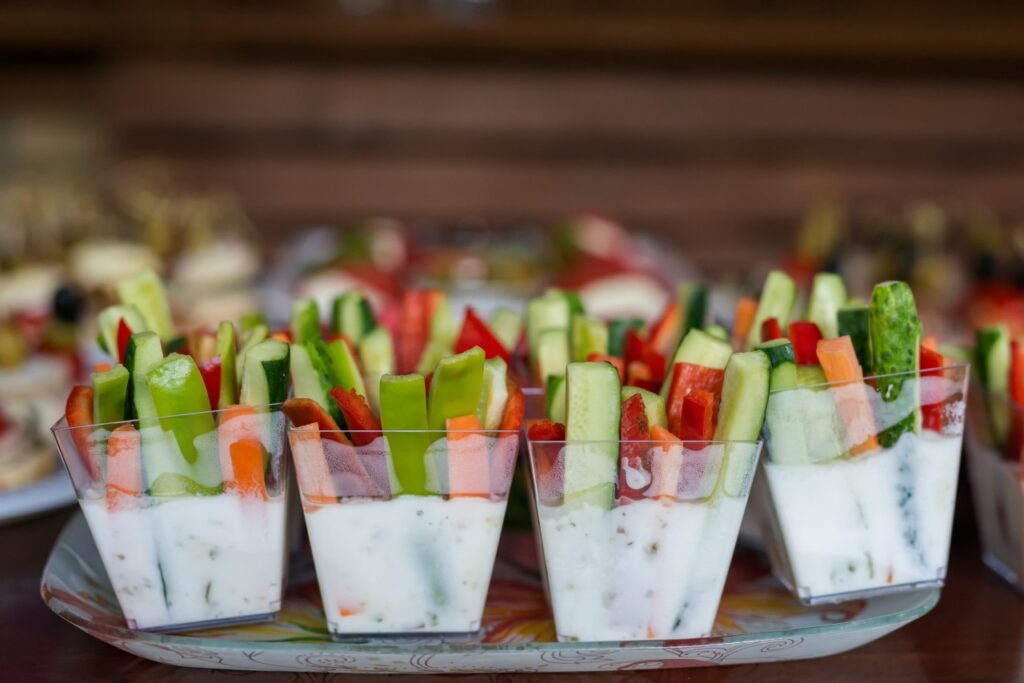
Environmental messaging has become powerful. Restaurants are increasingly touting sustainability, reduced waste, and responsible sourcing as part of their brand. One tangible consequence is portion reduction framed as eco-friendly. Diners read that language and consciously see smaller servings as part of environmental stewardship, but there is no denying they also notice that the food feels less abundant. Framing portion size as responsible makes the shift more palatable, yet it increases awareness of shrinkage. When sustainability becomes part of the dining conversation, smaller plates feel purposeful, but still smaller.
8. Menu Reframing of Portions
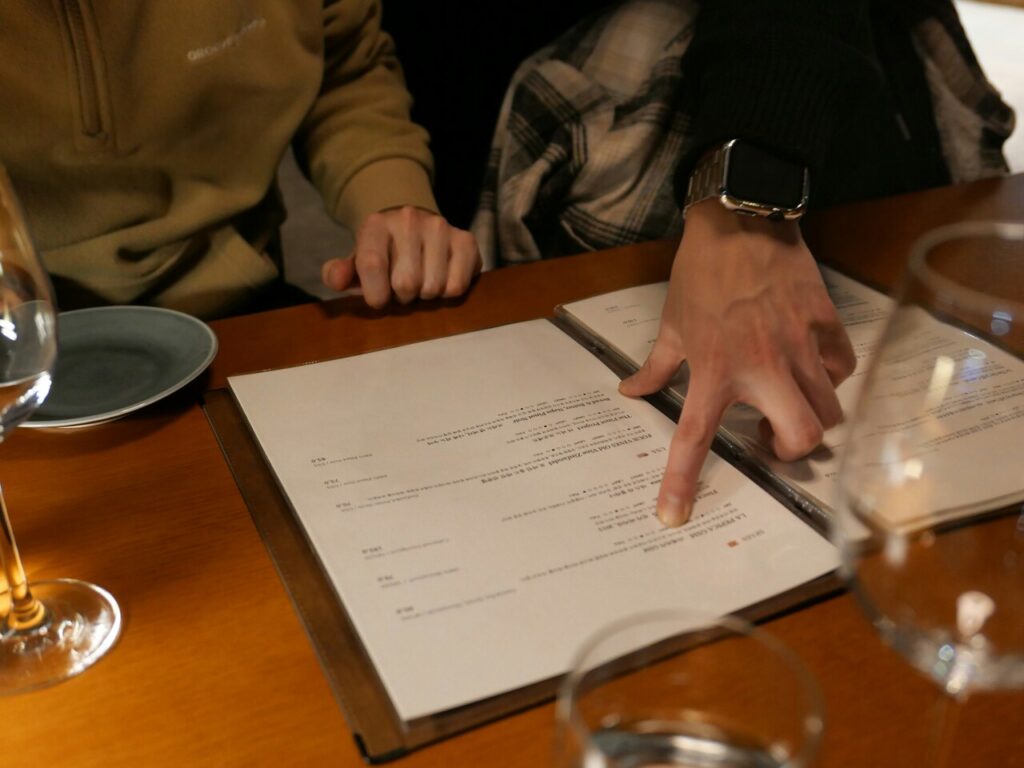
As menus have evolved, many now present portion sizes explicitly. Terms like “half order,” “small plate,” or “light entrée” are more common. This transparency serves diners who want choice, but it also draws attention to portion scale. When smaller sizes appear alongside large ones, it magnifies the existence of smaller food on the plate. Ten years ago, a regular entrée might have served as the only option. Now, diners see both small and large choices, making the smaller version more noticeable and sometimes the default. That menu reframing makes portion shrinkage more visible because it’s presented as intentional rather than incidental.
9. Generational and Dining Behavior Changes
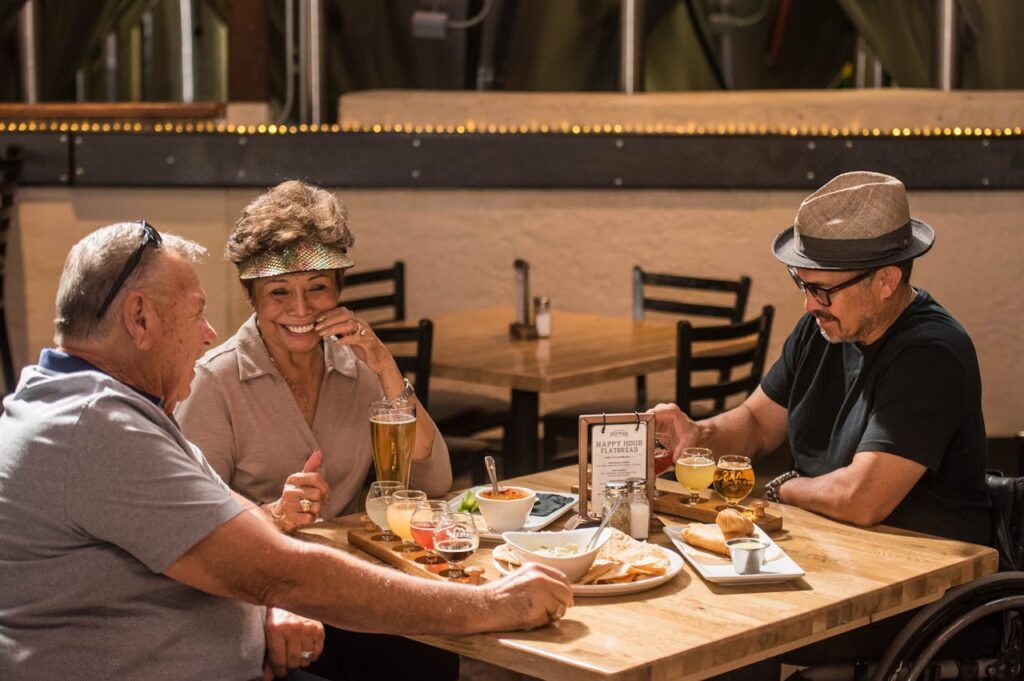
Finally, broader trends in dining behavior affect how portion sizes are perceived. Younger generations are more vocal about health, customization, sustainability, and food quality over quantity. That cultural shift influences restaurants, but it also influences diners’ expectations. When Gen Z and younger Millennials talk about lighter portions and share experiences online, it becomes a reference point for everyone else. Diners begin comparing their plates not just to previous meals at that same restaurant, but to shared photos and stories from friends and online communities. That visibility amplifies awareness of portion shrinkage. It’s not just that plates got smaller; it’s that diners are more attuned to noticing and discussing it.