10 Old Fashioned Southern Lunches Our Grandmas Loved

Old-fashioned Southern lunches were built around care, routine, and the quiet wisdom of making the most of what was available. These were not meals designed to impress outsiders or chase trends. They were dependable dishes that filled bellies, stretched ingredients, and brought families together at the table day after day. Grandmas relied on recipes shaped by experience rather than measurements, guided by sight, smell, and memory. Each lunch reflected a balance of thrift and generosity, using humble pantry staples, garden produce, and affordable cuts of meat. Cooking was practical, but it was never careless.
1. Fried Chicken With Biscuits
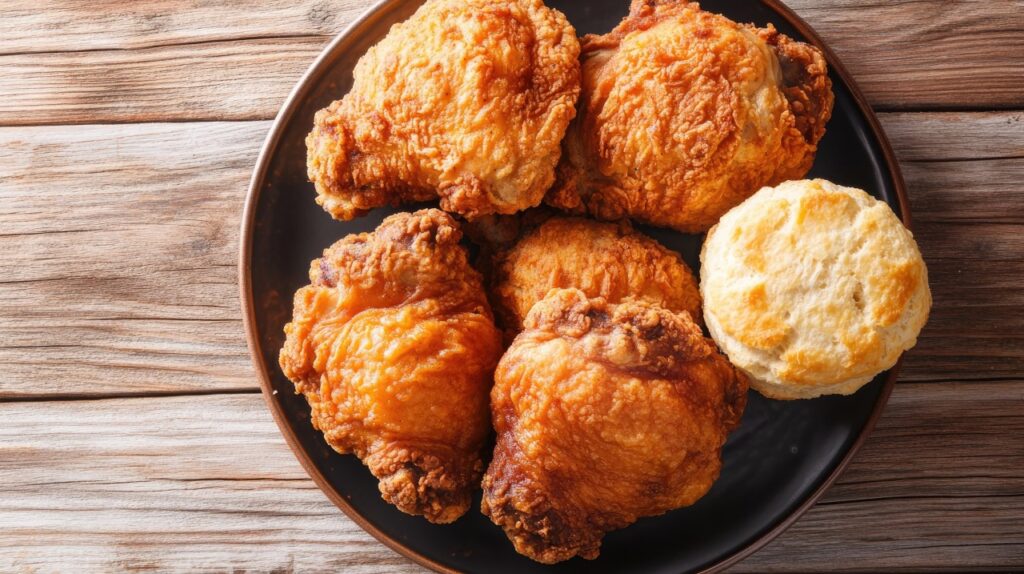
Fried chicken with biscuits was never just about indulgence. It was about feeding people well using familiar techniques passed down through generations. Chicken was often seasoned generously and fried in cast iron, which held heat evenly and created a crisp crust without burning. The fat was reused carefully, adding depth of flavor over time. Biscuits were mixed by hand, using simple ingredients and minimal handling to keep them tender. Together, the crunchy chicken and soft biscuit created contrast and balance. This meal worked equally well hot or at room temperature, which made it practical for farm lunches and busy households. It was filling, economical, and comforting.
2. Meatloaf With Mashed Potatoes
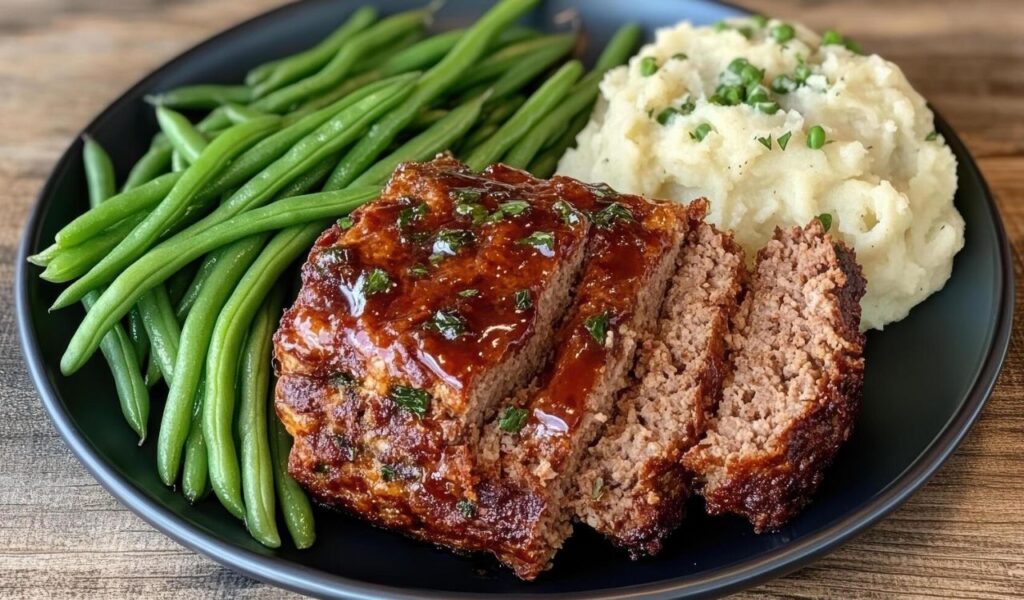
Meatloaf with mashed potatoes was built on thrift and reliability. Ground meat could be stretched with breadcrumbs, crackers, or oats, making it affordable while still hearty. Seasoning was simple, often relying on onion, salt, pepper, and pantry staples. Baking the loaf allowed it to hold together and slice cleanly for serving. Mashed potatoes were filling, inexpensive, and easy to prepare in large quantities. Butter and milk added richness without excess. This lunch was dependable and forgiving, making it ideal for busy cooks. Leftovers reheated well and often tasted better the next day. Grandmas loved meatloaf lunches because they were predictable and nourishing without waste.
3. Chicken and Dumplings
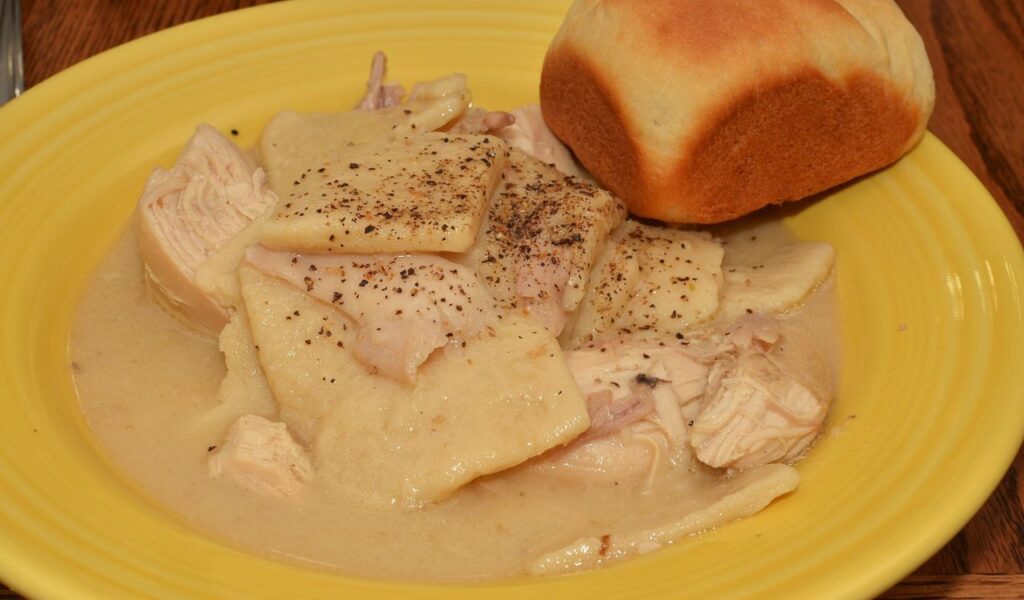
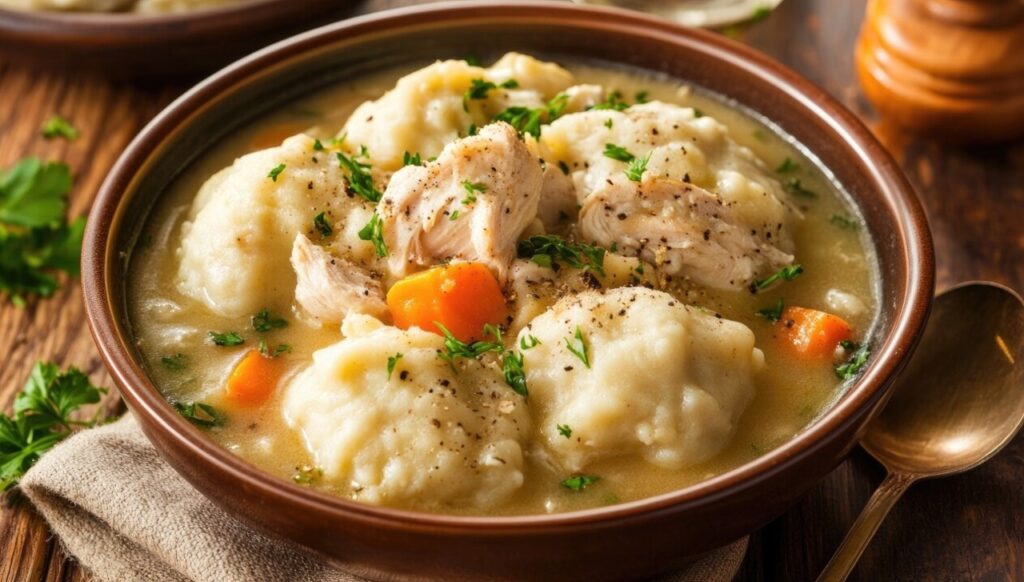
Chicken and dumplings was a lesson in patience and care. A whole chicken simmered slowly created a rich broth while tenderizing the meat. Dumplings were rolled or dropped depending on family tradition, absorbing flavor as they cooked. The dish relied on timing rather than precision, making it accessible even without measuring tools. This lunch was especially valued during colder months when warmth and fullness mattered. It delivered protein, starch, and liquid in one pot. Nothing was wasted, as tougher cuts softened through long cooking. Grandmas favored chicken and dumplings because it nourished deeply, required few ingredients, and brought everyone together.
4. Pimento Cheese Sandwiches

Pimento cheese sandwiches were practical, flavorful, and endlessly adaptable. Sharp cheese provided richness while mayonnaise added creaminess and moisture. Pimentos contributed mild sweetness and color. The spread kept well when refrigerated and could be made ahead, saving time during busy days. Served on soft white bread, it became a quick lunch that felt indulgent without requiring cooking. Grandmas appreciated how easily it could feed guests or children without fuss. It also traveled well for picnics or church gatherings. This sandwich was about ease and familiarity. It offered comfort through repetition and depended more on balance than complexity.
5. Fried Green Tomatoes

Fried green tomatoes reflected Southern resourcefulness. Unripe tomatoes that might otherwise go unused were sliced, coated in cornmeal, and fried until crisp. The tartness of the tomato contrasted with the crunchy coating, creating a bright, satisfying bite. This dish often appeared at lunch because it was quick and made use of garden abundance. Cornmeal added texture and helped the tomatoes hold their shape during frying. Fried green tomatoes were rarely eaten alone. They paired well with other simple dishes and added variety to the table. Grandmas loved them because they turned something overlooked into something special without waste or expense.
6. Country Ham With Red-Eye Gravy
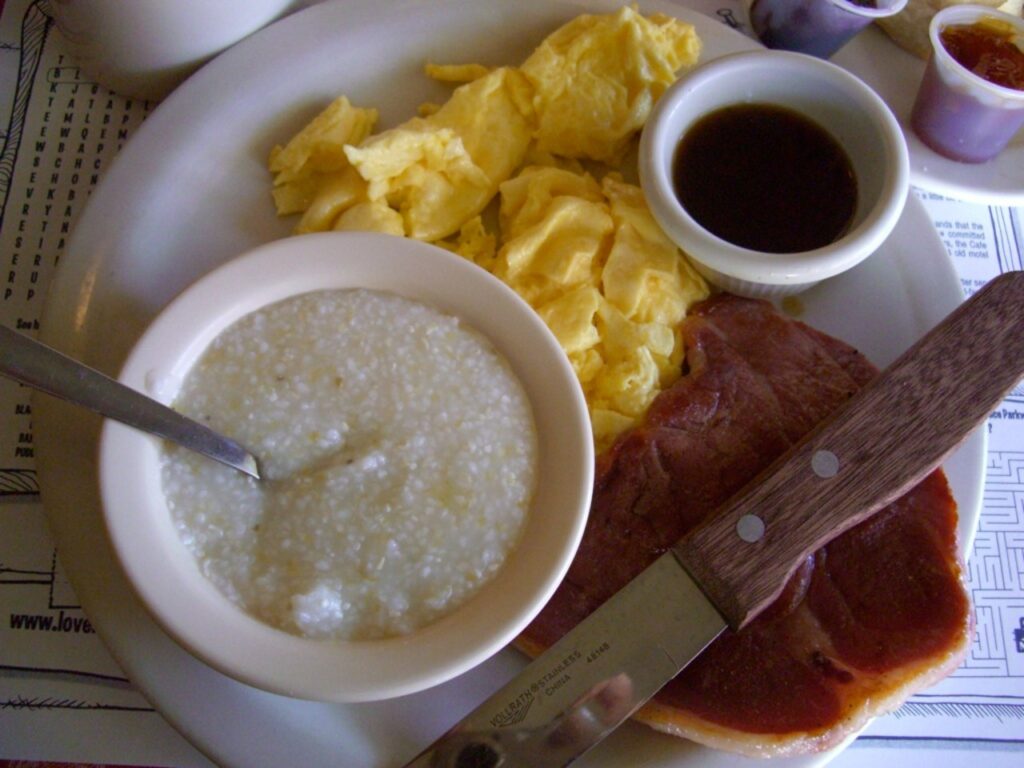
Country ham with red-eye gravy was bold and unapologetic. Salt-cured ham provided intense flavor and could be stored for long periods, making it practical in Southern homes. Frying the ham rendered fat and deepened its savory character. Red-eye gravy was made from the pan drippings and coffee, creating a thin, sharp sauce that cut through the saltiness. This lunch was often served with bread or biscuits to soak up every drop. It was not delicate, but it was memorable. Grandmas valued this meal for its strength and economy. A little ham went a long way, and nothing from the pan was wasted. The dish reflected a time when strong flavors and smart cooking mattered more than presentation.
7. Beans and Cornbread
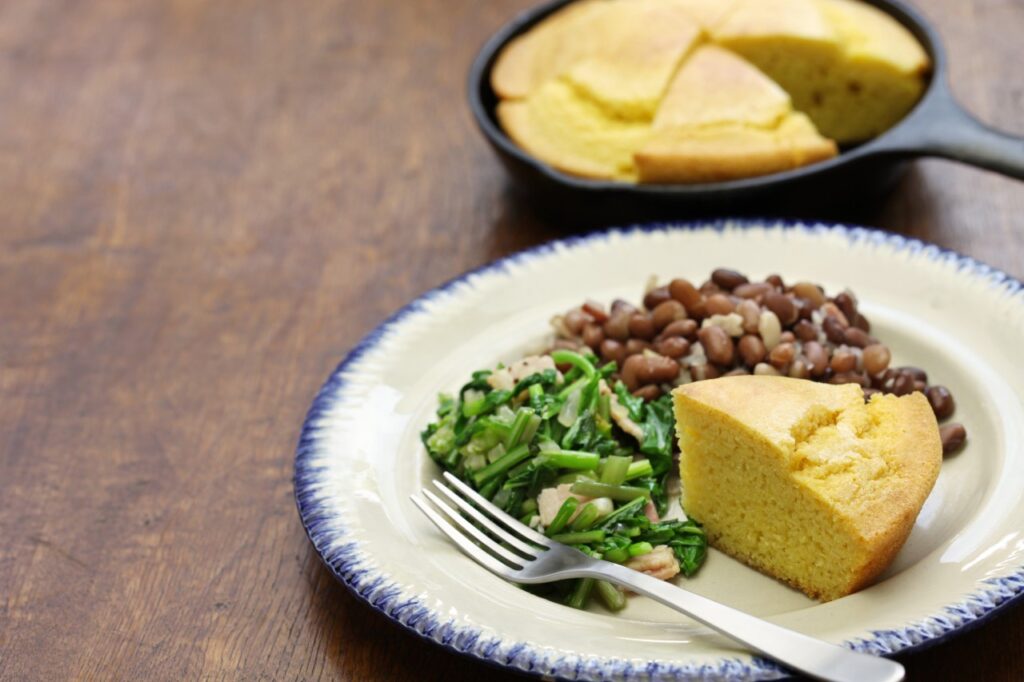
Beans and cornbread represented the heart of everyday Southern cooking. Dried beans were inexpensive, shelf-stable, and filling. Slow cooking allowed them to soften and absorb seasoning over time. Cornbread was quick to prepare and relied on cornmeal, which was widely available. Together, they created a complete meal that provided protein, fiber, and comfort. This lunch was especially common when money or time was tight. Grandmas trusted it because it was nourishing and familiar. Variations appeared depending on region and preference, but the core remained the same. Beans and cornbread proved that simplicity could be deeply satisfying.
8. Tomato Sandwiches
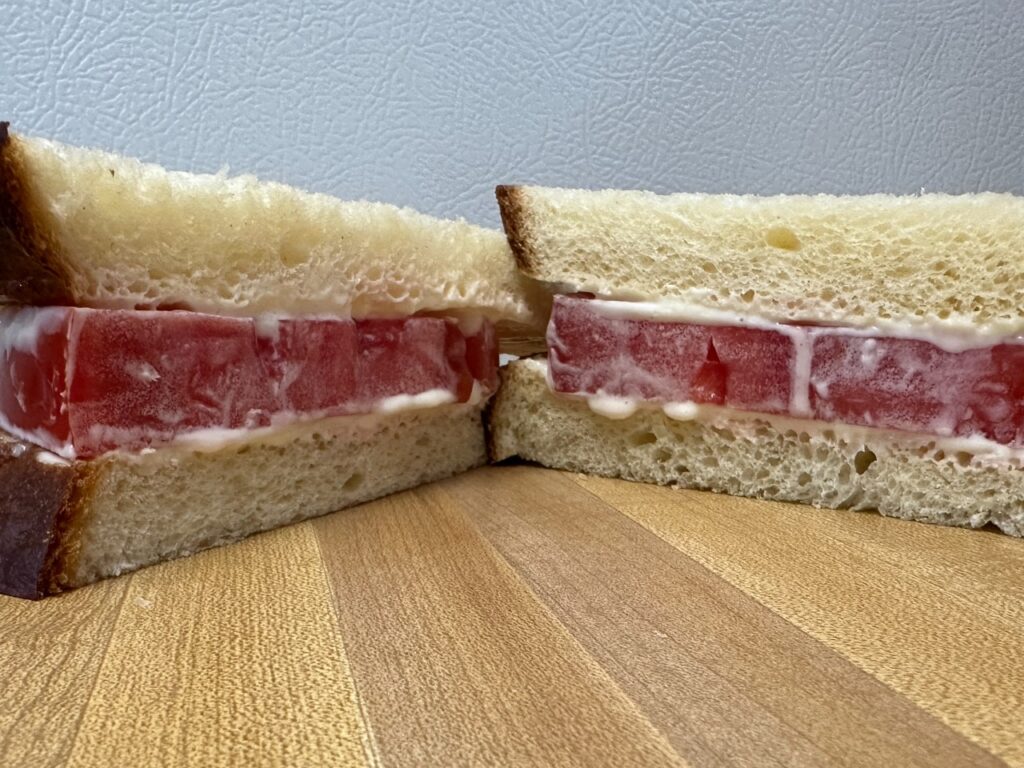
Tomato sandwiches celebrated seasonality and restraint. Fresh tomatoes were sliced thick, lightly salted, and paired with mayonnaise on soft bread. No cooking was required, making it ideal for hot afternoons. The sandwich depended entirely on quality ingredients. When tomatoes were ripe, nothing else was needed. This lunch was quick, refreshing, and economical. Grandmas loved it because it highlighted the garden and required no effort. It also taught appreciation for timing and freshness. Tomato sandwiches were not meant to impress. They were meant to taste like summer and simplicity. Often eaten standing at the counter, they turned peak tomato season into a small daily luxury.
9. Salmon Patties
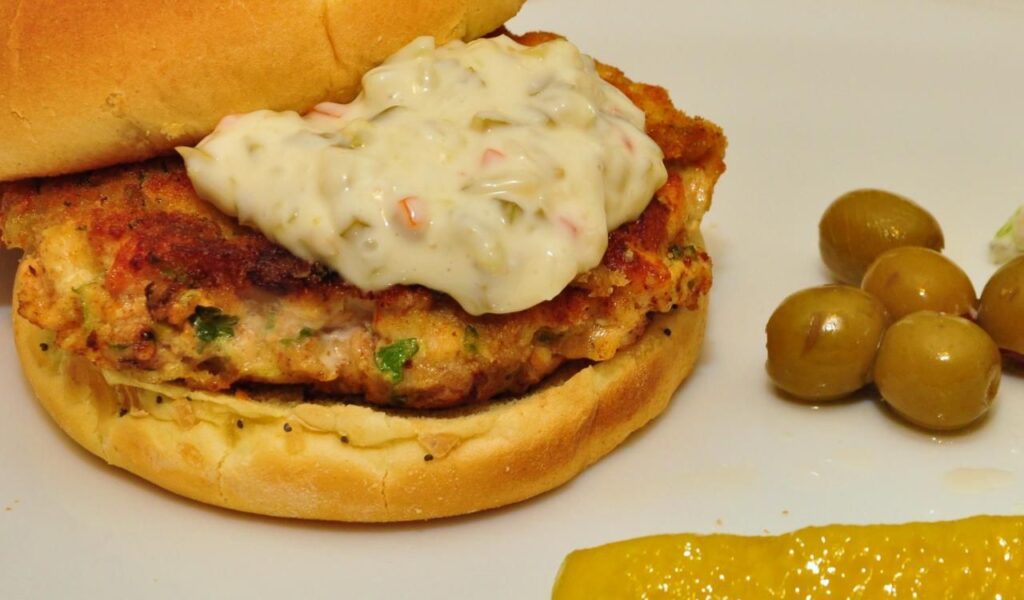
Salmon patties were a practical solution for affordable protein. Canned salmon was mixed with crackers or cornmeal and seasoned lightly. Frying created a crisp exterior while keeping the inside moist. These patties were filling and easy to portion. They often appeared at lunch because they cooked quickly and reheated well. Salmon patties offered nutrition without expense and worked with pantry staples. Grandmas relied on them because they were dependable and flexible. Served with simple sides, they provided balance and satisfaction without complication. A squeeze of lemon or dab of mustard was often enough to finish them without fuss.
10. Chopped Barbecue Sandwiches
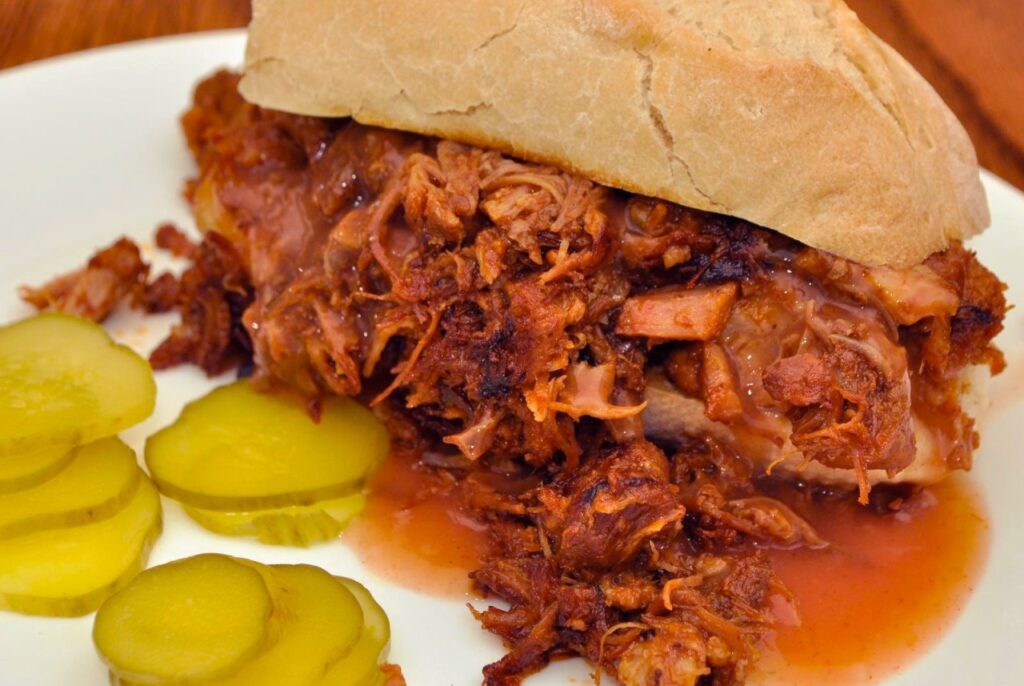
Chopped barbecue sandwiches were born from efficiency. Leftover pork was chopped finely and mixed with sauce to keep it moist and flavorful. Piling it onto bread created a quick, filling lunch that made full use of previous cooking. The chopping ensured even distribution of meat and sauce in every bite. This sandwich was hearty without being heavy. Grandmas valued it because it reduced waste and fed people quickly. Barbecue lunches were less about presentation and more about practicality. They carried flavor forward while honoring the effort already spent cooking the meat. It was a quiet reminder that good cooking never needed to start from scratch every time.