7 New 2025 Food Trends Gen Z Already Calls Elite

As 2025 nears its end, it has become clear that Gen Z shaped much of this year’s food culture in ways that pushed restaurants, grocery brands, and home cooks into new territory. Their preferences continue to blend global flavors, wellness-minded choices, creative comfort foods, and playful experimentation driven heavily by TikTok. Many of these trends have now grown from niche online conversations into mainstream offerings at cafes, fast food chains, and supermarket shelves. With 2026 approaching, the patterns set by Gen Z in 2025 will likely continue influencing menus and packaged goods. Here are seven food trends that Gen Z consistently labeled elite during the year and that helped define how people ate in 2025.
1. Chili Crisp Everything
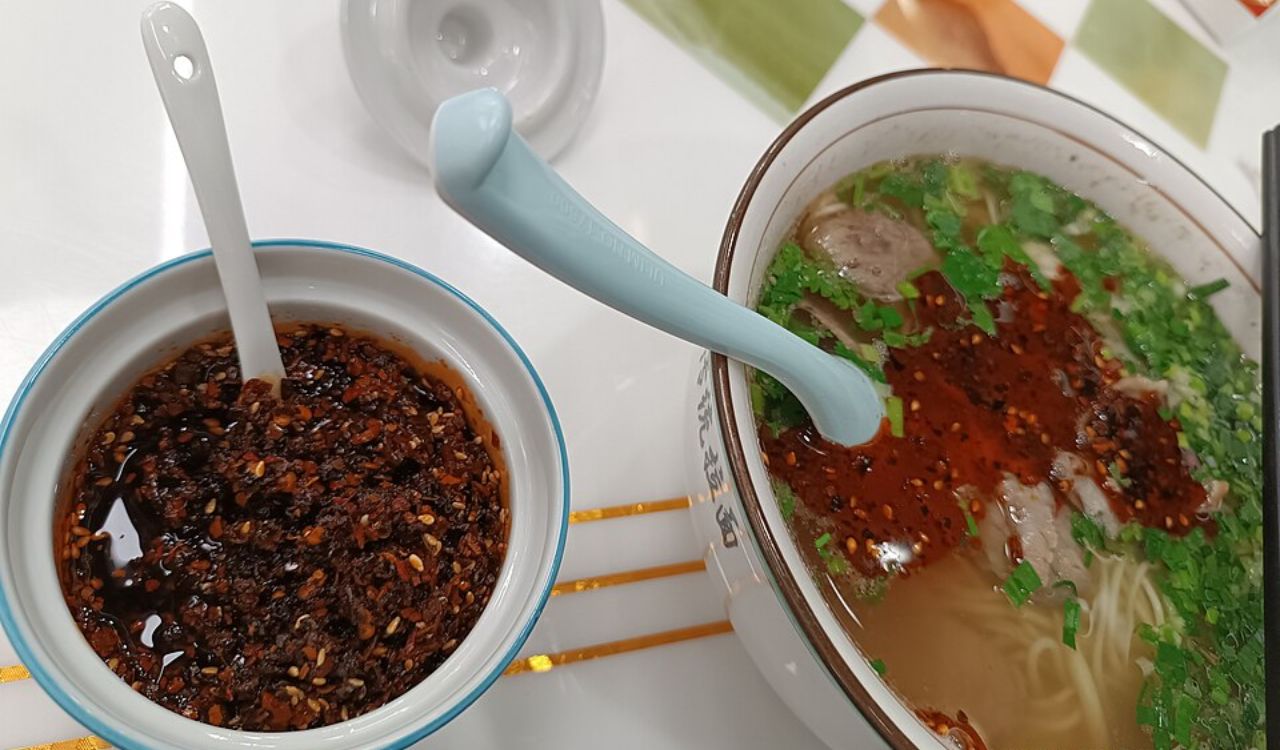
Chili crisp continued to dominate in 2025, becoming one of the most widely embraced pantry staples of the year. What began as a niche condiment a few years ago has now influenced everything from restaurant dishes to packaged snacks. By late 2025, supermarkets expanded their chili crisp sections to include multiple brands, flavored variations, and even meal kits featuring it as a primary ingredient. Gen Z’s ongoing love for global pantry items helped solidify its influence, especially on social platforms where creators regularly showcase new ways to use it on noodles, eggs, vegetables, sandwiches, and fusion recipes.
2. Non-Alcoholic Cocktails with Functional Benefits

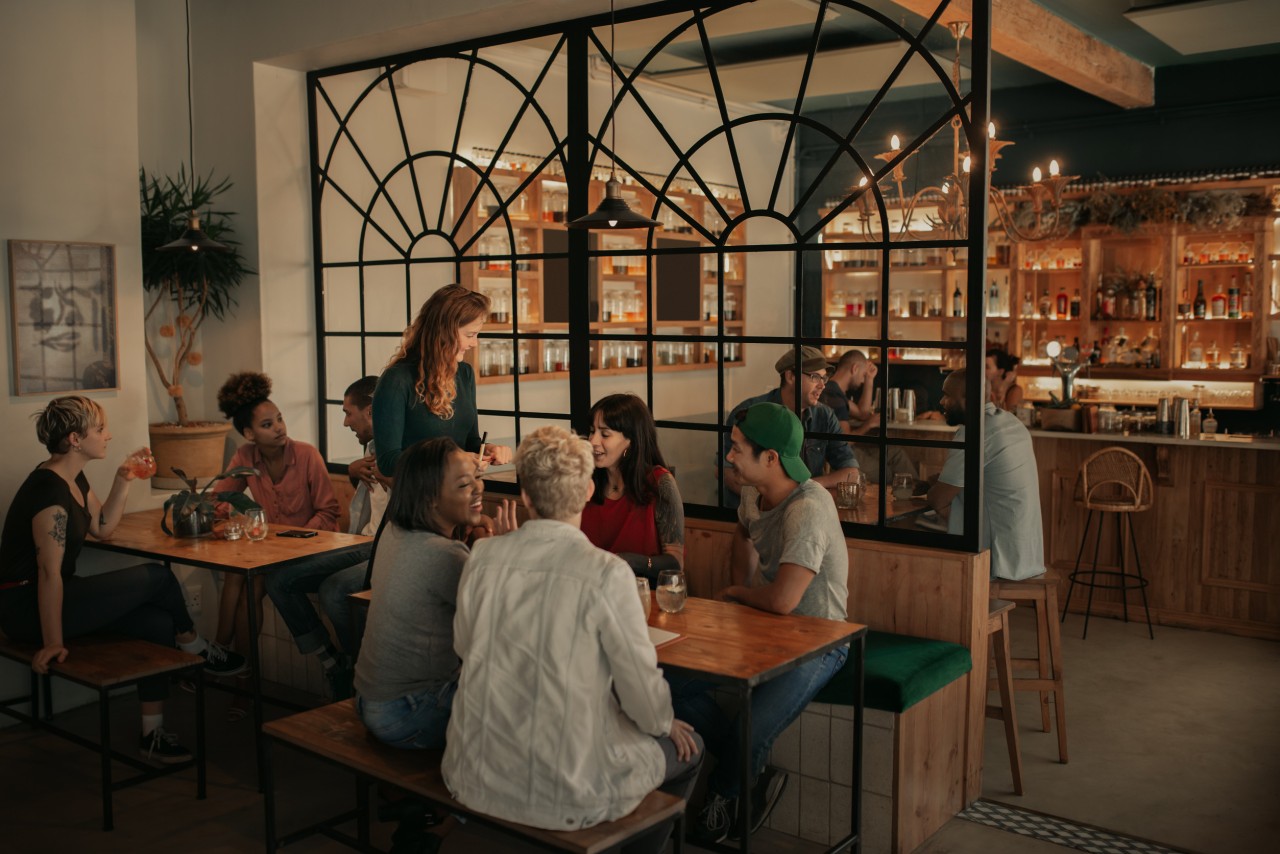
The non-alcoholic beverage boom showed remarkable staying power throughout 2025, driven by Gen Z’s focus on wellness and conscious consumption. Bars, restaurants, and cafes have expanded their zero proof menus with drinks featuring adaptogens, botanicals, and nootropic ingredients. These beverages offer the flavor complexity of cocktails without alcohol, making them appealing for evening outings, workday breaks, or social gatherings. Many brands released canned mocktails and sparkling functional tonics this year, featuring flavors such as hibiscus, yuzu, ginger, and herbal blends that appeal to younger consumers.
3. Upscale Comfort Foods with Premium Ingredients
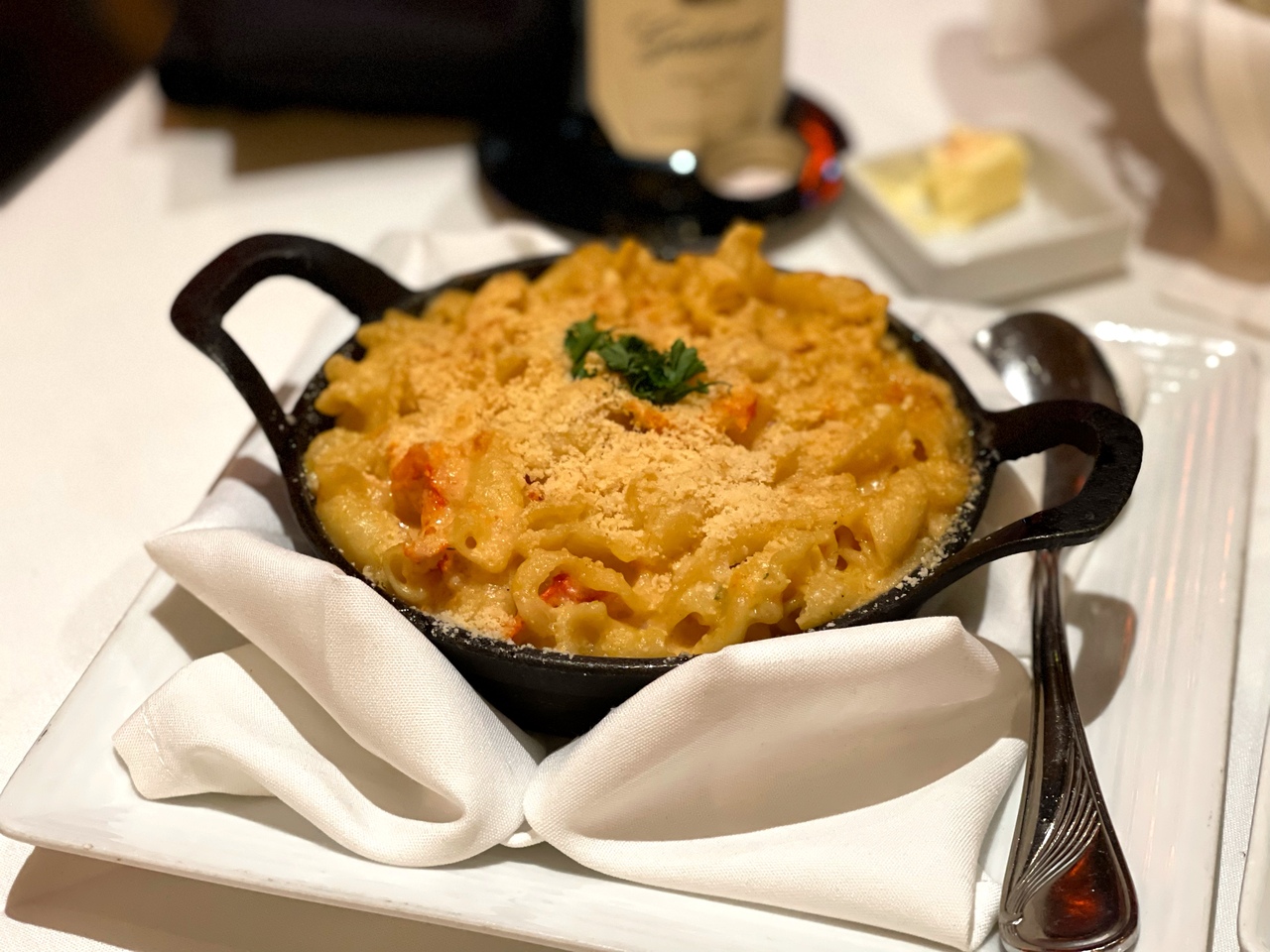
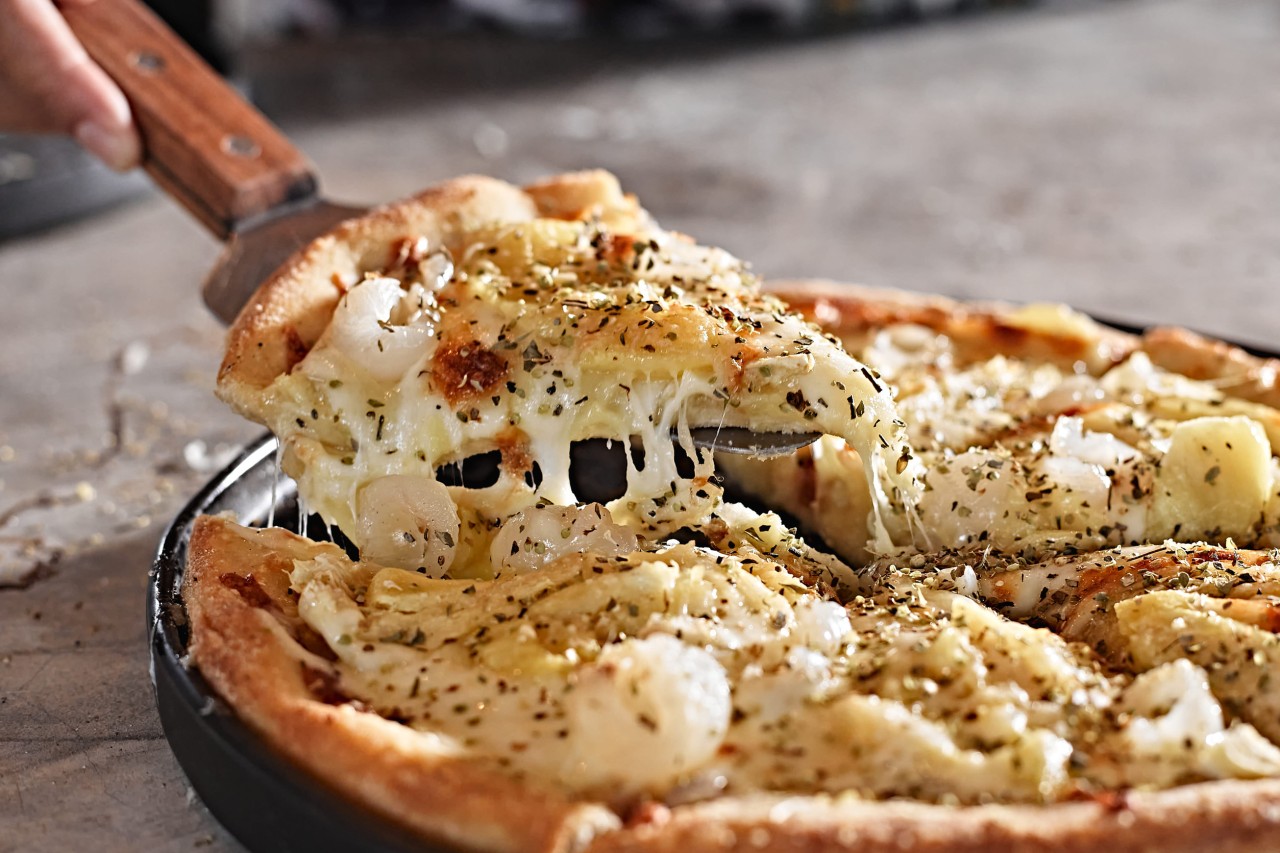
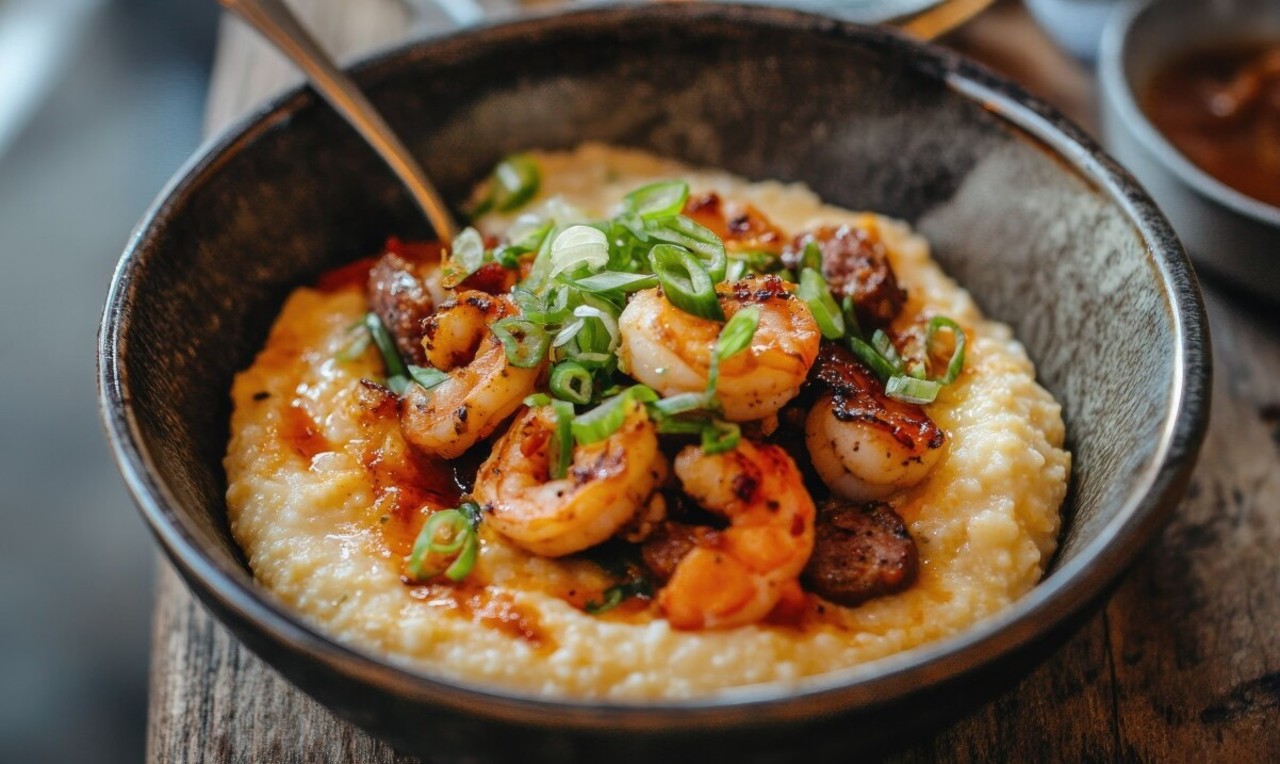
Comfort food saw a major glow up in 2025 as Gen Z sought dishes that blend familiarity with premium, high-quality ingredients. Restaurants across the country leaned into this movement with elevated takes on classics such as truffle mac and cheese, gourmet grilled cheeses with artisanal bread, and ramen bowls simmered for hours. Industry analysts note that Gen Z willingly spends more for meals that feel crafted rather than mass-produced. This year saw an increase in restaurant menus labeling ingredients like aged cheeses, heritage grains, and slow-braised meats to emphasize intentional preparation.
4. Global Breakfast Mashups
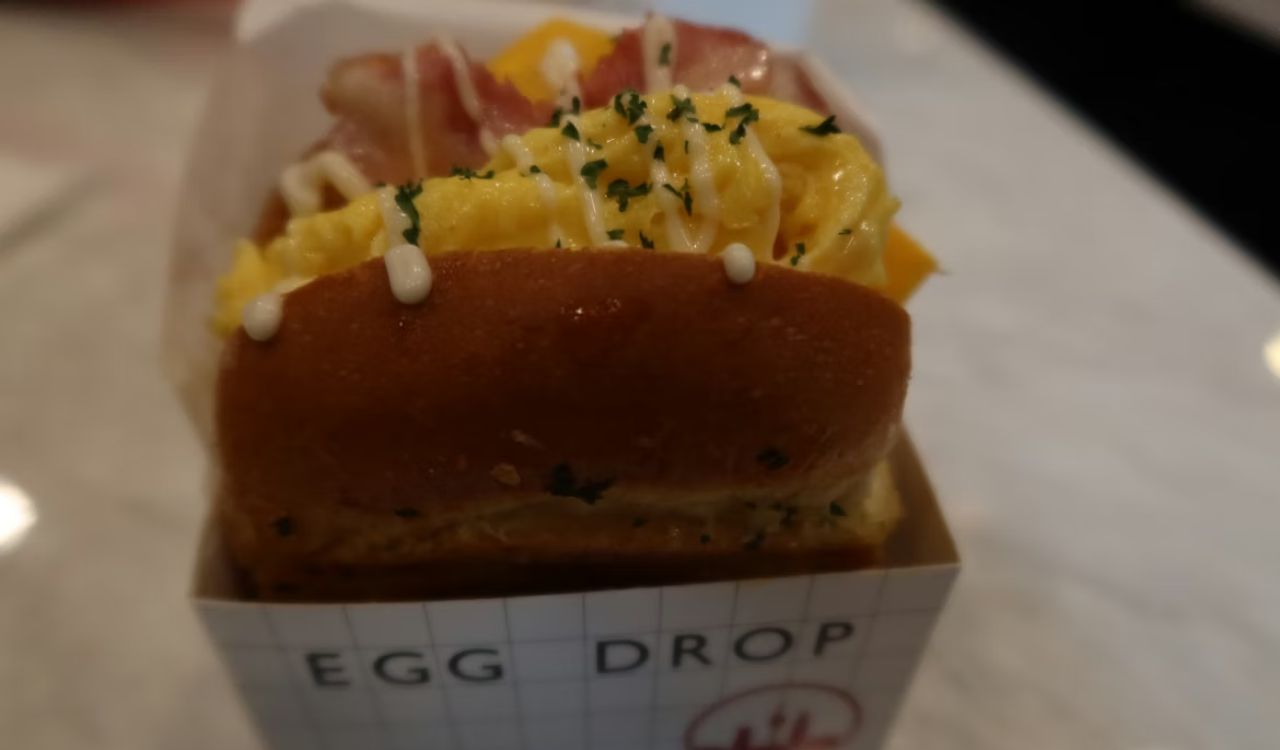
By late 2025, breakfast had become one of the most experimental meal categories, largely influenced by Gen Z’s appreciation for global flavors. Cafes in major cities and suburban areas alike have expanded their offerings to include Korean-style egg sandwiches, Filipino-inspired ube pastries, Japanese breakfast bowls with rice and miso elements, and Middle Eastern variations of shakshuka served with modern twists. Grocery stores have also broadened their international breakfast selections, making it easier to bring global morning flavors home.
5. Sweet Heat Desserts
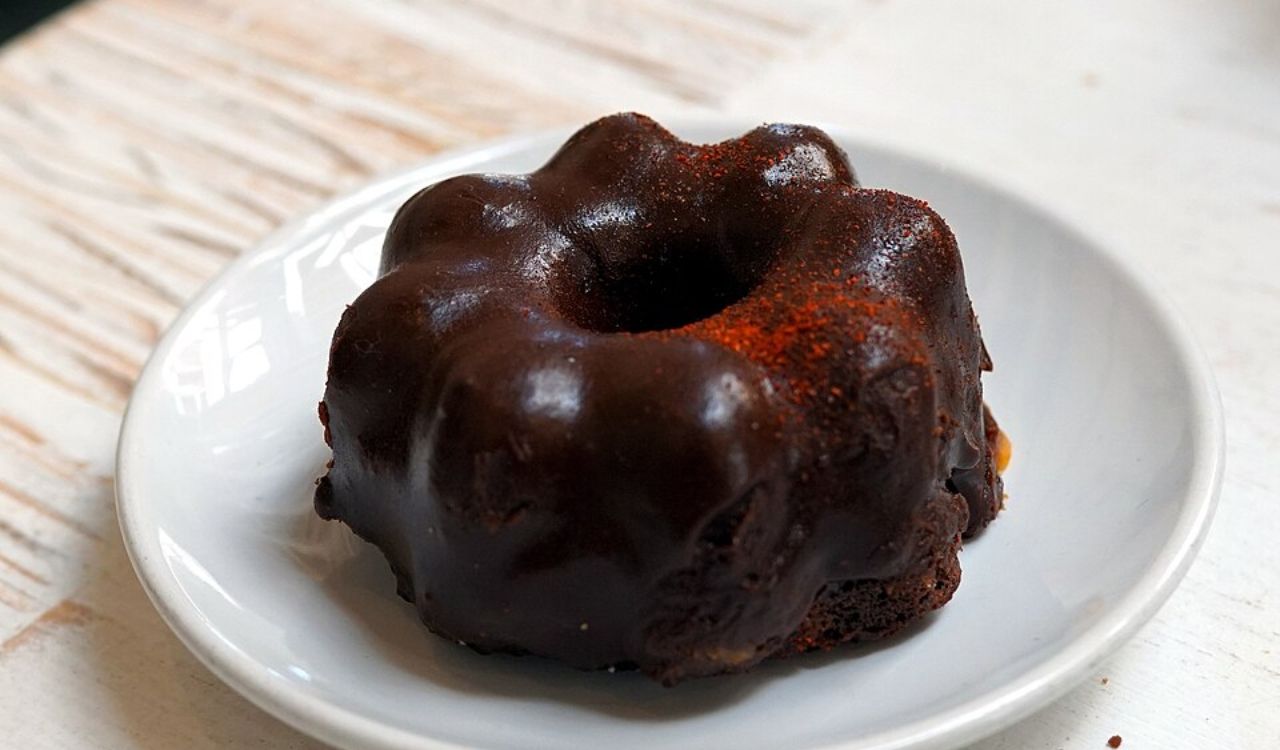
One of the most surprising but widely loved dessert trends of 2025 has been the rise of sweet heat, a category that blends sugary bases with subtle or bold spiciness. This year saw everything from spicy honey ice cream toppings to pepper-infused chocolate bars, cinnamon heat pastries, fiery fruit gummies, and chilli-kissed doughnuts. Younger consumers gravitated toward these flavors because they offer novelty without sacrificing comfort. Sweet heat became a popular feature at bakeries, fast food chains, and packaged snack brands, many of which released limited-edition items targeting Gen Z’s appetite for adventure.
6. Plant Forward Fast Food Built Around Real Vegetables
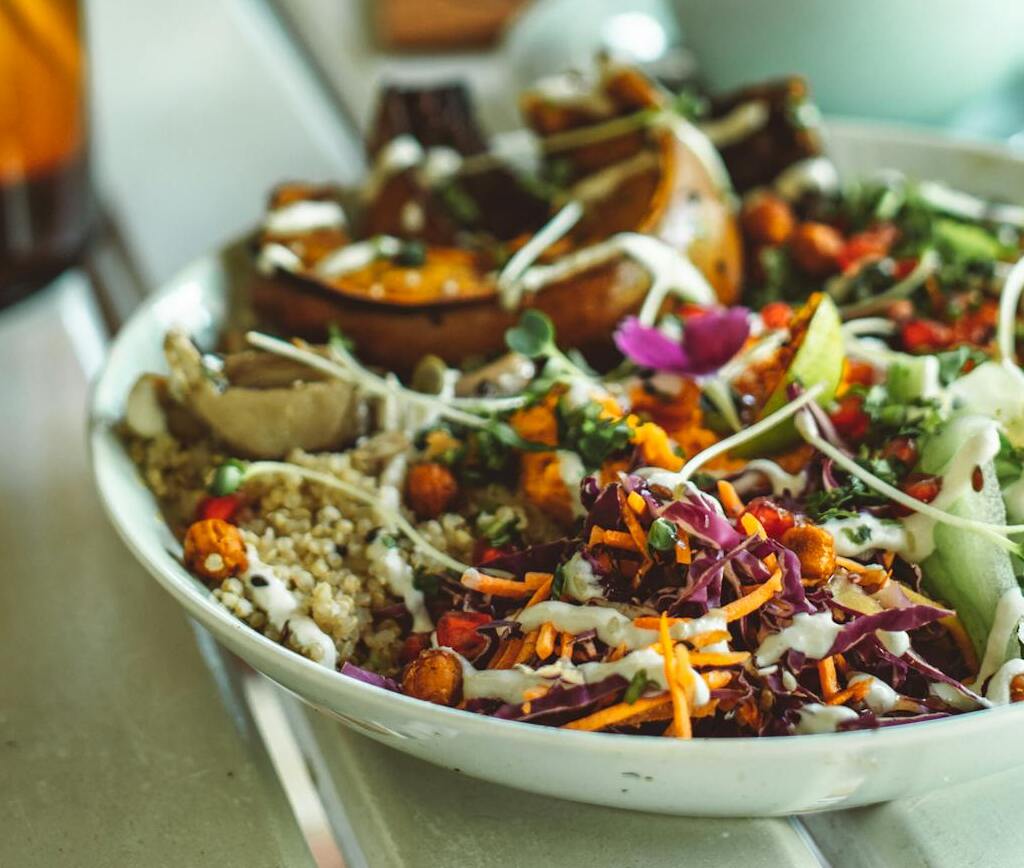
2025 marked a noticeable transition in plant-based eating. While imitation meats still exist, Gen Z increasingly favors plant-forward meals built around whole vegetables, beans, grains, and legumes. Fast casual restaurants rolled out menus highlighting roasted vegetables, marinated tofu, mushroom-based dishes, and grain bowls featuring colorful, minimally processed ingredients. Many industry forecasts predicted this shift, and by the end of 2025, it had become mainstream. Gen Z’s interest in sustainability played a major role in this trend, but so did the desire for food that feels fresh, vibrant, and less engineered.
7. Hyper Specific Snack Flavors
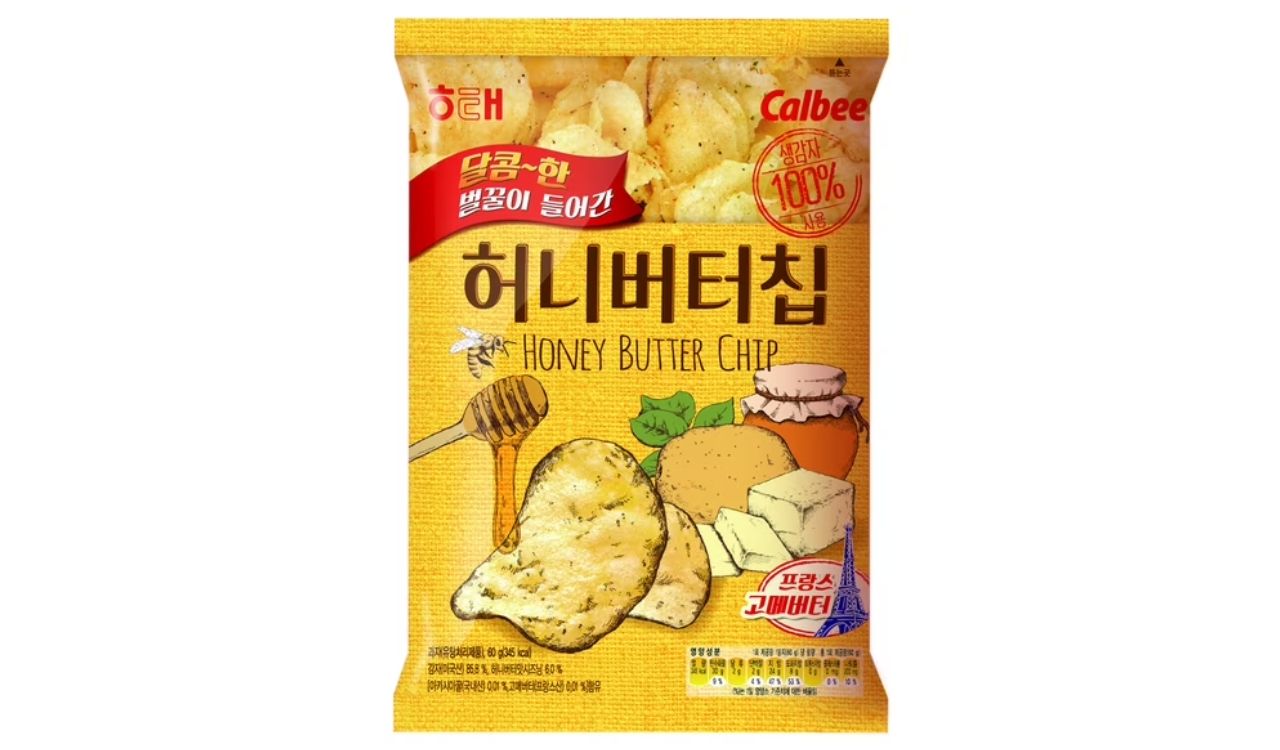
Snacking became more expressive than ever in 2025, thanks to Gen Z’s appetite for niche and highly specific flavors. Instead of general categories like barbecue or cheese, brands are releasing snacks flavored with kimchi seasoning, spicy miso, dill pickle ranch, honey butter, lemon pepper, and regional flavor blends inspired by global cuisines. Many of these products began as limited editions but became permanent due to strong sales. TikTok creators played a huge role by promoting unique flavors that spark conversation and curiosity. Retailers expanded their snack aisles to accommodate these trends, making hyper-specific flavors one of the most recognizable shifts in the 2025 snack market.