Some Grocery Store Fresh Foods Are Not As Fresh As Shoppers Think

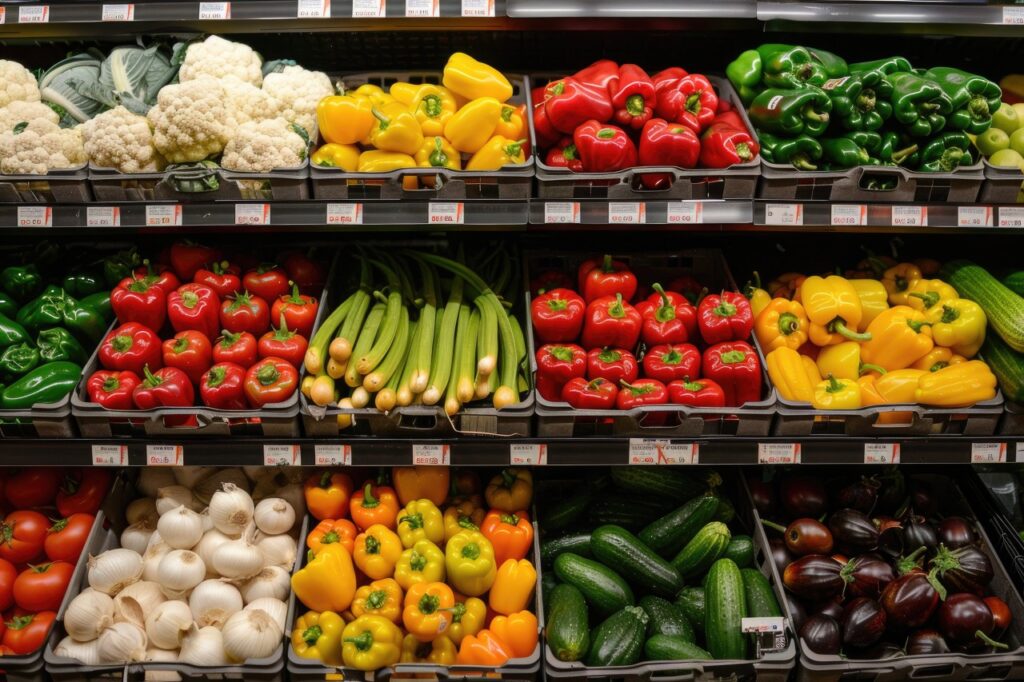
Walking through the produce aisle, it is easy to believe that everything in a grocery store is freshly harvested and recently prepared. Bright lighting, colorful displays, and neatly stacked fruits and vegetables create the impression that the food arrived just hours ago. Labels often highlight words like “fresh,” “farm-picked,” or “freshly prepared,” reinforcing the idea that shoppers are taking home ingredients at their peak. Yet the journey from farm to store is often far longer and more complex than most people imagine. Many foods pass through packing facilities, refrigerated trucks, and regional warehouses before finally reaching store shelves.
Behind the polished displays lies a supply system designed to keep food looking appealing for as long as possible. Refrigeration, controlled storage, long-distance transportation, and careful presentation all help preserve the appearance of freshness. While these methods help reduce waste and keep shelves stocked year-round, they can also blur the line between what is truly fresh and what simply looks that way. Some fruits and vegetables are harvested early so they can survive shipping, meaning they may ripen during transport rather than on the plant or tree. By the time they reach stores, they may look perfect but have already spent many days moving through the supply chain.
Long Supply Chains Reduce Real Freshness
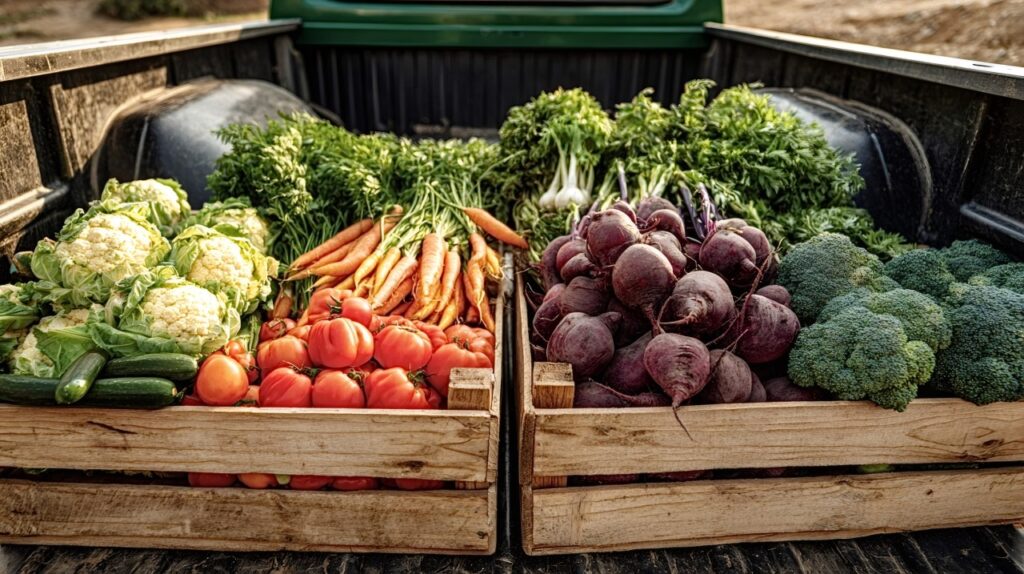
Fresh food in grocery stores often travels much farther than most shoppers realize. Fruits, vegetables, seafood, and meats typically move through a complex distribution system before reaching store shelves. Produce may be harvested on farms, sent to regional packing facilities, stored in warehouses, transported across states or even countries, and then delivered to supermarkets. Each step adds time between harvest and purchase, which means many items labeled as “fresh” may already be several days or weeks old. By the time they reach the display section, the journey behind them is often much longer than shoppers expect.
To maintain appearance during these long journeys, suppliers rely on refrigeration and careful packaging to slow natural decay. While these methods help protect food quality, they cannot completely stop the aging process. Nutrients gradually decline, and textures can soften as time passes. The result is that shoppers may be buying food that still looks appealing but has already lost some of the freshness it had when it was first harvested or processed. Even with modern storage technology, time still affects flavor, aroma, and overall quality, especially for delicate produce, leafy greens, and fresh herbs.
Cold Storage Preserves Food Longer
Modern refrigeration technology allows grocery stores to keep perishable foods looking fresh for extended periods. Many fruits and vegetables are placed in temperature-controlled storage immediately after harvest, where carefully managed cold environments slow down respiration and microbial growth. This process helps preserve color, firmness, and overall appearance, allowing produce to remain sellable long after it leaves the farm. Large distribution centers use precise humidity levels and airflow systems to maintain stable conditions, helping delicate items survive transportation and storage before finally reaching grocery stores.
However, cold storage does not completely stop natural aging. Even in ideal conditions, fruits and vegetables continue to slowly break down over time. Flavor compounds gradually weaken, and certain vitamins, particularly vitamin C, can decrease during extended storage. The same applies to meats and seafood kept in chilled environments before reaching store displays. While refrigeration protects food safety and extends shelf life, it can create the impression that food is fresher than it actually is, even when it has spent many days in controlled storage before finally appearing in store produce sections.
Store Preparation Hides Product Age
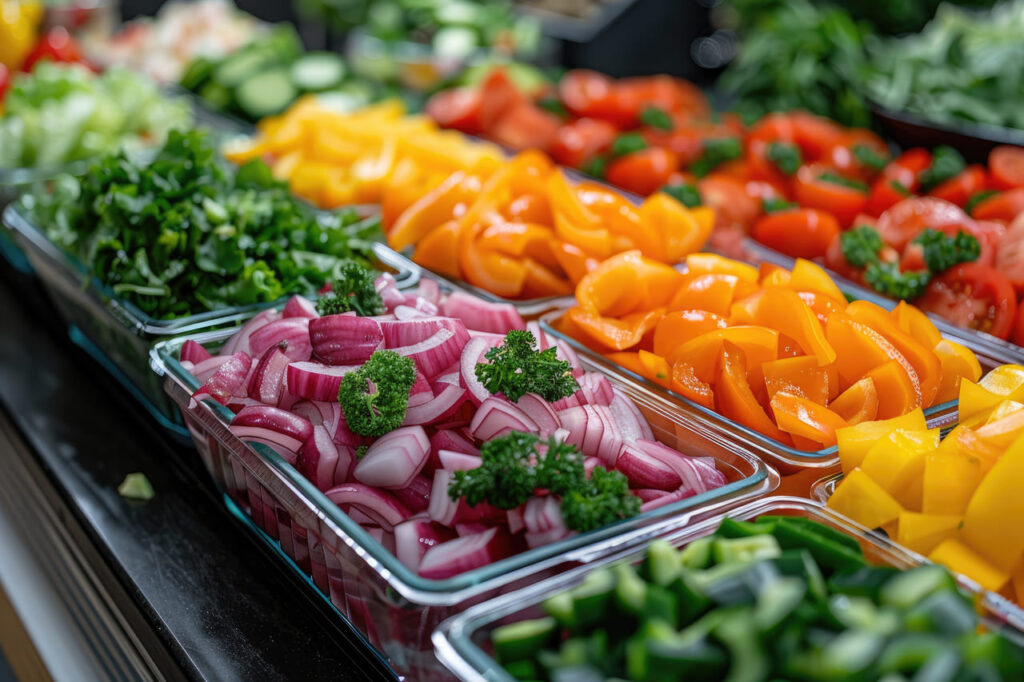
Grocery stores often prepare certain foods on-site to make them appear freshly made and ready to eat. Items such as precut fruit, chopped vegetables, deli salads, and packaged snack trays are commonly assembled in store kitchens or preparation areas. While these products offer convenience for shoppers, the ingredients used to create them may have already spent several days in storage before being cut and packaged. Once prepared and neatly arranged in clear containers, these foods can look newly made, which naturally leads customers to assume the ingredients were recently delivered. Bright lighting and attractive packaging further enhance the fresh appearance.
In many cases, store preparation also helps reduce food waste by giving ingredients a second life before they spoil. Fruits with small blemishes or vegetables that are beginning to soften may be trimmed and turned into fruit cups, salad mixes, or vegetable trays. This process keeps food usable and safe while preventing perfectly edible items from being discarded. However, the trimming, slicing, and repackaging can make ingredients appear fresher than they truly are, since the visible signs of aging have often been removed during preparation. Shoppers may not realize how long the ingredients were stored before being prepared.
Visual Tricks Make Food Look Fresher
Supermarkets are carefully designed to make food appear as fresh and appealing as possible the moment shoppers walk through the doors. Bright overhead lighting highlights color and texture, while neatly stacked displays create the impression that items have just been placed on the shelf. In produce sections, vegetables are often misted with water to keep them looking crisp and hydrated. Many fruits are coated with a thin edible wax that locks in moisture and adds shine, helping apples, cucumbers, and peppers look vibrant even after long storage and shipping. These small visual touches strongly influence how shoppers judge quality.
Packaging and display strategies also shape how shoppers judge freshness at a glance. Clear plastic containers showcase the color and condition of fruits, salads, and prepared foods, making them look ready to eat and recently packed. Labels frequently use phrases such as “farm fresh,” “market fresh,” or “freshly prepared,” which naturally suggest high quality and a recent harvest. While these practices are common in modern food retail, they encourage shoppers to rely on visual signals rather than the actual timeline of harvest, storage, and transportation behind the food. Store design plays a major role in shaping these impressions.
Understanding Freshness Helps Shoppers Choose Better
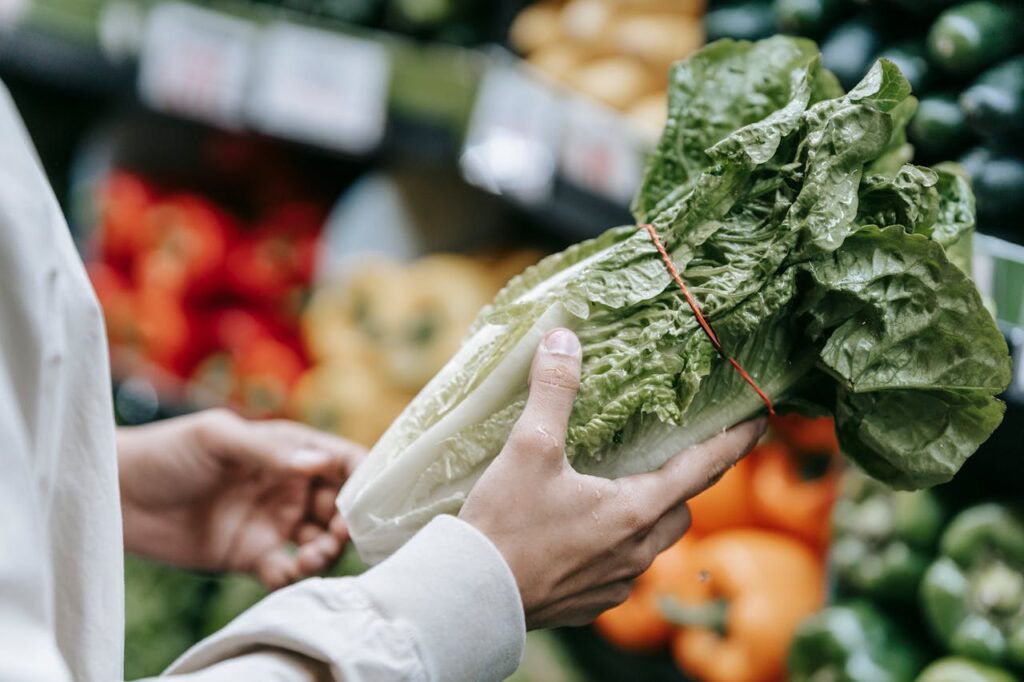
Recognizing how grocery store systems operate can help shoppers make more thoughtful decisions about the food they bring home. Freshness is shaped by many factors that begin long before a product reaches the store shelf. Harvest timing, transportation distance, storage conditions, and the amount of time an item spends in display cases all influence how fresh it truly is. Foods that travel shorter distances or move through supply chains more quickly often retain more of their natural flavor, texture, and nutritional value compared with products that spend extended periods in storage or transit overall.
Paying closer attention to certain shopping habits can make it easier to find genuinely fresh foods. Looking for seasonal produce, checking packaging or packing dates, and choosing whole fruits and vegetables instead of precut options can help reveal how recently items were harvested or prepared. Farmers’ markets and locally sourced products are also more likely to reach consumers sooner after harvest. While supermarkets offer year-round variety and convenience, understanding how food moves from farm to shelf allows shoppers to select items that are closer to their natural state of freshness whenever possible.