10 Old-Fashioned Foods That Rarely Appear on Menus Today

Restaurant menus have changed dramatically over the years as dining habits, ingredients, and culinary trends continue to evolve. Many dishes that once appeared regularly in diners and family restaurants are now rarely seen outside of vintage cookbooks or nostalgic conversations. Some of these meals relied on ingredients and cooking styles that were popular decades ago but feel unusual to modern diners. Others simply lost their appeal as lighter dishes and global cuisines became more common. Looking back at these old-fashioned foods offers a glimpse into how American dining culture has shifted over time.
1. Jell-O Salad

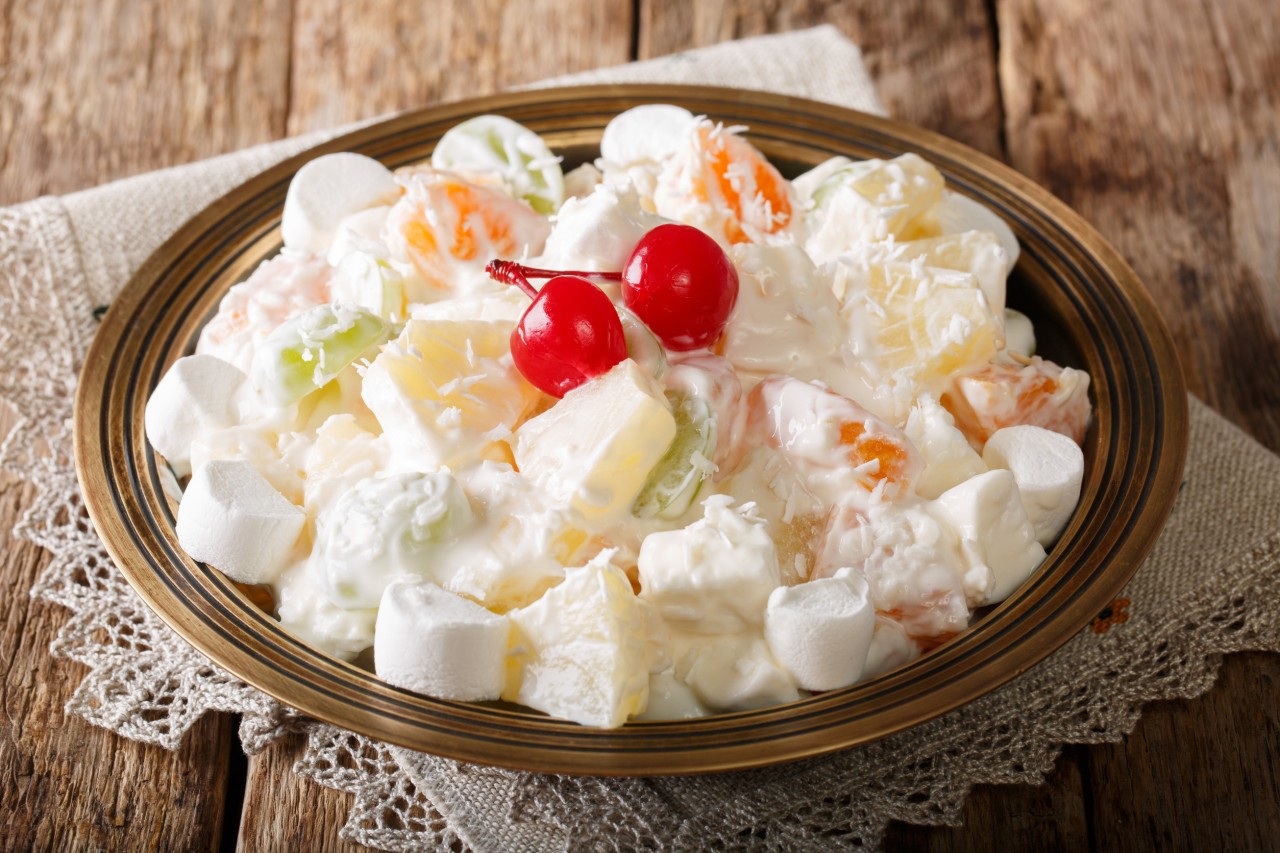
Brightly colored gelatin dishes once held a special place on American tables. Jell-O salads were especially popular during the mid-twentieth century, when home cooks combined flavored gelatin with fruit, vegetables, whipped toppings, or even cottage cheese.
The appeal came from both convenience and presentation. Gelatin mixes were inexpensive and easy to prepare, and the finished dish could be molded into decorative shapes that looked impressive on a serving table.
Today, the dish rarely appears on restaurant menus. Many diners associate it with vintage recipes from older cookbooks and the combination of gelatin with savory ingredients. As tastes shifted toward fresher and less processed foods, Jell-O salads slowly disappeared from most dining rooms.
2. Liver and Onions
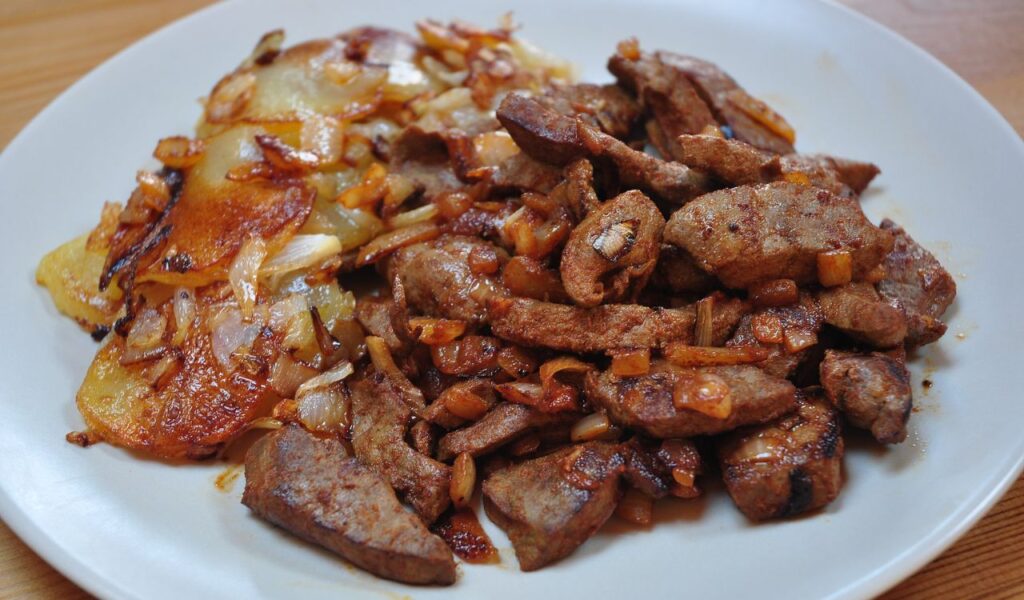
Liver and onions were once a dependable item on diner menus across the United States. The dish typically featured slices of beef or calf liver cooked with caramelized onions, often served alongside mashed potatoes or vegetables. It was valued as a hearty meal packed with nutrients.
Preparing liver well requires careful timing. The meat cooks quickly, and even a short period of overcooking can make it tough and grainy. When handled properly, however, the flavor is rich and distinctive, with onions adding sweetness that balances the strong taste.
Despite its nutritional value, many diners today are hesitant to order organ meats. Because of this decline in demand, the dish now appears far less often on restaurant menus.
3. Creamed Chipped Beef on Toast
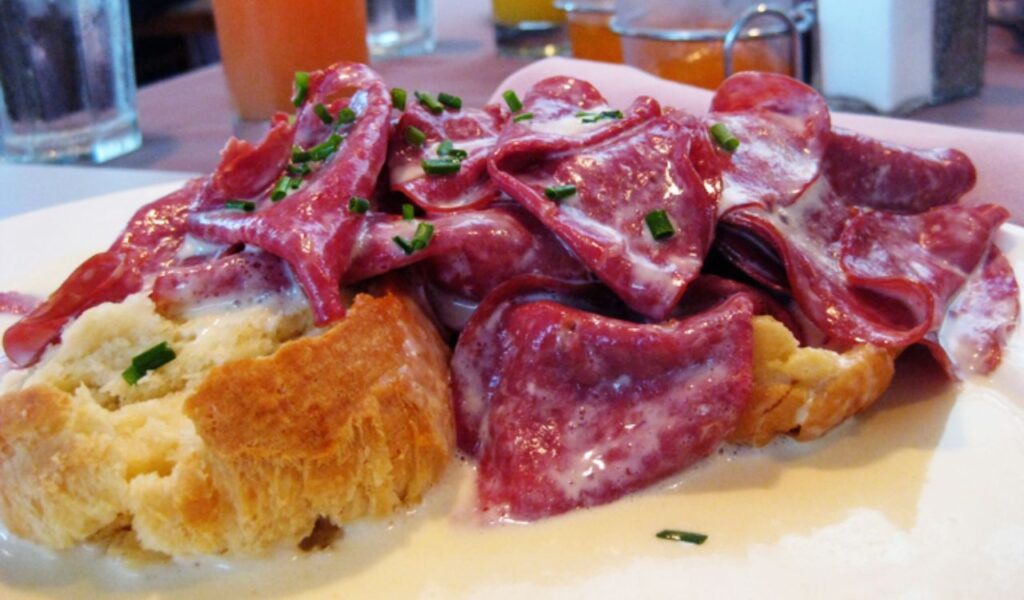
Creamed chipped beef on toast was once a common breakfast or lunch dish in diners and cafeterias. It typically featured thin slices of dried beef cooked in a creamy white sauce and served over toasted bread. The meal was filling, affordable, and easy to prepare in large batches.
The dish gained particular recognition through its association with military kitchens, where it was widely served during the twentieth century. Its simple ingredients made it practical for feeding large groups, and many people developed a nostalgic connection to it.
Modern diners, however, often prefer lighter meals with fresher ingredients. The dish’s heavy cream sauce and salty dried beef can feel overwhelming compared with contemporary breakfast options.
4. Salisbury Steak
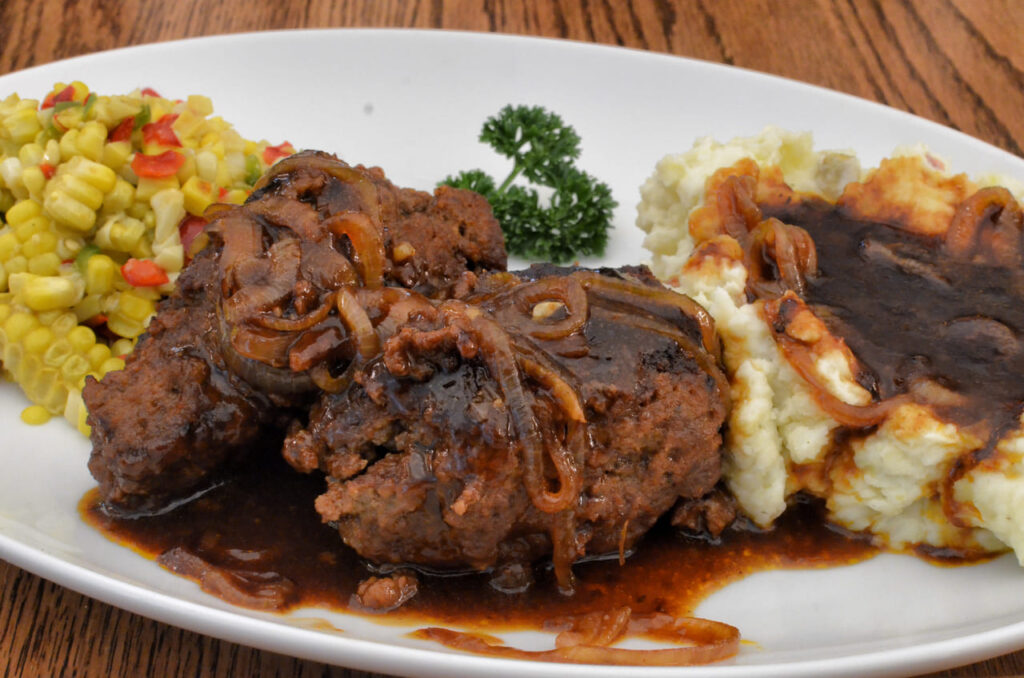
Salisbury steak has long been considered a classic American comfort dish. It usually consists of seasoned ground beef shaped into patties and served with brown gravy, sometimes accompanied by onions or mushrooms.
The dish originally gained popularity in restaurants and home kitchens because it was economical and satisfying. Ground beef allowed cooks to stretch ingredients further while still creating a hearty meal. When prepared well, the combination of beef and savory gravy can be deeply comforting.
Over time, the dish became strongly associated with frozen dinners and prepackaged meals. This connection affected its reputation, leading many restaurants to replace it with fresher steak preparations or modern burger variations.
5. Milk Toast
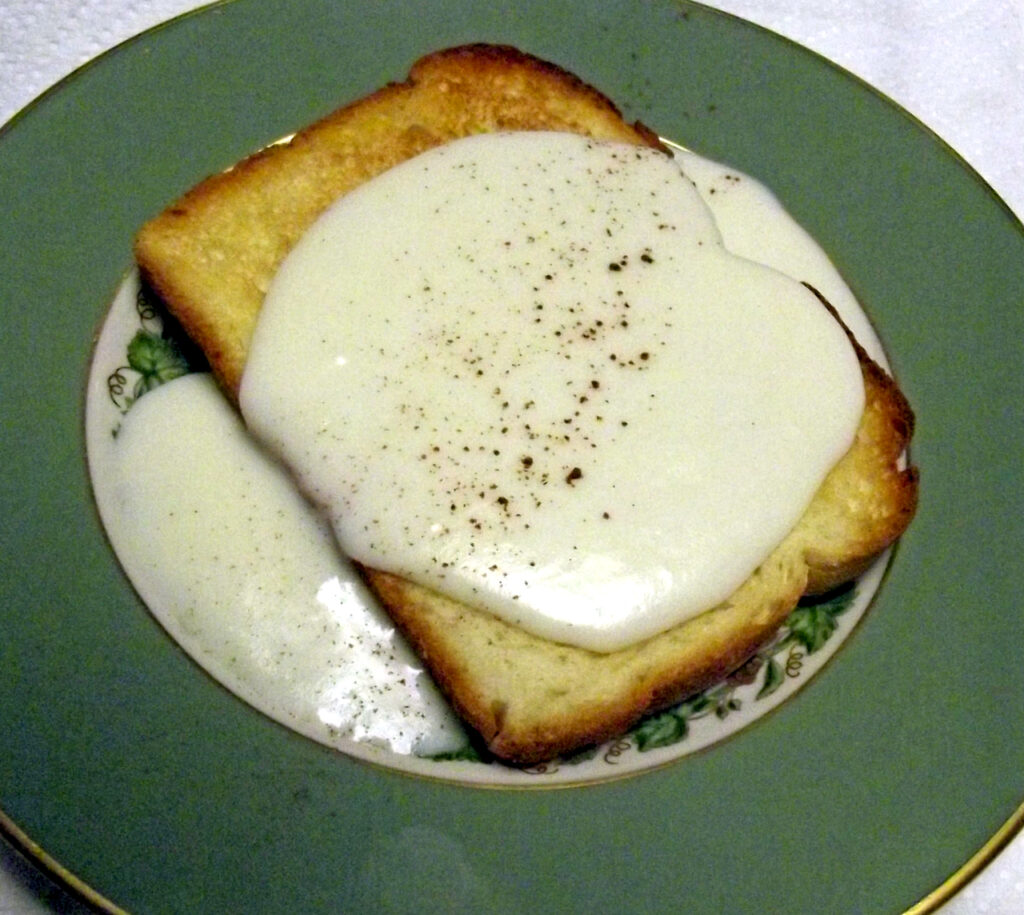
Milk toast is one of the simplest comfort foods from earlier generations. The dish consists of toasted bread softened with warm milk and sometimes sweetened with sugar or sprinkled with cinnamon. It was often served as a gentle meal for children or people recovering from illness.
The recipe became popular because it required only a few basic ingredients that were commonly available in most households. During earlier decades, simple foods like milk toast were valued for their ease of preparation and soothing qualities.
Modern diners often expect breakfast dishes to include more substantial ingredients such as eggs, meats, or fresh fruit. Compared with these options, milk toast feels more like a nostalgic home remedy than a menu item.
6. Jelly Omelette

The jelly omelette is an example of how breakfast traditions have evolved. In this dish, a plain omelette is filled with fruit jelly or jam, creating a sweet variation of the classic egg preparation.
During earlier decades, it was not unusual to combine eggs with sweet ingredients. Cookbooks from the late nineteenth and early twentieth centuries included several similar recipes that blurred the line between breakfast and dessert.
Today, the concept feels unusual to many diners. Eggs are typically paired with savory ingredients such as cheese, vegetables, or meats. Because of this shift in taste, jelly omelettes rarely appear in modern restaurant kitchens.
7. Roast Beef Manhattan
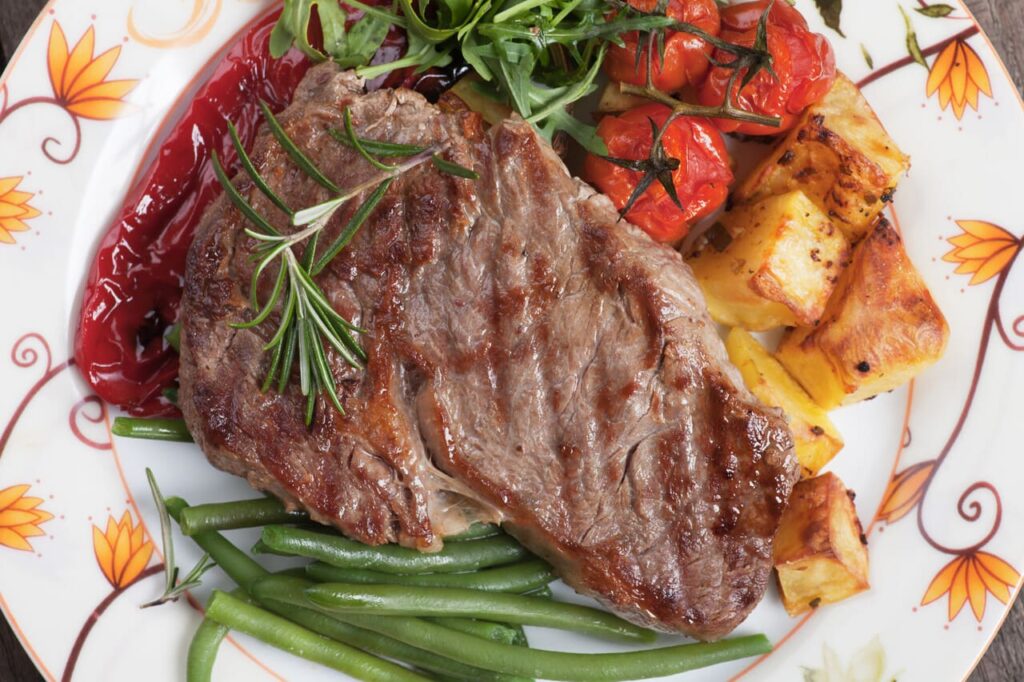
The roast beef Manhattan is a hearty diner meal built around sliced roast beef served on bread and covered with brown gravy. The dish is often accompanied by mashed potatoes, creating a plate that feels both filling and comforting.
This type of meal became popular in regions where diners specialized in generous portions of traditional comfort food. The gravy soaked into the bread and meat, producing a rich and satisfying combination.
However, dining trends have gradually moved toward lighter meals and more varied cuisines. Plates dominated by thick gravy and large portions of meat have become less common. As a result, the roast beef Manhattan now appears far less frequently on restaurant menus.
8. Rice Pudding
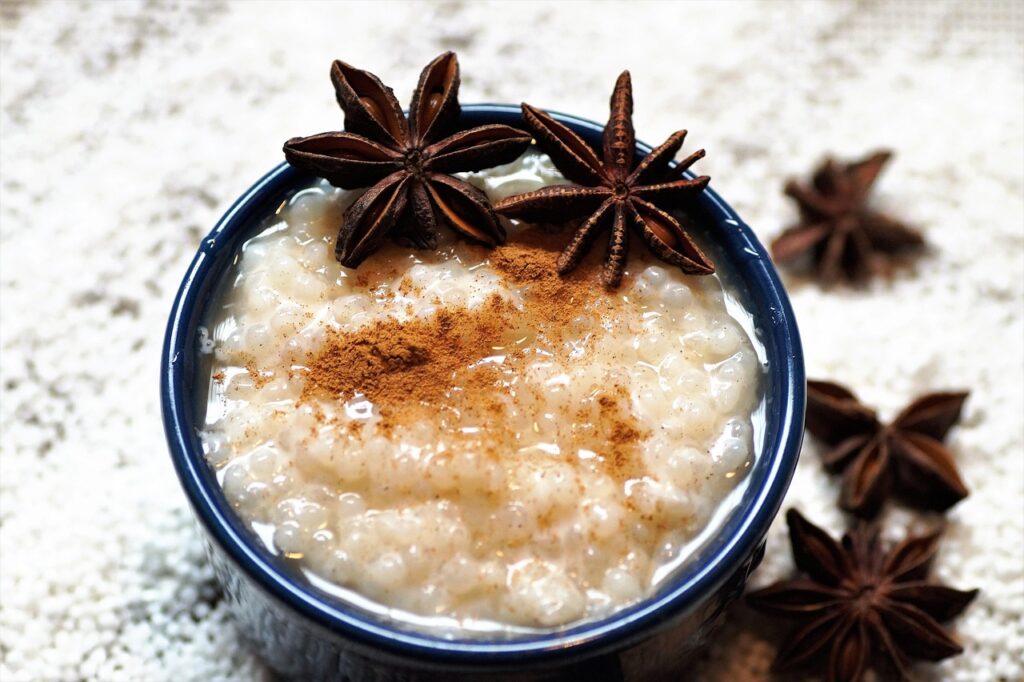
Rice pudding has been enjoyed for centuries in many cultures. In American diners, it was often served as a simple dessert made from rice cooked slowly with milk, sugar, and sometimes cinnamon or raisins.
The appeal of rice pudding came from its comforting texture and gentle sweetness. Because it used basic ingredients, it was easy for restaurants to prepare in large batches and serve throughout the day.
In recent years, dessert menus have shifted toward more elaborate options such as cakes, pastries, and frozen treats. Compared with these choices, rice pudding may appear modest or old-fashioned, which has contributed to its gradual disappearance from many menus.
9. Tuna Noodle Casserole
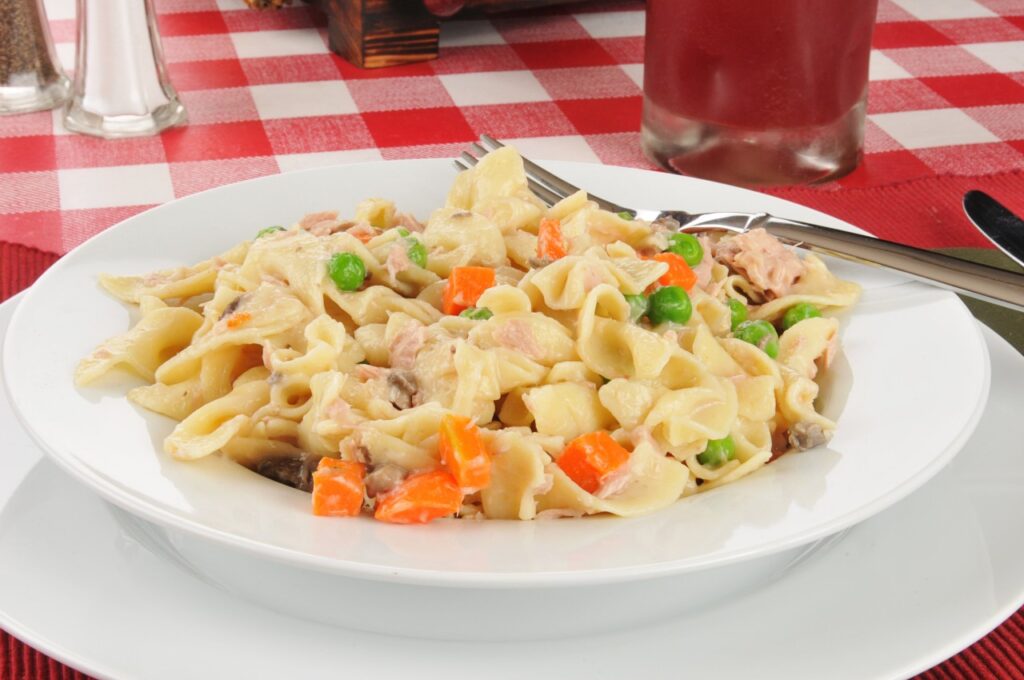
Tuna noodle casserole became widely popular in American households during the mid-twentieth century. The dish combines canned tuna, egg noodles, and a creamy sauce, often topped with breadcrumbs or fried onions before baking.
The casserole gained attention because it was economical and easy to assemble. Many recipes relied on pantry staples, which made it practical for busy families and community gatherings.
As restaurant dining expanded to include a wider variety of global cuisines, casseroles became less common on menus. While the dish still holds nostalgic value for many people, it is rarely featured in modern restaurants.
10. Aspic
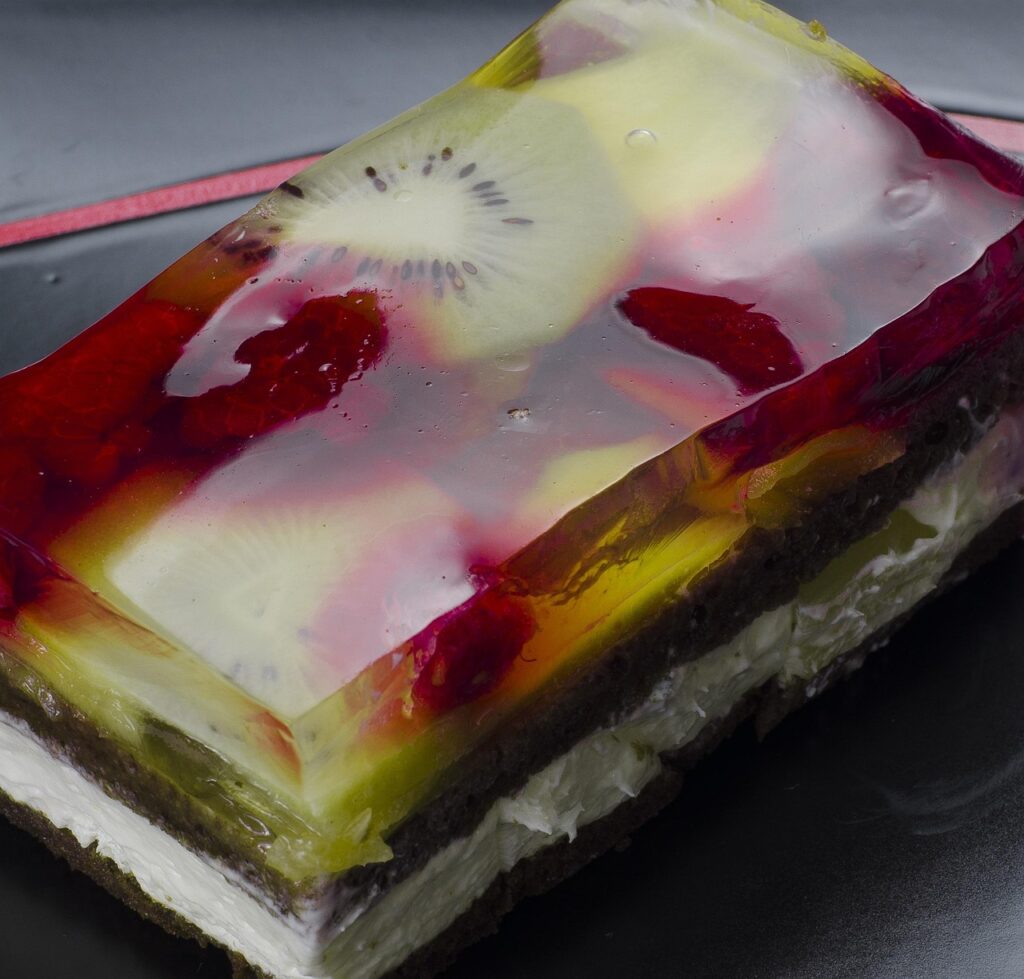
Aspic is a savory dish made by suspending ingredients such as meat, vegetables, or seafood in gelatin. The clear gelatin forms a firm mold that preserves and displays the ingredients inside.
During earlier decades, aspic was considered elegant and sophisticated. It appeared frequently at formal dinners and in elaborate buffet presentations. The clear gelatin allowed chefs to create decorative shapes that showcased their skill.
Modern diners often find the texture and concept unfamiliar. Savory gelatin dishes no longer match current dining trends that favor fresh, lightly prepared foods. Because of this shift in taste, aspic has largely vanished from restaurant menus.