Why Limited Time Foods Keep Coming Back Again and Again

Limited-time food items often feel like one-time opportunities, but many of them have a way of returning again and again. What seems like a simple promotional tactic is actually a carefully designed strategy built on psychology, timing, and consumer behavior.
By making products temporary, brands create urgency and excitement, then bring them back just as interest peaks again. This cycle keeps customers engaged, encourages repeat visits, and allows companies to test ideas without long-term risk.
The result is a pattern where limited-time foods rarely stay gone for good.
The Scarcity Effect That Drives Urgency
What makes limited-time foods feel special often comes down to scarcity. When something is only available for a short period, it immediately feels more valuable. This perception is not about the product itself but about how rare it seems.
Scarcity creates a sense of urgency in decision-making. Customers feel they need to act quickly or risk missing out. This pushes them to choose faster than they normally would.
The idea of missing out plays a strong role in this behavior. People tend to regret not trying something more than trying it and not liking it. This makes limited items more appealing.
Even if the product is not new, the limited label changes how it is perceived. It turns a regular item into something that feels exclusive. This shift increases interest and attention.
As a result, limited availability becomes a powerful tool. It encourages immediate action and increases demand. This is why brands continue to rely on scarcity.
The Psychology That Makes Limited Items Irresistible

What drives people toward limited-time foods is often psychological rather than practical. Time pressure creates a sense of urgency that can override careful decision-making. This leads to more impulse purchases.
When people know an item will not be available for long, they are more likely to try it. The temporary nature makes it feel like a unique opportunity. This increases willingness to experiment.
There is also a natural tendency to want what is harder to get. Limited availability makes products feel more desirable. This effect strengthens interest even before tasting the item.
Emotional responses play a key role in this process. Excitement and curiosity build around short-term offers. These feelings make the experience more engaging.
Together, these factors make limited items hard to resist. The appeal comes from both the product and the situation around it. This combination drives strong customer response.
The Strategy Behind Releasing and Releasing Again
What may seem like repetition is often a deliberate strategy. Brands rotate limited-time items instead of making them permanent to maintain interest. This keeps menus and product lines feeling fresh.
If a product is always available, it can lose its sense of excitement. By removing it and bringing it back later, brands recreate that initial interest. This cycle keeps customers engaged over time.
Rotation also allows companies to manage complexity. Keeping too many items on a permanent menu can slow operations. Limited runs help control this while still offering variety.
Timing plays an important role in this strategy. Products are often reintroduced during specific seasons or events. This makes them feel relevant and timely.
This approach creates a pattern of anticipation. Customers begin to expect the return of certain items. This keeps demand strong even before the product comes back.
The Testing Ground for Future Bestsellers
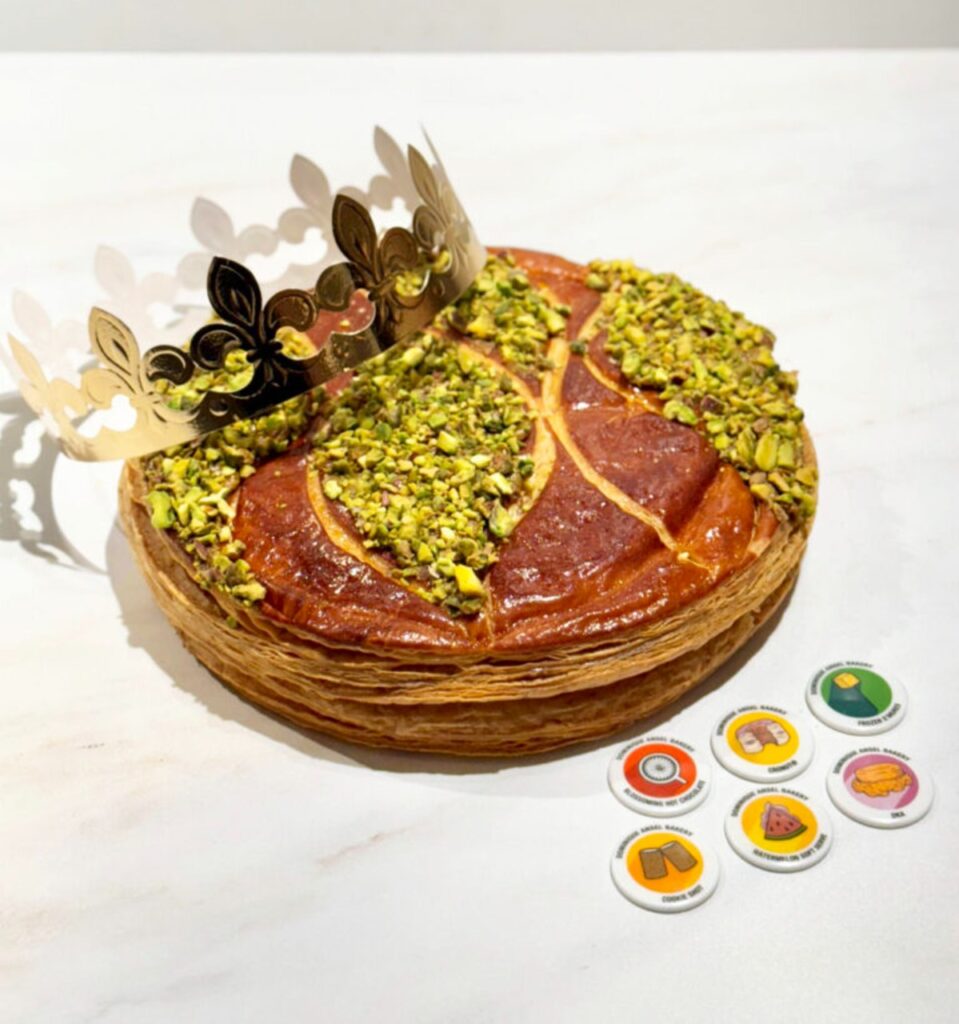
Limited-time products are often used as a way to test ideas. Brands introduce new items on a temporary basis to see how customers respond. This reduces the risk of launching something permanently.
Sales data and customer feedback provide valuable insights. Companies can see which items perform well and which do not. This helps guide future decisions.
Testing also allows for adjustments. Recipes, portion sizes, or pricing can be refined based on initial reactions. This improves the chances of long-term success.
Some limited items eventually become permanent. When demand is strong and consistent, brands may add them to the regular menu. This shows how testing can lead to lasting changes.
This process makes limited runs more than just promotions. They are a key part of product development. It allows brands to innovate while staying responsive to customers.
Why Familiar Favorites Keep Making Comebacks
What keeps certain limited items returning is not just strategy but memory. Customers often form strong attachments to specific products. When those items disappear, demand for their return builds over time.
Nostalgia plays a significant role in this cycle. Foods that remind people of past experiences feel more meaningful. This emotional connection strengthens interest when the item comes back.
Brands pay close attention to these patterns. They track which products generate the most excitement when reintroduced. This helps them decide what to bring back and when.
Reintroducing familiar items also reduces risk. Customers already know what to expect, which makes them more likely to buy. This creates a reliable source of demand.
Over time, this cycle becomes predictable. Customers look forward to the return of their favorites. This ongoing anticipation keeps limited-time products relevant and successful.