7 Medications That Are About to Become Unaffordable Due to Pharma Tariffs


Prescription drug prices are already a strain for millions of households, and proposed pharmaceutical tariffs could make that pressure much worse. Because many medicines and their key ingredients are sourced globally, even targeted trade policies can ripple through insurance plans, pharmacy shelves, and out-of-pocket costs. Here are seven medications and treatment categories that experts say could become harder to afford if tariff-driven costs keep climbing.
Insulin

Insulin is one of the clearest examples of a medicine that can become financially punishing when supply costs rise. Even though major insulin brands are sold in the United States, the broader manufacturing chain often depends on imported ingredients, specialized components, and temperature-controlled logistics that can all become more expensive under tariffs.
For people with diabetes, this is not a drug they can simply skip for a few weeks. A higher list price can also affect people in high-deductible plans, the uninsured, and anyone whose preferred brand is not fully covered. If tariffs raise production or packaging costs, the burden can show up quickly at the pharmacy counter.
Asthma inhalers

Asthma inhalers sit at the intersection of medicine and device manufacturing, which makes them especially vulnerable to trade disruptions. Many inhalers rely on imported active ingredients, propellants, canisters, valves, and other specialized parts. When tariffs hit any point in that chain, the final product can get more expensive fast.
That matters because inhalers are often used repeatedly over long stretches of time, and some patients need both rescue and maintenance options every month. If prices rise, people may stretch doses or delay refills, which can lead to worse flare-ups and more emergency care. A relatively small tariff upstream can have very real health consequences downstream.
Chemotherapy drugs

Cancer treatment is already among the most expensive areas of medicine, so any tariff-related increase can be especially damaging. Many chemotherapy drugs depend on internationally sourced active pharmaceutical ingredients, sterile manufacturing systems, and tightly controlled packaging. A disruption in any one of those areas can push costs higher or create shortages.
Patients rarely have the luxury of waiting for prices to settle. Treatment schedules are built around timing, and delays can affect outcomes. Hospitals and infusion centers may absorb part of the cost at first, but those pressures often spread through insurers and patients later. For families facing cancer, even a modest price increase can feel overwhelming.
Blood thinners
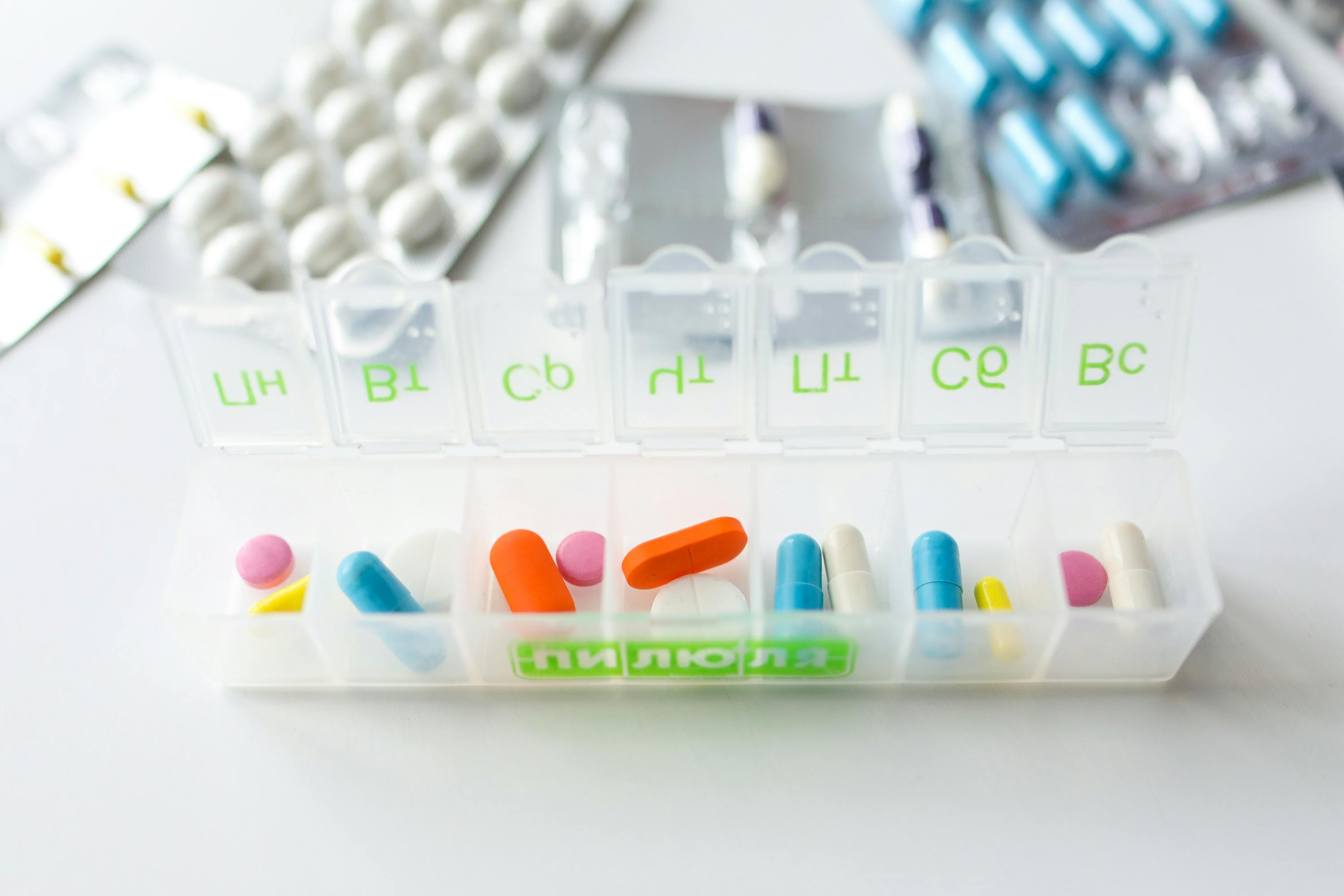
Blood thinners are used by people with heart disease, irregular heart rhythms, clotting disorders, and after some surgeries. That makes them a daily necessity for a large and often older patient population. If tariffs raise the cost of imported ingredients or finished doses, these medications could become harder to keep affordable.
The risk here is not just financial. When blood thinner prices climb, some patients may cut pills, skip doses, or postpone refills to save money. That can increase the chance of stroke, dangerous clots, or hospitalization. Because these medicines are preventive, the damage from higher costs may not be obvious right away, but it can be severe when it appears.
Antibiotics
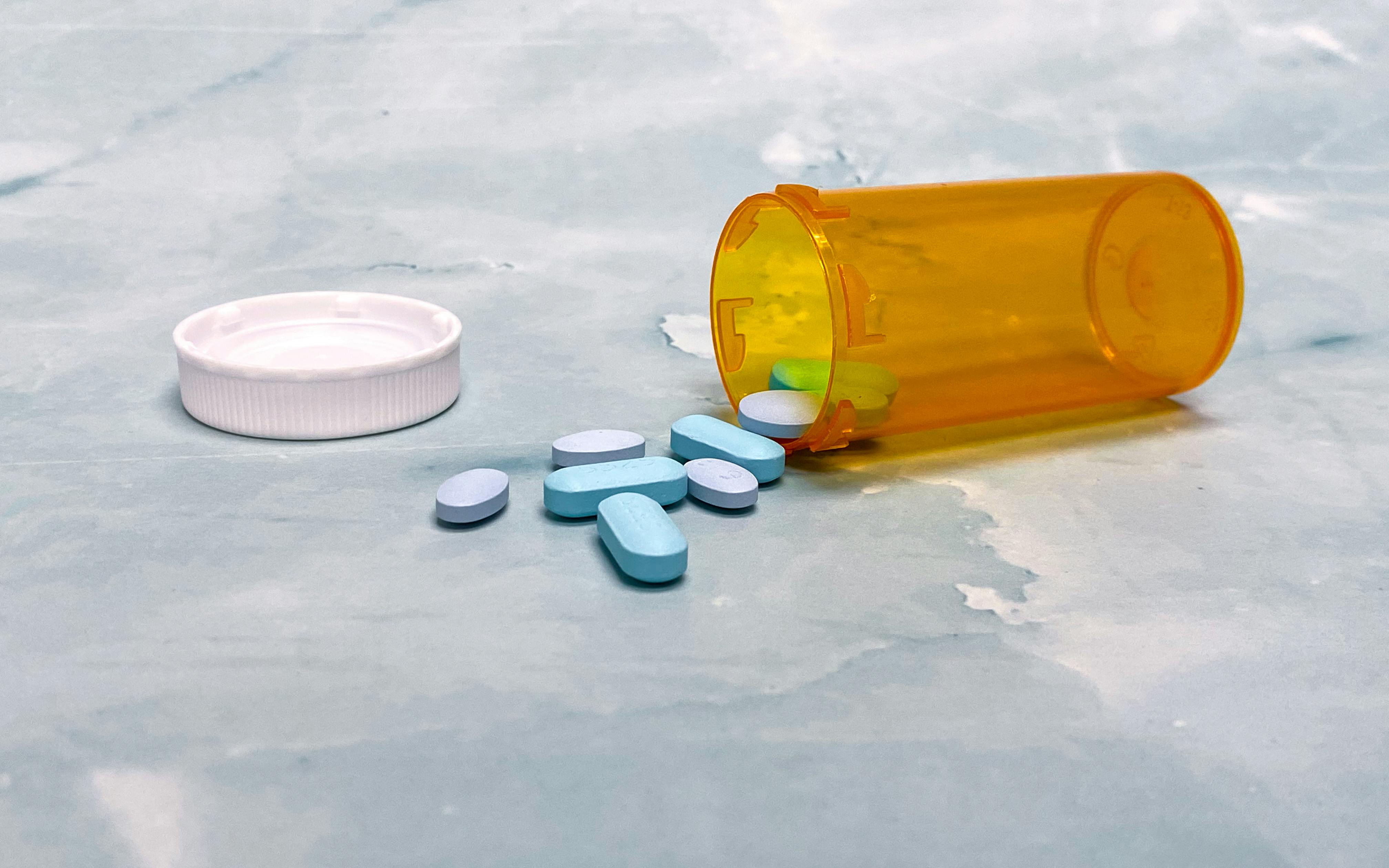
Antibiotics may seem like a routine part of modern medicine, but many generic versions are made through complex global supply networks. The United States imports a significant share of active pharmaceutical ingredients used in common drugs, and antibiotics are often cited as a category vulnerable to overseas concentration and thin profit margins.
That combination matters because tariff costs can hit an already fragile market. Manufacturers with low margins may exit, pharmacies may face spot shortages, and the remaining supply can get pricier. For patients, that could mean paying more for basic infection treatment or struggling to find the exact prescribed drug. In a category where timing matters, delays are a real problem.
Antidepressants

Antidepressants are taken by millions of Americans every day, often for months or years at a time. While many are available as generics, that does not make them immune to tariff pressure. Generic drugs can be especially sensitive to changes in ingredient costs because they are often sold on tight margins with little room to absorb added expense.
A price jump in this category can quietly become a major public health issue. Patients may stop treatment abruptly, ration doses, or switch medications for cost reasons rather than medical ones. That can increase the risk of withdrawal symptoms, worsening depression, or relapse. What looks like a small trade policy change can ripple deeply into daily mental health care.
Epinephrine auto-injectors
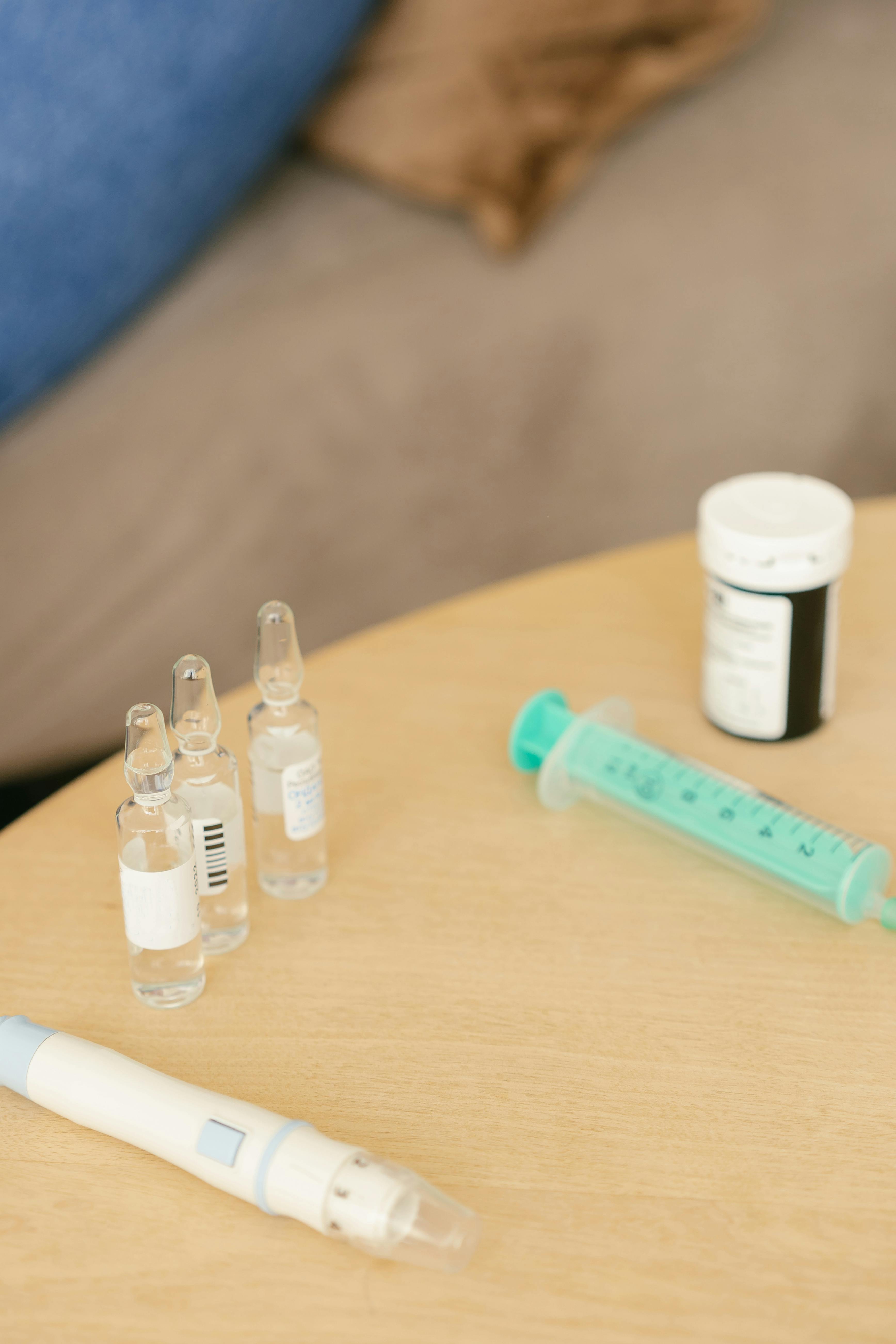
Epinephrine auto-injectors are emergency products, but they are also a classic example of how device complexity can magnify tariff effects. These products combine medication with precision-engineered delivery systems, and imported parts or packaging can add meaningful cost before the injector ever reaches a patient.
Families often need multiple injectors for home, school, work, and travel, so even a modest price increase can add up fast. Because severe allergic reactions are unpredictable, people cannot simply decide to go without one. If tariffs raise production costs in this category, the affordability issue becomes immediate and deeply personal for parents, schools, and anyone managing life-threatening allergies.
IV saline and hospital injectables
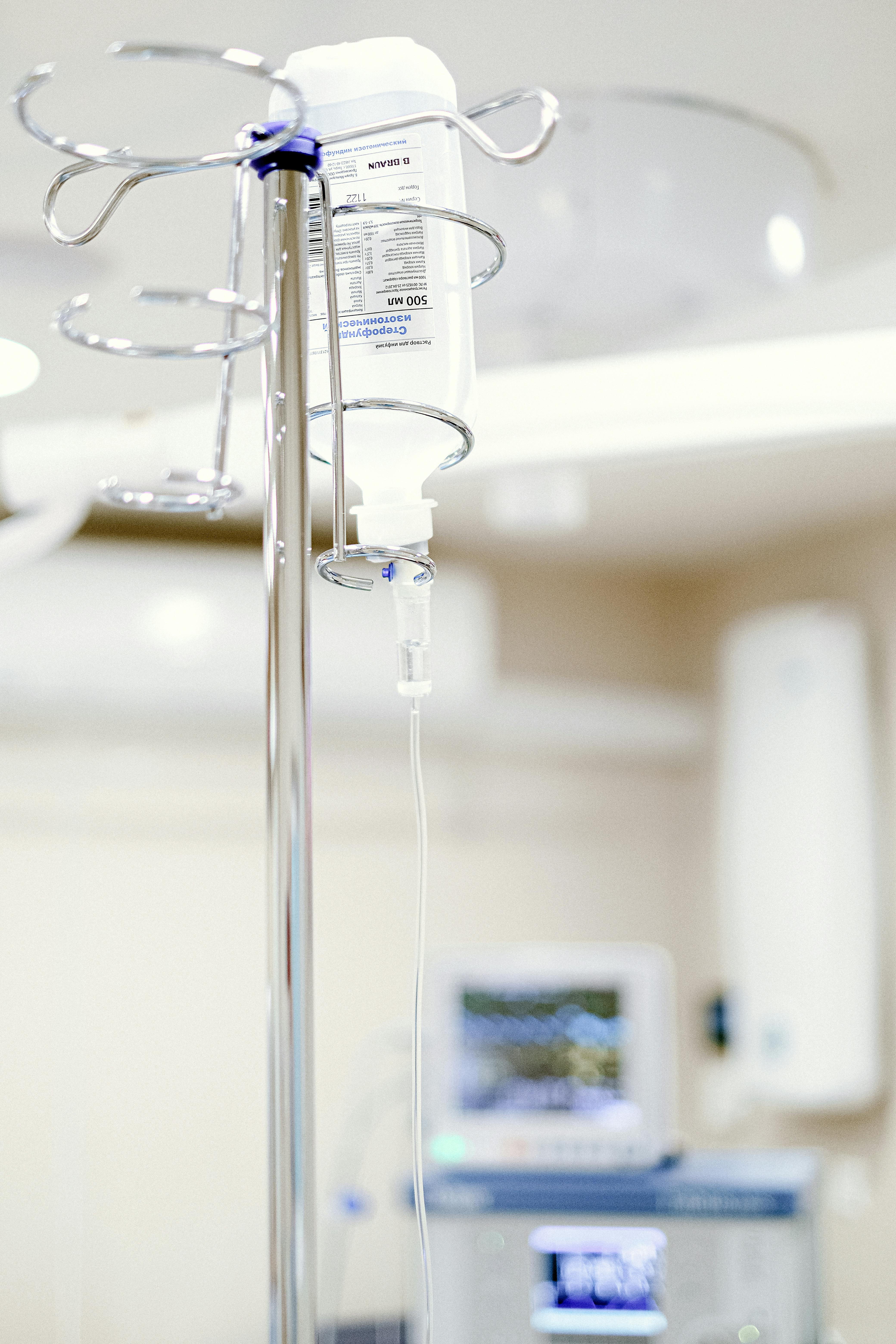
Some of the biggest affordability risks may come from medicines patients never buy directly at a retail pharmacy. IV saline, sterile injectables, and other hospital-administered basics are essential for surgery, dehydration, infection care, and emergency treatment. These products rely on specialized manufacturing, imported components, and packaging that can all become more expensive under tariffs.
When costs rise here, hospitals and clinics face difficult choices. They may pass expenses into facility charges, insurance negotiations, and ultimately patient bills. These are not glamorous products, but they are the backbone of routine care. If tariff pressure hits this category, the effect can spread widely across the health system, even for people who never fill a prescription themselves.