9 Everyday Items About to Get Dramatically More Expensive Because of the Iran War

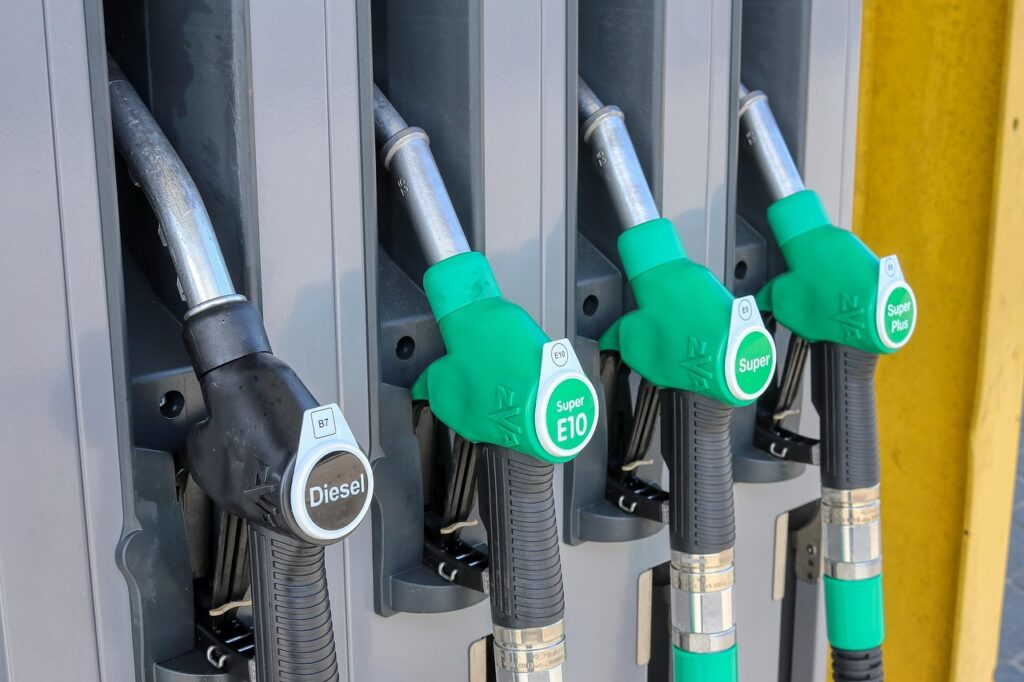
When conflict involves Iran, prices far beyond the region can start moving fast. That is because oil markets, shipping lanes, insurance costs, and global supply chains all react almost immediately, and shoppers often feel the impact within days or weeks. This gallery breaks down nine everyday items that could get noticeably more expensive, and why the pressure often spreads well beyond the gas pump.
Gasoline
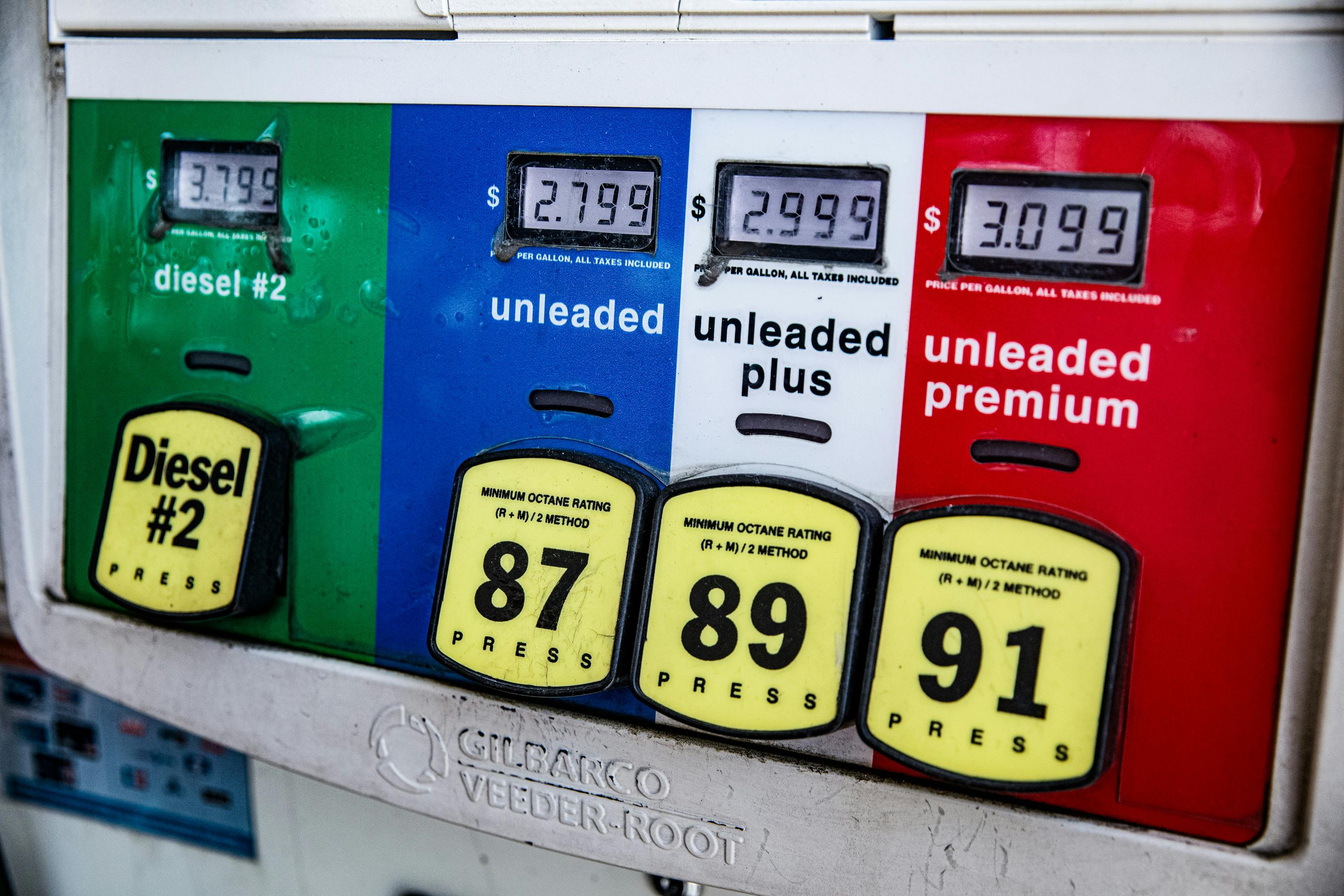
Gasoline is usually the first place consumers notice a geopolitical shock tied to Iran. The reason is simple: Iran sits next to the Strait of Hormuz, a narrow waterway through which a huge share of the world’s seaborne crude and fuel products moves. Even the threat of disruption can push oil futures higher before any actual shortage shows up.
That matters because U.S. pump prices respond not just to domestic supply, but to global crude benchmarks and refinery economics. If traders expect tighter supply, stations often pay more for replacement fuel, and those costs filter into retail prices quickly. If the conflict drags on, higher transportation costs can also make many other goods more expensive.
Airline tickets

Plane tickets can climb fast when jet fuel gets more expensive. Airlines hedge some fuel costs, but not all of them, and fuel remains one of the industry’s biggest operating expenses. When oil spikes, carriers often respond by raising fares, trimming discounts, or adding pressure through higher ancillary fees.
There is also a route issue. If airlines avoid parts of Middle Eastern airspace for safety reasons, flights can become longer and less efficient, burning more fuel and complicating schedules. That combination of higher fuel bills and rerouting costs can make both international and domestic travel pricier, especially during already busy vacation periods.
Groceries
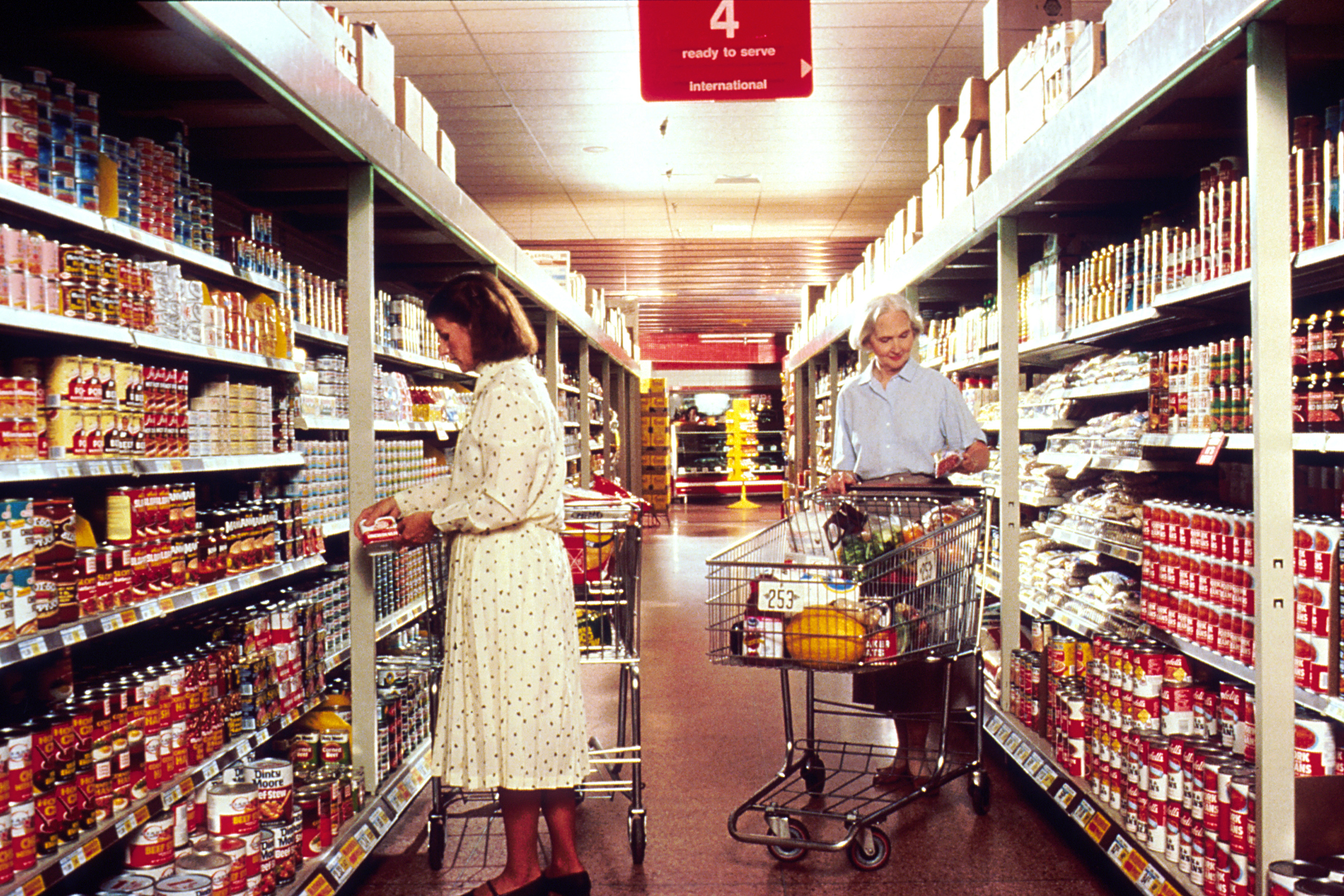
Food prices do not rise only because farms are affected directly. Modern agriculture depends heavily on fuel for tractors, irrigation, processing, refrigeration, and trucking. So when oil and diesel costs jump, grocery inflation often follows, especially for foods that travel long distances or need cold storage.
There is a second layer many shoppers miss: fertilizer. Nitrogen fertilizers are closely linked to natural gas, and global energy volatility can raise farm input costs months before harvest. That means bread, produce, meat, and dairy can all feel pressure over time. In a prolonged conflict, food manufacturers and supermarkets may pass through those costs gradually rather than all at once.
Electricity and home energy
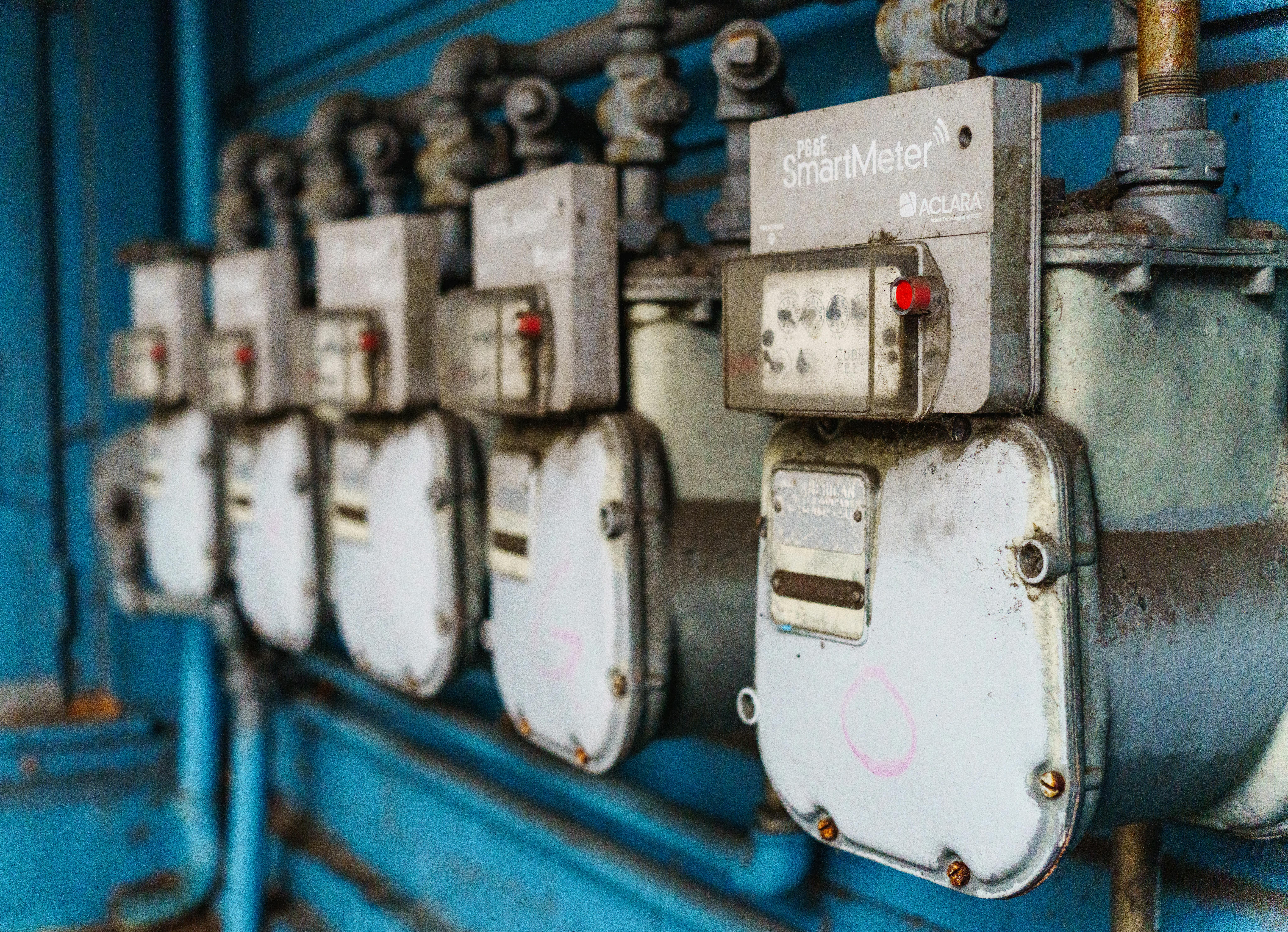
Many households will not connect a conflict involving Iran to their utility bill, but the link is real. Natural gas markets can tighten when global energy traders react to instability, and in many places gas helps set electricity prices. If utilities face higher fuel costs, customers can feel it through monthly bills or later rate adjustments.
Home heating and cooling can also get more expensive when fuel oil, propane, or natural gas prices rise. Utilities and suppliers sometimes smooth those increases, but not forever. For renters and homeowners alike, a sustained energy shock can mean higher bills for keeping the lights on, running appliances, and staying comfortable during extreme weather.
Packages and online deliveries

That click-to-buy convenience depends on trucks, planes, warehouses, and a lot of fuel. When diesel and jet fuel prices rise, shipping companies and retailers often absorb part of the hit at first, but surcharges and higher delivery fees tend to follow if the pressure lasts.
Consumers may notice the change in subtle ways before they see obvious shipping charges. Minimum order thresholds can rise, free shipping offers can disappear, and heavier items may get pricier faster. Even when a retailer does not call it a fuel surcharge, higher logistics costs are often quietly folded into product prices and membership fees.
Plastic household goods
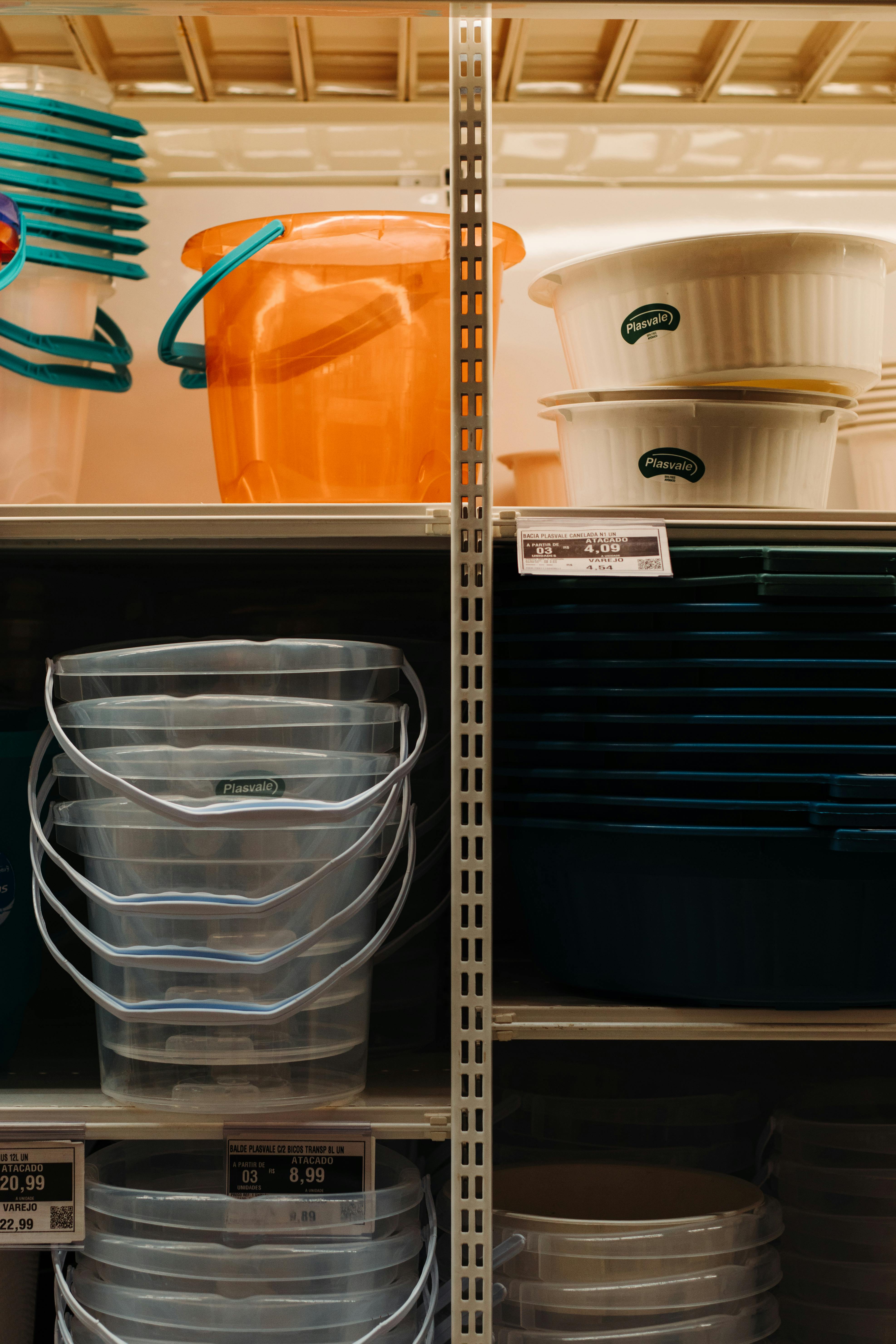
A surprising number of everyday items begin with petrochemicals. Storage bins, detergent bottles, toys, trash bags, food containers, and countless kitchen and bathroom basics all rely on petroleum or natural gas liquids somewhere in the production chain. When energy markets tighten, manufacturers can face higher raw material costs.
Those increases do not always show up immediately, but they can spread widely because plastic is everywhere. Packaging gets more expensive, which raises costs for products inside the package too. If shipping is also disrupted, stores can end up paying more both to make and to move these goods, a double hit that often reaches shoppers in the next restocking cycle.
New cars and car repairs
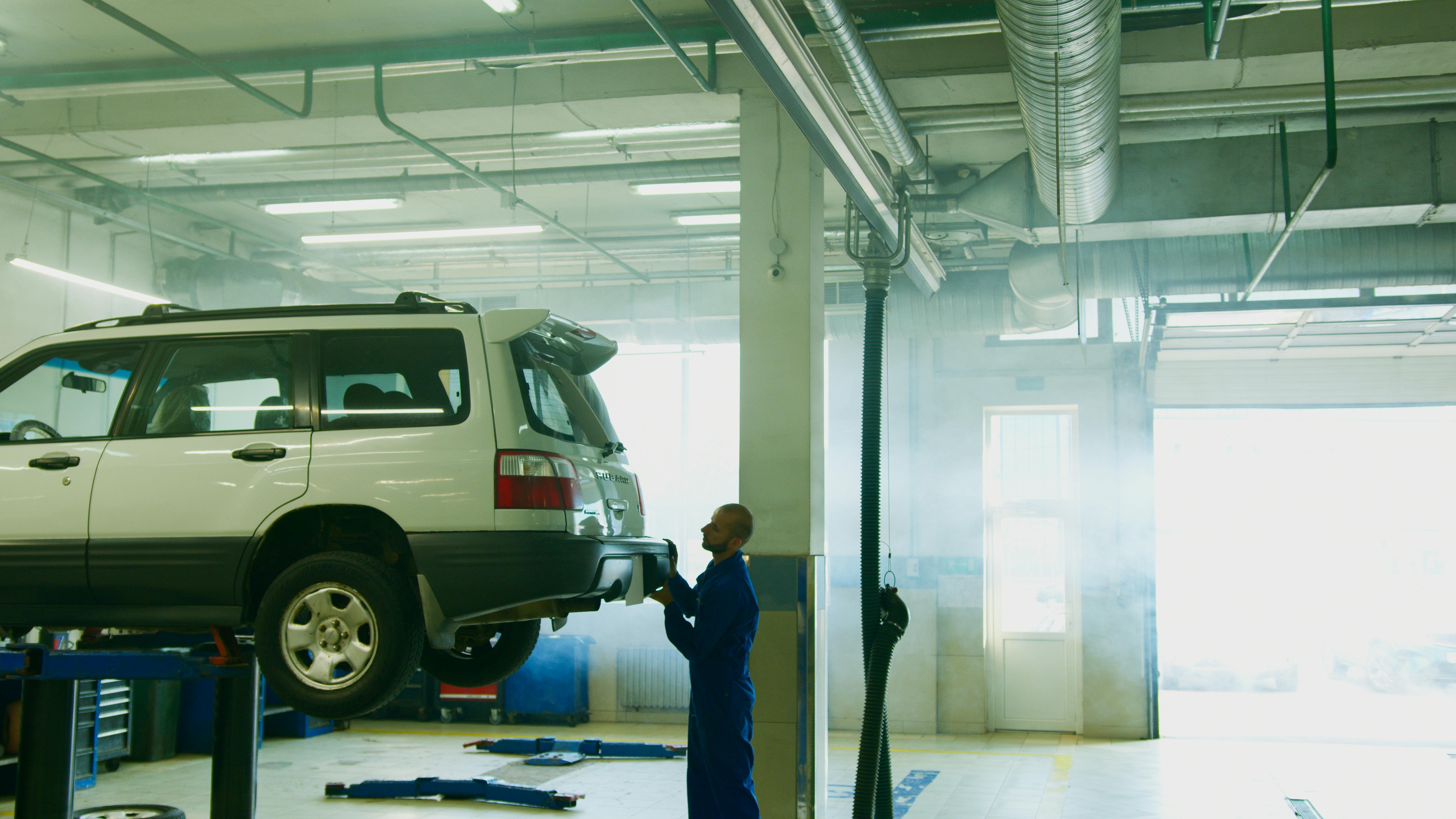
Vehicle prices can feel the effects from several directions at once. Higher oil prices raise the cost of making, transporting, and selling cars, while shipping disruptions can delay imported parts and components. If insurers, freight firms, and suppliers all face higher costs, automakers and repair shops usually do too.
Repair bills are especially vulnerable because parts inventories are already a delicate balancing act. Tires, plastics, paint materials, electronics, and replacement components can all become pricier when energy and freight costs rise. For consumers, that can mean paying more not only for a new vehicle, but also for routine fixes after a fender bender or mechanical problem.
Electronics

Phones, laptops, gaming consoles, and small appliances may not seem tied to Middle East conflict, but they depend on sprawling global supply chains. Many electronics are assembled in Asia using components shipped through major maritime routes, and any jump in fuel, freight, or insurance costs can ripple into final retail prices.
Electronics are also highly sensitive to delays. If shipping lanes are disrupted or cargo insurers raise premiums, companies may pay more to reroute goods or accelerate shipments by air. Those costs add up quickly on products with thin margins. Even if sticker prices do not jump overnight, fewer discounts and slower promotions can make electronics feel more expensive fast.
Coffee

Coffee is one of those daily purchases that can reflect global turmoil faster than people expect. The beans are grown far from many of the places they are consumed, so ocean shipping, trucking, packaging, roasting, and café operations all depend on energy. If fuel costs rise, every step between farm and cup gets more expensive.
Coffee prices can also be unusually sensitive because the market already faces weather risk, crop swings, and tight inventories in some seasons. Add higher freight rates and pricier packaging, and cafés or grocery brands may have little room to absorb the hit. That can show up as higher bag prices, smaller promotions, or a more expensive latte.