10 Walmart Snack Boards Ruining Party Vibes

A great snack board does more than feed a crowd. It sets the tone, sparks conversation, and keeps people hovering nearby instead of drifting back to their phones. The problem is that convenience often sneaks in disguised as generosity. When boards are built entirely from big-box shortcuts, especially one-stop hauls from Walmart, they can look full while feeling empty. Flavors blur together, textures fall flat, and guests nibble out of politeness rather than excitement. These boards are not disasters. They are quietly disappointing in ways that chip away at the party’s energy, revealing what makes a board irresistible instead of forgettable.
1. Cracker-Heavy Boards with No Real Anchors
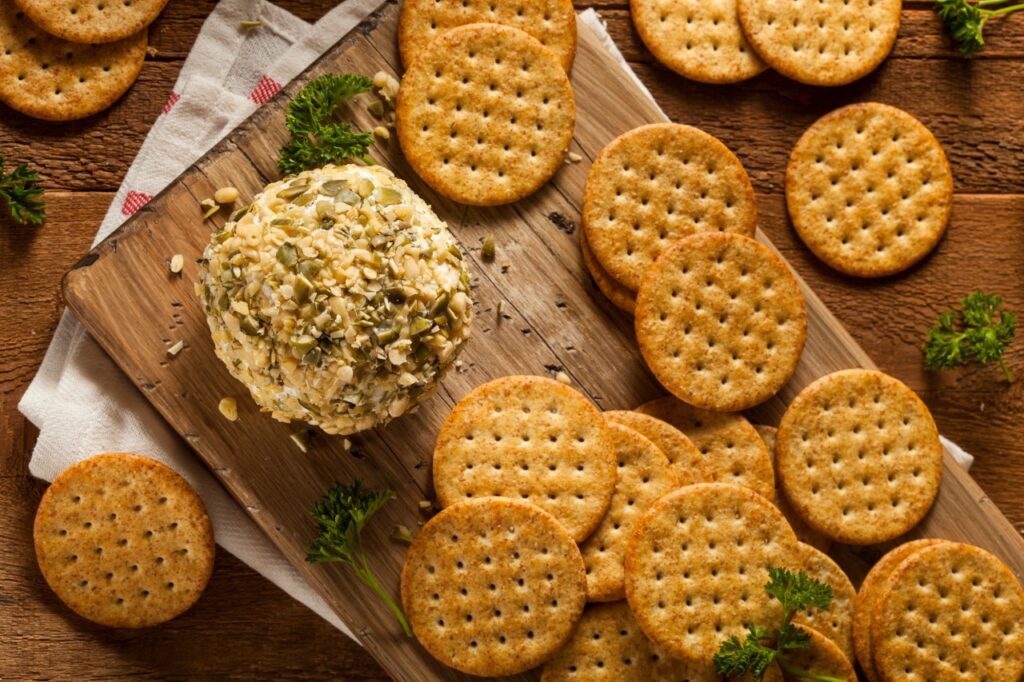
A snack board built mostly around crackers may look full, but it eats hollow. Many Walmart-sourced boards rely on large boxes of plain or lightly seasoned crackers because they are inexpensive, shelf-stable, and easy to arrange. The problem is balance. Crackers are meant to support other elements like cheese, dips, or spreads, not replace them. When a board is dominated by dry starch, guests fill up quickly without feeling satisfied. Texture fatigue sets in fast, especially when crackers are similar in thickness and flavor. Without enough fat, protein, or moisture, the board feels like an afterthought rather than a centerpiece.
2. Pre-Sliced Cheese That Sweats and Tastes Flat
Pre-sliced cheese trays are convenient, but they are one of the fastest ways to dull a snack board. These cheeses are cut far in advance and packaged for long shelf life, not peak flavor. Once exposed to air at room temperature, they sweat, curl, and lose structure. Flavor also suffers. Many slices are mild by design, which means they disappear when paired with crackers or meats. Instead of offering contrast or richness, they blend into the background. Guests stack slices out of habit, not excitement. Real cheese should invite conversation and slow eating. Pre-sliced options turn cheese into filler, making the board feel more like a cafeteria spread than a party feature.
3. Overloaded Candy-and-Chocolate Boards
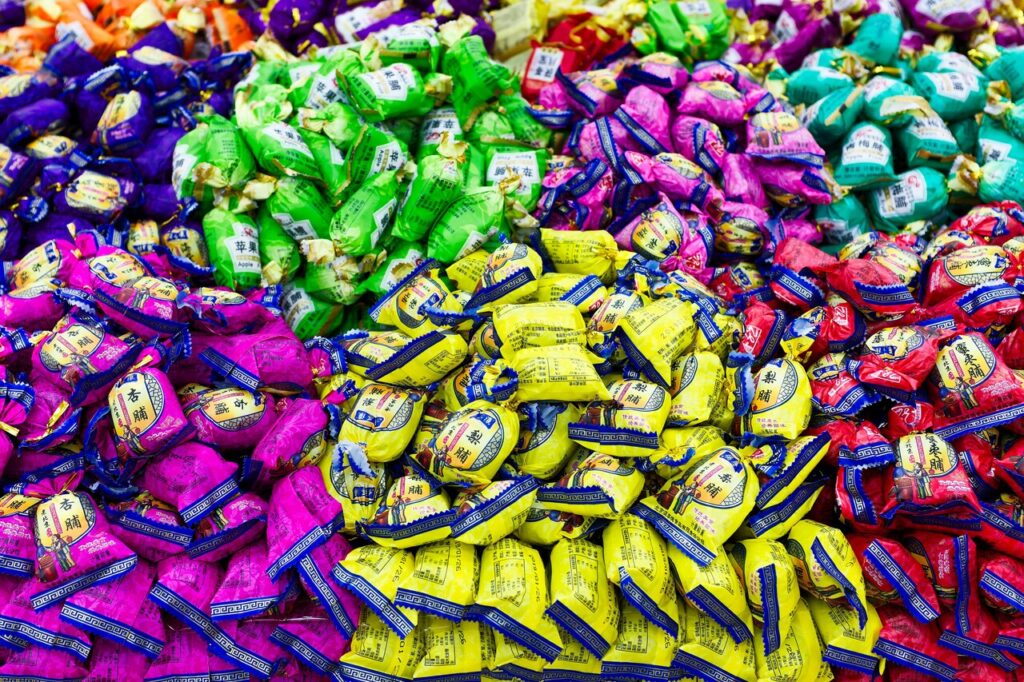
Candy-heavy boards seem festive, but they overwhelm quickly. Walmart offers endless packaged sweets that are easy to pile on, yet sugar saturation hits fast. Without salty or savory counterpoints, the board becomes one-note. Chocolate melts, wrappers clutter the surface, and guests hesitate to touch items that look overly handled. Candy also lacks texture variety once unwrapped. Chewy blends into chewy, sweet into sweeter. Instead of encouraging grazing, the board creates hesitation. People take one piece and stop. A party board should keep hands moving and conversations flowing. When sweetness dominates, energy spikes briefly and then drops, taking the mood with it.
4. Meat Boards Built from Processed Deli Packs
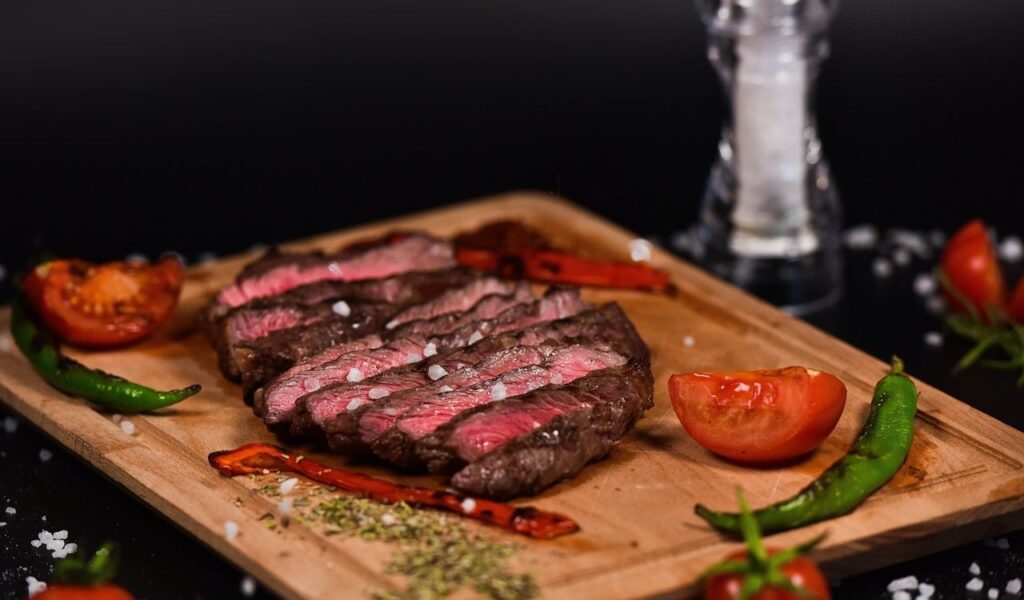
Processed deli meats promise convenience, but they rarely deliver character. Pre-packaged meats are sliced thin for sandwiches, not snacking, which causes them to dry out quickly when exposed. Many are heavily salted to preserve shelf life, leaving a sharp, lingering taste without depth. Fat distribution is uneven, so texture feels greasy in some bites and stiff in others. When layered onto a board, slices stick together and tear awkwardly. Guests struggle to separate portions cleanly, which slows the natural flow of grazing. Instead of feeling indulgent, the board feels utilitarian. Meat should feel special on a snack board. Processed packs make it feel rushed and forgettable.
5. Chip-and-Dip Boards with No Temperature Control

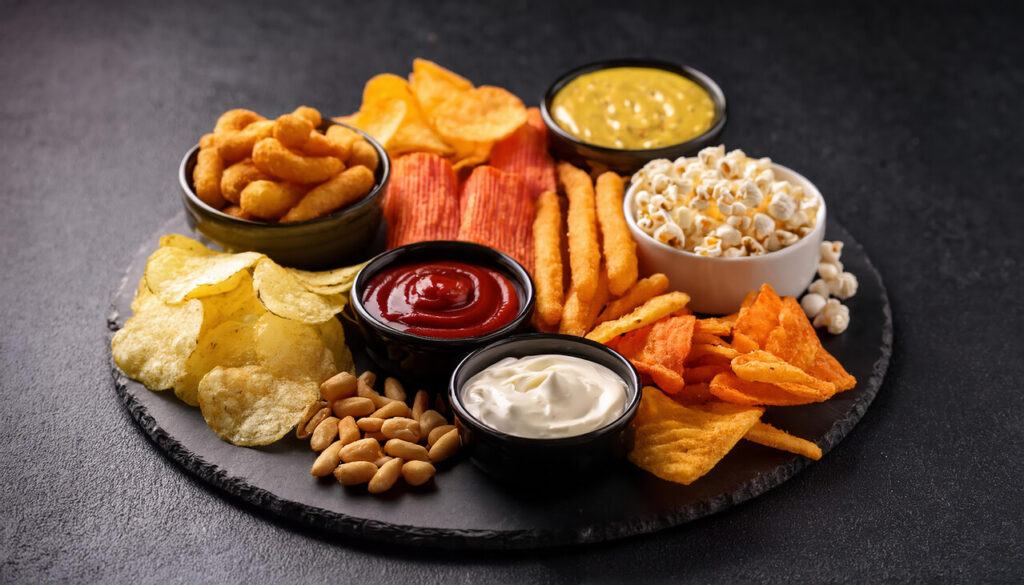
Chips and dips are party staples, but poorly executed boards sabotage them. Walmart dips are often served straight from the fridge, which dulls flavor and thickens texture. Cold dips paired with room-temperature chips create an unbalanced mouthfeel. Chips also stale quickly once bags are opened and exposed to air. Without rotation or replenishment, crunch fades fast. Many boards rely on one or two dip flavors, leading to repetition within minutes. Guests stop returning not because they are full, but because the experience stops being enjoyable. A chip board should feel fresh and lively. When temperature and variety are ignored, it quietly stalls the party rhythm.
6. Fruit Boards That Look Fresh but Taste Tired
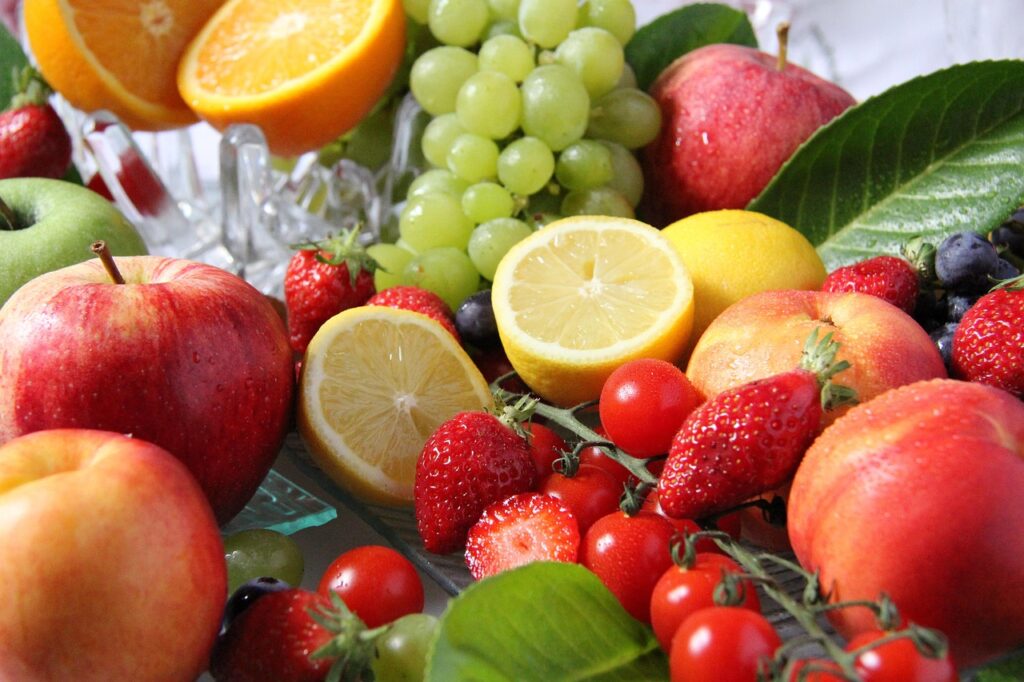
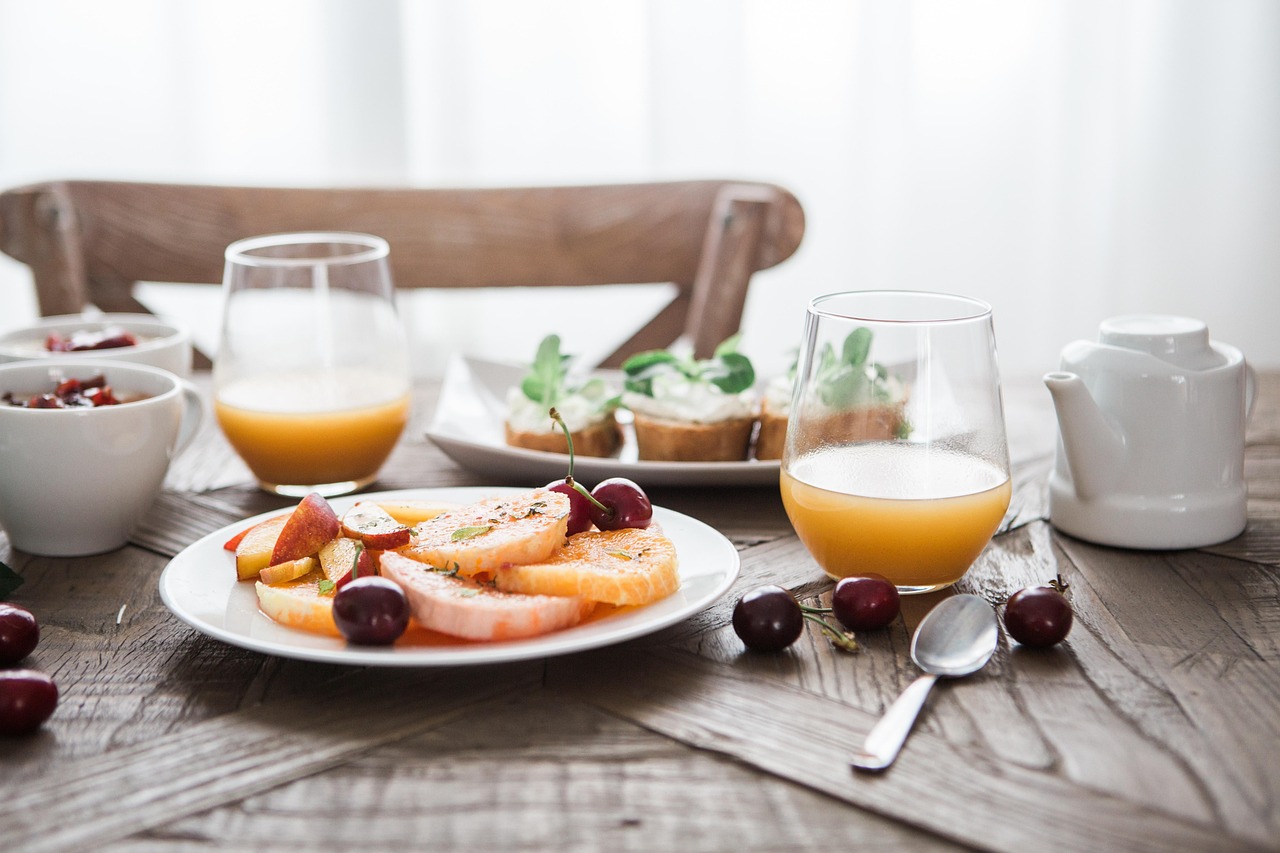
Pre-cut fruit trays look colorful, but they are often cut days in advance. Moisture loss, oxidation, and cold storage flatten flavor and soften texture. Grapes become slippery, melons lose sweetness, and apples brown quickly once exposed. These trays also collect excess liquid, which spreads across the board and dampens nearby snacks. Guests hesitate to reach in when fruit looks watery or overly cold. Fruit should refresh the palate and lighten heavier bites. When it tastes tired, it does the opposite, making the board feel neglected and unappealing despite its bright appearance. What should act as a fresh reset instead signals that the board has been sitting far too long.
7. All-Beige Snack Boards with No Contrast
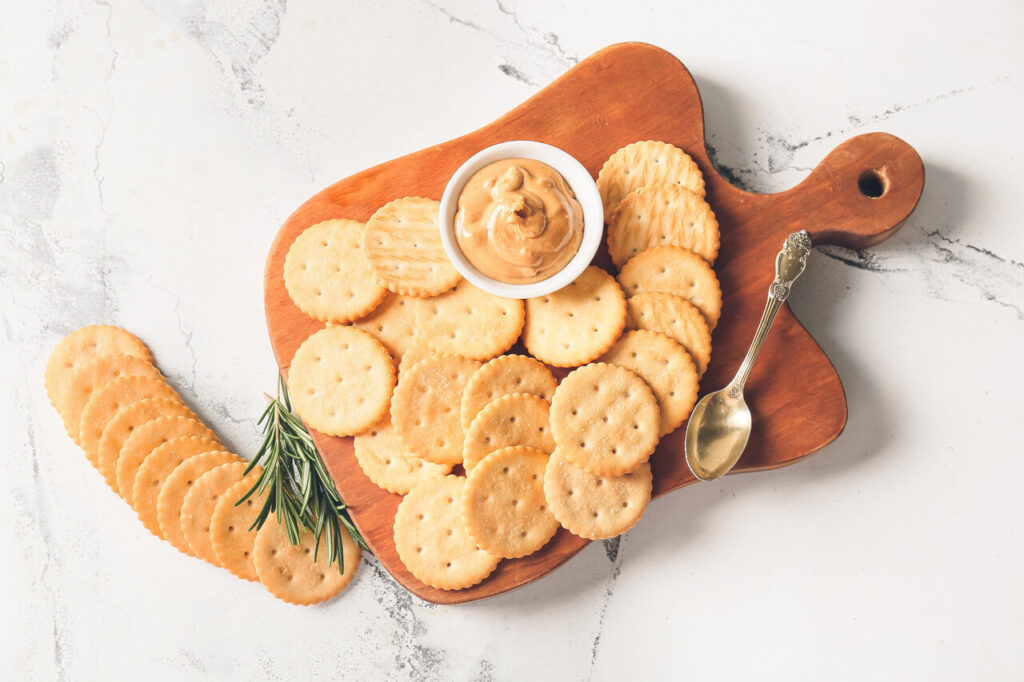
Boards built entirely from beige snacks like crackers, pretzels, breadsticks, and nuts lack visual and flavor contrast. Walmart bulk snacks encourage this kind of assembly because they are affordable and abundant. The issue is sensory fatigue. Without color, acidity, or freshness, the board blends into the background. Guests glance once and mentally move on. Even if the snacks taste fine individually, together they create a flat experience. Good boards create peaks and pauses. All-beige boards feel static. They fill space but do not hold attention, which quietly drains momentum from the gathering.
8. Individually Wrapped Snacks Dumped Together
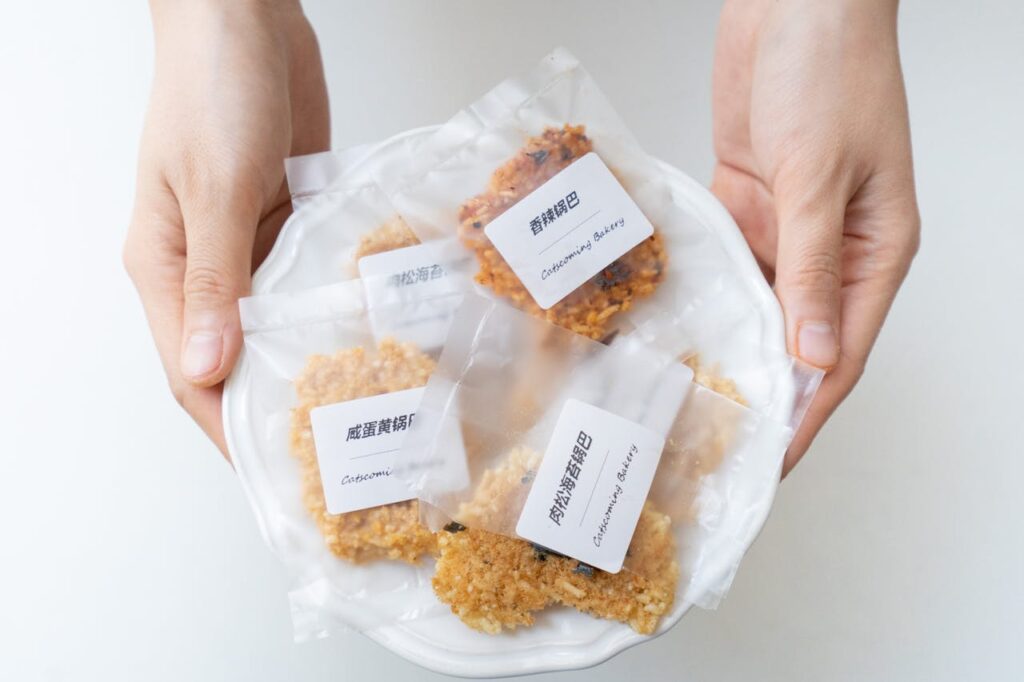
Throwing individually wrapped snacks onto a board feels easy, but it creates friction. Guests must stop, unwrap, and manage trash before enjoying anything. Wrappers pile up quickly, cluttering the surface and breaking the flow of grazing. Many packaged snacks are designed for lunchboxes, not shared eating, which means flavors skew basic and textures lack freshness once opened. Instead of inviting interaction, the board creates small obstacles. People take fewer items simply to avoid the hassle. A party board should reduce effort, not add steps. When wrappers dominate, energy drops one pause at a time.
9. Dip Boards Without Supporting Textures
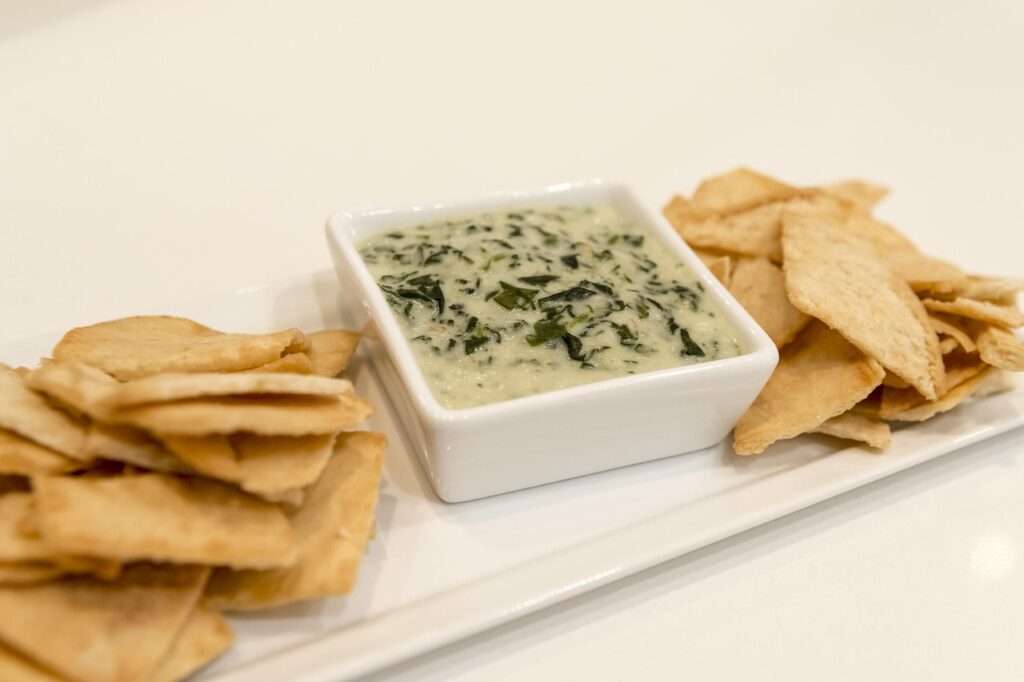
Some boards center dips, but forget that dips need sturdy partners. Soft crackers break, thin chips snap, and vegetables lack crunch when pre-cut too early. Walmart dips are often thick and heavy, which demands strong scoops. When supports fail, guests end up double-dipping tools or abandoning the dip entirely. The board becomes messy and awkward. Instead of flowing naturally, people hesitate and hover. Texture mismatch may seem small, but it changes how confident guests feel when interacting with the food. When dipping feels risky, people disengage. A dip board only works when scooping feels effortless and reliable, not uncertain or fragile.
10. Overcrowded Boards with No Breathing Room
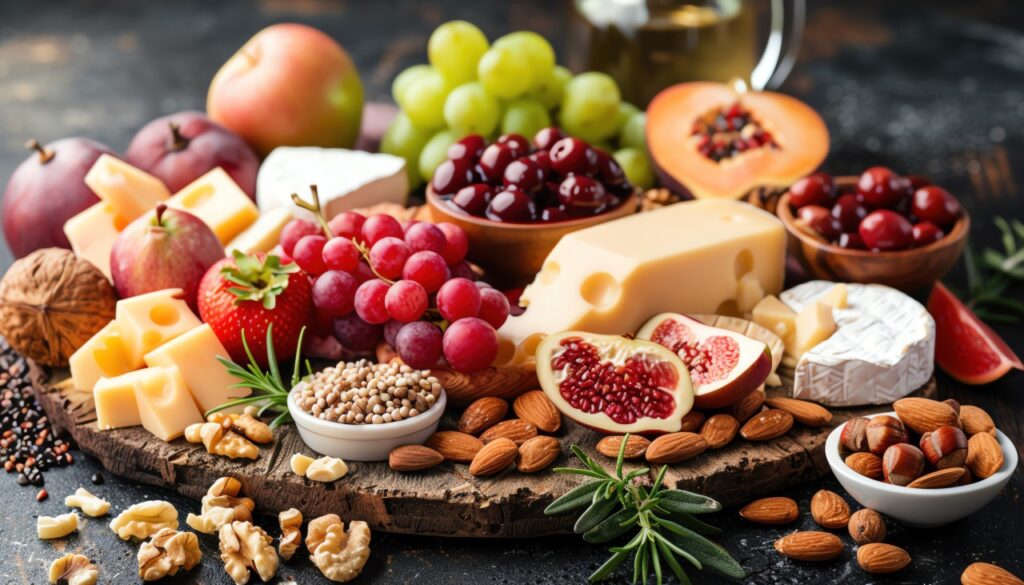
A crowded board looks generous, but it overwhelms the eye and the eater. Walmart’s bulk items encourage overfilling because quantity feels like value. When snacks are packed tightly, flavors mix unintentionally, textures soften, and items become hard to access. Guests avoid reaching across others, especially in social settings. The board becomes decorative rather than functional. Space is just as important as food. Without it, even good snacks lose appeal. A board should invite movement and ease. Overcrowding turns abundance into avoidance, quietly dampening the party mood. When guests hesitate to reach in, the board has already failed its purpose as a social anchor.