Why the Food You Ate on Vacation Never Tastes the Same When You Try to Recreate It at Home

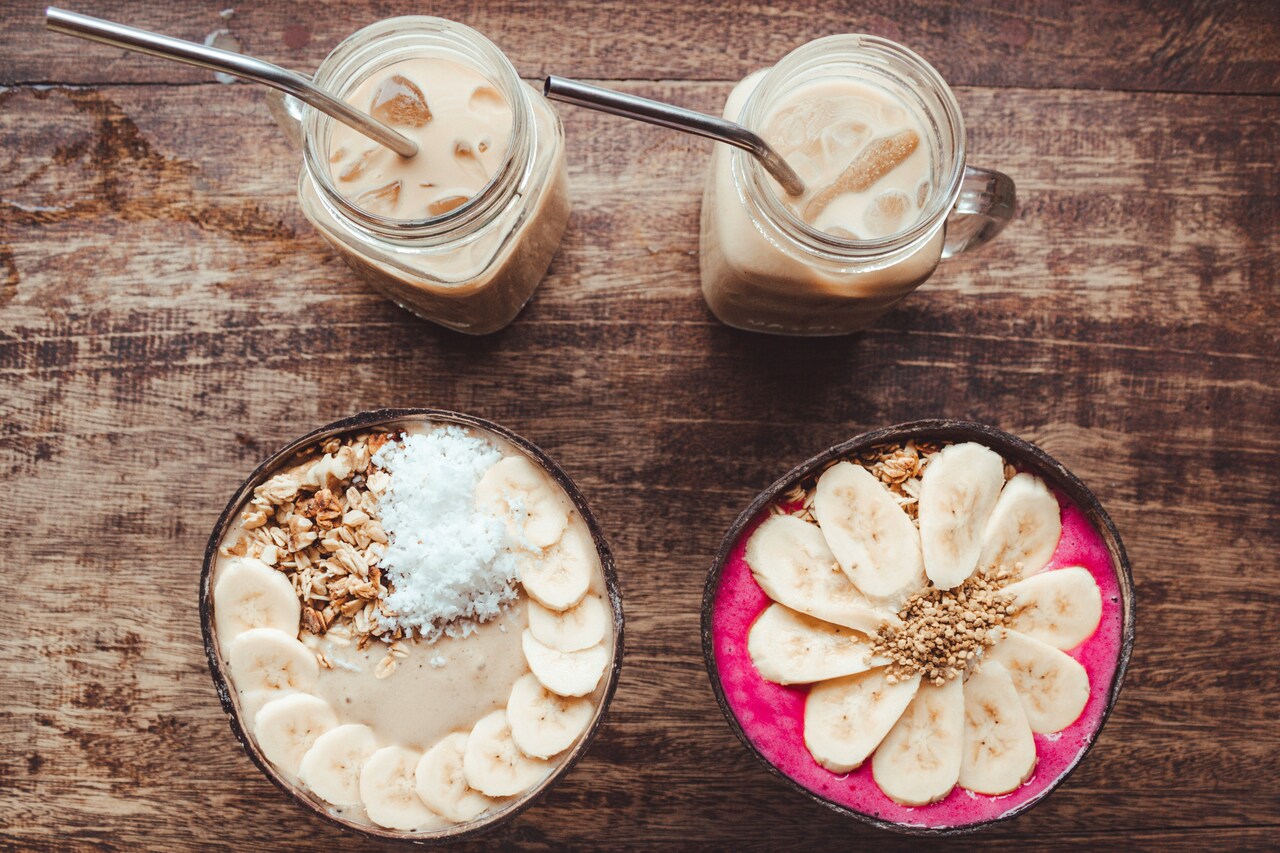
The reason food tastes better on vacation has less to do with the recipe and more to do with everything happening around it, because factors like your surroundings, state of mind, sensory inputs, and even the memories being formed at that moment all work together to shape how flavor is experienced, making the same dish feel richer, more vivid, and more memorable than it ever can at home, where those elements are either reduced or completely absent.
The Power of Context

The same dish can taste completely different depending on where you eat it, because the environment around you plays a direct role in how your brain interprets flavor. When you are on vacation, you are surrounded by new sights, sounds, and smells that heighten your sensory awareness. This creates a richer backdrop for the meal. The brain processes taste along with these external cues. This makes the experience feel more intense. The setting becomes part of the flavor itself. The visual environment adds emotional weight to the meal. Natural surroundings can enhance relaxation. New settings increase attentiveness to detail. All of this elevates how the food is perceived. Environmental novelty keeps the brain engaged.
Restaurants in travel destinations are often designed to enhance this effect, whether through scenic views, ambient lighting, or local cultural elements that create a strong sense of place. These details influence how food is perceived. A meal eaten near the sea or in a busy street market carries sensory layers that cannot be replicated at home. The environment adds depth to the experience. This makes the same dish feel more memorable. Design elements shape perception subtly. Cultural cues add authenticity to the setting. Background activity enhances immersion. These factors collectively influence taste perception. Every sensory detail reinforces the experience.
At home, these contextual elements are largely absent, which can make the recreated dish feel less exciting even if the ingredients and recipe are similar. The brain lacks the additional sensory input that enriched the original experience. This creates a noticeable gap in perception. It highlights how much taste depends on surroundings. Context becomes a hidden ingredient in every meal. Familiar environments reduce sensory stimulation. Routine settings limit emotional engagement. The experience feels more ordinary. This affects how the food is ultimately perceived. The lack of contrast reduces excitement.
The Relaxed Mind Effect
One of the most overlooked factors in how food tastes is your mental state, because being relaxed and free from routine stress can significantly enhance sensory perception. On vacation, people are typically more at ease. This allows them to focus more on the present moment. Food becomes part of that experience. The mind is more receptive to flavors. This improves overall enjoyment. Relaxation increases sensory awareness. It reduces mental distractions. This allows deeper engagement with the meal. The experience feels more immersive. A calm mind processes details more clearly. A relaxed state also improves mood during meals. This makes the overall experience feel more satisfying.
Stress, on the other hand, can dull the senses and reduce the ability to fully experience taste. At home, daily responsibilities and distractions often compete for attention. This divides focus during meals. As a result, food may not feel as satisfying. The same dish can seem less flavorful. Mental state directly affects perception. Stress can reduce sensitivity to taste. It shifts focus away from the meal. This lowers overall enjoyment. The experience becomes less engaging. Distraction limits sensory awareness. This reduces how flavors are perceived. Mental fatigue can further reduce attention to detail. This weakens the overall eating experience.
When the mind is calm, the brain processes taste more fully, allowing subtle flavors to stand out more clearly. This creates a richer and more engaging eating experience. The difference is not always in the food itself. It is in how the brain receives it. This explains why meals on vacation often feel more enjoyable. Relaxation enhances every aspect of the experience. Calmness improves sensory clarity. It allows appreciation of finer details. The brain becomes more attentive. This enhances the overall perception of flavor. Attention remains focused on the meal. This deepens the sensory experience. A calm environment supports better focus on taste. This improves how flavors are interpreted.
Novelty Amplifies Flavor
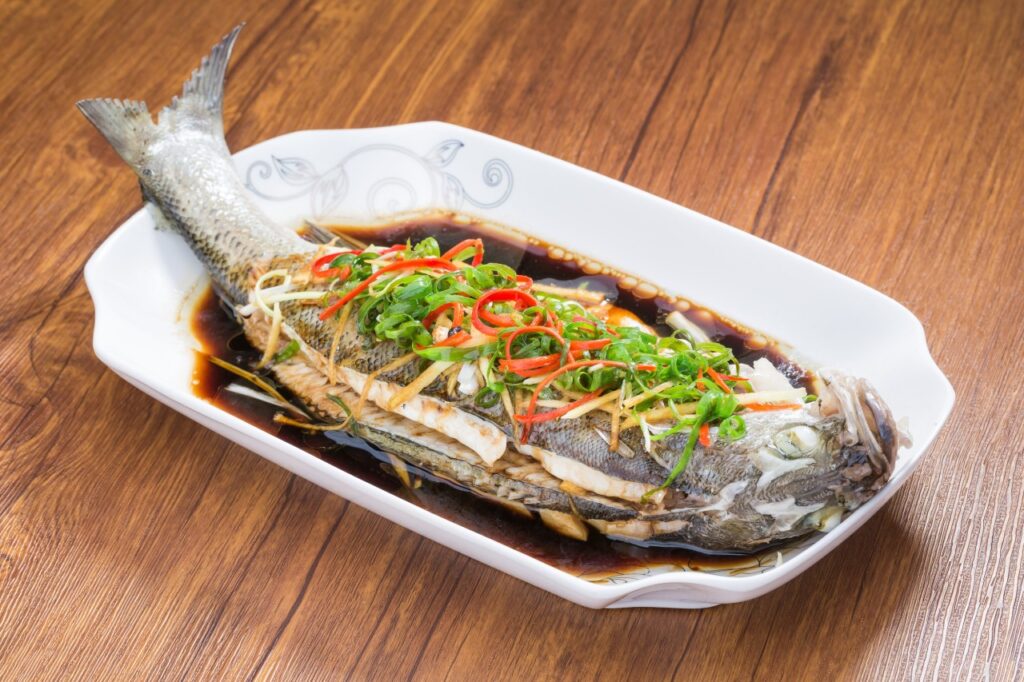
Trying something new has a powerful effect on how it tastes, because novelty activates the brain’s reward system and increases attention to sensory details. On vacation, people are more likely to try unfamiliar dishes and ingredients. This creates a sense of discovery. The brain responds positively to this newness. Flavors feel more vivid and exciting. Novel experiences stimulate curiosity. This increases engagement with the meal. The brain processes new inputs more actively. This enhances taste perception. Curiosity drives deeper attention. This strengthens the overall experience. New experiences create stronger impressions.
When food is unfamiliar, the brain pays closer attention to every aspect of the experience, from texture to aroma. This heightened awareness makes the meal feel more intense. It also makes it more memorable. Familiar foods at home do not trigger the same level of engagement. This reduces the perceived impact of flavor. Attention plays a key role in perception. Newness keeps the brain focused. Familiarity reduces excitement. This changes how taste is experienced. Reduced novelty lowers engagement. This makes flavors feel less pronounced. Routine reduces sensory interest. This limits how strongly flavors are perceived.
Over time, repeated exposure to the same dishes can make them feel routine, even if they are well prepared. Novelty breaks this pattern. It refreshes the sensory experience. This is why food tasted on vacation often feels more special. The newness of the experience enhances how it is perceived. Variety keeps the experience engaging. It prevents sensory fatigue. This makes flavors feel stronger. The contrast highlights differences more clearly. Repetition reduces sensitivity over time. Novelty restores that sensitivity. Changing experiences keep perception sharp. This maintains interest in the meal.
Memory Makes It Better
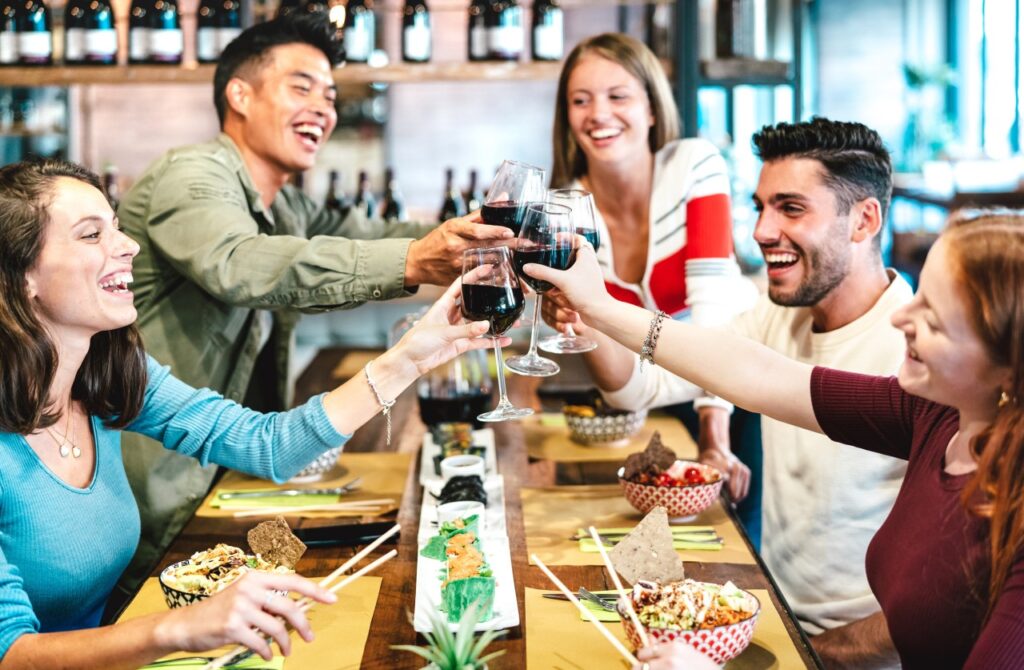
Food experiences are closely tied to memory, and meals enjoyed during travel are often stored alongside positive emotions and unique moments. These memories influence how the food is remembered later. The brain tends to highlight the most enjoyable aspects. This can make the original experience feel even better over time. Memory shapes perception. Positive experiences are reinforced over time. The brain filters out less pleasant details. This enhances the remembered taste. Emotional context strengthens recall. This makes the memory more vivid. Strong memories influence future expectations. This shapes how food is evaluated later.
When you try to recreate a dish at home, you are not just comparing it to the original taste but to the memory of that experience, which has likely been enhanced by emotion and context. This creates an unfair comparison. The recreated version may feel lacking. The memory sets a higher standard. Expectations become elevated. The comparison becomes less objective. This makes the recreation feel less satisfying. The gap between memory and reality becomes clear. Memory exaggerates positive elements. This widens the perceived difference. Expectations influence perception strongly. This makes the recreated dish feel less accurate.
Nostalgia further strengthens this effect, as recalling a pleasant trip can amplify how good the food seemed. The emotional connection becomes part of the taste. This makes it difficult for any recreation to match the original experience. Memory acts as a filter. It enhances certain details while minimizing others. Nostalgia intensifies positive recall. It adds emotional depth to the memory. This strengthens the overall impression. It makes replication nearly impossible. Emotional recall amplifies enjoyment. This deepens the perceived quality of the food. Nostalgia reinforces positive associations. This makes the memory feel more complete.
The Multisensory Experience
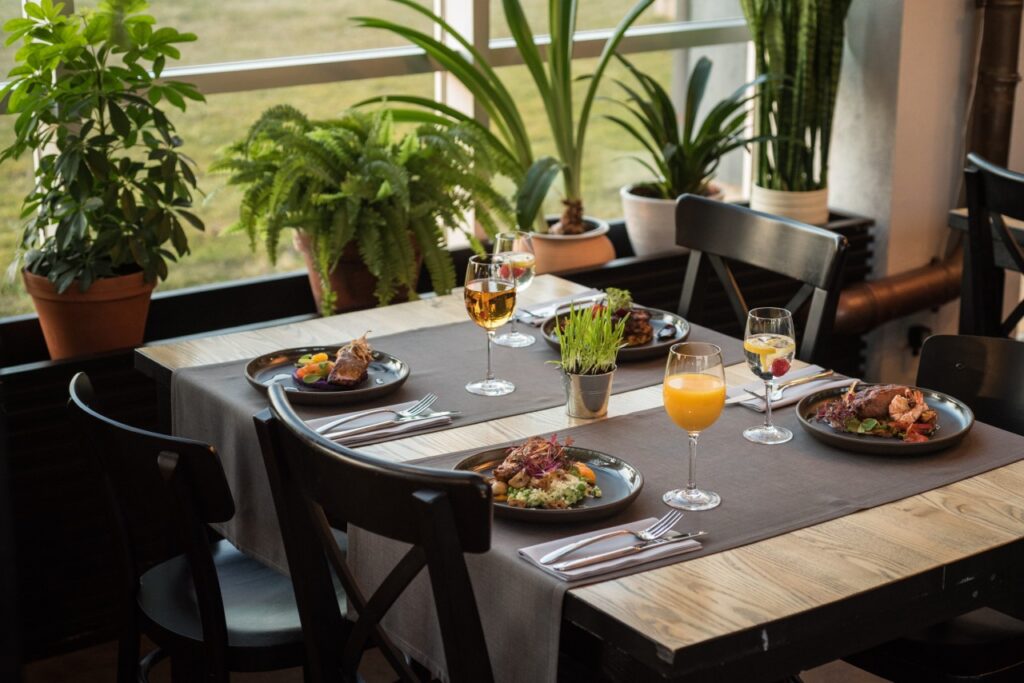
Taste is not just about the tongue, because it is influenced by a combination of senses, including smell, sight, and even sound. On vacation, these sensory inputs are often more varied and engaging. The smell of the air, the visual presentation of the setting, and background sounds all contribute to the experience. This creates a more immersive meal. Sensory integration enhances perception. Multiple inputs work together. This creates a richer experience. It strengthens the overall impression of taste. Each sense adds a layer to perception. Together they amplify the experience. Combined sensory input increases immersion. This enhances the overall flavor experience.
For example, eating seafood by the ocean includes the scent of saltwater and the sound of waves, which can enhance how the dish is perceived. These elements interact with the brain’s interpretation of flavor. They make the meal feel more authentic. The sensory environment becomes part of the taste. Environmental cues influence perception strongly. Natural sounds add to the experience. Smells reinforce flavor signals. This creates a more complete sensory profile. Contextual cues enhance realism. This strengthens the connection to the meal. These cues make the experience more vivid. This improves the overall perception of taste.
At home, these additional sensory cues are usually missing, which can make the same dish feel less complete. The absence of these inputs reduces the overall impact of the meal. This shows how taste is influenced by more than just ingredients. The full sensory experience plays a crucial role. Limited sensory input reduces immersion. The experience feels less dynamic. This affects how the brain processes flavor. The result is a less engaging meal. Fewer sensory cues reduce intensity. This weakens overall perception. The environment feels more neutral. This lowers sensory stimulation during meals.
Ingredients Are Not the Same

Even when you follow the same recipe, the ingredients used at home may differ significantly from those used at the destination. Local produce often has unique characteristics influenced by climate, soil, and freshness. These factors affect flavor and texture. This makes the original dish difficult to replicate exactly. Regional conditions shape ingredient quality. Local sourcing enhances freshness. These differences impact taste noticeably. The result is a distinct flavor profile. Environmental factors influence ingredient quality. This creates noticeable variations in taste. Ingredient origin plays a key role in flavor. This affects how the dish is experienced.
In many travel destinations, ingredients are sourced locally and used soon after harvest, which enhances their natural taste. This level of freshness is not always possible at home. Transport and storage can affect quality. Even small differences can impact the final result. Fresh ingredients retain more flavor. They have a better texture. This improves overall dish quality. It creates a noticeable difference in taste. Shorter supply chains preserve quality. Freshness directly impacts flavor intensity. This improves the overall eating experience. Local sourcing also allows ingredients to be used at peak ripeness. This timing plays a key role in delivering deeper and more vibrant flavors
Regional variations in ingredients also play a role, as certain varieties may not be available outside their place of origin. Substitutions can change the flavor profile. This creates a gap between the original dish and the recreated version. Ingredients contribute significantly to the overall experience. Local varieties have unique characteristics. These cannot always be replicated. Substitutions alter the outcome. This affects the final taste. Ingredient differences shape authenticity. This influences how the dish is perceived. Limited availability affects replication accuracy. This creates noticeable differences in taste.
What Actually Changes
When all these factors are combined, it becomes clear that the difference in taste is not caused by a single element but by the interaction of environment, mood, memory, and ingredients. Each factor adds a layer to the experience. Together, they create something unique. This combination is difficult to reproduce at home. Multiple influences work together. Each contributes to perception. The overall effect is cumulative. This makes replication challenging. These factors interact continuously. This creates a complex sensory outcome. No single factor explains the difference. It is the combination that defines the experience.
Recreating a dish focuses primarily on ingredients and technique, but the original experience included many additional elements that cannot be easily replicated. This creates a gap between expectation and reality. The recreated dish may be accurate in preparation. However, it lacks the full context. The experience is incomplete. Important sensory elements are missing. This affects overall satisfaction. Contextual elements are hard to reproduce. This limits the final experience. The recreated version lacks emotional depth. The setting and atmosphere often play a subtle but important role in shaping perception. Without these elements, the dish may feel less memorable despite similar preparation.
Ultimately, the reason food tastes different on vacation is that the experience extends beyond the plate, involving both the senses and the mind. Taste is shaped by perception as much as by ingredients. This explains why the same dish can feel completely different in another setting. Perception plays a central role. Context influences experience. Memory enhances interpretation. Together, these factors define how food is experienced. The experience is holistic in nature. This makes it difficult to replicate fully. Taste is influenced by multiple layers. This complexity defines the difference in experience.