Your Coffee Order Costs What It Costs: 8 Upcharges That Are Hard to Justify

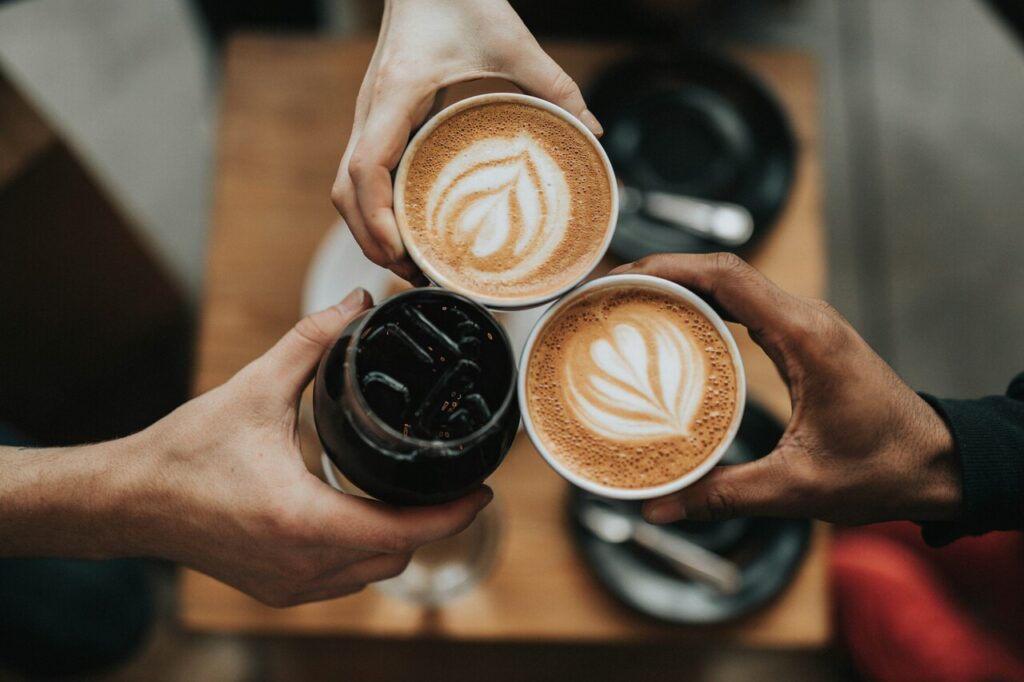
Ordering coffee today often feels like a series of small choices, each one adding a little more to the final price without seeming significant in the moment. What starts as a simple drink can quickly become more expensive through upgrades, customizations, and subtle pricing strategies built into the menu. These charges are not always obvious, and many are accepted as part of the experience rather than questioned. Looking more closely at them reveals how easily a routine order can turn into something far more costly than expected.
1. Alternative Milk Adds A Premium
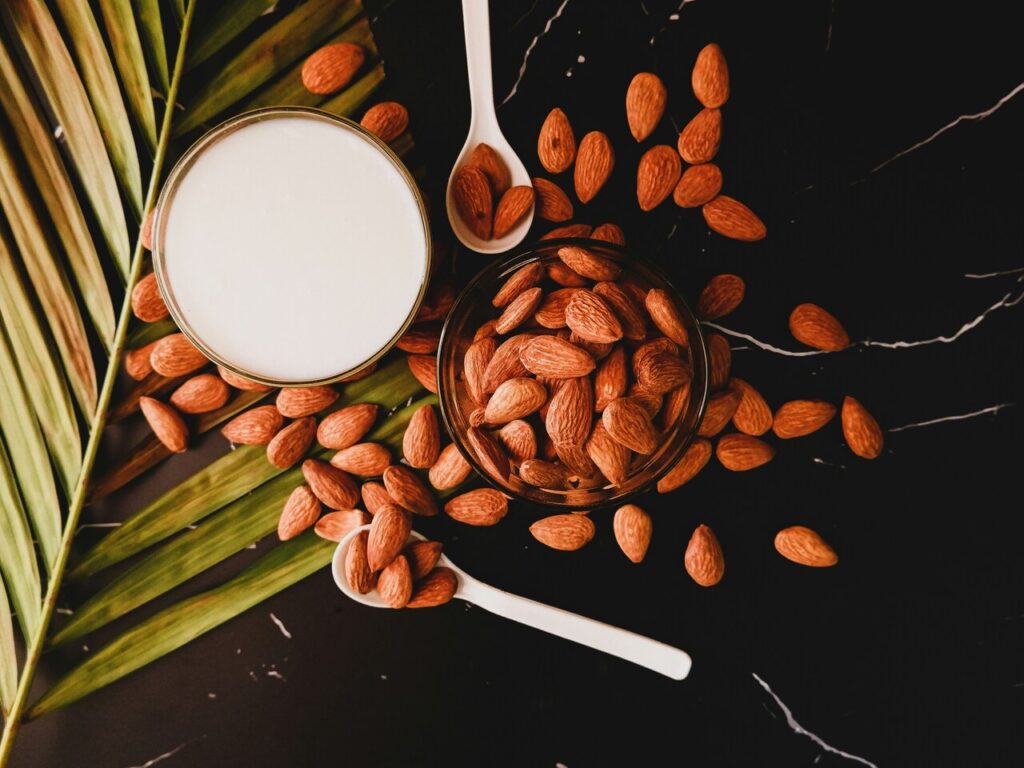
A simple switch from regular milk to oat, almond, or soy often comes with an added charge that feels small at first but adds up over time. This extra cost has become standard across most coffee menus, making it seem like a natural part of ordering.
The charge is due to higher ingredient costs, a shorter shelf life, and different storage requirements compared to dairy milk. Alternative milks also behave differently when steamed, which can require more attention during preparation.
While the cost difference is real, the markup often exceeds the actual price gap, turning it into a steady source of additional revenue. For many, the charge feels less about necessity and more about pricing strategy.
2. Extra Espresso Shots Increase Quickly
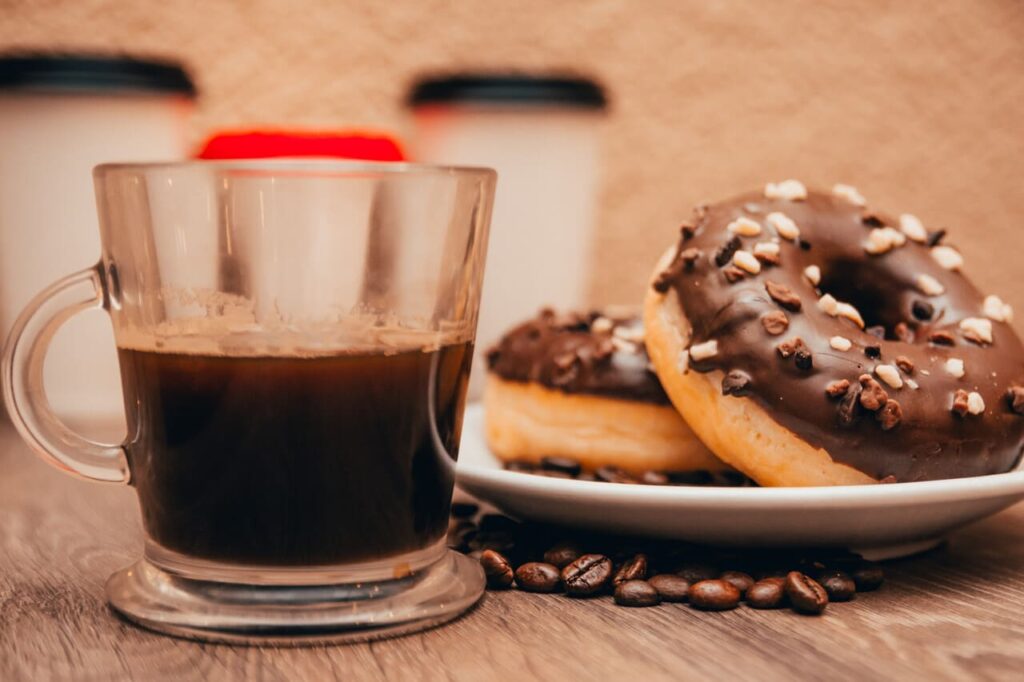
Adding an extra shot of espresso seems like a simple upgrade, yet it often comes with a noticeable price increase. This addition is one of the most common ways to customize a drink.
Espresso itself is relatively low in cost when broken down per shot, but the pricing reflects not just the ingredient but also equipment use, time, and perceived value. Stronger coffee is positioned as a premium choice. This perception supports the higher price.
The result is a small addition that significantly raises the final price. It highlights how minor changes can have a larger impact on the total cost than expected. This makes it one of the most impactful add-ons.
3. Flavored Syrups Come At A Cost

Sweet flavors like vanilla, caramel, or hazelnut are easy additions that make drinks feel more personalized, but each pump often comes with an extra charge. These small increments can quickly add up. They are often added without much consideration.
Syrups are inexpensive to produce in bulk, yet they are priced based on the customization they offer rather than their actual cost. They allow cafés to offer variety without changing the base product. This makes them highly scalable.
This makes them one of the most profitable add-ons. What feels like a minor upgrade becomes a consistent contributor to higher spending. Their simplicity makes them easy to sell.
4. Larger Cup Sizes Are Priced Disproportionately

Choosing a larger cup often seems like a better deal, but the price increase does not always match the actual increase in ingredients. The difference in cost can be higher than expected. This creates a gap between perception and reality.
The additional coffee, milk, or water used in a larger size is relatively small compared to the jump in price. However, larger sizes are positioned as a better value to encourage upselling. This positioning influences decision-making.
This creates a perception of savings while increasing overall spending. It is a common strategy used to guide purchasing decisions. Many end up spending more than planned.
5. Cold Brew Costs More Than Expected
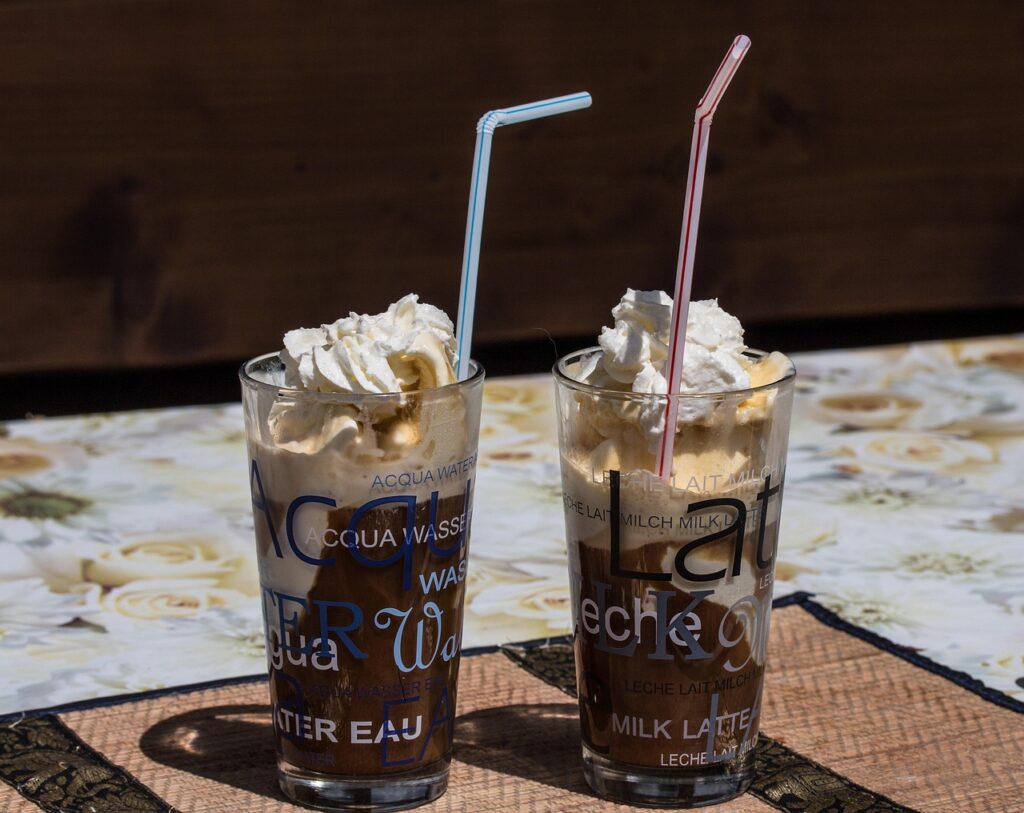
Cold brew is often priced higher than regular iced coffee, even though both are served cold and appear similar at first glance. This price difference can feel difficult to justify. The distinction is not always obvious.
The higher cost is usually attributed to the longer brewing process, which can take several hours and requires more coffee grounds. However, once prepared in batches, the ongoing cost difference becomes less significant. Efficiency improves with scale.
Despite this, cold brew continues to carry a premium label. The pricing reflects perception and positioning as much as actual production effort. It is marketed as a higher-quality option.
6. Specialty Toppings Add Hidden Costs
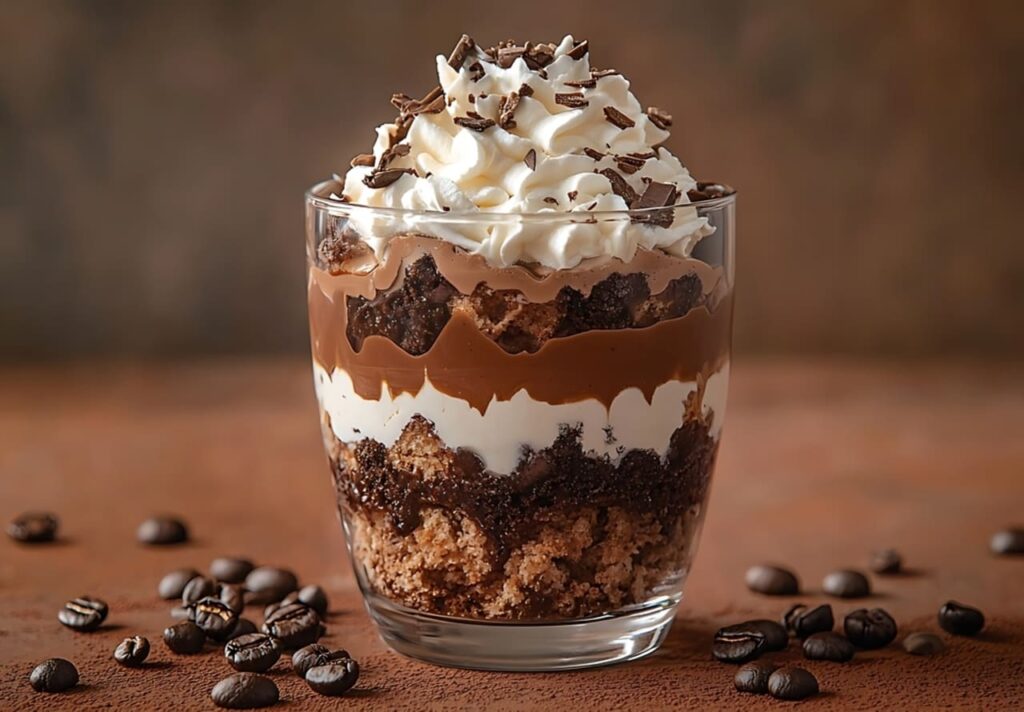
Extras like whipped cream, flavored foam, or caramel drizzle are often seen as finishing touches, but they come with additional charges that are easy to overlook. These add-ons can quietly increase the final price. They are often chosen for visual appeal.
The ingredients themselves are relatively inexpensive, but they are priced based on presentation and appeal. These toppings enhance the visual and sensory experience of the drink. They make the drink feel more indulgent.
Because they feel optional and small, they are often added without much thought. Over time, these small additions can significantly increase overall spending. The impact becomes clear only at checkout.
7. Premium Branding Influences Pricing
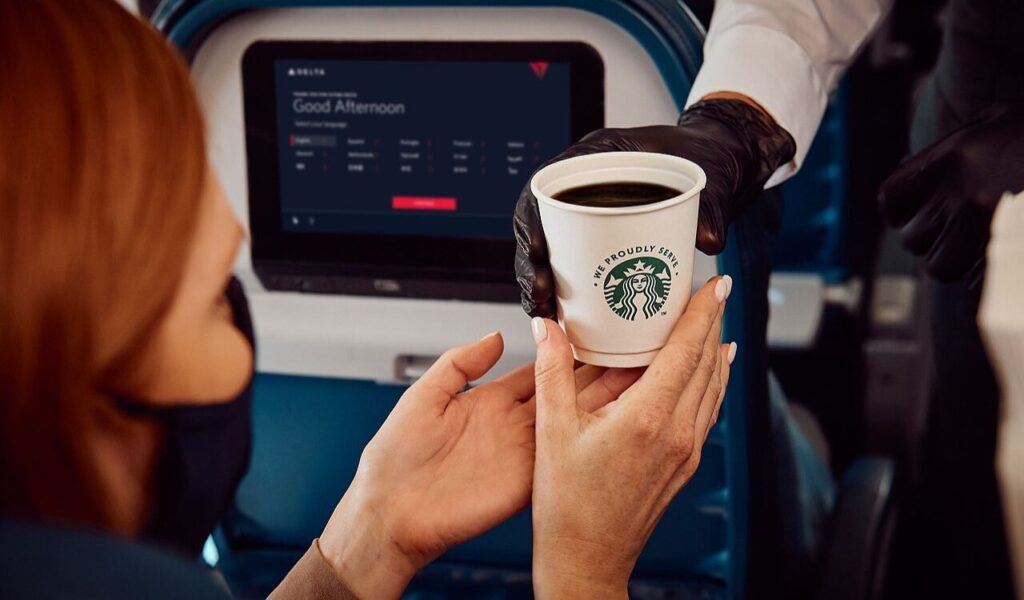
The atmosphere, branding, and presentation of a café play a major role in how prices are set. A well-designed space can make higher prices feel justified even when the product is similar. The environment adds perceived value.
Customers are not just paying for the drink but also for the experience, including ambiance, service, and brand perception. This allows cafés to position themselves at a higher price point. It creates a sense of exclusivity.
The result is a pricing structure that reflects more than just ingredients. It shows how perception can shape what people are willing to pay. Experience becomes part of the product.
8. Customization Stacks Up Charges

Building a personalized coffee order often involves multiple small additions, each carrying its own cost. Individually, these charges may seem minor, but they add up quickly. This makes the final price less predictable.
Milk alternatives, extra shots, syrups, and toppings can all be combined, turning a basic drink into a significantly more expensive one. The flexibility encourages experimentation but increases spending. Each choice adds another layer of cost.
This layered pricing model makes it easy to overlook the total cost until the final amount appears. It highlights how customization can quietly drive up the price of a simple coffee. Small decisions create a noticeable difference.