8 Plant Based Meat Brands Losing Shelf Space

Not long ago, plant-based meat felt unstoppable. Grocery aisles expanded quickly, new brands launched often, and shoppers embraced alternatives that promised sustainability without giving up familiar flavors.
Now the momentum has slowed. Sales have cooled in several markets, retailers are cutting slower-moving products, and once visible brands are losing shelf space. Price concerns, taste expectations, and worries about processing have reshaped buying habits.
This is not the end of plant-based meat, but a reset. As the category matures, only brands that deliver clear value, strong flavor, and steady demand are holding their ground. The shelves are changing, and the shift tells an important story.
1. Beyond Meat
Beyond Meat once symbolized the future of protein, but slowing demand has reshaped its retail presence. Shrinking orders, tighter grocery assortments, and price-sensitive shoppers have reduced its shelf footprint in several markets.
While price adjustments and cost cutting have improved margins, overall sales volume remains pressured as consumers compare taste, value, and perceptions about processing. Promotions have also been scaled back as the company focuses on financial stability.
As a result, listings have narrowed, and refrigerated space has shifted to faster-moving items. The brand is concentrating on core partnerships and select channels while working to regain steady retail momentum.
2. Yves Veggie Cuisine
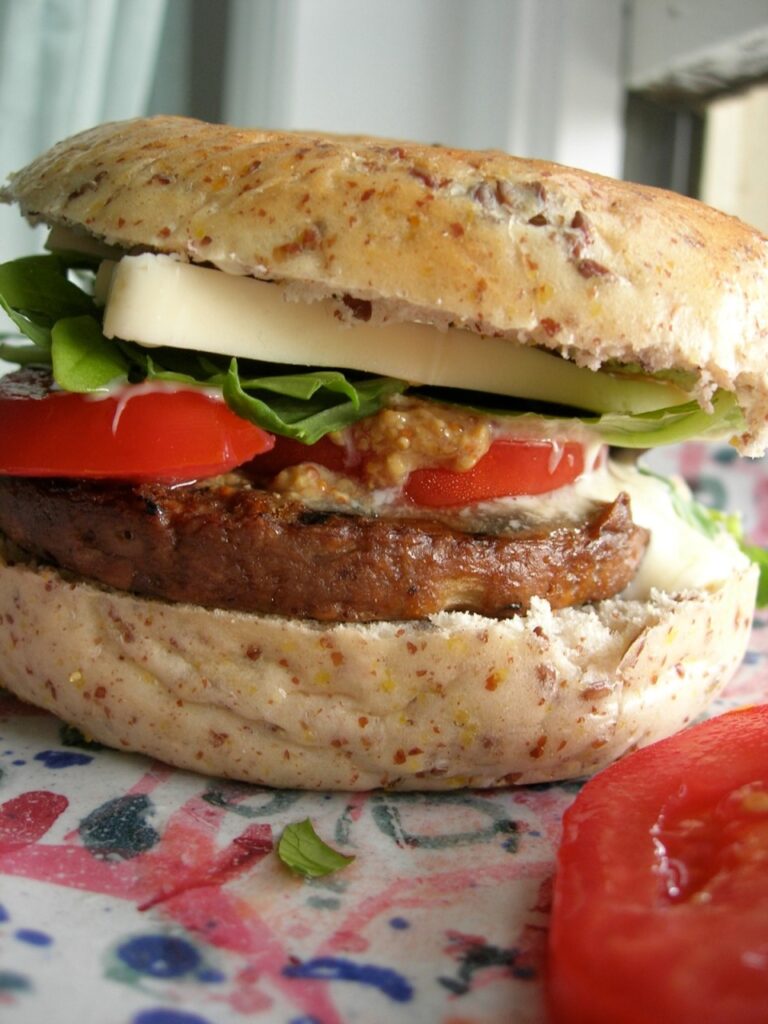
Yves Veggie Cuisine built decades of loyalty, yet declining sales have led to reduced availability in many stores. Retailers have removed slower-moving products as parent companies streamline portfolios and prioritize stronger performers.
Consumers increasingly favor fresher or more affordable protein choices, making it difficult for older plant-based brands to compete without major innovation or price adjustments. Shelf space now depends heavily on measurable turnover.
The reduction leaves long-time customers searching for remaining stock. It highlights a broader reality in the category: heritage alone cannot secure placement when demand patterns shift, and competition intensifies.
3. Meatless Farm
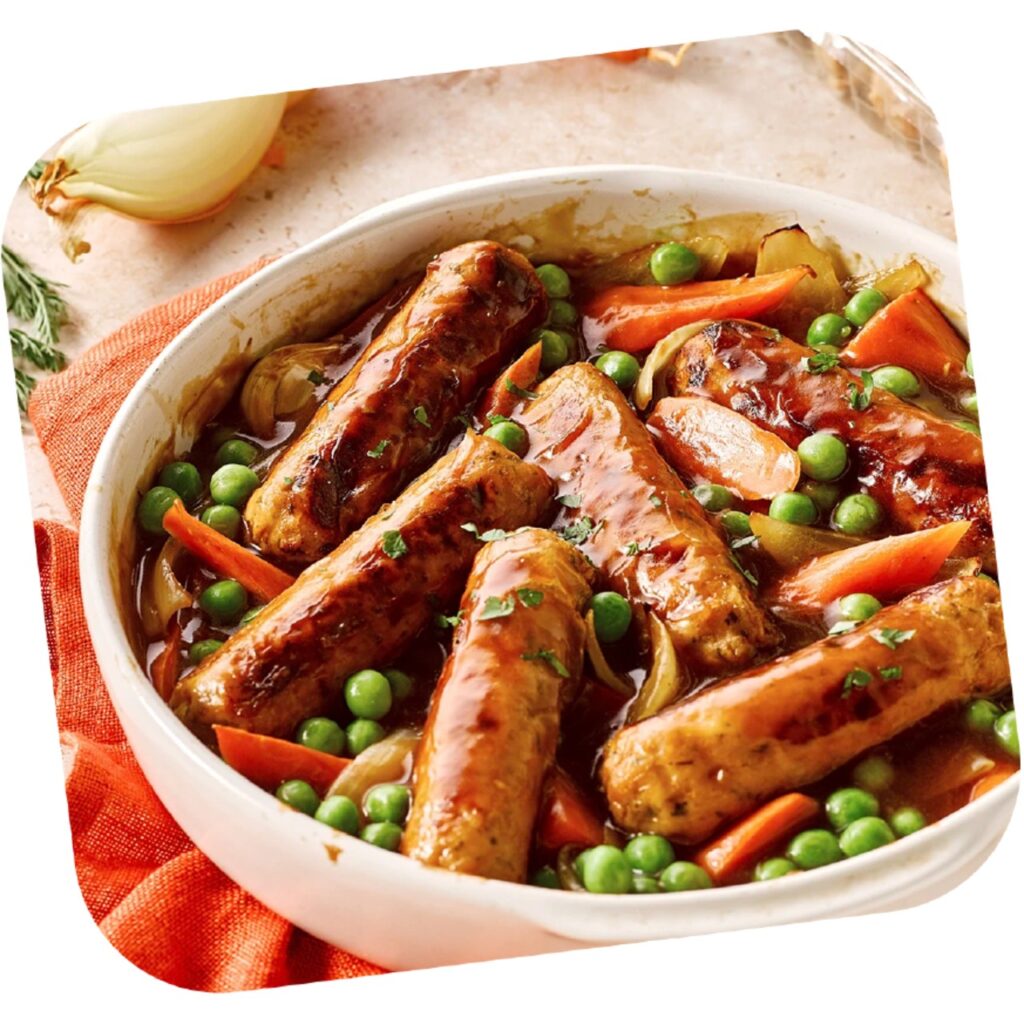
Meatless Farm grew quickly by promising familiar taste and simpler ingredients, but restructuring and ownership changes have narrowed its retail presence in some regions. The brand has been reshuffled as parent groups refocus on core, profitable operations.
Retail buyers now prioritize consistent sales velocity and margin stability. Products that require heavy promotions or frequent reformulation risk losing listings when shelf space becomes competitive.
For shoppers, this translates into fewer visible options from once prominent plant-based lines. Only the products that demonstrate strong repeat demand are likely to maintain consistent placement.
4. The Vegetarian Butcher
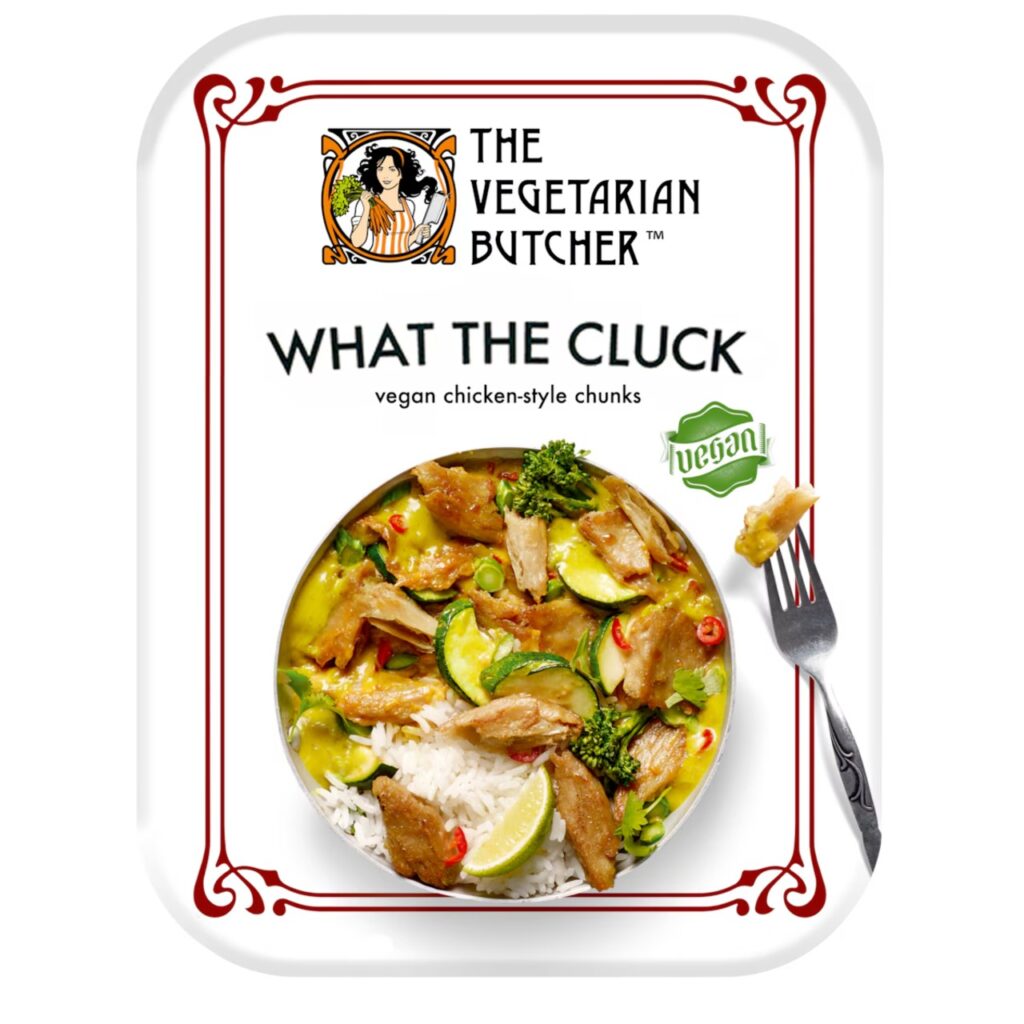
The Vegetarian Butcher entered the market with bold ambitions, but slowing demand for processed plant proteins triggered strategic shifts at the corporate level. Moves to divest or reposition the brand created uncertainty in retail channels.
When ownership changes loom, retailers often reduce orders until the future direction becomes clear. Large food companies are trimming portfolios and concentrating on categories that deliver steady growth and profitability.
As a result, shelf presence has contracted in certain markets. The situation reflects a broader recalibration in expectations around how quickly plant-based meat can scale.
5. Garden Gourmet
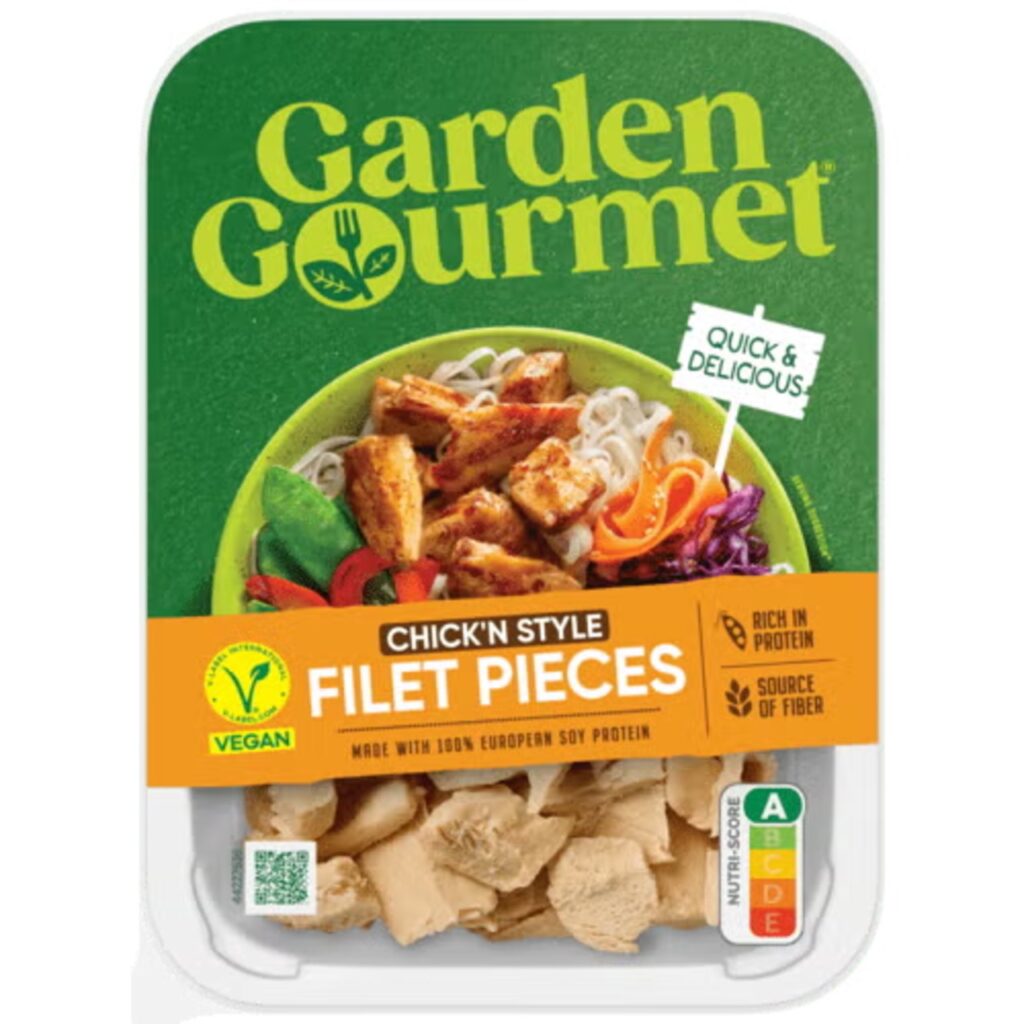
Garden Gourmet helped bring plant-based meat into mainstream grocery aisles, yet slower category growth has led to reduced offerings in some regions. Parent companies are cutting underperforming products that do not meet sales targets.
Innovation alone does not secure space if consumer demand softens. Companies now weigh marketing costs, production efficiency, and long-term viability more carefully than during the category’s early expansion phase.
For consumers, this means a leaner assortment in the plant-based section, with priority given to products that balance price, taste, and consistent turnover.
6. VBites

VBites once reflected the bold ambition of early plant-based expansion, but recent struggles show how vulnerable rapid growth can be. Rising ingredient costs, energy expenses, and operational strain pushed the company into financial trouble, disrupting supply and distribution.
Retailers rely on steady inventory, and uncertainty often leads to quick delisting. Even loyal brands can lose shelf space when orders cannot be fulfilled consistently. Stability matters as much as popularity.
Restructuring may restore operations, but rebuilding retailer trust takes time and investment. In a competitive environment where performance drives placement, regaining broad shelf presence is typically gradual rather than immediate.
7. Plant-Based Burgers and Nuggets by Various Labels
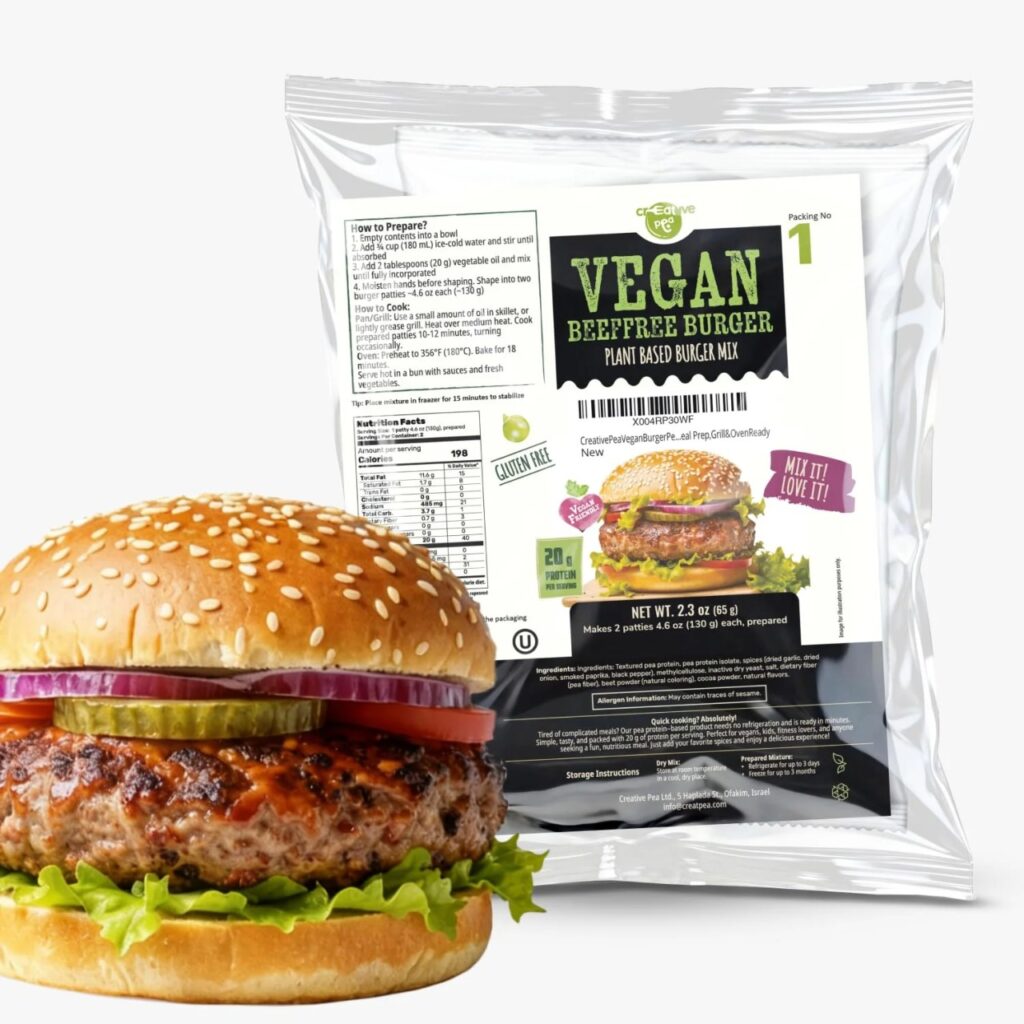
Plant-based burgers and nuggets once expanded rapidly as retailers chased rising demand. Over time, sales cooled, and many secondary brands began losing visibility in crowded refrigerated sections.
Retailers measure performance closely. Products that require heavy discounts or deliver slow turnover are often reduced. Higher prices than conventional meat and mixed consumer opinions about taste have slowed repeat purchases for some lines.
The result is a tighter assortment. Stores now focus on proven sellers that offer steady margins and consistent demand. Shelf space reflects measurable performance rather than novelty alone.
8. Other Vegan Lines Scaled Back by Major Food Brands
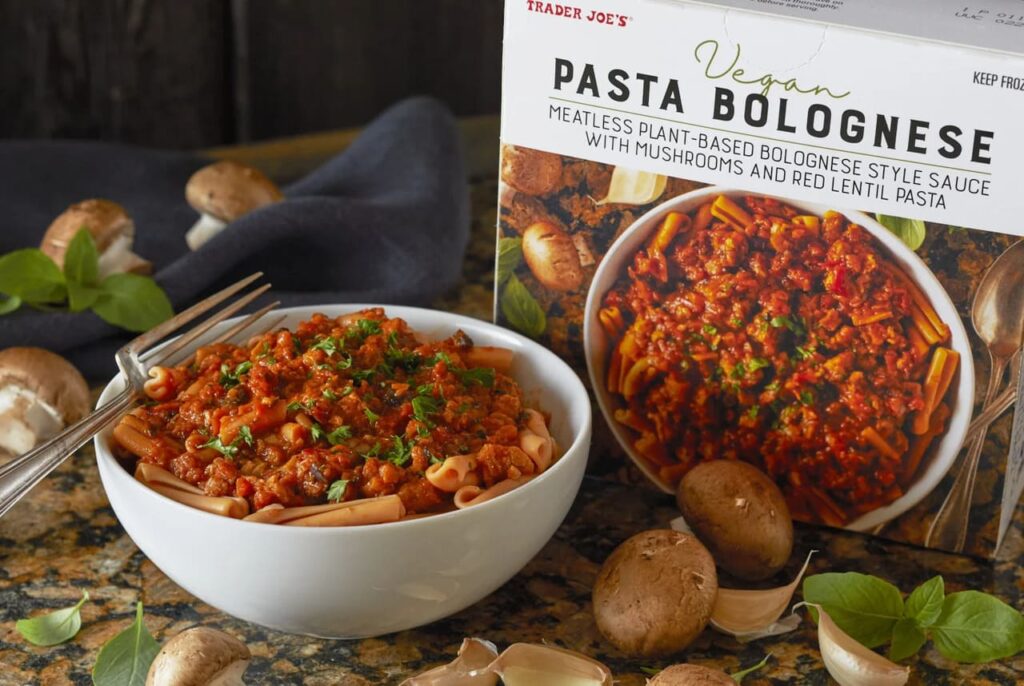
Major food corporations launched numerous vegan subbrands during peak growth years. As category momentum slowed, several struggled to meet internal sales and profitability targets.
Cost pressures, shifting consumer habits, and stronger competition from both traditional proteins and private labels forced companies to reassess. Underperforming lines were reduced or quietly withdrawn from certain markets.
The plant-based aisle has become more streamlined. Expansion has shifted toward consolidation, with corporations prioritizing reliable performance. Only brands that balance price, taste, and steady demand continue to maintain a wide national presence.