13 Ultra Processed Foods Facing New Label Scrutiny


It is easy to assume that anything on a grocery shelf has cleared every test. Yet growing research is urging regulators and health experts to look more closely at ultra-processed foods. Once valued for convenience and low cost, they now face questions about transparency and long-term health effects.
From sugary drinks to frozen meals, many are built with refined ingredients, additives, and engineered flavors. High intake has been linked to obesity, heart disease, and type 2 diabetes. As evidence grows, so does the call for clearer front-of-pack warnings and simpler ingredient labels.
This shift is not about fear but awareness. Understanding what these foods contain helps consumers make informed choices as labeling standards evolve.
1. Sugary Sodas and Carbonated Soft Drinks

It starts with a hiss and a rush of sweetness. Sugary sodas blend carbonated water with large amounts of added sugar or high fructose corn syrup, along with acids, colorants, and flavorings designed for instant appeal.
One serving can exceed daily sugar recommendations. Regular intake is strongly linked to weight gain, type 2 diabetes, fatty liver disease, and heart problems. Liquid calories do not create lasting fullness, which makes it easy to consume more than intended.
Label debates focus on added sugar totals and realistic serving sizes. Many bottles contain more than one serving but are consumed at once. Health experts argue that clearer front-of-pack warnings would help consumers better understand the true sugar load.
2. Sweetened Fruit Drinks and Juice Beverages

Fruit on the label suggests health, but many juice drinks resemble soda in disguise. They often contain limited real juice mixed with added sugars, flavorings, and stabilizers.
Even pure juice lacks the fiber found in whole fruit, allowing sugars to be absorbed quickly. Sweetened versions add syrups that increase calorie content and contribute to blood sugar spikes, dental decay, and higher obesity risk in children.
Scrutiny centers on terms such as natural or made with real fruit. Advocates want a clearer separation between whole juice and sugar-sweetened beverages so families can accurately gauge added sugar intake.
3. Packaged Snack Chips and Crisps
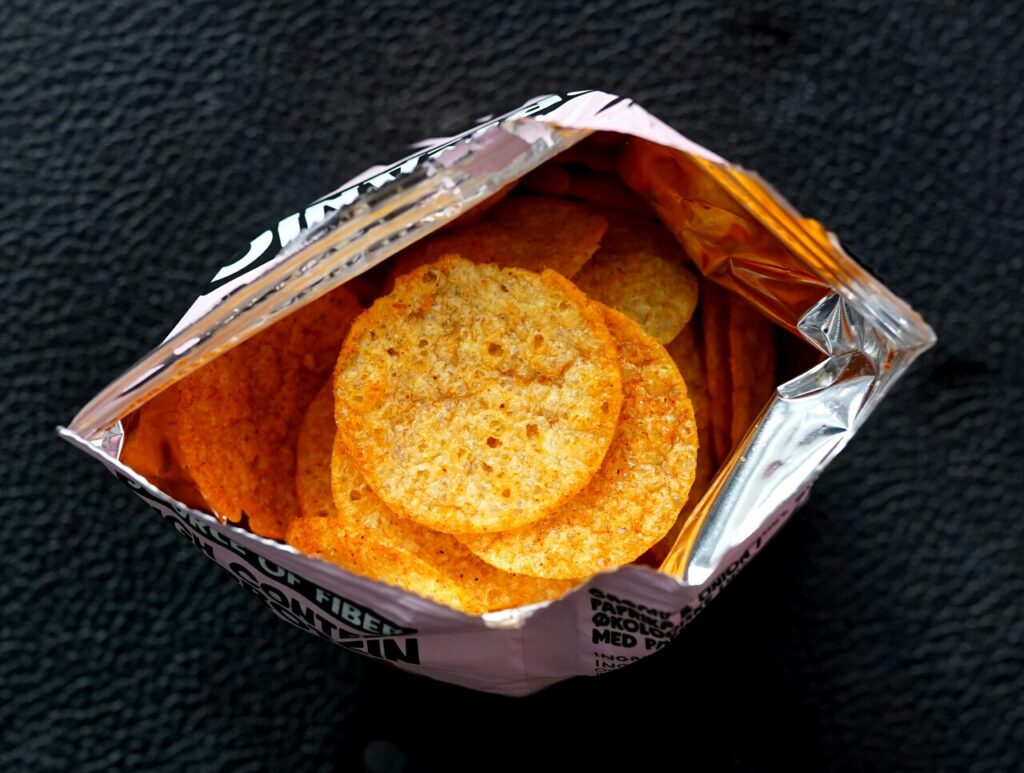
That addictive crunch is carefully engineered. Chips are made from refined starches or processed potatoes, then fried or baked and coated with salt and flavor enhancers.
They are typically high in sodium, unhealthy fats, and fast-digesting carbohydrates. Frequent consumption has been linked to weight gain and elevated blood pressure. Their calorie density and texture make overeating easy.
Label concerns include sodium disclosure and health claims like baked or light. Reduced-fat versions may still carry high salt levels. Clearer labeling helps prevent the impression that minor tweaks equal major health benefits.
4. Candy Bars and Confectionery
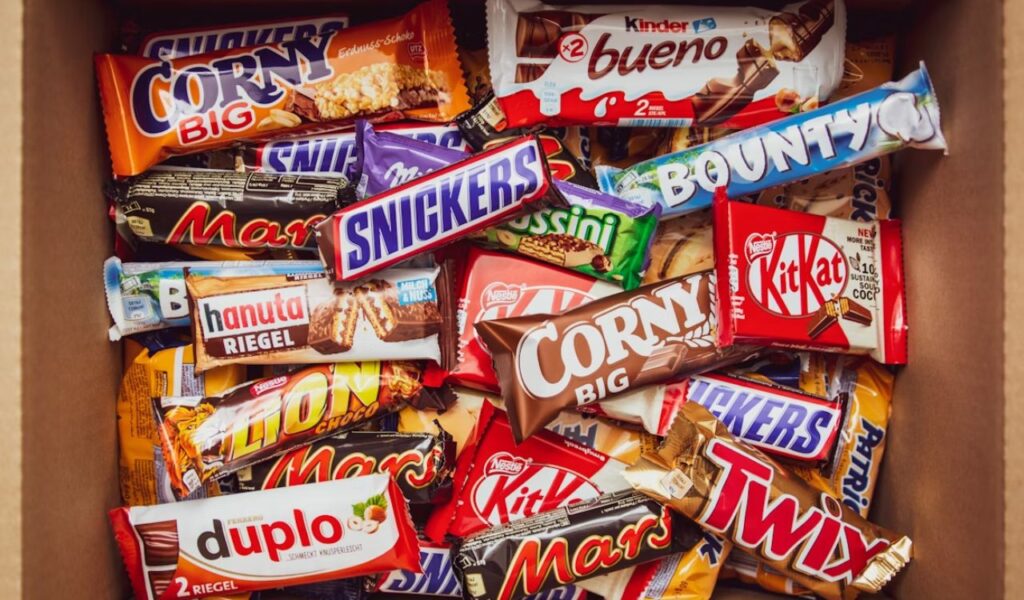
Candy bars are formulated for indulgence and long shelf life. They combine refined sugars, syrups, processed fats, emulsifiers, and artificial flavors into compact, calorie-dense treats.
A single bar can deliver a heavy sugar load. Regular intake contributes to dental problems, blood sugar instability, and long-term metabolic strain. Added fats further increase total calories.
Label scrutiny focuses on cumulative sugar content. Multiple forms of sugar listed separately can make totals seem smaller than they are. Clearer disclosure would make the overall sugar concentration easier to understand at a glance.
5. Instant Noodles and Cup Soups

Instant noodles deliver comfort in minutes. These shelf-stable meals are pre-cooked, dried, and paired with seasoning packets high in salt and flavor enhancers.
A single serving can contain extremely high sodium, sometimes nearing daily limits. Frequent intake is linked to elevated blood pressure and poorer diet quality. The refined flour base also provides little fiber or lasting satiety.
Scrutiny centers on sodium disclosure, portion clarity, and additive transparency. Many cups are eaten in one sitting despite listing multiple servings. Clearer front-of-pack warnings could help consumers better judge the nutritional tradeoff.
6. Frozen Ready-to-Eat Meals
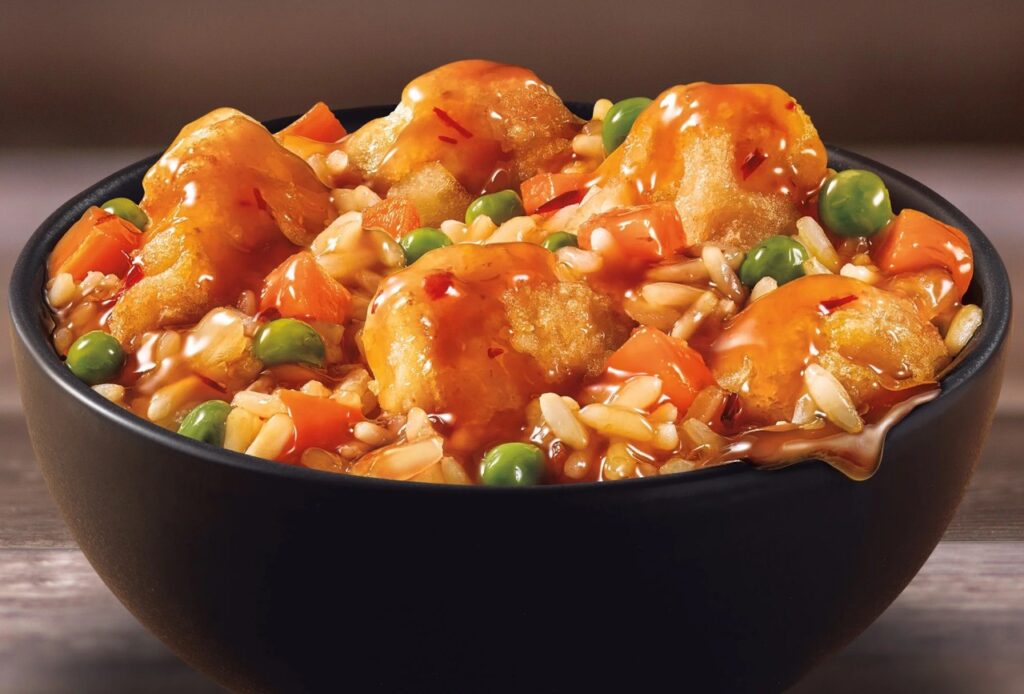
The freezer aisle promises convenience in minutes. Many frozen meals rely on refined grains, processed meats, and sauces stabilized to preserve flavor after reheating.
While some are balanced, many contain high sodium, saturated fat, and added sugars. Portions can seem modest while delivering significant calories. Frequent reliance may displace fresher, minimally processed foods.
Label discussions focus on clearer nutrient details and additive transparency. As research on emulsifiers and gut health develops, regulators are considering whether packaging should more clearly highlight sodium and saturated fat levels.
7. Sweetened Breakfast Cereals

Bright boxes often sit at a child’s eye level. Many cereals are made from refined grains coated in sugar, syrups, flavorings, and sometimes artificial colors.
Though fortified with vitamins and minerals, added sugars can be high per serving. Small serving sizes mean a typical bowl may double the listed sugar. High sugar breakfasts are linked to energy crashes and increased hunger later in the day.
Label scrutiny targets claims like whole grain or heart-healthy. Experts argue that added sugar percentages should be clearer, especially for cereals marketed to children, helping families spot options that are truly whole grain rather than mostly sweetened.
8. Processed Meats Like Sausages and Hot Dogs

Processed meats are preserved for flavor and longer shelf life. Sausages and hot dogs often contain ground meat blended with salt, nitrates or nitrites, and stabilizers.
Regular consumption has been linked to a higher risk of colorectal cancer and heart disease. Elevated sodium also contributes to hypertension. Convenience does not erase these long-term concerns.
Label debates focus on clearer disclosure of curing agents and sodium content. Some experts support stronger warning labels so consumers can better understand potential risks and make informed decisions about portion size and frequency.
9. Packaged White Bread and Burger Buns

Softness is the selling point. Many packaged breads use refined flour stripped of fiber, along with emulsifiers, preservatives, and added sugars to maintain texture and shelf stability.
Refined grains digest quickly, which can lead to blood sugar spikes compared to whole grain alternatives. While enrichment adds back certain vitamins, it does not restore lost fiber. Regular consumption of highly refined breads has been linked to poorer metabolic outcomes in some populations.
Scrutiny revolves around labeling terms like multigrain or made with whole wheat. These phrases can be misleading if refined flour remains the primary ingredient. Health experts encourage clearer front labeling that accurately reflects the percentage of whole grain content.
10. Flavored Yogurts and Dairy Desserts

Yogurt carries a healthy reputation, but flavored varieties can tell a different story. Many contain added sugars, fruit concentrates, stabilizers, and thickeners to enhance taste and texture.
While yogurt provides protein and probiotics, excessive added sugar can offset its benefits. Some single-serving cups contain as much sugar as a dessert. For children, especially, sweetened dairy products can become a significant daily sugar source.
Label scrutiny focuses on distinguishing naturally occurring lactose from added sugars. Clear breakdowns help consumers understand what portion of total sugar is added. Transparent labeling empowers shoppers to choose plain yogurt and add fresh fruit instead of relying on heavily sweetened versions.
11. Protein and Energy Bars

Marketed as fuel, protein bars often resemble compact candy bars in disguise. Many contain refined syrups, sugar alcohols, artificial flavors, and isolated protein powders bound together with stabilizers.
While convenient, some bars deliver high sugar levels and calorie counts similar to traditional sweets. Sugar alcohols can cause digestive discomfort in sensitive individuals. Marketing claims about fitness benefits may overshadow the product’s processed nature.
Regulators are examining health claims and added sugar disclosures. Clearer labeling of total sugars and ingredient lists helps consumers see beyond performance branding. Not all protein bars are equal, and transparency is key to separating balanced options from sugar-dense snacks.
12. Packaged Cookies, Cakes, and Pastries

Shelf-stable baked goods rely on formulation science. Refined flour, added sugars, hydrogenated oils, emulsifiers, and artificial flavors ensure consistent taste and long storage life.
These treats are energy-dense and often low in fiber. Frequent consumption contributes to excess calorie intake and increased risk of metabolic disorders. Portion distortion also plays a role, as larger cookies or pastries may count as multiple servings.
Label scrutiny targets trans fat replacements, added sugar totals, and ingredient clarity. Even when labeled zero trans fat, products may contain small amounts per serving that add up. Clearer cumulative disclosures are increasingly viewed as essential for honest communication.
13. Fast Food Items Such as Nuggets and Burgers

Fast food thrives on speed and consistency. Nuggets and burgers are typically made from processed meat blends, refined buns, sauces high in sugar, and additives that preserve flavor and texture.
These meals are often high in sodium, saturated fat, and calories. Regular consumption has been linked to obesity, cardiovascular disease, and poor overall diet quality. Portion sizes have expanded over time, increasing total intake without obvious signals.
Scrutiny focuses on menu labeling, calorie transparency, and disclosure of additives. Many regions now require visible calorie counts at the point of purchase. Ongoing discussions explore whether clearer warnings about sodium and saturated fat should become standard in fast food environments.