11 Fast Food Chains Known for Over-the-Top Portions

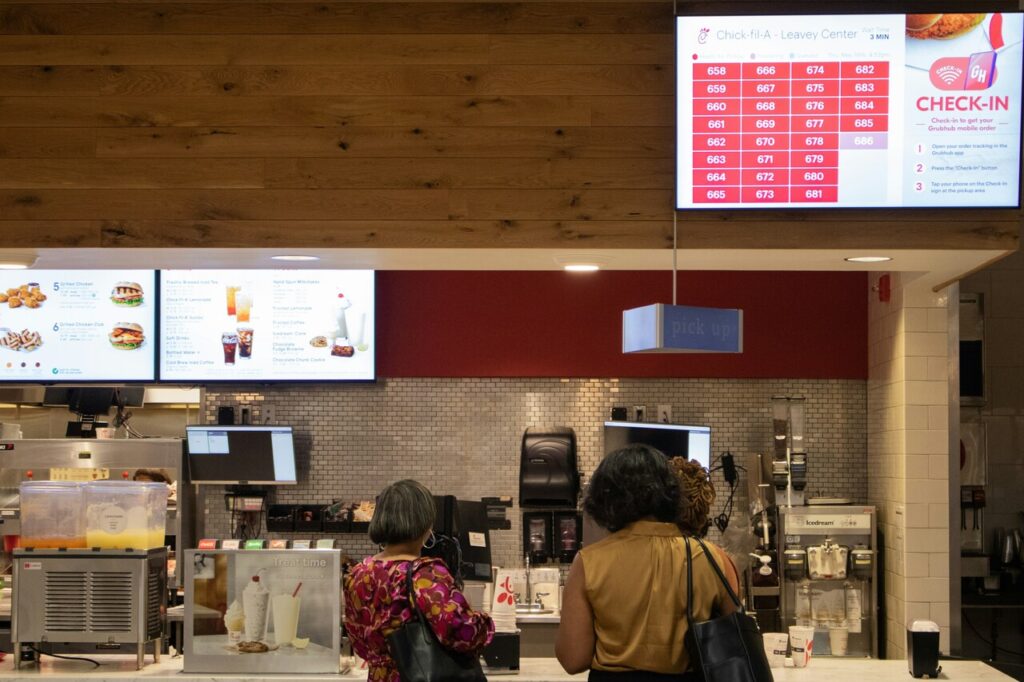
Portion size has long been a defining feature of fast food value, and some chains have leaned into it more than others. Oversized burgers, overflowing fries, dense desserts, and heavily loaded bowls are not accidents but deliberate choices. These brands use abundance as a selling point, signaling generosity, satisfaction, and perceived value in every order. For many customers, bigger portions mean fewer regrets and fuller meals. These fast food chains became known for over-the-top servings by consistently delivering meals that feel substantial, indulgent, and difficult to finish in one sitting.
1. Five Guys
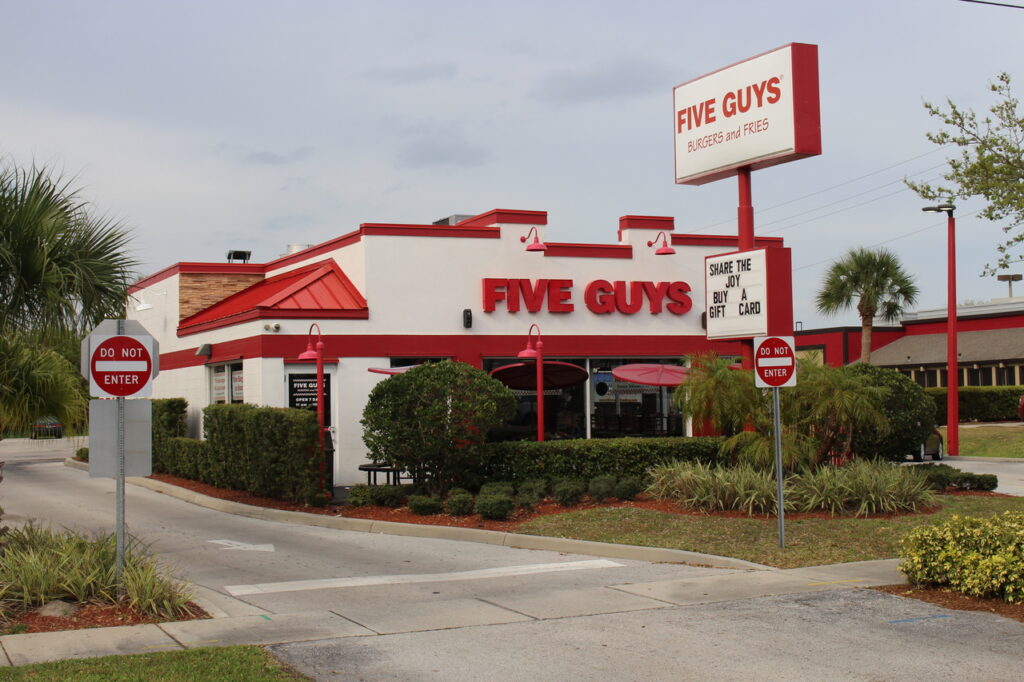
Five Guys built its reputation on excess by design, especially when it comes to portion size. The burgers are already substantial, with thick patties and unlimited toppings that stack height and weight without extra charge. What truly defines the chain, though, is the fries. A single order routinely spills beyond the cup into the bag, a deliberate practice meant to signal generosity rather than precision. The fries are hand-cut and cooked in peanut oil, which adds density and richness that makes the portion feel even heavier. It markets abundance as value, reinforcing the idea that customers should never leave hungry.
2. Burger King
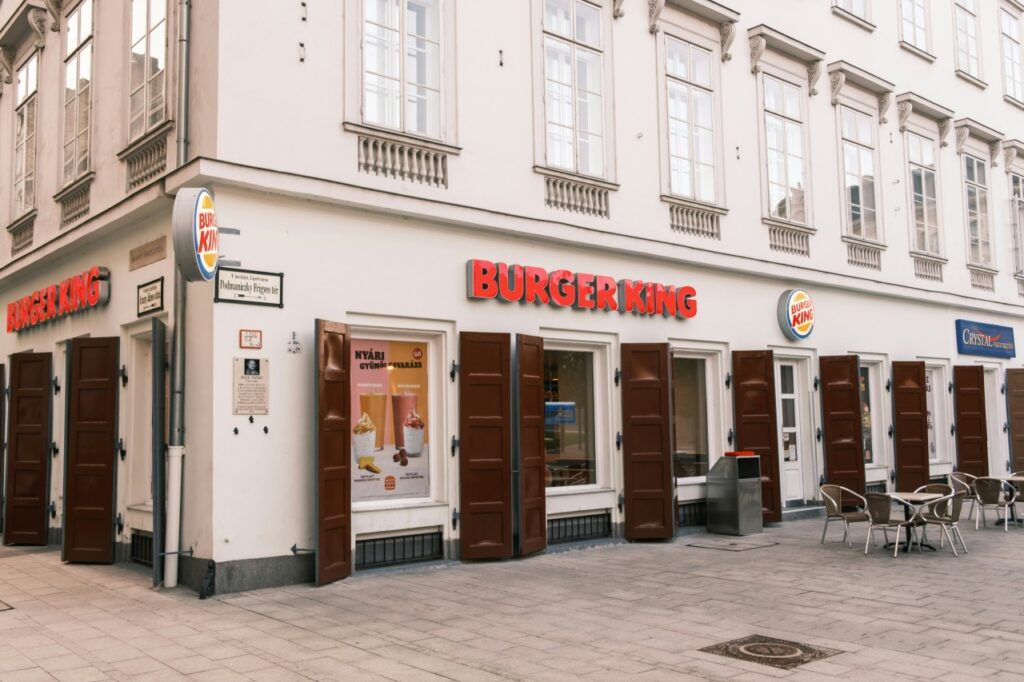
Burger King has long leaned into size as a competitive advantage, most notably with the Whopper. The sandwich is wide, tall, and layered with toppings that extend well beyond the bun. Compared to many fast food burgers, it feels oversized in the hand and filling after a few bites. Large fries and drinks further reinforce the sense of excess. Burger King’s flame-grilled patties also retain moisture, which makes larger portions easier to consume without feeling dry. Over the years, the chain has consistently promoted bigger builds and bold sandwiches. Portion size plays a role in the brand’s positioning as a place where you get more for your money.
3. Jack in the Box
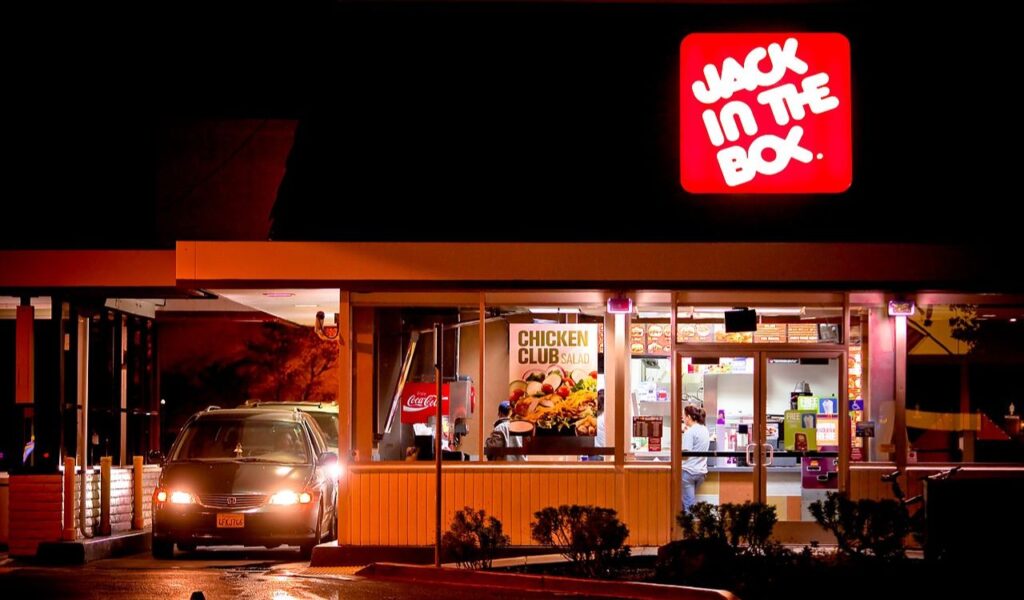
Jack in the Box is known for menu items that push portion boundaries through layering and indulgence. Many of its burgers stack multiple patties, fried components, sauces, and cheese into a single item that is physically difficult to eat neatly. The chain also offers late-night focused combo meals that bundle large sandwiches with full-sized sides. These meals are designed to feel excessive, especially for customers ordering after hours. Portion size here is tied to indulgence rather than simplicity. This approach has helped it stand out in a crowded market where moderation is rarely the goal.
4. Raising Cane’s
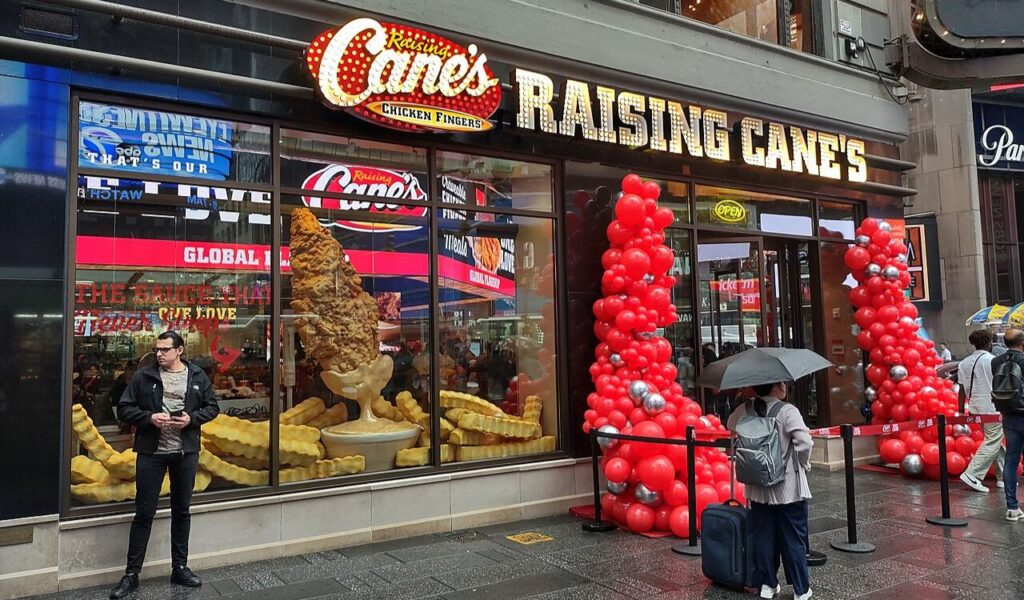
Raising Cane’s keeps its menu simple, but its portions are anything but restrained. Chicken-finger boxes arrive packed with thick strips, crinkle-cut fries, Texas toast, and sauce, all in quantities that feel intentional rather than measured. The chicken pieces are notably large compared to similar chains, with substantial breading and weight. Cane’s focuses on combo meals, which encourages customers to order full portions rather than individual items. The result is a tray or box that feels heavy and filling. Customers know exactly how much food they are getting every time, which reinforces trust in the portion size.
5. Whataburger
Whataburger is famous for portions that reflect its regional roots. The burgers are wide, often requiring two hands, and come with thick patties and generous toppings. Even standard menu items feel closer to large sizes at other chains. Fries, onion rings, and shakes are served in quantities that match the main item rather than feeling secondary. The chain also allows customization that adds volume, such as extra vegetables or sauces. Whataburger’s approach is not about novelty. It is about consistency and fullness. Customers expect a meal that satisfies for hours, not minutes, and the portions deliver on that expectation.
6. Wendy’s

Wendy’s portions stand out because of density rather than sheer size. Burgers like the Baconator pack multiple patties, layers of bacon, and cheese into a single sandwich that feels heavy from the first bite. The chain’s square patties extend past the bun, creating the impression of more meat and substance. Large fries and baked potatoes add to the overall volume of a meal. Wendy’s desserts, including Frostys, are also served in sizes that lean toward indulgent rather than restrained. The brand balances freshness messaging with portion generosity, which helps explain why customers often find Wendy’s meals more filling than expected.
7. Dairy Queen
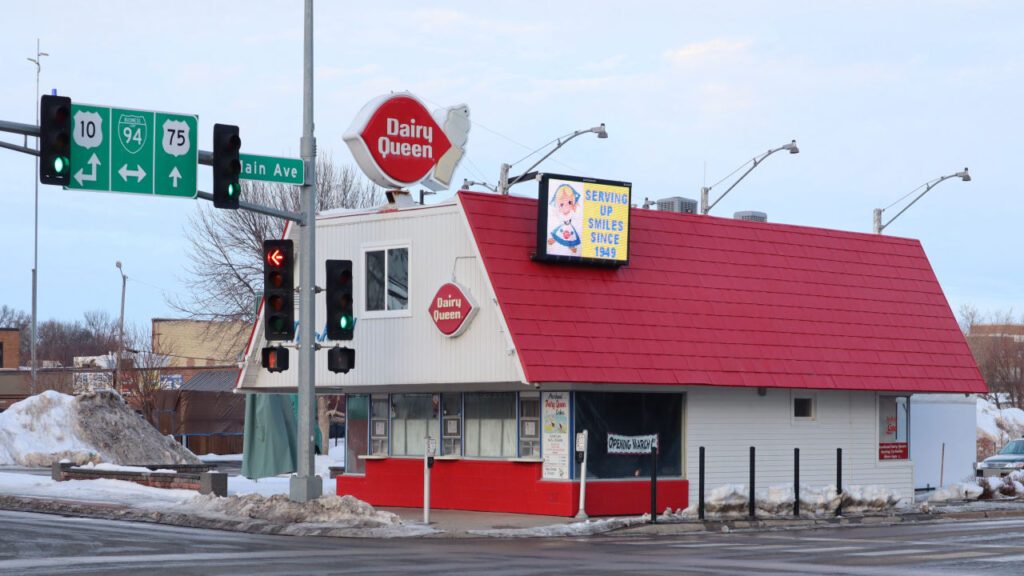
Dairy Queen earns its reputation for oversized portions primarily through its desserts. Blizzards are thick, dense, and served in cups that hold significant weight even in smaller sizes. The mix-ins add bulk, making each spoonful rich and filling. Basket meals also deliver generous portions of fries, chicken strips, or burgers alongside dessert options. Dairy Queen does not aim for subtlety. Its portions are meant to feel indulgent and satisfying, especially for customers ordering treats. The physical weight of the food plays a role in perception. Even a single Blizzard can feel like a full dessert course rather than a snack.
8. Fatburger
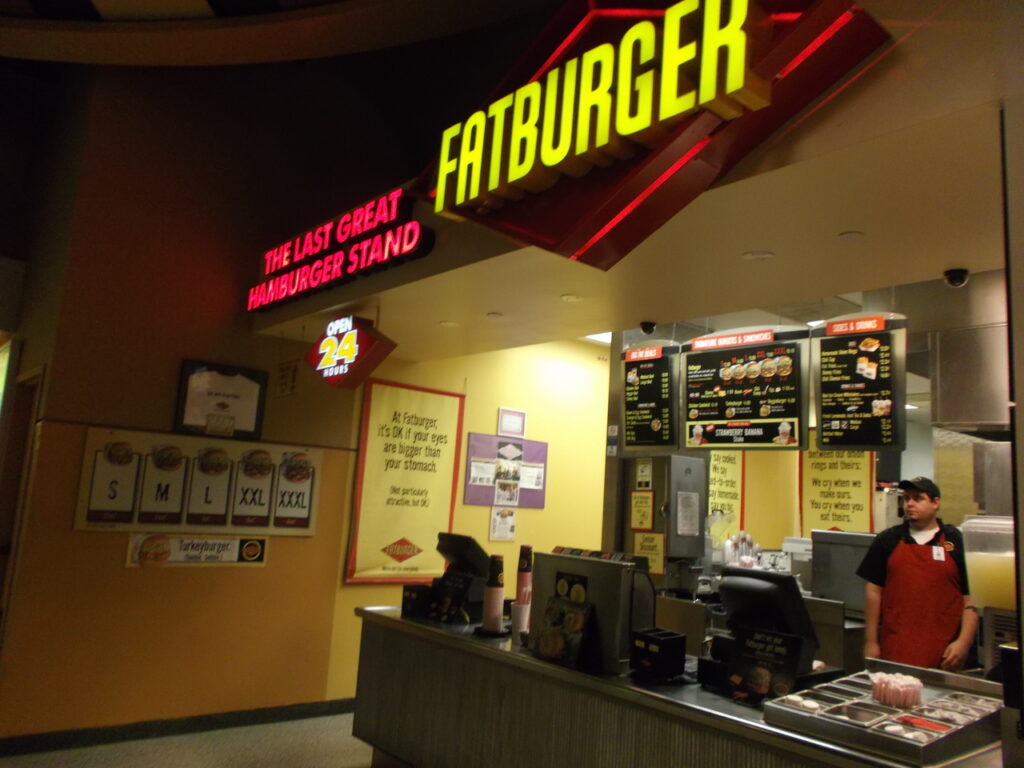
Fatburger places portion size at the center of its brand name and menu structure. Customers can choose burgers with multiple patties, creating sandwiches that rival sit-down restaurant portions. The beef is thick, the buns are sturdy, and the toppings are applied generously. Fries and onion rings are served in large baskets rather than measured cups. Fatburger’s model encourages customization that increases size rather than limits it. The chain caters to customers who equate fullness with value. Portion size here is not subtle marketing. It is explicit and unapologetic, reinforcing the expectation of a heavy, satisfying meal.
9. McDonald’s

McDonald’s association with large portions is rooted in its history of expansion and standardization. Large fries and drinks became cultural reference points for fast food excess. While the menu has diversified, the largest combo options still deliver significant volume. Fries remain one of the most recognizable oversized items, especially when ordered in the largest available size. McDonald’s success came from making big portions accessible and familiar. Even today, customers know that upgrading a meal results in noticeably more food. The chain’s global reach helped normalize portion sizes that once felt excessive.
10. Chipotle Mexican Grill
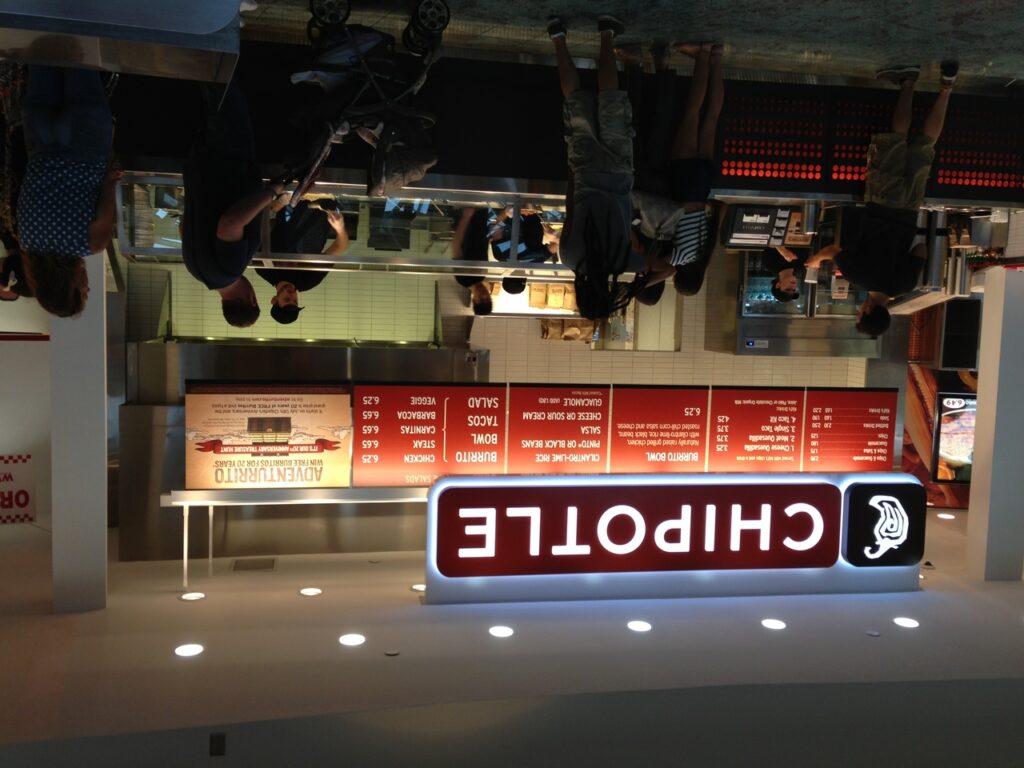
Chipotle’s portions feel over the top because of customization and assembly style. Burritos and bowls are built in front of customers, often resulting in servings that exceed standard nutritional expectations. Scoops of rice, beans, meat, and toppings stack quickly, creating meals that are dense and heavy. The tortillas are large enough to wrap substantial fillings, which reinforces the perception of abundance. Chipotle does not restrict portions tightly, especially when ingredients are added by hand. This flexibility leads to meals that feel personal and excessive at the same time. Customers associate Chipotle with getting more food than anticipated.
11. Popeyes
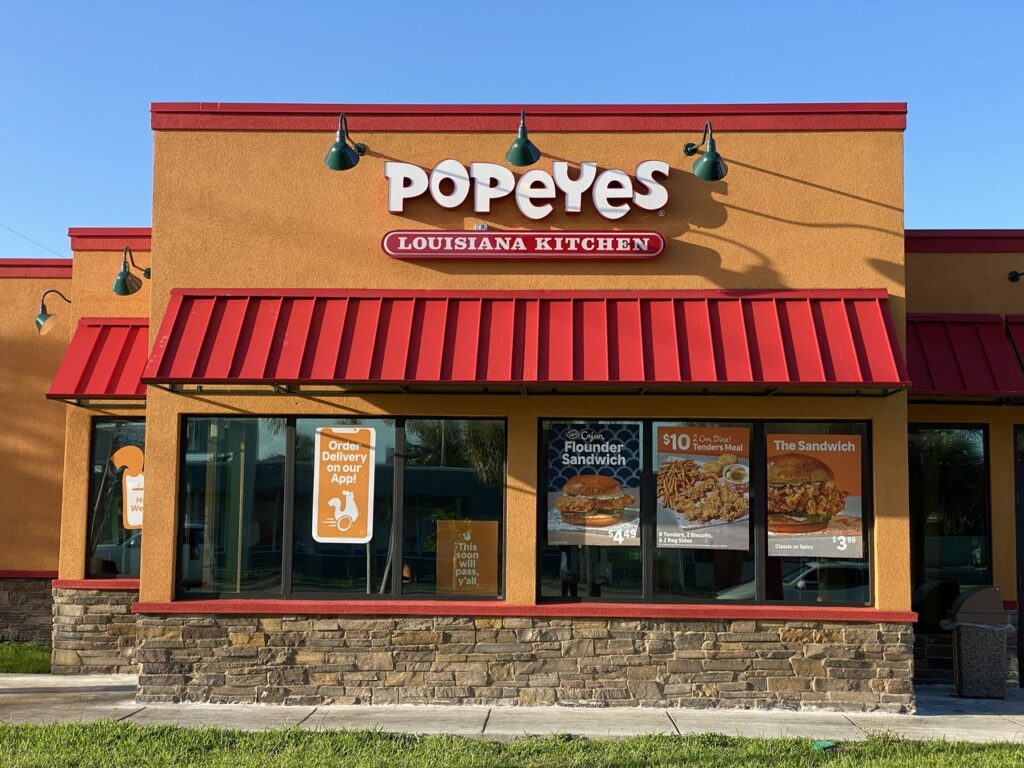
Popeyes portions stand out because of the physical size and richness of the food. Fried chicken pieces are large, with thick breading and substantial meat. Side dishes like mashed potatoes, biscuits, and fries are served in sizes that complement the main item rather than shrink beside it. The biscuits themselves are filling enough to function as a side and a starch. Popeyes meals often feel heavier than similar offerings at other chains due to oil content and portion weight. The chain’s focus on bold flavor pairs naturally with generous servings. Customers expect fullness, and the portions consistently deliver it.