14 Store Bought Desserts That Taste Better Than Homemade

Not every dessert benefits from being made at home. Many sweets rely on precision, specialized equipment, and repeated testing to achieve the right texture, balance, and consistency. Store-bought desserts often outperform homemade versions because they are engineered for reliability, not improvisation. From frozen cheesecakes to bakery cupcakes and laminated pastries, these treats deliver predictable results without the margin for error that home baking allows. Choosing them is not about cutting corners but about understanding where expertise, process, and scale produce a better final bite.
1. Trader Joe’s Chocolate Lava Cakes
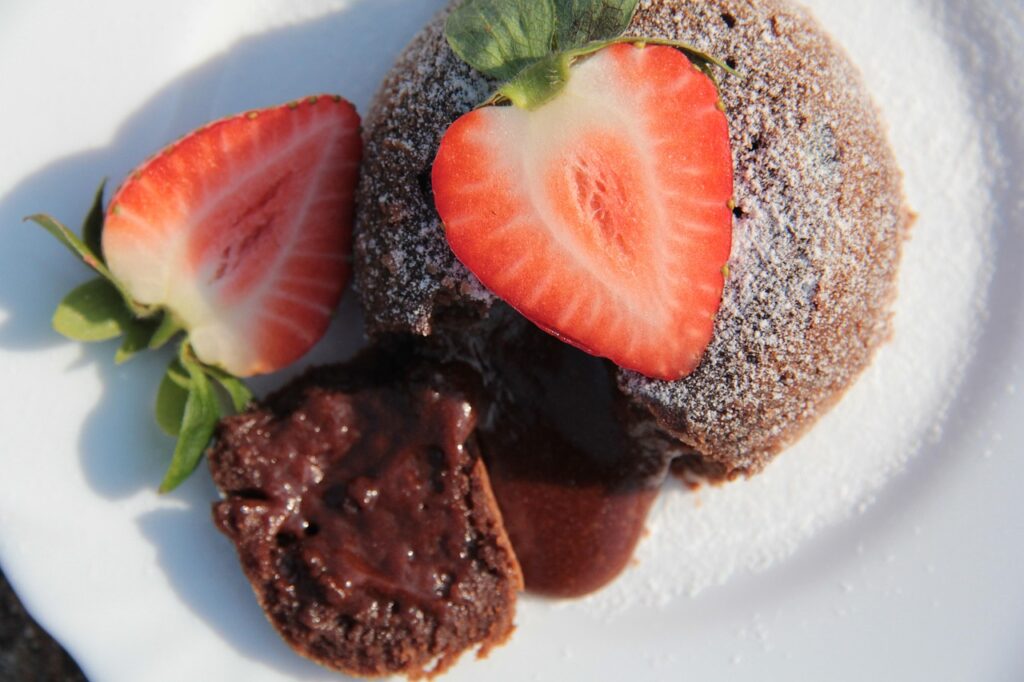
Chocolate lava cake is one of those desserts that looks simple but punishes small mistakes. The balance between fully baked edges and a molten center depends on precise timing, exact portioning, and consistent oven heat. Store-bought versions like Trader Joe’s succeed because they are engineered for reliability. The chocolate blend is formulated to melt at the right moment, and the cakes are portioned perfectly so the center flows without collapsing. At home, even slight overbaking turns lava cake into plain chocolate sponge. The frozen format also locks in moisture, which is difficult to control in a home oven.
2. Authentic French Raspberry Tarts

Fruit tarts are deceptively technical desserts. The crust must stay crisp, the filling smooth, and the fruit glossy without becoming wet. Store-bought French-style raspberry tarts excel because they rely on professional pastry techniques that are hard to replicate at home. The almond cream is baked separately for stability, the shortcrust is engineered to resist sogginess, and the glaze protects the fruit without overpowering it. Homemade attempts often fail when moisture migrates into the crust or the filling breaks. Store versions benefit from controlled assembly and chilling that preserves structure.
3. Premium Ice Cream
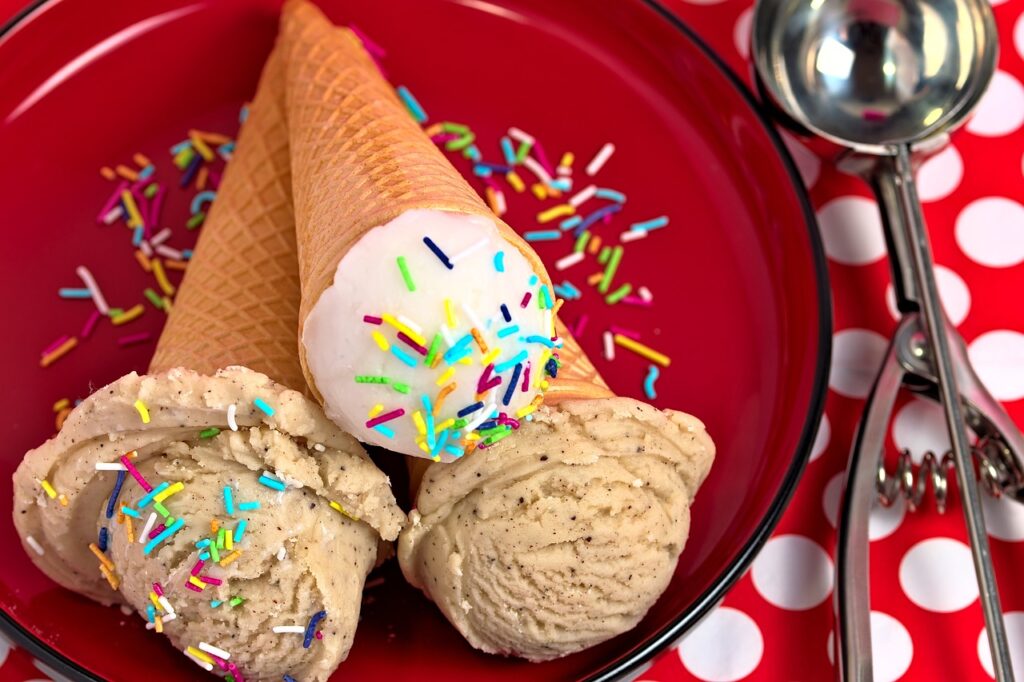
Ice cream quality is largely determined by equipment, not effort. Commercial brands use powerful freezing systems that churn faster and colder than most home machines, creating smaller ice crystals and a creamier texture. Premium ice creams also use stabilizers and emulsifiers in carefully measured amounts, which prevent iciness and improve mouthfeel. At home, ice cream often freezes too slowly, leading to grainy texture and uneven melt. Flavor balance is another challenge, as sugar and fat ratios must be exact. For most people, the results simply surpass what is practical to achieve in a home kitchen.
4. Store-Bought Cheesecake

Cheesecake is unforgiving. Temperature swings cause cracks, overbaking creates dryness, and underbaking leads to a loose center. Professional bakeries control humidity, oven calibration, and cooling rates, which are critical for texture. Store-bought cheesecakes are baked in controlled environments and often frozen at peak freshness, locking in creaminess. Homemade versions frequently suffer from uneven baking or water bath mishaps. The density and smoothness achieved commercially are hard to match without specialized tools and experience. Cheesecake is one dessert where technical precision outweighs homemade charm.
5. Bakery Fresh Donuts
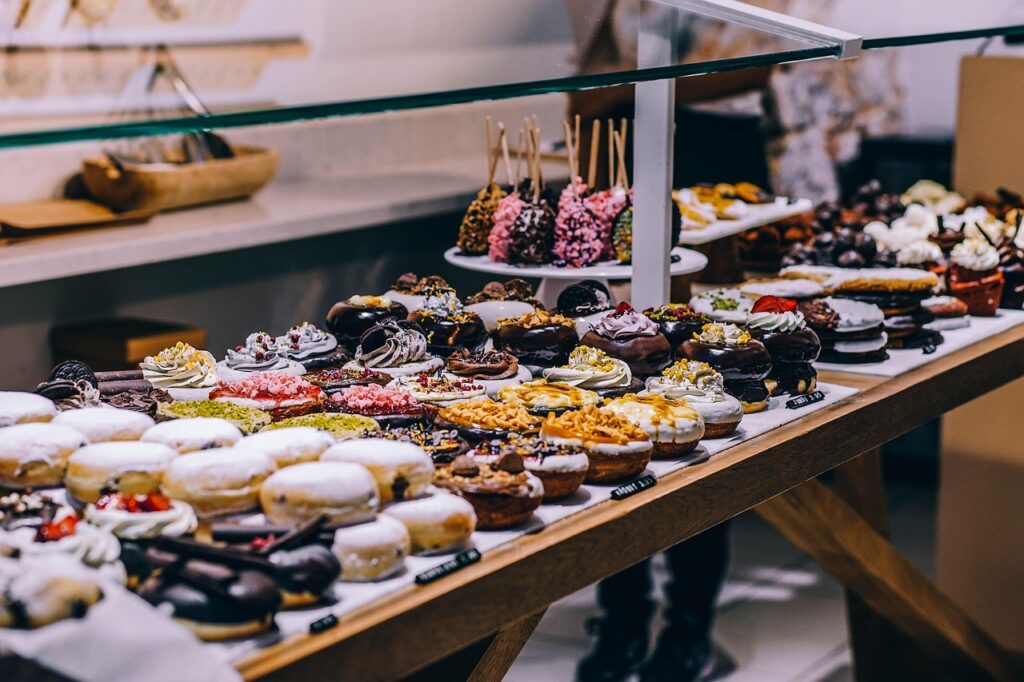
Donuts depend on frying technique, dough hydration, and oil temperature, all of which are difficult to manage at home. Bakeries use professional fryers that maintain steady heat, producing light interiors and crisp exteriors without greasiness. At home, oil cools too quickly, absorbs moisture, and leads to heavy donuts. Yeast fermentation also requires controlled proofing conditions that are hard to recreate. Store-bought donuts benefit from experience and repetition rather than novelty. Their appeal lies in texture, not creativity. In this case, access to the right equipment makes all the difference.
6. Ladyfingers for Tiramisu
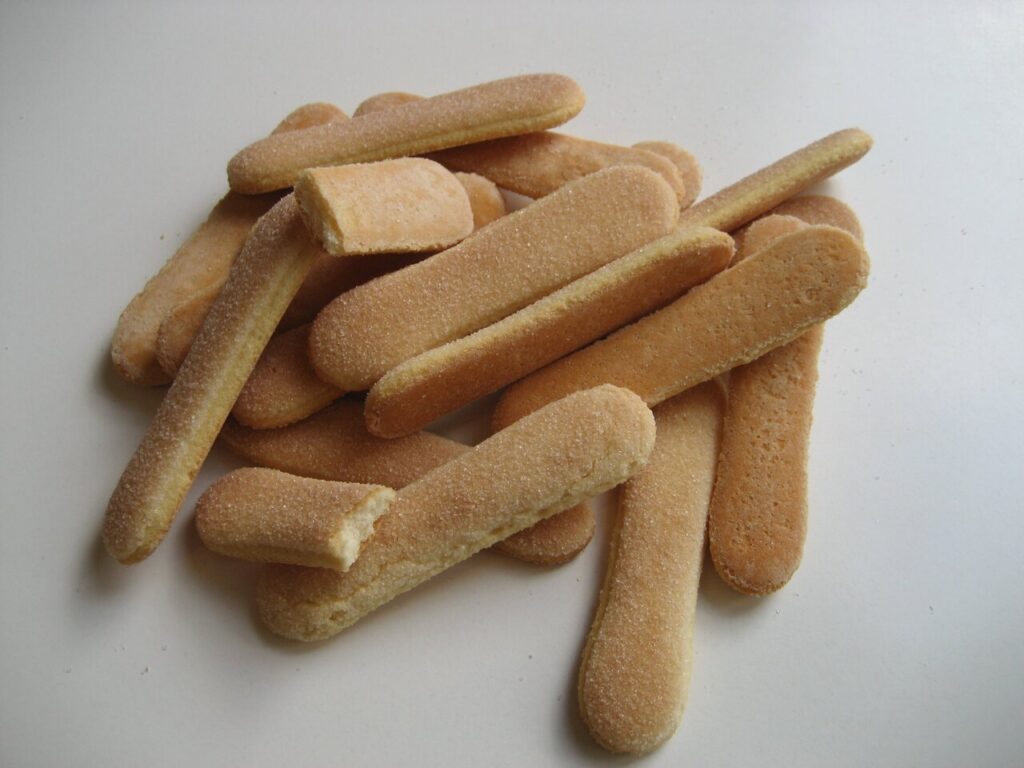
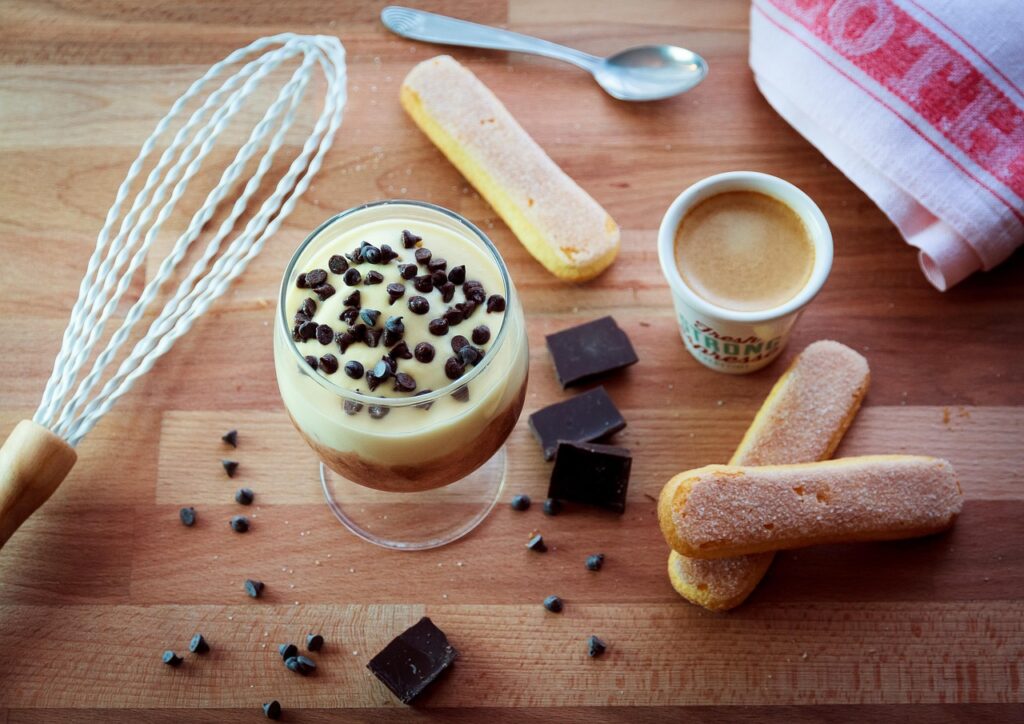
Ladyfingers look simple, but their structure is critical. They must absorb liquid without dissolving and remain light without becoming dry. Store-bought versions are baked specifically for this purpose, with controlled porosity and firmness. Homemade ladyfingers often turn spongy or brittle, which ruins tiramisu’s layered texture. Commercial versions are consistent in size and density, ensuring even soaking. Tiramisu relies more on assembly than baking, and using professional ladyfingers removes a major point of failure. Store-bought ladyfingers also save significant prep time while delivering predictable results.
7. Oreos
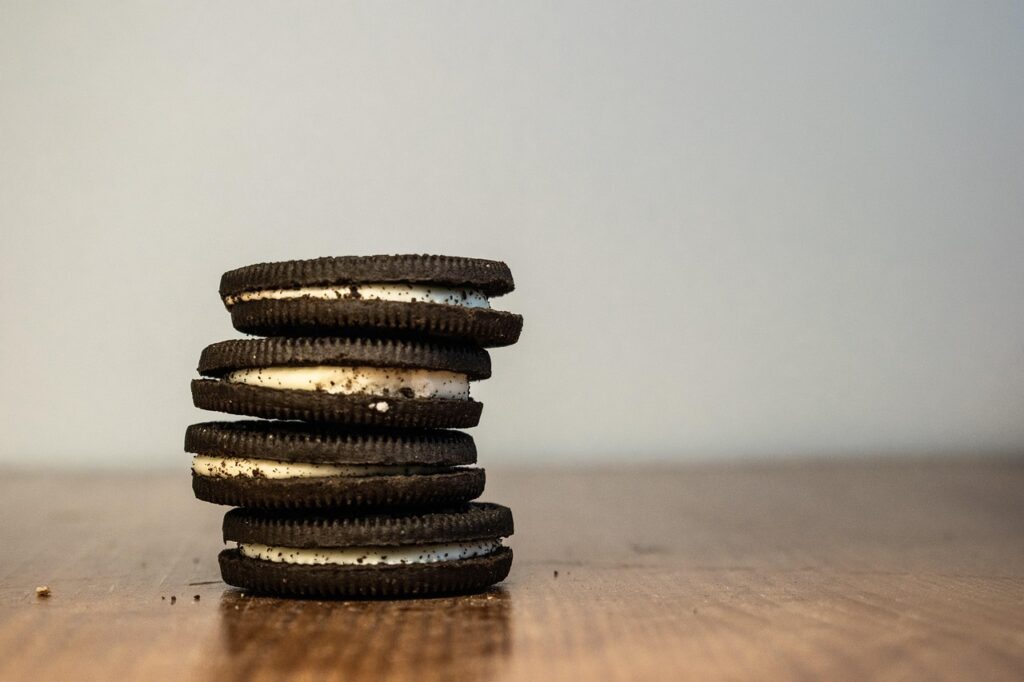
Oreos are a rare example of a processed dessert that outperforms homemade imitation. The cookie texture, filling consistency, and flavor balance are the result of industrial-scale refinement. Homemade versions often miss the exact snap of the cookie or the smoothness of the cream. The cocoa blend and fat ratio are difficult to replicate without experimentation. Oreos also maintain consistency across batches, something home baking cannot guarantee. Their reliability makes them ideal both as a standalone dessert and as an ingredient. Their shelf stability also preserves texture longer than most homemade cookies.
8. Puff Pastry Desserts

Puff pastry is one of the most labor-intensive doughs in baking. It requires repeated folding, precise temperature control, and long resting periods. Even skilled home bakers struggle to achieve uniform layers and a full rise. Store-bought puff pastry is made with industrial rollers and temperature-regulated environments that produce consistent lamination. When baked, it rises evenly and shatters cleanly. Homemade attempts often leak butter or bake unevenly. Buying puff pastry desserts means enjoying the final result without the hours of technical work. It is a practical decision that delivers better texture.
9. Packaged Brownies
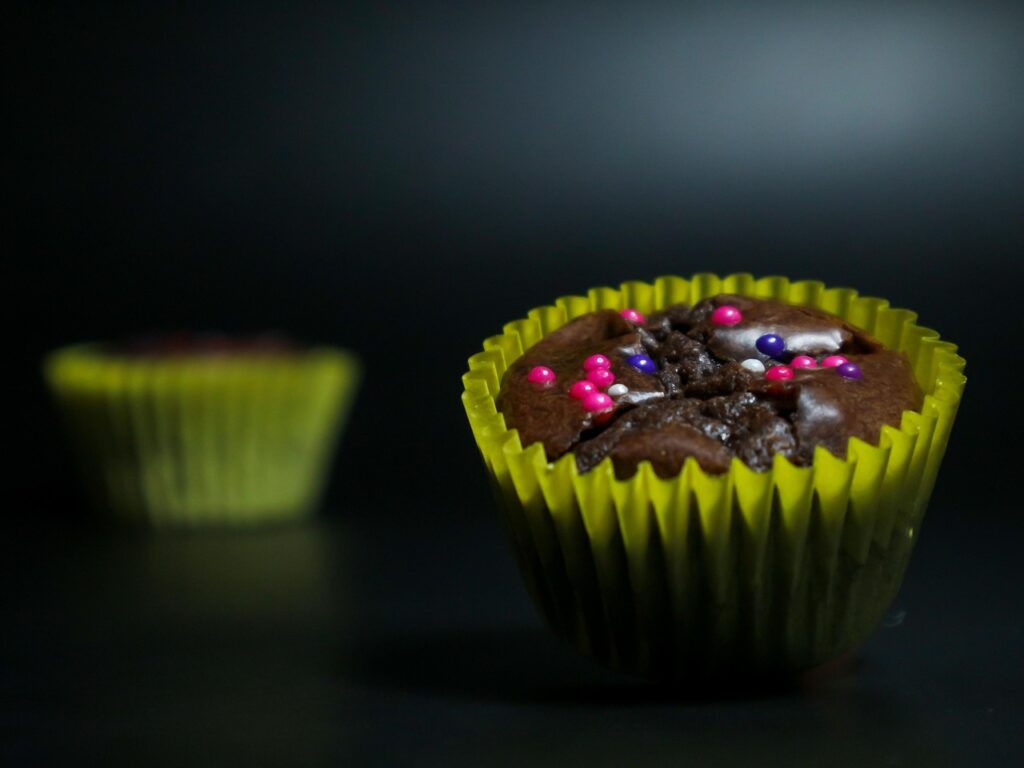
Brownies seem simple, but achieving the ideal balance between fudgy center and crisp edge is difficult. Store-bought brownies are tested repeatedly to dial in moisture retention and bake time. They often include ingredients that stabilize texture without drying out. Homemade brownies vary widely depending on oven calibration and pan choice. Store versions benefit from precise portioning and controlled baking. The result is consistency rather than surprise. When people want dependable indulgence, packaged brownies often deliver more reliably than homemade versions. Texture remains stable even after storage or transport.
10. Frozen Gelato or Sorbet
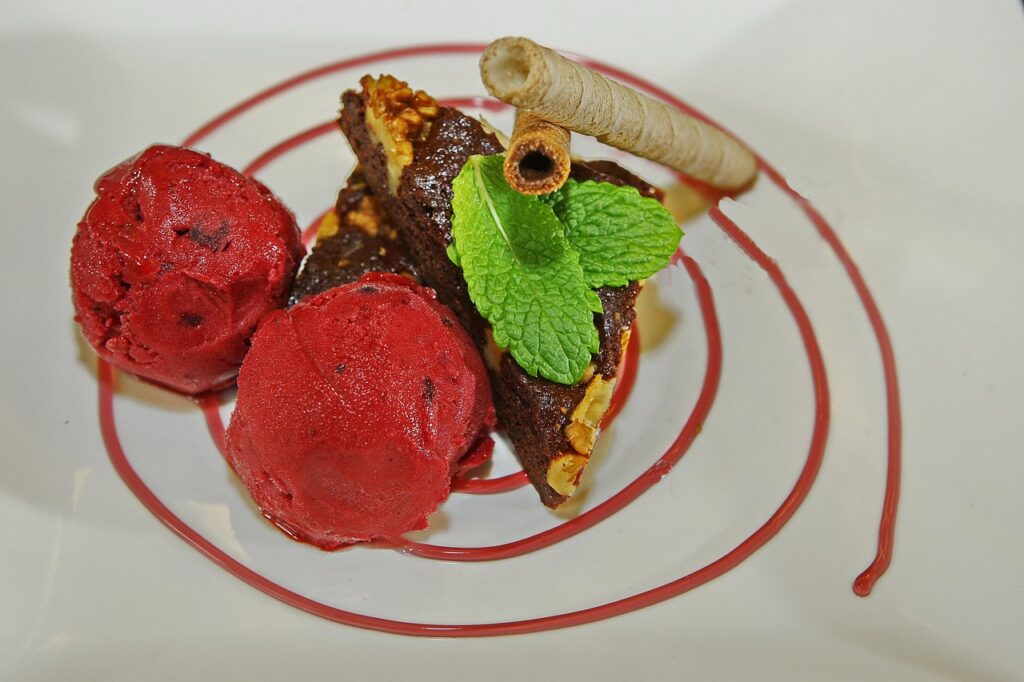
Gelato and sorbet require rapid freezing and constant agitation to achieve a smooth texture. Home freezers lack the power to freeze quickly enough, leading to ice formation. Commercial producers use blast freezers that preserve flavor and mouthfeel. Sugar concentration and stabilizers are also calibrated carefully. Homemade sorbet often freezes rock hard or melts unevenly. Store-bought versions maintain scoopability and flavor intensity. These desserts depend heavily on technology, making store-bought versions superior in most cases. Temperature control during production is the defining advantage of commercial gelato.
11. Pre-Made Fruit Tarts

Fruit tarts involve multiple components that must remain distinct. The crust must stay crisp, the filling stable, and the fruit fresh. Store-bought versions are assembled in stages and chilled precisely to prevent moisture migration. Homemade tarts often suffer from soggy crusts or sliding fruit. Professional glazing techniques preserve appearance and texture. Buying these desserts ensures visual appeal and clean flavor separation. It is a case where technique outweighs personalization. Their controlled assembly also extends shelf life without sacrificing texture. This makes them far more reliable for planned occasions.
12. Packaged Shortbread Cookies

Shortbread relies on exact fat distribution and minimal handling. Overworking the dough leads to toughness, while underbaking causes greasiness. Commercial shortbread is mixed and baked under controlled conditions that preserve crumb and flavor. Butter quality and temperature are tightly managed. Homemade versions vary widely depending on kitchen conditions. Store-bought shortbread offers consistent texture and balanced richness. Its appeal lies in restraint, not improvisation. Uniform baking ensures the cookies crumble cleanly instead of breaking unevenly. This precision is difficult to achieve consistently at home.
13. Frozen Mini Cheesecakes

Mini cheesecakes amplify the challenges of full-sized versions. Small size means less margin for error. Store-bought mini cheesecakes are portioned and baked with precision, then frozen to lock in texture. Homemade versions often overbake quickly due to their size. Commercial freezing preserves creaminess and structure. These desserts offer reliable indulgence without the stress of precision baking. In small formats, professional control makes a noticeable difference. Freezing also prevents moisture loss over time. This consistency makes them ideal for serving guests, where uneven results would be immediately noticeable.
14. Gourmet Bakery Cupcakes
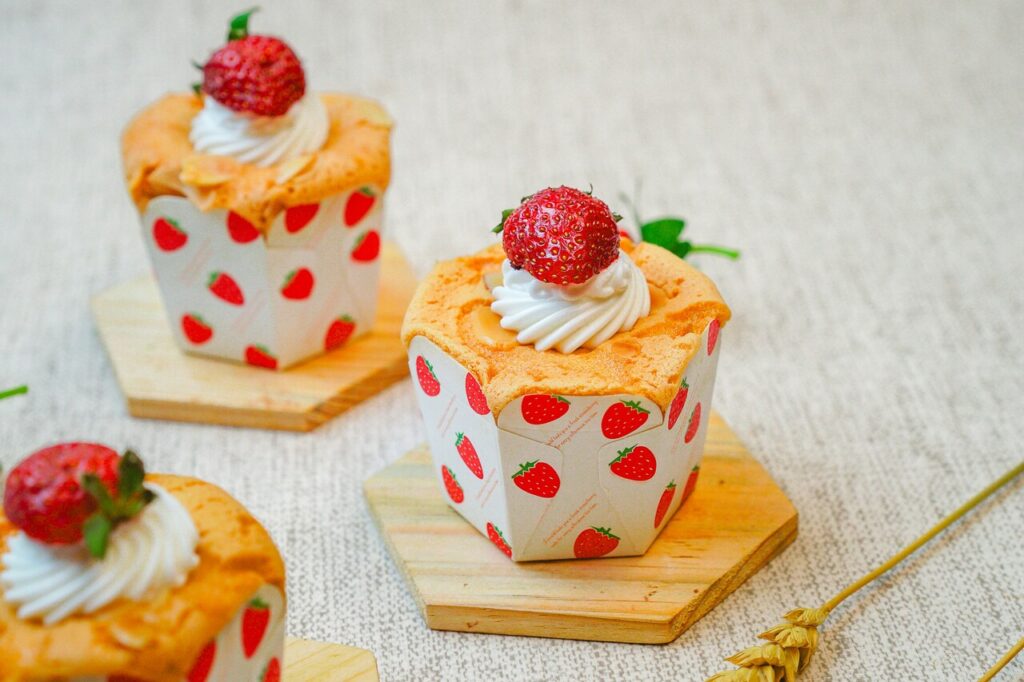
Cupcakes are often ruined by imbalance. Dry cake, overly sweet frosting, or poor ratio can make them unpleasant. Professional bakeries test recipes for moisture retention and frosting stability. Store-bought cupcakes often use syrups or emulsions that keep the cake soft longer. Homemade cupcakes dry out quickly and depend heavily on timing. Bakery versions deliver consistent crumb and controlled sweetness. When it comes to cupcakes, refinement beats experimentation. Their frosting is also designed to hold shape without becoming greasy. Bakery production also ensures uniform portioning, which keeps flavor and texture consistent across batches.