8 Foolproof Cookie Bar Recipes That Never Fail

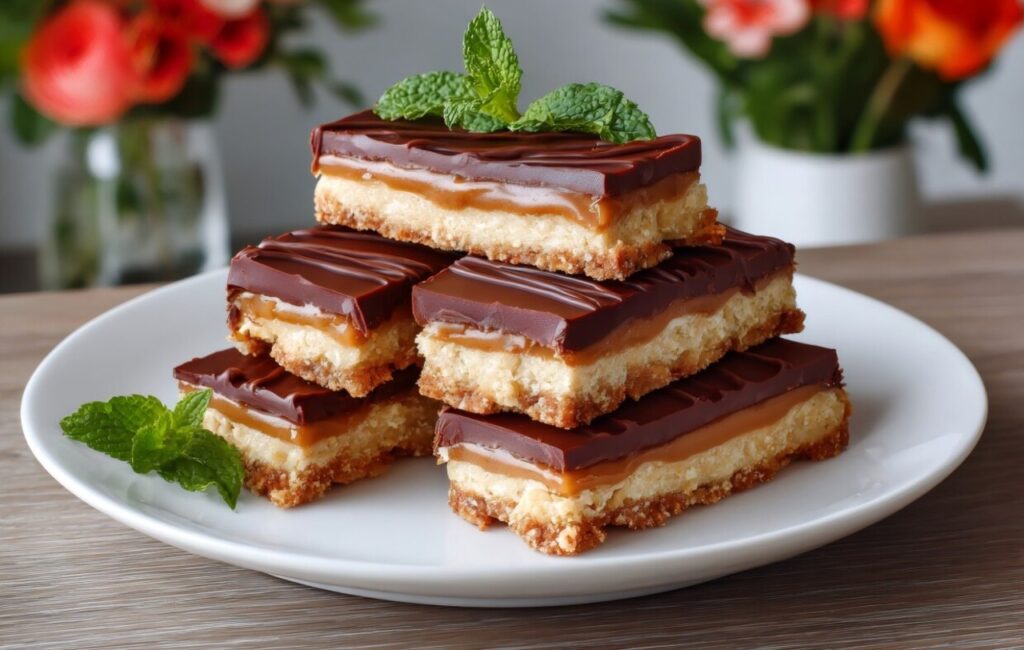
Cookie bars are the kind of dessert that feel reassuring before they even go into the oven. There is no scooping, no spacing, and no guessing whether one tray will bake differently from the next. Everything comes together in a single pan, creating thick, even layers that bake predictably and slice cleanly. These recipes are built on stable ratios, high moisture, and forgiving textures that stay soft instead of turning dry or crumbly. Butter, sugar, and structure work together so small timing mistakes rarely matter. Whether you are baking for a crowd or just want something dependable at home, these cookie bars deliver comfort, consistency, and flavor without stress.
1. Classic Chocolate Chip Cookie Bars
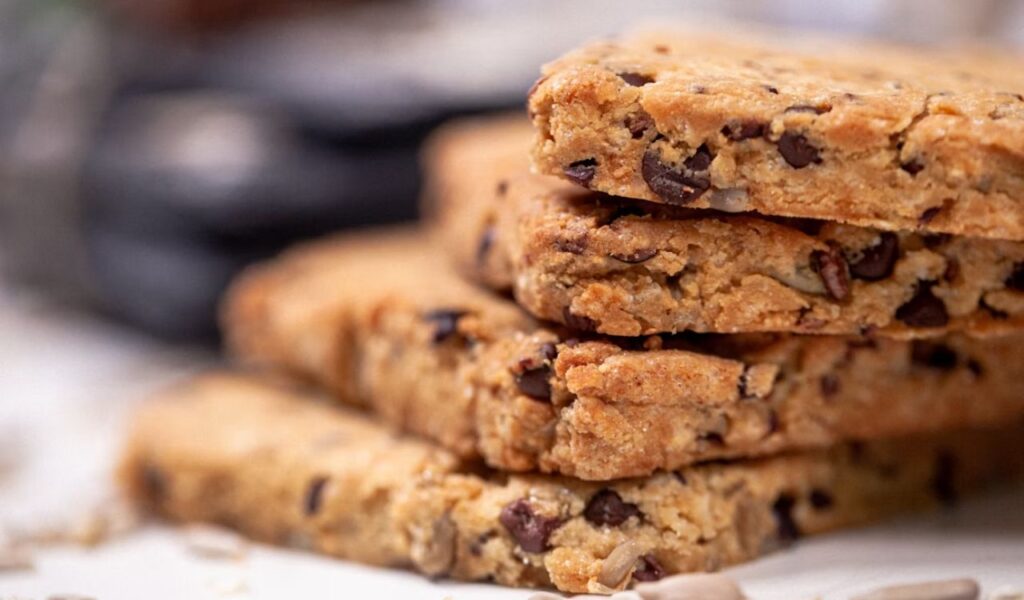
Reliability in baking often comes from reducing variables, and chocolate chip cookie bars do exactly that. Instead of portioning dough into individual cookies, the batter is spread evenly in a single pan, which promotes uniform baking. The higher moisture content from brown sugar keeps the bars soft through the center, while butter and eggs provide structure without drying them out. Chocolate chips melt slightly and redistribute during baking, ensuring consistent flavor in every slice. Because the dough is thicker than cookie dough balls, it resists overbrowning and holds heat more evenly. Even slight overbaking rarely ruins the texture.
2. Brown Butter Blondie Bars
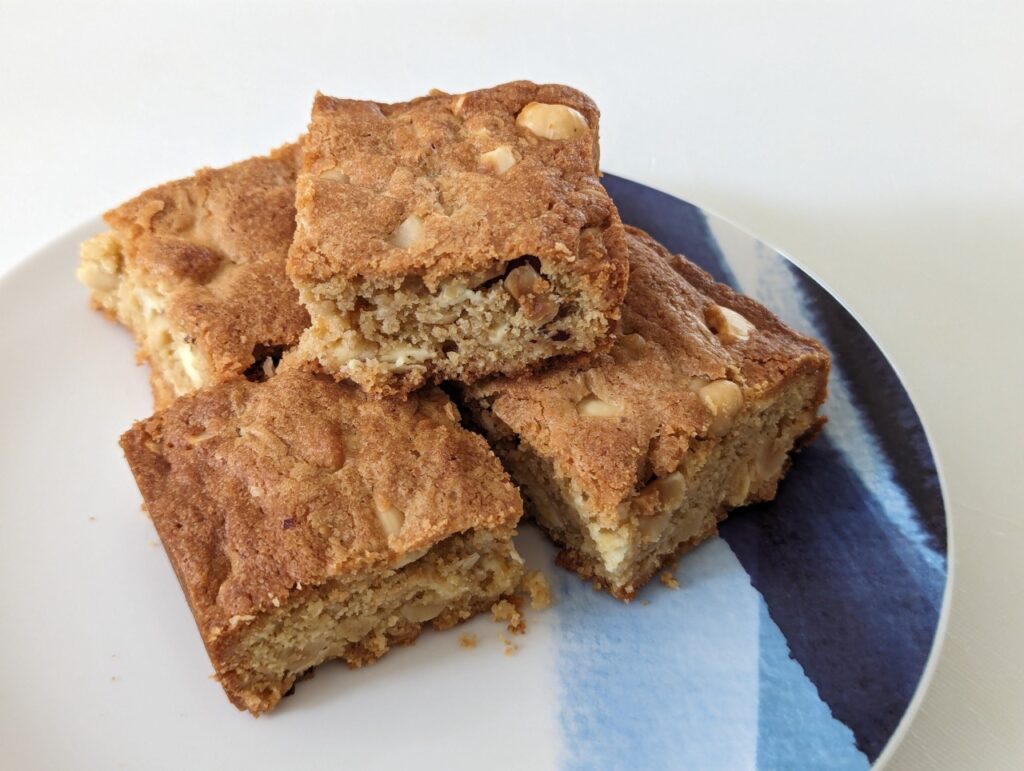
Brown butter blondies are foolproof because flavor is built before the batter even hits the pan. Browning butter removes excess water and concentrates milk solids, which adds depth and nutty richness. That process also improves texture by reducing steam during baking, leading to a denser, more uniform crumb. Blondie batter relies heavily on sugar and fat rather than leavening, so it spreads and sets evenly. Eggs bind the mixture firmly, preventing crumbling. Because there is no cocoa powder to dry the batter, the bars stay moist even when baked slightly longer. These bars are forgiving, rich, and consistent, which is why they rarely fail.
3. Peanut Butter Cookie Bars
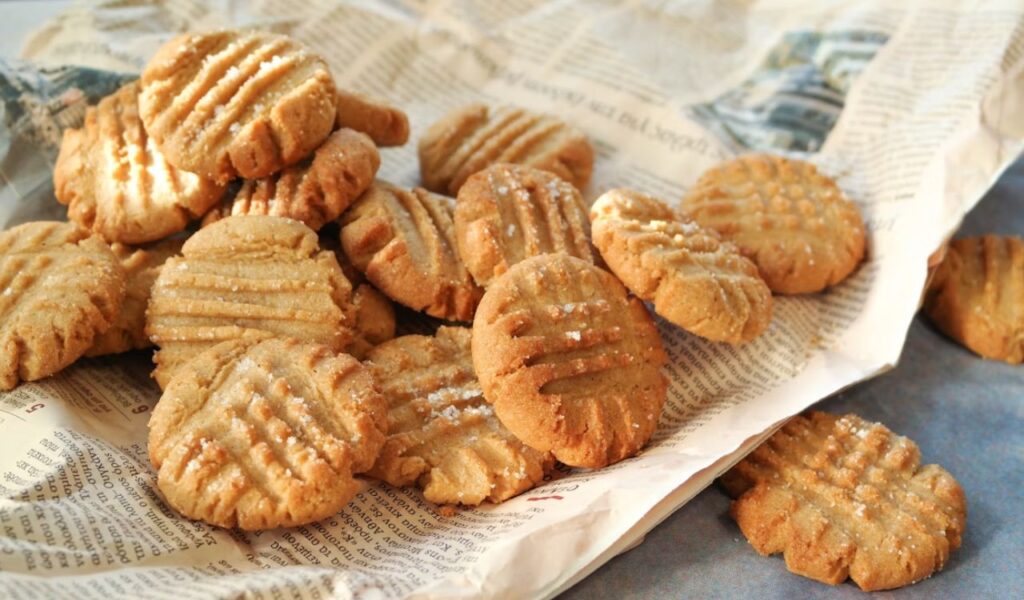
Peanut butter cookie bars work because peanut butter acts as both fat and structure. Its natural oils keep the bars moist, while its protein content helps them set firmly as they cool. This dual role makes the batter stable and resistant to drying out. Peanut butter also emulsifies well with sugar and eggs, creating a smooth, cohesive mixture. Since these bars do not rely heavily on flour for structure, small measuring errors rarely affect the outcome. Baking in a single pan ensures even heat distribution, preventing overcooked edges. The result is a dense, tender bar that holds together cleanly and tastes consistent every time.
4. Oatmeal Chocolate Chip Bars
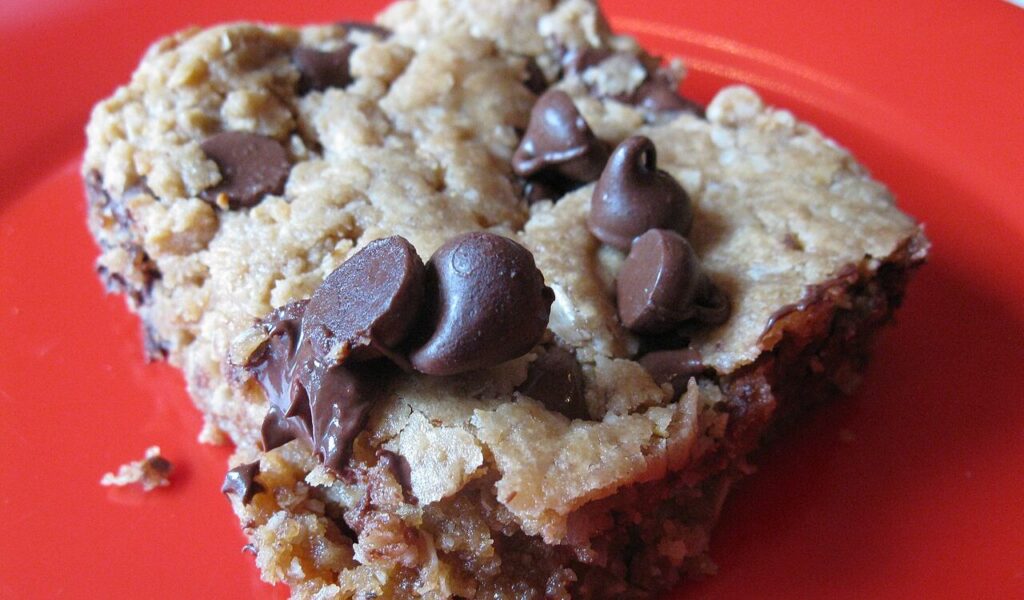
Oatmeal chocolate chip bars are naturally forgiving because oats absorb moisture and stabilize the batter. Rolled oats swell during baking, creating chew while preventing excess spread. This makes the bars less sensitive to oven fluctuations or timing errors. Oats also protect the crumb from becoming too soft or greasy by balancing butter and sugar. Chocolate chips add richness without affecting structure. The batter is thick and sturdy, allowing it to bake evenly from edge to center. Even if slightly overbaked, the bars remain pleasant because oats retain moisture. These qualities make oatmeal-based bars one of the most reliable cookie bar options.
5. Shortbread Cookie Bars
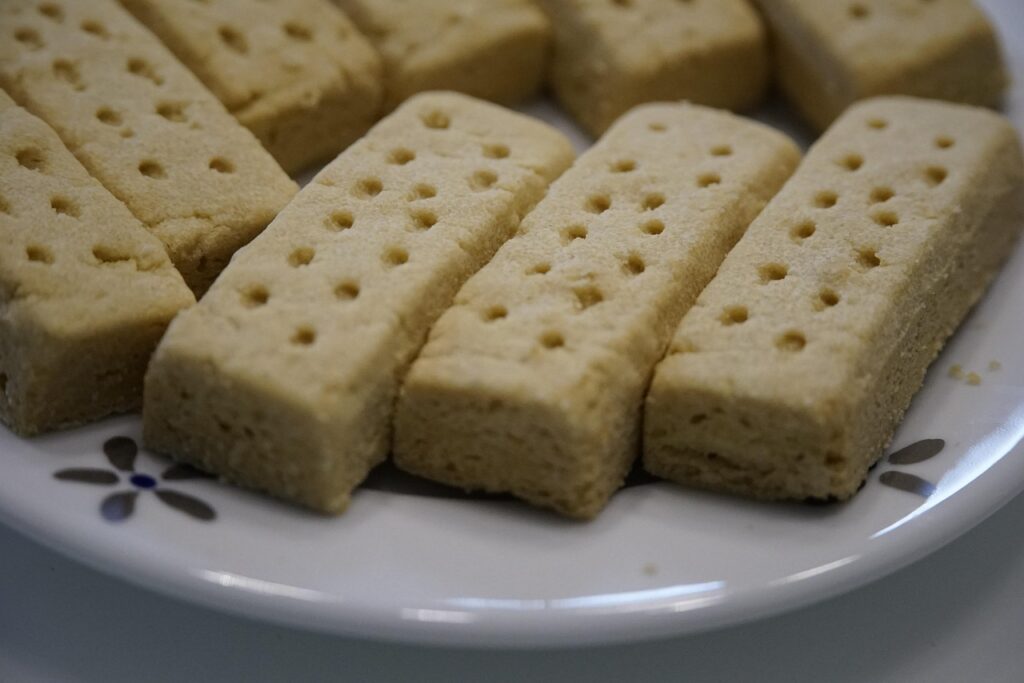
Shortbread bars succeed through simplicity and fat content. Traditional shortbread relies on butter and sugar rather than eggs or leavening, which reduces the chance of structural failure. High butter content creates tenderness, while flour provides just enough support for clean slicing. Because the dough is pressed firmly into the pan, thickness remains consistent, promoting even baking. There is little rise or spread to manage. Shortbread bars bake slowly and predictably, setting from the bottom up. Their minimal ingredient list also reduces the chance of imbalance. This straightforward chemistry makes shortbread bars especially dependable.
6. Sugar Cookie Bars with Frosting

Sugar cookie bars are designed to stay soft and uniform, which makes them difficult to overbake. The batter is looser than traditional cookie dough, allowing it to level naturally in the pan. Sugar and butter create moisture retention, while eggs provide gentle structure. Baking powder ensures lightness without excessive rise. Once cooled, frosting adds moisture barrier that keeps the bars tender for days. The flat surface encourages even frosting and slicing. Because the bars are not meant to brown deeply, visual cues are clear and easy to follow. This makes sugar cookie bars especially forgiving and consistent.
7. Double Chocolate Cookie Bars
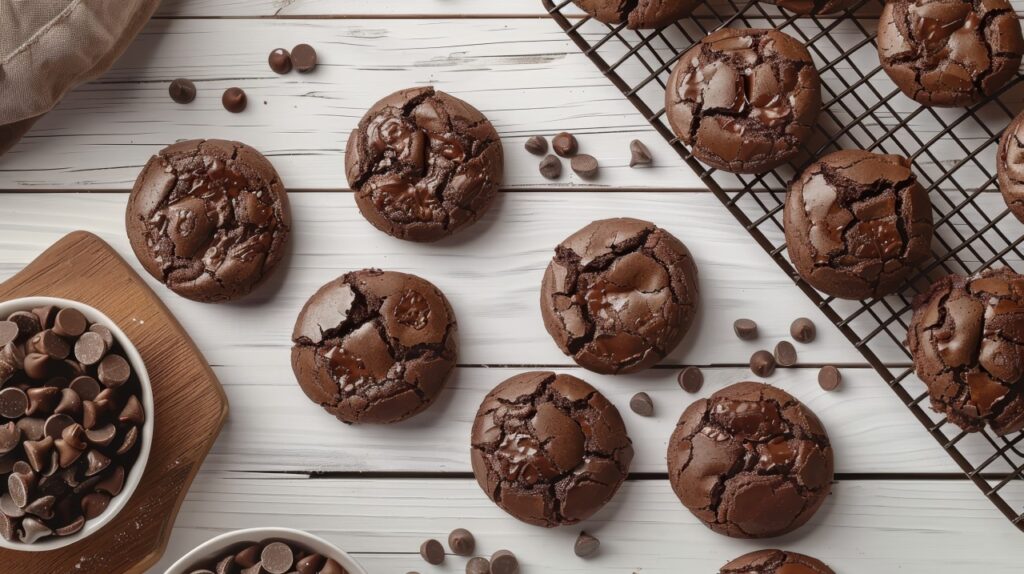
Double chocolate cookie bars rarely fail because cocoa powder and melted chocolate both reinforce structure. Cocoa absorbs liquid, thickening the batter and reducing spread. Melted chocolate adds fat and cohesion, which stabilizes the crumb. The result is a dense, brownie-like texture that masks minor baking errors. Sugar and eggs bind the mixture firmly, while butter ensures richness. Because the batter is dark, visual overbaking is less noticeable, and texture remains soft even with extra oven time. These bars hold together well when sliced and cool evenly. Their forgiving nature makes them one of the safest options for stress-free baking.
8. Snickerdoodle Cookie Bars
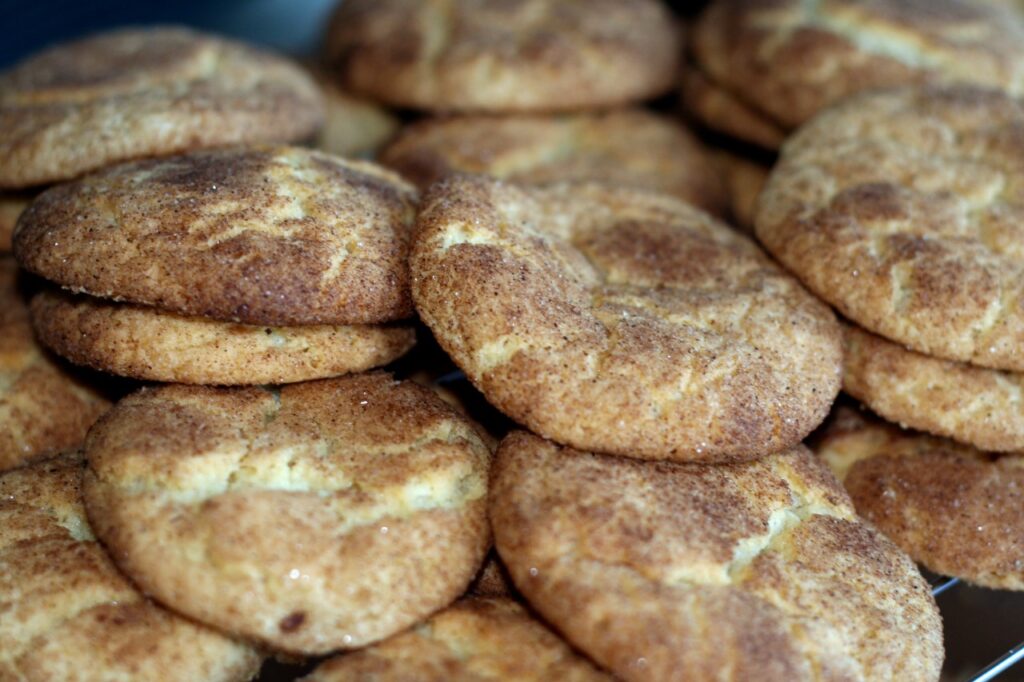
Snickerdoodle bars rely on simple chemical reactions that are easy to control. Cream of tartar reacts with baking soda to create lift and tenderness, producing a soft interior without excessive rise. Butter and sugar form a stable base that spreads evenly in the pan. The cinnamon sugar topping adds flavor without affecting structure. Because the dough is baked as a single layer, moisture is retained more effectively than in individual cookies. The bars set gradually and remain tender after cooling. Even small timing variations rarely affect the outcome. This dependable chemistry makes snickerdoodle bars consistently successful.