10 American Eating Habits That Drive Restaurant Workers Absolutely Crazy

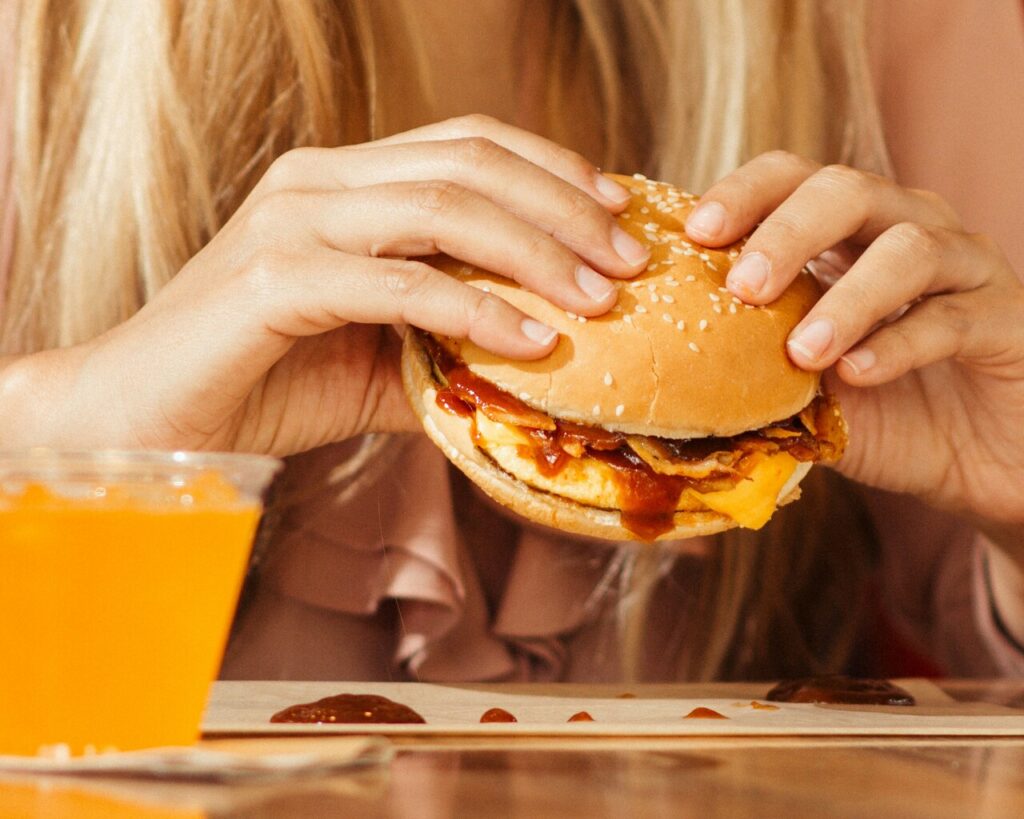
Dining out feels simple from the table, yet restaurant service runs on careful timing, coordination, and routines guests rarely see. Small habits like endless modifications, slow ordering, or messy tables can quietly disrupt that balance, creating pressure for servers and kitchen staff working to keep meals moving smoothly. While most diners mean no harm, certain common behaviors repeatedly frustrate workers, revealing how everyday restaurant habits sometimes clash with how kitchens actually operate behind the scenes.
1. Extreme Order Customization
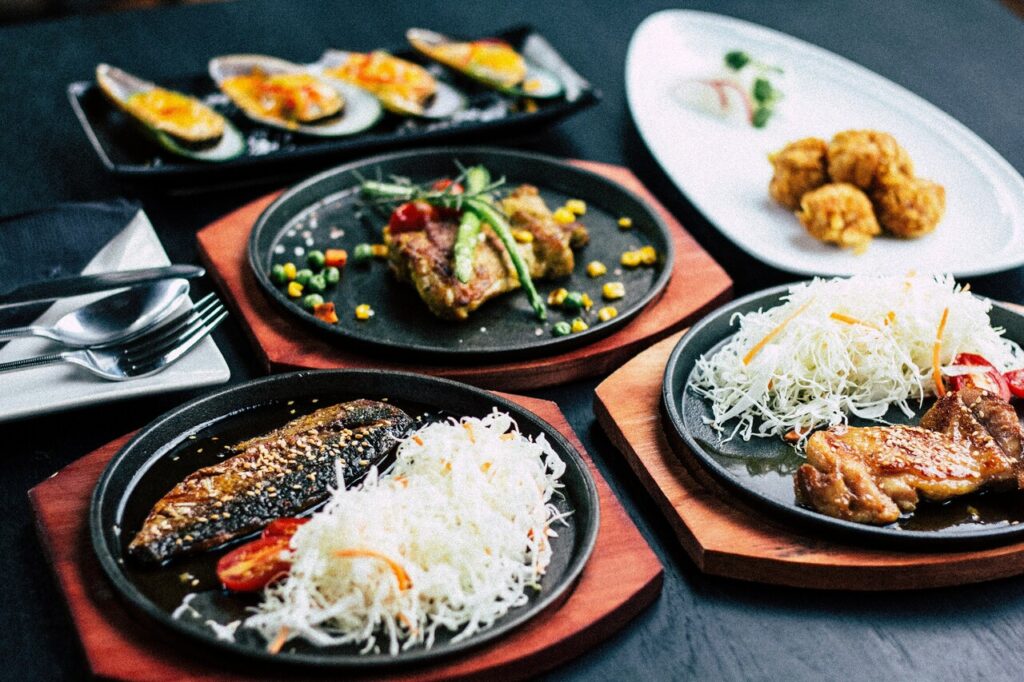
Menus are designed so kitchens can move smoothly, yet some diners treat them as loose suggestions, requesting swaps, removals, and additions that turn a simple dish into a complicated project. One change may seem harmless, but multiple changes across a table quickly slow kitchen flow.
Every modification requires cooks to adjust preparation steps, track special instructions, and prevent mistakes under pressure. Extra care increases ticket time and raises the chances of miscommunication.
Restaurant workers usually try to accommodate requests, yet constant heavy customization creates stress during busy hours. Kitchens work best with predictable systems, though understandable, often disrupt the rhythm that staff rely on to keep service efficient.
2. Expecting Fast Service for Complex Orders
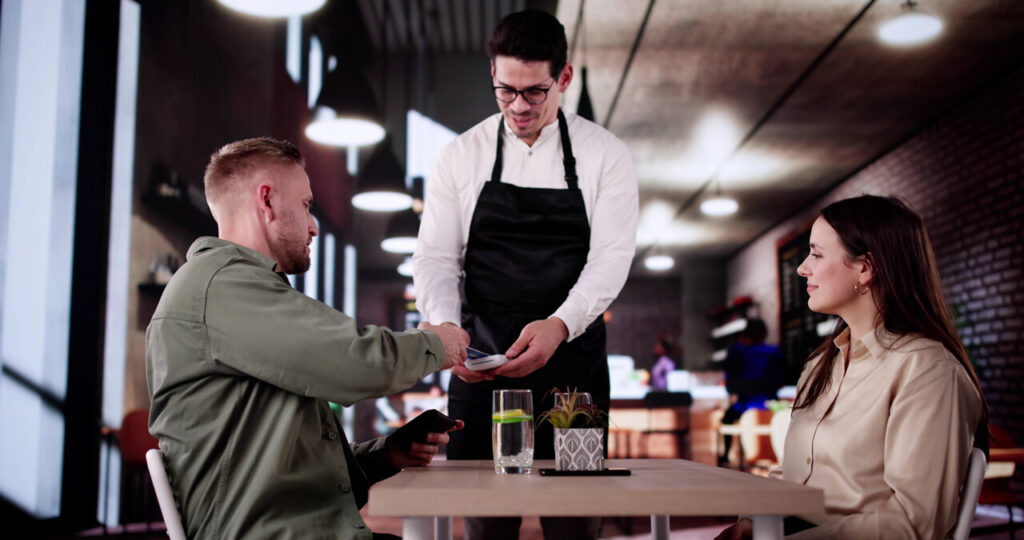
Many diners expect meals to appear quickly, even after placing detailed or complicated orders that naturally require more preparation time. Restaurant kitchens operate with timing systems, but custom or multi-step dishes simply take longer to prepare correctly.
When guests become impatient, servers often face pressure for delays beyond their control. Cooking involves preparation, cooking, plating, and coordination across multiple stations.
Workers appreciate understanding when diners recognize that cooking takes time. Meals prepared carefully arrive fresher and taste better, yet expectations shaped by fast food or delivery apps sometimes clash with restaurant kitchen realities, making service feel tense rather than enjoyable.
3. Ordering Off-Menu Creations

Some guests arrive expecting restaurants to recreate viral dishes or secret menu hacks seen online, assuming kitchens can produce items not officially listed. While creativity excites diners, kitchens cannot always prepare dishes outside established menus.
Ingredients and preparation systems are designed around the listed items. Requests for off-menu combinations require staff to improvise, often slowing production while cooks figure out substitutions.
Most workers enjoy helping guests, yet frequent off-menu requests create confusion and delay during busy periods. Restaurants rely on consistency, and while small adjustments are manageable, expecting entirely new dishes adds unexpected pressure during already demanding service hours.
4. Requesting Excessive Extra Plates and Condiments
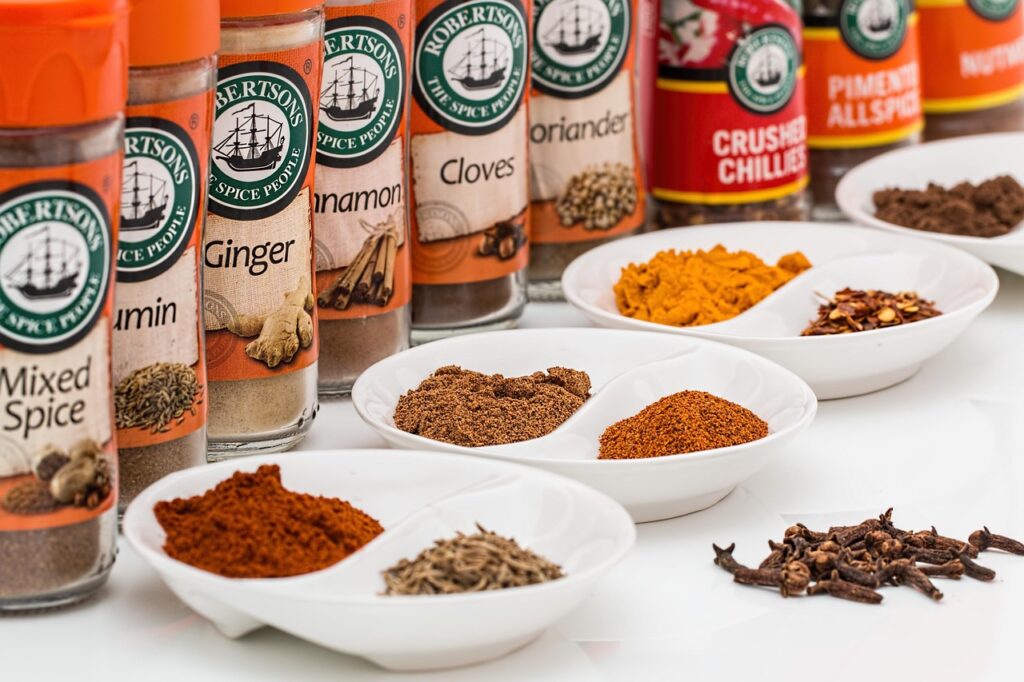
Extra sauces, plates, and utensils seem minor, yet repeated requests across many tables quickly add workload for servers and dishwashing staff. Each small request requires additional trips between the kitchen and the dining room.
Restaurants plan service around standard setups, so repeated add-ons interrupt workflow. During rush periods, even small delays multiply as servers juggle multiple tables needing attention simultaneously.
Workers rarely mind occasional extras, yet constant requests slow overall service. Thoughtful ordering helps staff maintain rhythm, allowing them to deliver meals efficiently while still meeting guests’ needs without overwhelming already busy service teams.
5. Taking Too Long to Order

Menus often overwhelm diners with choices, yet long decision times after being seated can disrupt restaurant pacing. Servers depend on steady ordering patterns to keep kitchens flowing smoothly and tables turning over naturally.
When guests take excessive time, kitchens experience uneven order flow, creating sudden rushes instead of steady preparation. This affects cooking times for everyone, sometimes delaying meals for diners who ordered promptly.
Staff understand guests want to choose carefully, yet reviewing menus ahead of time or deciding efficiently helps maintain service balance. Smooth ordering benefits both diners and workers by keeping meals arriving at comfortable, consistent speeds.
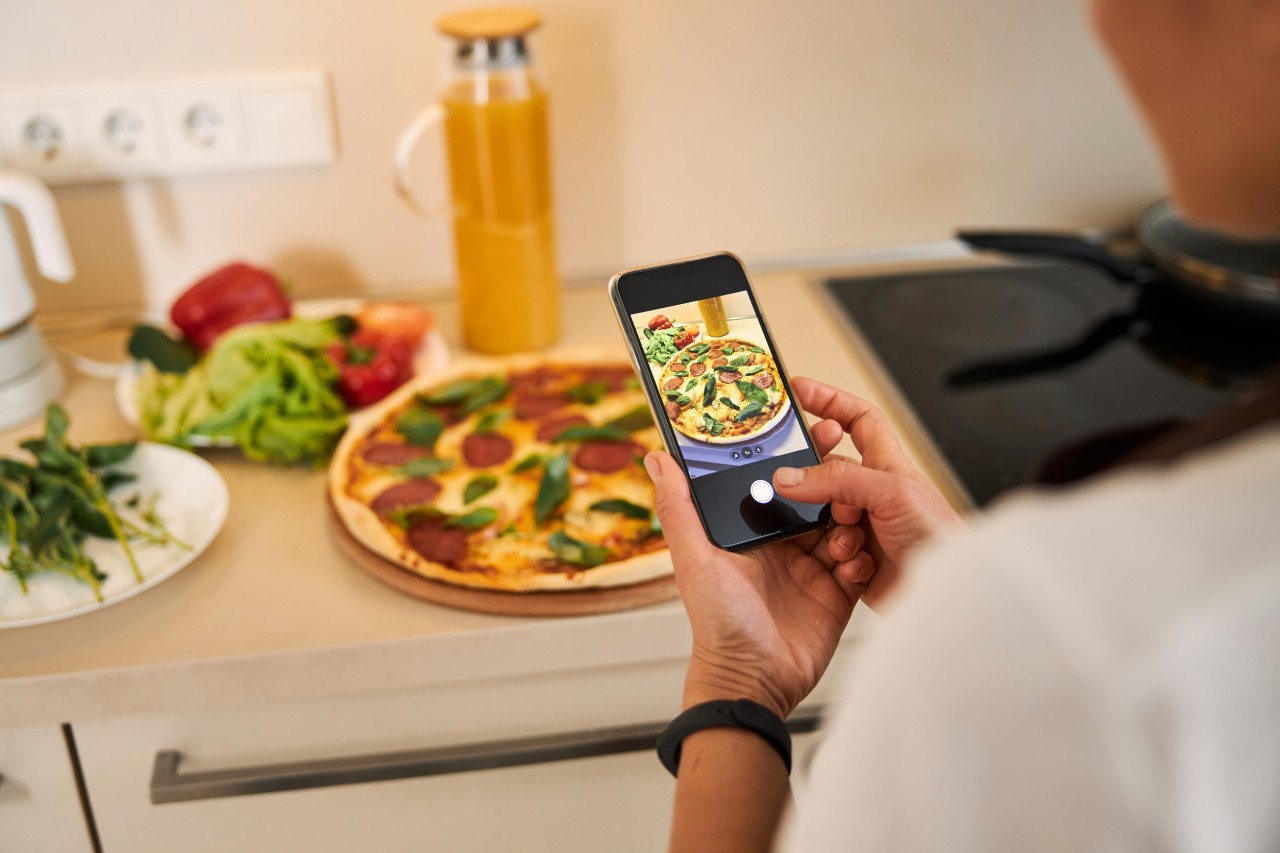
6. Food Photography Before Eating
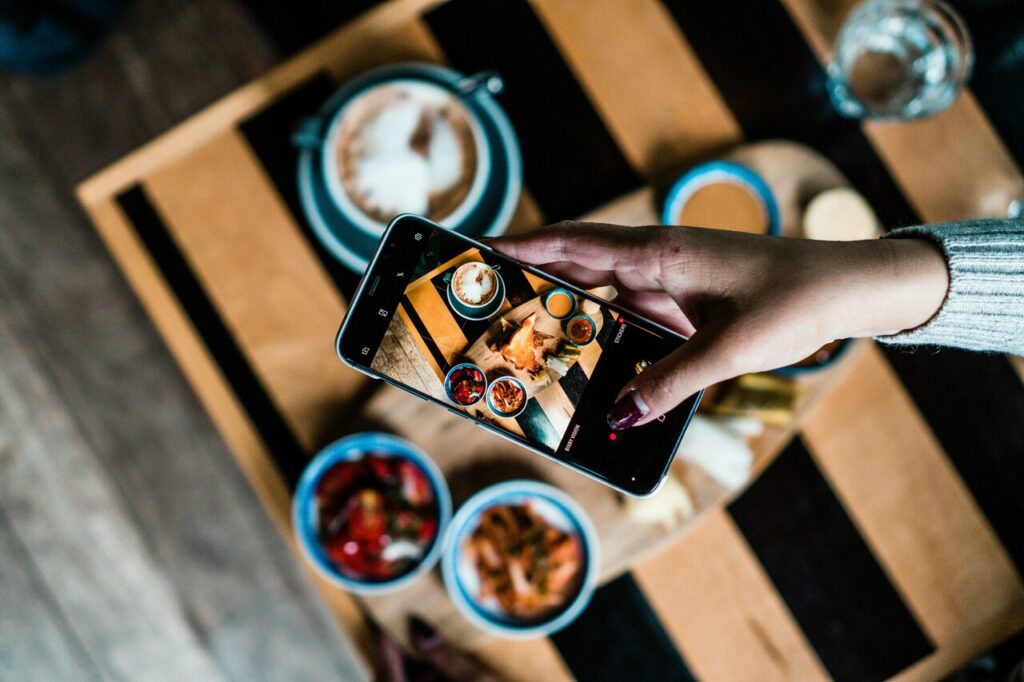
Photographing meals has become common, yet extended photo sessions can frustrate restaurant staff as dishes cool while servers wait to continue service. Kitchen’s time food to arrive hot, not to sit under camera lights.
When plates linger untouched, servers hesitate to clear space or check on tables, unsure whether guests are still photographing or ready to eat. Delays also slow table turnover, especially in crowded restaurants during peak hours.
Most workers understand guests want memories or social media content, yet quick photos keep food quality intact while respecting service flow. Meals usually taste best when enjoyed immediately rather than after lengthy staging.
7. Complaints About Portion Sizes
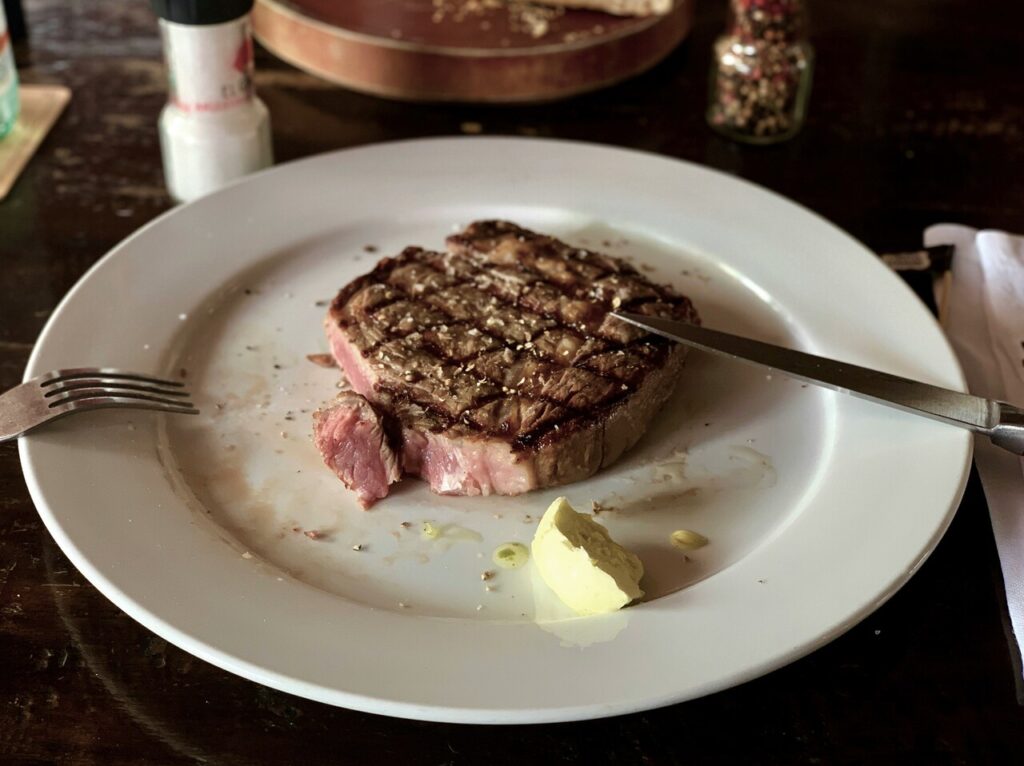
Portion expectations vary widely, and diners sometimes complain when meals look smaller than expected, even when restaurants serve carefully measured portions. Kitchens balance portion size with pricing, food cost, and presentation standards.
Large portions also lead to waste, so many restaurants aim for satisfying but reasonable servings. Complaints often arise when expectations come from social media images or chain restaurants known for oversized plates.
Workers often feel caught between customer expectations and restaurant policy. Clear communication helps, yet unrealistic portion expectations sometimes create tension over meals designed for quality rather than sheer quantity.
8. Ordering Viral Food Mashups
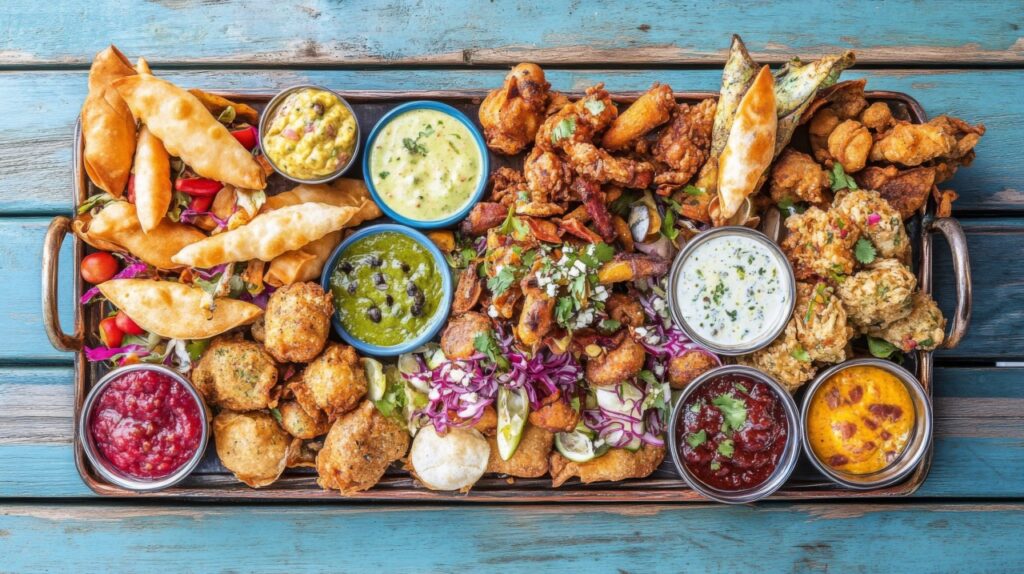
Internet food trends inspire unusual combinations that look fun online but create challenges for restaurants not built to produce them. Guests sometimes request strange pairings or modifications based on social media experiments.
Kitchens work best when dishes follow tested recipes, ensuring flavor balance and preparation efficiency. Mashups may require extra ingredients or disrupt cooking processes, slowing service for everyone waiting.
Workers often enjoy creativity, yet constant requests for trendy combinations complicate service. Not every viral idea translates well into restaurant kitchens designed for consistency and predictable preparation.
9. Leaving Excessively Messy Tables
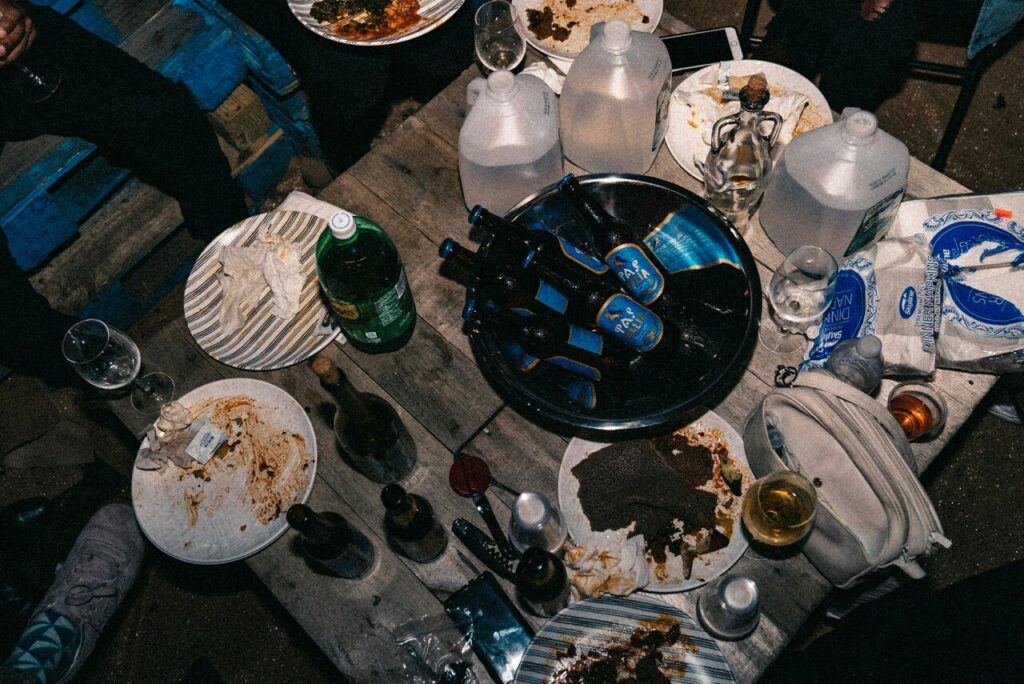
Dining out involves enjoyment, yet excessively messy tables create additional cleanup work for restaurant staff already managing tight turnaround times. Servers must clear, wipe, and reset tables quickly during busy shifts.
Spilled drinks, scattered food, and discarded packaging slow down cleaning, delaying seating for waiting guests. Staff understand accidents happen, yet consistent messiness adds pressure during peak dining hours.
Respectful dining habits ease cleanup and help staff serve new guests faster. Small actions, like stacking plates or containing spills, support smoother operations while allowing workers to maintain service quality throughout shifts.
10. Asking for Free Extras or Unlisted Perks
Requests for free items or extras appear frequently, from additional sauces to complimentary sides, often putting staff in awkward positions. Workers rarely control pricing decisions but must handle requests diplomatically.
Restaurants operate on tight margins, so giving away extras repeatedly affects costs. Staff must balance guest satisfaction with policy, sometimes facing frustration when refusing requests beyond allowed accommodations.
Workers appreciate guests who understand boundaries while still enjoying service. Occasional kindness exists, yet expecting constant free additions creates tension, especially when staff try to maintain fairness across all customers.