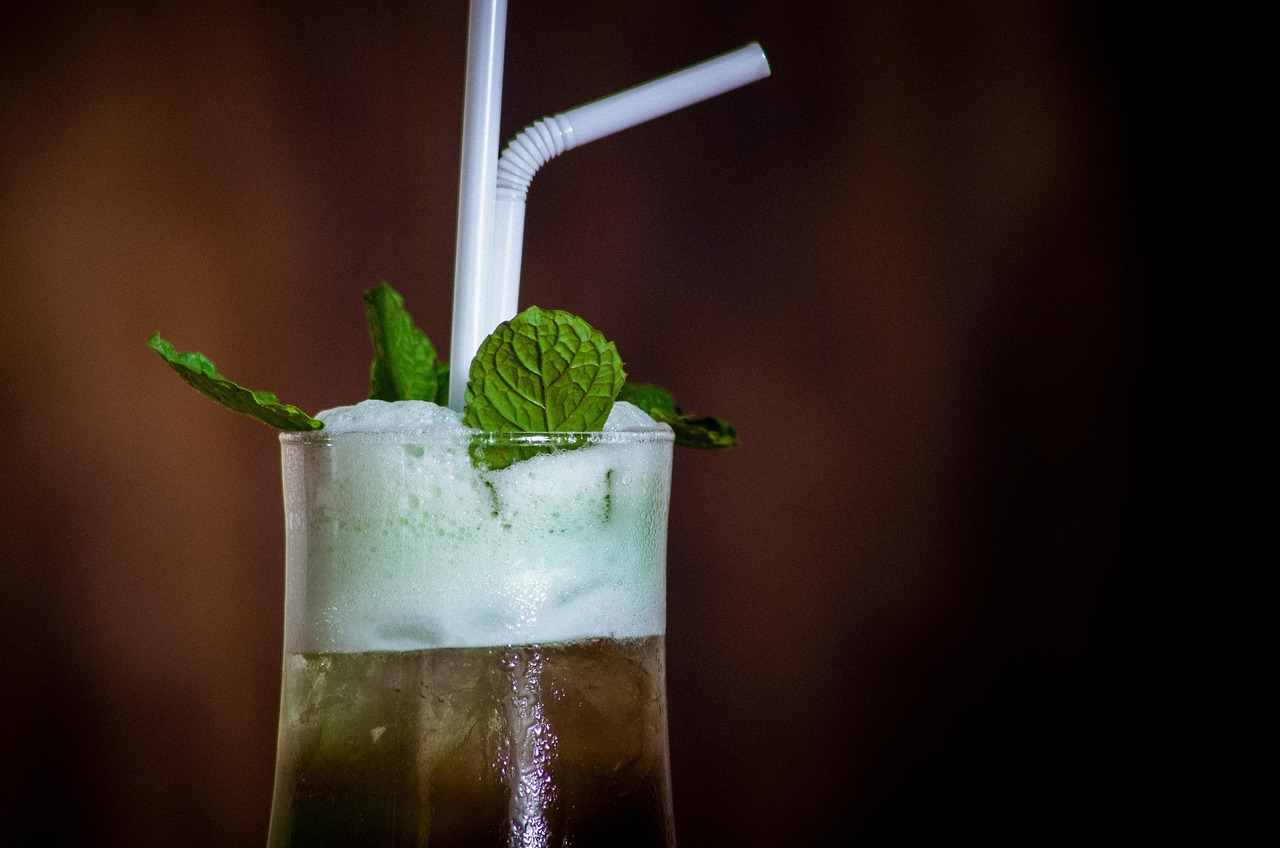
Why Boozy Southern Treats Have Been Loved for More Than 40 Years

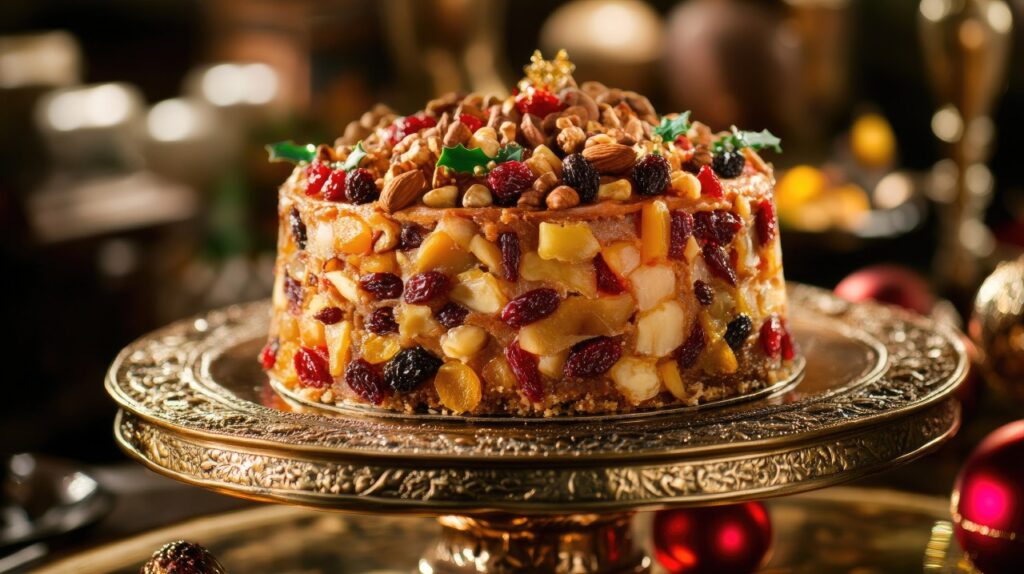
Boozy Southern treats have a way of feeling indulgent without losing their sense of comfort. For decades, these spirit-infused desserts have appeared at family gatherings, holidays, and potlucks, quietly anchoring celebrations. They are rarely flashy, yet they command attention through familiarity and warmth. Each recipe carries more than sugar and butter; it holds shared memories, handwritten notes, and small variations passed down through generations. Their appeal stretches beyond flavor alone, tapping into nostalgia and the deep Southern habit of marking special moments with food meant to be shared slowly, talked over, and remembered long after the table is cleared.
What keeps these desserts beloved year after year is their balance of richness and restraint. The gentle warmth of rum, bourbon, or brandy enhances sweetness rather than overpowering it, creating depth that feels intentional and welcoming. These treats are not about excess, but about tradition and togetherness. They fit seamlessly into gatherings both large and small, from holiday tables to casual get-togethers. That consistency has helped them endure for more than forty years, proving that recipes rooted in memory, simplicity, and shared experience rarely fade from Southern kitchens. Each serving feels like a familiar gesture of hospitality rather than a trend-driven indulgence.
The Enduring Appeal of Boozy Southern Treats
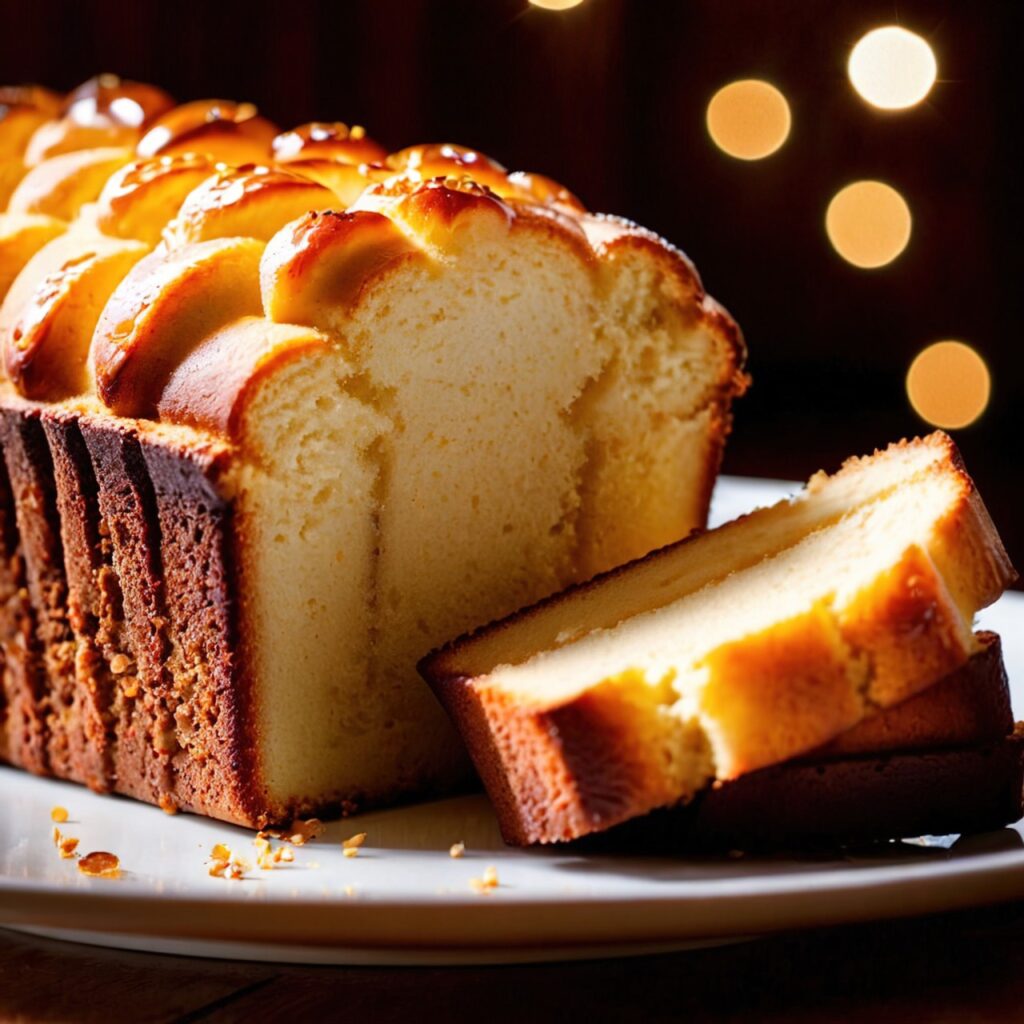
Southern boozy desserts have never been about novelty or chasing trends. Their appeal comes from memory, repetition, and emotional connection built over decades. For more than forty years, families across the American South have served spirit-infused sweets because they represent comfort and continuity. These desserts often appear at the same tables, during the same holidays, prepared by familiar hands. A slice of rum cake or bourbon pound cake does more than satisfy a sweet tooth. It recalls shared laughter, long conversations, and gatherings that stretched late into the evening. That emotional layer gives these treats a depth that newer desserts rarely achieve.
The staying power of boozy Southern treats is closely tied to nostalgia, which plays a central role in Southern food culture. Nostalgia brings comfort and reinforces a sense of belonging, especially in households where food anchors family life. In these homes, desserts are rarely just desserts. They are stories passed down, expected at birthdays, Sunday meals, and holiday tables. Each appearance reinforces tradition while allowing subtle personal changes. That balance of familiarity and evolution keeps the recipes alive, ensuring new generations inherit something recognizable yet adaptable, rooted in shared history rather than fleeting taste trends.
What Makes a Treat “Boozy” in the South
In Southern cooking, a dessert earns the label “boozy” when alcohol is used with intention rather than novelty. Spirits like rum, bourbon, brandy, and coffee liqueurs are chosen because they naturally complement sugar, butter, and warm spices. While some alcohol cooks off during baking, enough remains to shape aroma and flavor. These spirits add depth instead of sharpness, creating a mellow warmth that rounds out sweetness. Rather than standing out on their own, they blend into the dessert, enhancing what is already there and giving familiar recipes a richer, more layered character that feels comforting rather than bold.
The way alcohol is incorporated is just as important as the type used. Many Southern boozy desserts rely on soaking techniques rather than mixing everything into the batter. Cakes like rum or fruitcake are brushed or drenched with a syrup made from sugar and liquor after baking. This keeps the crumb moist and evenly flavored while preventing dryness over time. Texture is carefully controlled so the dessert feels tender, not soggy. When balanced correctly, the result is fragrant, soft, and gently infused, delivering a sweetness that lingers and clearly reflects Southern dessert traditions. This careful method ensures the spirit enhances the dessert without overwhelming its natural flavors.
Classic Boozy Recipes That Stand the Test of Time
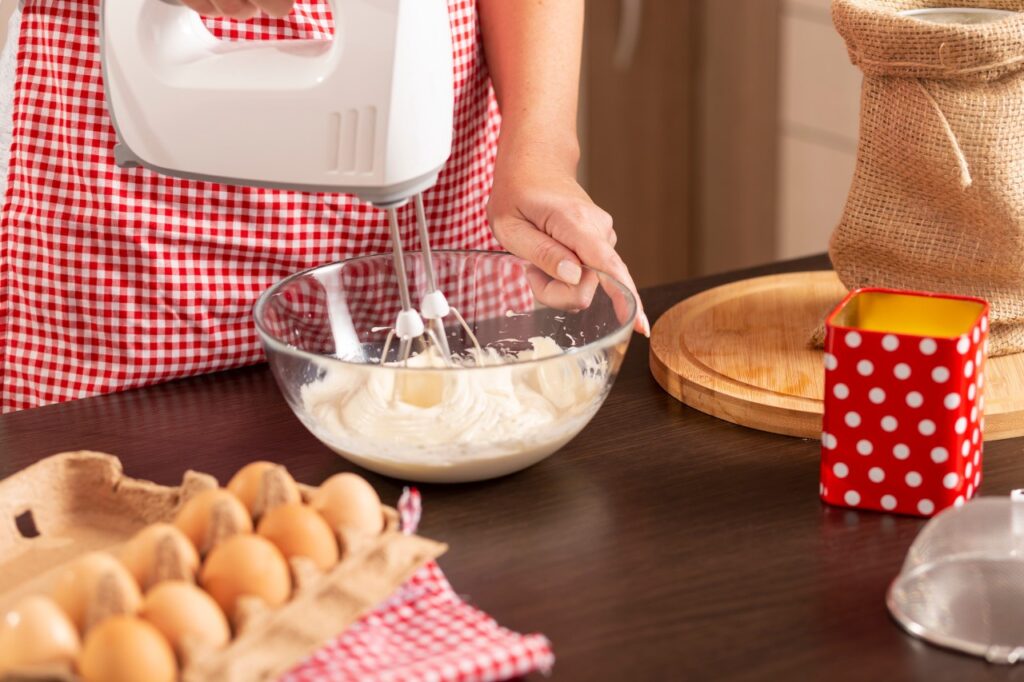
Some recipes seem to hold their place on Southern tables no matter how much time passes. Rum cakes are a prime example, valued for their deeply moist crumb and glossy glaze that soaks flavor into every slice. They show up reliably at holidays, reunions, and celebrations because they balance sweetness with warmth instead of excess. Rum balls are another long-standing favorite, especially during winter gatherings. Rolled in nuts or powdered sugar, they are easy to prepare, simple to serve, and deliver a familiar boozy note without the need for baking. Their shareable nature makes them ideal for crowds, reinforcing their lasting popularity.
Bourbon pound cake is another classic that continues to earn its place year after year. Dense yet tender, it relies on butter, sugar, and a measured pour of bourbon to create depth rather than flash. The spirit appears in both the batter and the glaze, tying flavor together without overpowering it. These recipes endure because they avoid unnecessary complexity. A short ingredient list and proven methods make them easy to pass down and adjust slightly over time. Their approachability in both preparation and taste has turned them into reliable comfort foods, not just occasional celebratory desserts.
The Social Side of Southern Boozy Desserts
Boozy Southern desserts thrive because they are designed for sharing rather than individual indulgence. These treats often arrive at gatherings already carrying history, whether written on a faded recipe card or remembered through repetition. In many households, the same dessert appears year after year, tied to specific people, milestones, or holidays. Bringing a boozy cake or tray of rum balls to a potluck signals care and intention, not convenience. It shows the baker understood the occasion and chose something familiar and meaningful. That shared recognition helps these desserts move beyond food and become part of the social fabric that binds families and friends together.
These desserts also shape the flow of social moments in subtle but lasting ways. A meal that ends without dessert can feel unfinished, while a shared slice of rum cake invites people to linger. Serving and slicing slows the pace, encouraging conversation to continue rather than fade. Boozy desserts pair naturally with coffee, sweet tea, or quiet after-dinner drinks, extending the gathering without effort. Over time, these repeated moments build rhythm and expectation. Through shared plates and familiar flavors, stories are retold, laughter returns, and connections deepen, reinforcing the sense of community that keeps these traditions alive.
Tips for Making Boozy Treats at Home
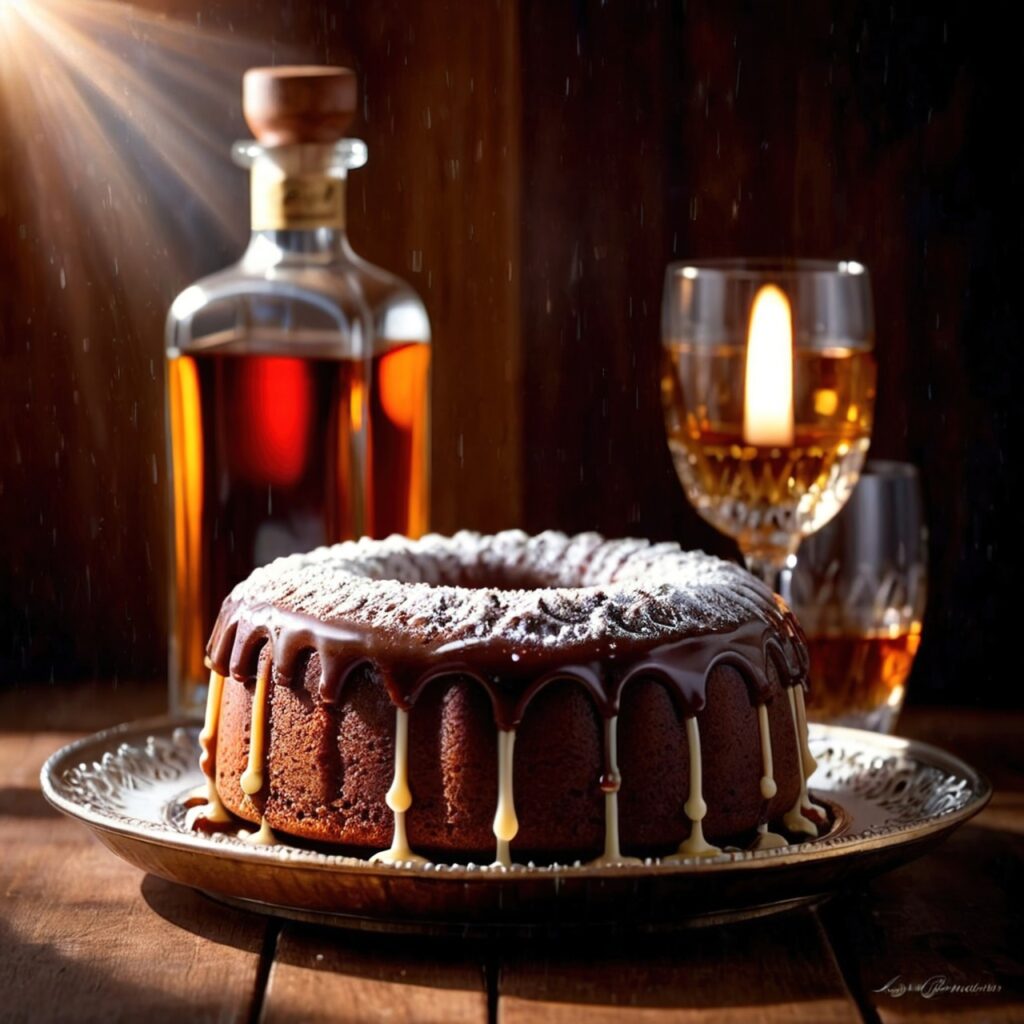
Making boozy treats at home starts with understanding balance rather than chasing intensity. Alcohol should enhance sweetness and aroma, not dominate them. Choosing a spirit you enjoy drinking on its own matters, because its character carries directly into the dessert. Stronger spirits require restraint, while milder liqueurs allow a slightly heavier hand. The goal is harmony between sugar, fat, and alcohol so the dessert feels rounded instead of sharp. Paying attention to moisture is equally important, since alcohol can dry baked goods if used carelessly. Thoughtful measuring and tasting at each stage help ensure the dessert remains rich, tender, and inviting rather than overpowering.
The soaking technique is where many home bakers succeed or fail. Syrups or glazes should be applied gradually, giving the cake time to absorb liquid evenly instead of allowing it to collect on the surface. This method builds flavor while protecting structure, preventing sogginess or uneven texture. Storage also plays a role, as many boozy desserts benefit from resting time. Flavors often deepen after a day as the alcohol melds with sugar and butter. Proper wrapping keeps moisture locked in, and pairing the finished dessert with coffee, tea, or a complementary liqueur completes the experience while honoring tradition.
Reference
- Readers Have Been Making These Boozy Southern Treats For More Than 40 Years – aol.com
- The sticky story of Southern Comfort – masterofmalt.com