7 Chain Restaurant Practices That Changed How Food Is Prepped

Chain restaurants have transformed how food is prepared over the years, shifting from fully in-house cooking to streamlined systems built for speed and consistency. Central kitchens, pre-portioned ingredients, automated cooking equipment, and simplified recipes now shape how meals reach customers. These changes help chains serve large crowds quickly, yet many diners notice differences in freshness and texture. Modern restaurant kitchens prioritize efficiency, quietly reshaping how familiar dishes are prepared today.
1. Centralized Prep Happens Before Food Reaches Restaurants
Many chain restaurants no longer perform the majority of food preparation inside each location. Instead, vegetables are chopped, meats marinated, sauces prepared, and some items partially cooked in centralized facilities before being shipped to restaurants ready for final assembly or reheating.
This approach allows chains to maintain consistent taste and reduce labor costs. Kitchens receive ingredients already measured and processed, reducing skill requirements for in-store staff and speeding up meal assembly.
However, this system changes how fresh food feels when served. Because preparation happens days earlier, ingredients may lose some freshness or texture compared with meals prepared entirely on site, subtly altering customer perceptions of quality and flavor.
2. Recipes Are Now Strictly Standardized
Chain restaurants once allowed chefs or managers more flexibility in how dishes were prepared, which sometimes led to flavor differences between locations. Today, most chains follow strict recipe systems, ensuring every location produces identical meals.
Standardization helps customers know exactly what to expect regardless of where they dine. Detailed cooking procedures, portion measurements, and preparation instructions eliminate guesswork, making training easier and operations more predictable across thousands of locations.
Dishes may feel less personal because individual cooking styles disappear. While consistency satisfies many customers, others miss the subtle differences that once reflected local kitchen creativity and staff experience.
3. Batch Cooking Speeds Up Service
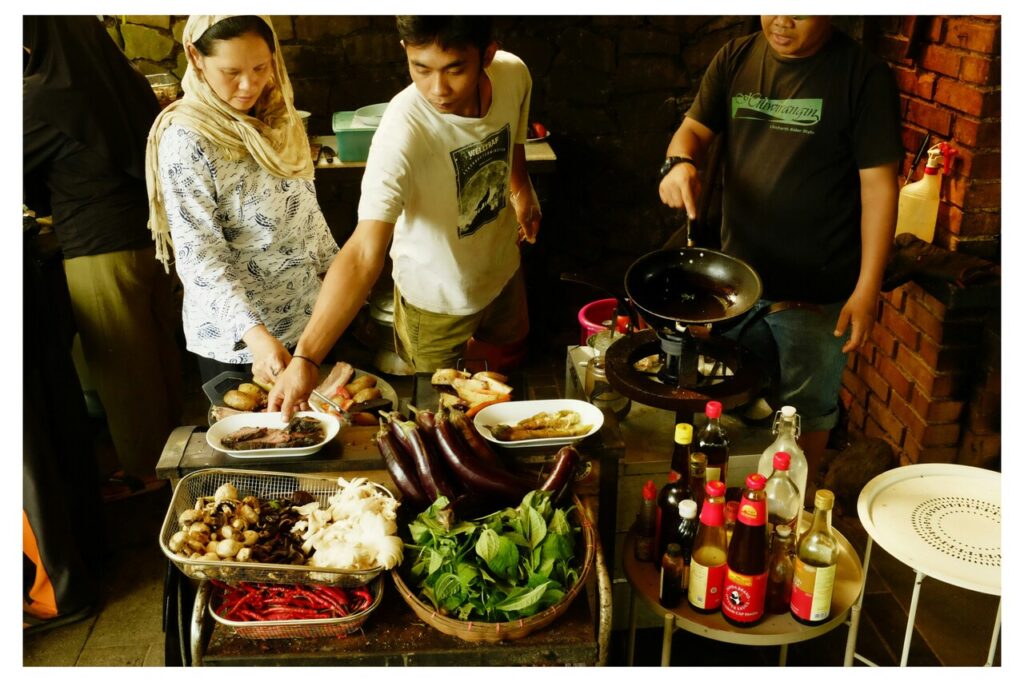
Speed has become a defining priority in chain restaurants, leading many kitchens to prepare large quantities of staple foods in advance rather than cooking every order from scratch. Items like rice, proteins, fries, or pasta are often cooked ahead and held warm for quick assembly.
This method allows restaurants to serve customers rapidly during peak hours while keeping kitchen workflow manageable. Pre-cooking prevents bottlenecks when many orders arrive simultaneously, helping chains maintain predictable wait times.
Yet food held under warming conditions may lose freshness, moisture, or texture compared with freshly cooked portions. Diners sometimes notice differences, especially during slower periods when pre-prepared items sit longer before being served.
4. Fresh Butchery Rarely Happens On Site
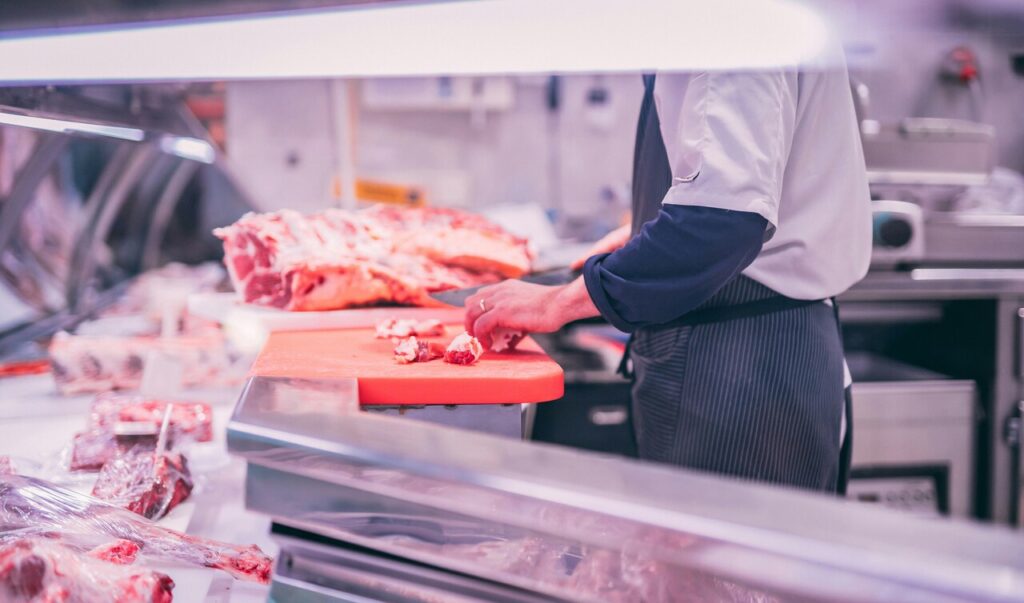
Many chain restaurants previously trimmed meats or portioned proteins directly in their kitchens, but today most receive pre-cut meats from suppliers. Steaks, chicken portions, and seafood often arrive ready for cooking, reducing preparation time and labor costs.
Centralized meat processing ensures uniform sizing and quality control while minimizing waste at restaurant locations. Staff no longer need specialized butchery skills, allowing chains to operate efficiently with smaller kitchen teams.
However, some diners believe flavor and freshness suffer when meats are pre-processed and shipped long distances. Although quality standards remain high, the loss of on-site preparation changes how fresh ingredients feel when cooked and served.
5. Ingredients Arrive Already Portioned
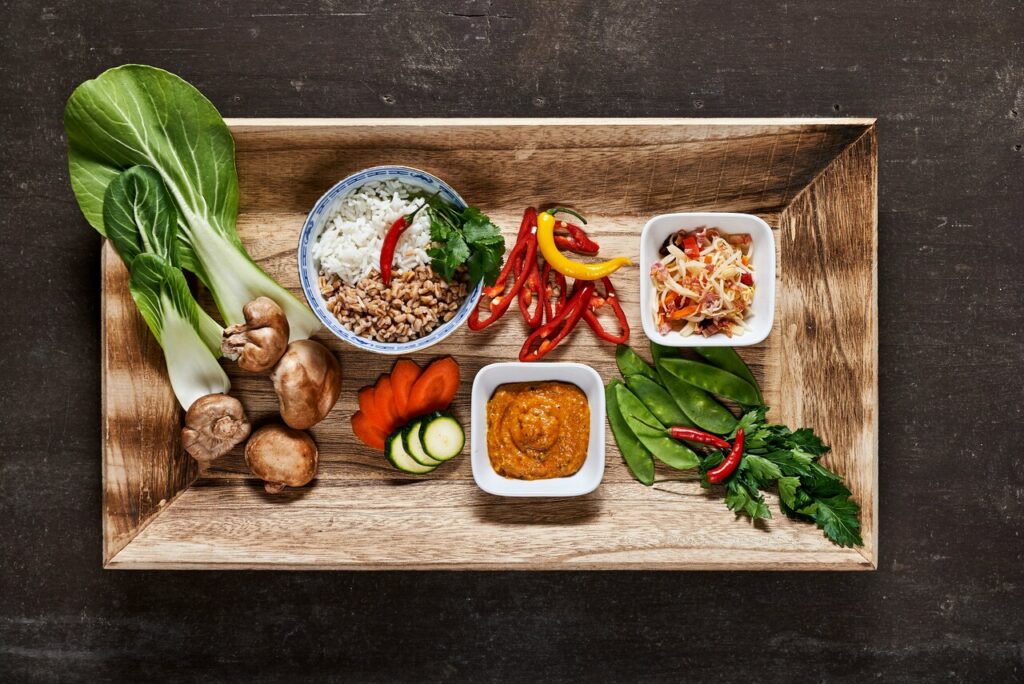
Pre-portioned ingredients are now common in chain restaurant kitchens. Sauces, proteins, vegetables, and toppings often arrive packaged in precise serving sizes, allowing staff to assemble dishes quickly and consistently.
This practice reduces waste and helps control food costs by preventing overuse of ingredients. It also simplifies training because employees follow straightforward assembly steps rather than estimating quantities during busy shifts.
Customers benefit from consistent serving sizes, yet some feel meals appear less generous than before. Portion control ensures predictability, but diners sometimes sense dishes have become more calculated compared with earlier, freer serving styles.
6. Cooking Methods Are Simplified for Efficiency
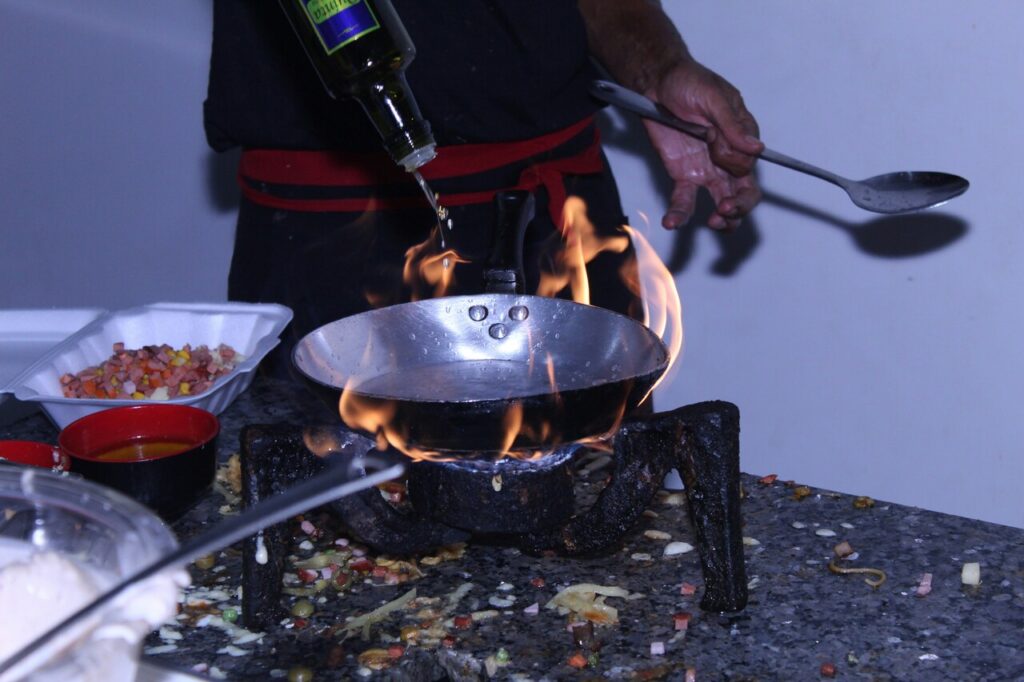
Modern chain restaurants design menus around cooking methods that require minimal preparation complexity. Grilling, frying, or reheating prepared components replaces multi-step cooking processes that demand more skill and time.
Simplifying preparation helps restaurants operate efficiently with large staffs that may change frequently. Kitchens can produce meals quickly without requiring specialized culinary expertise, allowing chains to scale operations across multiple regions.
While this approach improves speed and consistency, it can reduce flavor complexity. Dishes relying on slow cooking, elaborate seasoning stages, or careful timing become less common, leaving menus focused on items that can be prepared quickly.
7. Technology Controls More Cooking Than Chefs

Technology increasingly shapes food preparation in chain kitchens. Sous-vide cooking, automated fryers, programmable ovens, and temperature sensors allow precise cooking with minimal manual oversight from staff.
These tools ensure food safety and uniformity while reducing training requirements. Employees follow automated instructions rather than relying on culinary experience, helping chains maintain consistent results even with high employee turnover.
Although technology improves reliability, some diners feel meals lose the personal touch once associated with cooking. Automation delivers dependable outcomes, yet it shifts food preparation away from chef intuition toward standardized machine-controlled processes.