What Really Separates Prosecco from Champagne


When it comes to sparkling wine, the first thing that truly sets Champagne and Prosecco apart is where they come from. Champagne must originate from the Champagne region of northeastern France, an area with a centuries-old reputation and a tightly guarded set of rules for winemakers. This region’s cool climate, chalky soils, and long history of sparkling wine production have created an identity that is synonymous with celebration and prestige around the world. The rolling hills and warmer Mediterranean climate there contribute to a very different style of wine, one that emphasizes freshness and fruit-forward character.
How regions are regulated also differs sharply. Champagne is governed by strict rules that control everything from grape types to aging requirements. Prosecco falls under Italian DOC and DOCG designations, which protect its regional identity as well but allow for broader styles and production volumes. In the world of sparkling wines, this means Champagne is considered the benchmark of tradition and quality, while Prosecco is celebrated for accessibility and everyday enjoyment. These regulatory differences shape how producers operate and how wines are positioned globally. They also influence consumer expectations around consistency, price, and occasion.
Distinct Grape Personalities
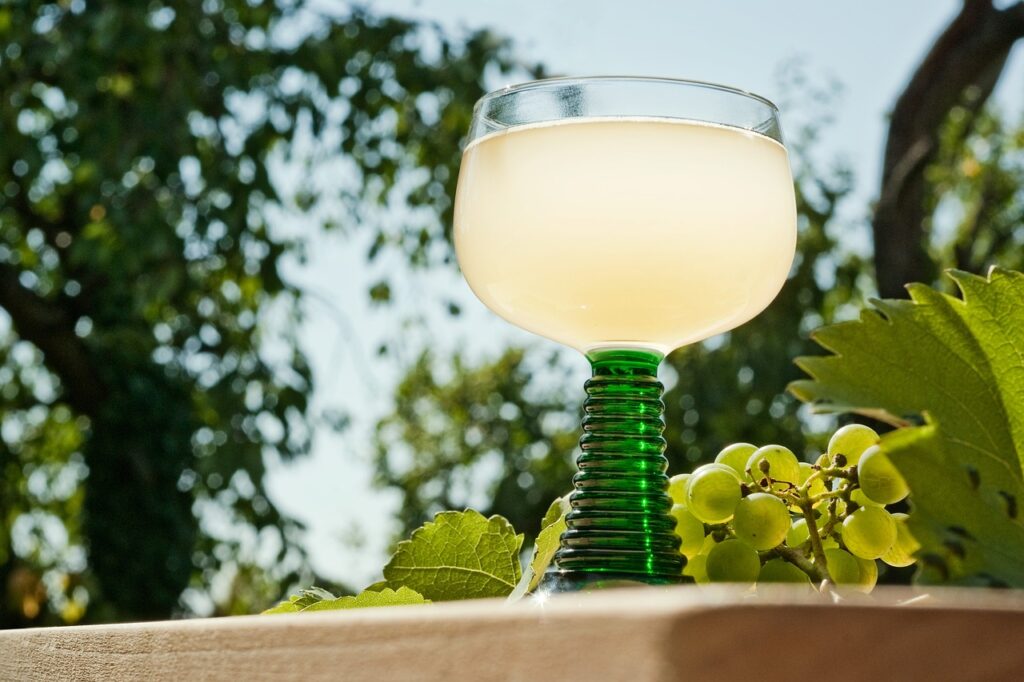
At the heart of Prosecco is the Glera grape, a white variety that gives Prosecco its fresh, aromatic, and approachable profile. Formerly called Prosecco, the grape was officially renamed Glera to protect the Prosecco name as a geographic designation. Glera thrives in northeastern Italy, especially in hillside vineyards where cooler nights preserve acidity. While Glera is the dominant variety, regulations allow small amounts of other grapes in the blend, adding subtle complexity. The result is a wine that feels uplifting and light on the palate, with floral notes and hints of green apple, pear, and citrus.
Classic Champagne Varietals
Champagne is most often made from three traditional grapes: Chardonnay, Pinot Noir, and Pinot Meunier. Each brings something distinct: Chardonnay adds elegance and longevity, Pinot Noir contributes structure and depth, and Meunier offers fruitiness and approachability. Because Champagne is often a blend of several vintages, these grapes are carefully combined to produce balance, complexity, and a consistent house style. This trio, coupled with the region’s cool climate, generally yields wines with higher natural acidity and more nuanced layers of flavor than Prosecco.
Bubble Creation Unveiled

One of the biggest technical differences between Champagne and Prosecco lies in how the bubbles are created. Champagne is almost always made using the traditional method, where a second fermentation occurs inside the bottle. Yeast and sugar are added to a base wine, which then ferments again in the sealed bottle, creating carbon dioxide and very fine, persistent bubbles. The wine then ages on the lees, imparting a creamy texture and complex flavors often described as brioche or toast. This extended contact with yeast particles is a hallmark of Champagne’s depth and richness, and it is one reason the wine requires longer production times.
Prosecco is typically made using the Charmat method, also known as the tank method. Here, the second fermentation takes place in large stainless-steel tanks rather than individual bottles. This technique captures carbon dioxide while preserving fresh fruit aromas. Because the bubbles form in a larger space, they tend to be lighter and more frothy than Champagne’s. Charmat is also more efficient and cost-effective, which helps keep Prosecco accessible. The method emphasizes freshness rather than extended aging, making the wine ideal for early drinking. This approach aligns well with Prosecco’s bright, fruit-forward character and casual appeal.
Flavor Profiles and Palate Experience
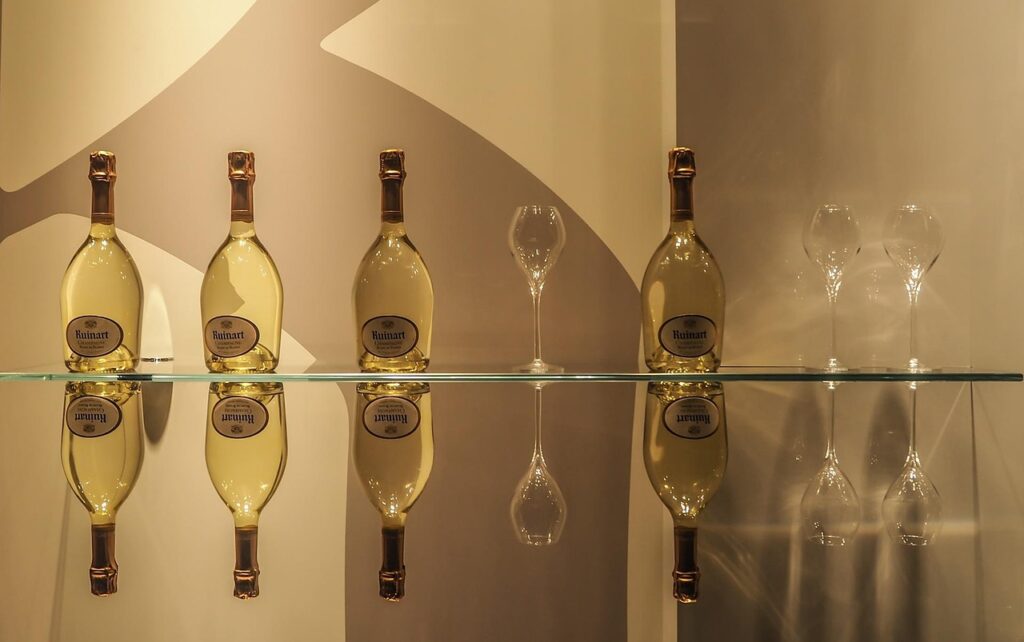
Champagne and Prosecco appeal to different tastes. Champagne often shows citrus and orchard fruit layered with notes of toast, almond, or pastry. High acidity balances these flavors, creating a dry, structured wine suited for long enjoyment. This complexity is a direct result of its production and aging style. Extended contact with yeast adds depth and texture that reward slower, more contemplative drinking. These characteristics make Champagne feel more intense and layered on the palate. The wine often evolves in the glass, revealing new nuances as it warms slightly. This progression encourages sipping rather than quick consumption.
Prosecco is lighter and more immediate in expression. Aromas lean toward pear, apple, melon, and soft florals. The Charmat method preserves these fresh notes, resulting in a crisp, approachable wine. As a result, Prosecco often feels softer on the palate, even when labeled dry. Its lower perceived acidity makes it easy to enjoy without food or technical knowledge. This simplicity contributes to its popularity for casual gatherings and relaxed occasions. The wine’s freshness pairs well with informal settings where ease and drinkability matter most. Gentle bubbles create a lively mouthfeel that refreshes rather than dominates.
Textural and Sensory Differences
Champagne’s bubbles are fine and persistent, rising slowly in the glass. This creates a creamy mouthfeel that enhances its layered flavors. The texture contributes significantly to Champagne’s perception as refined and elegant. Prosecco’s bubbles are typically larger and livelier. They create a fresher, more playful sensation that matches the wine’s fruit-forward profile. While the bubbles fade more quickly, they enhance drinkability.
Production Time and Craftsmanship
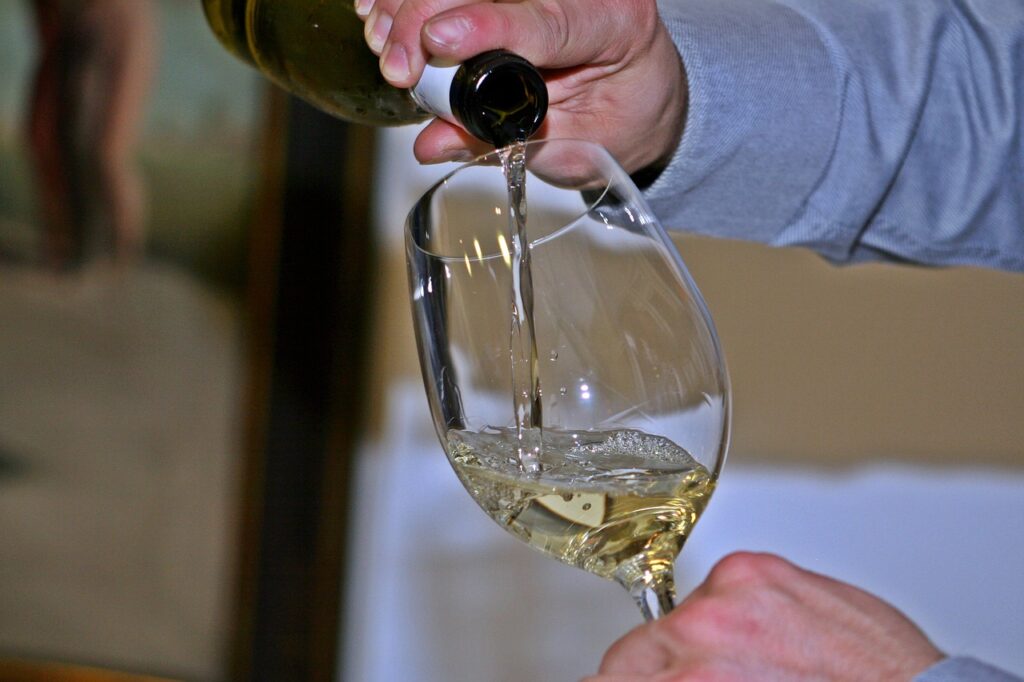
Champagne’s bubbles are fine and persistent, rising slowly in the glass. This creates a creamy mouthfeel that enhances its layered flavors. The texture contributes significantly to Champagne’s perception as refined and elegant. The steady stream of small bubbles helps release aromas gradually, allowing subtle notes to unfold with each sip. This controlled effervescence adds structure and length to the tasting experience. It also reinforces the wine’s ability to feel composed and deliberate rather than overtly lively. The mousse coats the palate evenly, giving weight without heaviness. This balance supports Champagne’s reputation for precision and depth.
Prosecco’s bubbles are typically larger and livelier. They create a fresher, more playful sensation that matches the wine’s fruit-forward profile. While the bubbles fade more quickly, they enhance drinkability. This energetic sparkle delivers immediate refreshment and lifts the wine’s aromatic intensity. The softer persistence keeps the experience light and easygoing. Together, these traits support Prosecco’s role as an approachable, crowd-friendly sparkling wine. The emphasis remains on brightness and charm rather than lingering complexity. This makes each sip feel casual, uplifting, and uncomplicated.
Classification and Quality Designations
Champagne operates under strict classification rules. These cover vineyard practices, yields, aging, and blending standards. The system emphasizes tradition and consistency. Prosecco classifications include DOC and DOCG. DOCG wines come from smaller, more controlled areas and typically reflect stricter standards. These labels help consumers identify higher-quality bottles. Regulatory oversight limits production choices, which reinforces a defined house style. This structure prioritizes uniformity and protects regional identity across vintages. For buyers, the classifications act as a guide to expected quality and production rigor.
Cost and Market Positioning
Champagne’s higher cost reflects its production demands and limited geography. Labor, aging, and global prestige all contribute to price. It is positioned as a luxury product tied to celebration. Its efficient production and broader regions keep costs lower. Pricing also shapes consumer behavior, encouraging Champagne to be saved for select moments. Prosecco’s affordability supports frequent consumption without ceremony. Retail placement and marketing further amplify this divide, with Champagne often reserved for premium displays. Prosecco, by contrast, is marketed for spontaneity and ease of purchase.
Cultural Context & Consumption
Champagne is closely associated with milestones and formal celebrations. Its presence at weddings and events reinforces its symbolic value. History and marketing have cemented this image. Prosecco is woven into everyday social life. It is commonly enjoyed during aperitivo or informal gatherings. Its lighter style suits relaxed occasions. Cultural habits shape how each wine is served and perceived. Champagne signals significance, while Prosecco signals ease. These associations influence expectations before the bottle is even opened. Serving rituals often differ as well, reinforcing the contrast between formality and informality.
Food Pairing and Serving Traditions
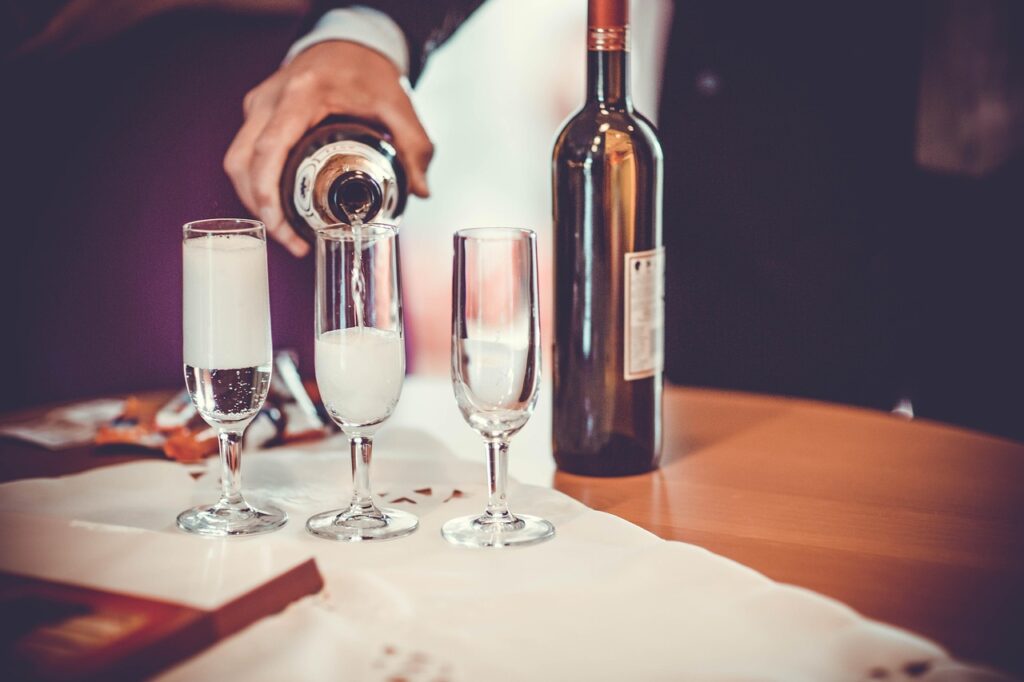
Champagne pairs well with a wide range of foods. Its acidity complements seafood, cheese, and rich dishes. The structure allows it to stand up to bold flavors. Oysters, shellfish, and creamy sauces benefit from its sharpness, which cuts through richness without overpowering delicate elements. Aged cheeses and dishes with butter or fat gain balance from Champagne’s firmness. This versatility makes it suitable for full meals rather than a single course. It can transition smoothly from appetizers to main dishes without feeling out of place. The wine’s backbone keeps flavors focused even as dishes become heavier.
Prosecco works best with lighter fare. Salads, appetizers, and fresh cheeses suit its profile. Its gentle sweetness and softer acidity pair comfortably with fruit-based dishes and simple starters. Prosecco is commonly used in spritzes, where its freshness lifts bitters and citrus. This adaptability supports casual dining and social drinking without demanding complex food pairings. The wine’s easygoing nature allows it to complement food without competing for attention. This makes it especially appealing for relaxed meals and informal settings. Its role is supportive rather than dominant, enhancing atmosphere as much as flavor.
Common Misconceptions
A common belief is that Prosecco is simply cheaper than Champagne. In reality, they are fundamentally different wines. Production, grapes, and regions all differ. These factors influence everything from aroma and texture to aging potential and price positioning. Comparing the two solely on cost overlooks the intentions behind how each wine is made. Understanding these distinctions helps explain why they deliver such different drinking experiences. Each wine reflects a separate philosophy shaped by geography, regulation, and historical practice. Viewing them through this lens shifts the discussion from value judgments to stylistic choice.
Another misconception is that all sparkling wines are interchangeable. Terroir and technique shape each wine’s character. Champagne and Prosecco offer distinct experiences. Climate, soil, fermentation methods, and aging practices all leave clear signatures on the final wine. These elements determine how a sparkling wine tastes, feels, and evolves in the glass. Treating them as substitutes ignores the craftsmanship and regional identity behind each style. This assumption also flattens the diversity within sparkling wine as a broader category. Appreciating these differences encourages more intentional selection and enjoyment.
References
- Prosecco: The Facts- Australian Grape & Wine
- Processco- Wine International Association