12 Farmers Market Tricks to Get the Best Produce Every Time

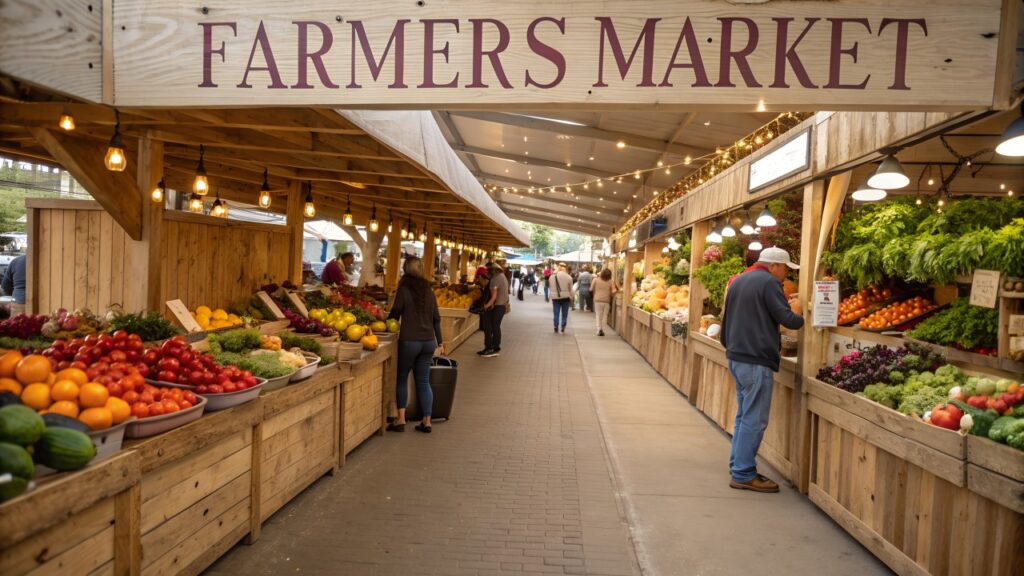
Farmers’ markets offer more than just fresh fruits and vegetables. They provide direct access to how food is grown, harvested, and handled before it reaches your kitchen. Unlike grocery stores, quality here depends on timing, observation, and conversation rather than labels or packaging. Knowing when to shop, what questions to ask, and how to judge produce with your senses can dramatically improve what you bring home. Small habits like understanding seasonality, comparing stalls, and learning how produce should feel in your hand help you avoid disappointment and waste. With practice, these habits turn every market visit into a more confident and rewarding experience.
1. Shop Early for Peak Freshness and Selection
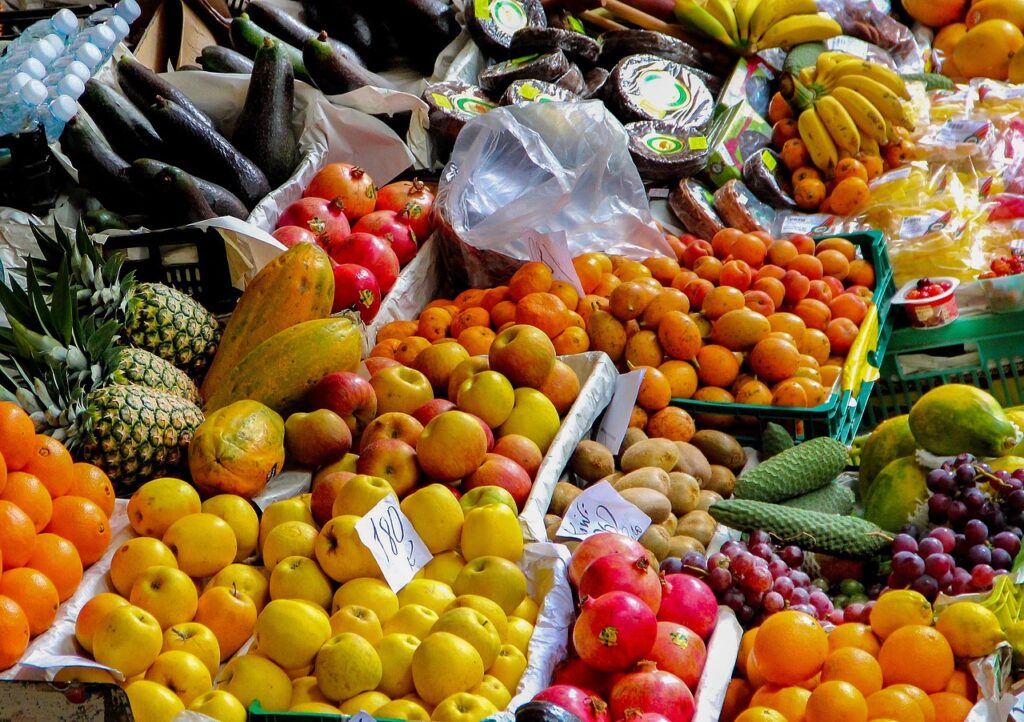
The earliest hours of a farmers’ market often offer the most consistent quality. Produce harvested the day before or even the same morning arrives firm, hydrated, and less handled. Early shopping also means sensitive items like greens, berries, and herbs have not yet been exposed to hours of sun and heat, which can accelerate wilting and moisture loss. Farmers typically bring their full inventory at opening, so size, ripeness, and variety are easiest to compare. This matters because produce picked at peak maturity has better flavor, texture, and nutrient retention. By midday, popular items may already be gone, leaving fewer choices.
2. Ask Vendors What Was Harvested Most Recently
Not all produce at a farmers’ market was picked the same day. Some items, like root vegetables, can be harvested earlier and stored well, while others are highly perishable. Asking vendors directly what was harvested most recently gives you useful insight without guessing. Farmers know their harvest schedule and are usually happy to explain which items were pulled from the field last. Recently harvested produce retains higher moisture content and firmer cell structure, which translates to better texture and longer shelf life. This simple question helps you prioritize items that should be eaten soon versus those that can wait.
3. Learn What’s Actually in Season
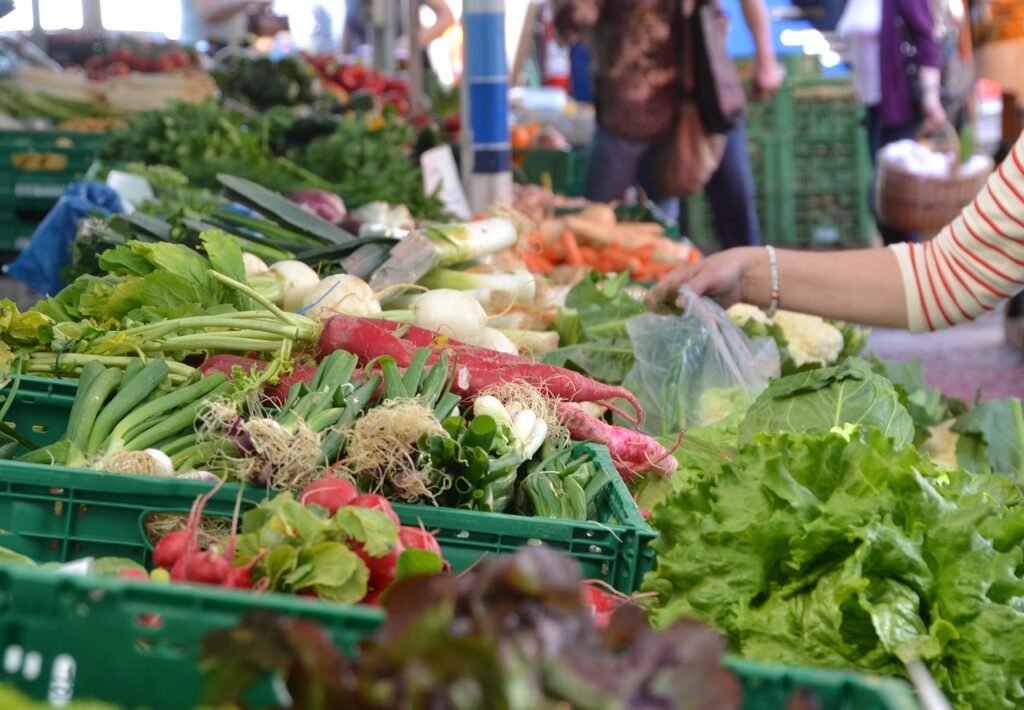
Seasonality is one of the biggest advantages of farmers’ markets, but only if you recognize it. Produce grown in season develops flavor naturally rather than relying on forced ripening or long transport. Tomatoes, for example, taste best when grown in warm months, while leafy greens thrive in cooler temperatures. Knowing what is in season helps you avoid produce that may look good but lacks depth of flavor. Seasonal produce is also more abundant, which often means better quality and value. Farmers harvest crops when conditions are right, not when shelves need to be stocked. Aligning your shopping with the natural growing cycle ensures better taste and texture in the kitchen.
4. Build Relationships with Farmers
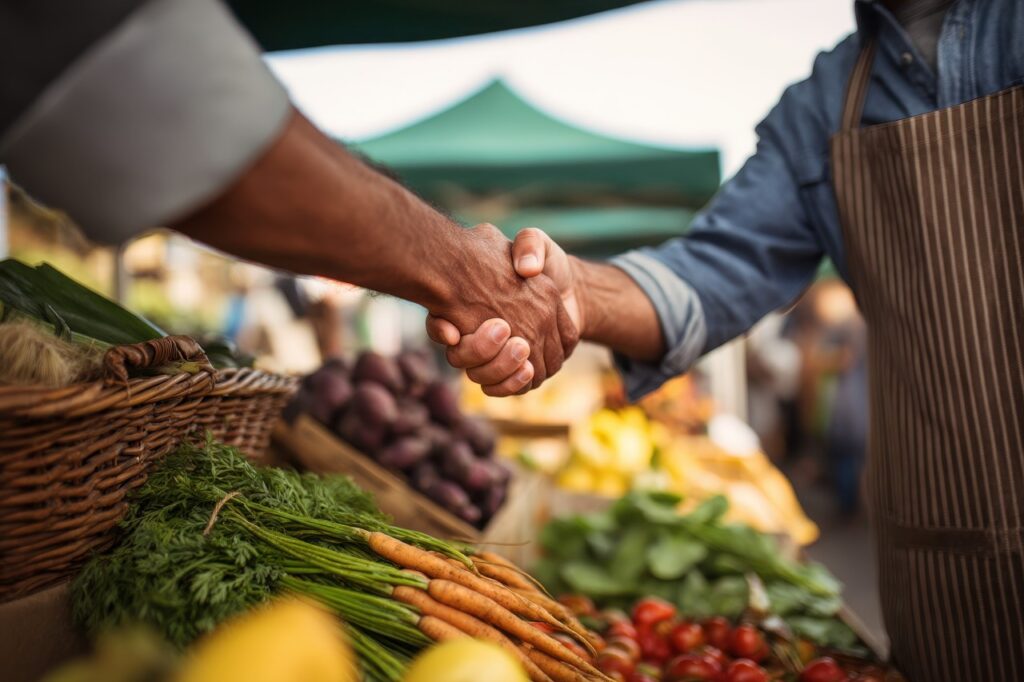
Regular interaction with farmers turns shopping into an information exchange. Farmers can tell you how produce was grown, when it was picked, and how best to use it. Over time, they may even set aside their best items for familiar customers. Building relationships also helps you understand subtle differences between varieties that may look similar but cook or store differently. Farmers appreciate customers who ask thoughtful questions and return consistently. This mutual familiarity often leads to more honest recommendations. You learn which items are at their peak and which should be eaten quickly. Strong relationships help you shop with confidence rather than relying solely on appearance.
5. Bring Cash and Small Bills
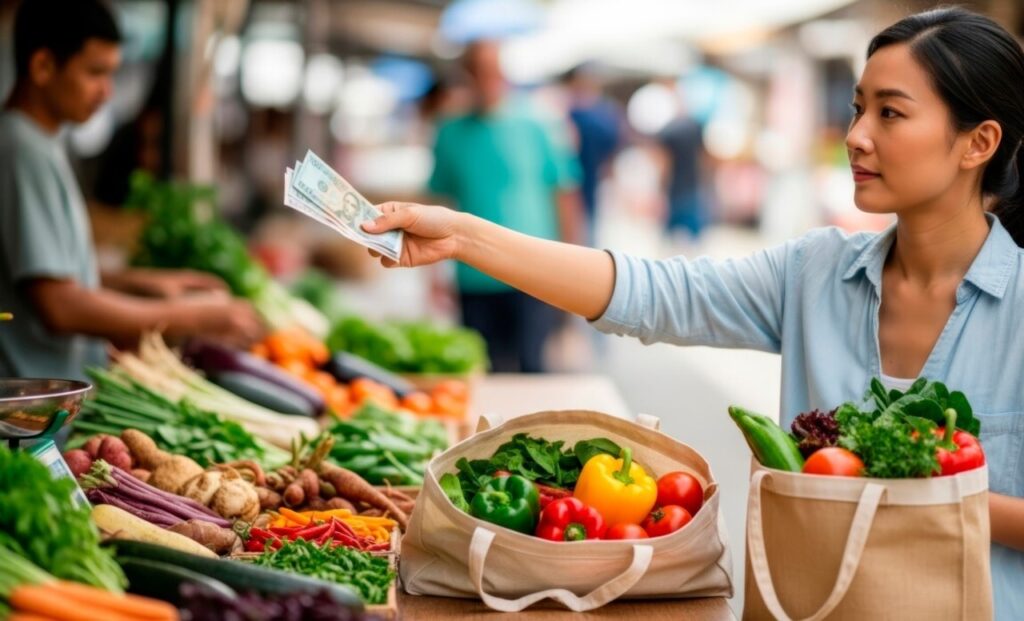
While many markets now accept cards, cash still streamlines transactions. Farmers can move quickly without processing delays, and small bills make pricing smoother. This efficiency matters during busy periods when produce sits longer in warm conditions. Cash transactions also allow vendors to focus on handling produce rather than managing equipment. Some farmers are more flexible with pricing or quantities when cash is involved, especially near closing time. Bringing small bills avoids the need for change, which can slow service. Being prepared keeps interactions simple and helps you move through the market efficiently while the produce remains in its best condition.
6. Compare Stalls Before Buying
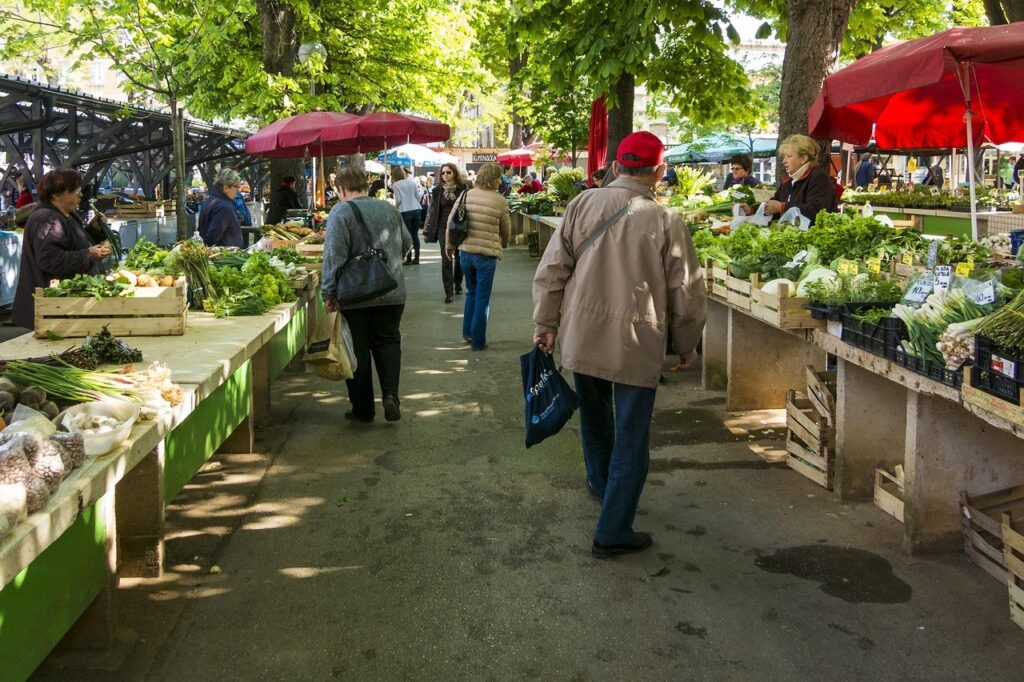
Even within the same market, quality can vary significantly. Different farms grow different varieties and harvest at different times. Walking the market before buying allows you to compare color, firmness, and size across stalls. This matters because subtle differences often signal freshness or maturity. For example, vibrant greens indicate proper hydration, while dull leaves suggest age. Comparing stalls also helps you recognize fair pricing and understand the abundance that day. Taking a few minutes to observe prevents impulse purchases and ensures you select the best available produce rather than settling for the first option you see.
7. Buy Produce That Feels Heavy for Its Size
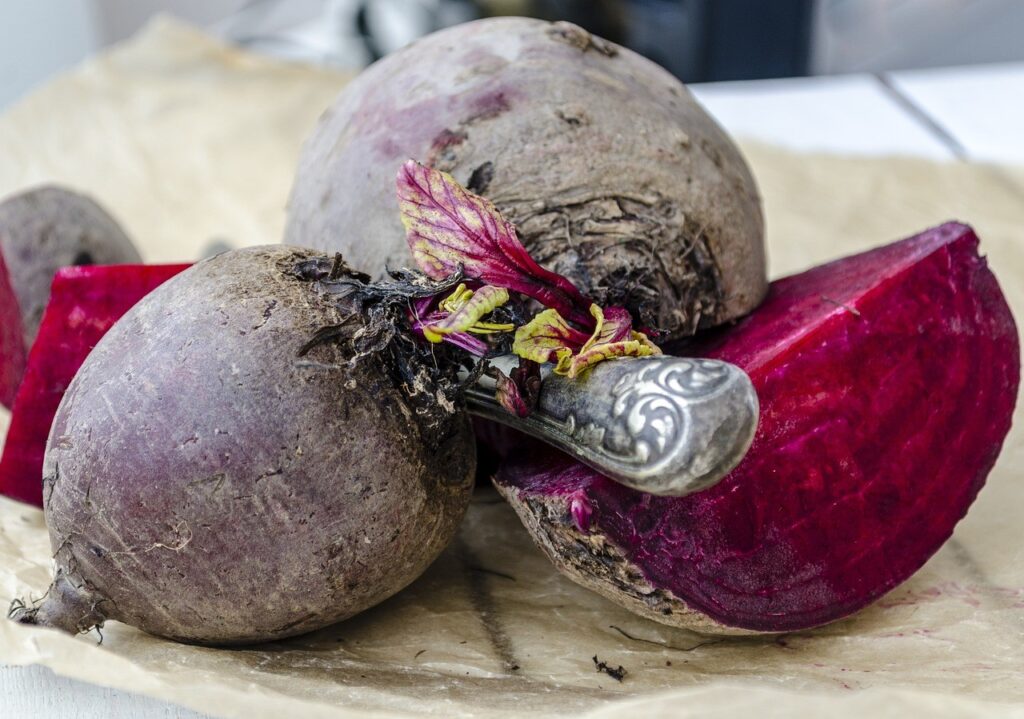
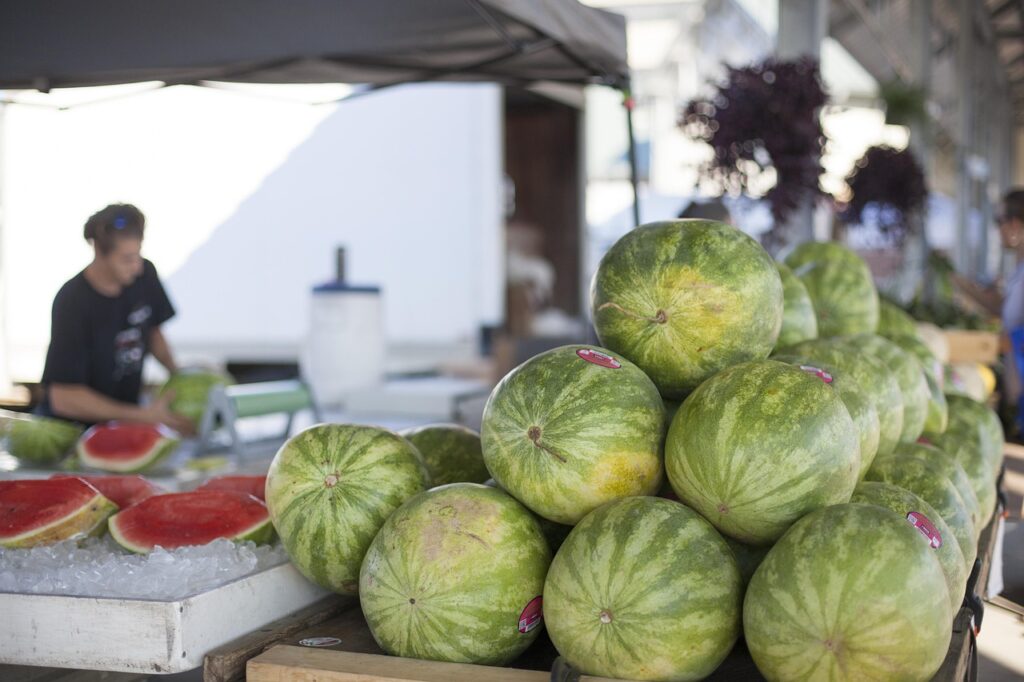
Weight is a reliable indicator of freshness. Produce that feels heavy relative to its size usually contains more water, which means it was harvested recently and stored properly. This applies to items like melons, citrus, cucumbers, and squash. Lighter produce often indicates dehydration, which leads to faster spoilage and poorer texture. Heavier items also tend to cook better, retaining moisture and structure. This simple test requires no tools and works consistently across many types of produce. Over time, learning to judge weight helps you quickly identify the most robust items on the table.
8. Smell and Touch Before You Choose
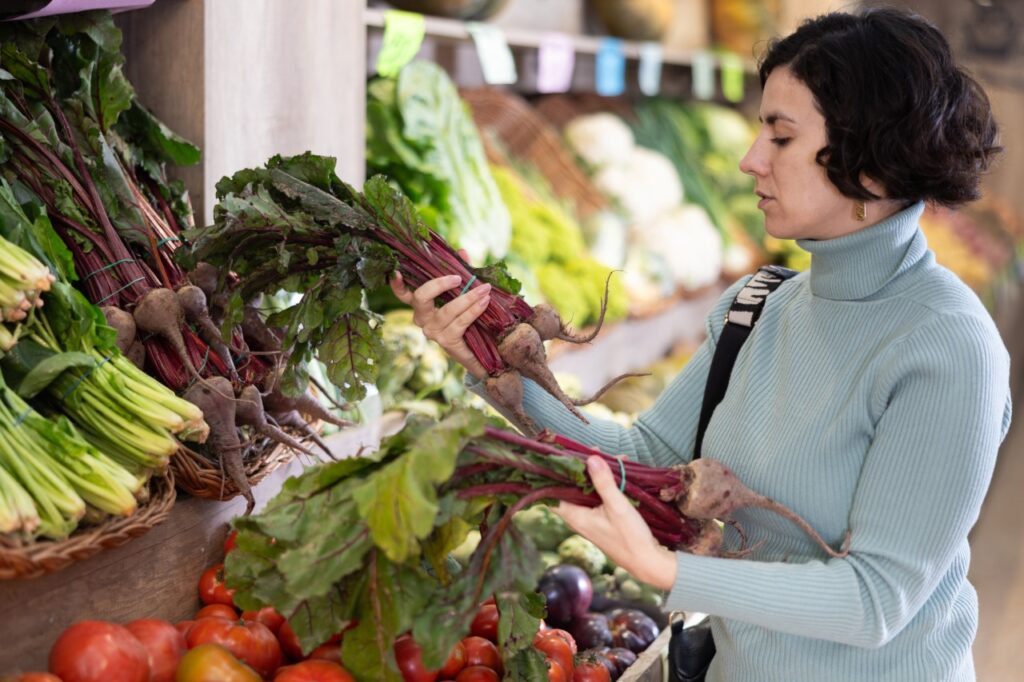
Your senses are powerful tools at a farmers’ market. Aroma often reveals ripeness, especially with fruits like peaches, tomatoes, and berries. A strong, pleasant smell usually means the fruit was allowed to ripen naturally. Touch helps you assess firmness and elasticity. Produce should feel firm but not hard, yielding slightly when ripe. Limp or overly soft textures can indicate age or improper storage. Farmers’ markets allow and expect gentle handling, unlike grocery stores. Using smell and touch together gives you a clearer picture of quality than appearance alone, helping you choose produce that performs well at home.
9. Ask for Storage and Ripening Tips
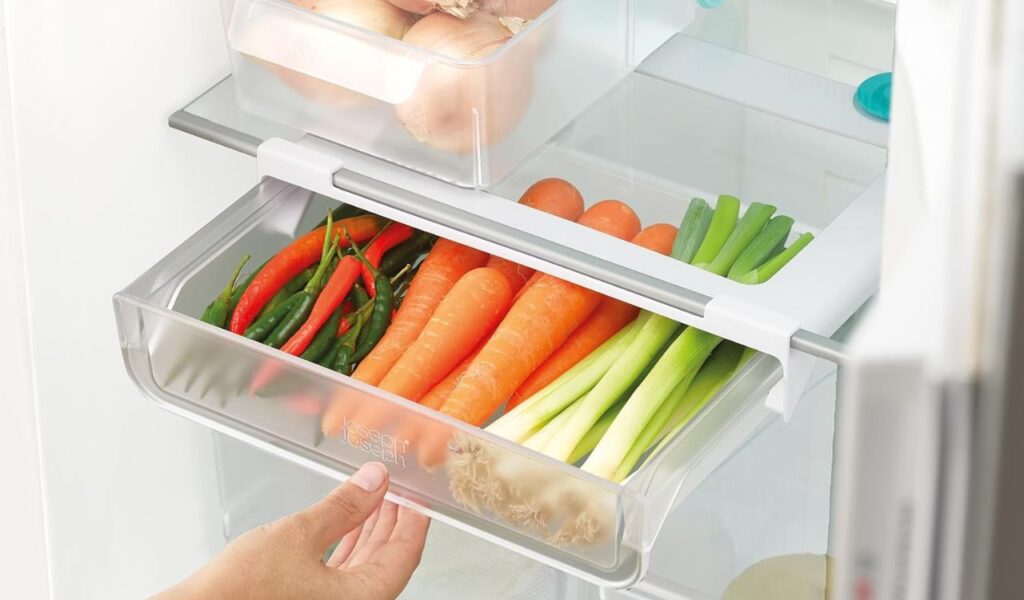
Proper storage can double the usable life of fresh produce. Farmers know how their crops behave after harvest and can offer practical advice on refrigeration, airflow, and ripening. Some items store better at room temperature, while others benefit from cold storage. Asking these questions prevents premature spoilage and preserves flavor. Farmers can also suggest which items should be eaten first and which will improve over a few days. This guidance helps you plan meals more effectively and reduces waste. A short conversation can save you money and improve the quality of every dish you make. It also helps you respect the work behind the harvest by using every ingredient at its best.
10. Don’t Ignore Slightly Imperfect Produce
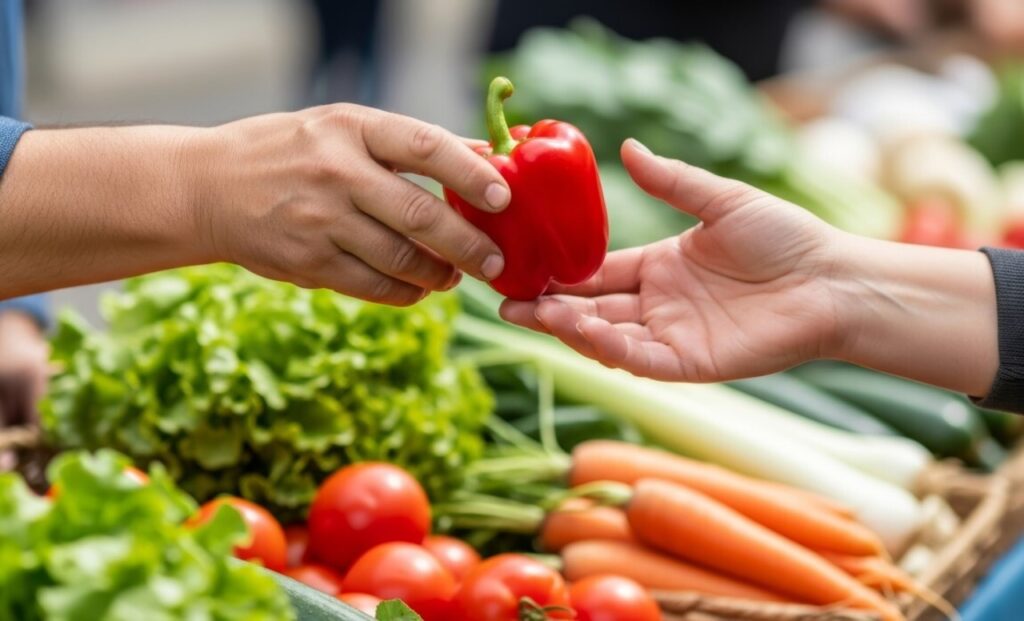
Cosmetic flaws rarely affect flavor or nutrition. Small scars, uneven shapes, or minor blemishes often result from natural growing conditions rather than poor quality. In fact, less uniform produce is often grown with fewer interventions. Slight imperfections can also mean the produce was harvested closer to peak ripeness instead of early for transport durability. These items are usually just as fresh and sometimes more flavorful. Choosing imperfect produce reduces waste and supports farmers by valuing substance over appearance. As long as texture and smell are good, visual flaws alone are rarely a reason to pass something up.
10. Buy in Small Quantities First
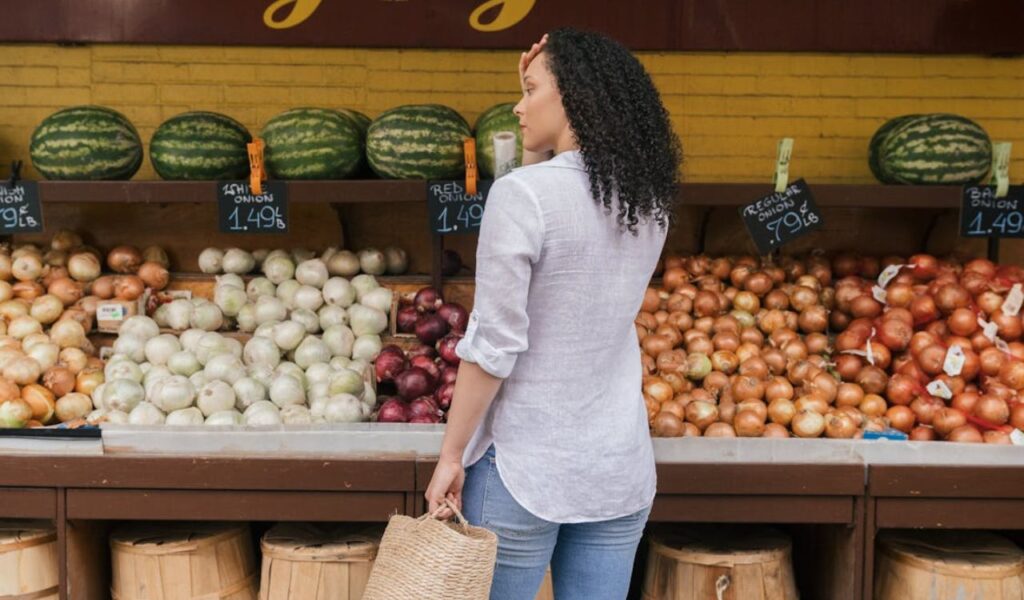
When trying a new vendor or unfamiliar variety, buying small quantities reduces risk. This allows you to test flavor, shelf life, and cooking performance at home. Once you understand how an item behaves, you can confidently purchase it again next time. Small purchases also encourage variety, letting you sample more of the market’s offerings. This approach is especially useful for delicate produce that may spoil quickly if not handled properly. Over time, this habit helps you refine your preferences and avoid overbuying items that may not suit your cooking style. It also keeps your kitchen flexible, making it easier to adjust meals based on what truly impressed you.
11. Visit the Market Regularly
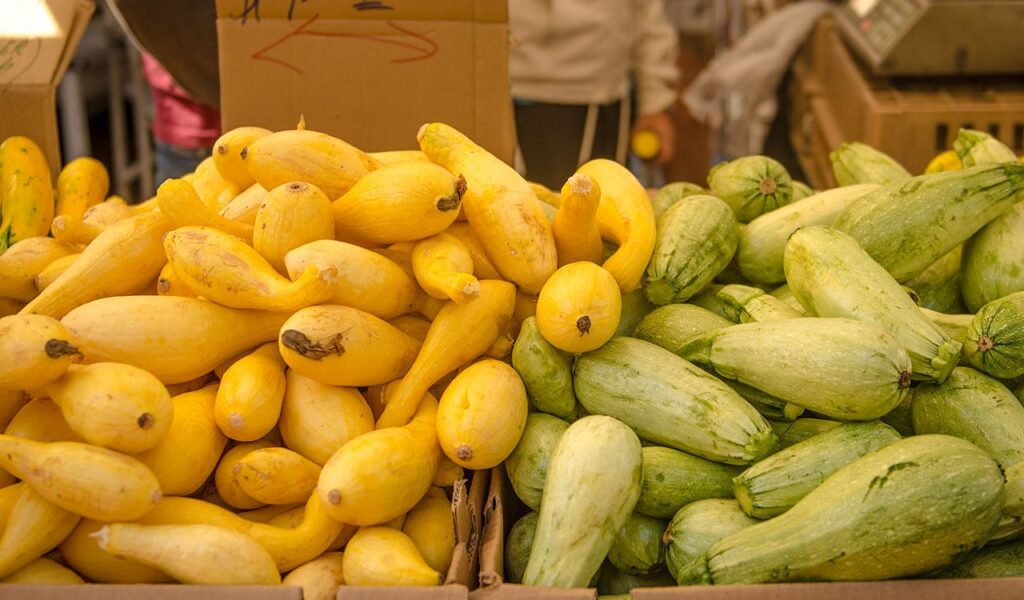
Consistency improves results. Visiting the same market regularly helps you learn its rhythm, seasonal shifts, and standout vendors. You begin to recognize patterns in quality and availability. Regular visits also strengthen relationships with farmers, leading to more informed recommendations and access to the best produce. Familiarity reduces guesswork and helps you shop more efficiently. You know which stalls to visit first and which days offer the best selection. Over time, regular market visits turn shopping into a skill rather than a gamble, ensuring better produce with less effort each time. The more often you go, the easier it becomes to spot quality at a glance.