9 Barbecue Habits You Pick Up After Long Hours at the Smoker

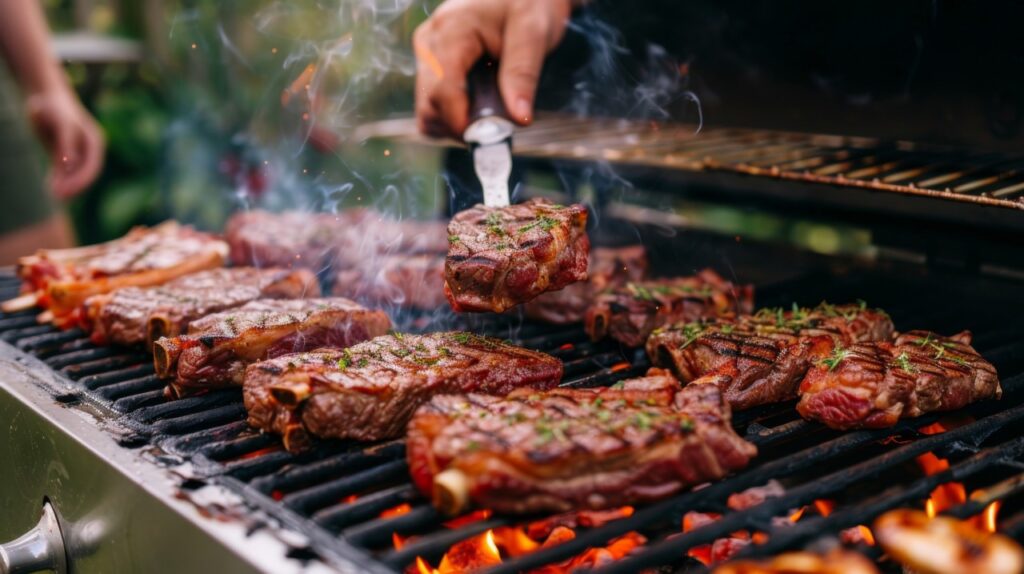
Long hours beside a smoker have a way of changing how you cook, think, and even wait. Barbecue is not just about meat and smoke, but about learning how heat behaves over time and how small decisions quietly shape the final result. As the hours pass, habits form out of necessity, observation, and repetition. You start paying closer attention to temperatures than clocks, airflow rather than flames, and subtle changes in smell and texture instead of rigid rules. These habits are not picked up overnight. They are earned through stalled briskets, shifting weather, and long nights tending a fire. Over time, they become second nature, shaping how you approach barbecue and cooking as a whole.
1. Checking the Temperature More Than the Clock
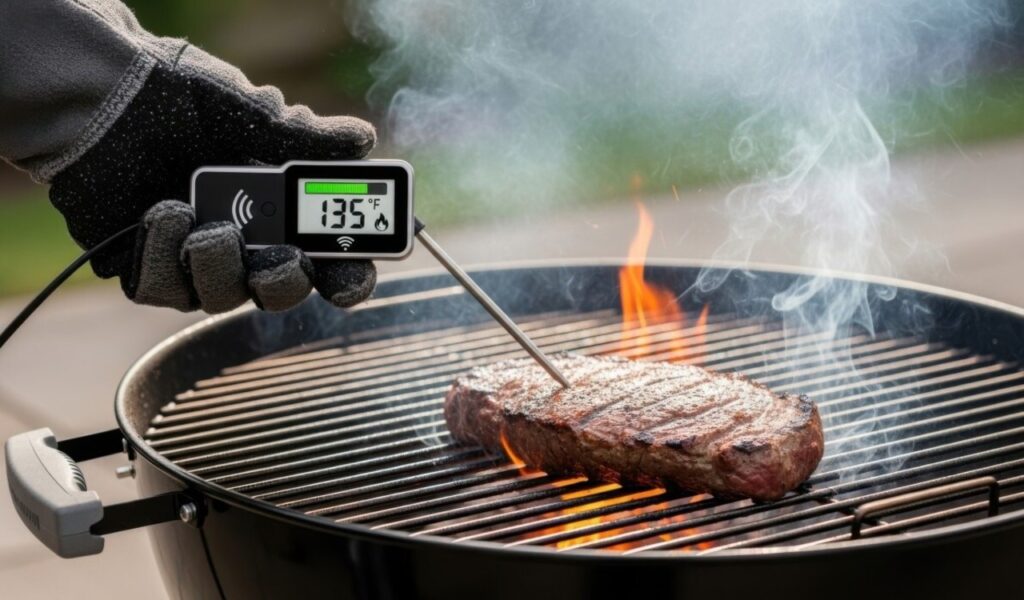
Time matters far less at a smoker than temperature does, and long hours teach this lesson quickly. Every smoker behaves differently based on fuel, airflow, weather, and meat load. Relying on a clock assumes all those variables stay constant, which they never do. Experienced pitmasters learn to watch the pit temperature closely, making small adjustments to vents and fuel to stay within a narrow range. This habit develops because steady heat is what slowly breaks down connective tissue without drying meat out. A brisket cooked at the right temperature will be ready when it is ready, not when the clock says so.
2. Trusting Feel and Smell as Much as Thermometers
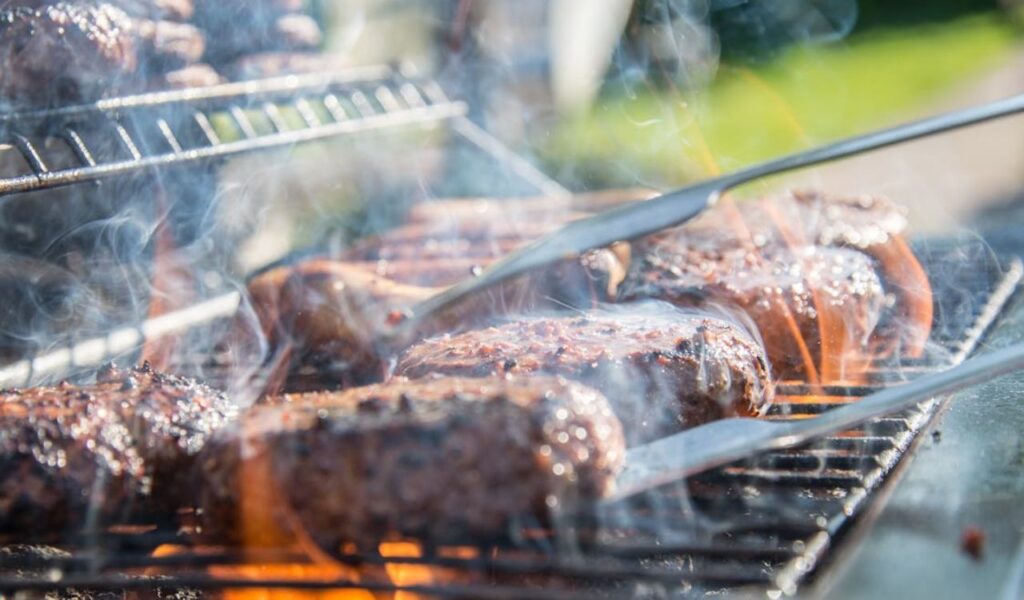
Spending enough time around a smoker trains the senses in ways tools cannot fully replace. While thermometers provide accuracy, touch and smell reveal details that numbers miss. The resistance of meat when probed, the way the surface tightens, and the aroma of clean smoke all signal progress. Experienced smokers recognize the smell of burning fat versus smoldering wood and know when airflow needs adjusting. They notice when meat shifts from raw protein smell to deep roasted aroma. These sensory cues help confirm what instruments suggest. Over time, trust builds between cook and process, creating confidence that blends data with experience for better judgment.
3. Learning Patience the Hard Way
Barbecue punishes impatience more than almost any other cooking method. Early attempts often involve rushing heat, lifting lids too often, or chasing temperature swings. Long cooks teach restraint because every unnecessary action disrupts airflow and heat balance. Low and slow cooking works by gradually breaking down collagen into gelatin, a process that cannot be forced without consequences. Pitmasters learn that stepping away is sometimes the best move. Waiting through stalls and slow temperature climbs builds discipline. Eventually, patience becomes habit, because the cook understands that great barbecue rewards steady control rather than constant interference.
4. Constantly Managing Fire and Airflow
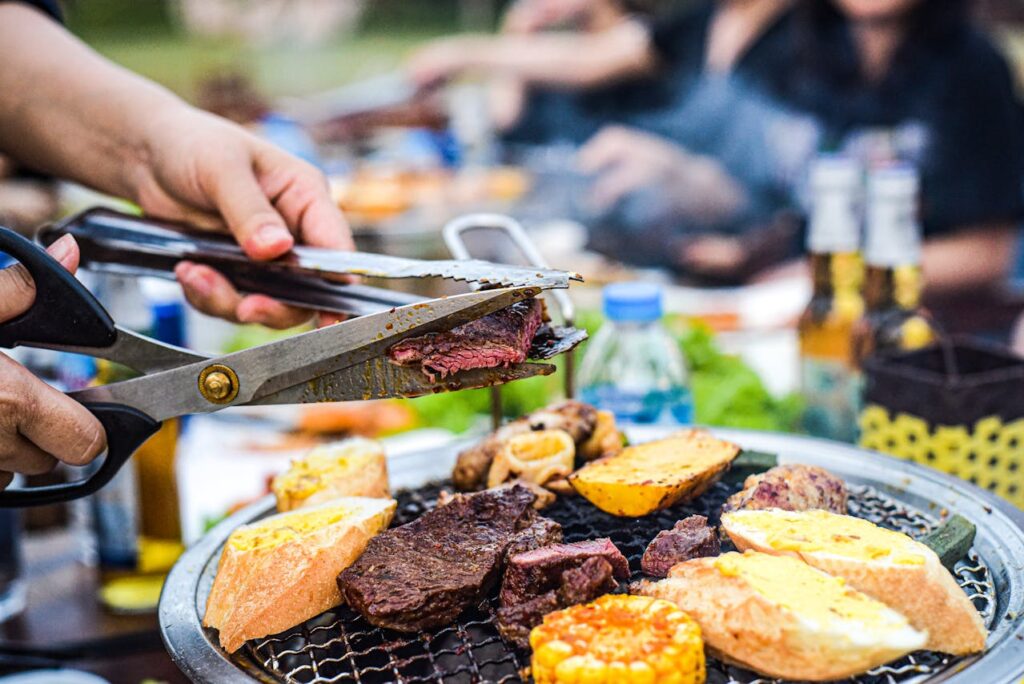
Fire management becomes second nature after hours at the smoker. Heat comes not just from fuel, but from how oxygen feeds combustion. Opening vents increases heat but can burn fuel too fast, while closing them risks dirty smoke. Long cooks teach balance. Pitmasters learn to add fuel before temperatures drop too far and to recognize how weather affects airflow. Wind, humidity, and ambient temperature all change fire behavior. Over time, managing airflow becomes proactive instead of reactive. This habit ensures clean smoke, stable heat, and predictable results across long cooking sessions. When fire and airflow are in sync, the smoker almost runs itself.
5. Spritzing Meat Without Overthinking It
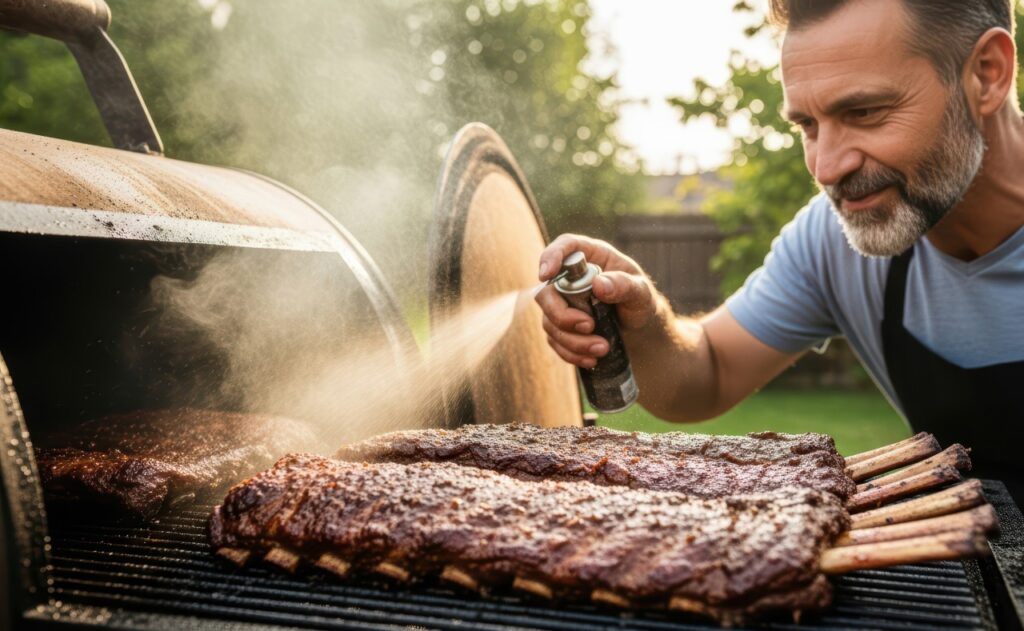
Spritzing is not about adding flavor as much as managing surface moisture. Long cooks teach that spritzing helps regulate bark formation and prevents the exterior from drying too quickly. Experienced smokers learn moderation. Too much spritzing cools the meat and extends cooking time, while too little can lead to hard surfaces. The habit becomes purposeful rather than compulsive. Spritzing is timed around visual cues like surface dryness and fat rendering. Over time, cooks understand that spritzing supports texture, not moisture retention inside the meat, which depends more on temperature control and fat content.
6. Wrapping Meat at Just the Right Moment
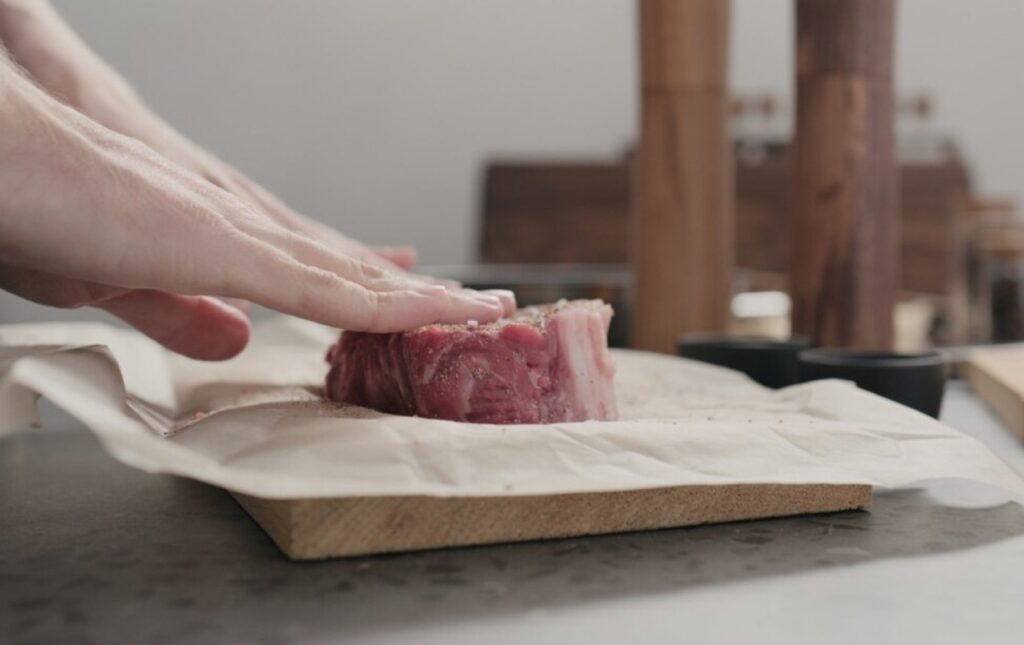
Wrapping becomes a strategic decision after repeated long cooks. Pitmasters learn that wrapping too early softens bark, while wrapping too late prolongs cooking unnecessarily. The habit develops by watching how meat behaves during the stall, when evaporation slows, and temperature rises. Wrapping reduces moisture loss and speeds cooking by limiting evaporation. Experienced smokers choose materials carefully, knowing foil traps moisture tightly while butcher paper allows limited breathability. Timing the wrap correctly balances tenderness, bark texture, and finish time. This habit reflects an understanding of heat transfer rather than strict rules.
7. Resting Meat Longer Than You Think Necessary
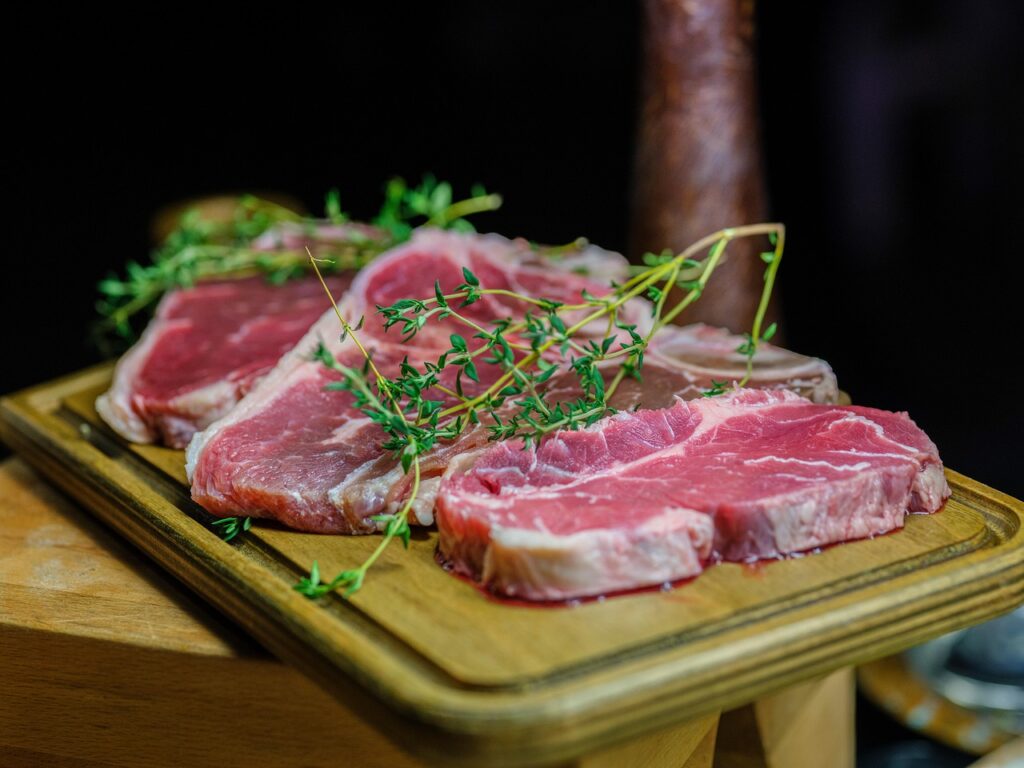
Long smoking sessions teach that cooking does not end when the meat leaves the smoker. Resting allows internal temperatures to stabilize and fibers to relax. Without rest, juices escape rapidly when sliced. Pitmasters learn to rest large cuts for extended periods, often wrapped and insulated. This habit improves moisture retention and texture without adding heat. Over time, resting becomes non-negotiable because its impact is immediately noticeable. The meat slices cleaner, tastes juicier, and holds warmth longer. Experienced cooks plan rest time into their schedule as carefully as the cooking itself. Skipping this step almost always undoes hours of careful fire and temperature control.
8. Choosing Wood Carefully Instead of Using More
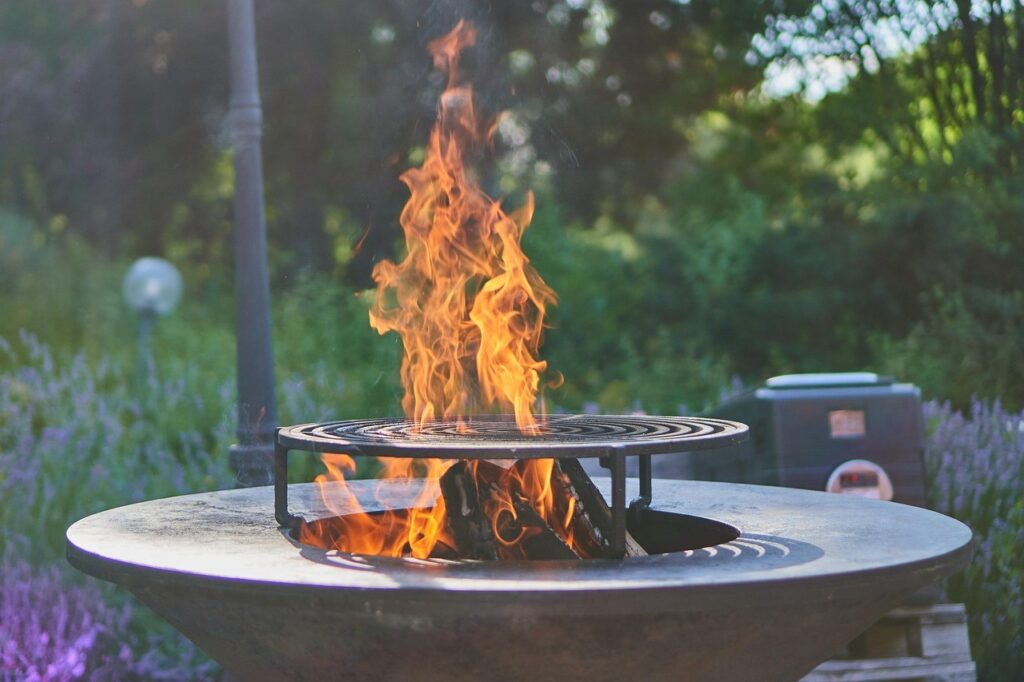
Early mistakes often involve using too much wood, resulting in bitter smoke. Long hours teach that clean smoke matters more than quantity. Pitmasters learn which woods pair best with certain meats and how small amounts of well-managed wood produce better flavor. Thin, blue smoke becomes the goal rather than thick clouds. This habit improves consistency and prevents overpowering bitterness. Over time, cooks stop chasing smoke rings and focus on balanced flavor. Understanding combustion and wood moisture leads to deliberate choices that enhance rather than dominate the meat. The best smoke is often barely visible but immediately noticeable in flavor.
9. Accepting That Every Cook Teaches Something New

Perhaps the most lasting habit is humility. No two cooks are identical, even with the same setup. Weather changes, meat varies, and fire behaves unpredictably. Long hours at the smoker teach adaptability and observation. Mistakes become lessons instead of frustrations. Each cook adds understanding about timing, fuel, and technique. This mindset keeps pitmasters improving rather than repeating routines blindly. Accepting variability turns barbecue into a craft rather than a formula. The habit of learning never ends, because mastery in smoking comes from experience layered over time. Even seasoned pitmasters approach each cook knowing something unexpected may still happen.