The Reason Gas Station Food Has Gotten Surprisingly Better and Who Is Actually Behind It

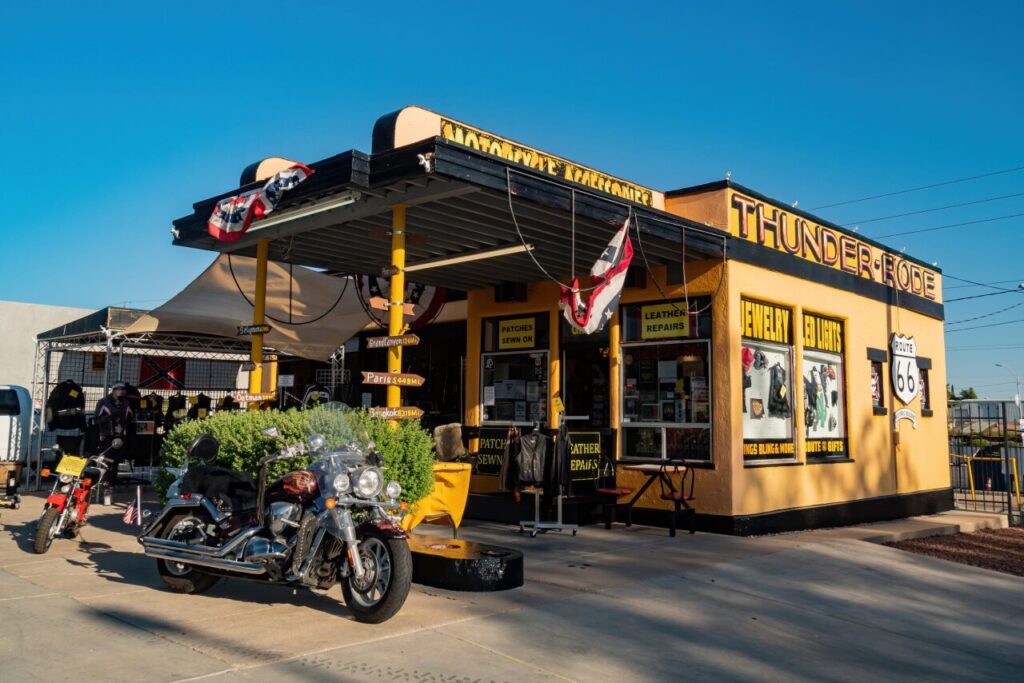
For years, gas station food carried a reputation that was difficult to overlook, defined by convenience but rarely by quality. It was seen as something you grabbed out of necessity rather than choice, often linked to prepackaged snacks, long shelf lives, and meals that prioritized speed over freshness. The experience was predictable, offering quick fuel for the body but little satisfaction. Over time, this image became deeply ingrained, shaping how people approached roadside stops. Yet, without much public attention, that perception has steadily begun to change, turning what was once a fallback option into something people now consider with genuine interest.
Today, many gas stations are redefining what convenience food can look and taste like, and the shift is more deliberate than it appears. Behind the scenes, investments in modern kitchen equipment, improved sourcing, and partnerships with established food providers are reshaping the experience. Menus are becoming more diverse, preparation methods more refined, and quality more consistent across locations. This transformation is driven by changing expectations and increased competition from other quick-service options. The result is a new form of roadside dining that feels more reliable, thoughtfully prepared, and different from the outdated image many still expect.
A New Era of Roadside Food
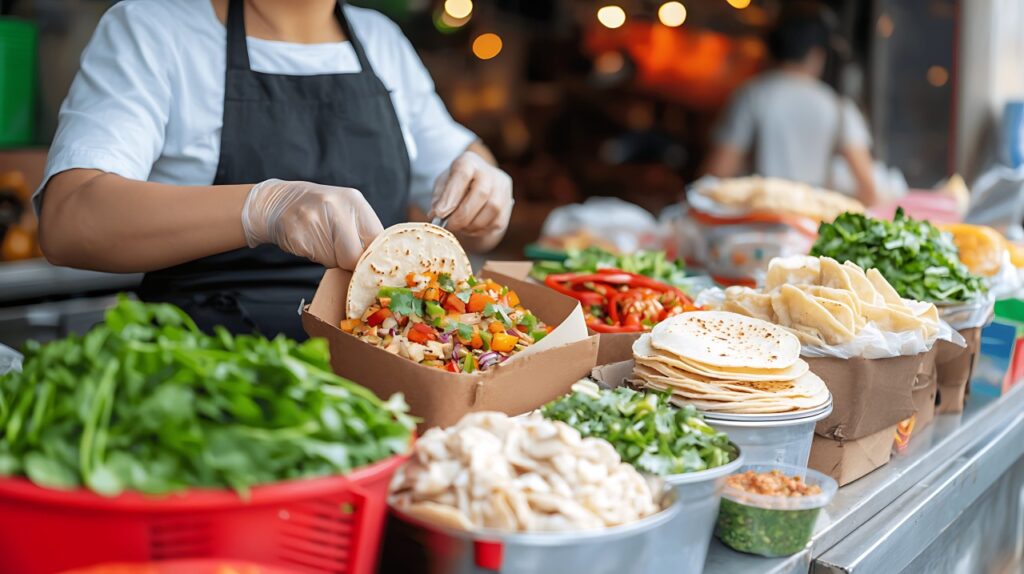
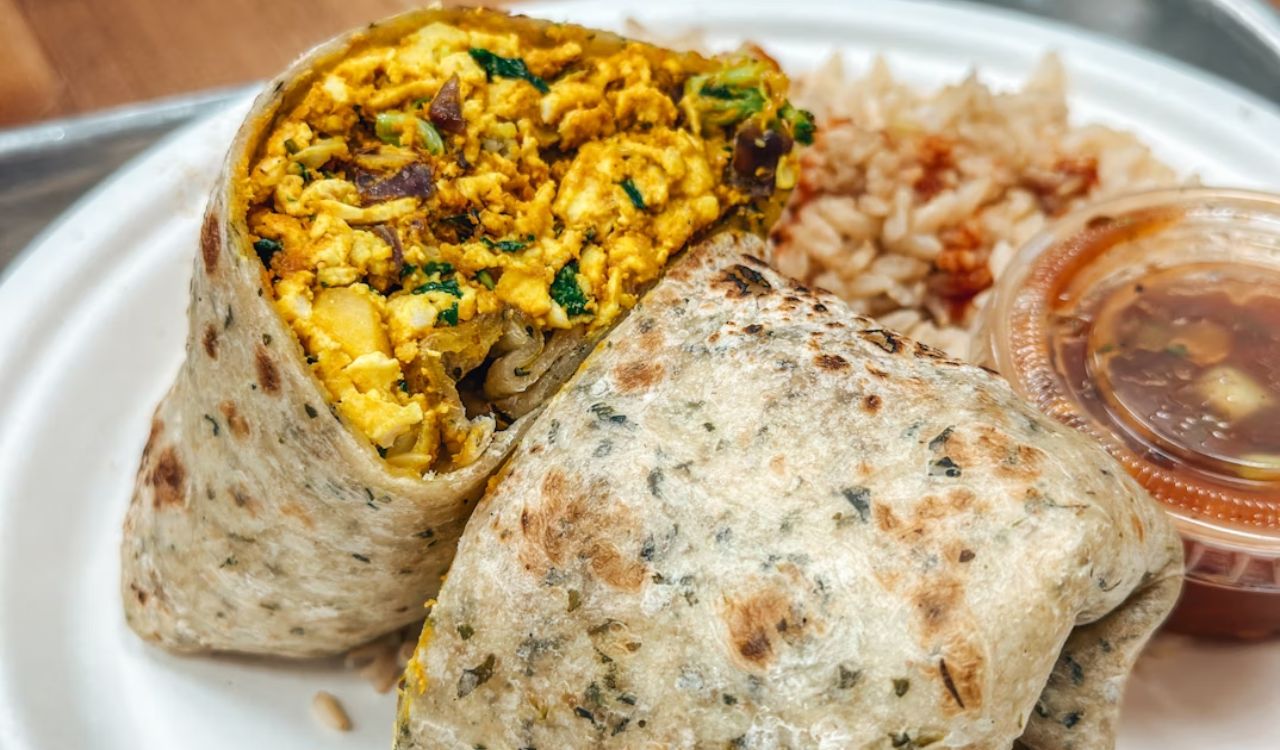
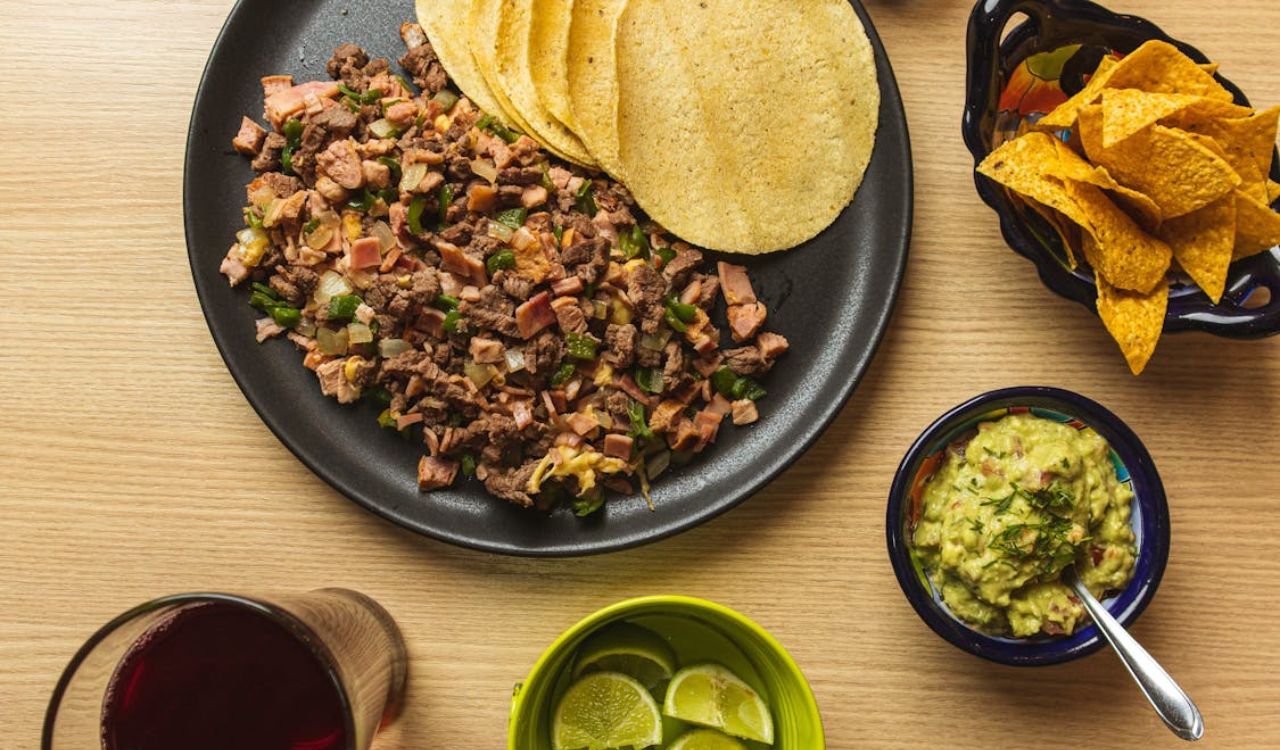
What was once dismissed as a last-resort meal has gradually transformed into something far more dependable and, in many cases, genuinely enjoyable. Gas station food is no longer limited to prepackaged snacks or items that sit under heat lamps for hours. Instead, it has evolved into a category that includes freshly prepared meals, regional favorites, and even made-to-order options that reflect changing customer expectations. This shift highlights a broader redefinition of convenience, where speed alone is no longer enough. People now look for consistency, quality, and a level of trust in what they are eating, even during a quick stop on the road.
Behind this change is a steady investment in infrastructure and food preparation systems that were not traditionally associated with convenience stores. Many modern locations now feature upgraded kitchen equipment, improved refrigeration, and efficient workflows that support fresh cooking throughout the day. Staff are trained to handle food preparation with greater precision, ensuring consistency across servings. Some outlets operate like compact food hubs, capable of delivering meals that rival quick-service restaurants. This transformation has reshaped roadside dining into a more reliable and appealing option, turning it into a choice people are increasingly comfortable making.
Why Expectations Have Permanently Shifted
Consumer expectations around food have changed in ways that are both subtle and far-reaching, and gas stations have had to respond quickly to remain relevant. Today, people are more attentive to what goes into their meals, paying closer attention to ingredient quality, hygiene standards, and how food is handled before it reaches them. This awareness does not disappear when they are on the move. Even during a quick stop, there is an expectation that food should feel safe, fresh, and thoughtfully prepared. As a result, convenience stores have had to improve not only the food itself but also the environment in which it is served, making cleanliness and consistency a visible priority.
This shift has also been driven by increasing competition from fast food chains, quick-service restaurants, and even delivery platforms that offer a wide range of options at any time of day. Gas stations are no longer compared only to each other, but to an entire ecosystem of food choices that set higher standards for quality and reliability. To keep pace, many have improved sourcing practices, introduced clearer labeling, and refined their menus to feel more intentional. These changes have reshaped customer expectations in a lasting way, turning a simple stop into an experience where quality is expected rather than hoped for.
What It Means for Everyday Convenience
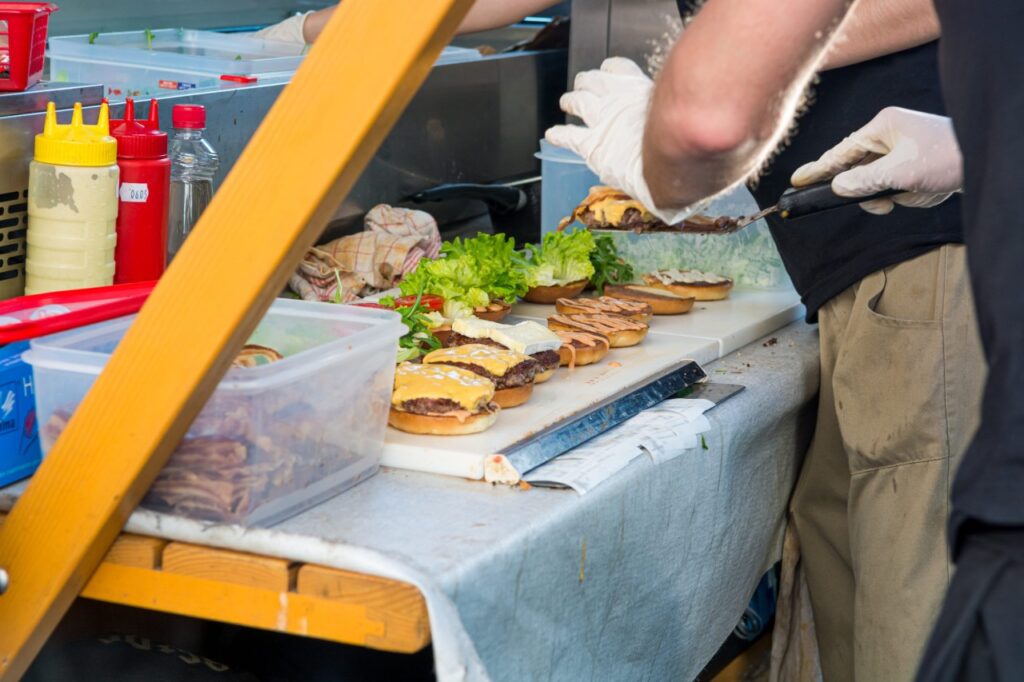
The idea of convenience has taken on a broader meaning as gas station food continues to improve in both quality and reliability. What was once considered a quick stop for snacks or basic fuel has gradually become a practical option for full meals in everyday life. For many people, especially those with busy schedules, the ability to find freshly prepared food without long wait times fits seamlessly into their routine. Commuters, shift workers, and travelers now rely on these locations not just for necessity, but for consistency. This shift reflects how convenience is no longer defined by speed alone, but by the ability to meet expectations around taste, freshness, and ease.
This transformation also plays an important role in improving access to food in areas where dining options may be limited. In smaller towns, remote locations, or long highway stretches, upgraded gas stations often serve as one of the few reliable places to find ready-to-eat meals. By offering consistent quality and extended availability, they fill a gap that traditional restaurants may not always cover. This combination of accessibility and improved standards has made them a dependable part of the food landscape, turning everyday stops into opportunities for a satisfying meal rather than a compromise.
The Players Driving the Transformation
The transformation of gas station food is not happening by chance, but through the combined efforts of key players working behind the scenes. Large convenience store chains have taken the lead by investing heavily in their food programs, recognizing that quality can drive both traffic and customer loyalty. Many have brought in experienced culinary professionals to design menus that go beyond basic offerings, focusing on taste, consistency, and efficiency. In some cases, they have partnered with established food brands to introduce familiar flavors into a new setting. These collaborations bring a level of expertise that was once absent, helping reshape how these outlets are viewed.
Alongside these efforts, advancements in supply chains and food technology have played an important role in maintaining consistent quality. Improved refrigeration systems, centralized food preparation units, and standardized cooking methods allow multiple locations to deliver similar results with minimal variation. Ingredients can be stored, transported, and handled more effectively, reducing the risk of spoilage while preserving freshness. These systems also make it easier to scale operations without compromising standards. Together, these developments have turned gas station food into a more reliable option, supported by processes that ensure both efficiency and quality across locations.
Where Gas Station Dining Is Headed
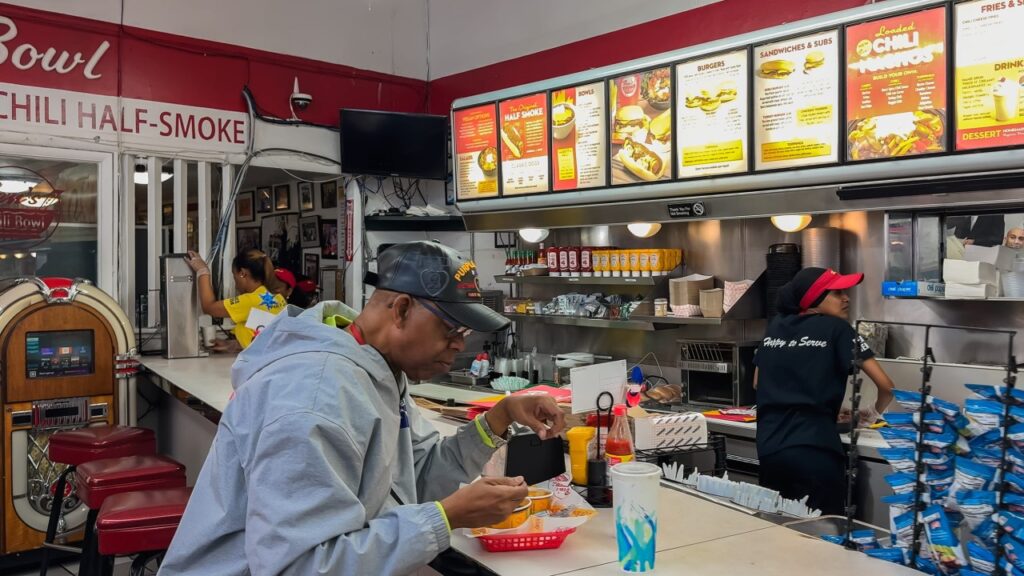
The future of gas station dining is not about returning to its past, but about continuing to evolve alongside changing consumer expectations. As people become more selective about what they eat, even during quick stops, these locations are likely to keep improving both quality and variety. Menus may expand to include healthier options, fresher ingredients, and dishes that reflect local tastes and preferences. At the same time, technology will play a stronger role in shaping what is offered. Data-driven insights can help stores understand what customers want at different times of day, allowing them to adjust menus, reduce waste, and maintain consistency more effectively.
This ongoing development is also changing how gas stations are positioned within the broader food landscape. The traditional boundary between convenience stores and quick-service restaurants is becoming less distinct, as both begin to offer similar levels of quality and efficiency. With improved preparation methods, better sourcing, and more thoughtful menu design, gas stations are increasingly seen as reliable dining options rather than temporary solutions. This shift reflects a wider trend where convenience and quality are expected to go hand in hand, creating a new standard that continues to shape how and where people choose to eat.