9 Buffet Foods That Are Breeding Grounds for Bacteria Right Now

Buffets promise abundance. Rows of steaming trays, chilled platters, and carving stations invite you to sample a little of everything without waiting for a single plate to arrive. The variety feels exciting, and the freedom to choose is part of the appeal.
But open displays come with hidden challenges. Food sits out longer, temperatures shift as lids lift, and dozens of hands reach for the same serving spoons. Even small lapses in monitoring can create ideal conditions for bacteria to grow.
This guide takes a closer look at buffet favorites that require extra caution. Knowing where risks tend to hide can help you enjoy the spread more confidently and make smarter choices at the table.
1. Scrambled eggs
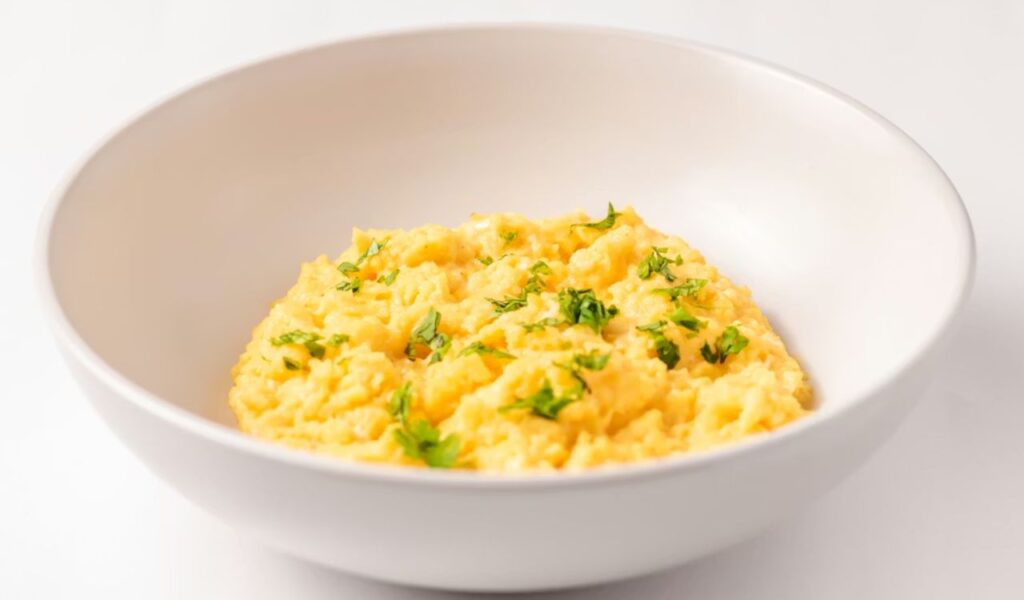
Few buffet foods seem as simple as scrambled eggs, yet they are highly temperature-sensitive. Eggs must be held above 140°F to remain safe, and steam tables can fluctuate when lids are lifted repeatedly during busy breakfast service. Even brief dips below proper holding temperatures increase vulnerability.
As eggs cool into the food safety danger zone, bacteria such as Salmonella can multiply quickly. Their soft texture and high moisture content create an ideal environment for growth once steady heat is not maintained consistently.
Frequent stirring and repeated serving increase exposure to air and utensils. Without strict monitoring and reliable hot holding equipment, scrambled eggs can become risky far faster than many diners expect.
2. Fried rice
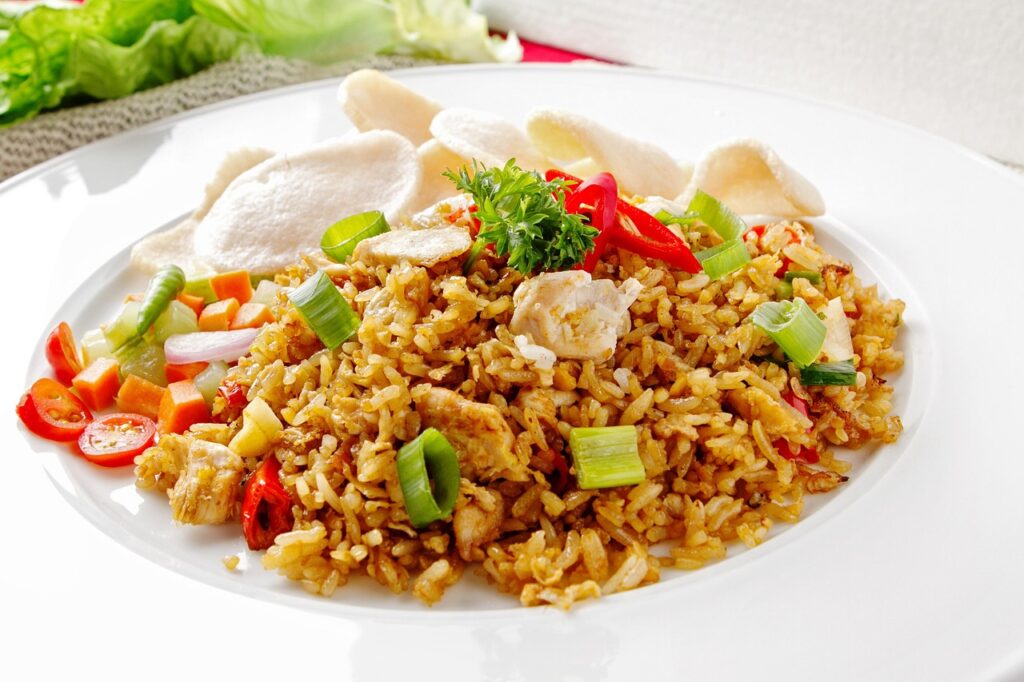
Rice presents a unique safety concern because raw grains may contain Bacillus cereus spores that survive normal cooking. If cooked rice is later held at improper temperatures, those spores can activate and begin producing toxins.
Buffet fried rice often sits in shallow pans under heat lamps that may not distribute warmth evenly. When temperatures fall below recommended levels, bacterial growth can accelerate even if the dish still looks freshly prepared and appetizing.
Reheating does not reliably eliminate certain toxins once they form. The combination of starch, moisture, and fluctuating heat makes strict temperature control essential to reduce potential health risks.
3. Carved meats
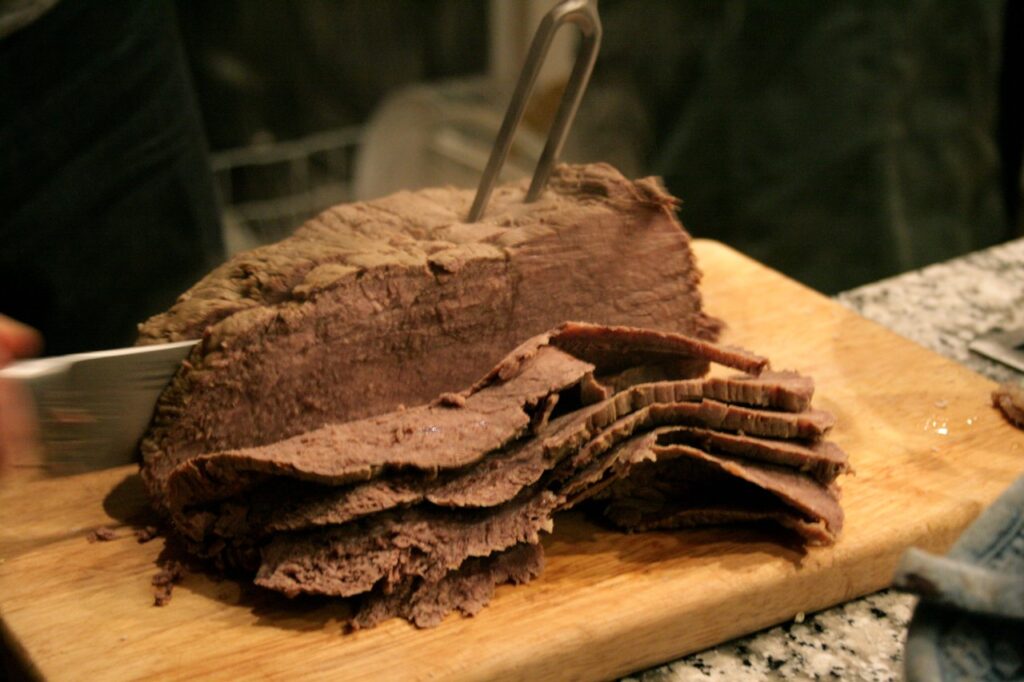
Carving stations create an impression of freshness, yet large roasts can remain exposed for extended periods during service. Each slice reveals interior meat that becomes newly exposed to air and possible contact contamination.
Although the outer crust may stay warm, inner portions can cool below safe holding temperatures if not closely monitored. Uneven heat distribution increases the likelihood of bacterial survival beneath the surface.
Repeated slicing, shared utensils, and proximity to guests add further exposure. Without careful sanitation and consistent temperature control, carved meats can become more vulnerable than they appear.
4. Potato salad
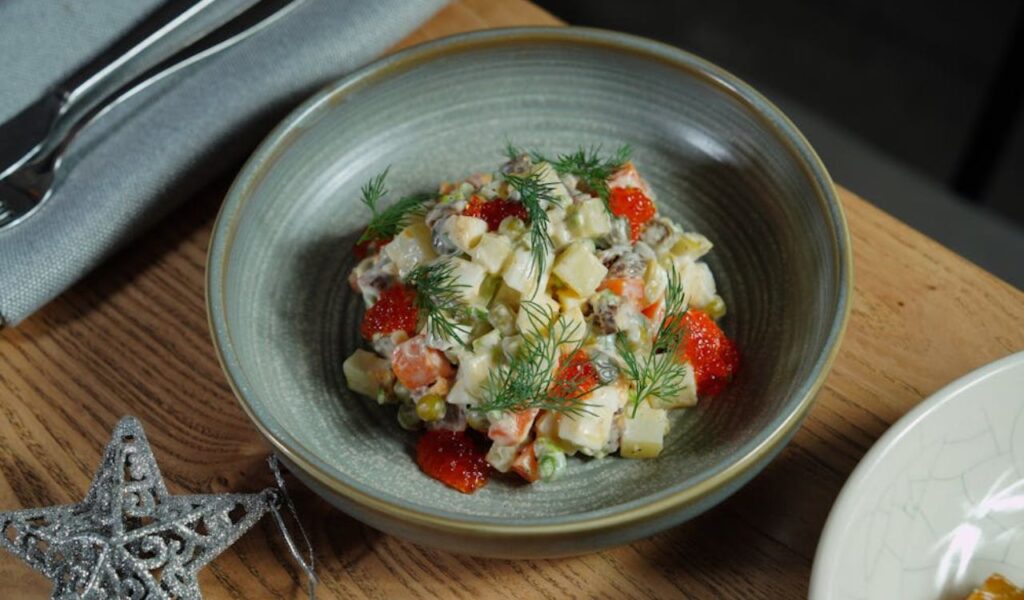
Potato salad depends heavily on refrigeration to remain safe. Ingredients such as mayonnaise, eggs, and cooked potatoes form a moist mixture that supports bacterial growth when temperatures rise beyond safe limits.
Buffets commonly display these salads over ice, yet surface layers can warm as lids are lifted and portions are served throughout the meal period. The upper layer may enter the danger zone even if the base remains chilled.
Shared serving utensils increase cross contact risk. Once contamination occurs, moderate temperatures combined with moisture allow bacteria to multiply rapidly throughout the dish.
5. Cream-based soups
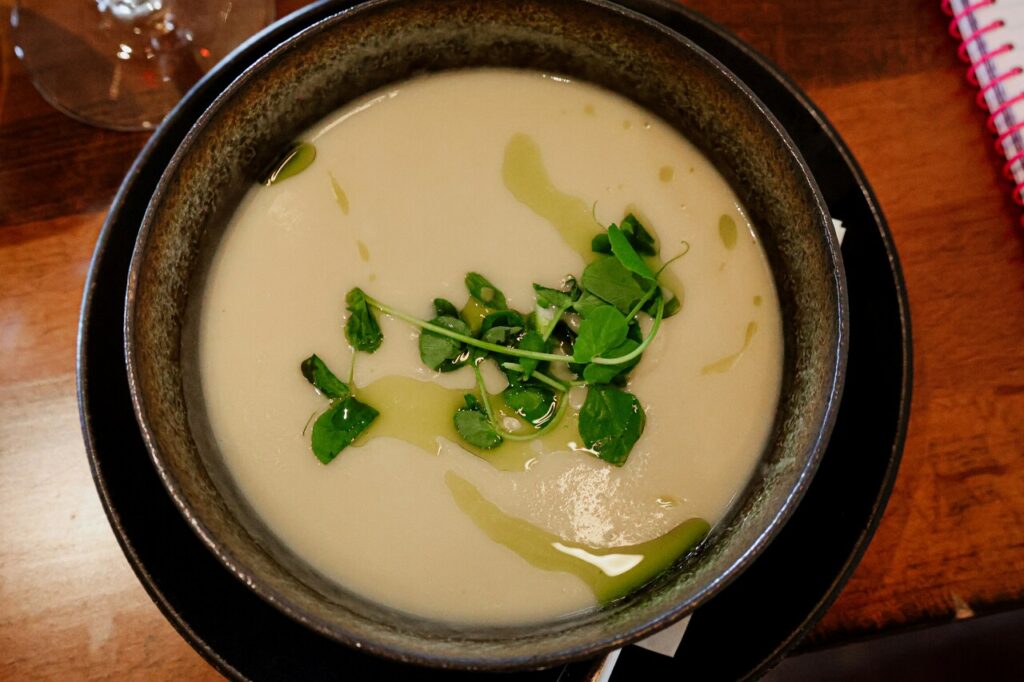
Cream based soups require steady heat to stay safe during buffet service. If steam tables fail to maintain consistent temperatures, these dairy rich dishes can slip into unsafe ranges without clear visual warning signs.
Milk and cream provide nutrients that encourage bacterial multiplication once cooling begins. Thick consistency can create cooler pockets beneath the surface even when visible steam suggests adequate warmth.
Guests often assume steam guarantees safety, but appearance can be misleading. Consistent temperature checks and thorough stirring are necessary to prevent rapid microbial growth.
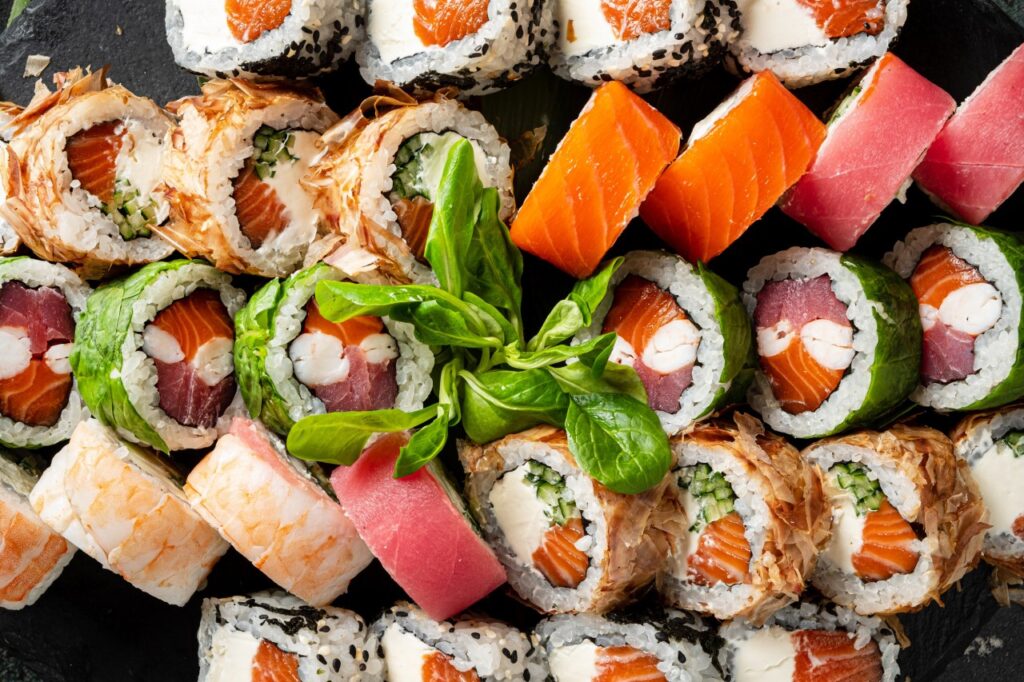
6. Sushi rolls
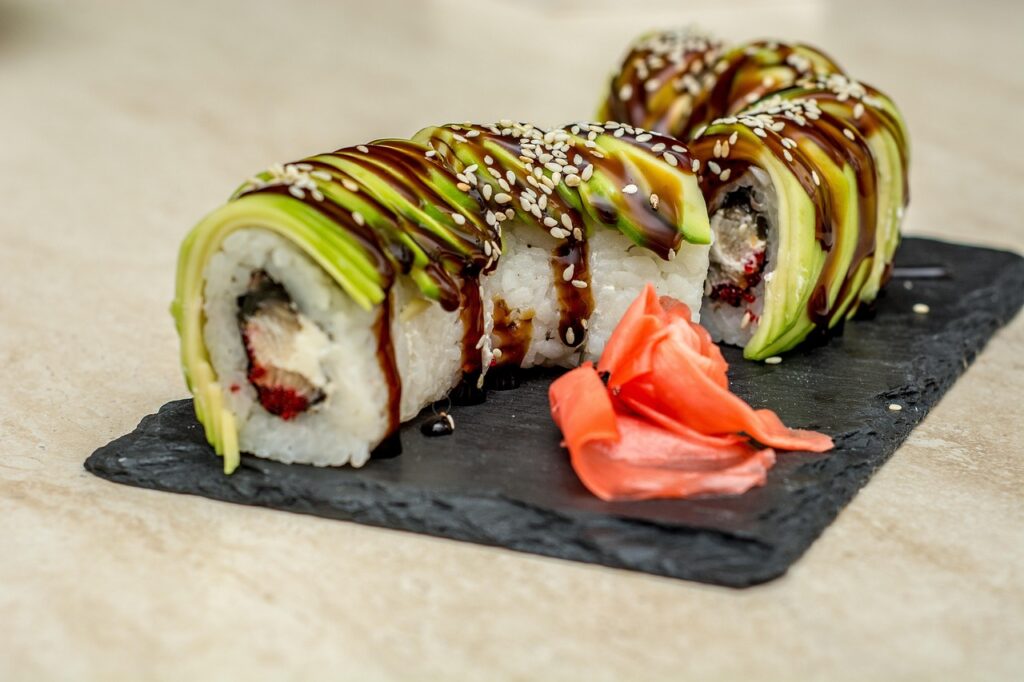
Sushi combines raw fish and seasoned rice, both of which demand careful temperature management. Fish must remain cold to limit bacterial growth, and rice must be handled precisely to reduce contamination risk.
Buffet displays can struggle to maintain steady refrigeration, particularly during high traffic periods. Repeated exposure to room temperature allows bacteria to multiply more quickly than in tightly controlled kitchen environments.
Frequent handling and shared utensils further increase cross contact concerns. Without vigilant oversight and rapid turnover, sushi on open display can become unsafe within a limited timeframe.
7. Cut fruit
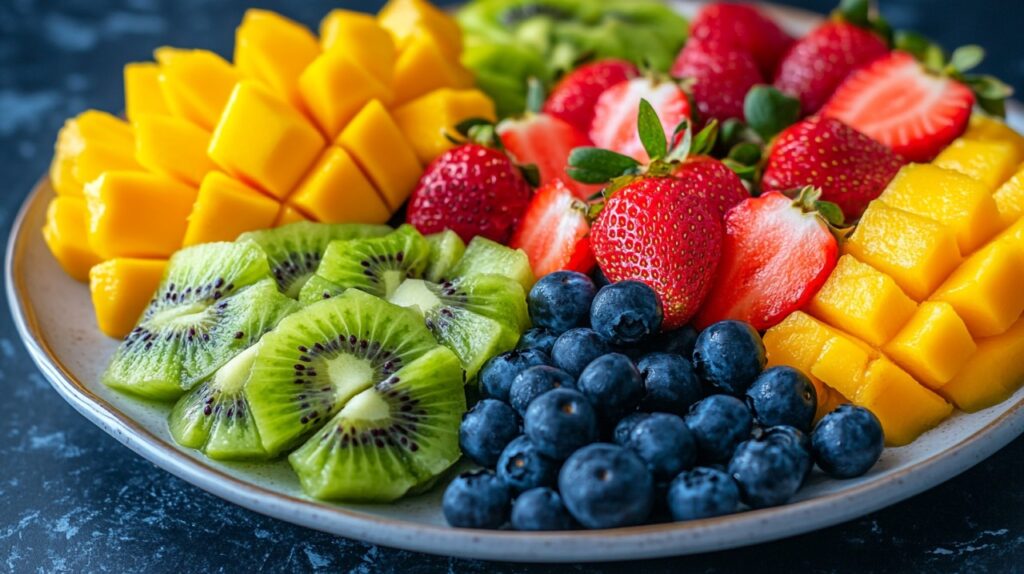
Whole fruit comes with its own natural defense system in the form of protective skin. Once sliced, that barrier disappears, exposing moist flesh rich in natural sugars that can support microbial growth under the right conditions.
At buffet tables, cut fruit may sit at room temperature or under limited chilling. As guests repeatedly lift lids and serve themselves, temperature fluctuations and shared utensils increase the potential for contamination.
Because fruit appears fresh and healthy, it is often assumed to be low risk. In reality, high moisture content and repeated exposure can create favorable conditions for bacteria if turnover and cooling are not carefully maintained.
8. Macaroni and cheese
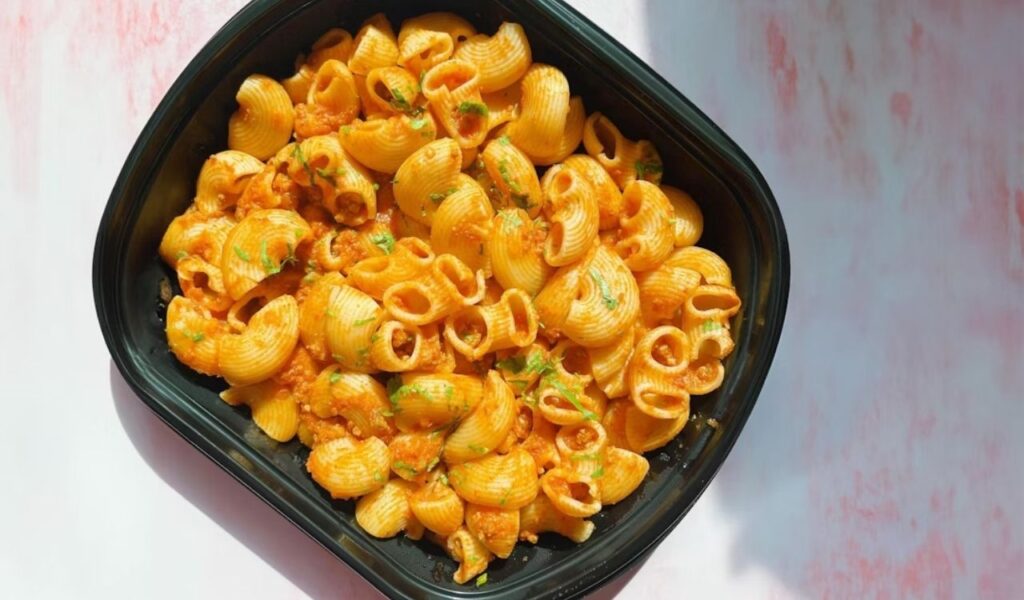
Macaroni and cheese is dense, creamy, and dairy heavy, which makes even heating essential. When held on steam tables, the outer layer may stay warm while inner portions gradually cool below recommended safe temperatures.
Milk and cheese provide nutrients that allow bacteria to grow once heat drops into the danger zone. The thick consistency makes uniform reheating and heat retention more challenging than with thinner foods.
If the tray is not stirred consistently, cooler pockets can form within the dish. Without strict hot holding and attentive monitoring, this comfort food can quietly become a food safety concern.
9. Seafood salad
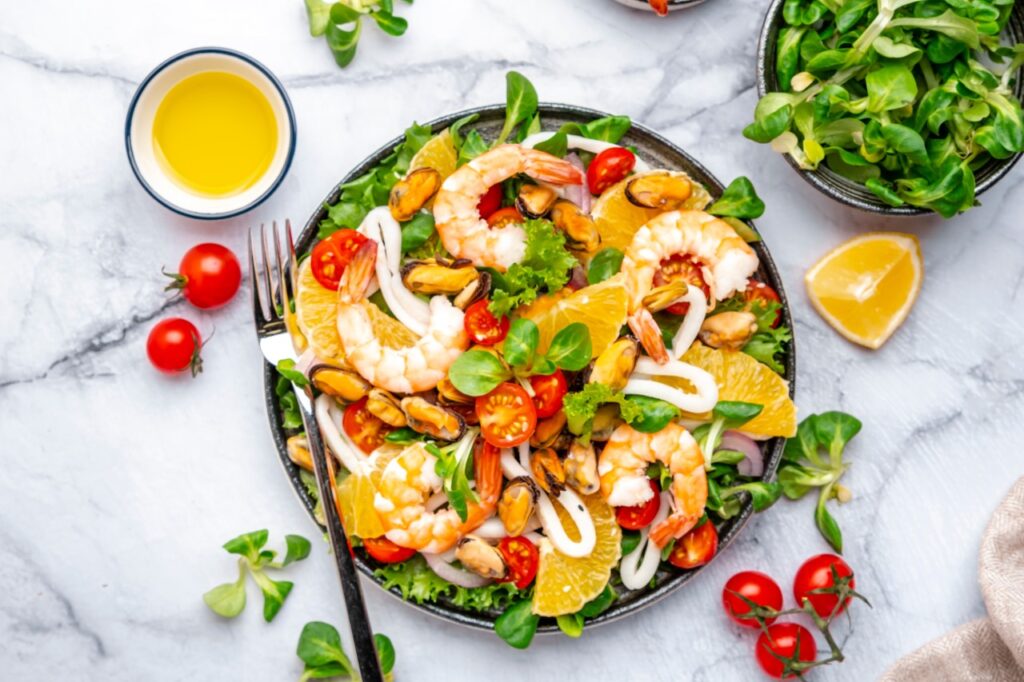
Seafood salad combines cooked shellfish with creamy dressing, creating a mixture that must remain properly chilled at all times. Shellfish are highly sensitive to temperature changes and can spoil quickly if cold storage is interrupted.
On buffet lines, the salad is often displayed over ice. However, the upper portion can warm as lids are lifted and servings are taken, allowing temperatures to rise into unsafe ranges.
Shared serving utensils further increase cross contact risk. Without vigilant refrigeration and rapid turnover, seafood salad can become one of the more vulnerable dishes on the buffet table.