8 Secret Grandma Recipes That Actually Came From a Package

Many beloved dishes remembered as secret family recipes did not begin in home kitchens at all but on the backs of food packages and in brand recipe booklets. Convenience products introduced in the mid twentieth century helped busy families cook faster, and small tweaks slowly transformed packaged instructions into treasured traditions. Over time, these recipes felt personal, even though millions of households cooked the same dishes. The story reveals how packaged foods quietly shaped what families now call homemade classic
1. Jell-O Fruit Salad Came Straight From the Box

Colorful gelatin salads often appear in family gatherings as treasured recipes passed down through generations. Many grandmothers prepared molded salads filled with fruit, whipped topping, or marshmallows, presenting them as festive dishes unique to their household traditions.
Food companies promoted molded salads as modern convenience cooking, encouraging families to experiment with canned fruit and creamy additions while still relying on boxed gelatin as the base.
Over time, families personalized these dishes slightly, adding favorite fruits or textures, which helped them feel homemade. Yet the foundation remained unchanged. What became known as a cherished family specialty often began as a simple packaged recipe shared across millions of kitchens.
2. Green Bean Casserole Started as a Marketing Recipe
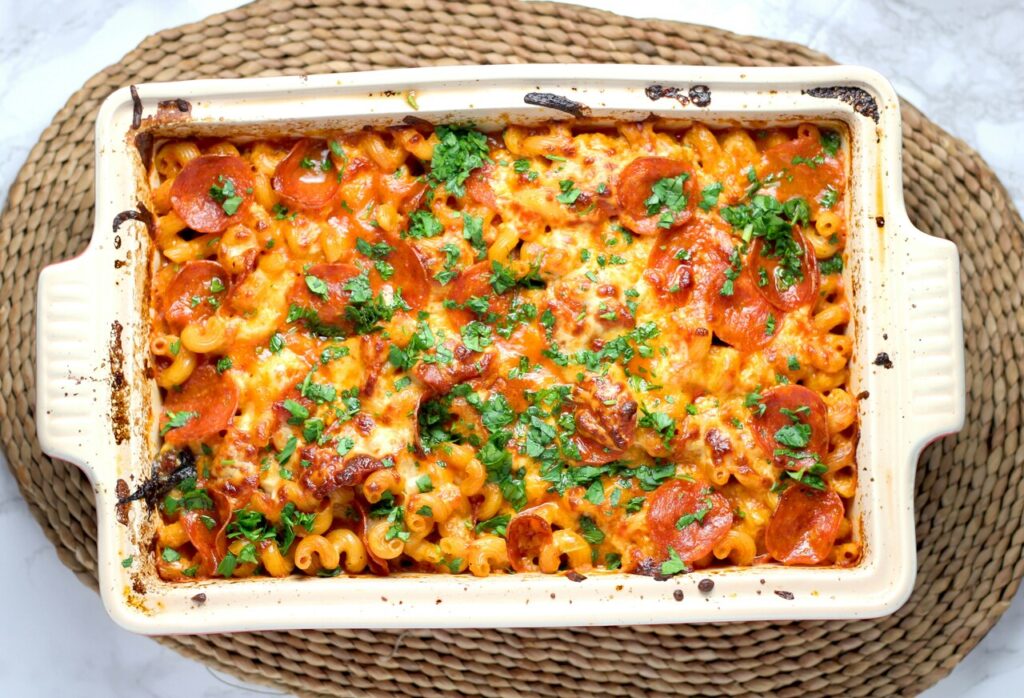
Green bean casserole feels inseparable from holiday tables, often credited to family cooks who perfected comforting vegetable sides for gatherings. Creamy texture and crispy onion topping became symbols of traditional holiday cooking in many homes.
However, this iconic dish began as a promotional recipe created to showcase canned soup and fried onion products. Companies encouraged home cooks to combine canned green beans with soup and packaged toppings to create easy.
Families embraced the convenience and gradually considered the dish part of personal traditions. Even though slight variations appeared over time, the essential ingredients remained tied to packaged foods.
3. Dump Cake Built on Boxed Cake Mix
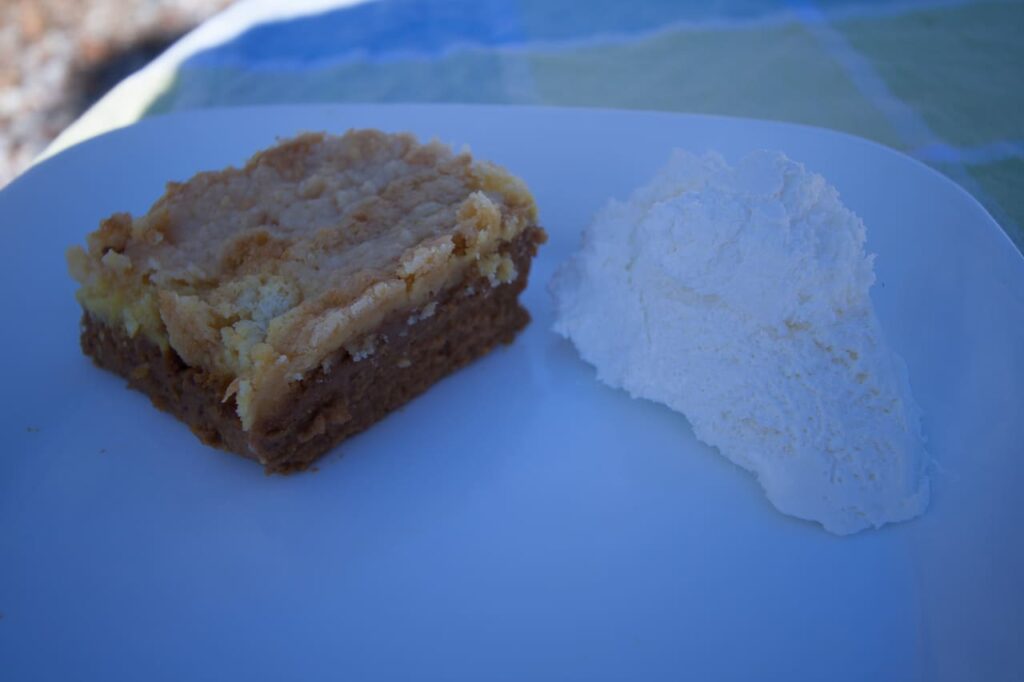
Dump cake gained popularity because it required minimal effort while delivering satisfying sweetness. Home cooks layered canned fruit fillings with boxed cake mix and butter, producing desserts that looked homemade despite relying almost entirely on packaged components.
The simplicity made dump cake attractive for busy households, allowing cooks to produce desserts quickly without measuring flour or sugar. Over time, families experimented with flavors and toppings.
Despite becoming known as a treasured family recipe, its structure remained rooted in convenience ingredients. Many guests enjoyed these desserts unaware that what seemed like homemade baking relied heavily on boxed mixes and canned fruit shortcuts.
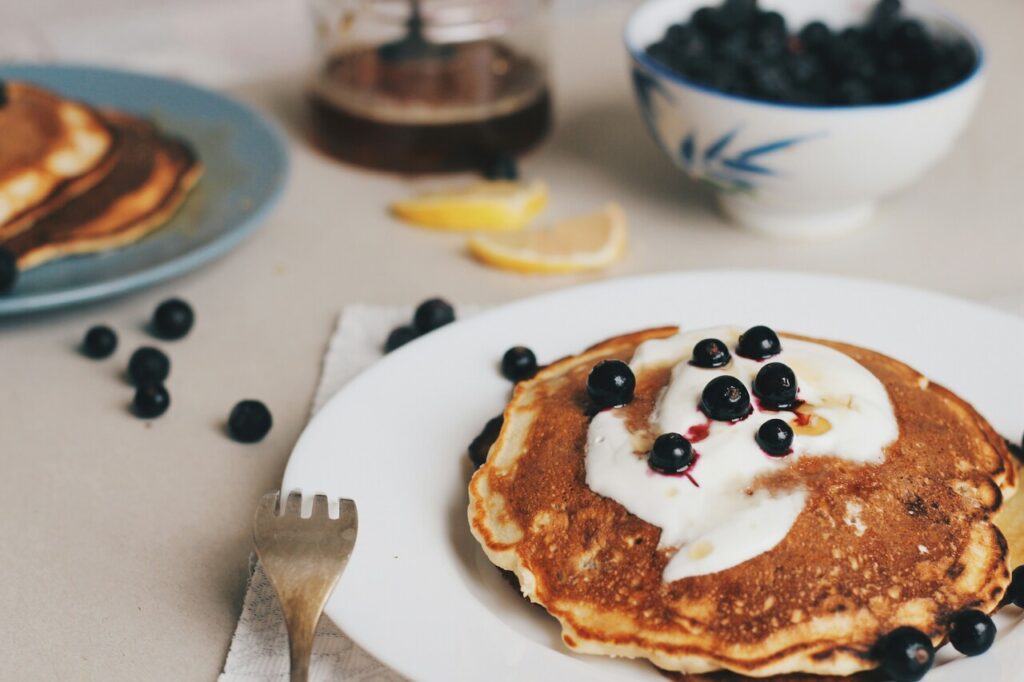
4. Bisquick Pancakes Became Family Traditions
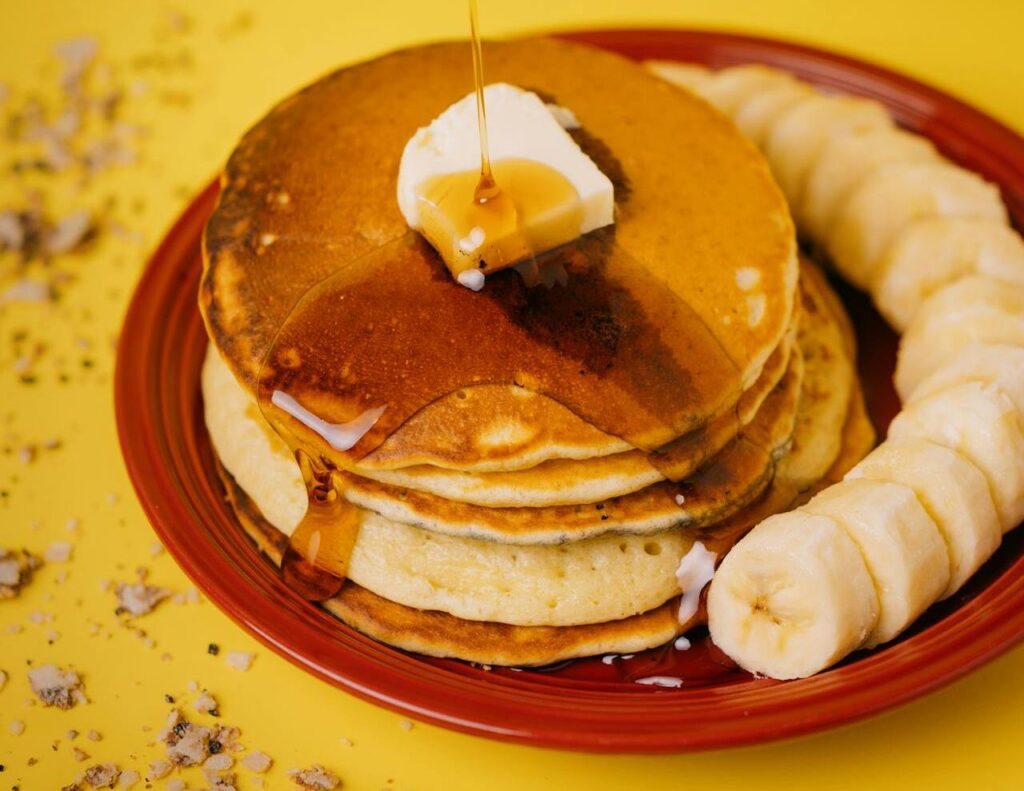
Pancakes and biscuits frequently appear in family recipe collections attributed to grandparents who supposedly perfected breakfast recipes over decades. Many households proudly guard what they believe to be special formulas passed through generations.
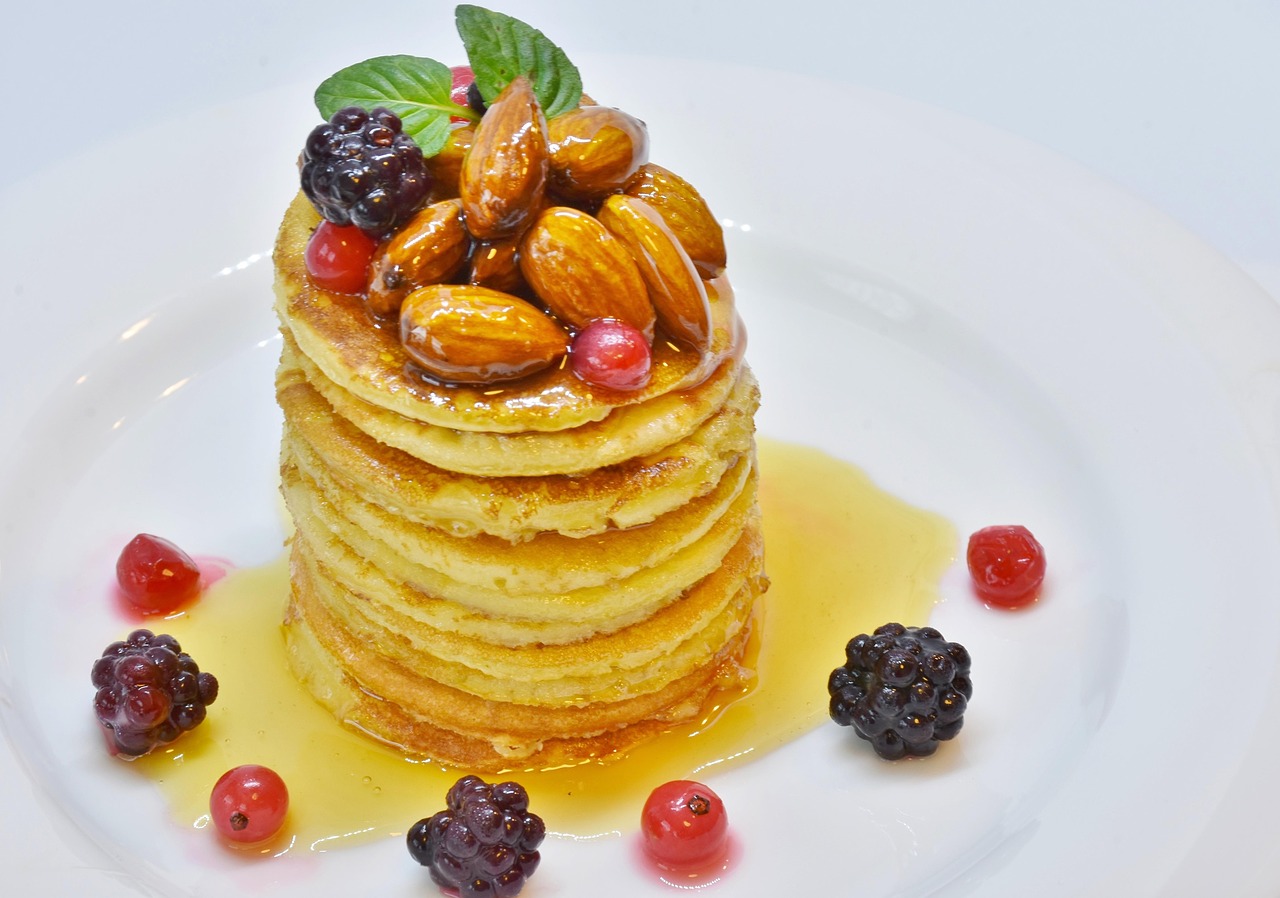
In truth, numerous family pancake or biscuit recipes originated from Bisquick packaging instructions. Introduced as a time-saving baking mix, Bisquick simplified cooking by combining flour, leavening, and fat in one box, allowing cooks to add only liquid ingredients.
Families sometimes added vanilla, sugar, or fruit, gradually claiming these dishes as unique. Yet the foundation stayed unchanged. What felt like inherited cooking wisdom often began as a standardized mix promoted for convenience in busy mid-century kitchens.
5. Brownie Mix Cookies Became Homemade Favorites
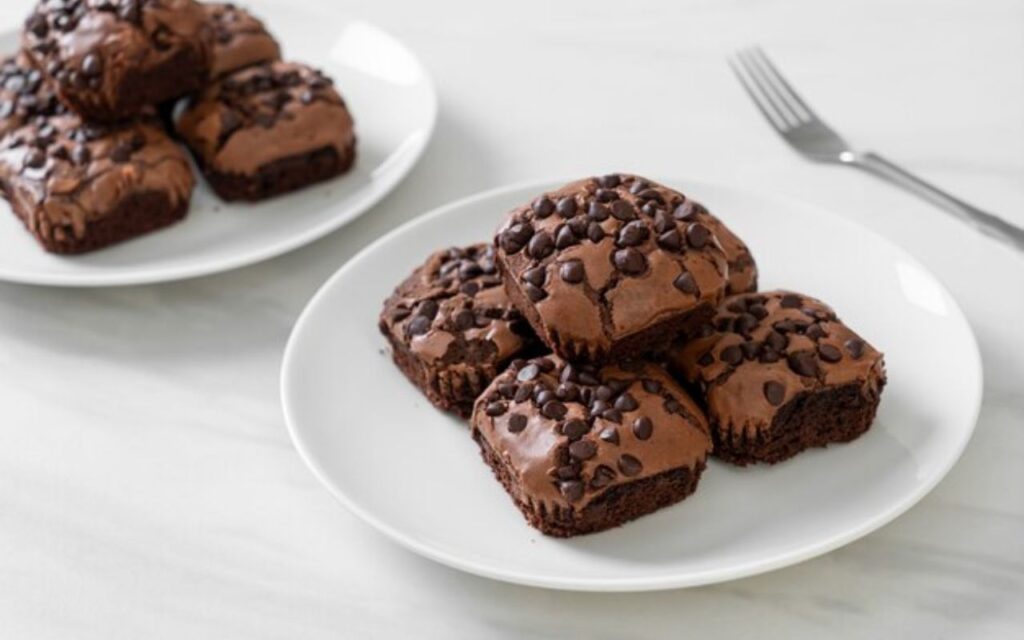
Brownies have long been staples of home baking, but many cookie or dessert bar variations credited to family creativity actually stem from boxed brownie mix experiments. Cooks discovered mixes could produce cookies or layered desserts with minor ingredient adjustments.
Boxed brownie mixes simplified baking, ensuring consistent texture and sweetness without requiring extensive measuring or baking expertise. Families often added nuts, frosting, or candies, making desserts feel distinctive and personalized.
Over time, these adaptations gained reputation as cherished homemade recipes. Guests enjoying them rarely realized the base formula relied on commercial mixes, demonstrating how packaged convenience foods quietly shaped family dessert traditions.
6. Instant Pudding Desserts Look Homemade
Layered pudding desserts filled with whipped topping, crushed cookies, or cream cheese mixtures appear frequently in potlucks and family gatherings. Many households present these dishes as long-standing homemade specialties.
Yet most versions rely on instant pudding mixes that became popular for quick preparation and reliable flavor. Packaging instructions encouraged cooks to combine pudding with cookies or whipped toppings to create visually appealing layered desserts.
Families added their own touches, sometimes changing flavors or toppings, which helped dishes feel unique. However, the central ingredient remained boxed pudding, showing how convenience products often served as foundations for recipes later remembered as entirely homemade creations.
7. Onion Soup Mix Meatloaf Became a Family Staple

Meatloaf holds deep nostalgic value, often associated with comforting dinners prepared by grandparents. Many families claim secret seasoning blends that supposedly define their household version of the dish.
However, countless meatloaf recipes rely heavily on packaged onion soup mix, originally marketed as a convenient flavor booster. The mix provided consistent seasoning without requiring fresh onions or spice blending.
Because families tweaked proportions or added sauces, recipes slowly felt personalized. Still, the recognizable savory flavor often came directly from soup mix instructions, revealing how packaged seasonings quietly became central to many cherished meatloaf traditions.
8. Crescent Roll Casseroles Came From Refrigerated Dough

Crescent roll dough became popular because it allowed home cooks to produce pastries and casseroles quickly without preparing dough from scratch. Many family recipes now celebrated as creative inventions rely on these refrigerated products.
Manufacturers promoted recipes for both savory and sweet casseroles using packaged dough as a shortcut. Cooks combined meats, cheeses, or fruit fillings with crescent rolls, creating dishes that appeared homemade yet depended on ready-made pastry.
Over time, families personalized fillings and presentation, giving recipes unique identities. Nevertheless, the defining component remained packaged dough, illustrating how convenience products helped shape many recipes now remembered as treasured homemade specialties.