How Luxury Chocolate Became a Status Symbol With a Steep Markup

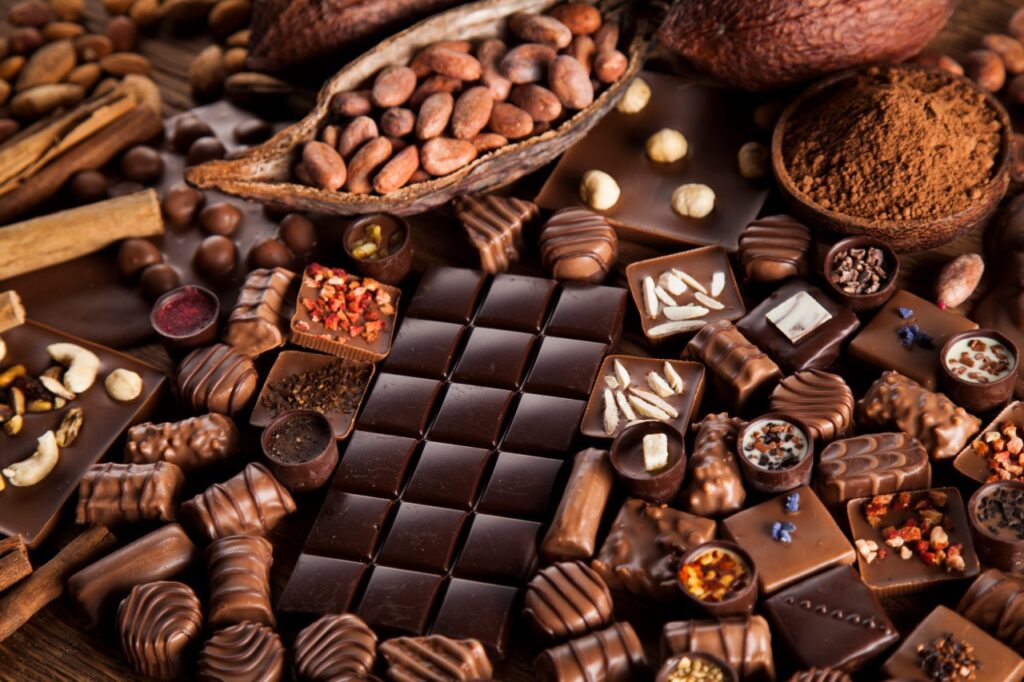
Chocolate has always been a source of comfort, but in recent years it has stepped into a far more glamorous spotlight. Sleek wrappers, detailed origin stories, and carefully crafted tasting notes now frame what was once a simple grocery aisle treat. Walk into a boutique chocolatier, and you are greeted by glass displays, curated assortments, and pricing that rivals premium wine. This shift did not happen by accident. As consumers began placing greater value on craftsmanship, transparency, and sourcing, chocolate followed the path carved by specialty coffee and fine spirits, gradually transforming from an everyday indulgence into a refined symbol of taste and cultural awareness.
Yet behind the polished packaging and elevated price tags lies a layered mix of economics and psychology that shapes how luxury chocolate is perceived. Limited harvest cacao beans, small-batch roasting, extended conching, and direct trade sourcing all raise production costs. At the same time, branding, storytelling, and presentation amplify perceived value far beyond raw ingredients alone. Luxury chocolate today is not sold solely on sweetness or cocoa percentage; it represents lifestyle, intention, and discernment. Understanding how cocoa shifted from commodity to curated experience helps explain why certain bars carry steep markups and why many consumers are willing to pay them.
The Rise of Luxury Chocolate
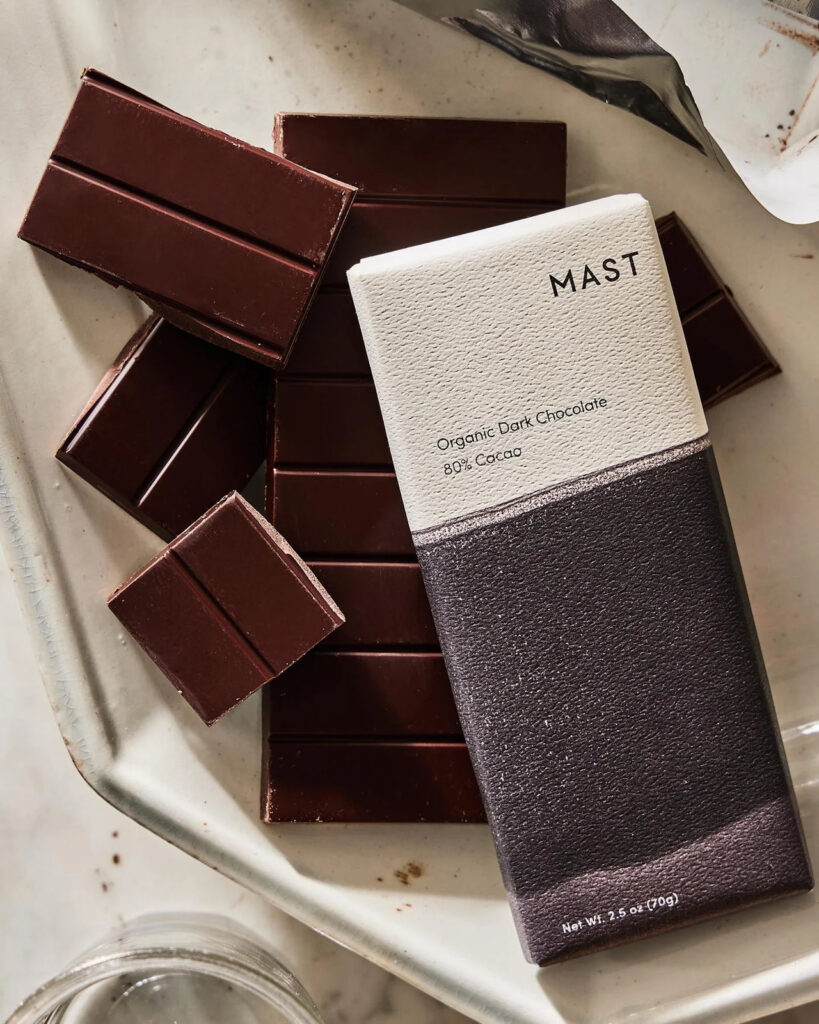
Chocolate was once a simple indulgence, sold in grocery aisles and enjoyed without ceremony or expectation beyond sweetness. Over the past two decades, it has moved into the realm of luxury goods. Specialty makers began highlighting origin-specific cacao beans, controlled fermentation, and small-batch roasting to draw out nuanced flavors. As consumers grew more curious about where their food came from, chocolate followed the path of wine and coffee, where terroir, climate, and bean variety became central to the narrative. Limited harvests from regions such as Ecuador, Madagascar, and Venezuela were presented as rare expressions of place rather than interchangeable ingredients.
This transformation unfolded alongside a broader appetite for premium, story-driven products. As disposable incomes rose in certain global markets, shoppers increasingly sought items that reflected discernment and cultural awareness. Elegant packaging, higher cacao percentages, and detailed tasting notes repositioned chocolate as something to evaluate and discuss rather than casually consume. Retail environments reinforced this shift, presenting bars in boutique settings that echoed fine wine shops. What had long been an everyday comfort slowly became a curated experience, meant to be savored, gifted, and even displayed, firmly establishing chocolate within the luxury marketplace.
The Psychology Behind Premium Pricing
Price quietly shapes perception long before a single bite is taken. Behavioral research shows that consumers routinely equate higher prices with higher quality, even when objective differences are small. In luxury chocolate, this effect is especially strong. When a bar costs several times more than a supermarket alternative, buyers often assume the cacao is rarer, the fermentation more precise, or the roasting more carefully controlled. The price itself becomes a signal, suggesting craftsmanship, ethical sourcing, and superior flavor complexity. Shoppers use cost as a shortcut to judge value, and premium brands understand how powerful that signal can be.
Scarcity strengthens that perception even further. Limited harvest claims, single-origin designations, seasonal releases, and numbered batches create a sense of exclusivity that encourages quicker purchasing decisions. Psychological studies show that products framed as rare or available briefly are seen as more desirable. When premium pricing is combined with storytelling about farmers, microclimates, and careful conching methods, the chocolate feels elevated beyond a simple treat. Over time, this creates a feedback loop where higher cost reinforces prestige, and prestige supports the higher cost, turning chocolate into a marker of refinement rather than indulgence.
How Branding Transformed Cocoa Into Couture
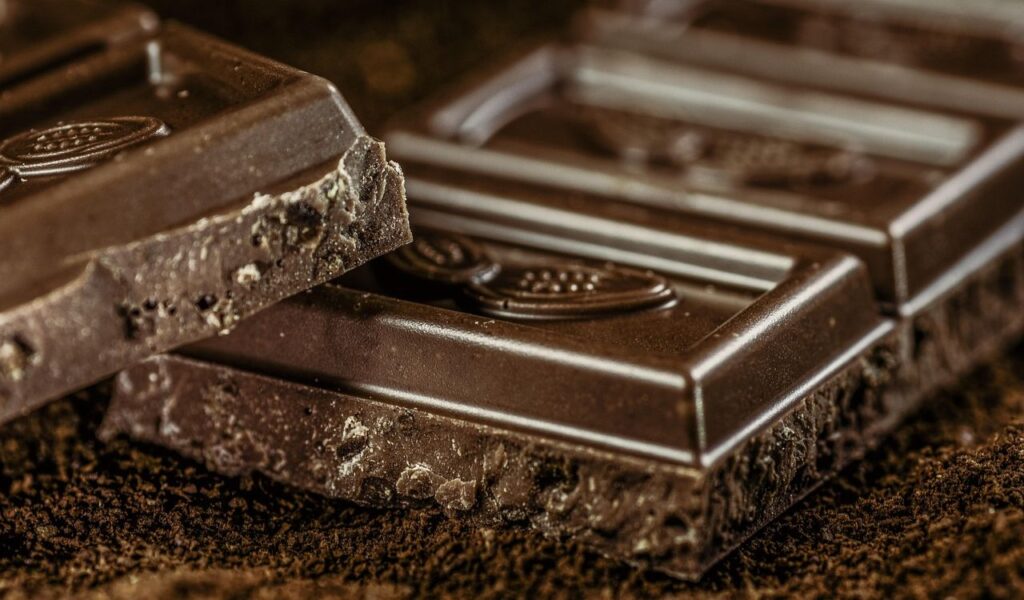
Luxury chocolate brands know that perception often begins before the first piece is tasted. Presentation plays a decisive role in shaping expectations. Minimalist layouts, embossed lettering, thick textured paper, and carefully chosen color palettes signal refinement the moment a customer picks up the bar. Some companies collaborate with designers to create packaging that feels closer to gallery merchandise than grocery stock. Rigid boxes and foil stamping add tactile weight, reinforcing exclusivity. These aesthetic decisions are deliberate; premium materials and boutique displays increase production costs and contribute directly to higher retail pricing.
Beyond visuals, carefully constructed brand narratives deepen the transformation of cocoa into a lifestyle product. Many luxury chocolate makers highlight direct trade partnerships and sustainable agricultural practices to frame their bars as elevated choices. Stories about single estates and artisan conching techniques are woven into marketing copy to emphasize craftsmanship. By linking chocolate with artistry and cultural sophistication, brands position it alongside specialty coffee and fine wine. The purchase becomes more than a sweet indulgence; it reflects personal values and a curated sense of identity beyond flavor alone.
The Economics of Small-Batch Production
Small batch production sounds romantic, but it carries measurable financial realities. Craft chocolate makers typically source high-quality cacao beans in limited quantities, often paying well above global commodity prices to secure specific farms or harvest lots. Because they operate on a smaller scale, they cannot spread fixed costs across millions of units the way industrial manufacturers can. Equipment investments, skilled labor, rent, utilities, and quality testing are divided among far fewer bars, raising the cost per unit. Even packaging becomes more expensive when ordered in smaller print runs, adding to the overall production expense.
Time further increases the economic pressure. Small producers may oversee controlled fermentation, slow roasting, and extended conching to refine texture and flavor, processes that demand energy, monitoring, and expertise. These methods genuinely improve complexity, but they also limit output and tie up machinery for longer periods. Distribution adds another layer, as boutique brands often rely on specialty retailers with higher margins. While elevated production standards justify part of the price, the final retail tag frequently includes additional markup tied to branding, positioning, and the expectations of the luxury marketplace.
When Craft Chocolate Becomes a Status Symbol
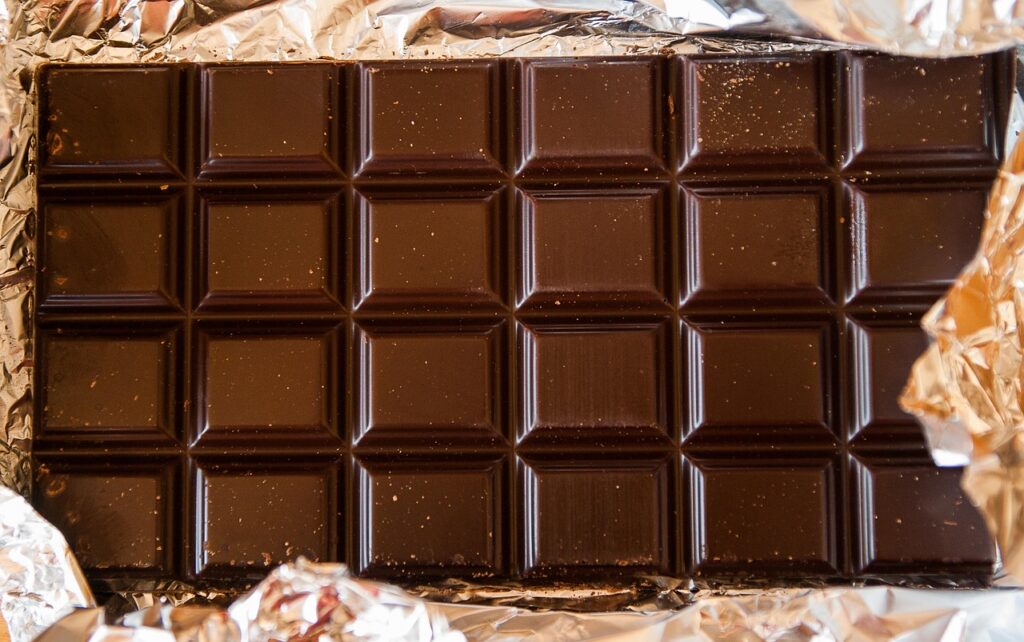
Status symbols rely on visibility, storytelling, and the ability to signal discernment without explanation. Luxury chocolate fits seamlessly into that framework. Sharing a rare single-origin bar on social media, gifting an elegantly boxed assortment, or discussing cacao percentages at a dinner party communicates awareness of specialty food culture. The product becomes more than a sweet treat; it serves as proof of refined taste and access to curated experiences. In a marketplace where identity is often expressed through consumption, premium chocolate functions as a subtle but recognizable badge of sophistication.
Retail settings amplify this transformation. Boutique chocolate shops resemble galleries, with carefully spaced displays and guided tastings alongside wine or craft spirits. Staff members often explain origin details and flavor notes, reinforcing the idea that expertise enhances appreciation. As prices rise, exclusivity increases, and ownership itself becomes part of the satisfaction. While many premium chocolates offer higher-quality ingredients and thoughtful production, the final markup frequently reflects branding and perception. In the luxury tier, chocolate is not merely consumed; it is curated, discussed, and showcased.