10 Menu Buzzwords That Hide Smaller Portions

Menus are carefully written documents. Every adjective, every descriptor, and every flourish of language is chosen with purpose. What looks like simple creativity is often strategic framing.
Words such as petite, curated, or elevated can shape expectations before the food even reaches the table. They guide how diners perceive value, portion size, and sophistication without ever mentioning ounces or grams.
This list explores the menu buzzwords that subtly signal smaller portions while preserving a sense of refinement. Once you notice the language, you may begin reading menus with a sharper, more informed eye.
1. Petite
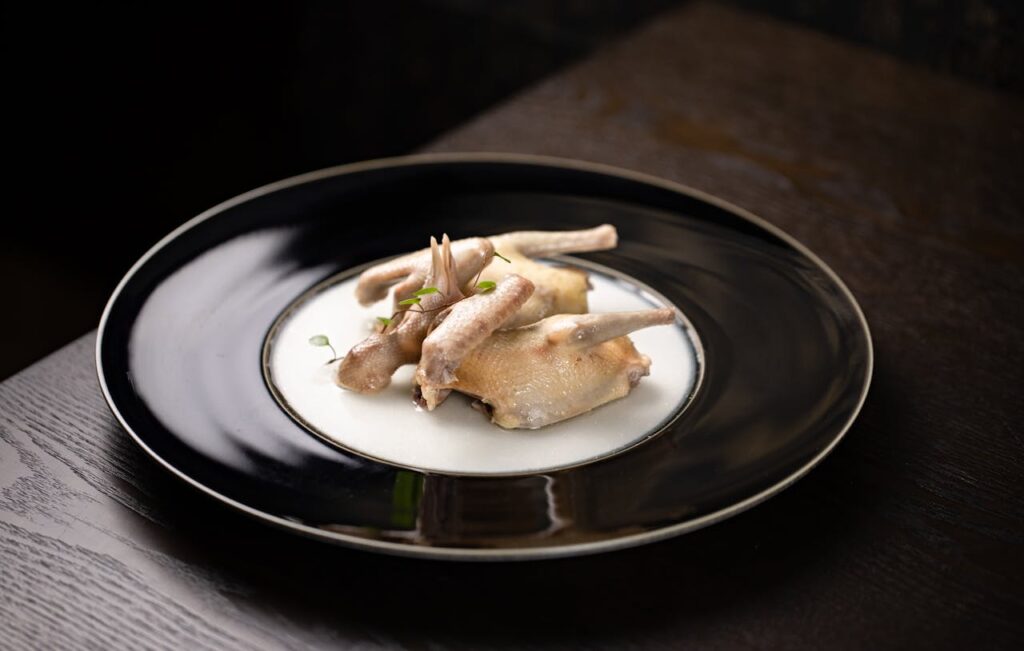
At first glance, petite feels charming. The word suggests elegance, refinement, and intentional restraint. On a dessert or entrée description, it can sound thoughtful rather than limiting.
In practice, petite often signals a smaller portion size than standard. Instead of stating ounces or gram weight, the menu relies on tone. Guests are encouraged to associate the size with delicacy and balance rather than reduction. This framing softens expectations before the plate arrives.
Pricing does not always shrink proportionally with the portion. By presenting less food as stylish and curated, restaurants protect margins while maintaining an upscale impression. The language shifts attention from quantity to aesthetics.
2. Artisan Cut

Artisan cut immediately suggests craftsmanship. The phrase implies a chef has carefully trimmed and shaped the ingredient by hand, emphasizing skill and intention rather than mass production. It positions the dish as thoughtful and precise before it even reaches the table.
In practice, an artisan cut can accompany a smaller or thinner portion. A steak trimmed more tightly or sliced slimmer may appear refined, yet the total weight can be less than a standard serving. The presentation feels deliberate, even when the volume is modest.
The language shifts attention from ounces to artistry. Diners focus on perceived quality and technique instead of size. By highlighting craft, the menu reframes reduction as refinement.
3. Tasting Portion
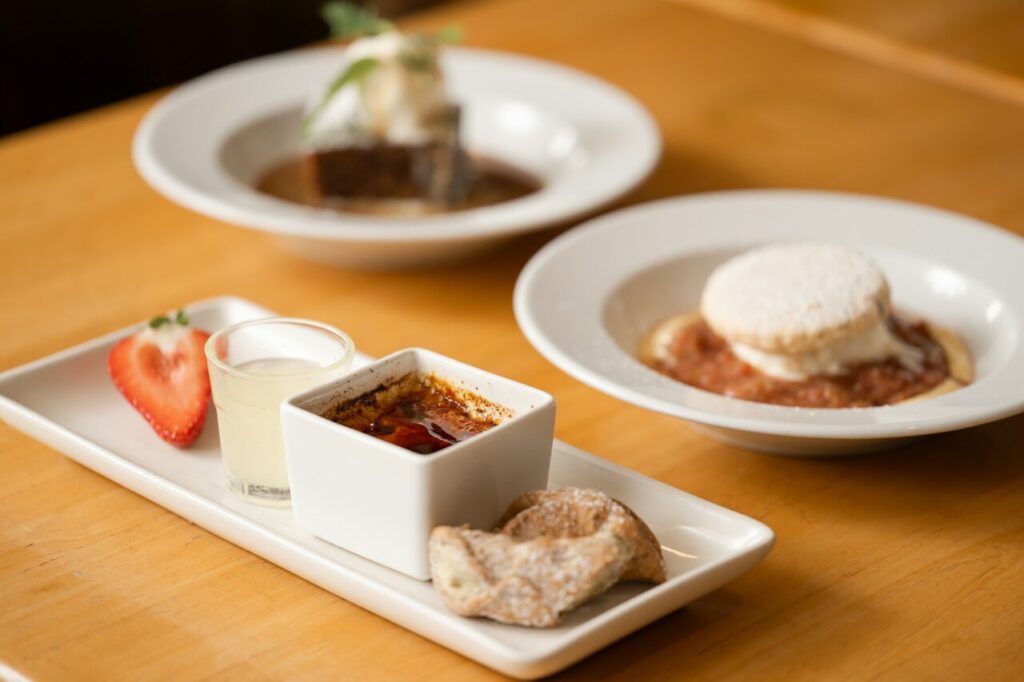
Few phrases feel as refined as tasting portion. It immediately brings to mind multi-course menus where smaller plates are part of a deliberate progression. In that setting, limited size feels intentional and even desirable, because another course is expected to follow.
Outside of a true tasting menu, the wording can reshape expectations. A dish labeled as a tasting portion may be closer in price to a full entrée while offering noticeably less food. The language emphasizes experience over volume.
Diners associate tasting with balance and culinary exploration. That positive framing reduces focus on quantity. The smaller serving feels curated and thoughtful, even when it stands alone on the table.
4. Lightly Composed
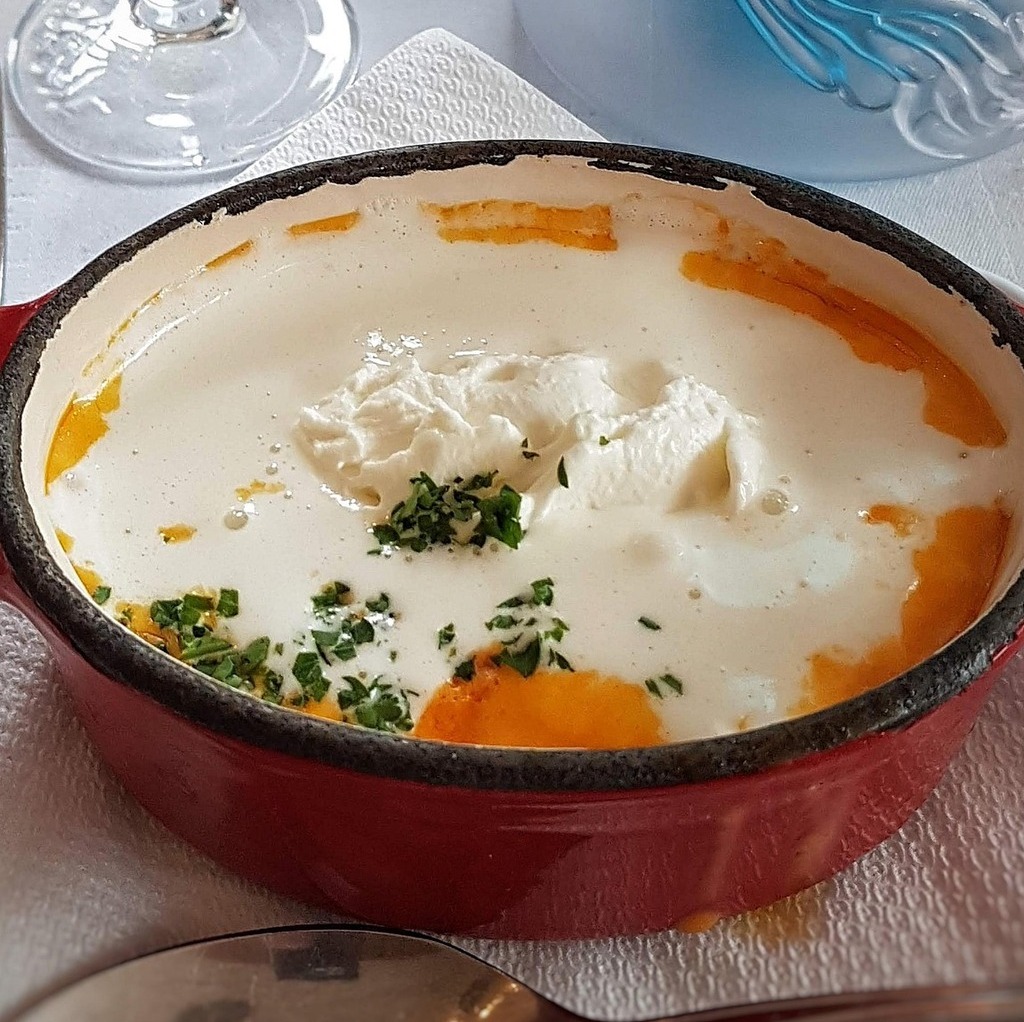
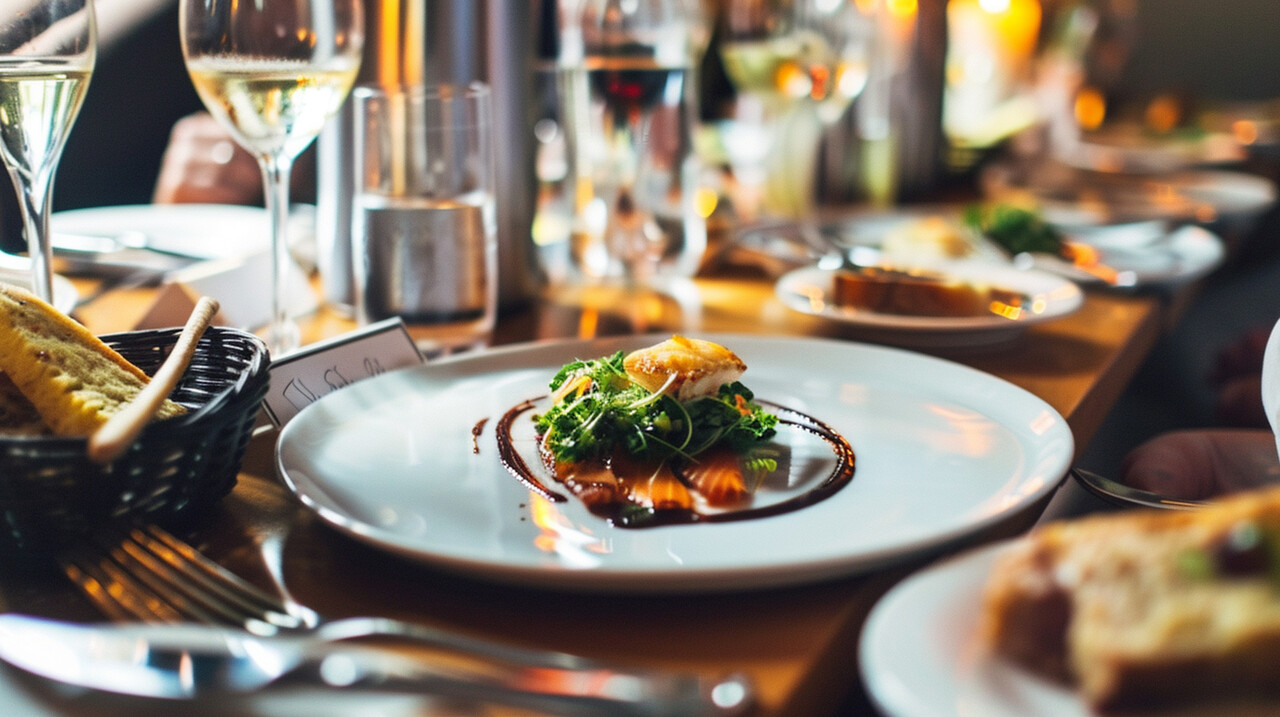
Lightly composed sounds thoughtful and artistic. It suggests that every element on the plate has been placed with care and intention. The phrase prepares diners to expect refinement rather than abundance.
In reality, this wording often accompanies minimalist plating. Fewer ingredients are arranged with space between them, creating a clean and modern look. The plate may appear elegant, but the portion itself can be modest.
By focusing on composition, the menu shifts attention away from quantity. Diners notice presentation and detail instead of how much food is served. The smaller portion feels deliberate rather than reduced.
5. Bistro Style
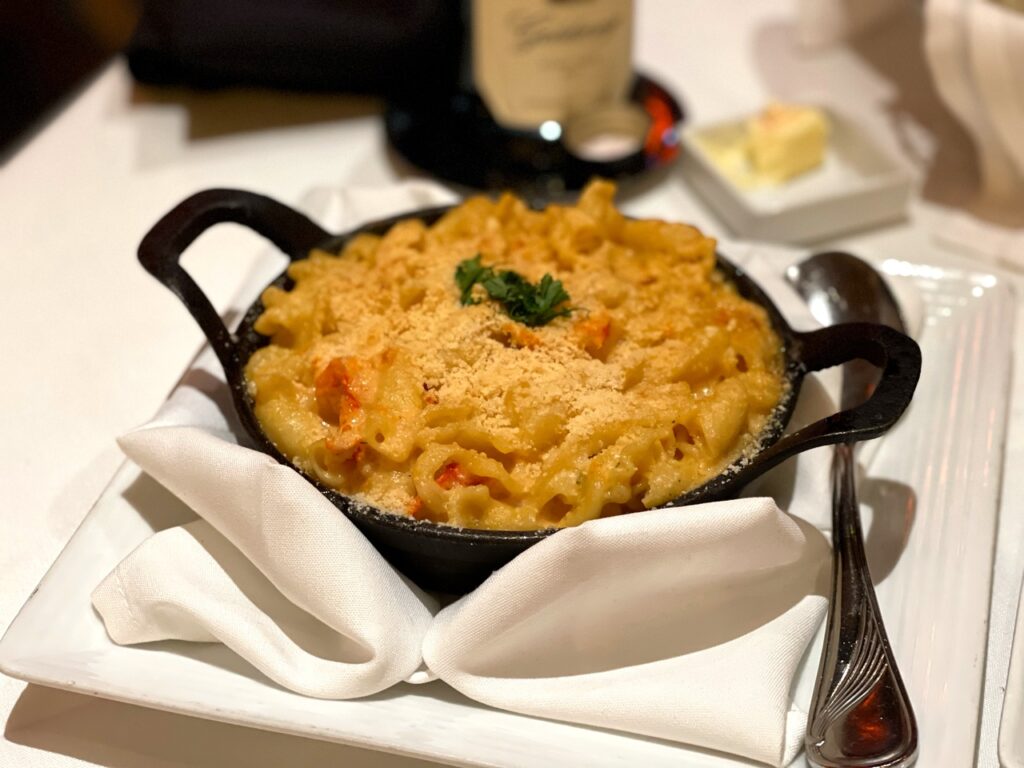
Bistro style instantly evokes cozy European cafés, chalkboard menus, and simple comfort dishes served without excess. The phrase signals authenticity and tradition, suggesting that the portion follows classic standards rather than modern abundance.
In practice, bistro style often means a more restrained serving. Compared with contemporary restaurant portions, the plate may look smaller and more compact. However, the wording frames that scale as intentional and culturally accurate rather than reduced.
Instead of measuring quantity, diners focus on atmosphere and heritage. The language redirects attention toward charm and tradition, making a learner portion feel appropriate and thoughtfully aligned with the concept.
6. Flight
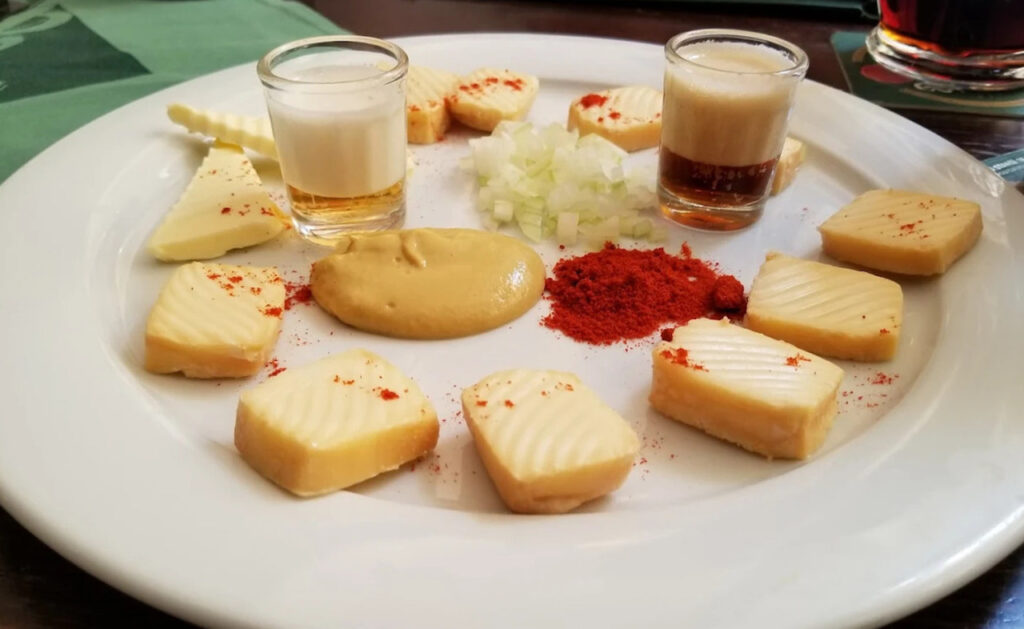
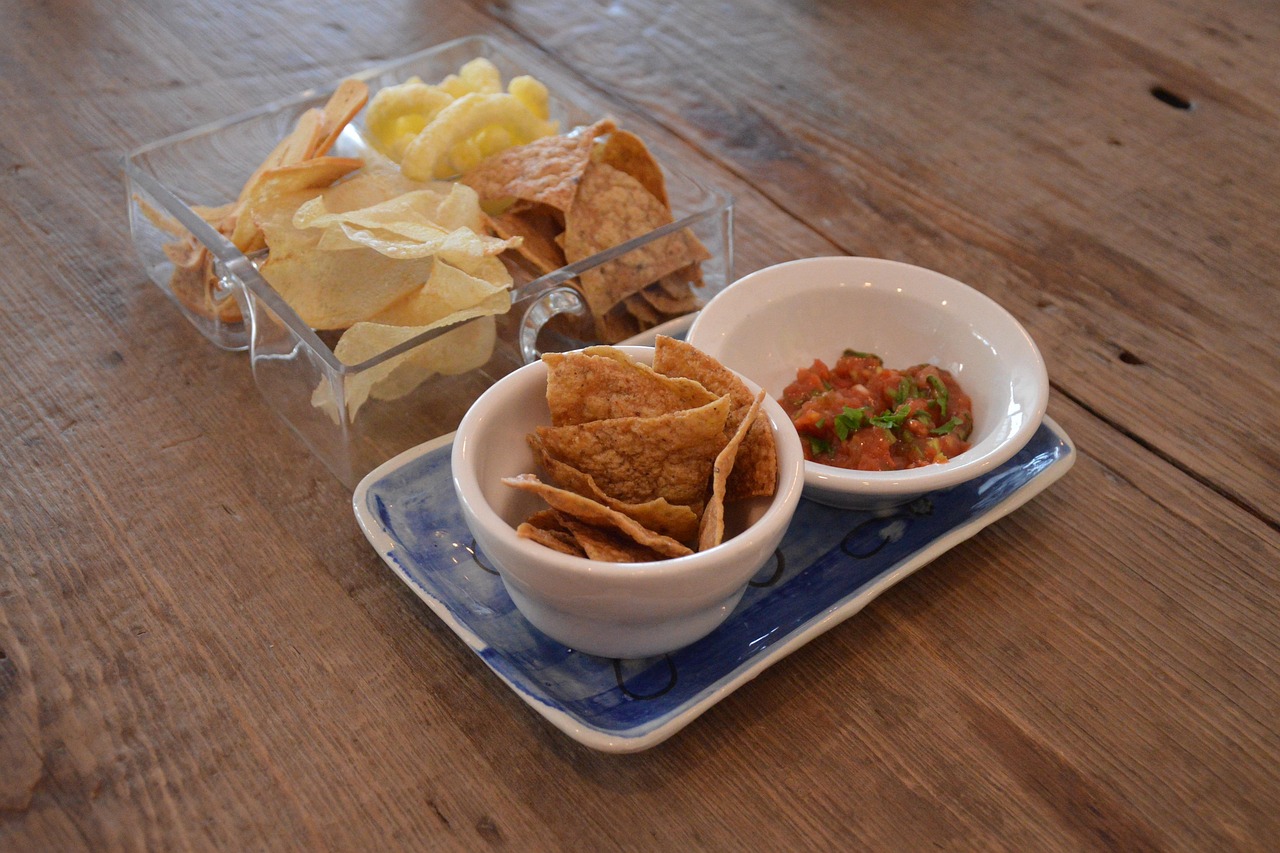
A flight suggests variety, comparison, and discovery. Whether wine, desserts, or appetizers, the format replaces one full portion with several smaller samples arranged together on a single board or tray.
Individually, each serving is modest. Yet seeing multiple items at once creates a sense of generosity and abundance. The presentation feels expansive, even when the combined volume equals less than a standard entrée.
The emphasis shifts to experience rather than size. Diners concentrate on tasting differences and exploring options, which naturally draws attention away from how much food is actually being served.
7. Curated Selection
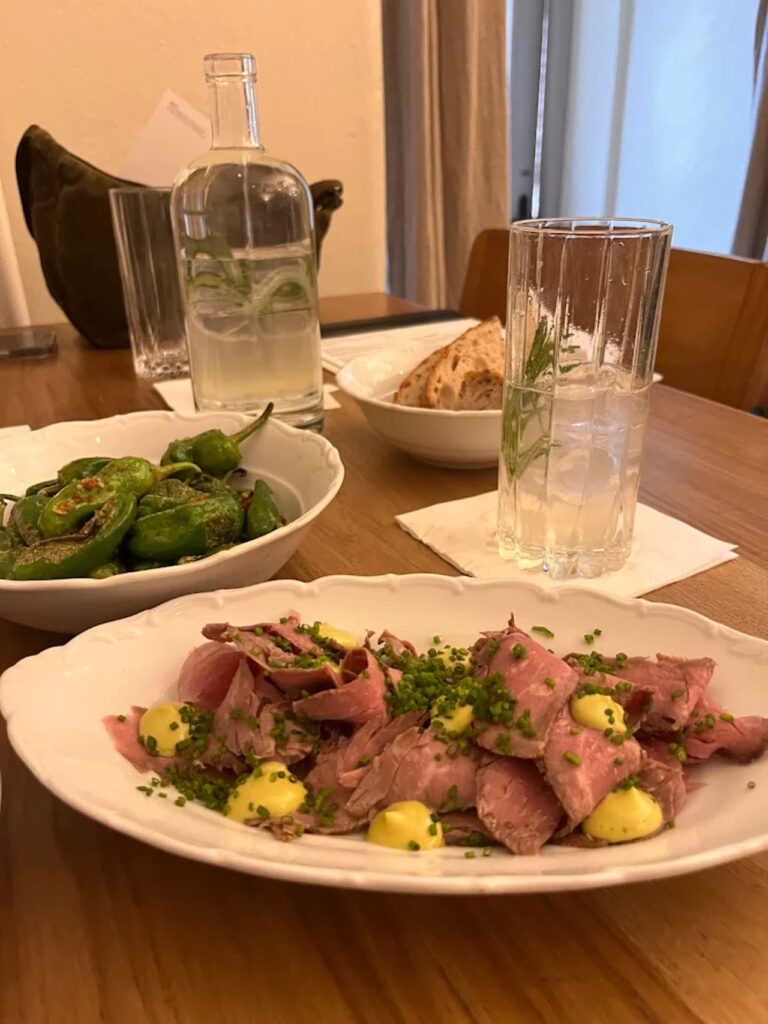
Curated selection sounds thoughtful and refined. The word curated implies that each component was chosen with expertise, much like artwork selected for a gallery. It frames the plate as intentional rather than abundant.
On menus, this phrase often appears beside cheese boards, charcuterie assortments, or dessert trios. Portions are carefully measured and spaced, allowing restaurants to control cost while maintaining a premium look. The arrangement suggests abundance through variety, not volume.
By emphasizing discernment and expertise, the wording shifts attention away from size. Guests focus on quality and selection rather than quantity, making smaller portions feel exclusive instead of limited.
8. Handcrafted Plate
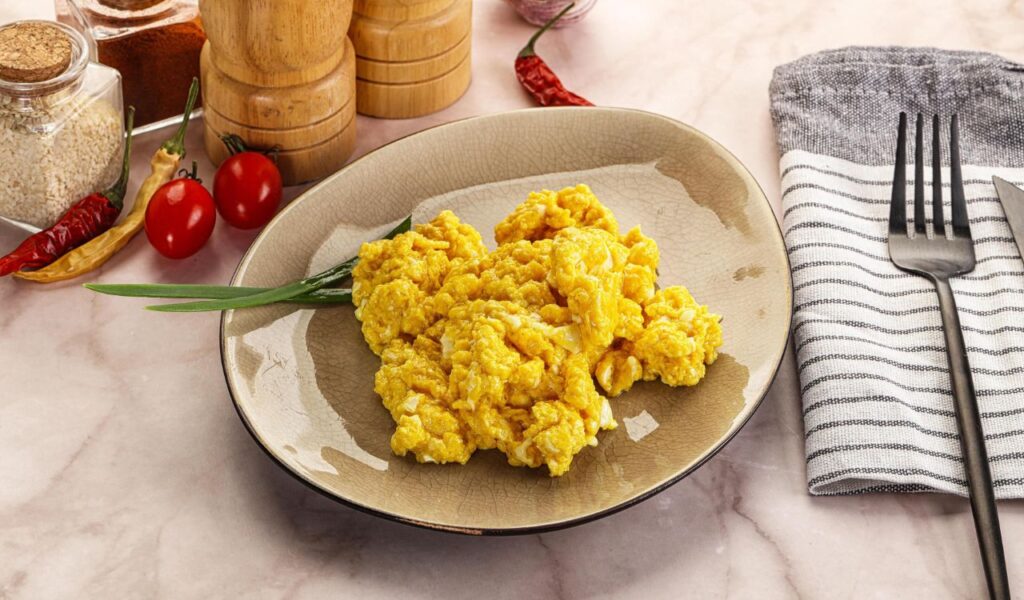
Handcrafted signals care and personal attention. It suggests that the dish was assembled deliberately by a skilled cook, not mass-produced in a standardized way. The term builds trust before the plate arrives.
In reality, handcrafted plates may feature restrained plating and fewer elements. Smaller portions can appear more intricate, especially when garnishes are placed precisely, and components are spaced thoughtfully.
The emphasis on craft redirects focus. Diners are encouraged to value technique and effort over volume. The perception of artistry can soften awareness that the serving itself is modest.
9. Seasonal Feature
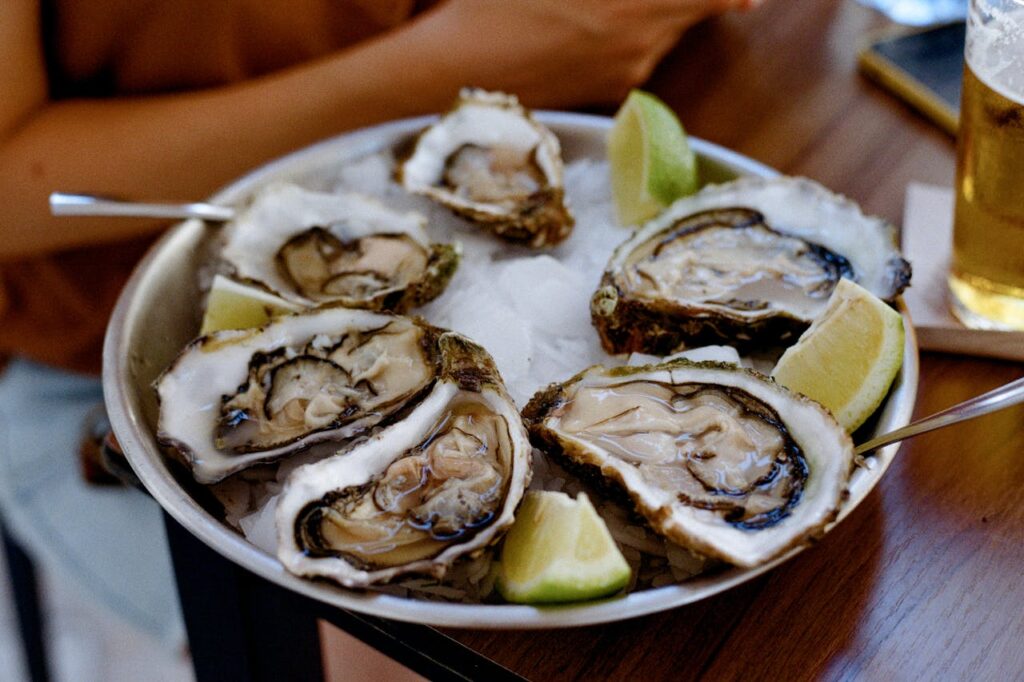
Seasonal feature conveys freshness and timing. It implies that the ingredient is available only for a short window and is being highlighted at peak quality. That sense of rarity shapes expectations immediately.
When portions are smaller, seasonality provides a natural explanation. Limited harvests or specialty produce can justify measured servings. The narrative centers on quality and respect for the ingredient rather than size.
The urgency of the season draws attention to the opportunity. Guests focus on tasting something fleeting and special, which can make a modest portion feel appropriate rather than reduced.
10. Elevated
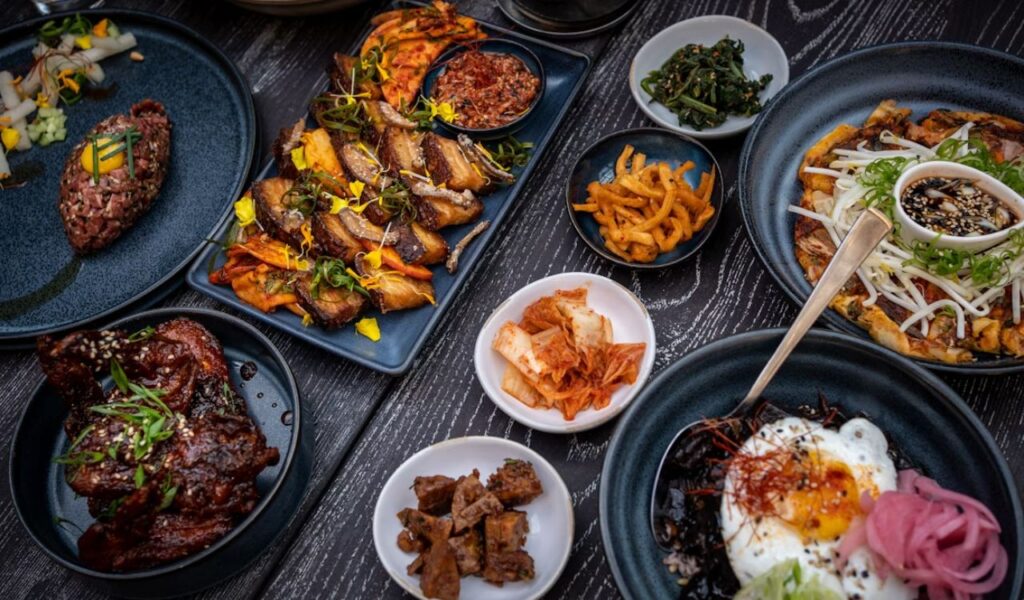
Elevated implies refinement and transformation. A familiar comfort dish is presented as more sophisticated through technique, sourcing, or plating style. The word signals improvement without specifying how.
Often, elevation refers to presentation and premium ingredients rather than increased quantity. The portion may be smaller but arranged with precision, featuring sauces brushed carefully and garnishes placed with intention.
By encouraging diners to prioritize nuance and sophistication, the term reduces emphasis on volume. The dish feels upgraded in status, even if the amount served is more restrained than expected.